Quick Answer: Hamster Cage Setup Checklist
A proper cage setup comes down to six essentials. Get these right and your hamster will be healthier, more active, and live longer.
| Item | Syrian Hamster | Dwarf Hamster |
|---|---|---|
| Cage size | 775+ sq in floor space | 775+ sq in floor space |
| Bedding depth | 6-10 inches | 6-8 inches |
| Wheel size | 10-12 inches | 6-8 inches |
| Water | 50-75 ml bottle | 50 ml bottle |
| Hides | 2+ (multi-chamber) | 2+ (multi-chamber) |
| Total cost | $200-350 | $150-300 |
TL;DR: 775 sq in minimum floor space, 6+ inches paper bedding, species-appropriate wheel, water bottle (not bowl), 2+ hides, and chew toys. Skip the exercise ball — it causes stress and injuries.
A complete hamster cage setup is the single most important thing you’ll do for your pet. Hamsters spend their entire lives in this enclosure — a poor setup leads to stress, health problems, and shorter lifespans.
This guide covers each component step by step, with breed-specific recommendations for Syrians and dwarfs. For the full picture on hamster care beyond just the cage, see our hamster care guide.

Step 1: Choose the Right Cage
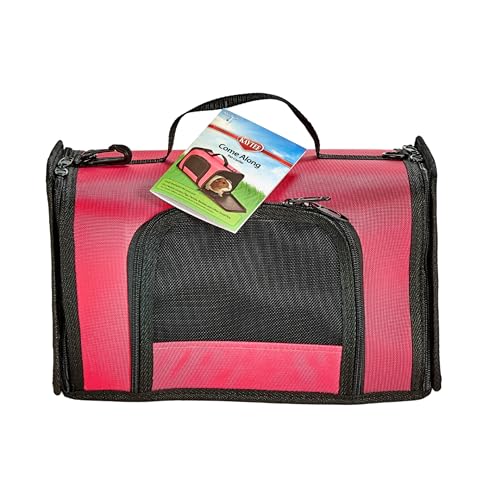
Kaytee Come Along Medium is a quality option worth considering for your setup.
The cage is the foundation of your setup. Get this wrong and nothing else matters.
Minimum Size Requirements
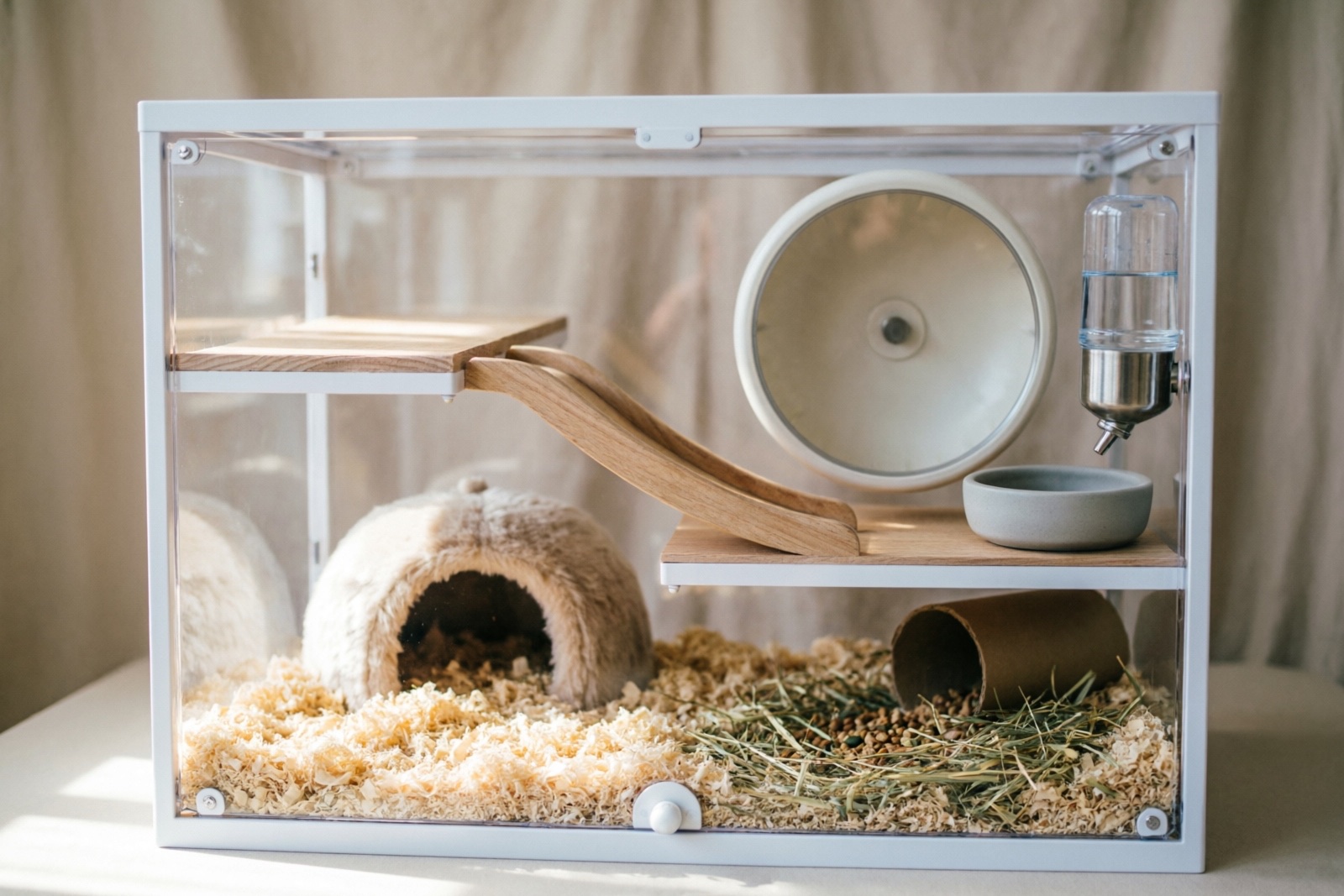
The widely accepted minimum is 775 square inches of uninterrupted floor space (approximately 40 x 20 inches). This standard comes from hamster welfare organizations across multiple countries and applies to all breeds — not just Syrians. For more detail on species-specific dimensions, see our proper enclosure guide.
Many cages sold in pet stores as “hamster cages” are tragically small. A typical commercial hamster cage provides only 200-400 sq in — less than half the minimum.
Small cages cause bar-biting, repetitive pacing, and cage aggression. These aren’t “bad habits” — they’re signs of psychological distress.
Cage Types Compared
| Cage Type | Floor Space | Ventilation | Cost | Best For |
|---|---|---|---|---|
| Glass tank (40 gal) | 648-775 sq in | Fair | $80-150 | Deep bedding, easy to clean |
| DIY bin cage | 700-1000+ sq in | Good | $30-60 | Budget setups, deep bedding |
| Wire cage (large) | 500-775 sq in | Excellent | $60-120 | Ventilation, climbing |
| IKEA Detolf | 960 sq in | Fair | $60-80 | Syrian hamsters, large setups |
A DIY bin cage is the best value option. A 110-quart storage bin costs $15-25 and provides more floor space than most commercial cages. You’ll need to add a mesh lid for ventilation, which takes about 30 minutes of DIY work.
For Syrian hamsters specifically, we recommend at least 100 x 50 cm (approximately 775 sq in). See our Syrian hamster cage size guide for detailed measurements and product recommendations.
For dwarf hamsters, bar spacing must be ½ inch or less — otherwise they’ll squeeze through and escape. Our dwarf hamster cage guide covers this in detail.

Step 2: Add the Right Bedding
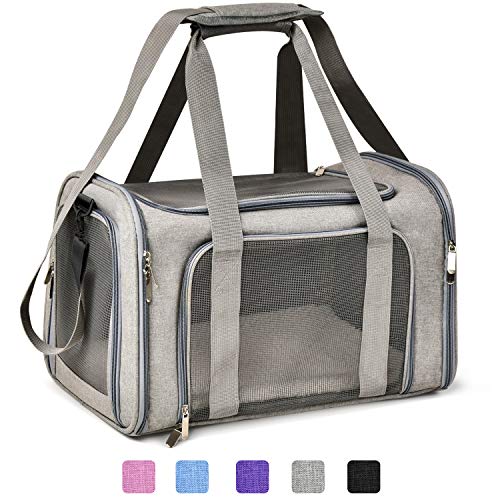
Many owners find that Living World Carrier Large works well for their pet’s needs.
Bedding isn’t just floor covering — it’s your hamster’s burrowing substrate, nest material, and toilet area. Getting the depth and material right is critical for a proper setup.
Bedding Depth
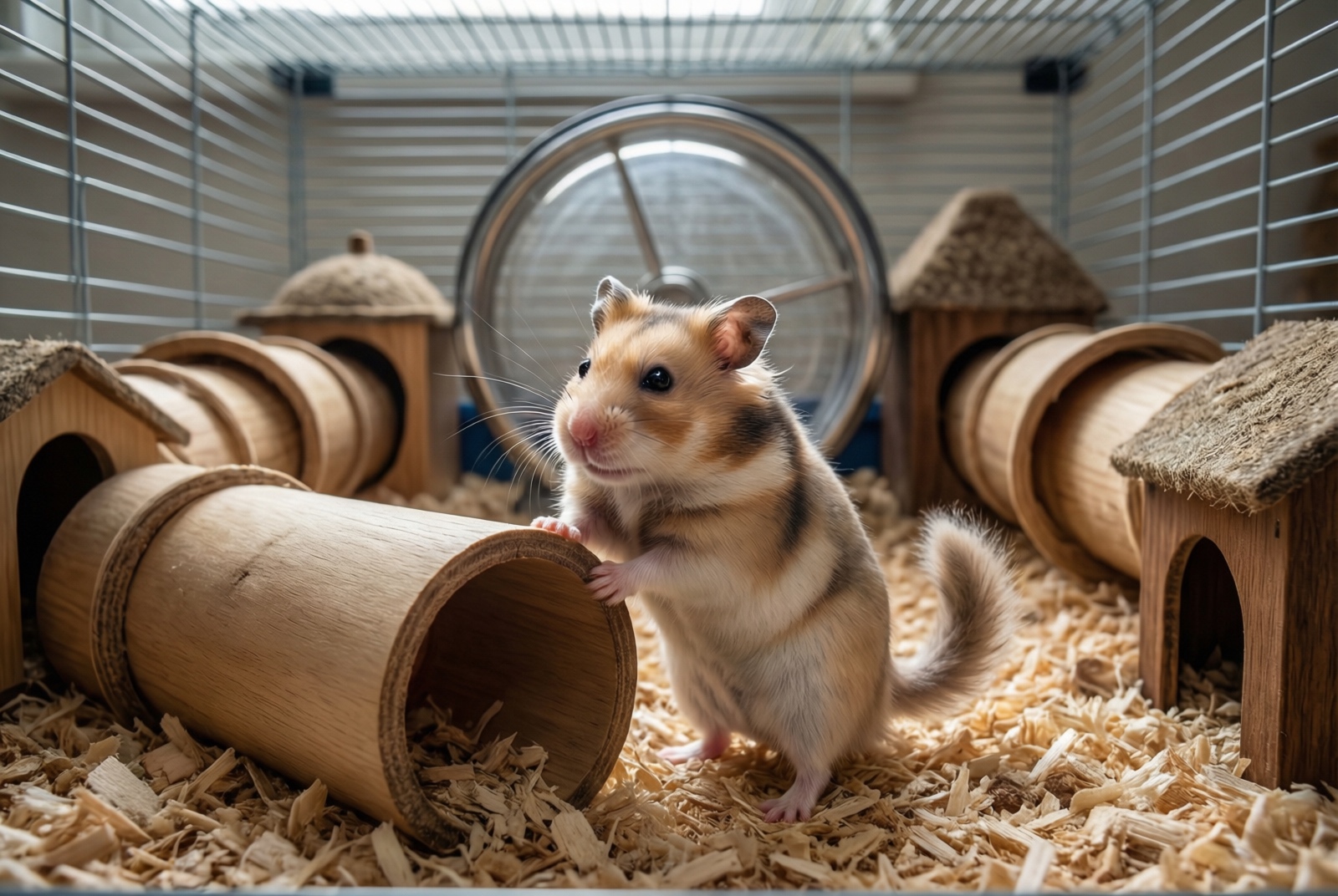
Hamsters are natural burrowers that dig complex tunnel systems in the wild. In captivity, they need at least 6 inches of bedding across the entire cage, with one area having 8-10 inches for deep burrowing.
Shallow bedding forces hamsters to live on the surface, which increases stress and eliminates natural digging behaviors. Deep bedding is one of the cheapest and most effective forms of cage enrichment.
Safe vs Unsafe Bedding
| Bedding Type | Safe? | Notes |
|---|---|---|
| Paper-based (Carefresh) | Yes | Best overall — soft, absorbent, safe |
| Aspen shavings | Yes | Affordable, good for burrowing |
| Paper pellets | Yes | Highly absorbent, good for litter training |
| Pine shavings | No | Aromatic oils cause respiratory damage |
| Cedar shavings | No | Toxic — causes liver and lung damage |
| Cotton/fluffy bedding | No | Limb amputation risk, intestinal blockage |
| Sawdust | No | Too dusty — respiratory irritation |
Pine and cedar shavings release phenols (aromatic oils) that cause chronic respiratory infections and liver damage in small animals. This is well-documented in veterinary literature — there is no “kiln-dried” exception that makes them safe.
For a full breakdown, see our aspen vs pine bedding comparison and our best bedding guide.

Step 3: Choose the Right Wheel
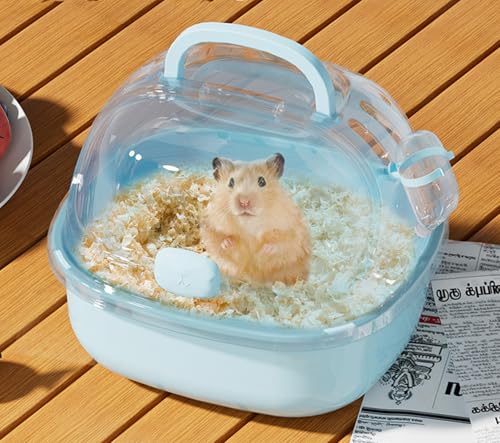
For this purpose, BUCATSTATE Carrier + Water Bottle is a popular choice among pet owners.
A wheel is not optional — hamsters run 5-8 miles per night in the wild, and a wheel is how they meet that need in captivity. The wrong wheel size causes permanent spinal damage.
Wheel Size by Breed
| Breed | Minimum Wheel Size | Recommended | Why |
|---|---|---|---|
| Syrian | 10 inches | 11-12 inches | Largest breed — back must stay flat |
| Chinese | 8 inches | 8-9 inches | Medium build, long tail |
| Winter White | 7 inches | 8 inches | Rounder build than Roborovski |
| Campbell’s | 7 inches | 8 inches | Similar to Winter White |
| Roborovski | 6.5 inches | 7-8 inches | Smallest breed but still needs room |
A wheel that’s too small forces the hamster to arch its back while running. Over time, this causes spinal curvature, joint pain, and arthritis. If your hamster’s back curves upward on the wheel, the wheel is too small. Use our hamster wheel size guide to calculate the exact size your breed needs.
Wheel Safety Checklist
The wheel must have a solid running surface. Wire and mesh wheels cause bumblefoot (a painful bacterial infection of the foot pads) and can trap toes, leading to broken legs. Silent spinners and wooden wheels are the safest options.
For detailed product recommendations and noise testing, see our best hamster wheel guide and our wheel size guide.

Step 4: Water and Food Setup
Water Bottle
Use a hang-on water bottle, not a water bowl. Bowls get tipped over, filled with bedding, and contaminated with feces.
A 50-75 ml bottle is sufficient for most hamsters. Check the ball bearing daily — hamsters dehydrate quickly if the bottle stops working.
Position the bottle at a height where your hamster can reach it comfortably while standing on all fours. For glass tanks, suction-cup bottle holders work well. For wire cages, a simple wire bracket is fine.
See our best water bottle guide for recommended models.
Food Dish
A small, heavy ceramic dish (2-3 inches diameter) works best. Plastic dishes get chewed and tipped over. Place the food dish away from the toilet corner — hamsters typically choose one corner as their bathroom, and you don’t want food near it.
The staple diet should be a commercial pellet mix formulated for hamsters. For recommendations, see our best hamster food guide and our hamster diet guide.

Step 5: Hides and Enrichment
Hides (Multi-Chamber)
Hamsters need at least 2 hideouts — one for sleeping and one as a backup nest site. A multi-chamber hide (3-4 connected rooms) is even better because it mimics the burrow system they’d dig in the wild.
Wooden hides are ideal because they double as chew toys. Ceramic hides stay cool in summer, which is a nice bonus. Avoid plastic hides with small openings — hamsters can get stuck, especially as they grow.
Sand baths belong in this category too. A small container filled with chinchilla sand (not dust) gives hamsters a place to groom and keep their coat clean. See our hamster sand bath guide for setup tips.
Chew Toys and Enrichment
Hamsters’ teeth never stop growing, so they need constant access to chew materials. Without chew toys, teeth overgrow and puncture the roof of the mouth — a fatal condition if untreated.
Safe chew options include untreated apple wood sticks, willow balls, and loofah pieces. For product recommendations, see our best hamster toys guide and Syrian hamster chew toys guide.
For a comprehensive list of enrichment ideas beyond basic setup, see our cage enrichment guide.

Step 6: Placement and Safety Check
Cage Placement
Where you put the cage matters as much as what’s inside it. Hamsters are prey animals with exceptional hearing and smell — constant perceived threats from noise, other pets, or temperature fluctuations cause chronic stress.
Temperature: Keep the cage between 65-75°F (18-24°C). Below 60°F triggers hibernation attempts in Syrians, which can be fatal.
Above 80°F causes heatstroke. Never place the cage in direct sunlight or near a window.
Location: Choose a quiet room away from TVs, speakers, and high-traffic areas. Keep the cage away from cats, dogs, and other pets. Even if your dog is “friendly,” a hamster perceives a predator hovering over its cage as a life-threatening situation.
Surface: Place the cage on a stable, level surface. For glass tanks, use a foam mat underneath to prevent cracking.
The Safety Checklist
Before putting your hamster in the cage, run through this checklist:

| Check | Why It Matters |
|---|---|
| Bar spacing ≤ ½ inch (wire cages) | Dwarf hamsters escape through wider gaps |
| No sharp edges or exposed wire | Cuts and scrapes lead to infection |
| Wheel is solid surface, not wire or mesh | Prevents bumblefoot and broken toes |
| Water bottle flows freely | Hamsters dehydrate within hours |
| Bedding is 6+ inches deep | Enables natural burrowing behavior |
| No pine, cedar, cotton, or sawdust | Respiratory and injury hazards |
| All plastic parts are chew-proof | Ingested plastic causes intestinal blockage |
| Cage is escape-proof | Hamsters fit through surprisingly small gaps |
| Temperature is 65-75°F | Prevents hibernation and heatstroke |
Common Hamster Cage Setup Mistakes
Even experienced owners make these errors. Here are the most frequent ones:
Cage too small. This is the #1 mistake. A cage under 775 sq in restricts movement, causes stress behaviors (bar-biting, pacing), and shortens lifespan.
When in doubt, go bigger. See our best hamster cage guide for properly sized options.
Wheel too small. The second most common error. A Syrian hamster on a 6-inch wheel is like a human running bent in half. Always size up — see our wheel size guide for breed-specific recommendations.
Using exercise balls. Hamster balls are dangerous — they restrict ventilation, cause toe pinching at the slit openings, and offer no escape route when the hamster is stressed. A proper playpen setup is a safer alternative for out-of-cage time.
Shallow bedding. One inch of bedding isn’t a cage setup — it’s a cage floor covering. Hamsters need 6+ inches to express natural burrowing behavior. Deep bedding also absorbs odor better.
Ignoring temperature. Placing a cage near a window or air vent can cause fatal temperature fluctuations. Hamsters cannot sweat or pant effectively to cool down. For first-time owners, our beginner’s guide covers the full setup checklist and common pitfalls.
Cage Setup Cost Breakdown
| Item | Budget Option | Mid-Range | Premium |
|---|---|---|---|
| Cage | $30-60 (bin cage) | $80-150 (glass tank) | $150-300 (large enclosure) |
| Bedding | $10-15 (aspen) | $15-25 (paper-based) | $25-40 (premium paper) |
| Wheel | $10-15 (plastic) | $15-25 (silent spinner) | $25-40 (wooden) |
| Water bottle | $5-10 | $8-15 | $10-20 |
| Hides | $5-10 (DIY) | $10-20 (wooden) | $20-40 (multi-chamber) |
| Chew toys | $5-10 | $10-15 | $15-25 |
| Food dish | $3-5 | $5-8 | $8-12 |
| Total | $70-120 | $140-280 | $250-680 |
The budget option (bin cage setup) provides excellent welfare at minimal cost. The key items — floor space, bedding depth, and wheel size — cost the same regardless of how fancy the cage looks.
Cleaning and Maintenance
A proper cage needs regular maintenance to stay healthy.
Daily: Spot clean soiled bedding, remove uneaten fresh food, check water bottle. This takes 2-3 minutes.
Weekly: Replace heavily soiled bedding in the toilet corner. Wipe down the wheel if it gets dirty. Add fresh bedding to maintain depth.
Monthly (4-6 weeks): Full cage clean — replace all bedding, wash hides and wheel with mild dish soap, rinse thoroughly and dry completely before reassembling. Always leave a handful of old bedding so your hamster retains its scent markers.
For a detailed cleaning schedule, see our cage cleaning guide.
Further Reading
Cage and Enclosure:
- Best Hamster Cage
- Bin Cage DIY Guide
- Proper Enclosure Requirements
- Syrian Hamster Cage Size
- Dwarf Hamster Cage Guide
- Cage Enrichment Ideas
Supplies:
- Best Hamster Bedding
- Best Hamster Wheel
- Best Hamster Toys
- Best Hamster Food
- Best Water Bottle
- Hamster Sand Bath Guide
Care Basics: