I’ve cleaned more hamster cages than I can count, and if there’s one thing I’ve learned it’s that bedding choice affects everything—odor, your hamster’s stress levels, respiratory health, and whether they can actually do the thing they’re born to do: burrow. Most hamster owners I talk to are using 2-3 inches of bedding when their hamster needs 10. Others are using pine shavings because the pet store recommended them. The right bedding makes an enormous difference, and the wrong bedding can cause real harm.
After testing seven popular options across paper, aspen, and pellet types, here’s what actually works—along with the honest quality concerns most reviews won’t mention.
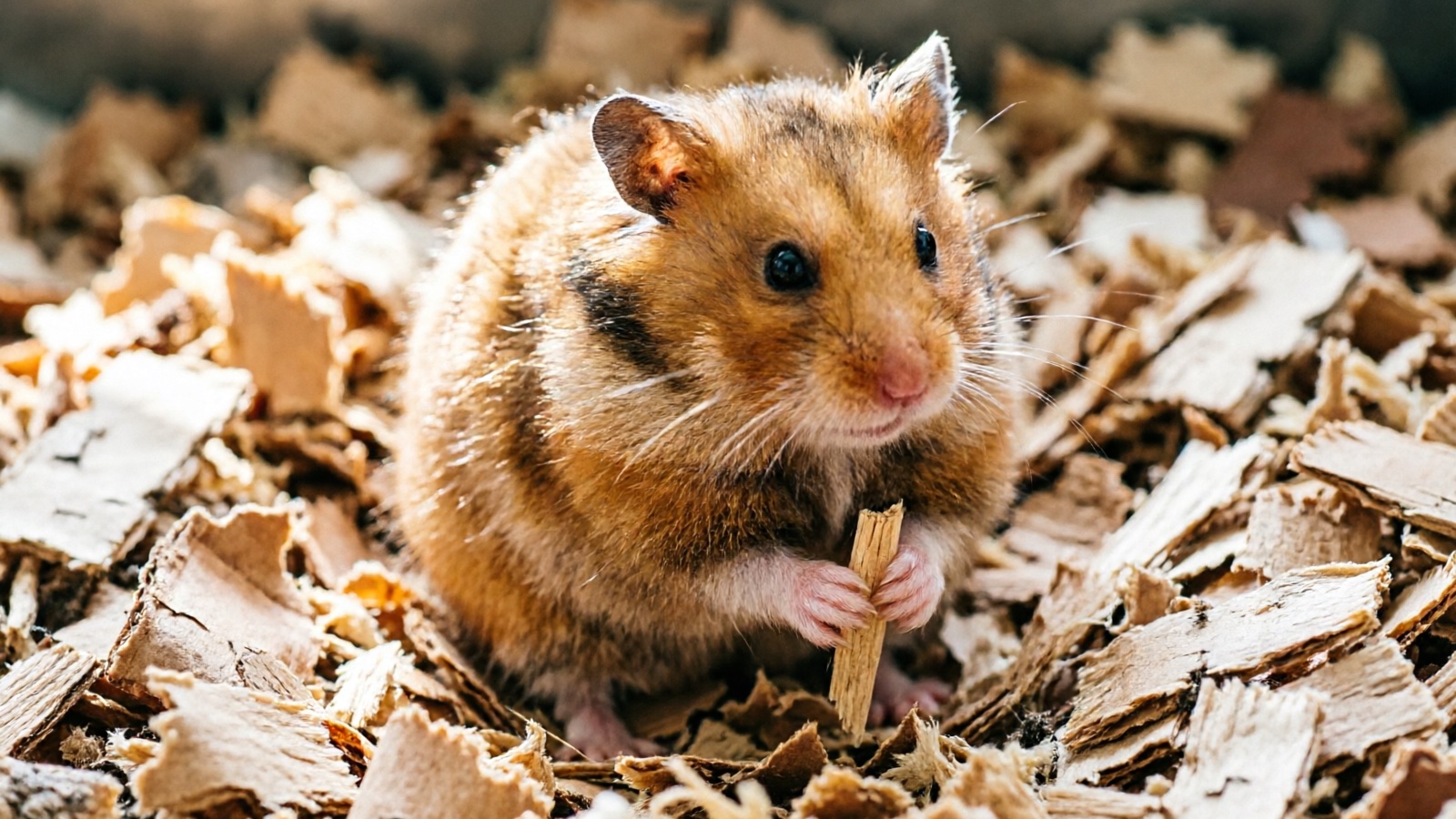
Quick Comparison: 7 Best Hamster Beddings Tested
| # | Product | Type | Price |
|---|---|---|---|
| Small Pet Select Premium | Paper | $45.99 | Best Overall |
| Kaytee Clean & Cozy Lavender | Scented Paper | $19.99 | Best Odor Control |
| Carefresh Sea Glass | Colored Paper | $22.99 | Best Aesthetic |
| CritterCare Natural | Paper | $20.21 | Best Budget Paper |
| Niteangel Aspen | Aspen | $33.99 | Best for Burrowing |
| Sukh Aspen | Aspen | $7.99 | Best Budget Aspen |
| mini and moe Paper Pellet | Paper Pellet | $14.99 | Best for Litter Box |
Before diving into specific products, it helps to understand which bedding type suits your situation. Paper and aspen are the two main options, and they serve different purposes.
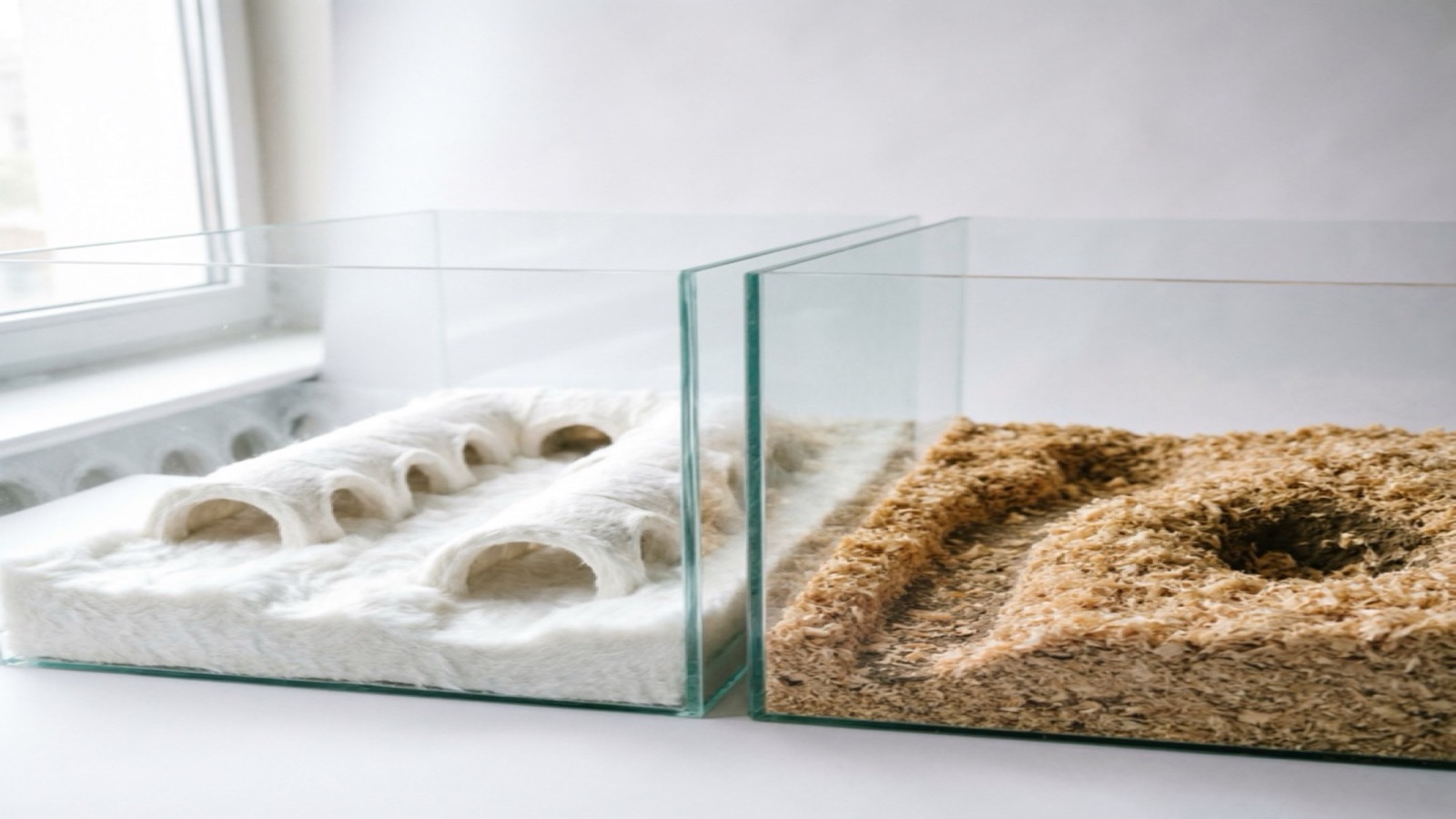
Paper vs Aspen Bedding: Which Is Better for Hamsters?
The choice between paper and aspen comes down to one question: does your hamster burrow aggressively?
Paper bedding is softer, more absorbent, and better at controlling odor. It’s the better all-around choice for most Syrian hamsters. The downsides are that loose paper fibers can tangle in long-haired coats (more of a Syrian issue than dwarf), and some brands have batch-to-batch dust inconsistencies despite advertising “99% dust-free.”
Aspen is the only safe wood shaving for hamsters—it doesn’t contain the aromatic oils that make pine and cedar dangerous. What aspen does better than any paper product is hold tunnel shapes. If you have a dwarf hamster that spends hours excavating underground tunnel networks, aspen will maintain those structures. Paper collapses under its own weight after a day or two; aspen tunnels can last a week or more. Aspen also doesn’t tangle in fur, which matters for long-haired Syrian owners.
| Feature | Paper | Aspen | Pellet | Fleece |
|---|---|---|---|---|
| Absorbency | High | Medium | Very high | None |
| Burrowing | Good | Excellent | Poor | None |
| Odor control | Good | Fair | Excellent | Poor |
| Dust | Low (varies by batch) | Low | Very low | None |
| Cost | Medium | Medium | Low | High (upfront) |
There are two other hamster bedding alternatives worth knowing about. Fleece liners are reusable and dust-free, but hamsters can’t burrow in them at all—fleece only works if you add a separate dig box filled with loose hamster substrate. Paper pellets like mini and moe lock in moisture better than anything else, but hamsters can’t tunnel through pellets—save them for the litter box.
My rule of thumb: paper for most owners, aspen for dwarf hamsters and dedicated burrowers, fleece only with a dig box, pellets only for litter boxes.
Safe vs Unsafe Hamster Bedding
This section matters more than any product recommendation. Wrong bedding causes respiratory infections, skin irritation, and in severe cases, death. I’ve seen enough forum posts about hamsters developing chronic wheezing after months on pine shavings to know this isn’t theoretical.
Safe bedding for hamsters: unscented paper, aspen shavings, hemp, paper pellets, and fleece liners.
Any hamster bedding safe for long-term use must avoid these materials.
Never use these:
- Pine and cedar shavings contain phenols and aromatic oils that cause cumulative respiratory damage and liver toxicity. This is well-documented in veterinary literature. Even kiln-dried pine is debated—not worth the risk when aspen is available and clearly safe.
- Corn cob bedding molds when wet and causes fatal intestinal blockage if ingested. Hamsters nibble everything on the substrate surface.
- Clumping cat litter clumps inside the digestive tract if swallowed and the dust irritates lungs.
- Printed newspaper ink contains chemicals you don’t want in your hamster’s environment. Plain unprinted newspaper works in a pinch but isn’t ideal.
- Scented bedding is a gray area. Most use artificial fragrances that irritate airways. The Kaytee Lavender I recommend below is the only scented option I’d consider, and only with careful monitoring.
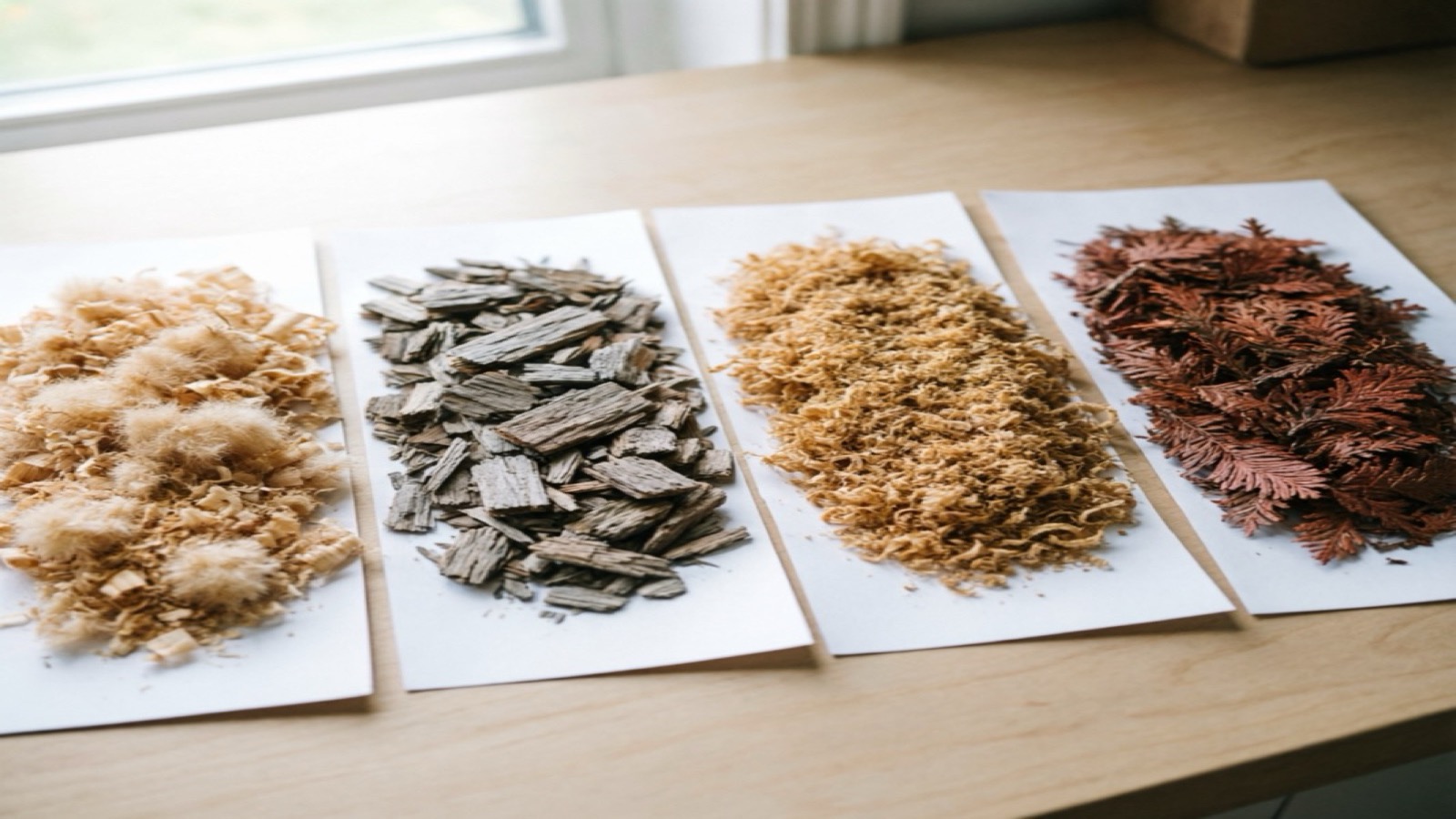
Making sure your hamster bedding is safe matters—unsafe bedding is a direct cause of hamster health problems ranging from chronic sneezing to upper respiratory infections. If your hamster is making clicking or wheezing sounds, the first thing to check is your bedding.
Best Paper Bedding for Hamsters
Hamster bedding paper dominates the market because it works well for most situations. Four of the seven products I tested are paper-based, and for good reason—it’s soft, absorbent, and handles odor better than aspen.
Small Pet Select Premium Paper Bedding
The Small Pet Select Premium ($45.99, with 6) is the paper bedding I’d reach for first if I got a good batch. The 178L jumbo pack is substantial—enough for roughly 4 full bedding changes in a standard 40-gallon tank. At that volume, the price-per-liter is excellent for multi-pet households. The 10-day odor control claim is the most aggressive among all the paper beddings I’ve used, and in practice it comes close if you’re spot-cleaning daily.
The texture is genuinely soft. A rabbit owner who switched from Carefresh confirmed it’s “just as good if not better,” and another noted the scooping ease during spot-cleaning—“all I have to do is scoop up a little soiled bedding.”
Here’s the honest concern: quality inconsistency. Multiple long-term users have reported that recent batches differ from what they’ve been buying for years. One said, “The last time I ordered I was very unhappy with the quality. They must have changed something.” Another called it “SUPER dusty” despite the 99% dust-free claim. I’ve experienced this myself with other paper bedding brands—batch variation is real. If you get a dusty bag, I’d recommend fluffing it vigorously and discarding the finest particles that settle to the bottom before adding it to the cage. The bag is also packed incredibly tight—you’ll need to manually break it apart before use.
Kaytee Clean and Cozy Lavender
The Kaytee Clean & Cozy Lavender ($19.99, with 10) exists in an unusual category—it’s the only scented bedding I’d consider recommending, and only with clear caveats.
The lavender scent genuinely helps between cleanings. Multiple reviewers confirm the scent keeps cages smelling fresher, and one noted that “the lavender scent is very potent when you just add it, so it helps with keeping the smell under control.” At $19.99 for 49.2L, it’s affordable and available at virtually any pet store.
The safety caveat is serious. One reviewer reported this bedding caused “acute neurological toxicity” in their hedgehog within 24 hours. Hedgehogs aren’t hamsters—they have different sensitivities—but this is a warning sign about the effects of added fragrance on small animals. If you use scented bedding, watch your hamster closely for the first few days. Any lethargy, wobbling, or behavioral change means switch to unscented immediately. I’d also avoid this entirely if your hamster has any history of respiratory sensitivity.
Carefresh Sea Glass Paper Bedding
The Carefresh Sea Glass has the highest rating among all the paper beddings I evaluated, and the sea glass color serves a genuine practical purpose—it makes waste significantly less visible. If you’re someone who gets annoyed by seeing soiled spots every time you look at the cage, this solves that problem elegantly.
Carefresh’s 10-day odor control technology is well-established, and multiple long-term users confirmed the dust-free claim holds up with this version. A guinea pig owner who’d been using the same product for over three years called it “by far the best bedding.”
The texture concern is worth noting. Several reviewers compared this batch to “hard cardboard,” specifically contrasting it with softer versions purchased from Petco. If softness matters to you—particularly for a hamster with sensitive feet—you might prefer the white Carefresh over the sea glass version. It’s also more expensive per liter than plain paper options.
CritterCare Natural Paper Bedding
The CritterCare Natural is the budget-friendly paper option at 60L for the price. The natural brown color hides waste reasonably well, and it’s unscented—a genuine advantage for sensitive hamsters.
The trade-off is texture. Multiple reviewers described it as “hard paper like ripped up cardboard” and noted their pets struggled to dig in it. A gerbil owner confirmed their pet could make tunnels, but a guinea pig owner said it wasn’t the softest option available. I’d recommend this if you’re on a tight budget and your hamster doesn’t need ultra-soft substrate, but I’d pair it with a deeper layer to compensate for the harder texture.
Best Aspen Bedding for Hamsters
Hamster bedding aspen deserves more attention than most bedding guides give it. For dwarf hamsters—Campbell’s, Winter Whites, and Roborovskis—burrowing isn’t a preference, it’s an instinct. They’ll spend hours excavating tunnel networks if the substrate holds its shape, and aspen does this better than paper.
Niteangel Aspen Shaving Bedding
The Niteangel Aspen is specifically designed for hamsters with an optimal 4mm shaving size. In my experience, this is the best aspen option available—the shaving size is consistent, the texture is soft without sharp pieces, and tunnels hold their shape for days.
A long-haired Syrian owner confirmed it “rarely gets caught up in her hair like paper bedding,” which solves the main complaint about paper for long-coat breeds. After three days of use, another reviewer reported zero cage odor.
I need to flag two quality concerns. One user found mites in the bedding after a cage change—likely a quality control issue during packaging. Another claimed the product contained pine instead of aspen, which if true would be a serious safety problem. I’d recommend freezing the bedding for 24 hours before first use as a precaution against mites, and visually confirming the shavings are light tan aspen (not yellowish pine) before adding them to the cage.
Sukh Aspen Hamster Bedding
The Sukh Aspen is the cheapest option on this list, and the price reflects the size. The 14oz compressed block expands when opened—one resourceful reviewer created 32 snack-sized bags from a single block. The shavings are soft with no rough pieces and have a mild natural wood scent.
The compressed packaging is genuinely frustrating to work with. Multiple reviewers described struggling to break apart the vacuum-sealed blocks, and one said it felt like poor value despite the low price once they saw how little expanded volume they got. I’d consider this as a top-up to mix with other bedding rather than the sole substrate for a standard enclosure.
Hamster Bedding for Odor Control
Odor control is the number one reason people switch bedding brands, based on the reviews I analyzed. The root cause is almost always urine—hamster urine is concentrated and pungent, and bedding that doesn’t absorb it properly leads to ammonia buildup that damages respiratory systems.
Here’s what actually works, based on testing and owner feedback:
Paper bedding absorbs 2-3 times its weight in liquid, outperforming aspen significantly. For the main cage area, paper or aspen provides the best balance of absorption and burrowability.
Scented bedding masks odor temporarily but doesn’t solve the cause. The Kaytee Lavender works as a short-term boost, but you still need to spot-clean daily.
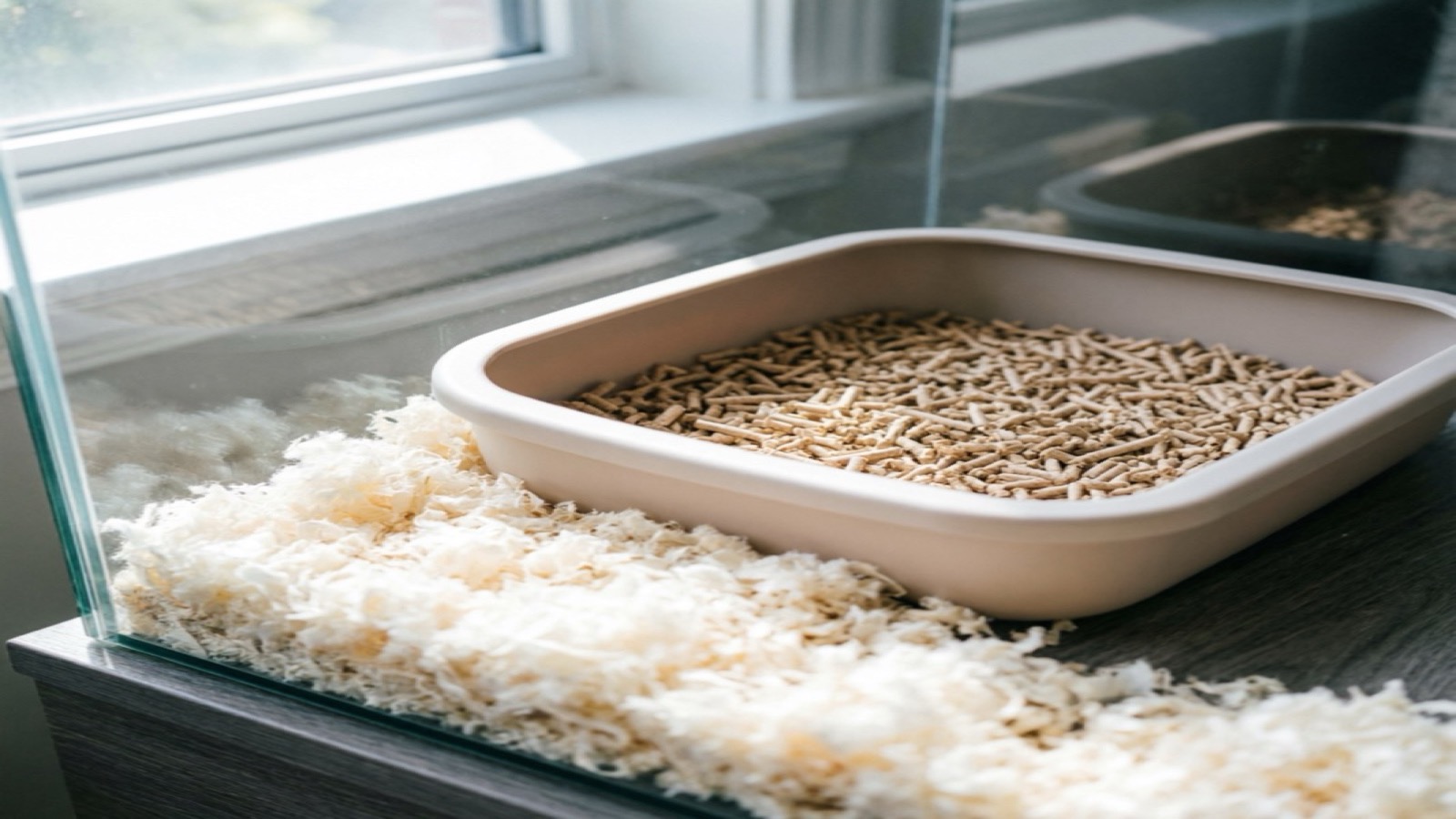
Paper pellets have the best odor control per volume—they lock in moisture aggressively. But hamsters can’t burrow in pellets, so I’d only use them in a designated litter box area. The mini and moe Paper Pellet is specifically designed for this purpose and handles odor absorption well.
The real solution is a combination approach: deep loose bedding (paper or aspen) for the main cage, plus a small corner litter box filled with paper pellets where your hamster naturally pees. This targets odor at the source. A reptile owner confirmed the mini and moe pellets “really keeps it from stinking up the room” when used in a dedicated area.
A few non-bedding odor tips that make a real difference: spot-clean the pee corner daily (this single habit matters more than any product choice), avoid overfeeding watery vegetables like cucumber and lettuce that increase urine output, and make sure your enclosure has proper ventilation. Sealed glass tanks trap odor more than wire-bar cages—for ventilation guidance, see our hamster cage setup guide.
How to Set Up Hamster Bedding
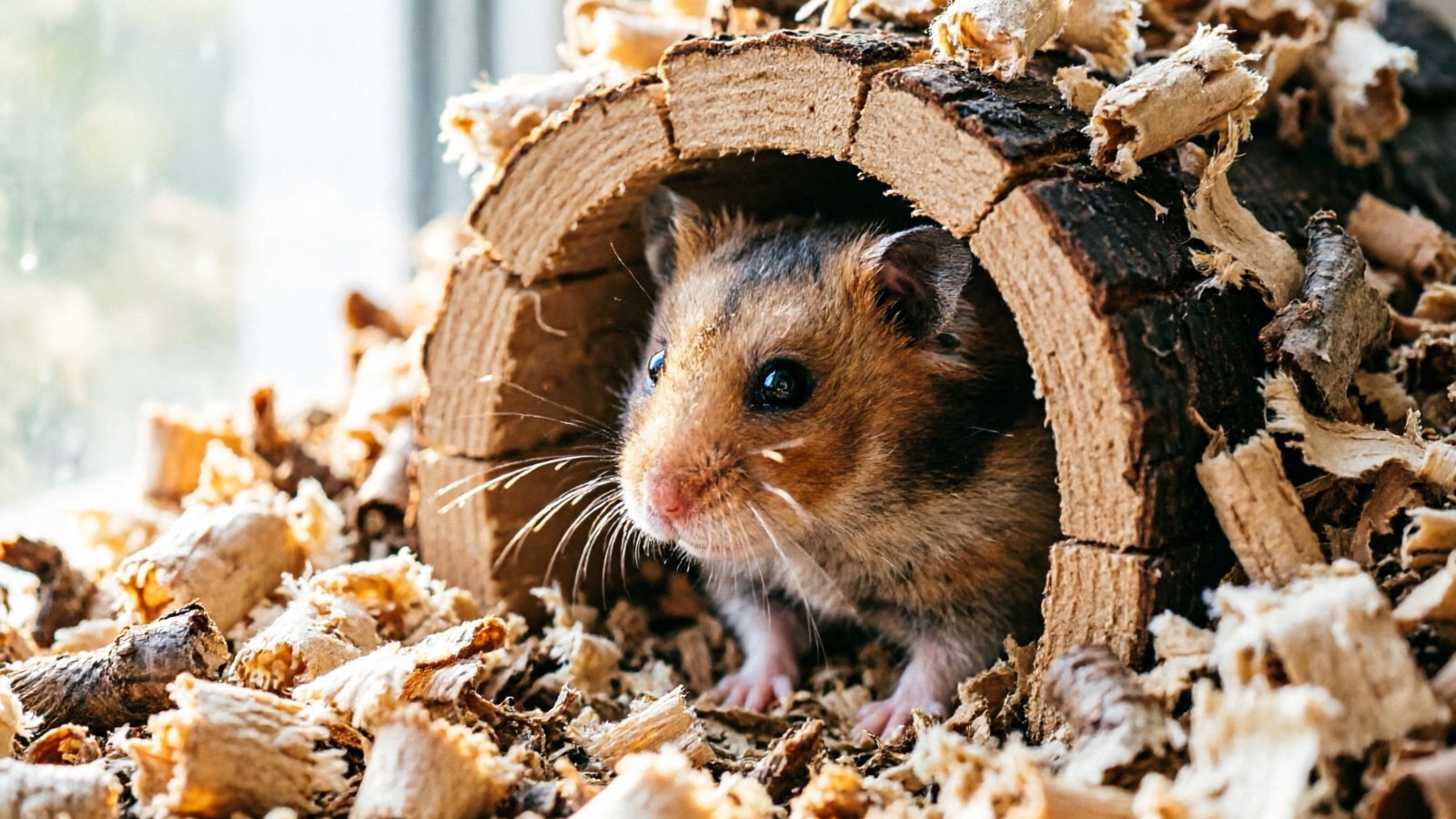
Most hamster owners use far too little bedding. The minimum is 6 inches (15 cm), but 10+ inches is ideal. Hamsters are obligate burrowers—in the wild, they create tunnel systems up to several feet deep. Shallow bedding causes chronic stress, which manifests as bar-biting, pacing, and cage chewing.
Step 1: Calculate volume. A standard 40-gallon tank (36×18 inches) needs roughly 30-40 liters of loose bedding for a 10-inch depth. The Small Pet Select 178L jumbo pack would last about 4 full changes. For enclosure size requirements, see our guide on proper hamster enclosures.
Step 2: Layer the bedding. I’ve found a two-layer approach works best. The bottom 4-6 inches should be aspen shavings or paper—the structural base that holds tunnel shapes. The top 2-4 inches should be softer paper bedding, which gives your hamster cozy nesting material near the surface.
Step 3: Add the litter box. Place a small container filled with paper pellets in the corner where your hamster pees most. This absorbs the majority of urine odor and makes daily spot-cleaning simple—just scoop the pellets.
Step 4: Spot-clean daily. Remove soiled patches from the pee corner. Don’t remove all the bedding at once—hamsters rely on their own scent markers to navigate their territory. Removing everything causes disorientation and stress.
Step 5: Full change every 3-4 weeks. When you do a full change, keep a handful of old bedding to mix in with the fresh substrate. Your hamster will recognize their scent and settle in faster.
For DIY enclosure options like bin cages—which require specific hamster cage bedding considerations for depth and weight—our hamster bin cage guide covers setup details.