What Is a Dutch Rabbit?
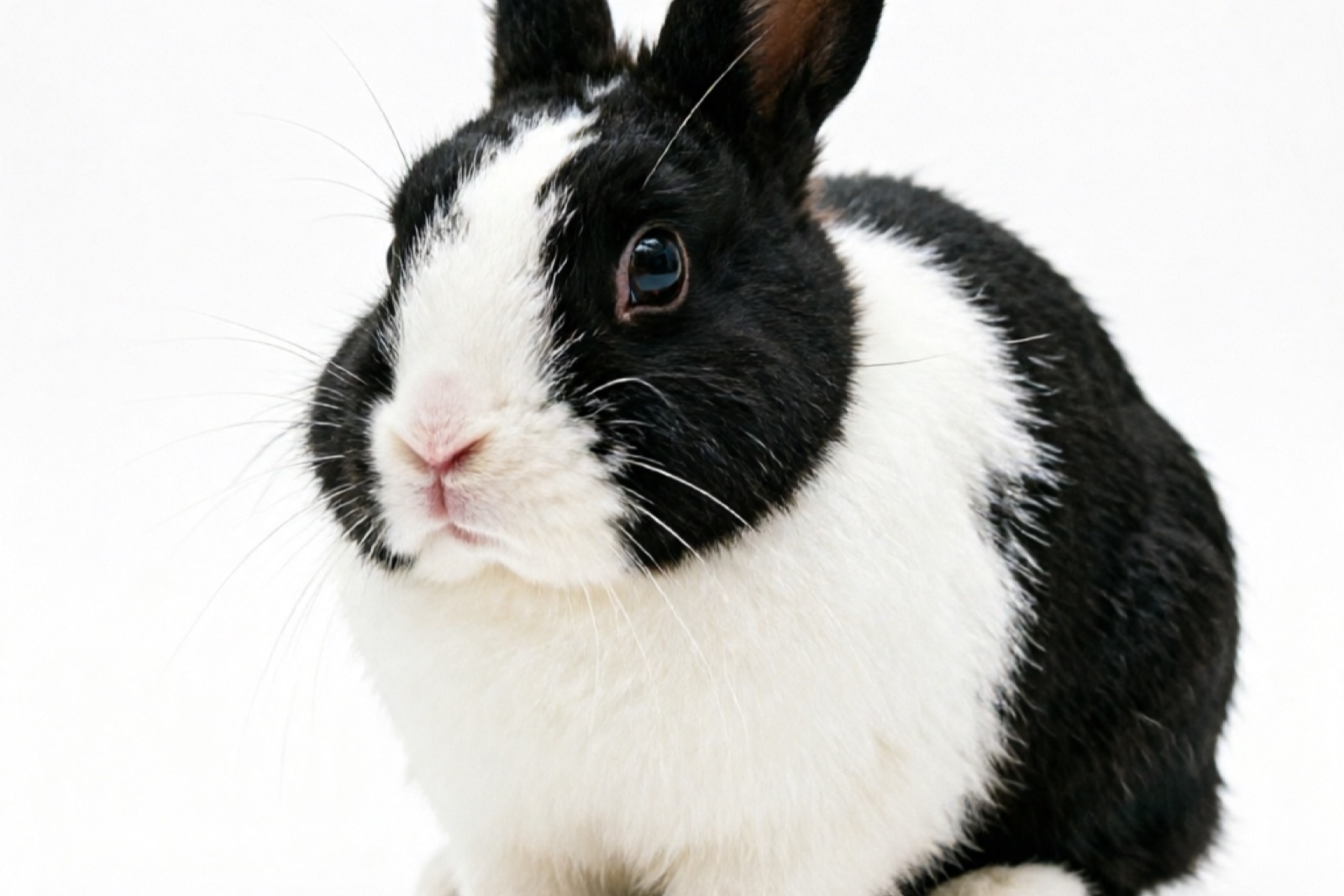
The Dutch rabbit is one of the oldest and most recognizable rabbit breeds in the world. Known for their striking tuxedo-like markings — a white blaze down the face, a colored saddle band across the body, and white feet — this breed has been a favorite among pet owners and show breeders for over 150 years. Despite the name, the breed was not developed in the Netherlands, which is one of the most surprising facts about this historically significant rabbit.
They rank among the top 10 most popular rabbit breeds worldwide. Their combination of moderate size, friendly temperament, and distinctive appearance makes them a common first choice for families and first-time rabbit owners. They are frequently compared to other popular breeds like the Holland Lop rabbit and Mini Rex rabbit, though their tuxedo markings make them instantly distinguishable from any other breed.
Origin & History
The history of this breed is one of the most misunderstood aspects of the breed. Despite the name, they were not developed in the Netherlands.
The breed originated in England during the 1830s, developed from Belgian Petit Brabancon rabbits — a small, stocky breed from the Brabant region of Belgium (which was under Dutch rule at the time). The “Dutch” name likely comes from the Dutch traders and shipping merchants who exported these rabbits through Dutch ports to England, not from the breed’s actual origin.
Historical Timeline
| Period | Event |
|---|---|
| 15th century | Petit Brabancon rabbits documented in Belgium |
| 1830s | English breeders begin selectively breeding Petit Brabancon for specific markings |
| 1864 | First breed exhibition in England |
| 1880s | ARBA (American Rabbit Breeders Association) officially recognizes the breed |
| 1900s | Breed becomes one of the most popular show breeds worldwide |
| 1920s-1950s | Golden age — Breed is among the top 3 most exhibited breeds in the US |
| Present | Remains a top 10 breed globally for both pets and show competition |
Before the rise of dwarf rabbit breeds in the mid-20th century, the breed was arguably the most popular pet rabbit in both England and America. Its decline in household popularity came not from any breed deficiency but from the introduction of smaller, more compact breeds like the Netherland Dwarf rabbit that appealed to apartment dwellers. The breed has never lost its standing in the show world, where its challenging marking standards keep breeders engaged.
Why They Are Popular
Their enduring popularity comes down to three factors:
- Instantly recognizable appearance — The tuxedo marking pattern is unlike any other breed. Even people who know nothing about rabbits can identify a by sight.
- Balanced size — At 3.5-5.5 lbs, they are neither too small nor too large. They are easy to house, handle, and care for compared to giant breeds like the Flemish Giant rabbit.
- Consistently friendly temperament — Unlike some smaller breeds that are prone to nervousness, they have maintained a calm, sociable disposition across generations of selective breeding.
Size & Weight
The breed is classified as a small-to-medium breed. The ARBA standard specifies an ideal weight of 4.5 lbs for both bucks and does, with a show range of 3.5-5.5 lbs.
Size Quick Reference
| Category | Junior (Under 6 months) | Senior (6+ months) | ARBA Ideal |
|---|---|---|---|
| Buck weight | 2.25-3.5 lbs | 3.5-5.5 lbs | 4.5 lbs |
| Doe weight | 2.25-3.5 lbs | 3.5-5.5 lbs | 4.5 lbs |
| Body length | 10-12 inches | 14-16 inches | — |
| Body type | Compact, rounded | Compact, well-muscled | Compact |
This is a 4-class breed under ARBA rules, meaning rabbits are shown in four categories: Junior Buck, Junior Doe, Senior Buck, and Senior Doe. This is the same classification system used by the Mini Rex rabbit and the Holland Lop rabbit.
A full-grown adult reaches adult weight by 6-8 months of age. Before this point, they are classified as juniors and may weigh as little as 2.25 lbs. The compact, round body type should feel firm and well-fleshed when handled — they should never feel bony or loose.
Size Comparison with Popular Breeds
| Breed | Weight | Body Type | Size Category |
|---|---|---|---|
| Netherland Dwarf | 2-2.5 lbs | Compact | Dwarf |
| Dutch | 3.5-5.5 lbs | Compact | Small-Medium |
| Mini Rex | 3-4.5 lbs | Compact | Small |
| Holland Lop | 3-4 lbs | Compact | Small |
| Mini Lop | 4.5-6.5 lbs | Semi-arch | Medium |
| Flemish Giant | 14-20+ lbs | Semi-arch | Giant |
The breed sits in a sweet spot between dwarf and medium breeds. They are large enough to be robust and easy for children to handle (unlike the fragile Netherland Dwarf), yet small enough to house comfortably in a standard apartment setup (unlike the Flemish Giant rabbit). The Mini Lop rabbit is the closest breed in weight, though the Mini Lop has a semi-arch body type rather than compact.
Colors & Markings
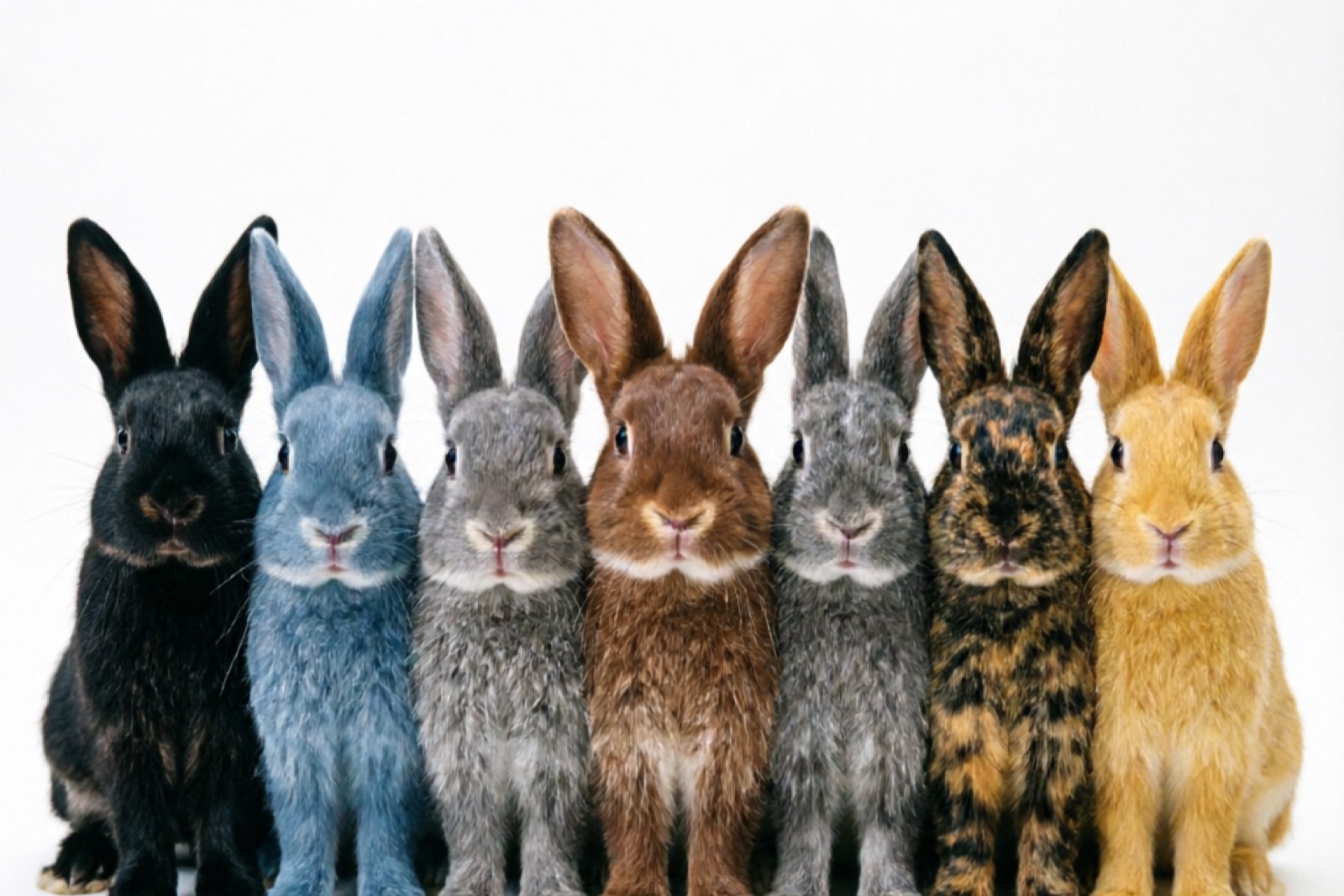
Their most distinctive feature is its color pattern — a specific arrangement of white and colored fur that creates the famous tuxedo appearance. The ARBA recognizes 7 color varieties, and within each color, the marking pattern must meet strict standards for show competition.
7 ARBA-Recognized Colors
| Color | Body Base | Blaze & Markings | Saddle | Stops | Feet |
|---|---|---|---|---|---|
| Black | White | Black | Black band | Black eye circles | White |
| Blue | White | Blue-grey | Blue-grey band | Blue-grey circles | White |
| Chocolate | White | Dark brown | Dark brown band | Brown circles | White |
| Grey (Steel) | White | Dark grey | Dark grey band | Grey circles | White |
| Steel | White | Steel-tipped black | Steel-tipped band | Steel-tipped circles | White |
| Tortoiseshell | White | Orange-brown | Orange-brown band | Orange circles | White |
| Yellow | White | Golden-orange | Golden-orange band | Golden circles | White |
Black is the most common and widely available color. Tortoiseshell and Yellow are among the rarer varieties and may require searching for specialized breeders. All seven colors share the identical marking pattern — only the pigment color of the markings differs.
The Dutch Marking Pattern
Every rabbit, regardless of color, displays the same six-part marking pattern. This pattern is what makes the breed instantly recognizable:
- Blaze: A white stripe running from the nose up between the eyes to the forehead. The ideal blaze is straight, even, and stops at the ears. A crooked, too-narrow, or absent blaze is a show disqualification.
- Saddle: A colored band that wraps around the rabbit’s body starting at the neck and extending back. The saddle should have clean, sharp edges where it meets the white body.
- Undercut: A colored band that crosses the rabbit’s belly between the front and rear legs. This creates the continuous colored band effect when viewed from the side.
- Stops: Colored patches around each eye. The stops should match the saddle color and be symmetrical — mismatched or missing stops are penalized in competition.
- Cheeks: Colored fur on the cheeks, blending into the blaze above and the saddle below.
- Footstops: White fur on all four feet. The ideal specimen has clean white feet with a clear dividing line between white and colored fur.
Color Genetics
The color pattern is controlled by multiple genes working together. The white base is influenced by the Dutch gene (a spotting pattern gene), while the colored markings are determined by the basic color genes (B for black/brown, D for dense/dilute, etc.). Breeding them for correct markings is one of the most challenging aspects of the breed — even experienced breeders produce offspring with imperfect patterns regularly. The ideal show Dutch has perfectly even, symmetrical markings with no stray colored hairs in the white areas and no white hairs in the colored areas.
ARBA Show Standard
In ARBA competition, They are judged on marking quality first and color shade second. A perfectly marked Black specimen will beat a beautifully colored but poorly marked Tortoiseshell. The ideal weight is 4.5 lbs. Common disqualifications include missing the blaze entirely, asymmetrical stops (one stop larger than the other), and colored fur on the white footstops. Eye color must match the variety: dark brown for Black, Blue-grey for Blue, and so on.
For a comparison with another breed where coat genetics play a central role, see our Rex rabbit coat genetics guide.
Temperament & Personality
The temperament of this breed is one of the breed’s strongest selling points. They are consistently described by owners and breeders as calm, friendly, and sociable — a combination that makes them well-suited for families, first-time owners, and households with children.
Personality Traits
| Trait | Description |
|---|---|
| Friendliness | ★★★★★ |
| Trainability | ★★★★☆ |
| Energy Level | ★★★☆☆ |
| Child-Friendly | ★★★★☆ |
| Handling Tolerance | ★★★☆☆ |
| Vocalization | ★★★☆☆ |
They are more even-tempered than the Netherland Dwarf rabbit, which is prone to skittishness and nervous behavior. They are also more active and alert than the Holland Lop rabbit, which tends toward a lazier, cuddlier disposition. They occupy a middle ground — social enough to bond with owners, active enough to be entertaining, but not so energetic that they become difficult to manage.
One thing I’ve noticed is that they are particularly food-motivated, which makes them easier to train than some breeds. Litter training typically takes 2-4 weeks with consistent positive reinforcement (using small treats to reward using the litter box). For more on rabbit behavior, see our rabbit behavior guide. For understanding the sounds your rabbit makes, see our rabbit sounds and what they mean guide.
They are not natural cuddlers. They tolerate being held and will sit on your lap for short periods, but they generally prefer having all four feet on a solid surface. This is typical of most rabbit breeds — they are prey animals, and being lifted off the ground triggers a stress response. For tips on building trust, see our litter training your rabbit guide.
Lifespan
They live 8-10 years on average with proper care, which is consistent with other small rabbit breeds. Some well-cared-for individuals reach 12 years, though this is less common.
Lifespan Factors
| Factor | Impact | Detail |
|---|---|---|
| Average lifespan | Baseline | 8-10 years (well-cared indoor rabbit) |
| Maximum recorded | Exceptional | 12-15 years (rare) |
| Spayed/neutered | +1-2 years | Eliminates reproductive cancer risk |
| Indoor housing | +2-3 years | Protected from predators, temperature extremes, disease |
| Diet quality | Significant | Unlimited hay, fresh vegetables, controlled pellets |
| Regular vet care | +1-2 years | Annual exotic vet checkups catch problems early |
| Exercise | Moderate | Daily free-roam prevents obesity and GI issues |
The single most impactful decision for their lifespan is spaying or neutering. Unspayed female rabbits face a 60-80% chance of developing uterine cancer by age 4. Spaying eliminates this risk entirely and typically adds 1-2 years to the rabbit’s life. Indoor housing is the second most important factor — outdoor rabbits face predators, temperature stress, and disease exposure that indoor rabbits are protected from.
For detailed lifespan data across all rabbit breeds, see our rabbit lifespan guide. For common health conditions that affect lifespan, see our common rabbit health issues guide.
Care Guide
Housing & Cage Size
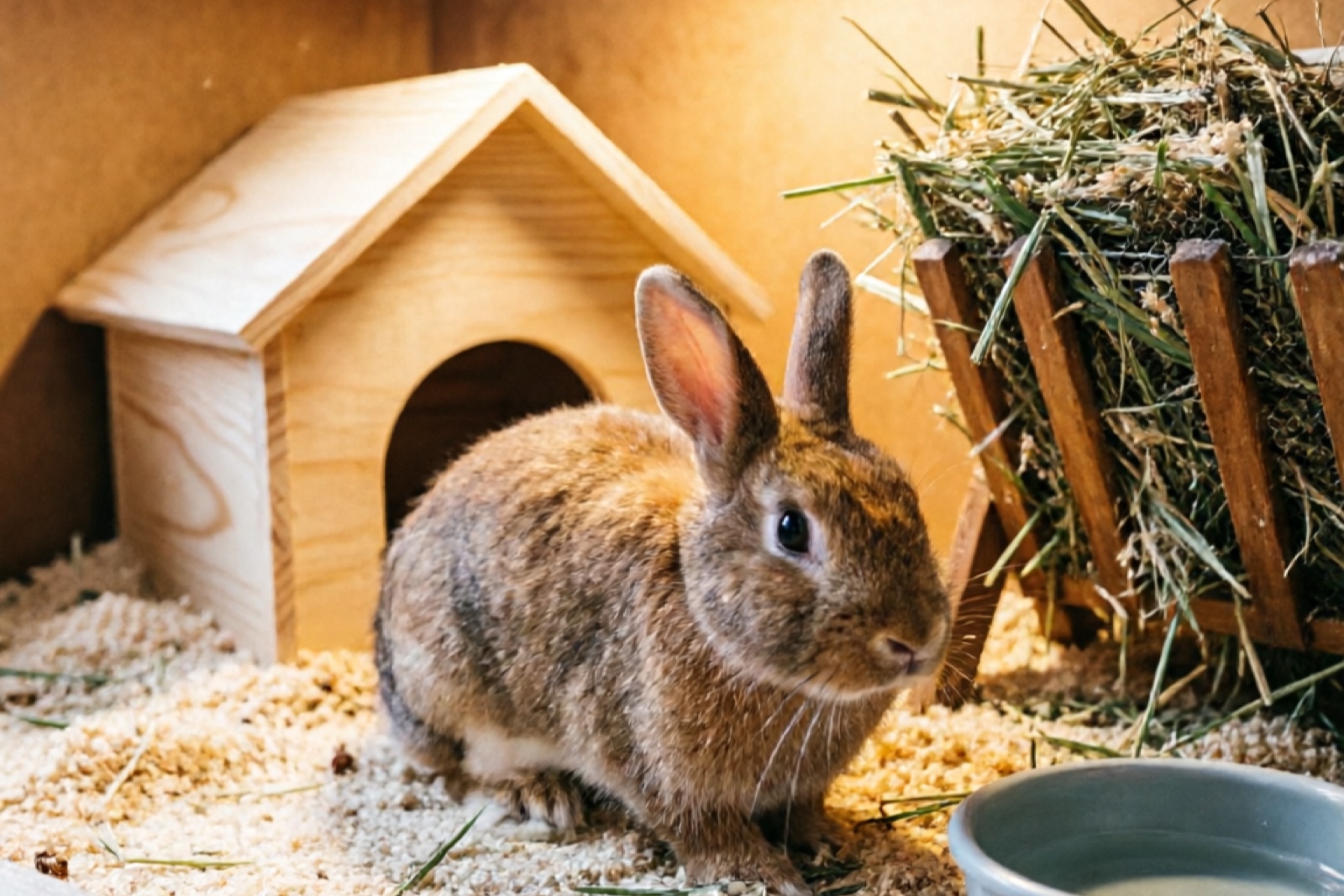
A single rabbit needs a minimum enclosure of 4 square feet, though 8 square feet or more is strongly recommended. The enclosure should be at least 24 inches tall — They can jump 3+ feet and will attempt to escape low enclosures.
| Setup | Minimum Size | Recommended | Notes |
|---|---|---|---|
| Single Dutch enclosure | 4 sq ft | 8+ sq ft | Plus daily free-roam time |
| Exercise area | 24 sq ft | 32+ sq ft | 3-4 hours daily minimum |
| Enclosure height | 24 inches | 30+ inches | Dutch can jump 3+ feet |
Indoor housing is strongly recommended over outdoor hutches. Indoor rabbits live 2-3 years longer on average and face fewer health risks. A puppy exercise pen (x-pen) provides an excellent indoor setup — 4 × 4 feet gives 16 square feet of floor space with room for a litter box, hide, and food station.
Solid flooring is essential. Wire-bottom cages cause sore hocks (pressure sores on the feet), which are painful and can become infected. If using a wire-bottom cage temporarily, cover the wire with a solid surface — corrugated plastic, a piece of cardboard, or a resting mat.
For specific cage recommendations, see our best rabbit cages guide. For cage dimensions by breed, see our rabbit cage size guide. For setup instructions, see our rabbit cage setup guide. For those who prefer to build, our DIY rabbit hutch plans provide complete materials lists and instructions.
Diet & Nutrition
A rabbit’s diet follows the standard rabbit nutritional ratio: 80% hay, 10% fresh vegetables, 5% pellets, and 5% treats. At 3.5-5.5 lbs, portion control matters — even small amounts of overfeeding lead to noticeable weight gain.
Hay (80%): Unlimited Timothy hay available 24/7. This is non-negotiable — hay provides the fiber needed for digestive health and wears down teeth that grow continuously. Orchard grass and oat hay are acceptable alternatives.
Fresh vegetables (10%): 1.5-2 cups daily of leafy greens. Safe options include romaine lettuce, cilantro, parsley, basil, dandelion greens, and kale (in moderation). For specific vegetable safety, see our guides on carrots for rabbits and bell peppers for rabbits.
Pellets (5%): 1/4 cup of Timothy pellets daily for an adult. Avoid mixes with seeds, nuts, or colored pieces — these encourage selective eating.
Treats (5%): 1-2 tablespoons maximum per day. Safe treats include small pieces of apple (no seeds), banana, strawberry, blueberry, and raspberry. For treat-specific recommendations, see our rabbit treats guide.
Water: Fresh water available 24/7. A heavy ceramic bowl is better than a water bottle — rabbits drink more from bowls, and proper hydration supports kidney function and digestion.
Avoid entirely: Iceberg lettuce (causes diarrhea), bread, crackers, chocolate, onions, garlic, potatoes, rhubarb, and any processed human food. For a complete diet reference, see our rabbit diet guide and best rabbit food recommendations.
Exercise & Enrichment
They need a minimum of 3-4 hours of daily free-roam time outside their enclosure. This is not optional — confined rabbits develop behavioral problems (bar biting, cage aggression, lethargy) and physical issues (obesity, muscle atrophy, weak bones).
Enrichment during free-roam time includes tunnels (cardboard boxes work great), chew toys (untreated apple wood, willow sticks), digging boxes (plastic bins filled with shredded paper or hay), and foraging toys (toilet paper tubes stuffed with hay). For specific toy recommendations, see our rabbit toys guide. Outdoor exploration is possible with a properly fitted rabbit harness and close supervision.
Grooming
They have a short, dense flyback coat that requires minimal maintenance. Weekly brushing with a soft bristle brush removes loose fur and reduces hairball risk. During molting seasons (typically spring and fall), brush 2-3 times per week as shedding increases dramatically.
Nail trimming every 4-6 weeks prevents overgrown nails that can catch on carpet or curl into the paw pad. Use guillotine-style clippers and cut below the quick (the pink vein visible in light-colored nails). If you can’t see the quick, trim small amounts at a time.
Bathing is rarely needed and can actually be harmful — rabbits groom themselves, and submerging a rabbit in water causes extreme stress. Spot-clean with a damp cloth if needed. For a complete grooming walkthrough, see our rabbit grooming tips guide.
Health Issues
They share the general health profile of all domestic rabbits, with no breed-specific genetic conditions. However, their compact body type means slightly less abdominal space than larger breeds, which can make GI stasis marginally more concerning.
Common Health Concerns
| Condition | Risk Level | Symptoms | Prevention |
|---|---|---|---|
| GI Stasis | High | Reduced appetite, small/no droppings, bloating, hunched posture | Unlimited hay, daily exercise, hydration |
| Uterine cancer | High (unspayed does) | Blood in urine, lethargy, abdominal lump | Spay by 4-6 months |
| Dental problems | Medium | Drooling, weight loss, difficulty eating, selective eating | Hay wear, dental check-ups |
| Sore hocks | Medium | Bald patches, redness, scabs on heel pads | Solid flooring, clean litter, weight management |
| Ear mites | Medium | Head shaking, scratching, crusty ears | Regular ear checks, clean environment |
| Respiratory infection | Low-Medium | Sneezing, nasal discharge, labored breathing | Dust-free hay, good ventilation |
| Fly strike | Low (indoor) | Agitation, eggs/larvae on fur, skin irritation | Clean litter, daily checks in warm months |
GI stasis is the most common life-threatening emergency in rabbits. The gut slows or stops moving, often caused by insufficient fiber (not enough hay), dehydration, stress, or pain. Symptoms include a sudden refusal to eat, smaller or absent droppings, and a hunched posture. This is a veterinary emergency — a rabbit that hasn’t eaten in 12 hours needs immediate attention. Prevention is straightforward: unlimited hay, daily exercise, and fresh water.
Spaying/neutering is the single most important health decision. In addition to the 60-80% uterine cancer risk in unspayed does, neutering reduces territorial aggression in bucks, eliminates spraying behavior, and improves litter box habits. The ideal timing is 4-6 months of age.
Find an exotic veterinarian before you need one — not all small-animal vets treat rabbits, and in an emergency, you don’t want to be searching. Annual checkups are recommended, with dental examinations every 6 months for rabbits over 4 years old. For comprehensive health information, see our common rabbit health issues guide.
Breed Comparison
Comprehensive Breed Comparison
| Feature | Dutch | Holland Lop | Netherland Dwarf | Mini Rex | Lionhead | Flemish Giant |
|---|---|---|---|---|---|---|
| Weight | 3.5-5.5 lbs | 3-4 lbs | 2-2.5 lbs | 3-4.5 lbs | 3-3.5 lbs | 14-20+ lbs |
| Lifespan | 8-10 yrs | 7-10 yrs | 7-10 yrs | 8-10 yrs | 7-10 yrs | 5-8 yrs |
| Temperament | Calm, friendly | Docile, cuddly | Skittish, active | Calm, curious | Gentle, playful | Gentle giant |
| Grooming | Low | Low | Low | Low | High (mane) | Medium |
| Child-friendly | ★★★★☆ | ★★★★★ | ★★☆☆☆ | ★★★★☆ | ★★★☆☆ | ★★★★★ |
| Beginner-friendly | ★★★★★ | ★★★★★ | ★★☆☆☆ | ★★★★☆ | ★★★★☆ | ★★☆☆☆ |
| Best for | Families, first-timers | Families, apartments | Adults, quiet homes | Families | Families | Experienced owners |
Dutch vs Holland Lop
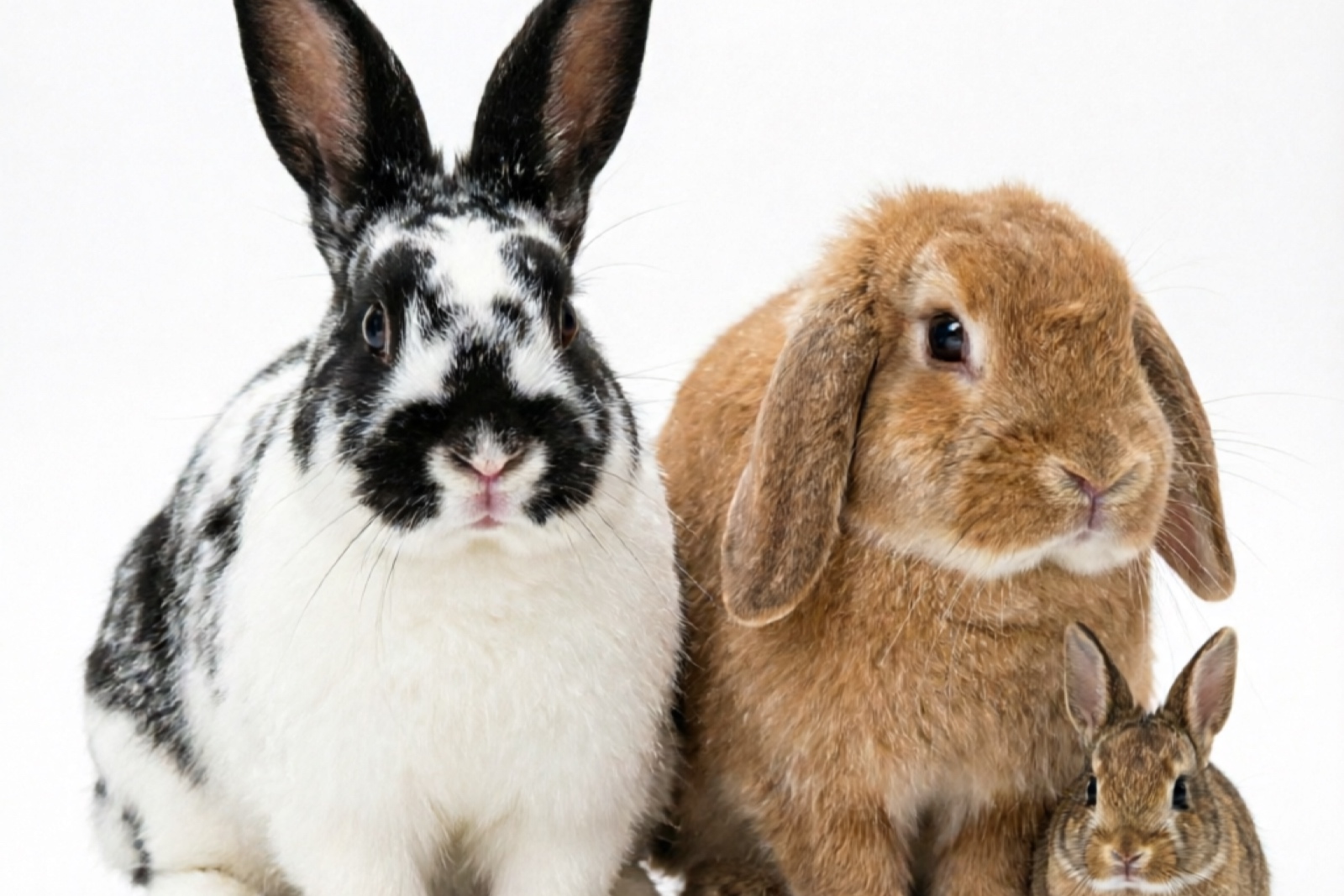
The Holland Lop rabbit is their closest competitor for the title of “best family rabbit.” Holland Lops are slightly smaller, more cuddly, and have floppy ears that many owners find endearing. They are more active, have slightly longer lifespans on average, and don’t have the ear infection vulnerability that lop-eared breeds face. Choose the Holland Lop if you want a lap companion; choose this breed if you want a more active, engaging pet.
Dutch vs Netherland Dwarf
The Netherland Dwarf rabbit is significantly smaller (2-2.5 lbs) and more nervous. While Netherland Dwarfs can bond with patient owners, they are prone to skittishness and are not recommended for families with young children. They are calmer, more forgiving of handling mistakes, and large enough for children to hold safely. This breed is the better choice for virtually any first-time owner.
Dutch vs Mini Rex
The Mini Rex rabbit is similar in size and temperament. The key difference is the coat — Mini Rex rabbits have plush velvet fur that feels like a luxury fabric, while they have a standard short coat. Mini Rex rabbits are more prone to sore hocks due to thinner foot fur from the rex gene. Both breeds are excellent choices for first-time owners.
Dutch vs Lionhead
The Lionhead rabbit has a distinctive mane of longer fur around the head and flanks, giving it a lion-like appearance. This mane requires regular grooming (2-3 times per week) that their short coat doesn’t need. Lionheads are slightly smaller and have a similar friendly temperament. Choose the Lionhead for a unique appearance; choose the Dutch for lower maintenance grooming.
Dutch vs Flemish Giant
The Flemish Giant rabbit is the polar opposite — 14-20+ lbs, requiring massive enclosures and special handling techniques. Flemish Giants are gentle but impractical for most households. They provide a similar calm temperament in a much more manageable package. For owners with space and experience who want a dramatic pet, the Angora rabbit is another large alternative with impressive wool.
Frequently Asked Questions
Are Dutch rabbits good pets? Yes — they rank among the top 5 breeds for first-time owners. Calm temperament, manageable 3.5-5.5 lb size, and straightforward care requirements make them ideal for families and apartment dwellers.
Are Dutch rabbits friendly? Yes, consistently rated as one of the friendliest rabbit breeds. They bond strongly with owners, are more sociable than Netherland Dwarfs, and rarely bite unless provoked.
How big do Dutch rabbits get? 3.5-5.5 lbs at maturity, with an ARBA ideal of 4.5 lbs. Body length is 14-16 inches. Classified as small-to-medium.
How long do Dutch rabbits live? 8-10 years average with proper care. Spayed/neutered indoor rabbits reach 10-12 years. Key factors: unlimited hay, indoor housing, spaying by 4-6 months, annual vet checkups.
Do Dutch rabbits like to be held? They tolerate handling better than most breeds but aren’t natural cuddlers. They prefer sitting beside you. Regular gentle handling from a young age improves tolerance.
What colors do Dutch rabbits come in? 7 ARBA-recognized colors: Black, Blue, Chocolate, Grey (Steel), Steel, Tortoiseshell, and Yellow. All share the tuxedo marking pattern with white blaze, colored saddle, and white footstops.
Are Dutch rabbits aggressive? No. Unspayed females may show territorial behavior (lunging, growling) during hormonal periods, but spaying resolves this. Aggression is not a breed characteristic.
Do Dutch rabbits make good pets for children? Yes — one of the best breeds for children aged 8+. Calm temperament and moderate size (not as fragile as dwarfs). Always supervise interactions and teach proper handling.
How much does a Dutch rabbit cost? $20-75 from a breeder, $30-100 from a pet store, $75-200 for show-quality from ARBA-registered breeders. Monthly care costs average $40-60.
Why are they called Dutch rabbits if they’re not from the Netherlands? The breed was developed in England in the 1830s from Belgian Petit Brabancon rabbits. The “Dutch” name comes from the Dutch traders who shipped them through Dutch ports to England.
Conclusion
This breed is one of the most historically significant and practically appealing rabbit breeds available today. At 3.5-5.5 lbs with a calm, friendly temperament, they hit the sweet spot between the fragile nervousness of dwarf breeds and the space demands of larger rabbits. Their tuxedo markings make them the most visually distinctive breed in the rabbit world — instantly recognizable even to people with no rabbit knowledge.
The three most important things for owners: spay or neuter by 4-6 months (adds years to their life), provide unlimited Timothy hay (prevents the deadly GI stasis), and commit to 3-4 hours of daily free-roam exercise (prevents obesity and behavioral problems). With these three basics covered, a well-cared rabbit will be a healthy, engaging companion for 8-10 years.
For setting up their home, see our complete rabbit setup guide. For ongoing health maintenance, see our rabbit health guide. For diet specifics, see our rabbit diet guide.