What Is a Rex?
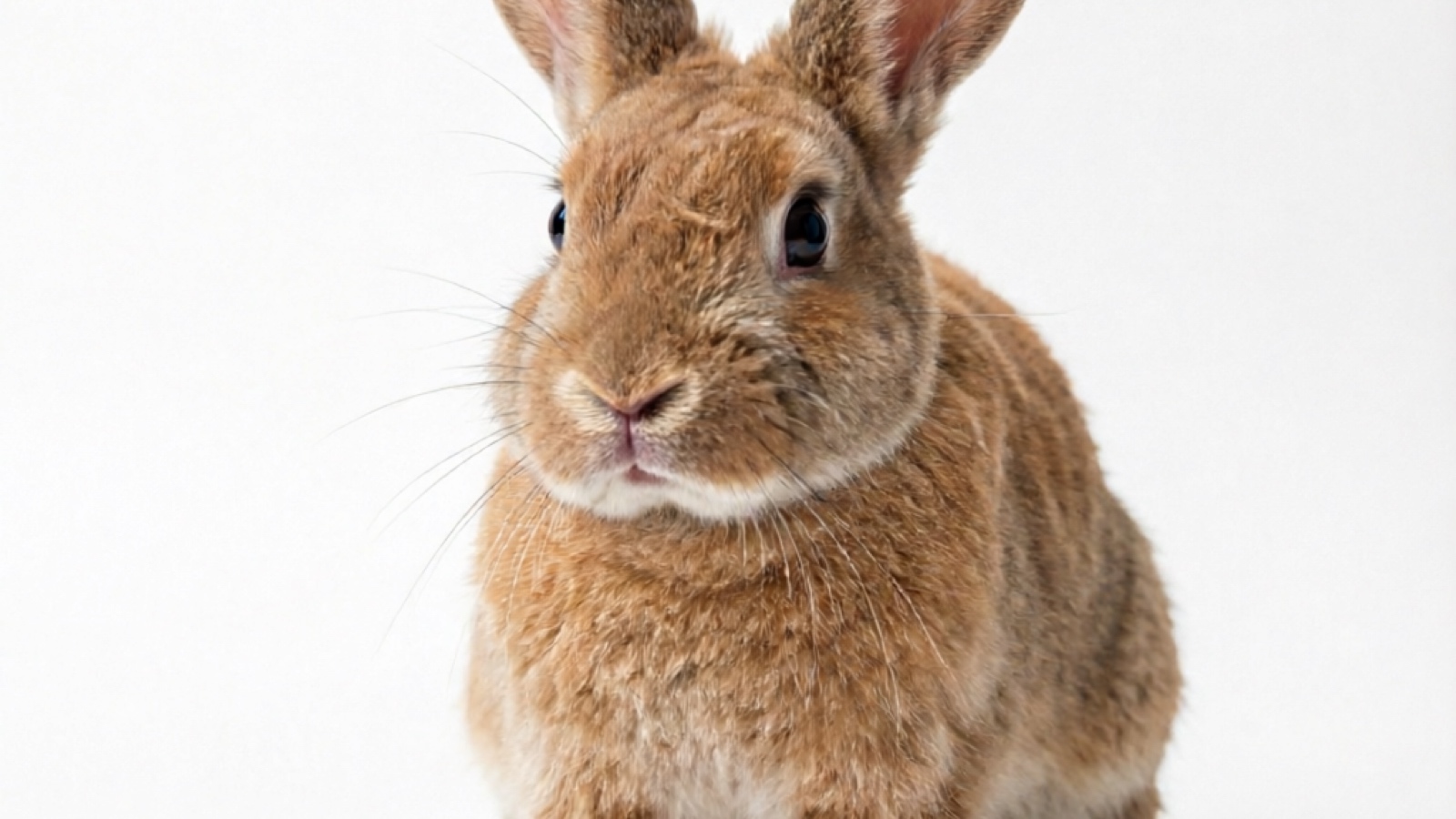
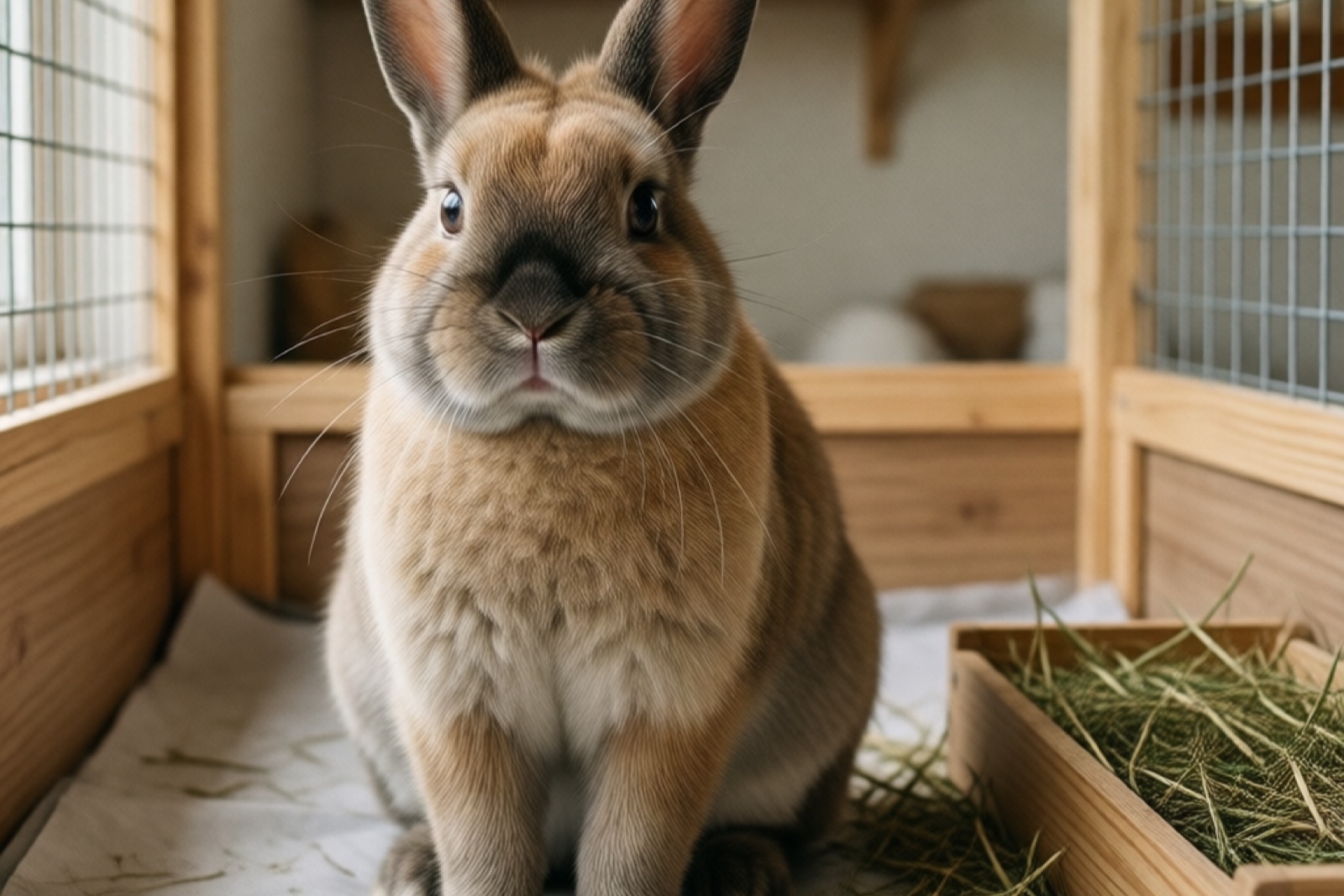
The Rex rabbit is a medium-sized breed recognized by the American Rabbit Breeders Association (ARBA), best known for its extraordinary plush velvet-like fur — a trait caused by a genetic mutation that eliminates guard hairs and creates a uniform, dense coat unlike any other rabbit breed. No other domestic rabbit has fur that feels quite like a Rex. The breed is sometimes confused with the Velveteen rabbit breed from the famous children’s story, but the Velveteen Rabbit is a fictional character — not a real breed. When you run your hand across a Rex rabbit’s back, the texture is closer to premium velvet fabric than to animal fur.
The breed originated in France in 1919, when a wild rabbit in the village of Desvres was discovered with an unusual coat mutation. A parish priest named Father Gillet recognized the unique fur quality and began selectively breeding the rabbit. The resulting offspring all inherited the plush coat, confirming that the trait was caused by a recessive gene. The breed was first exhibited in Paris in 1924 and imported to the United States the same year, where it quickly gained popularity in both the fur industry and the show circuit.
Today, two varieties exist: the Standard Rex (medium, 7.5-10.5 lbs) and the Mini Rex (small, 3-4.5 lbs). Both share the signature velvet fur, but they differ significantly in size, space requirements, and temperament. We’ll cover the full comparison later in this guide.
Their popularity stems from three qualities: the unique fur texture that makes them genuinely different from every other breed, an intelligent and docile temperament that makes them excellent pets, and moderate care requirements that suit both first-time and experienced rabbit owners.
Appearance
The Standard Rex has a medium, muscular body with a graceful top line and well-rounded hindquarters. The overall impression is of an athletic, well-proportioned rabbit — neither stocky like a Flemish Giant nor compact like a Netherland Dwarf.
Key physical features:
- Body: Medium, muscular, well-rounded with a graceful arch along the back
- Head: Broad and slightly rounded, proportionate to the body
- Ears: Medium length (4-5 inches), upright, well-furred inside and out
- Eyes: Large and bright, giving an alert, intelligent expression
- Whiskers: Noticeably curly — a direct result of the rex gene affecting all hair on the body
- Coat: Short, dense, and plush with a uniform velvet texture
The curly whiskers are one of the most distinctive visual identifiers of the breed. While other rabbit breeds have straight, rigid whiskers, they have whiskers that curl, wave, and sometimes even spiral. This is not a defect — it’s a direct expression of the same rex mutation that creates their velvet fur. Every hair on their body, including whiskers, is affected by the gene.
The Rex Fur — What Makes It Special
The rex gene mutation is what separates this breed from every other rabbit in existence. Understanding how it works explains why they require specific grooming, why they were historically valuable in the fur trade, and why their coat feels like nothing else in the animal kingdom.
How the Rex Gene Works
In a normal rabbit coat, two types of hair grow simultaneously: guard hairs (longer, coarser, protective outer hairs) and undercoat (shorter, softer, insulating hairs beneath). The rex mutation is a recessive gene that causes the guard hairs to grow to the same length as the undercoat — approximately 5/8 inch. The result is a uniform coat where every hair is the same length, creating a dense, plush texture with no coarse outer layer.
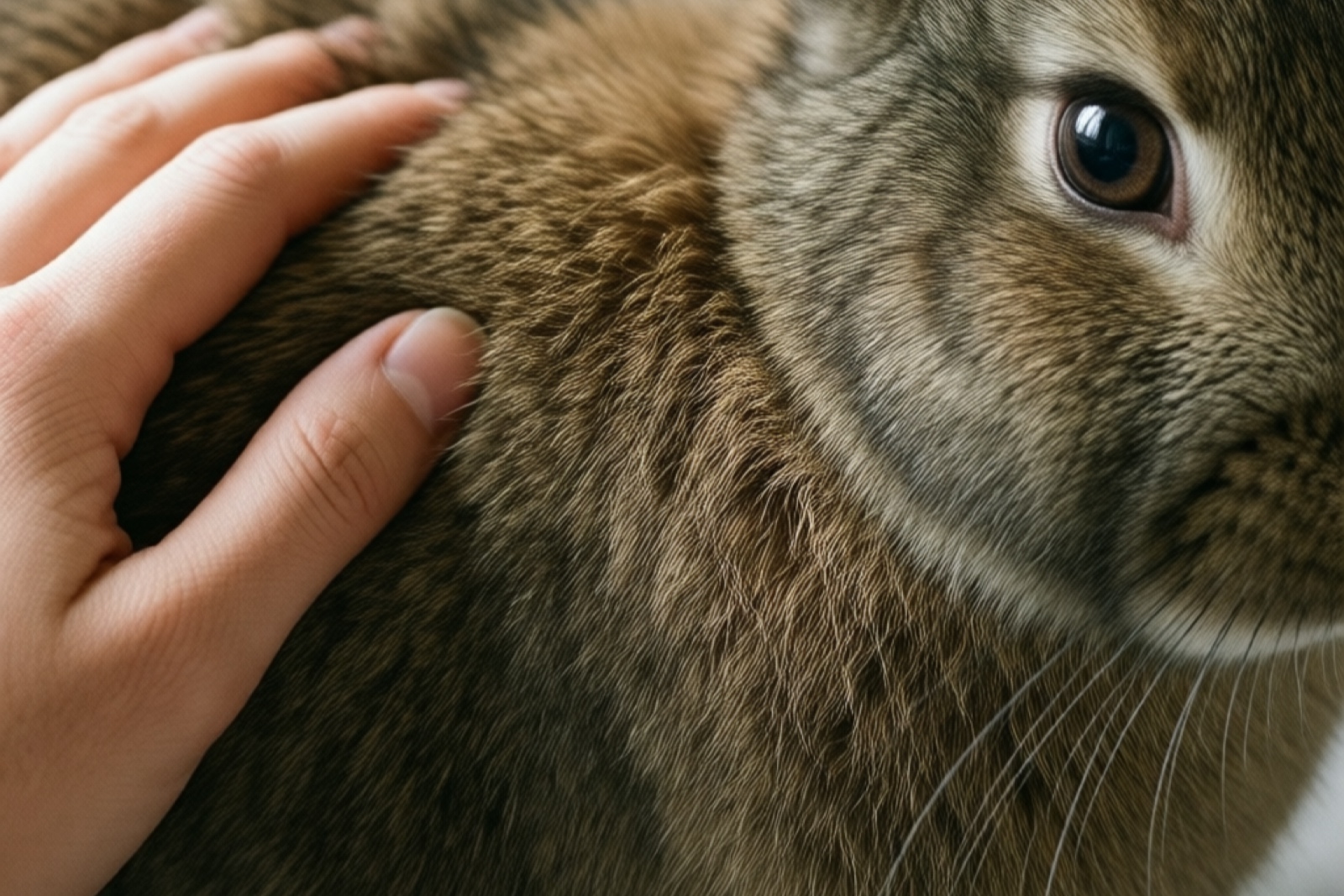
You can test this yourself: stroke their fur backwards (tail to head). On a normal rabbit, the guard hairs spring back roughly and feel coarse. On them, the fur stands upright and stays standing — it looks like you’ve just brushed velvet fabric in the wrong direction. The fur will slowly settle back, but the upright-standing effect is immediate and unmistakable. I’ve handled dozens of rabbit breeds, and this test has never failed to identify a Rex.
The Fur Industry History
The original purpose of the breed was not companionship — it was fur production. In the 1920s and 1930s, Their fur was a luxury product in the European garment industry. The dense, uniform coat produced pelts with a consistent velvet texture that was significantly more valuable than normal rabbit fur. At the height of Rex fur’s popularity, a single high-quality pelt could sell for premium prices, and rabbitries operated across France, England, and the United States specifically to supply the fur trade.
The fur industry demand shaped the breed’s early development — breeders selected for the densest, most uniform coats and the largest pelt sizes. This selective pressure is why the Standard Rex has such a consistently plush coat today. When the fur industry declined in the mid-20th century, the breed transitioned fully into the pet and show markets, where its temperament and manageability made it a natural fit.
The Golden Grooming Rule: Never Brush a Rex
This is the single most important grooming rule for owners, and it’s the one rule that’s most frequently violated by well-meaning new owners: never brush a Rex with any type of brush.
Brushing damages the rex fur. The bristles separate the dense, uniform hairs and create a rough, uneven texture that takes weeks to recover. A Rex that has been brushed will have patches of fur that look sparse and rough instead of plush and velvet-like. The damage is temporary — the coat will recover after a molt — but it defeats the entire purpose of owning a rabbit with this unique coat.
Instead of brushing, groom your Rex by running damp hands over their body from head to tail. The moisture on your hands picks up loose fur and pulls it away from the coat without disturbing the hair structure. Do this 2-3 times per week normally, and daily during molting seasons. This technique is simple, effective, and preserves the velvet texture that makes the breed special.
During heavy molts (typically spring and fall), you may notice more loose fur than damp hands alone can handle. In these periods, gently stroke the coat with a barely damp cloth rather than a brush. The key is minimal disturbance to the hair structure while still removing dead fur before your rabbit ingests it during self-grooming.
Quick Facts
| Trait | Detail |
|---|---|
| Weight | 7.5-10.5 lbs (3.4-4.8 kg) — Standard Rex |
| Body length | 14-16 inches (36-41 cm) |
| Lifespan | 5-8 years (average 6-7 years) |
| Coat type | Short, dense, plush (rex mutation — no guard hairs) |
| ARBA recognized | Yes — since 1924 |
| Colors | 16 recognized varieties |
| Temperament | Docile, intelligent, friendly |
| Good for beginners | Yes — one of the easiest medium breeds |
| Grooming | Damp hands only — never brush |
| Purchase price | $20-75 (pet quality) |
| Origin | France, 1919 |
The rex rabbit lifespan of 5-8 years is typical for a medium rabbit breed. For detailed breed-by-breed lifespan comparisons, see our rabbit lifespan guide.
Rex Rabbit Temperament
They are known for being among the most docile and intelligent of all rabbit breeds — a combination that makes them particularly rewarding pets.
Key Personality Traits
- Docile and calm: Less prone to nervousness, kicking, and panic responses than smaller breeds like Netherland Dwarfs. They tolerate handling better and are less likely to scratch or bite when picked up.
- Intelligent: Consistently ranked as one of the smartest rabbit breeds by owners and breeders. They learn routines quickly, can be litter trained within a few weeks, and some owners report theirs responding to their names and learning simple tricks.
- Social and affectionate: They bond closely with their owners when handled regularly from a young age. Many Rex owners describe their rabbits as “dog-like” in their desire for attention and interaction.
- Good with children: Their calm demeanor and medium size make them one of the better rabbit breeds for families. They’re large enough to handle without fear of injury (unlike fragile 2-lb breeds) and calm enough to tolerate the unpredictable movements of children.
Rex vs Other Breeds in Temperament
Compared to the Netherland Dwarf rabbit, they are significantly calmer and less skittish. Netherland Dwarfs are notoriously nervous and can take weeks or months to bond with an owner, while a well-socialized Rex typically warms up within 1-2 weeks. Compared to the Holland Lop, they are slightly more independent but equally friendly. They’re less demanding of constant attention than Holland Lops but still seek out human interaction daily.
The rex rabbit temperament makes them an excellent choice for first-time rabbit owners who want a breed that’s forgiving of handling mistakes and rewarding in terms of personality.
Rex Rabbit Colors & Varieties
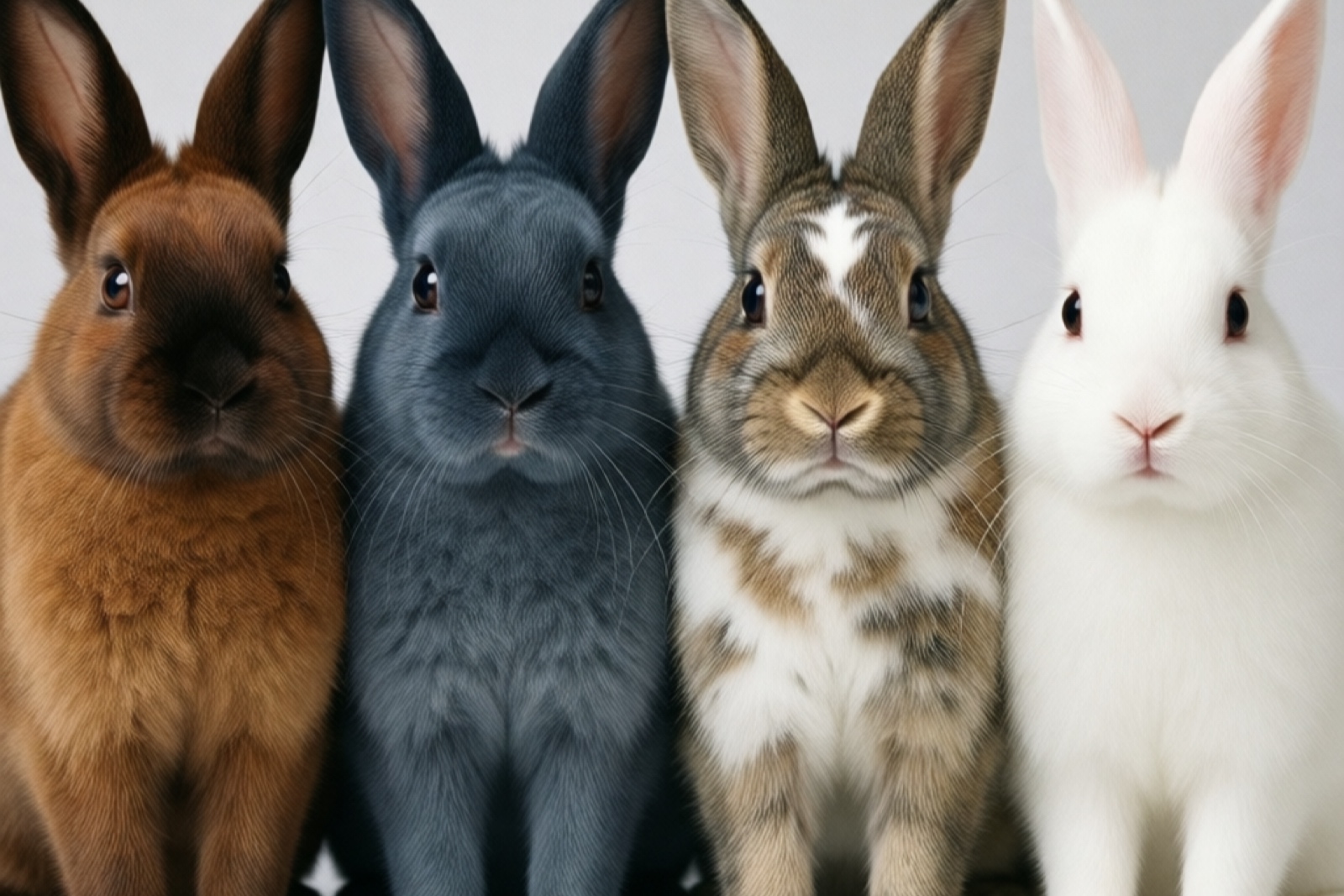
The ARBA recognizes 16 color varieties in the Standard Rex, offering a wide range of options for owners who want a specific look.
| Color Group | Varieties | Description |
|---|---|---|
| Agouti | Castor, Chinchilla, Lynx, Opal, Otter | Banded hairs with multiple colors per shaft |
| Self | Black, Blue, Chocolate, Lilac | Solid, uniform color throughout |
| Shaded | Sable, Seal | Darker color on ears, face, feet, tail |
| Wide Band | Amber, Red, Orange | Lighter belly, uniform top color |
| Pointed | Californian | White body with dark points (nose, ears, feet) |
| White | Ruby-Eyed White (REW) | Pure white with pink/red eyes |
| Broken | Broken (any color + white) | White patches mixed with any recognized color |
Castor is the original and most iconic Rex color — a rich reddish-brown with black ticking that shows the agouti banding pattern. If you’ve seen photos of Rex in books or articles, it was likely a Castor. Broken pattern Rex rabbits are also popular because each one has a unique distribution of color patches on white — no two broken-pattern specimens look alike.
Color is purely cosmetic. A Black Rex and a Chinchilla Rex have identical care needs, temperaments, and health profiles. Choose the color you find most appealing rather than worrying about any practical differences.
How Much Does a Rex Cost?
Purchase Price
| Source | Price Range | Notes |
|---|---|---|
| Rescue / Shelter | $25-75 | Often already spayed/neutered, health-checked |
| Breeder (pet quality) | $20-75 | Health guarantee, 8+ weeks old |
| Breeder (show quality) | $75-200+ | Pedigree, show potential, breeder support |
| Pet store | $20-50 | Less ideal — may be underage or unvetted |
They are moderately priced compared to other breeds. The wide availability of the breed (both Standard and Mini Rex are among the most common breeds in the US) keeps prices competitive. Show-quality animals from established breeders command premium prices, but a pet-quality Rex from a reputable breeder typically costs $30-50.
Rescue adoption is worth considering. House Rabbit Society chapters and local shelters frequently have Rex rabbits available. The adoption fee usually includes spaying or neutering, which would otherwise cost $200-400 at a veterinary clinic.
Ongoing Costs
| Expense | Monthly Cost |
|---|---|
| Timothy hay | $10-15 |
| Pellets | $5-8 |
| Fresh vegetables | $10-15 |
| Litter | $8-12 |
| Vet care (amortized) | $10-15 |
| Total monthly | $40-65 |
First-year setup costs including an enclosure, supplies, and initial veterinary care typically run $400-700. Over a 7-year lifespan, total cost of ownership averages $4,000-8,000.
Rex Rabbit Care Guide
Housing
The minimum enclosure size for a Standard Rex is 4 feet long by 2 feet wide. This provides enough space for a medium-sized rabbit to hop, stretch out, and move between a sleeping area and a litter box. However, larger is always better — a 5 x 2 foot enclosure or a 4 x 4 foot exercise pen gives your Rex significantly more room.
Solid flooring is essential. Wire-bottom cages cause sore hocks (pododermatitis), a painful foot condition that they are already predisposed to due to their thinner foot fur. If your enclosure has a wire floor, cover it with a solid surface — cardboard, wood, or a commercial cage mat.
Indoor housing is strongly recommended. They are social animals that need daily interaction, and outdoor housing exposes them to predators, temperature extremes, and respiratory risks. See our guide to the best rabbit cages for specific enclosure recommendations.
Diet
They follow the standard rabbit dietary ratio, but their medium size means portion control matters more than for small breeds.
| Food Type | Daily Amount | % of Diet |
|---|---|---|
| Timothy hay | Unlimited | ~80% |
| Fresh greens | 1.5-2 cups | ~10% |
| Timothy pellets | 1/4 cup per 6 lbs body weight | ~8% |
| Treats | 1-2 small pieces, 2-3x per week | ~2% |
| Fresh water | Unlimited | — |
Timothy hay must be available 24/7. The constant chewing action wears down their continuously growing teeth, provides essential fiber for digestive health, and prevents GI stasis — the leading cause of death in pet rabbits. For specific brand recommendations, see our best rabbit food and rabbit food guide.
Rex-specific dietary note: Because they’re a medium breed, they have a moderate risk of obesity if overfed pellets or treats. Measure pellets precisely and limit treats to occasional small pieces of fruit. A fat rabbit has difficulty grooming itself, which compounds into coat and skin problems.
Grooming
Rex rabbit grooming is simpler than grooming most breeds — but only if you follow the one critical rule.
| Task | Frequency | Method |
|---|---|---|
| Coat maintenance | 2-3x per week | Damp hands only — NEVER brush |
| Molting grooming | Daily (during sheds) | Damp hands or barely damp cloth |
| Nail trimming | Every 4-6 weeks | Clip below the quick |
| Ear checking | Weekly | Visual inspection, clean if needed |
| Teeth checking | Weekly | Look for overgrowth or misalignment |
The nail trimming process is the same as for all rabbit breeds: wrap your rabbit in a towel for stability, locate the pink quick inside each nail, and cut below it at a 45-degree angle. If you accidentally nick the quick, apply styptic powder immediately. For a complete grooming walkthrough, see our rabbit grooming guide.
Exercise & Enrichment
They need at minimum 2 hours of daily free-roam time outside their enclosure. This is non-negotiable — one confined to a 4 x 2 foot cage 24 hours a day will develop muscle atrophy, obesity, and behavioral problems including cage aggression and destructive chewing.
They are intelligent and need mental stimulation. Provide a rotation of toys: cardboard tunnels, untreated wood blocks, digging boxes filled with shredded paper, and puzzle feeders that dispense pellets when manipulated. Rotate toys weekly to prevent boredom. For specific product recommendations, see our best rabbit toys guide.
Standard Rex vs Mini Rex
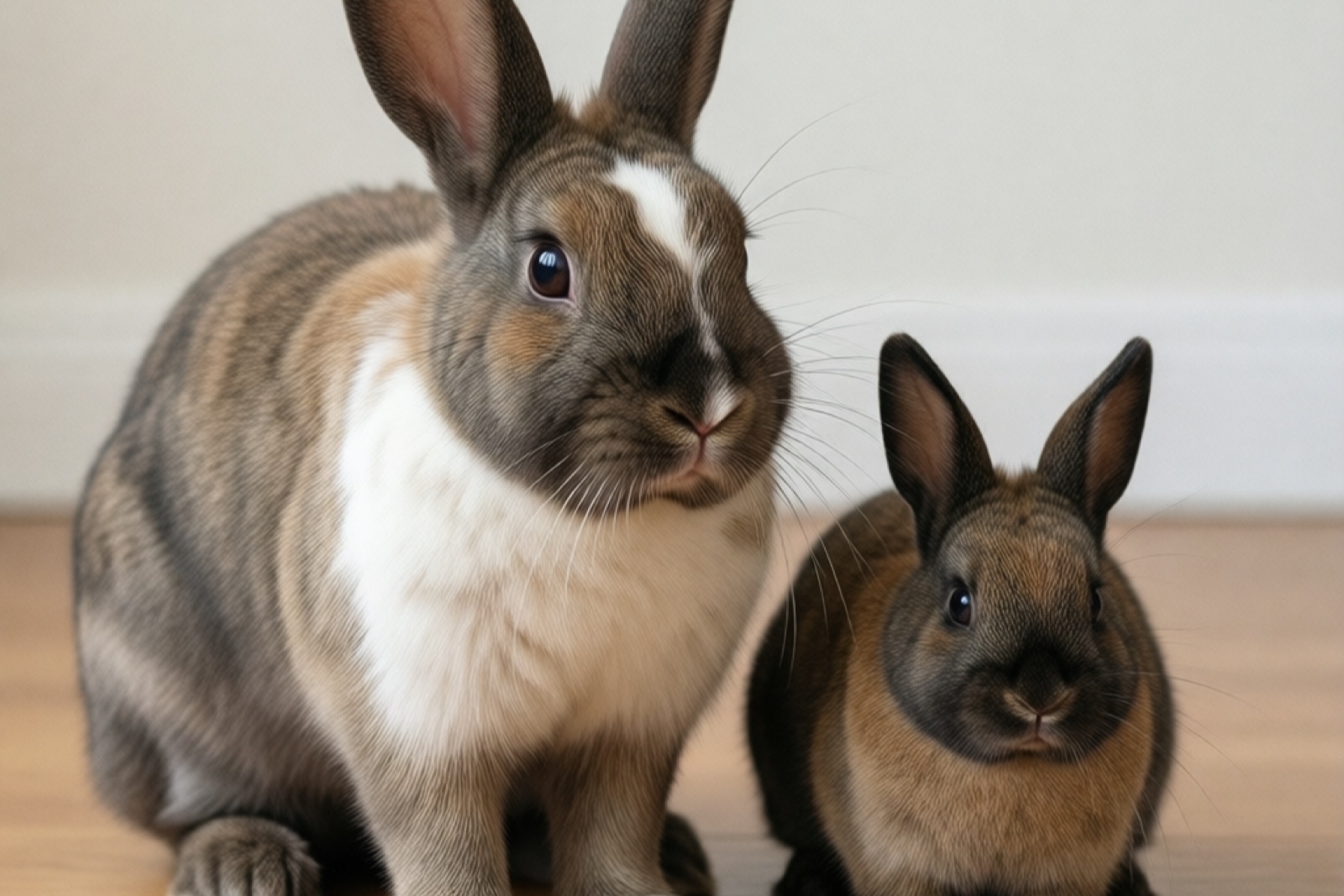
This is the most common point of confusion for prospective Rex owners. Both varieties share the same velvet fur, but they differ substantially in every other dimension.
| Feature | Standard Rex |
|---|---|
| Weight | 7.5-10.5 lbs (3.4-4.8 kg) |
| Body length | 14-16 inches |
| Fur texture | Plush velvet |
| Lifespan | 5-8 years |
| ARBA recognized | 1988 |
| Minimum cage | 4ft x 2ft |
| Space needed | More — medium breed |
| Temperament | Calmer, more docile |
| Best for | Families with space |
| Pellets daily | 1/4 cup |
| Handling | Easier — larger, calmer |
The shared velvet fur is the only trait these two breeds have in common. In every other respect — size, space requirements, feeding, temperament, and handling — they’re different animals suited to different owners.
Choose the Standard Rex if: You have space for a medium enclosure, want a calmer lap rabbit, and prefer a pet that’s easy to pick up and handle. Standard Rex are particularly well-suited for families with children because their larger size and docile nature make them more forgiving of handling mistakes.
Choose the Mini Rex if: You live in an apartment or have limited space, want a smaller rabbit that’s easier to house, and don’t mind a slightly more active personality. Mini Rex are popular with first-time owners who find medium breeds too large for their living situation.
Both varieties make excellent pets. The decision comes down to space and personal preference for rabbit size rather than any significant difference in care difficulty.
Health
They are generally healthy with a lifespan of 5-8 years, but they have a few breed-specific health concerns that owners should monitor.
Common Health Issues
Sore hocks (pododermatitis) — This is the most significant breed-specific health risk. The rex gene mutation affects foot fur as well as body fur, making the fur on their hocks thinner and less protective than on other breeds. Combined with their medium weight (7.5-10.5 lbs), this creates a vulnerability to pressure sores on the bottom of the feet. Prevention is straightforward: solid flooring (never wire), resting mats or soft padding in the enclosure, and weight management. If you notice your rabbit spending excessive time sitting in one spot or limping, check the hock area for redness, swelling, or bare patches.
Dental problems — Like all rabbits, Rex rabbits have teeth that grow continuously throughout their lives. Malocclusion (misaligned teeth) can occur and requires veterinary intervention. Providing unlimited Timothy hay is the most effective prevention — the grinding action of chewing coarse hay naturally wears teeth to the correct length.
GI stasis — Gastrointestinal stasis is the leading cause of death in all pet rabbits, and they are not exempt. It occurs when the digestive system slows or stops, often triggered by insufficient fiber, dehydration, or stress. Signs include reduced or absent fecal output, bloating, lethargy, and grinding teeth. This is a veterinary emergency — if your rabbit hasn’t produced stool in 12 hours, contact an exotic vet immediately.
Ear mites — Regular weekly ear checks help catch mite infestations early. Signs include head shaking, ear scratching, and dark crumbly discharge inside the ears.
Obesity — As a medium breed, they gain weight more easily than small breeds. An overweight rabbit cannot groom its hindquarters properly, leading to matting, skin infections, and fly strike risk in warm weather.
For comprehensive health information covering all rabbit breeds, see our rabbit health guide.
Finding a Rex
They are widely available in the United States, which is an advantage for prospective owners — you’re not limited to a short waiting list or a single breeder.
Rescue adoption is worth prioritizing. House Rabbit Society chapters across the US frequently have Rex rabbits available for adoption. Adopted rabbits are typically already spayed or neutered, which saves $200-400 in veterinary costs and eliminates the recovery period after surgery. Check Petfinder.com and local shelter websites.
Reputable breeders are the best source if you want a show-quality rabbit or a specific color variety. Look for ARBA-registered breeders who allow facility visits, provide written health guarantees (30+ days minimum), and keep kits with their mother until at least 8 weeks of age. Ask about the parents’ health history and any known genetic issues in the line.
What to look for when evaluating any rabbit: bright, clear eyes with no discharge; clean ears with no odor or debris; alert, curious demeanor; healthy, plush coat with no bald patches or matting; clean hindquarters with no signs of diarrhea; and nails that aren’t overgrown. Avoid rabbits that appear listless, have runny eyes or nose, or show signs of respiratory distress.
FAQ
Conclusion
This breed stands apart from every other breed because of one extraordinary trait: a coat that feels like velvet. The rex gene mutation that creates this fur is the breed’s defining characteristic, and understanding it — why you can’t brush a Rex, why their whiskers curl, why their fur stands upright when stroked backwards — is key to providing proper care.
Beyond the fur, their docile temperament and intelligence make it one of the most rewarding medium breeds to own. They’re calmer than Netherland Dwarfs, easier to handle than many small breeds, and forgiving of the mistakes that first-time rabbit owners inevitably make. The Standard Rex suits families with space for a medium enclosure, while the Mini Rex works well for apartment dwellers who want the same velvet fur in a smaller package.
If you’re considering other breeds, the Holland Lop rabbit offers floppy ears and maximum cuddliness, while the Lionhead rabbit provides dramatic fluffy appearance for owners who don’t mind daily grooming. But if a unique, touchable velvet coat and a calm, intelligent personality appeal to you, they are an outstanding choice.