What Is a Mini Lop Rabbit?
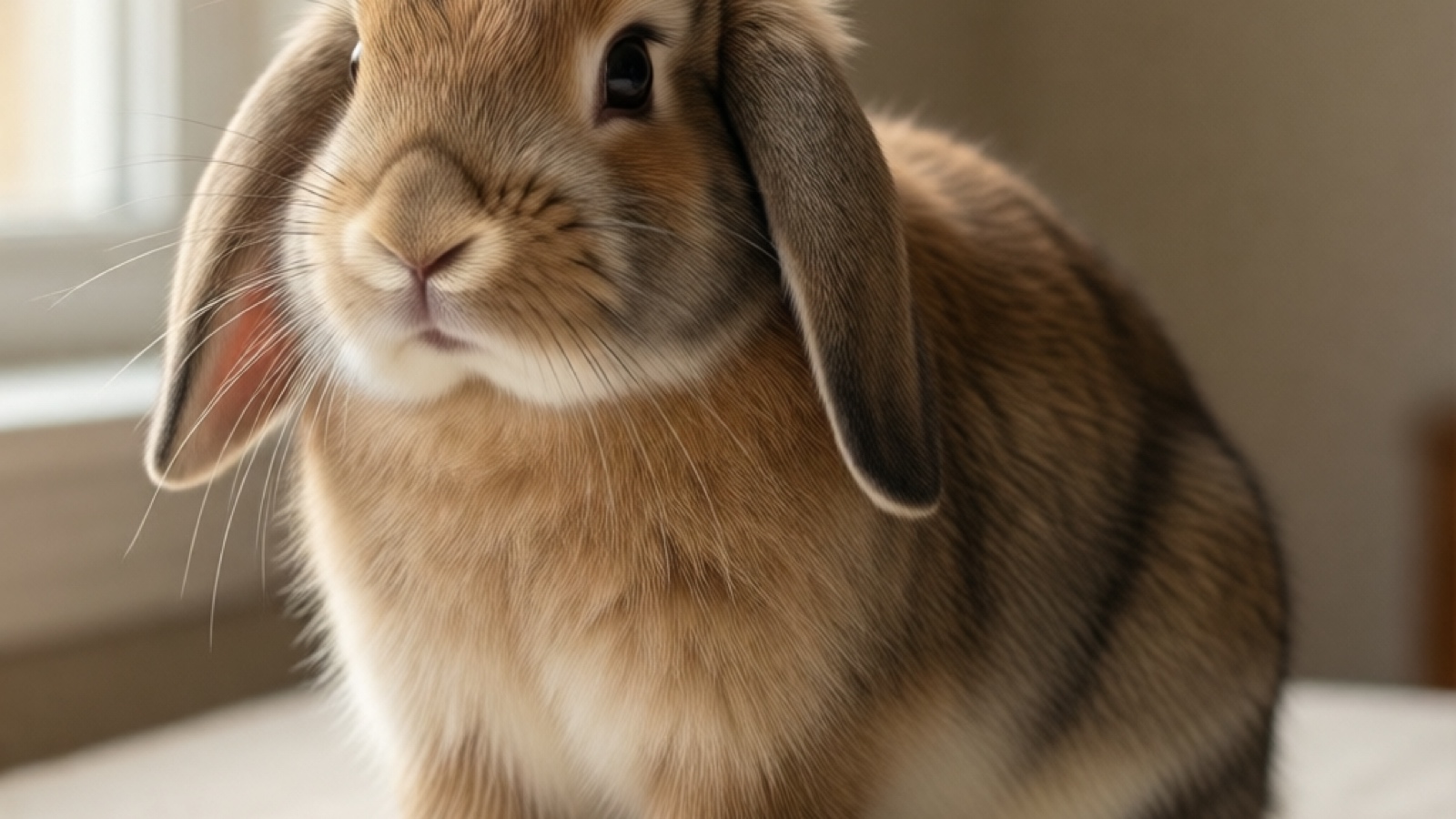
Mini lop rabbit: A medium-sized domestic rabbit breed (4.5–6 lbs / 2–2.7 kg) distinguished by fully lopped ears, a compact muscular body, a broad head with prominent eyes, and one of the most docile and family-friendly temperaments among all rabbit breeds. The breed originated in Germany in the 1970s, developed by crossing the German Big Lop (Deutsche Widder) with smaller rabbit breeds to create a more manageable companion-sized lop.
The Mini Lop was imported to the United States and officially recognized by the American Rabbit Breeders Association (ARBA) in the 1980s. It has since become one of the most popular rabbit breeds in the country — and for good reason. Their combination of manageable size, gentle disposition, and attractive lopped-ear appearance makes them a natural choice for first-time rabbit owners and families.
One thing worth clarifying right away: despite the “mini” in their name, the Mini Lop rabbit is actually larger than the Holland Lop. This is probably the most common source of confusion among rabbit buyers. The “mini” refers to its size relative to the original German Big Lop, not to other small breeds.
For general rabbit behavior and how this breed compares temperamentally, our behavior guide covers all rabbit species.
Mini Lop Rabbit Size & Weight
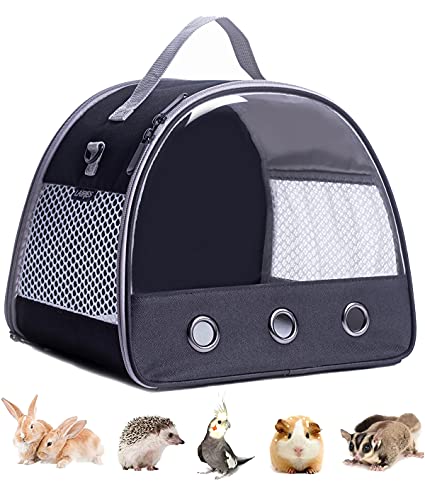
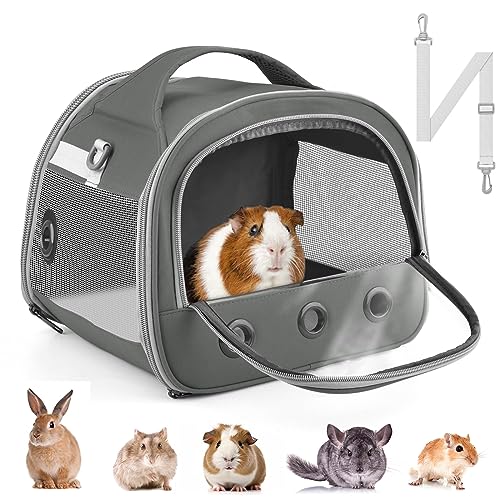
LAIRIES Bubble Backpack is a quality option worth considering for your setup.
One of the first questions potential owners ask is about Mini Lop rabbit size — and it’s important to get accurate information because of the Holland Lop confusion.
| Attribute | Measurement |
|---|---|
| Adult weight | 4.5–6 lbs (2–2.7 kg) |
| Body length | 10–12 inches |
| Ear length | 3–4 inches (lop below jaw) |
| Maturity | 6–8 months |
| Body type | Compact, muscular, broad shoulders |
A Mini Lop rabbit full grown is noticeably heavier and more robust than a Holland Lop. The compact, muscular build gives them a solid feel that some owners describe as “like a little bowling ball with ears.” Typical mini lop rabbit weight ranges from 4.5 to 6 lbs, with show specimens held to stricter ARBA standards. Their broad shoulders and rounded hips create a rounded, stocky silhouette that’s distinct from the more delicate build of dwarf breeds.
The growth timeline is typical for a medium-small breed — Mini Lops reach their full size at around 6–8 months, though some individuals may fill out slightly more until they’re about a year old. For rabbit cage size requirements, a Mini Lop needs a larger enclosure than dwarf breeds — more on that in the housing section below.
Mini Lop Rabbit Colors & Varieties
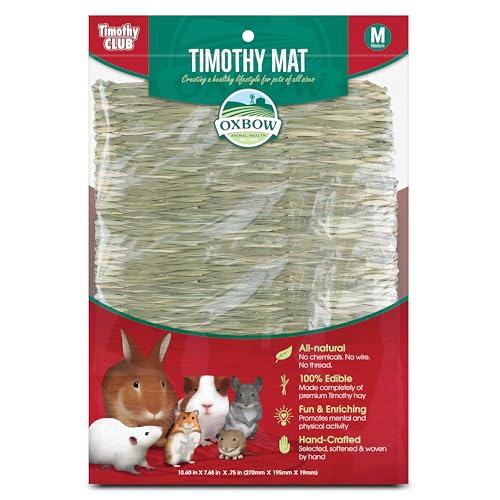
Many owners find that timothy hay mat works well for their pet’s needs.
Mini Lop rabbits come in a wide variety of colors and patterns. ARBA recognizes Mini Lops in all major color groups:
| Color Group | Examples | Eye Color |
|---|---|---|
| Agouti | Chestnut, Chinchilla, Opal, Lynx | Brown |
| Broken | Any color + white patches | Variable |
| Self | Black, Blue, Chocolate, Lilac | Matching (dark) |
| Shaded | Siamese Sable, Smoke Pearl, Sable Point | Brown |
| Tan Pattern | Black Otter, Chocolate Otter, Silver Marten | Brown |
| Wide Band | Cream, Orange, Red, Fawn | Brown |
| Pointed White | White body + dark points (ears, nose, feet) | Pink/Blue |
The most popular and commonly seen colors are Broken (white patches with any color), Chocolate, Blue, and Black Tortoise. Mini Lops are also sometimes confused with the Mini Plush Lop — a separate breed with a rex-type coat that has a velvety texture. The Mini Plush Lop shares similar colors but has distinctly different fur. For general rabbit grooming tips applicable to all coat types, our grooming guide covers techniques for short, medium, and long-haired breeds.
Mini Lop Rabbit Lifespan
For this purpose, Trixie Pico is a popular choice among pet owners.
Mini Lop rabbit lifespan is one of their strong points as a companion animal. With proper care, they live 8–12 years, averaging around 10 years. That’s a significant commitment — longer than most dogs — and it’s one of the things prospective owners need to consider before bringing one home.
| Breed | Average Lifespan | Max Reported |
|---|---|---|
| Mini Lop | 8–12 years (avg 10) | 13+ years |
| Holland Lop | 7–14 years | 15 years |
| Lionhead | 7–10 years | 12 years |
| Netherland Dwarf | 7–12 years | 14+ years |
| Polish Rabbit | 5–8 years | 10+ years |
Mini Lops fall into the medium-small size range, which generally correlates with a good lifespan — longer than giant breeds but slightly shorter than the very smallest breeds. Indoor living adds 2–3 years to a Mini Lop’s lifespan on average compared to outdoor housing. Spaying or neutering can extend lifespan by 1–2 years by eliminating reproductive cancer risk and reducing stress-related health issues.
The key factors are diet quality (80% hay is essential), indoor housing, and access to an exotic vet experienced with rabbits. For comprehensive lifespan data across all breeds, our rabbit lifespan guide has detailed statistics and care tips.
Mini Lop Rabbit Temperament & Personality
The Mini Lop rabbit temperament is the breed’s biggest selling point. They’re widely considered one of the friendliest, most outgoing rabbit breeds — which is exactly why they rank so highly for families and first-time owners.
Core temperament traits:
- Friendly, docile, and easy-going — among the calmest rabbit breeds
- Social and confident — unlike Netherland Dwarfs, Mini Lops don’t typically panic at new people
- Tolerant of handling — many Mini Lops enjoy being picked up and cuddled (rare for rabbits)
- Intelligent and trainable — they learn litter box habits quickly, can learn tricks, and respond to their name
- Moderately active — playful but not hyperactive, happy with a mix of free-roam time and cage resting
They form bonds with all family members rather than fixating on one person, which makes them particularly well-suited for households with multiple people. For owners who want a rabbit that greets them at the cage door and enjoys lap time, the Mini Lop is one of the best options available.
For general socialization techniques and understanding rabbit behavior across all breeds, our behavior guide covers handling, training, and bonding strategies.
Are Mini Lop Rabbits Good Pets?
This is the question most buyers are trying to answer, and for the Mini Lop rabbit, the answer is a resounding yes — they’re genuinely one of the best rabbit breeds for most households. If you’re wondering are mini lop rabbits good house pets, the evidence strongly supports it: they’re friendly, adaptable to indoor living, and form bonds with the entire family.
Best for: Families with children (6+), first-time rabbit owners, apartment dwellers, people wanting a cuddly companion, seniors looking for an interactive but manageable pet.
Not ideal for: People who want a very small rabbit (consider a Netherland Dwarf instead), people who can’t commit 8–12 years, people who want a pet that’s completely independent (Mini Lops want interaction).
Here’s a summary of the pros and cons of mini lop rabbits to help you make an informed decision:
| Pros | Cons |
|---|---|
| Friendly and docile temperament | Lopped ears prone to infections |
| Good with children (more tolerant than smaller breeds) | Prone to obesity due to docile nature |
| Medium size = easier to handle than tiny breeds | Need daily exercise despite calm demeanor |
| Low grooming needs (medium coat) | Sore hocks risk on wire floors |
| Long lifespan (8–12 years) | Dental issues (like all rabbits) |
| Adaptable to apartment living | Higher food/litter costs than dwarf breeds |
A Mini Lop rabbit can live indoors comfortably and actually thrives in that environment. Indoor living protects them from predators, parasites, and ear infections (which are more common outdoors due to environmental debris). For setting up an indoor living space, our rabbit cage setup guide covers everything from enclosure selection to rabbit-proofing.
Mini Lop Rabbit Diet & Nutrition
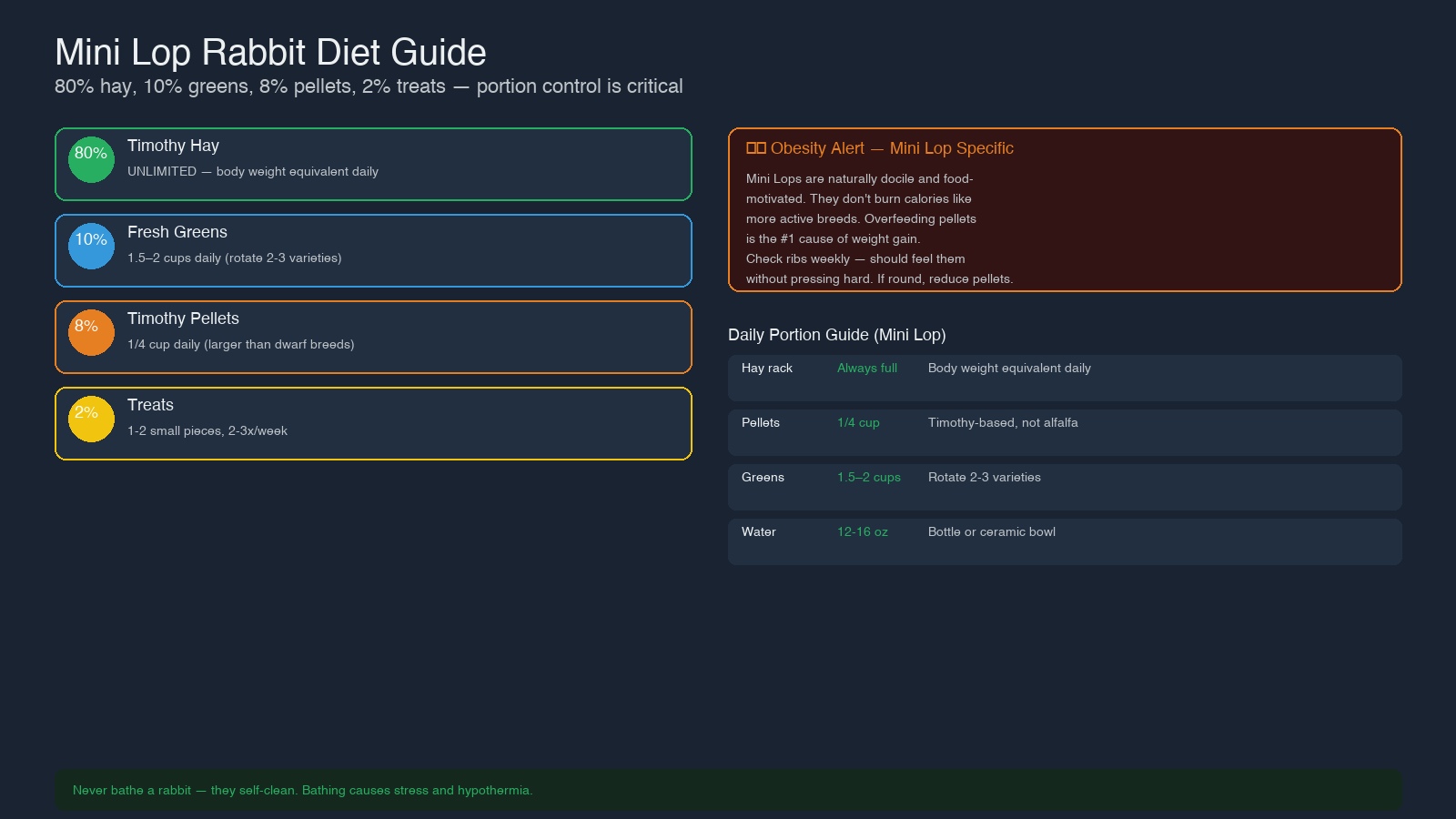
Mini Lop rabbit diet follows standard rabbit ratios — 80% hay, 10% greens, 8% pellets, 2% treats — with portions adjusted for their 4.5–6 lb body weight. When choosing mini lop rabbit food, prioritize Timothy-based pellets over alfalfa-based ones for adults. Their medium size means slightly larger servings than dwarf breeds, but portion control is especially important because Mini Lops are prone to obesity.
| Food Category | Daily Portion (Mini Lop) | Notes |
|---|---|---|
| Timothy hay | Unlimited | Body weight equivalent daily |
| Fresh greens | 1.5–2 cups | Rotate 2-3 varieties |
| Timothy pellets | 1/4 cup | Larger than dwarf breeds |
| Treats | 1-2 small pieces, 2-3x/week | Fruit or commercial treat |
| Water | Always available | Bottle or bowl both work |
The most common feeding mistake with Mini Lops is giving them too many pellets or treats. Their docile nature means they don’t burn as many calories as more active breeds, and weight gain happens quickly. Monitor their body condition — you should be able to feel their ribs without pressing hard, but they shouldn’t look round.
For detailed diet information, our rabbit diet guide covers nutritional requirements, safe foods, and feeding schedules, while the best rabbit food reviews cover quality pellet and hay brands.
Mini Lop Rabbit Housing & Cage Size
Mini Lop rabbit cage size is an important consideration. Despite being a “mini” breed by name, they need substantial floor space to stay healthy and active.
Minimum enclosure: 30×36 inches of floor space with a solid bottom. This is the absolute minimum — wire floors should never be used for Mini Lops because their heavier body weight makes them particularly susceptible to sore hocks (ulcerations on the bottom of the feet).
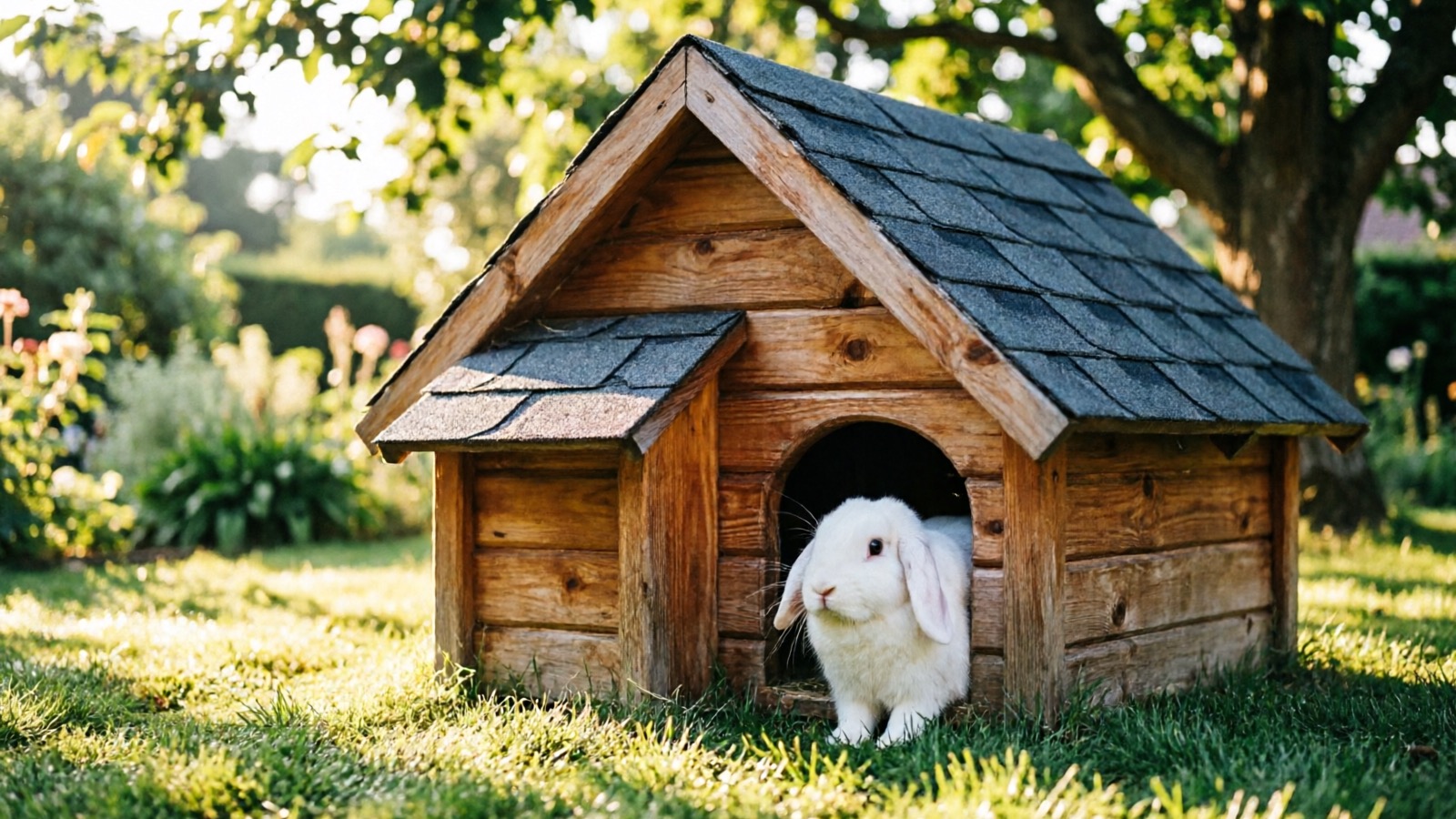
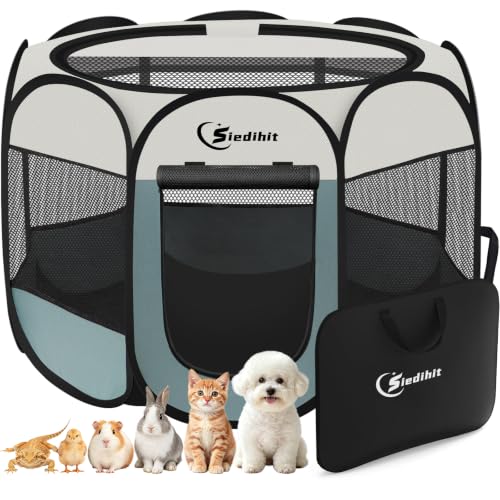
Recommended setup: A 4×4 ft exercise pen (x-pen) with a hide house, litter box, hay rack, and water source inside, plus 4+ hours of daily free-roam time in a rabbit-proofed room. This gives a Mini Lop enough room to stretch, binky, and exercise — all essential for preventing obesity.
Essential housing items:
- Solid floor with appropriate bedding or litter (never wire)
- Hide house or covered area for security
- Litter box (corner-style works well)
- Hay rack or feeder
- Water bottle (16 oz) or heavy ceramic bowl
- Chew toys for dental health
Temperature range should be kept between 50–77°F. Lopped ears mean Mini Lops are more susceptible to ear infections in dirty environments, so keeping the enclosure clean is especially important. For detailed sizing, our rabbit cage size guide has breed-specific recommendations, the best rabbit cage guide covers product options, the rabbit cage setup guide walks through the complete process, and our DIY rabbit hutch guide has plans for building a custom enclosure if you prefer a hands-on approach.
Mini Lop Rabbit Grooming
One of the practical advantages of this breed is their low-maintenance coat — a key benefit for mini lop rabbit care routines. Mini Lops have a medium-length, dense rollback coat that’s relatively low-maintenance compared to long-haired breeds.
| Grooming Task | Frequency | Notes |
|---|---|---|
| Brushing | 1–2x per week | Medium-bristle brush, increase during shedding seasons |
| Ear checks | Weekly | Critical for lop breeds — look for redness, discharge, odor |
| Ear cleaning | As needed | Damp cloth only — never insert anything into ear canal |
| Nail trimming | Every 4–6 weeks | Small animal nail clippers |
| Teeth check | Weekly | Look for overgrowth or misalignment |
| Bathing | Never | Rabbits self-clean; bathing causes stress and hypothermia |
The ear care is what sets Mini Lop grooming apart from upright-eared breeds. Lop ears naturally restrict airflow and trap moisture and debris, creating a warm, damp environment that bacteria and yeast love. Regular ear checks are essential — look for head shaking, scratching at the ears, foul odor, or dark discharge. Early detection of ear infections makes treatment much easier.
Shedding increases in spring and fall — during these periods, brush 3–4 times per week to prevent hair ingestion, which can contribute to GI stasis. For a complete grooming walkthrough, our rabbit grooming guide covers techniques, tools, and common issues for all breeds.
Mini Lop Rabbit Health Problems
Mini Lop rabbit health problems include some breed-specific risks due to their lopped ears and compact build. Understanding these helps you catch issues early.
| Condition | Cause | Symptoms | Prevention | Severity |
|---|---|---|---|---|
| Ear infections | Lop ears trap moisture/debris | Head shaking, scratching, odor, discharge | Weekly ear checks, clean environment | Medium |
| Dental malocclusion | Compact skull = misaligned teeth | Drooling, weight loss, not eating | Unlimited hay, regular vet checks | High |
| GI stasis | Slow gut motility | Not eating, small/no droppings, bloating | High-hay diet, exercise, hydration | High |
| Obesity | Docile + good appetite | Weight gain, lethargy, soft stool | Portion control, daily exercise | Medium |
| Sore hocks | Heavy body on wire floors | Bald/ulcerated foot pads | Solid flooring only | Medium |
| Eye infections | Prominent eyes exposed to debris | Squinting, discharge, redness | Clean environment | Low |
Ear infections are the most common breed-specific health issue for Mini Lops. The lopped ear anatomy creates a perfect environment for bacteria and yeast to multiply. Prevention is straightforward — regular ear checks, a clean enclosure, and prompt veterinary treatment at the first sign of trouble.
Obesity is the second big concern. Mini Lops are naturally docile and don’t always exercise on their own. They’re food-motivated and will happily eat more than they need. Strict portion control and daily free-roam time are essential for maintaining a healthy weight.
Emergency signs: Not eating for 12+ hours, head tilt, labored breathing, bloated belly, severe lethargy, or ear discharge with a head tilt (possible E. cuniculi). Find an exotic vet before you need one — not all veterinarians treat rabbits. Our rabbit health guide covers common conditions, prevention strategies, and when to seek emergency care.
Mini Lop Rabbit Cost
Mini Lop rabbit price is affordable for purchase, but ongoing care costs add up over their 8–12 year lifespan.
Purchase price:
- Breeder: $20–$100 (show quality $75–$200+)
- Rescue: $30–$100 (often includes spay/neuter and initial vet check)
- Pet store: $25–$75 (availability varies)
Monthly care costs:
| Category | Monthly Cost |
|---|---|
| Timothy hay | $10–$18 |
| Pellets | $5–$8 |
| Fresh vegetables | $10–$15 |
| Litter | $5–$8 |
| Vet care (annual amortized) | ~$10 |
| Total monthly | $40–$59 |
One-time setup costs: Enclosure ($50–$200), spay/neuter ($200–$400), initial vet check ($50–$100), supplies (litter box, bowls, toys — $30–$50). Total upfront investment: $300–$700.
Mini Lops cost moderately more than dwarf breeds (more food, more litter) but less than giant breeds. Over a rabbit lifespan of 10 years, total lifetime costs range from $5,000–$8,000.
Mini Lop vs Holland Lop vs Other Breeds
This is probably the most important comparison for anyone considering a Mini Lop. The confusion between Mini Lops and Holland Lops is pervasive — even some pet stores mix them up. Here’s the clear breakdown:
| Feature | Mini Lop | Holland Lop | Lionhead | Netherland Dwarf |
|---|---|---|---|---|
| Weight | 4.5–6 lbs | 2–4 lbs | 2.5–3.75 lbs | 1.1–2.5 lbs |
| Ears | Lopped (3–4 in) | Lopped (2–3 in) | Upright + mane | Short upright (2.5 in) |
| Lifespan | 8–12 years | 7–14 years | 7–10 years | 7–12 years |
| Grooming | 1–2x/week | 1–2x/week | 3–7x/week | 1–2x/week |
| Temperament | Friendly, playful | Calm, lap-oriented | Friendly, social | Shy, bonds deeply |
| Child-friendly | Yes (6+) | Yes (all ages) | Moderate | No (under 8) |
| Monthly cost | $40–$59 | $35–$50 | $40–$70 | $34–$50 |
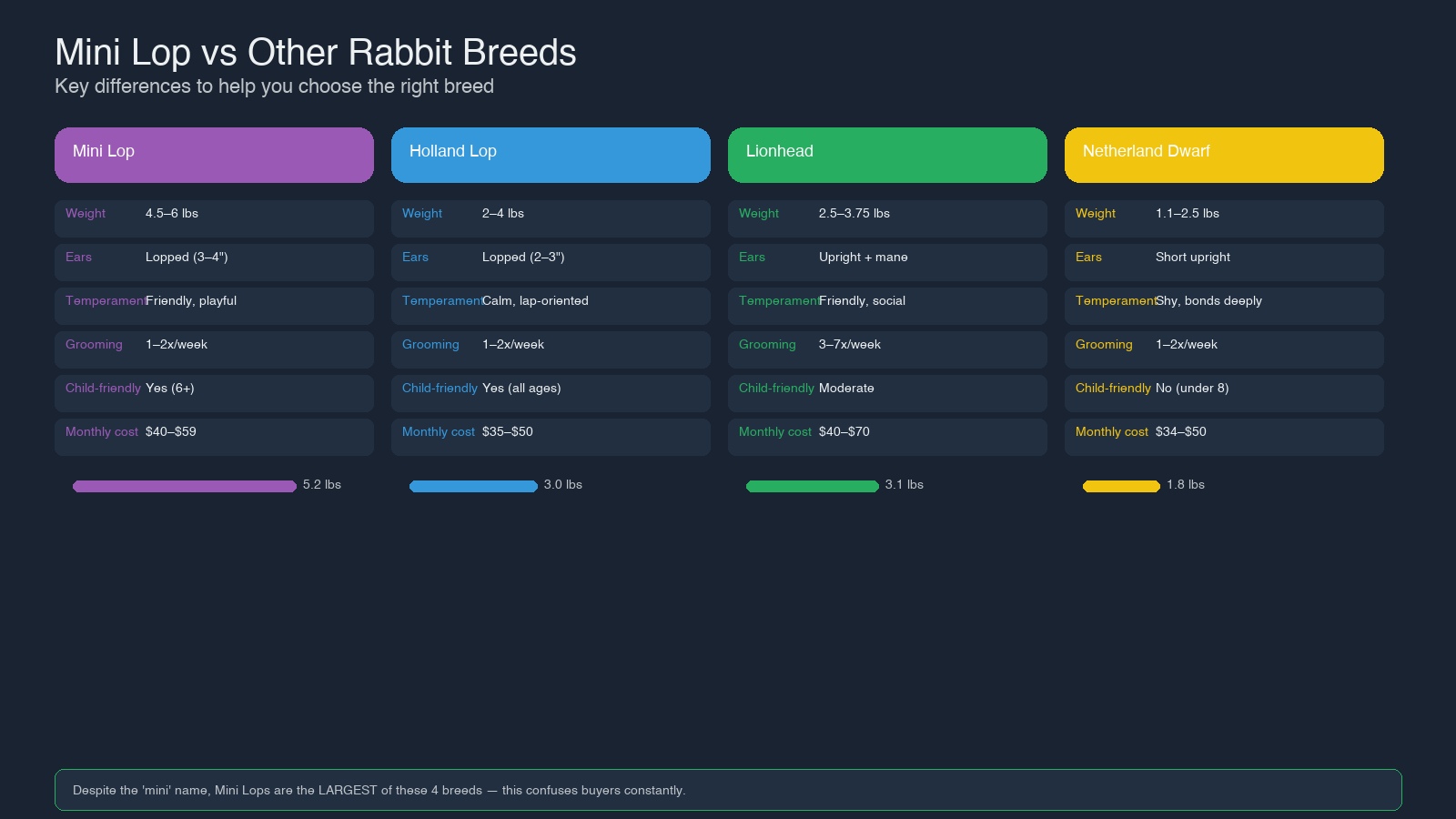
Mini Lop vs Holland Lop: This is the most important distinction. The Mini Lop is 4.5–6 lbs, significantly larger and more muscular than the Holland Lop (2–4 lbs). Mini Lops originated in Germany; Holland Lops come from the Netherlands. Mini Lops are more playful and energetic; Holland Lops tend to be calmer and more lap-oriented. Both are family-friendly, but the Mini Lop’s larger size makes them slightly more tolerant of active children. Despite the “mini” name, Mini Lops are bigger — this trips up buyers constantly.
Mini Lop vs Lionhead: The Lionhead rabbit has a distinctive mane that requires daily grooming during peak seasons, while the Mini Lop’s medium coat needs only weekly brushing. The Lionhead is slightly smaller and more social, but the Mini Lop is easier to maintain and more tolerant of handling.
Mini Lop vs Netherland Dwarf: The Netherland Dwarf rabbit is dramatically smaller (1.1–2.5 lbs vs 4.5–6 lbs), more skittish, and less tolerant of handling. The Mini Lop is the better choice for families, while the Netherland Dwarf appeals to owners who want the smallest possible breed and don’t mind a slower bonding process.
Product Recommendations
Here are some products mentioned in this guide:
Frequently Asked Questions
Are Mini Lop rabbits good pets? Yes, they’re among the best rabbit breeds for families and first-time owners. Friendly, docile, and tolerant of handling — ideal for households with children.
How big do Mini Lop rabbits get? 4.5–6 lbs fully grown, 10–12 inches body length. Larger than Holland Lops (2–4 lbs) despite the “mini” name.
How long do Mini Lop rabbits live? 8–12 years with proper care, averaging about 10 years. Indoor housing and hay-heavy diet are key longevity factors.
What do Mini Lop rabbits eat? 80% unlimited Timothy hay, 10% fresh greens (1.5–2 cups), 8% pellets (1/4 cup), and 2% treats. Watch portions — obesity is a real risk.
How much space does a Mini Lop rabbit need? Minimum 30×36 inches enclosure plus 4+ hours daily free-roam. A 4×4 ft exercise pen is recommended.
Are Mini Lop rabbits friendly? Yes, among the friendliest breeds. Outgoing, social, and confident — they readily approach new people unlike more skittish breeds.
Can Mini Lop rabbits live inside? Yes, and they should. Indoor living is strongly recommended to protect them from predators and ear infections.
What health problems do Mini Lop rabbits have? Ear infections (#1 breed-specific concern), dental malocclusion, GI stasis, obesity, and sore hocks.
How much does a Mini Lop rabbit cost? $20–$100 to purchase, $40–$59/month ongoing, and $300–$700 in initial setup costs.
What is the difference between Mini Lop and Holland Lop? Mini Lops are larger (4.5–6 vs 2–4 lbs), more muscular, and more active. Holland Lops are calmer and more lap-oriented. Despite the name, Mini Lops are bigger.