What Is a Lionhead Rabbit?
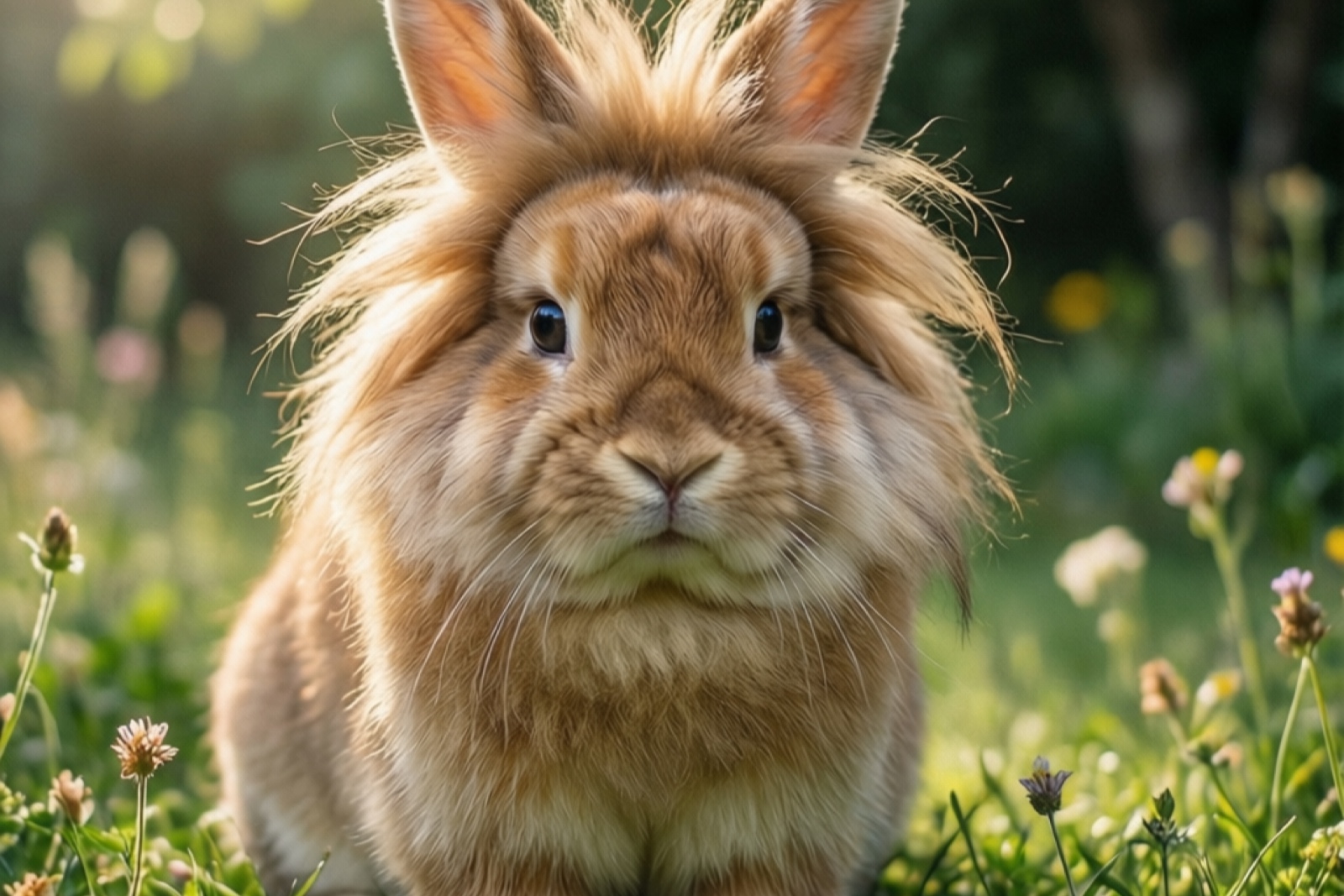
Lionhead rabbit: A small domestic rabbit breed (2.5–3.75 lbs) distinguished by a genetic mutation called “the mane gene,” which produces a wooly mane of fur encircling the head — giving the breed its leonine appearance. The breed was created by crossing a Swiss Fox rabbit with a Netherland Dwarf in France and Belgium during the 1990s.
The mane gene is dominant, meaning only one parent needs to carry it for offspring to display the trait. However, the gene can be single (one copy) or double (two copies), which produces two distinct mane types that look and behave quite differently. The American Rabbit Breeders Association (ARBA) officially recognized the Lionhead rabbit in 2013, and it has since become one of the most popular small rabbit breeds in the United States.
Single Mane vs Double Mane
| Feature | Single Mane | Double Mane |
|---|---|---|
| Mane at birth | Visible but wispy | Thick, prominent |
| Mane as adult | May diminish or thin over time | Keeps full mane for life |
| Flank and hip fur | Normal length | Extended longer fur on flanks and hindquarters |
| ”V” mark on back | No | Yes — visible at birth as a distinct fur pattern |
| ARBA show preference | Accepted | Preferred in competition |
| Grooming need | Moderate (3-4x per week) | High (daily brushing required) |
The easiest way to tell a double mane lionhead rabbit at birth is the “V” mark — a wedge-shaped pattern of longer fur running down the back that single mane kits do not have. As the rabbit matures, double manes develop a full, dramatic skirt of fur around the head, chest, and flanks, while single manes may retain only a modest head ruff.
A well-cared Lionhead rabbit has a lionhead rabbit lifespan and how long they live that reaches 7–10 years, making them a long-term commitment despite their small size.
Lionhead Rabbit Size & Weight
| Measurement | Range |
|---|---|
| Adult weight | 2.5–3.75 lbs (1.1–1.7 kg) |
| Body length | 8–10 inches (20–25 cm) |
| Ear length | 2–3.5 inches (5–9 cm) |
| Age to maturity | 4–6 months |
How big do lionhead rabbits get? They top out at under 4 pounds — placing them firmly in the small breed category. For context:
| Breed | Weight Range | Compared to Lionhead |
|---|---|---|
| Netherland Dwarf | 1.1–2.5 lbs | Smaller — some seek a mini lionhead rabbit, but no official “mini” variety exists; Netherland Dwarfs fill that niche |
| Lionhead Rabbit | 2.5–3.75 lbs | — |
| Holland Lop | 2–4 lbs | Similar |
| Mini Rex | 3–4.5 lbs | Slightly larger |
| Flemish Giant | 12–20 lbs | Much larger |
Lionhead Rabbit at a Glance
- Weight: 2.5–3.75 lbs at maturity
- Body length: 8–10 inches
- Compact, rounded body type
- Ears upright, 2–3.5 inches, well-furred
- Mane is the defining feature (single or double)
- ARBA recognized since 2013
- One of the smallest domestic rabbit breeds
Their compact size makes Lionheads excellent apartment pets, but it also means they need appropriately scaled enclosures. Check our guide to the best rabbit cage for small breeds like the Lionhead rabbit for enclosure recommendations that fit their proportions.
Lionhead Rabbit Colors
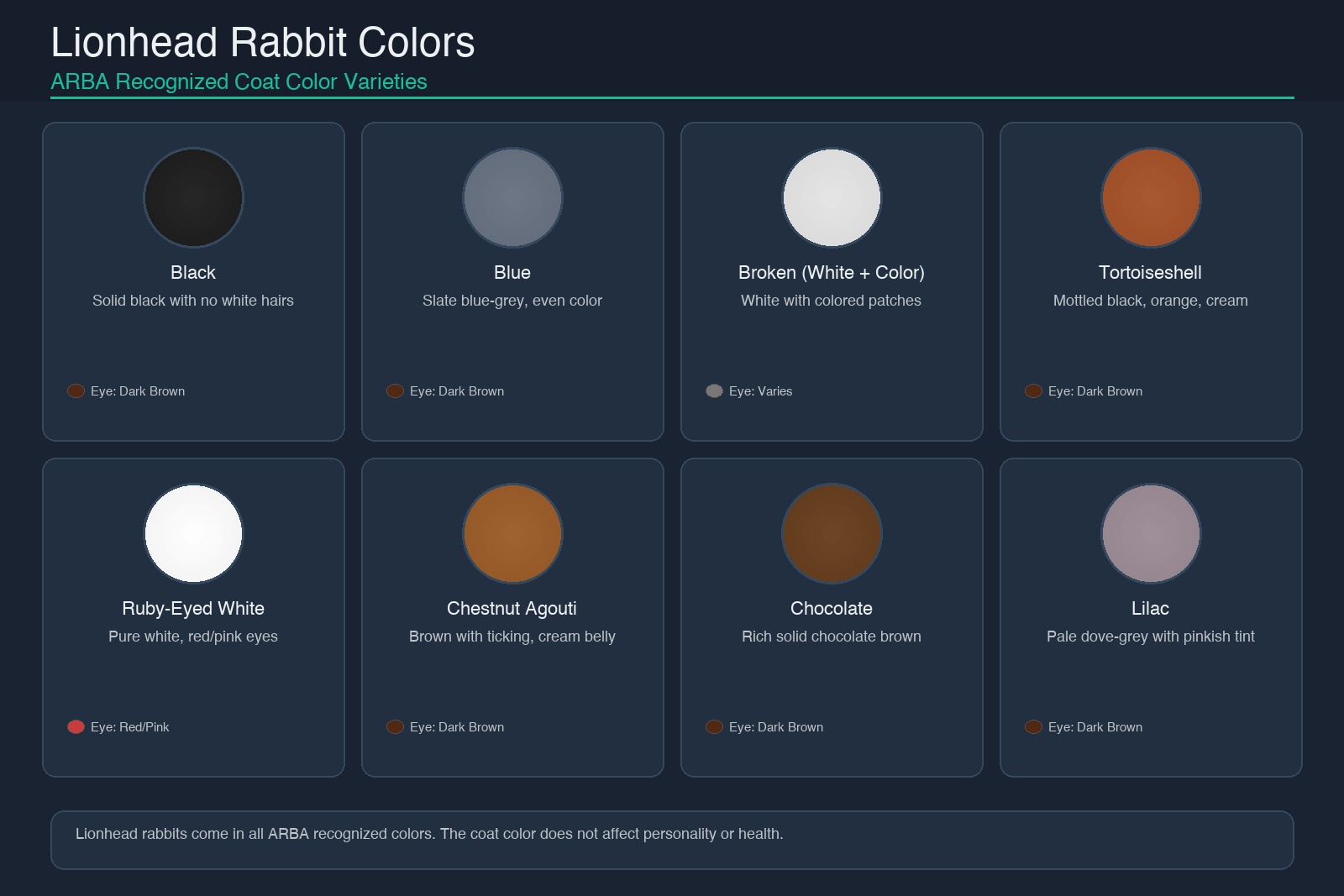
Lionhead rabbits come in a wider range of colors than most people realize. ARBA recognizes all color groups for the breed, which is unusual — many breeds have restricted color palettes. This is one of the reasons lionhead rabbit colors has become such a popular search term.
| Color Group | Examples | Description |
|---|---|---|
| Agouti | Chestnut, Chinchilla, Lynx, Opal | Banded hair shaft with multiple colors per strand |
| Broken | Any recognized color + white | White patches with colored markings |
| Self | Black, Blue, Chocolate, Lilac | Solid, uniform color throughout |
| Shaded | Siamese Sable, Sable Point, Smoke Pearl | Darker body shading with lighter undercoat |
| Tan Pattern | Black Otter, Blue Otter, Chocolate Otter | Light belly and chest, darker body and face |
| Tortoise | Black Tort, Blue Tort, Chocolate Tort | Orange or cream shading over a darker base color |
| Wide Band | Cream, Fawn, Orange, Red | Solid lighter colors without dark tipping |
| Pointed White | Black Pt White, Blue Pt White | White body with colored points (ears, nose, feet) |
Most Popular Lionhead Colors
- Black Lionhead — the most popular single color by search volume. A black lionhead rabbit with the wooly mane creates striking contrast, especially on double mane rabbits where the black mane appears almost sculptural.
- White Lionhead — the second most searched color. A white lionhead rabbit can be either Ruby-Eyed White (REW) or Blue-Eyed White (BEW), with BEW being rarer and more sought after by breeders.
- Chestnut Agouti — the most common color in the breed, featuring banded brown/tan/black hairs that give a natural, wild-rabbit appearance.
- Broken pattern — any color combined with white patches. No two broken-pattern Lionheads look alike, which appeals to owners who want a unique-looking rabbit.
The mane type dramatically affects how any color appears. A black double mane lionhead rabbit looks substantially more impressive than a black single mane — the extra flank and chest fur gives the color more visual depth and volume. When choosing a Lionhead rabbit, the color × mane type combination matters more than color alone.
Lionhead Rabbit Temperament & Personality
Lionhead rabbits are friendly, social, and intelligent. They form close bonds with their owners, enjoy attention, and can be trained with basic commands. Among small rabbit breeds, they are considered one of the more affectionate and engaging options for pet owners.
Key temperament traits:
- Friendly and good-natured — most Lionheads tolerate handling well and actively seek out interaction
- Social — they thrive with companions. A bonded pair of rabbits is generally happier than a single rabbit, though daily human interaction can substitute
- Intelligent — Lionhead rabbits respond to clicker training and can learn name recognition, come when called, and perform simple tricks
- Energetic — despite their small size, they need daily exercise and playtime. A sedentary Lionhead rabbit becomes bored and potentially overweight
- Gentle — good with children who handle them calmly and respectfully, though young children should always be supervised
Are Lionhead rabbits good house pets? Yes — they are one of the best small rabbit breeds for indoor living. Their small size, affectionate nature, and adaptability make them well-suited to apartment life. A proper diet keeps your Lionhead healthy and happy, and their social temperament means they actively participate in household life rather than hiding in a corner.
Bonding With Your Lionhead
Building trust with a new Lionhead rabbit takes patience. Sit on the floor at their level, offer treats from your hand, and let them approach you on their terms. Most Lionheads warm up within 1-2 weeks. Avoid picking them up from above (it triggers prey instinct) — instead, scoop them from underneath with one hand supporting the chest and the other under the hindquarters.
Lionhead Rabbit Lifespan
Lionhead rabbits live 7–10 years with proper care. This places them in the middle of the rabbit lifespan range — longer than giant breeds (5-8 years) but similar to other small breeds like Holland Lops and Netherland Dwarfs.
Factors That Affect Lionhead Lifespan
| Factor | Impact | How to Optimize |
|---|---|---|
| Diet quality | High — 80% hay diet adds 1-3 years | Unlimited Timothy hay, measured pellets |
| Living conditions | High — indoor rabbits live 2+ years longer | Keep indoors, avoid outdoor housing |
| Veterinary care | Medium — annual checkups catch problems early | Find an exotic vet experienced with rabbits |
| Dental health | Medium — malocclusion is common in the breed | Provide unlimited hay for tooth wear |
| Spay/neuter | High — reduces cancer risk significantly | Spay females by 6 months, neuter males by 4 months |
| Grooming | Medium — prevents wool block and flystrike | Daily brushing for double manes |
Tips for a Longer Lionhead Lifespan
- Feed 80%+ Timothy hay — the single most impactful diet choice
- Keep your Lionhead rabbit indoors — protected from predators, temperature extremes, and parasites
- Schedule annual vet checkups with an exotic animal veterinarian
- Spay or neuter — reduces reproductive cancer risk and can extend life by 1-2 years
- Maintain a healthy weight — 2.5-3.75 lbs is the ideal range
- Provide daily exercise — at least 2 hours of supervised roam time
- Groom regularly — prevents wool block (fatal if untreated) and flystrike
For detailed rabbit lifespan data by breed, including how Lionheads compare to Holland Lops, Mini Rexes, and other popular breeds, see our comprehensive lifespan guide.
Lionhead Rabbit Diet & Nutrition
Lionhead-specific diet: Because Lionheads are small (2.5–3.75 lbs), their food portions are smaller than larger breeds, but the nutritional ratios remain the same. The key difference is portion control — overfeeding pellets leads to obesity quickly in a breed that weighs under 4 pounds.
Daily Diet Breakdown for Lionhead Rabbits
| Food Type | Daily Amount | % of Diet | Notes |
|---|---|---|---|
| Timothy hay | Unlimited | ~80% | Should eat roughly body weight in hay daily |
| Fresh greens/vegetables | 1–1.5 cups | ~10% | Romaine, cilantro, parsley, bell peppers |
| Pellets | 1/8 cup | ~8% | Timothy-based, uniform pellets only |
| Treats | 1–2 small pieces | ~2% | Strawberry, blueberry, apple slice (no seeds) |
| Fresh water | Unlimited | — | Water bottle preferred over bowl |
That 1/8 cup of pellets is the Lionhead-specific number. A 3 lb Lionhead rabbit needs roughly half the pellet volume of a 6 lb rabbit. It is easy to overfeed because the portion looks so small — but consistently exceeding it leads to weight gain that is difficult to reverse in a breed this small.
Transitioning to a Healthy Lionhead Diet
- Ensure unlimited Timothy hay is available 24/7 — this is non-negotiable. Hay drives gut motility, wears teeth, and provides the fiber base that prevents GI stasis
- Measure pellets to exactly 1/8 cup per day — use a measuring scoop, not estimation. Scatter-feeding pellets in hay encourages foraging behavior
- Introduce 1 new vegetable every 3 days — watch for GI reaction (soft stool, bloating) before adding the next. Carrots — high in sugar, feed sparingly
- Limit treats to 2-3x per week — a small piece of strawberry or blueberry is sufficient
- Weigh your Lionhead rabbit monthly — ideal range is 2.5–3.75 lbs. If weight creeps up, reduce pellets slightly and increase hay
Foods to Avoid
- Iceberg lettuce (causes diarrhea)
- Potatoes, onions, garlic (toxic)
- Chocolate, bread, crackers (harmful ingredients)
- Seeds and nuts (not part of natural rabbit diet)
- Any commercial “treat mix” with seeds and colored pieces
- Human food of any kind
For the complete rabbit diet guide with detailed vegetable lists and feeding schedules, or to find the best rabbit food brands for pellets, check out our dedicated guides.
Lionhead Rabbit Grooming & Mane Care
Grooming is the single most important aspect of Lionhead rabbit care — and the one that distinguishes them from short-haired breeds. Their mane fur traps moisture, mats easily, increases flystrike risk, and can cause digestive blockages if ingested during self-grooming.
Daily Grooming Checklist for Lionhead Rabbits
- Brush mane daily — 2-3 minutes with a slicker brush
- Check chin, tail, and flanks for matting — these areas trap moisture and debris
- Trim nails every 4-6 weeks — overgrown nails alter gait and cause foot soreness
- Check ears weekly — look for debris, redness, or signs of mites
- Spot-clean fur with a damp cloth if soiled areas are found
- Never bathe a rabbit — can cause hypothermia, stress, and shock
Single mane vs double mane grooming: Single mane Lionhead rabbits need brushing 3-4 times per week. Double mane Lionhead rabbits require daily brushing with extra attention to the flanks and hindquarters, where the longer “skirt” fur is most prone to matting.
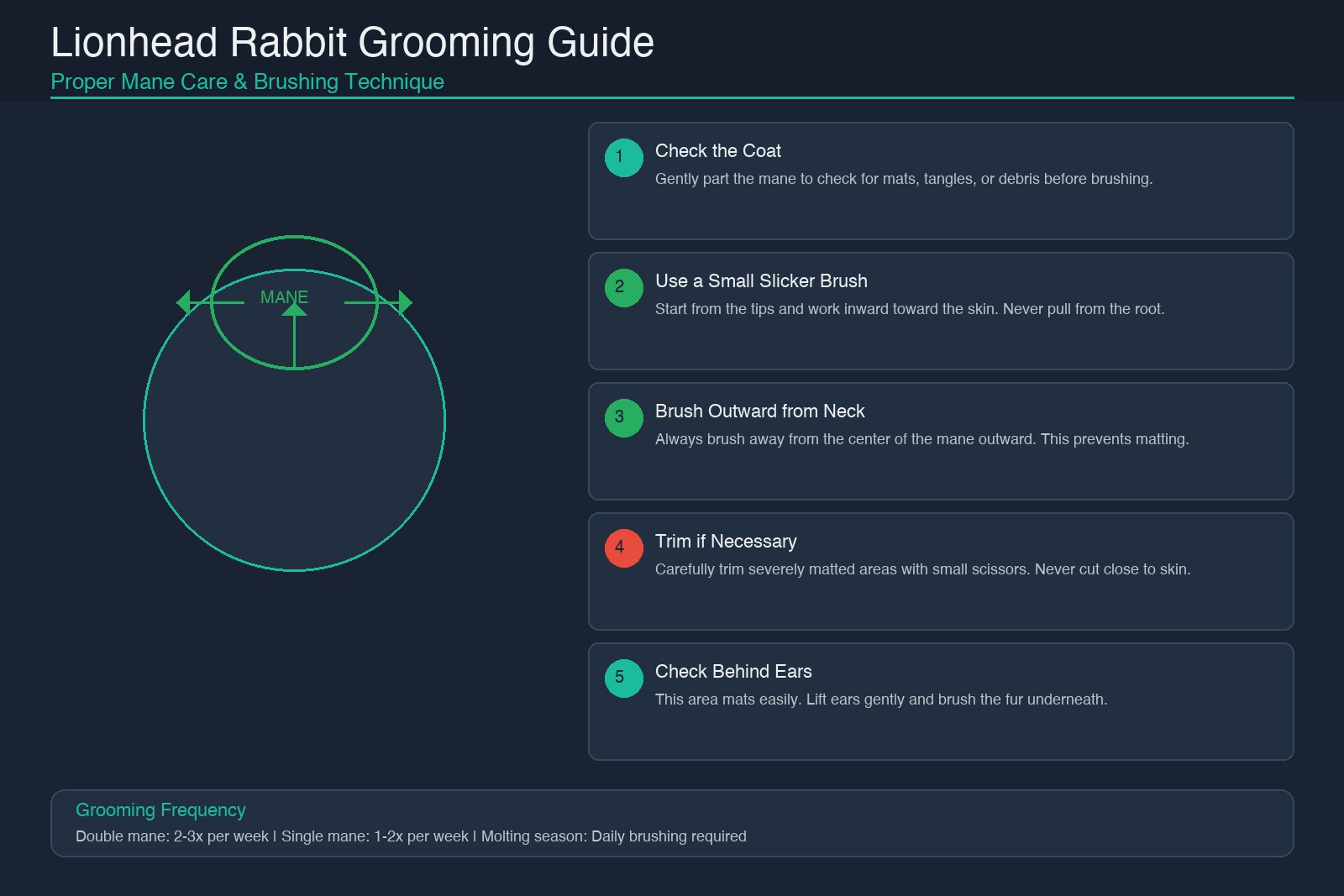
How to Brush a Lionhead’s Mane
- Start from the neck and brush outward — follow the direction the fur naturally grows, working from the base of the mane outward
- Work through small tangles gently — never pull or cut mats out. Use your fingers to separate tangled sections before brushing
- Check the “V” area on the back (double mane rabbits) — this zone where the longer body fur meets the shorter saddle fur is a prime matting spot
- Finish with a fine-tooth comb — this catches any tangles the slicker brush missed, especially around the chest and behind the ears
- Reward with a small treat — builds positive association with grooming so your Lionhead rabbit cooperates long-term
Grooming Tool Recommendations
| Product | Type | Best For |
|---|---|---|
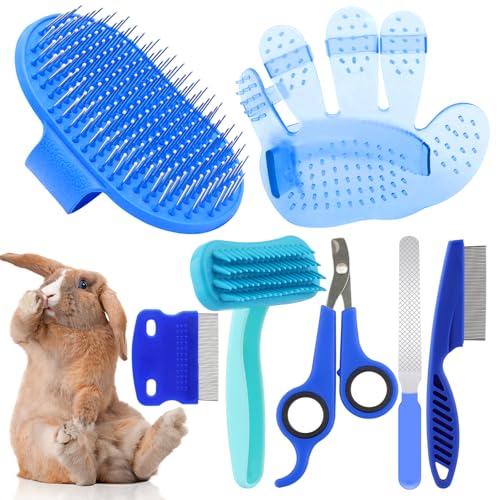
| KALAMANDA Rabbit Grooming Kit | 6-piece set | Complete grooming routine (brush, comb, nail clippers) |
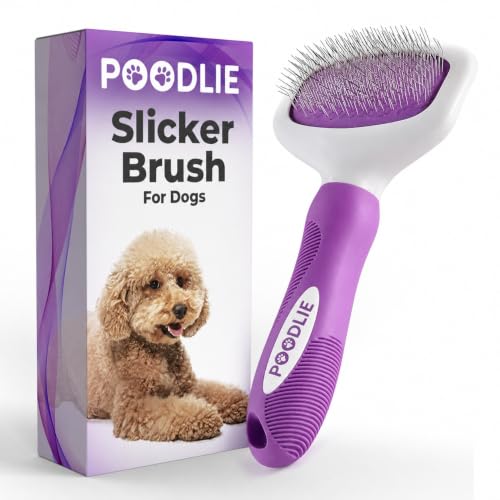
| Poodle Pet Slicker Brush | Slicker brush | Daily mane brushing — compact, gentle on skin |
The KALAMANDA kit is the best starting point for new Lionhead rabbit owners — it includes a slicker brush, nail clippers, and comb in one package at a reasonable price. The nail clippers are adequate for routine trims, though some owners report they can jam on thicker nails. For daily mane brushing specifically, the Poodle Pet slicker brush is the better tool — its compact rotating head is designed for small animals and removes loose fur efficiently without irritating the skin. Soften the bristles by brushing against a towel a few times before the first use.
For a comprehensive guide covering all aspects of rabbit coat care, see our detailed rabbit grooming guide.
Lionhead Rabbit Health Problems
Lionhead rabbits are generally healthy rabbits, but their breed characteristics — small skull, long mane fur, compact body — create elevated risk for certain conditions.
| Condition | Cause | Symptoms | Prevention | Severity |
|---|---|---|---|---|
| Malocclusion | Genetic — small head shape | Drooling, decreased appetite, weight loss | Unlimited hay for tooth wear, dental checks | High |
| GI Stasis | Stress, low fiber, dehydration | No stool 12+ hrs, lethargy, bloating | 80% hay diet, daily exercise, hydration | Critical |
| Wool block / Hairballs | Swallowed mane fur during grooming | Reduced appetite, small droppings | Daily brushing, fresh water, papaya enzyme | Medium-High |
| Flystrike | Wet or matted fur attracts flies | Skin sores, maggots in fur | Daily grooming, indoor housing, dry bedding | Critical |
| Ear mites | Parasite (Cheyletiella) | Itching, flaky skin, “walking dandruff” | Clean environment, vet treatment | Medium |
| E. cuniculi | Parasite (urine transmission) | Head tilt, eye twitching, seizures | Hygiene, vet deworming, clean litter | High |
| URI | Anatomy — teeth near sinuses | Sneezing, nasal discharge | Clean cage, dust-free litter, hay chewing | Medium |
Lionhead-Specific Health Risks
Wool block is the most Lionhead-specific condition on this list. When a rabbit grooms itself, it inevitably swallows some fur. Short-haired breeds pass this fur normally. Lionhead rabbits — especially double manes — ingest significantly more fur due to their long coat volume. This grooming challenge is shared with other long-haired breeds like the Angora Rabbit, which requires even more intensive daily grooming. This fur can accumulate in the stomach and form a blockage that prevents normal digestion. Daily brushing is the primary prevention. Some owners supplement with papaya enzyme tablets, which help break down fur in the gut.
Flystrike is another elevated risk. The mane traps moisture around the head and chest, and if the flank fur (on double manes) becomes soiled, it creates an ideal breeding ground for flies. This condition can progress from eggs to maggots in under 24 hours and is fatal if untreated. Indoor housing eliminates most of the risk, but daily fur checks are still essential.
Malocclusion (dental misalignment) is more common in Lionheads than in larger breeds because their small skull dimensions can create jaw alignment issues. Rabbit teeth grow continuously — roughly 3-4 inches per year — and normally wear down against each other and through hay chewing. Misaligned teeth do not wear evenly, leading to overgrown spikes that cut into the gums and tongue, making eating painful. If your Lionhead rabbit drools, loses weight, or stops eating, dental issues are a likely cause.
When to see a vet immediately: No stool for 12+ hours, head tilt, severe lethargy, bloated or hard abdomen, loud teeth grinding (pain signal), or any signs of flystrike. These are emergencies — do not wait.
For more detail on recognizing and managing these conditions, see our guide to common rabbit health problems and treatment.
Lionhead Rabbit Housing Requirements
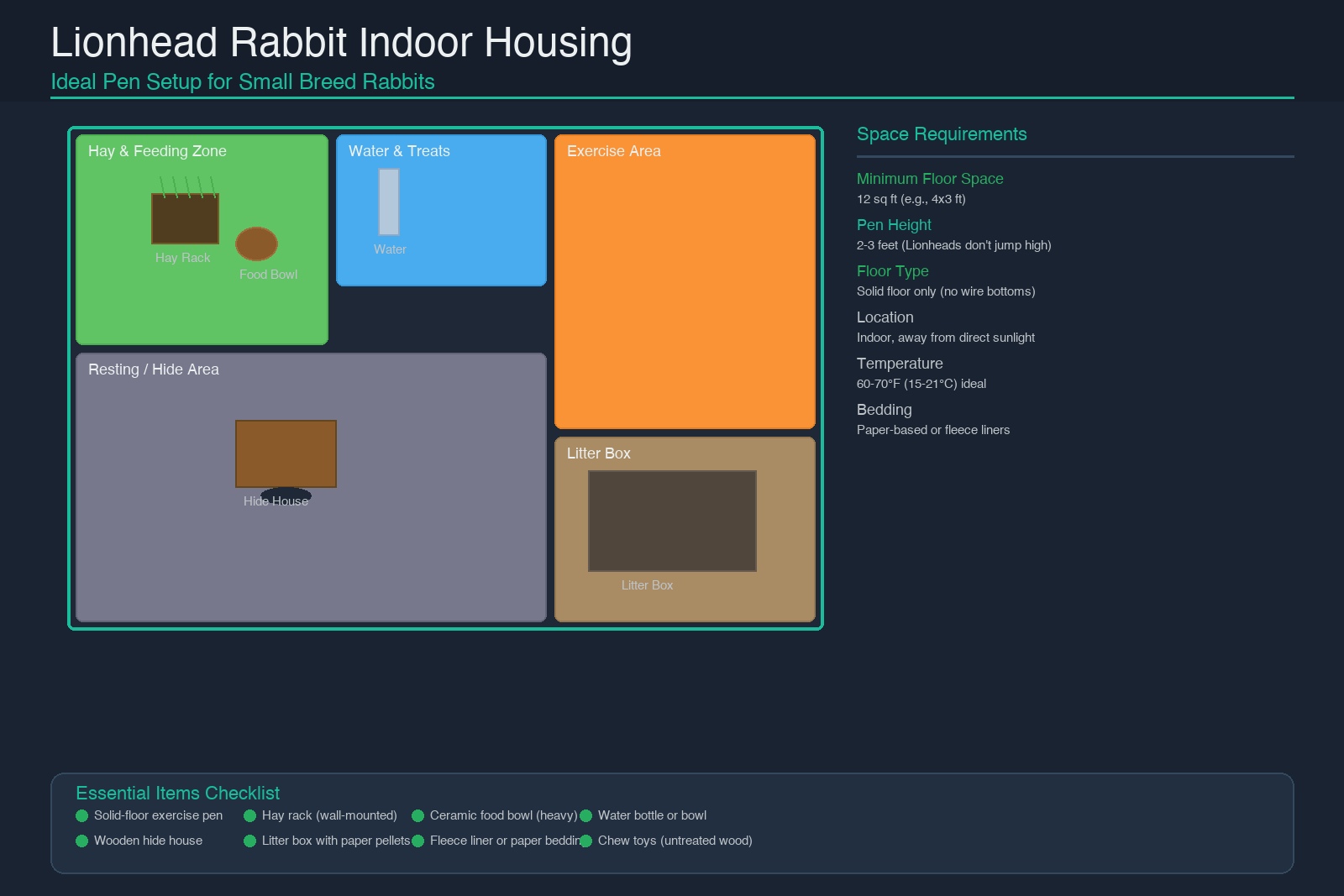
A Lionhead rabbit’s enclosure is their primary living space, but it should not be their entire world. These are active, social rabbits that need daily out-of-cage time.
Minimum Requirements
| Requirement | Specification |
|---|---|
| Minimum enclosure size | 18 × 24 inches (from ARBA standards) |
| Recommended daily exercise | 2+ hours outside the enclosure |
| Exercise pen (x-pen) | 4 × 4 ft minimum for free-roam time |
| Floor type | Solid (not wire — prevents sore hocks) |
| Temperature range | 50–77°F (10–25°C) |
| Ventilation | Good airflow, no drafts |
Lionhead Housing Essentials
- Solid floor — wire bottoms cause sore hocks, especially painful for a lightweight breed
- Minimum 18×24 inch enclosure — larger is always better
- Daily out-of-cage exercise time — 2+ hours minimum for physical and mental health
- Hide house or tunnel — Lionheads need a secure retreat space
- Hay rack + water bottle — hay should be accessible at all times
- Litter box — use paper-based litter (no clay, no pine/cedar shavings)
- No glass aquariums — poor ventilation causes respiratory issues
- No outdoor-only housing — flystrike risk, predator exposure, temperature stress
Indoor housing is strongly recommended for Lionheads. They are a social breed that needs daily interaction, and their long mane fur makes outdoor living particularly dangerous (flystrike, damp conditions, parasites). An indoor Lionhead rabbit with supervised outdoor playtime in a secure pen is the ideal setup.
For specific product recommendations, see our guide to the best rabbit cages and pens for Lionheads, and for a complete overview of everything your new rabbit needs, our complete rabbit setup guide for new owners covers enclosure, accessories, feeding setup, and daily routines. If you’d rather build your own enclosure, our homemade rabbit cage guide has plans tailored to small breeds like the Lionhead.
How Much Does a Lionhead Rabbit Cost?
If you are searching for a lionhead rabbit for sale, understanding the typical lionhead rabbit price helps you avoid overpaying and identify red flags.
Purchase and Adoption
| Source | Price Range | What’s Included |
|---|---|---|
| Breeder | $30–$100 | Rabbit only — you handle vet visits and spay/neuter |
| Rescue/Shelter | $50–$150 | Usually includes spay/neuter, vet check, and health guarantee |
| Pet store | $20–$60 | Rabbit only — rabbit.org advises against pet store purchases |
Adoption from a rescue is generally recommended over buying from a pet store. Rescue rabbits are typically already spayed or neutered, health-checked, and sometimes litter-trained. The upfront cost is higher, but you save $200-400 on the spay/neuter surgery alone. rabbit.org specifically warns against purchasing from large chain stores where rabbits are often underage, unspayed, and stressed from transport.
Monthly Care Costs
| Expense | Monthly Cost |
|---|---|
| Timothy hay | $10–$20 |
| Pellets | $5–$10 |
| Fresh vegetables | $10–$15 |
| Litter | $5–$10 |
| Vet checkup (annual, amortized) | ~$10/month |
| Grooming tools | One-time ~$15–$25 |
| Total monthly cost | $40–$70/month |
A Lionhead rabbit is not an expensive pet to maintain day-to-day, but emergency vet visits can cost $300-800. Budget for pet insurance or set aside an emergency fund if you are bringing a Lionhead rabbit home.
Conclusion
Lionhead rabbits are one of the most charming small rabbit breeds — compact, fluffy, affectionate, and intelligent enough to form genuine bonds with their owners. But that magnificent mane comes with responsibility: daily grooming is non-negotiable, and their small size makes them more vulnerable to certain health conditions than larger breeds.
Five key takeaways:
- Small breed — 2.5–3.75 lbs, 7–10 year lifespan with proper care
- Single vs double mane — affects appearance and grooming commitment significantly
- All ARBA color groups recognized — from black and white to chestnut agouti and tortoise
- Diet: 80% hay + 1/8 cup pellets — Lionhead-specific portions to prevent obesity
- Daily grooming prevents life-threatening conditions — wool block and flystrike are real risks that regular brushing eliminates
If you are considering a Lionhead rabbit, start by preparing their living space. Our complete rabbit setup guide covers everything you need before bringing your rabbit home, and our best rabbit cage guide helps you choose an enclosure that fits their small size and active personality.