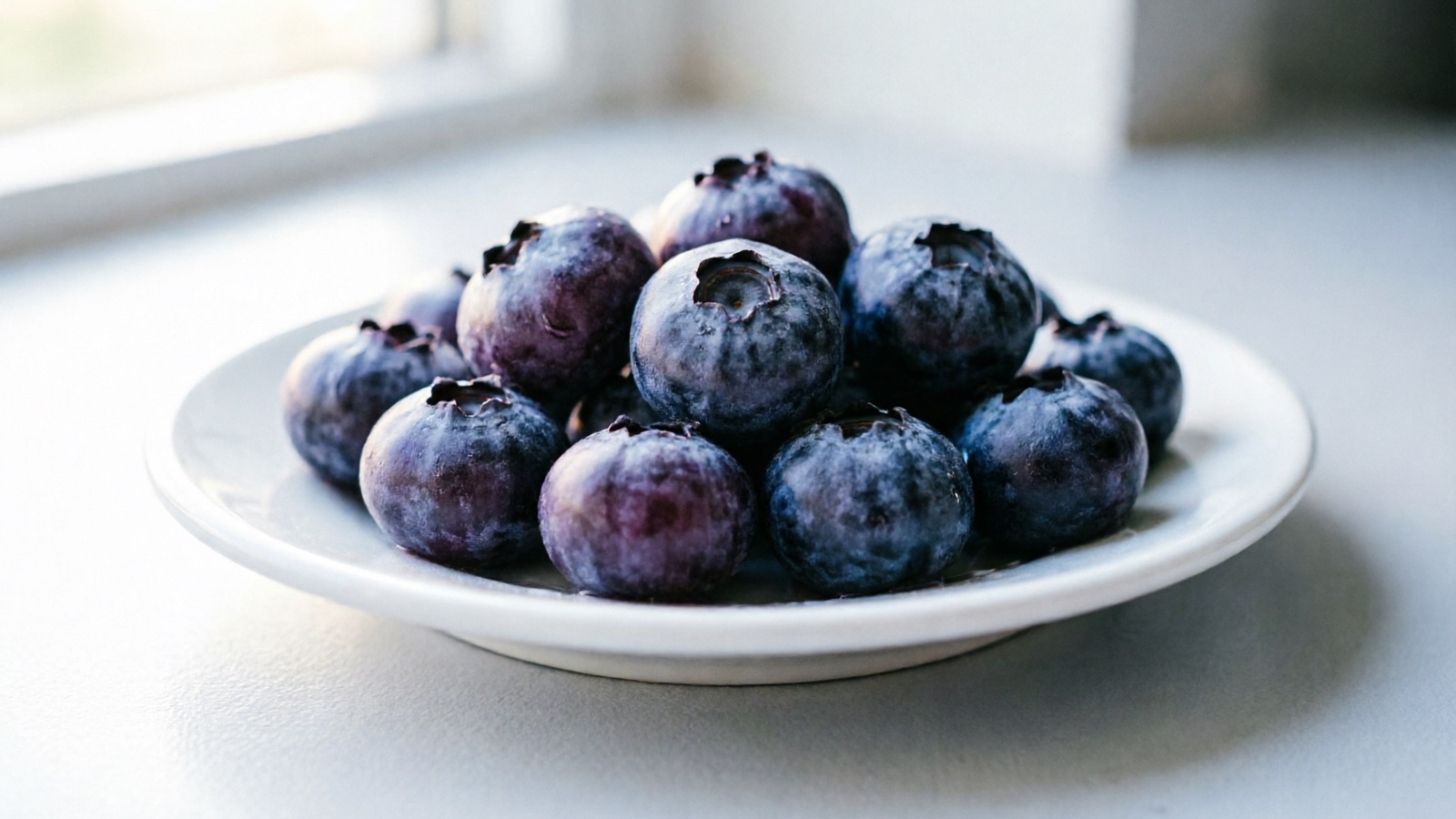
Quick Answer: Can Hamsters Eat Blueberries?
Yes — hamsters can eat blueberries in small amounts, 2-3 times per week for Syrians and 1-2 times for dwarfs.
| Syrian Hamster | Dwarf Hamster |
|---|---|
| Safe part | Fresh flesh only |
| Serving size | 1-2 blueberries, halved |
| Frequency | 2-3 times per week |
| Must avoid | Dried, canned, sweetened |
💡 TL;DR: 1-2 halved blueberries 2-3x/week for Syrians, ½-1 halved blueberry 1-2x/week for dwarfs. Wash thoroughly, cut in half, serve at room temperature. Never feed dried or sweetened blueberries.
Blueberries are one of the safer fruit options for hamsters. They contain less sugar than most popular fruits, and their small size makes portion control straightforward. But “safe” does not mean “feed freely” — the sugar content still requires moderation, especially for diabetes-prone dwarf hamsters. See our hamster diet guide for the full picture on safe foods.
Nutritional Value of Blueberries for Hamsters
LAIRIES Bubble Backpack is a quality option worth considering for your setup.
USDA nutritional data — blueberries, raw, USDA FoodData Central:
| Nutrient | Per 100g Blueberries | Per 1 Berry (~1.5g) | Benefit for Hamsters |
|---|---|---|---|
| Water | 84.2g (84%) | ~1.3g | Hydrating |
| Calories | 57 kcal | ~0.86 kcal | Low calorie |
| Sugar | 10.0g | ~0.15g | Moderate — watch for dwarfs |
| Fiber | 2.4g | ~0.036g | Supports digestion |
| Protein | 0.74g | ~0.011g | Minimal |
| Vitamin C | 9.7 mg | ~0.15 mg | Immune support |
| Vitamin K | 19.3 µg | ~0.29 µg | Blood clotting, bone health |
| Vitamin A | 3 µg | ~0.045 µg | Eye and skin health |
| Manganese | 0.336 mg | ~0.005 mg | Bone development |
| Antioxidants (ORAC) | 4,669 | ~70 | Cellular protection |
Blueberries sit in a middle ground for hamster-safe fruits. At 10g of sugar per 100g, they are lower than grapes (16g), bananas (12g), and watermelon (6.2g but much larger typical serving). One blueberry contains only about 0.15g of sugar — manageable even for dwarf hamsters in the right portion.
The standout nutrient is vitamin C at 9.7 mg per 100g. Hamsters cannot synthesize vitamin C and need dietary sources. While pellets provide a base, fresh fruit like blueberries offers a supplemental boost.
The antioxidant content (ORAC 4,669) is among the highest of common fruits. Antioxidants help neutralize free radicals and support cellular health, though the practical impact of this in a hamster’s diet is modest compared to the sugar risk.
Blueberries for Hamsters Benefits
The three real benefits of feeding blueberries to hamsters:
-
Lower sugar than most fruits — At 10g per 100g, blueberries have less sugar than grapes (16g), cherries (12g), or bananas (12.2g). For dwarf hamsters where every gram of sugar matters, blueberries are a comparatively safe choice. The small berry size also makes accidental overfeeding less likely than with larger fruits.
-
Vitamin C content — At 9.7 mg per 100g, blueberries contribute meaningful vitamin C to a hamster’s diet. Hamsters are among the few mammals that cannot synthesize their own vitamin C. While commercial pellets contain added vitamin C, fresh sources provide more bioavailable nutrition.
-
Antioxidants — Blueberries have one of the highest antioxidant capacities of common fruits (ORAC 4,669). The anthocyanins that give blueberries their color have anti-inflammatory properties. The practical benefit for hamsters is small per berry, but it is a positive nutritional factor.
The Three Risks: Sugar, Water, and Pesticides
Many owners find that BUCATSTATE Carrier + Water Bottle works well for their pet’s needs.
Risk 1: Sugar and Diabetes (THE Big One for Dwarfs)
This is the most important thing to understand about feeding blueberries to hamsters, particularly dwarf species.
Blueberries contain 10g of sugar per 100g. While that is lower than most fruits, dwarf hamsters (especially Campbell’s dwarfs) are genetically predisposed to diabetes. A dwarf hamster weighs only 25-45g, so even small amounts of sugar accumulate quickly in their system.
One blueberry (~1.5g) delivers about 0.15g of sugar. For a 30g dwarf hamster, two blueberries provide roughly 1% of body weight in sugar per serving. That sounds small, but repeated exposure multiple times per week adds up over months and years.
How to manage this risk: Stick strictly to serving sizes — ½ to 1 blueberry for dwarfs, 1-2 for Syrians. Feed blueberries no more than 2 times per week for dwarfs. If your dwarf hamster shows signs of diabetes (excessive drinking, frequent urination, weight loss), eliminate all fruit from the diet immediately and consult a vet.
Risk 2: Diarrhea from Water Content
Blueberries are 84% water. While not as extreme as celery (95%) or watermelon (92%), the water content still contributes to loose stools if overfed.
One blueberry delivers about 1.3g of water. Two blueberries for a Syrian hamster (120-200g) is negligible. But for a dwarf hamster at 30g, that water represents a larger proportion of their tiny digestive system.
Signs of water-induced diarrhea: loose or watery droppings, wetness around the tail area, decreased appetite for regular pellets. If you notice these signs, stop all fresh food for 24 hours and monitor. Persistent diarrhea may indicate wet tail, a serious bacterial infection requiring immediate veterinary care.
Risk 3: Pesticide Residue
Blueberries consistently appear on the EWG Dirty Dozen list for pesticide residue. Conventional blueberries can carry residues of up to 17 different pesticides, including organophosphates which affect the nervous system.
For a hamster weighing 30-200g, pesticide exposure from unwashed fruit carries proportionally more risk than for a human.
How to eliminate this risk: Wash all blueberries thoroughly under running water for at least 30 seconds. A brief soak in a baking soda solution (1 teaspoon per cup of water) for 2 minutes can help remove surface residues. Buying organic blueberries eliminates most of this concern.
Safe Serving Sizes by Hamster Type
For this purpose, Exotic Nutrition Bonding Pouch is a popular choice among pet owners.
Syrian Hamsters (120-200g)
Syrian hamsters can handle the largest blueberry portions due to their body weight and lower diabetes risk.
- Serving: 1-2 blueberries, cut in half
- Frequency: 2-3 times per week
- Preparation: Wash, cut in half, room temperature
- First time: Start with half a blueberry and wait 24 hours to check for adverse reactions
Dwarf Hamsters (20-45g)
Dwarf hamsters need significantly smaller portions due to their diabetes predisposition and tiny size.
- Serving: ½ to 1 blueberry, cut in half
- Frequency: 1-2 times per week maximum
- Preparation: Wash, cut in half, room temperature
- Caution: If your dwarf has any signs of diabetes (excessive thirst, frequent urination), avoid all fruit including blueberries
Chinese Hamsters (30-45g)
Chinese hamsters fall between Syrians and dwarfs in size and diabetes risk.
- Serving: ½ to 1 blueberry, cut in half
- Frequency: 1-2 times per week
- Preparation: Same as dwarf hamsters
How to Introduce Blueberries for the First Time
Never give a hamster a full portion of a new food on the first try. Introduce blueberries gradually:
- Day 1: Give ¼ of a single blueberry, halved. Watch for 24 hours.
- Check: Look for normal droppings, normal activity level, no bloating.
- Day 2: If all is normal, give ½ of a blueberry. Watch for another 24 hours.
- Day 3 onwards: If no adverse reactions, you can move to the full recommended serving size.
If at any point you notice diarrhea, bloating, or lethargy, stop feeding blueberries and do not retry for at least 2 weeks. Some individual hamsters have more sensitive digestive systems than others.
What About Frozen, Dried, or Canned Blueberries?
Frozen Blueberries
Frozen blueberries are safe only after thawing completely. Never feed cold or frozen blueberries directly — the temperature shock can cause stomach cramps and digestive upset. Thaw in the refrigerator, then let sit at room temperature for 10 minutes before serving. The thawing process softens the berries, making them easier for hamster teeth to handle.
Dried Blueberries — Never Feed These
Dried blueberries are dangerous for hamsters. The drying process concentrates sugar from 10g per 100g to roughly 60-70g per 100g. That is 6-7 times the sugar content of fresh berries. Additionally, dried fruit can stick inside hamster cheek pouches, causing dental problems, impaction, and bacterial growth. Always feed fresh blueberries only.
Canned Blueberries — Never Feed These
Canned blueberries are packed in heavy syrup with added sugar. Even canned blueberries “in juice” contain significantly more sugar than fresh. The canning process also destroys much of the vitamin C content. Avoid all canned fruit for hamsters.
Blueberry-Flavored Foods — Never Feed These
Yogurt drops, cereals, or other processed foods with blueberry flavoring contain artificial colors, preservatives, and refined sugar. These are harmful to hamsters and offer no nutritional value. Stick to fresh, whole blueberries only.
Safe Alternatives to Blueberries
If you want to rotate treats or your hamster does not tolerate blueberries well, consider these alternatives:
Lower-Sugar Fruits
| Fruit | Sugar (per 100g) | Serving for Syrian | Serving for Dwarf |
|---|---|---|---|
| Blueberries | 10.0g | 1-2 berries | ½-1 berry |
| Cranberries | 4.0g | 1 berry | ½ berry |
| Raspberries | 4.4g | 1-2 berries | ½-1 berry |
| Strawberries | 4.9g | ½ berry | ¼ berry |
| Watermelon | 6.2g | ½-inch cube | ¼-inch cube |
| Apple (no seeds) | 10.4g | ½-inch cube | ¼-inch cube |
| Banana | 12.2g | ½-inch slice | Not recommended |
| Grapes | 16.0g | ½ grape | Not recommended |
Safe Vegetables (Daily Options)
Vegetables should make up the majority of a hamster’s fresh food intake because they are generally lower in sugar than fruit:
- Broccoli florets — low sugar, high vitamin C
- Cucumber — very hydrating, nearly sugar-free
- Carrots — beta-carotene, but higher sugar than broccoli
- Zucchini — low calorie, easy to digest
- Bell pepper — excellent vitamin C source
Vegetables can be fed more frequently than fruit — most safe vegetables can be offered daily in small amounts.
Product Recommendations
Here are some products mentioned in this guide:
Frequently Asked Questions
Can hamsters eat blueberry leaves or stems?
No. Blueberry plant leaves and stems are not toxic, but they have no nutritional value for hamsters and the stems can pose a choking hazard. Feed only the berry itself.
Why do blueberries turn my hamster’s urine red or purple?
This is normal and not a cause for concern. Blueberries contain anthocyanins — water-soluble pigments that pass through the digestive system unchanged. The color in urine or droppings is harmless and will resolve within a day of stopping blueberry feeding.
How many blueberries can I give my hamster per week?
Syrian hamsters: 4-6 blueberries per week (1-2 per serving, 2-3 times per week). Dwarf hamsters: 1-2 blueberries per week (½-1 per serving, 1-2 times per week). Chinese hamsters: 1-2 blueberries per week. These totals should not be exceeded even if your hamster seems to want more.
Can hamsters eat wild blueberries?
Yes — wild blueberries (also called lowbush blueberries) are safe for hamsters and actually contain higher antioxidant levels than cultivated blueberries. The same preparation rules apply: wash thoroughly, cut in half, serve in the same portions. Wild blueberries tend to be smaller, which can make portion control easier.
Should I remove blueberry seeds?
No — blueberry seeds are tiny and harmless. They pass through a hamster’s digestive system without issue. Unlike apple seeds (which contain trace amounts of cyanide), blueberry seeds pose no toxicity risk. Do not try to deseed blueberries — it is unnecessary and impractical.