If your hamster gnaws on the cage bars every night, you’re not alone — it’s one of the most common hamster behavior problems owners face. But it’s not just annoying noise. Bar biting is a sign that something in your hamster’s environment needs to change.
Why Do Hamsters Bite Cage Bars?
Hamsters bite cage bars for several interconnected reasons. Understanding the root cause is essential because the solution depends entirely on what’s driving the behavior.
Boredom and Lack of Stimulation
This is the number one cause. Hamsters are highly active animals — in the wild, Syrian hamsters travel up to 5 miles per night foraging and exploring. When confined to a small cage with a wheel and a bowl, they have nowhere to channel that energy.
A bored hamster will invent its own entertainment, and bar biting becomes a self-reinforcing activity. The metal provides resistance that feels satisfying to chew, and the repetition becomes a compulsive habit.
Cage Too Small
Most commercially sold hamster cages are far too small. The minimum recommended floor space is 450 square inches for Syrian hamsters and 360 square inches for dwarf hamsters — yet many popular cages offer less than 200 square inches.
When a hamster doesn’t have enough room to run, burrow, and explore naturally, bar biting is a direct expression of frustration. It’s the equivalent of pacing in a too-small room.
Teeth Need Wearing Down
Hamster teeth grow continuously throughout their lives — about 1-2mm per week. In the wild, they wear them down naturally through gnawing on seeds, twigs, and tough plant material. In captivity, if they don’t have adequate chew materials, they turn to the cage bars.
This is both behavioral and physical. Without proper chewing outlets, teeth can overgrow, causing pain and misalignment — which then drives even more chewing in a vicious cycle.
Stress and Anxiety
Loud noises, bright lights, sudden movements, predators (cats, dogs), or inconsistent handling can all trigger stress-related bar biting. A stressed hamster may also bar bite to seek attention or as a displacement behavior when they feel threatened.
Newly rehomed hamsters are especially prone to stress-based bar biting during their first 2-3 weeks as they adjust to a new environment.
Attention-Seeking Behavior
If you respond to bar biting by opening the cage, offering treats, or interacting with your hamster, they learn that biting bars = attention. This is particularly common if the behavior started during playtime outside the cage and the hamster wants more out-of-cage time.
Is Bar Biting Dangerous?
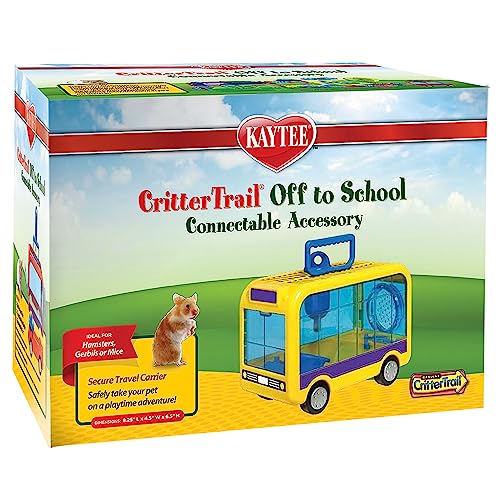
Kaytee CritterTrail Off To School is a quality option worth considering for your setup.
Bar biting is not harmless. Left unchecked, it can cause serious health problems:
- Dental damage: Teeth can chip, crack, or break against metal bars. Broken teeth may regrow crooked or become infected.
- Gum injury: Repeated metal-on-gum contact causes bleeding, inflammation, and over time, receding gums.
- Nose and face injuries: Persistent bar biting causes bald patches around the mouth and nose from friction, which can become infected.
- Chronic stress: The behavior itself is a stress indicator. Prolonged stress suppresses the immune system, making hamsters susceptible to respiratory infections and wet tail.
- Behavioral fixation: The longer a hamster bar bites, the more ingrained the habit becomes, making it progressively harder to correct.
Common Causes Checklist
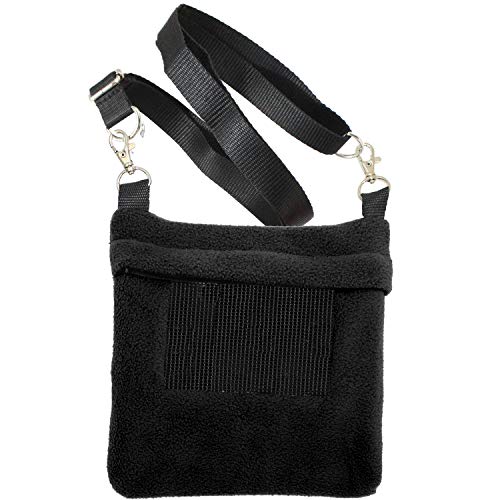
Many owners find that Exotic Nutrition Bonding Pouch works well for their pet’s needs.
| Sign | Likely Cause | Priority Fix |
|---|---|---|
| Biting at night only, active otherwise | Boredom | More enrichment |
| Biting all day, seems agitated | Cage too small | Upgrade enclosure |
| Teeth visibly long or crooked | Dental overgrowth | Vet check + chew toys |
| Started after a move or change | Stress | Quiet environment, time |
| Stops when you approach | Attention-seeking | Ignore the behavior |
| Accompanied by reduced eating | Dental pain | Vet visit immediately |
How to Stop Hamsters Biting Cage Bars
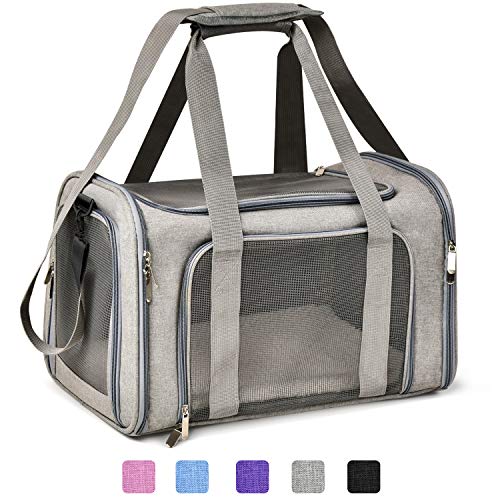
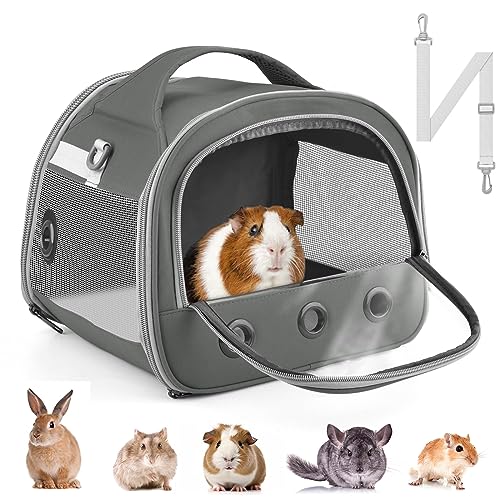
For this purpose, Kaytee Come Along Medium is a popular choice among pet owners.
1. Upgrade to a Larger Enclosure
This is the single most impactful change you can make. A larger space immediately reduces the frustration that drives bar biting.
For Syrian hamsters, a minimum of 450 square inches of unbroken floor space is recommended. For dwarf hamsters, 360 square inches. Glass tanks (40-gallon breeder tanks are popular), DIY bin cages, or large modular enclosures are all excellent options.
Why it works: More space means room for deep bedding (8+ inches for burrowing), multiple hiding spots, a properly sized wheel, and enrichment items — all of which reduce the boredom and frustration behind bar biting.
Read our complete hamster enclosure guide for specific sizing recommendations.
2. Add Environmental Enrichment
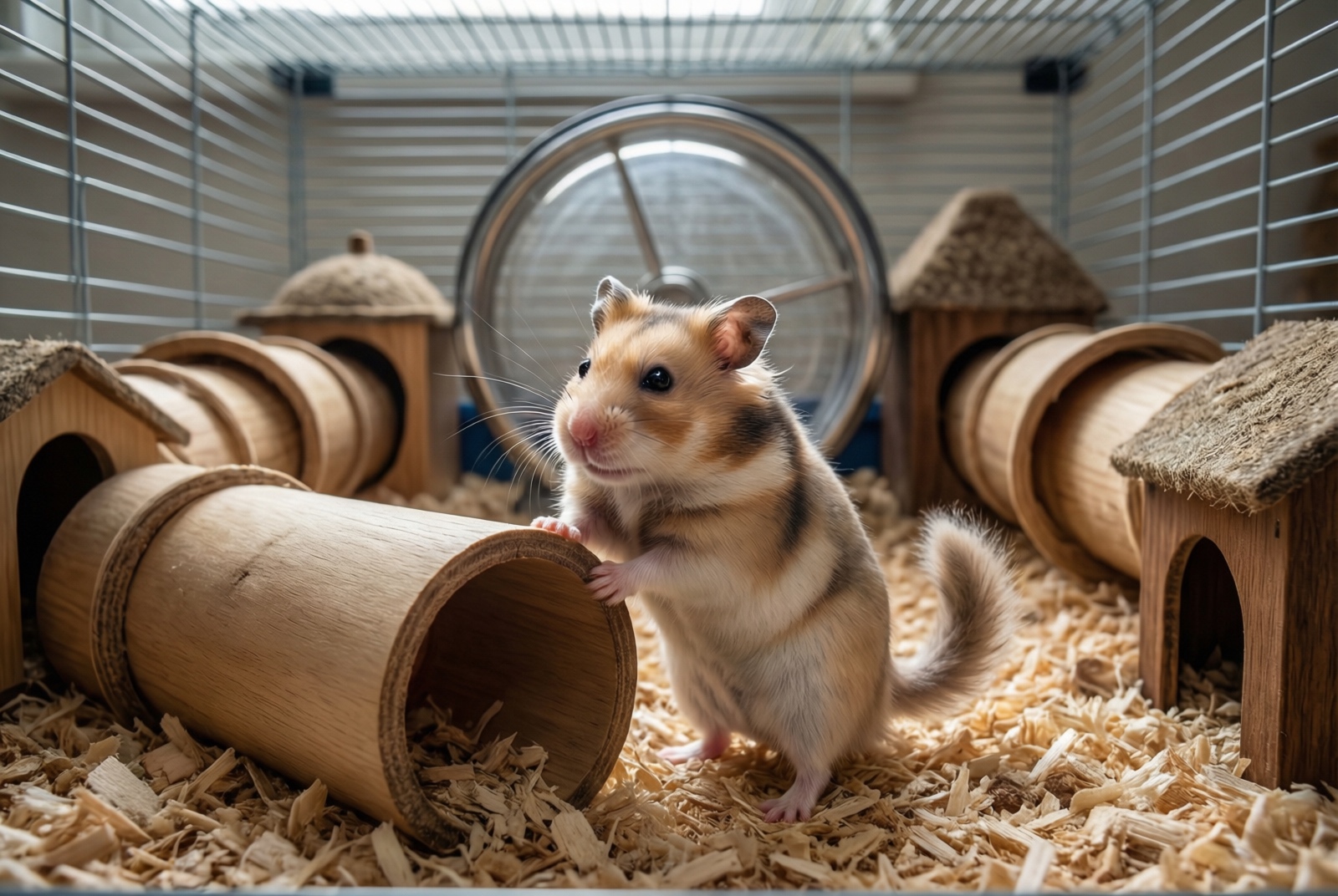
A stimulating environment gives your hamster healthy alternatives to bar biting:
- Large exercise wheel: Minimum 10.5 inches (Syrian) or 8 inches (dwarf) with a solid running surface
- Deep bedding: 8-12 inches of paper-based or aspen bedding for natural burrowing behavior
- Chew toys: Apple wood sticks, coconut shells, loofah, willow branches, and safe cardboard tubes
- Tunnels and hides: Multiple options so your hamster can create different paths and sleeping areas
- Scatter feeding: Hide food around the enclosure instead of bowl-feeding to encourage natural foraging
- Foraging toys: Puzzle feeders and snuffle mats provide mental stimulation
Our guide on the best hamster toys covers enrichment options in detail.
3. Apply a Deterrent to the Bars
While you address the root cause, a bitter-tasting spray on the bars can break the habit:
- Bitter apple spray (available at pet stores) is the most common deterrent
- Apply it to the specific bars your hamster chews most
- Reapply daily as it wears off
- Never use anything toxic — check that the spray is pet-safe before application
This is a temporary measure, not a solution. The hamster may simply switch to chewing a different part of the cage if the underlying cause isn’t addressed.
4. Establish a Consistent Routine
Hamsters thrive on predictability. Try to:
- Feed, clean, and interact at roughly the same times each day
- Avoid waking your hamster during daylight hours (they’re crepuscular — most active at dawn and dusk)
- Keep handling sessions consistent in length
- Place the cage in a quiet, dimly lit area away from TVs, speakers, and high-traffic zones
5. Address Attention-Seeking
If your hamster has learned that bar biting gets your attention:
- Do not open the cage or offer treats when your hamster is biting the bars
- Wait until there’s a pause in the behavior, then interact
- Reward calm behavior with treats and attention instead
This requires consistency. If you sometimes respond and sometimes don’t, the intermittent reinforcement actually strengthens the habit.
6. Provide Adequate Chew Materials
Since tooth wearing is a biological need, give your hamster plenty of safe alternatives:
- Apple wood sticks — widely available and safe for all hamsters
- Whimzee dog chews — vegetable-based, hamster-safe
- Seagrass mats — can be shredded and chewed
- Cardboard egg cartons and toilet roll tubes — cheap and disposable
- Coconut shells — natural and long-lasting
Avoid plastic chew toys — hamsters can ingest plastic fragments, which cause intestinal blockages.
When to See a Vet
Most bar biting is behavioral and responds well to environmental improvements. However, schedule a vet visit if you notice:
- Sudden onset of bar biting in a previously calm hamster
- Drooling or wetness around the mouth
- Difficulty eating or reduced food intake
- Visible tooth overgrowth, crooked teeth, or broken teeth
- Weight loss over a week or more
- Swelling around the face, jaw, or mouth
These signs suggest dental disease or another medical condition that requires professional treatment. An exotic vet can trim overgrown teeth, check for abscesses, and rule out underlying illness.
Exotic vet visits are more expensive than standard vets, and not all clinics treat small animals. Find an exotic mammal veterinarian near you before an emergency arises.
Product Recommendations
Here are some products mentioned in this guide:
FAQ
Why does my hamster only bite the bars at night?
Hamsters are nocturnal (most active at night). Bar biting at night is usually boredom-driven — your hamster is awake, energetic, and has nothing to do in a small cage. Providing a large wheel, deep bedding for burrowing, and scatter feeding gives them nighttime activities that replace bar biting.
Will getting a second hamster stop the bar biting?
No. Syrian hamsters are strictly solitary and will fight — often lethally — if housed together. Dwarf hamsters can live in same-sex pairs if introduced young, but adding a companion doesn’t address the root causes of bar biting (cage size, enrichment, stress). Focus on improving the environment rather than adding animals.
Can I use vinegar or hot sauce on the bars to stop biting?
No. Vinegar, hot sauce, and household substances can irritate your hamster’s mouth, nose, and eyes. Use only pet-safe bitter sprays specifically formulated for animals. Even then, deterrents are only a temporary measure — the real solution is fixing the environment.
My hamster’s teeth broke from bar biting — what do I do?
Take your hamster to an exotic vet immediately. Broken teeth can become infected, grow back misaligned, or prevent your hamster from eating properly. The vet can assess the damage, trim any remaining sharp edges, and prescribe antibiotics if there’s risk of infection. In the meantime, offer soft foods (mashed vegetables, baby food) that don’t require hard chewing.