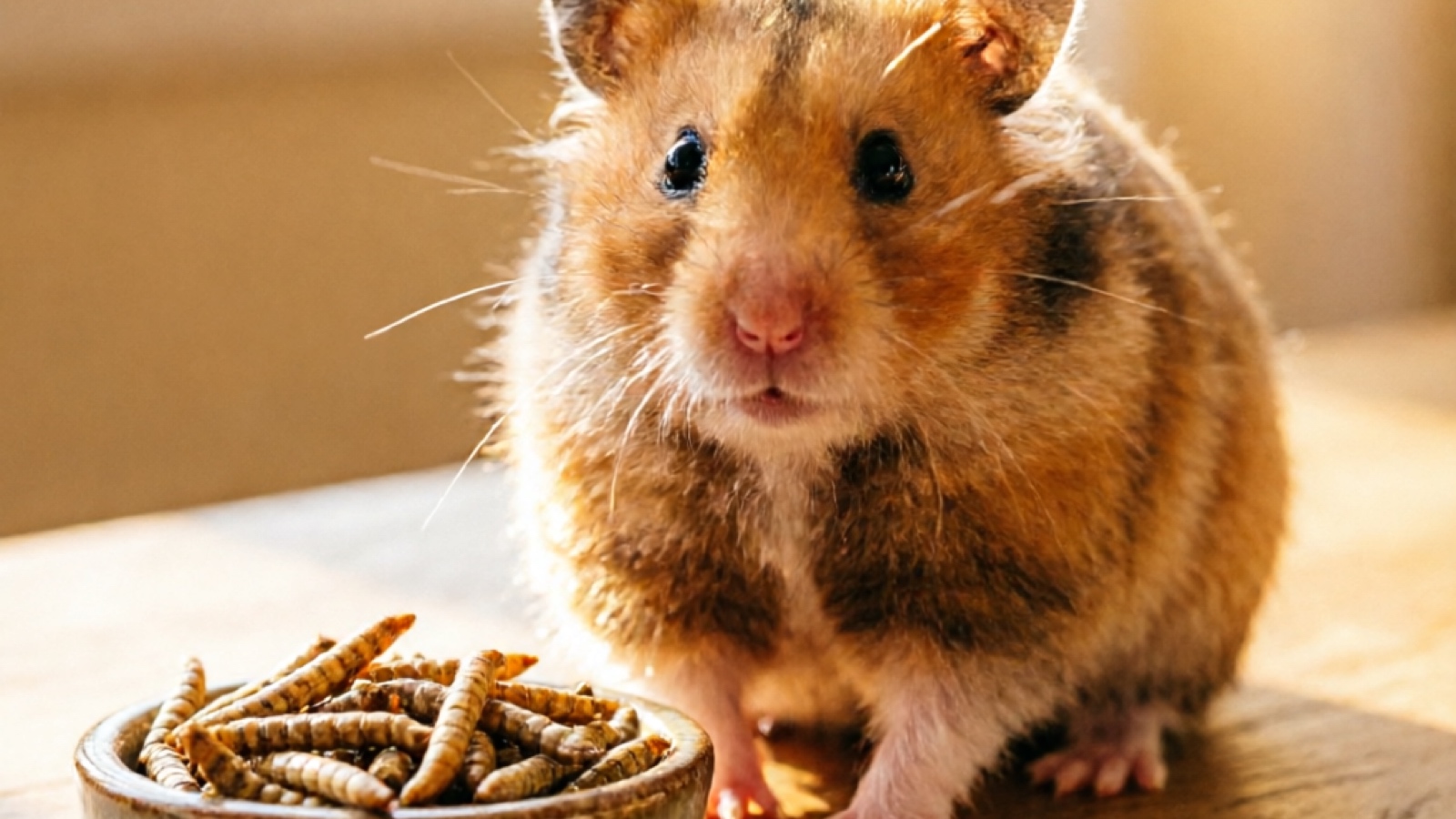
Quick Answer: Can Hamsters Eat Mealworms?
Yes, hamsters can eat mealworms — and they’re actually one of the best protein treats you can offer. Hamsters are natural omnivores, and insects make up a meaningful part of their diet in the wild. Mealworms provide high-quality protein that supports muscle maintenance, coat health, and overall vitality. Both dried and live mealworms are safe, though portion control matters because of their fat content.
💡 TL;DR: Syrian hamsters: 1-2 dried mealworms, 2-3 times per week. Dwarf hamsters: 1 dried mealworm, once per week. Dried mealworms are the most convenient option. Never feed mealworms daily — they’re a treat, not a staple food.
I’ve been feeding mealworms to my hamsters for years, and they remain the treat my hamsters get most excited about. Every hamster I’ve ever owned has gone absolutely wild for them, which makes mealworms my go-to for taming and bonding. That said, understanding proper portion sizes is critical — more on that below. If you’re new to hamster nutrition, our hamster diet guide covers the fundamentals of a balanced daily feeding routine.
Why Mealworms Are Natural for Hamsters
Wild hamsters are opportunistic omnivores — they don’t just eat seeds and grains. In their natural habitats across Syria, Turkey, and Central Asia, they regularly hunt small insects including beetle larvae, crickets, and mealworms. Animal protein provides a complete amino acid profile that plant-based foods can’t match, which is why most quality hamster pellets include some form of animal protein in their formula.
Offering mealworms also provides mental enrichment. The act of foraging, handling, and crunching a mealworm stimulates natural behaviors that caged hamsters rarely get to express. I’ve noticed that hamsters who receive regular enrichment treats like mealworms tend to be more active and display fewer stereotypic behaviors.
Nutritional Facts: Dried vs Live Mealworms
Understanding the nutritional breakdown helps you see exactly what your hamster is getting. Here’s a comparison based on published research data [Finke, M.D. (2002), “Complete nutrient composition of commercially raised invertebrates used as food for insectivores,” Zoo Biology]:
| Nutrient (per 100g) | Dried Mealworms | Live Mealworms | Hamster’s Ideal Range |
|---|---|---|---|
| Energy | ~452 kcal | ~206 kcal | N/A (daily calorie need: 30-60 kcal) |
| Protein | ~49g | ~19g | 15-20% of diet |
| Fat | ~28g | ~13g | 4-7% of diet (5% ideal) |
| Fiber | ~6g | ~3g | 5-10% of diet |
| Moisture | ~5g | ~62g | Fresh water always available |
| Calcium | ~50mg | ~20mg | Adequate intake needed |
| Phosphorus | ~680mg | ~290mg | Balance with calcium |
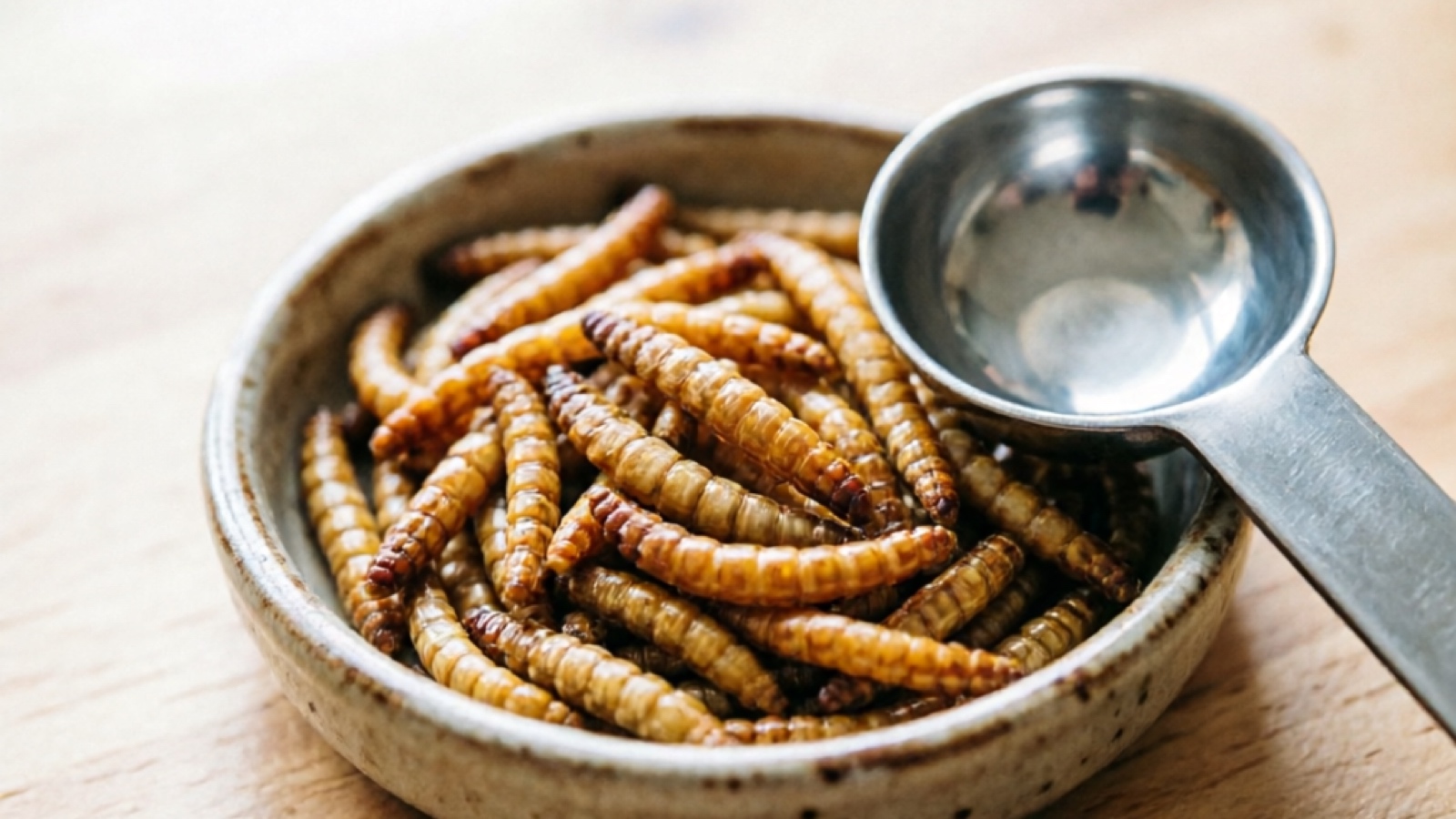
A few things stand out. First, dried mealworms are extremely concentrated — roughly 49% protein and 28% fat. That’s excellent for protein delivery, but the fat content is notably higher than a hamster’s ideal dietary range of 4-7%. This is why portion control matters. A single dried mealworm weighs about 0.05-0.08 grams, so the actual fat per serving is tiny — but it adds up if you’re free-feeding.
Live mealworms are roughly 62% water, providing hydration along with nutrition. Their protein and fat per 100g is lower, but a live mealworm is heavier than a dried one, so per-insect nutrition is comparable. The main advantage of live mealworms is enrichment; the main advantage of dried is convenience and shelf life.
The calcium-to-phosphorus ratio in mealworms is roughly 1:14 — heavily skewed toward phosphorus. Ideally, a hamster’s diet should have a closer balance. This doesn’t make mealworms harmful, but it means they shouldn’t be the sole protein source. A balanced commercial pellet provides the calcium needed to offset this.
Benefits of Mealworms for Hamsters
High-Quality Complete Protein
Insect protein is among the most bioavailable protein sources for small animals. It contains all nine essential amino acids in proportions that closely match a hamster’s needs. Plant-based protein from seeds and legumes is often deficient in one or more essential amino acids — mealworms sidestep this entirely.
I’ve found that hamsters recovering from illness or stress respond well to a small protein increase. A dried mealworm or two during recovery provides building blocks for healing without the digestive burden of a large meal.
Coat and Skin Health
The protein and fatty acids in mealworms contribute to a healthy, glossy coat. If your hamster’s fur looks dull or sparse, a protein deficiency could be part of the problem. Regular moderate protein supplementation through mealworms helps maintain coat quality, especially in older hamsters whose protein absorption becomes less efficient.
Dental Health
The crunchy exoskeleton of a dried mealworm provides mild abrasion that helps wear down continuously growing teeth — not a substitute for chew sticks or a proper exercise wheel, but a helpful supplement.
Bonding and Training
In my experience, mealworms are the single most effective training tool for taming a new hamster. Hand-feeding a mealworm builds trust faster than almost any other method. For nervous or newly adopted hamsters, I hold a dried mealworm between my fingers and wait — it usually takes only a few sessions before they’re confidently taking food from my hand.
Risks and Precautions
Fat Content and Obesity
This is the primary concern. At ~28% fat, dried mealworms are calorie-dense. A Syrian hamster needs roughly 30-60 kcal daily, and a single dried mealworm provides about 0.2-0.3 kcal. That sounds small, but feeding 5-6 mealworms daily alongside regular food pushes fat intake well above the healthy range.
Over time, excess fat leads to obesity, which creates a cascade of secondary problems: fatty liver disease, diabetes (especially in dwarf breeds), joint strain, and shortened lifespan. I’ve seen overweight hamsters at vet clinics whose owners simply didn’t realize that “healthy” treats like mealworms can cause harm in excess.
Calcium-Phosphorus Imalance
The high phosphorus and relatively low calcium in mealworms means they shouldn’t dominate the protein portion of your hamster’s diet. A hamster eating only mealworms for protein would eventually develop calcium deficiency. This is easily managed by feeding a quality commercial pellet as the dietary base and using mealworms as a supplemental treat.
Choking Hazard
Dried mealworms are safe for adult hamsters to eat whole. However, very young hamsters (under 6 weeks) or those with dental issues might struggle with the crunch. Break or crush the dried mealworm into smaller pieces before offering. For live mealworms, choose smaller larvae for dwarf breeds and avoid full-grown pupae or beetles.
Allergies and Digestive Sensitivity
Some hamsters may experience digestive upset from mealworms, particularly if they’ve never had them. Introduce gradually — start with half a dried mealworm and wait 24 hours. If you notice diarrhea, bloating, or behavioral changes, discontinue feeding. Most hamsters tolerate mealworms well, but every animal is different.
Parasites (Live Mealworms Only)
Wild-caught insects can carry internal parasites and bacteria. Always purchase live mealworms from reputable pet supply stores or online breeders rather than collecting from the wild. Commercially bred mealworms raised on clean grain substrates are generally parasite-free. Dried and canned mealworms eliminate this risk entirely through processing.
Serving Guide by Breed
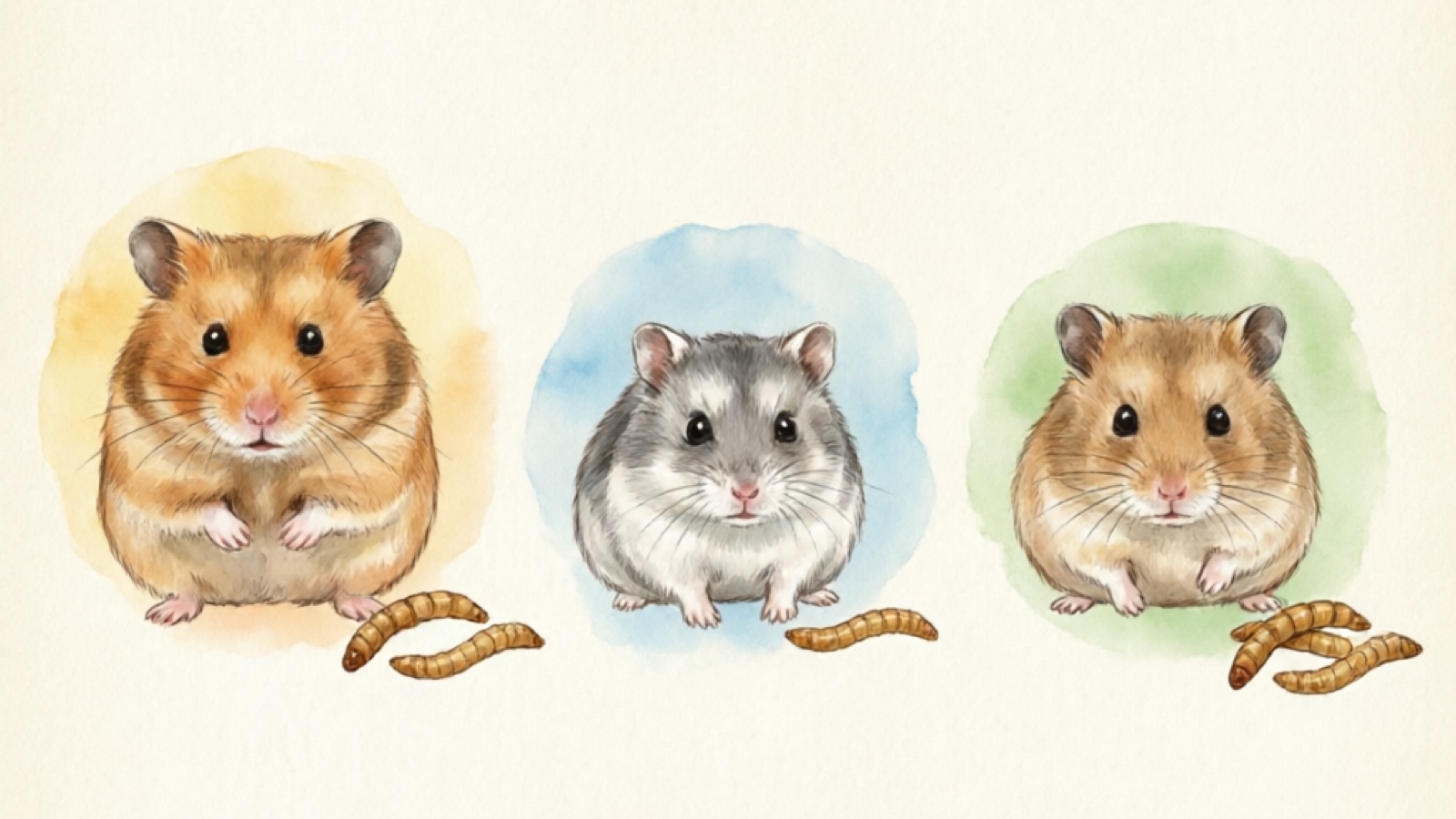
Different hamster breeds have significantly different body sizes and metabolic profiles, which directly affects how many mealworms are appropriate. Here’s a detailed breakdown:
Syrian Hamsters (120-200g)
Syrians are the largest domestic hamster breed, which gives them the most margin for treats. Their lower diabetes risk compared to dwarf breeds also means the fat content in mealworms is less concerning.
- Dried mealworms: 1-2 worms, 2-3 times per week
- Live mealworms: 2-3 worms, 2-3 times per week
- Best use: Regular protein treat, bonding sessions, training reward
I typically offer my Syrian hamsters two dried mealworms on their “treat days” — usually three times per week. I’ll hand-feed one and place the other in their foraging toy. This way they get the nutritional benefit plus the mental stimulation of searching for food.
Dwarf Hamsters — Winter White & Campbell’s (30-50g)
Dwarf hamsters are the most at-risk group when it comes to overfeeding. Their tiny body size means even small amounts of excess fat have a proportionally larger impact. Both Winter Whites and Campbell’s are genetically predisposed to diabetes, and obesity dramatically increases diabetes risk.
- Dried mealworms: 1 worm, once per week
- Live mealworms: 1-2 small worms, once per week
- Best use: Special training reward only — not a routine treat
My honest advice for dwarf owners: treat mealworms as a high-value training tool rather than a regular snack. Reserve them for taming sessions or as a reward after nail trims and health checks. This naturally limits quantity while maximizing their usefulness.
Roborovski Dwarf Hamsters (20-30g)
Roborovskis are the smallest domestic hamster breed with an extremely fast metabolism, giving slightly more margin for calorie-dense treats compared to other dwarfs.
- Dried mealworms: 1 small worm, 1-2 times per week
- Live mealworms: 1-2 small worms, 1-2 times per week
- Best use: Hand-feeding for bonding (though Robos are notoriously difficult to tame)
Chinese Hamsters (30-50g)
Chinese hamsters fall between Syrians and dwarfs in terms of size and metabolic considerations. They have a longer, more slender body type and moderate diabetes risk.
- Dried mealworms: 1 worm, 1-2 times per week
- Live mealworms: 1-2 worms, 1-2 times per week
- Best use: Regular protein treat, but keep frequency moderate
Dried vs Live vs Canned: Which Should You Choose?
Each form of mealworm has advantages and trade-offs. Here’s how they compare:
Dried Mealworms (Most Recommended)
Dried mealworms are the standard choice for the vast majority of hamster owners, and for good reason. They have a shelf life of 6-12 months when stored in a cool, dry place. They’re easy to portion — you can literally count them out. They’re widely available at pet stores and online. And hamsters love the crunch.
I use Kaytee dried mealworms most often — it’s a well-established small animal brand with over 12,000 reviews and a 4.6-star rating. For hamster owners who go through mealworms more slowly, the smaller 3.5-ounce pouch stays fresh longer. Check current price on Amazon.
Another solid option is the Fluker’s canned mealworms with over 3,200 reviews — though I’d note that canned varieties often contain added moisture gels that you should rinse off before feeding. Check current price on Amazon.
If you keep multiple small pets (hamsters, hedgehogs, birds), the bulk 5-pound bag of 100% Non-GMO dried mealworms is more economical with a 4.8-star rating from nearly 4,000 reviewers. Check current price on Amazon.
Live Mealworms
Live mealworms offer superior enrichment — the wiggling triggers a hamster’s hunting instinct and provides mental stimulation that dried worms can’t match. They also provide hydration (~62% water). The downsides: they require refrigerated storage (45-50°F in a ventilated container), have a shorter shelf life (2-3 weeks), and carry a parasite risk if sourced poorly. I’d only recommend live mealworms if you’re comfortable handling insects and can source from a reputable supplier.
Canned Mealworms
Canned mealworms are shelf-stable like dried worms but softer in texture. However, the canning liquid often contains added salt or preservatives. If you choose canned, always rinse thoroughly before feeding. I don’t use canned mealworms regularly — dried is simply better suited for hamsters.
How to Feed Mealworms to Your Hamster
Here’s the approach I follow, refined over many years of hamster keeping:
For First-Time Feeding
- Start small — offer half a dried mealworm and wait 24 hours. Watch for diarrhea, bloating, or behavioral changes.
- If tolerated, offer a full dried mealworm the next time and monitor again.
- Establish a schedule — once you’ve confirmed tolerance, set specific “mealworm days” (e.g., Tuesday, Thursday, Saturday for Syrians) and stick to them.
Hand-Feeding Technique
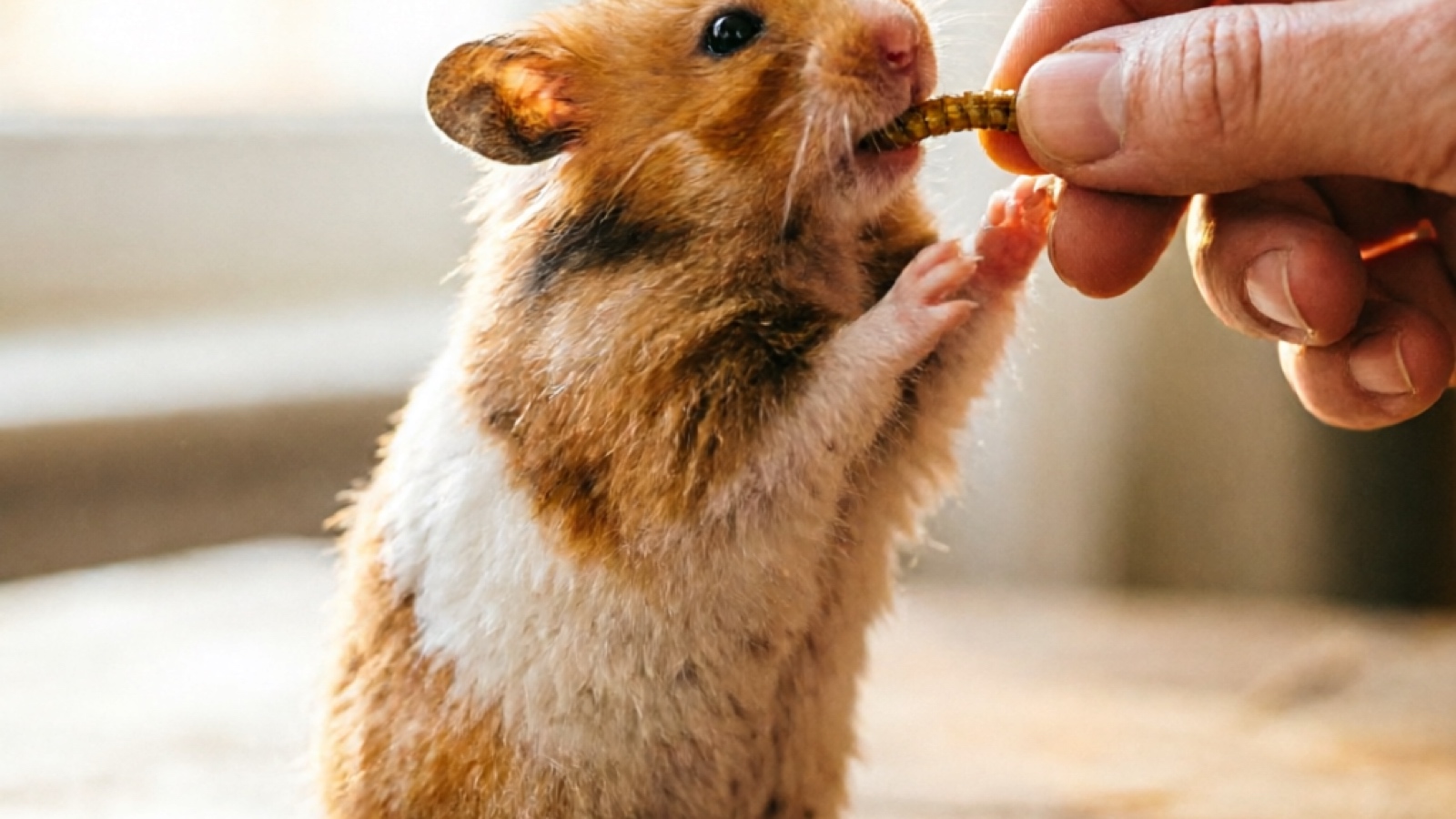
Hand-feeding is where mealworms really shine as a bonding tool. I hold a dried mealworm between my thumb and forefinger and keep my hand flat and still inside the cage. Most hamsters will cautiously approach within a few minutes. Let them take the mealworm at their own pace — don’t chase or grab. After 3-5 successful hand-feeding sessions, most hamsters will come running when they see your hand.
Foraging and Enrichment
Don’t just drop mealworms in the food bowl. Scatter-feeding — hiding them around the enclosure in tunnels, under bedding, or inside foraging toys — encourages natural foraging behavior. I like placing one inside a toilet paper roll stuffed with hay, or hiding one under a small pile of shredded paper.
Storage Tips for Dried Mealworms
Keep dried mealworms in an airtight container in a cool, dark place. Avoid refrigeration — moisture from the fridge can cause mold. Properly stored, they last 6-12 months. Discard immediately if they develop an off smell or visible mold.
What to Avoid
Overfeeding
The most common mistake is feeding too many. I’ve seen owners offer 4-5 dried mealworms daily because “the hamster loves them.” That’s the fast track to obesity, fatty liver disease, and shortened lifespan. Stick to the breed-specific guidelines above.
Wild-Caught Insects
Never feed your hamster insects collected from the wild. Wild insects can carry parasites (protozoa, nematodes), harmful bacteria (Salmonella, E. coli), and pesticide residues. Commercially bred mealworms are affordable and widely available — the risk isn’t worth it.
Seasoned or Flavored Mealworms
Some products marketed for human consumption or fishing bait contain seasonings, dyes, or preservatives that are unsafe for hamsters. Only buy mealworms sold specifically as animal feed from pet supply brands.
Mealworms as a Diet Staple
Mealworms should supplement a balanced diet — never replace it. A hamster’s base diet should be ~70-75% high-quality commercial pellet, supplemented with fresh vegetables, occasional fruit, and protein treats. See our hamster diet guide for a complete breakdown.
Giant Mealworms
Giant mealworms (“king worms” or “super worms”) are a different species or hormonally treated larvae that can be too large and tough for hamsters. Stick to standard-sized Tenebrio molitor larvae — approximately 1-1.5 inches long, appropriate for all hamster breeds.
Other Protein Treats to Consider
Variety is healthy. While mealworms are excellent, rotating other protein sources provides a broader nutrient profile:
Plain cooked chicken breast — steamed or boiled with no seasoning, salt, or oil. A pea-sized piece provides excellent lean protein that hamsters with sensitive stomachs tolerate well.
Hard-boiled egg white — a tiny flake is essentially pure protein with virtually zero fat. Skip the yolk. Great for senior hamsters needing extra protein without excess fat.
Plain tofu (firm) — low fat, moderate protein, soft texture. A small cube once a week works well, provided it has no sauces or seasonings.
Small amounts of cheese — plain cottage cheese in tiny amounts is acceptable, though the lactose and fat content makes mealworms a better choice overall.
Other Foods Your Hamster Can Eat
Curious about other foods? Here’s a quick guide to common foods hamster owners ask about — each link leads to a full safety breakdown with breed-specific serving recommendations.
🍓 Fruits
- Can Hamsters Eat Strawberries?
- Can Hamsters Eat Grapes?
- Can Hamsters Eat Blueberries? (Coming Soon)
- Can Hamsters Eat Bananas? (Coming Soon)
- Can Hamsters Eat Apples? (Coming Soon)
🥬 Vegetables
- Can Hamsters Eat Carrots?
- Can Hamsters Eat Broccoli? (Coming Soon)
- Can Hamsters Eat Cucumbers? (Coming Soon)
- Can Hamsters Eat Celery? (Coming Soon)
🧀 Proteins and Treats
- Can Hamsters Eat Mealworms? (Coming Soon)
- Can Hamsters Eat Eggs? (Coming Soon)
- Can Hamsters Eat Sunflower Seeds? (Coming Soon)
Frequently Asked Questions
Can hamsters eat mealworms?
Yes. Mealworms are one of the best protein treats you can offer a hamster, and they closely mirror what wild hamsters eat in their natural diet. Both dried and live mealworms are safe. Syrians can have 1-2 dried mealworms 2-3 times per week, while dwarf hamsters should be limited to 1 dried mealworm once per week. The key is moderation — mealworms are treats, not a replacement for a balanced pellet-based diet.
How many mealworms can a hamster eat per day?
None. Mealworms should not be a daily treat. For Syrian hamsters, feed 1-2 dried mealworms 2-3 times per week (not daily). For dwarf hamsters, 1 dried mealworm once per week. Feeding mealworms daily pushes fat intake above healthy levels and contributes to obesity over time. If you’re looking for a daily treat, fresh vegetables like a small piece of carrot or cucumber are a better choice.
Can baby hamsters eat mealworms?
No. Baby hamsters under 4 weeks old should not eat mealworms or any treats. Their digestive systems are undeveloped and can’t handle the concentrated protein and fat. Stick to mother’s milk for the first 3-4 weeks, then begin introducing commercial hamster pellets. After 4-5 weeks, you can start offering half a dried mealworm (crushed) to help with taming, but keep quantities very small.
Can dwarf hamsters eat mealworms?
Yes, but in strict moderation. Dwarf hamsters (Winter Whites and Campbell’s) weigh only 30-50 grams and are genetically predisposed to both obesity and diabetes. The ~28% fat content in dried mealworms is a real concern at that body size. Limit to 1 dried mealworm once per week, and consider using them primarily as training rewards rather than routine treats.
Are dried or live mealworms better?
Dried mealworms are more practical — they store for months, are easy to portion, and don’t carry parasite risk. Live mealworms offer better mental enrichment (hunting behavior) and hydration, but require proper storage and sourcing. I generally recommend dried as the default, with live as an occasional enrichment option.
Can hamsters eat canned mealworms?
Canned mealworms are safe in small amounts, but not my first choice. The canning liquid often contains added salt or preservatives. If you use them, rinse thoroughly before feeding. Dried mealworms are better suited for hamsters — no additives, convenient storage, and a texture that aids dental wear.
What happens if my hamster eats too many mealworms?
A single overfeeding session is unlikely to cause serious harm — your hamster might get an upset stomach or loose stool, which usually resolves in 24 hours. The real danger is chronic overfeeding over weeks and months, which leads to obesity, fatty liver disease, and increased diabetes risk. If your hamster has eaten a large quantity at once, monitor for diarrhea and ensure fresh water is available. Contact your exotic vet if symptoms last more than 24 hours.
Can I feed my hamster mealworms from my garden?
Absolutely not. Wild-caught insects can carry internal parasites (nematodes, protozoa), harmful bacteria (Salmonella), and pesticide residue from gardens or lawns. The risk-to-reward ratio is terrible when you can buy safe, commercially bred mealworms for a few dollars. Only feed mealworms sourced from reputable pet supply brands or breeders.