Can Hamsters Eat Apples? | Vet-Reviewed

by Small Pet Expert Team
Can Hamsters Eat Apples? | Vet-Reviewed

Quick Answer: Can Hamsters Eat Apples?

Yes, hamsters can eat apples — but only in small amounts, with all seeds removed, and no more than 1-2 times per week. Apples provide vitamins, fiber, and natural sweetness that most hamsters love. The critical rule: always remove every seed before feeding, because apple seeds contain amygdalin, which releases cyanide when chewed.

💡 TL;DR: Syrian hamsters: a small coin-sized slice (5-10g), 1-2 times per week. Dwarf hamsters: a pea-sized piece (2-3g), once a week. Remove all seeds and the core. Peel is optional but wash thoroughly. Never offer apple juice, dried apples with added sugar, or cooked apples with seasoning.

I’ve been offering apples to my hamsters for years, and they remain one of the most universally enjoyed treats. Nearly every hamster I’ve cared for has gotten excited at the smell of fresh apple — more so than vegetables like broccoli or cucumber, which get a more cautious reaction. The natural sweetness seems to trigger an enthusiastic response. But enthusiasm is exactly why portion control matters — left to their own devices, most hamsters would eat far more apple than is healthy for them.

For a complete overview of what should make up your hamster’s daily nutrition, check out our hamster diet guide.


Understanding Apples in a Hamster’s Diet

Apples are a fruit, which immediately places them in a different category than the vegetables most commonly recommended for hamsters. The key difference? Sugar content. While vegetables like bell peppers contain around 4g of sugar per 100g and carrots have about 4.7g, apples contain roughly 10.4g per 100g — more than double most safe vegetables.

This doesn’t make apples dangerous, but it does mean they need to be treated as a treat rather than a dietary staple. In the wild, hamsters occasionally encounter fruit, and their bodies handle small amounts of natural sugar. The problem arises when owners offer apple too frequently or in portions that are too large.

A hamster’s base diet should always be a high-quality commercial pellet (~70-75% of intake), supplemented with safe vegetables, occasional protein like mealworms, and small amounts of fruit. Apple fits squarely into that “small amounts of fruit” category.


Nutritional Facts: Raw Apple (with skin)

Here’s what your hamster gets from raw apple with skin, based on USDA FoodData Central USDA FDC ID 09003 — “Apples, raw, with skin”:

Nutrient (per 100g)AmountWhy It Matters for Hamsters
Energy52 kcalModerate calorie — portion control needed
Protein0.26gNegligible protein
Fat0.17gVery low fat
Carbohydrate13.8gSignificant carb content
Fiber2.4gGood fiber — supports digestion
Sugar10.4gHigh for hamsters — main concern
Water85.6gGood hydration, lower diarrhea risk than cucumber
Calcium6mgLow calcium
Phosphorus11mgBalanced Ca:P ratio (1:1.8)
Potassium107mgHeart and muscle function
Vitamin C4.6mgModerate vitamin C
Vitamin A54 IULow but present

Apple vs Other Safe Foods

FoodSugar (per 100g)FiberVitamin CKey Consideration
Apple10.4g2.4g4.6 mgModerate sugar, good fiber
Banana12.2g2.6g8.7 mgHigher sugar
Strawberry4.9g2.0g58.8 mgLower sugar, higher Vit C
Grape16.3g0.9g3.2 mgVery high sugar
Blueberry10.0g2.4g9.7 mgSimilar sugar to apple
Bell pepper4.2g2.1g128 mgBest vegetable option
Broccoli1.7g2.6g89 mgLowest sugar

Apple sits in the middle of the sugar spectrum — not as high as grapes, but significantly more than strawberries or any safe vegetable. The fiber content (2.4g per 100g) helps slow sugar absorption, which is a real benefit for blood sugar management.

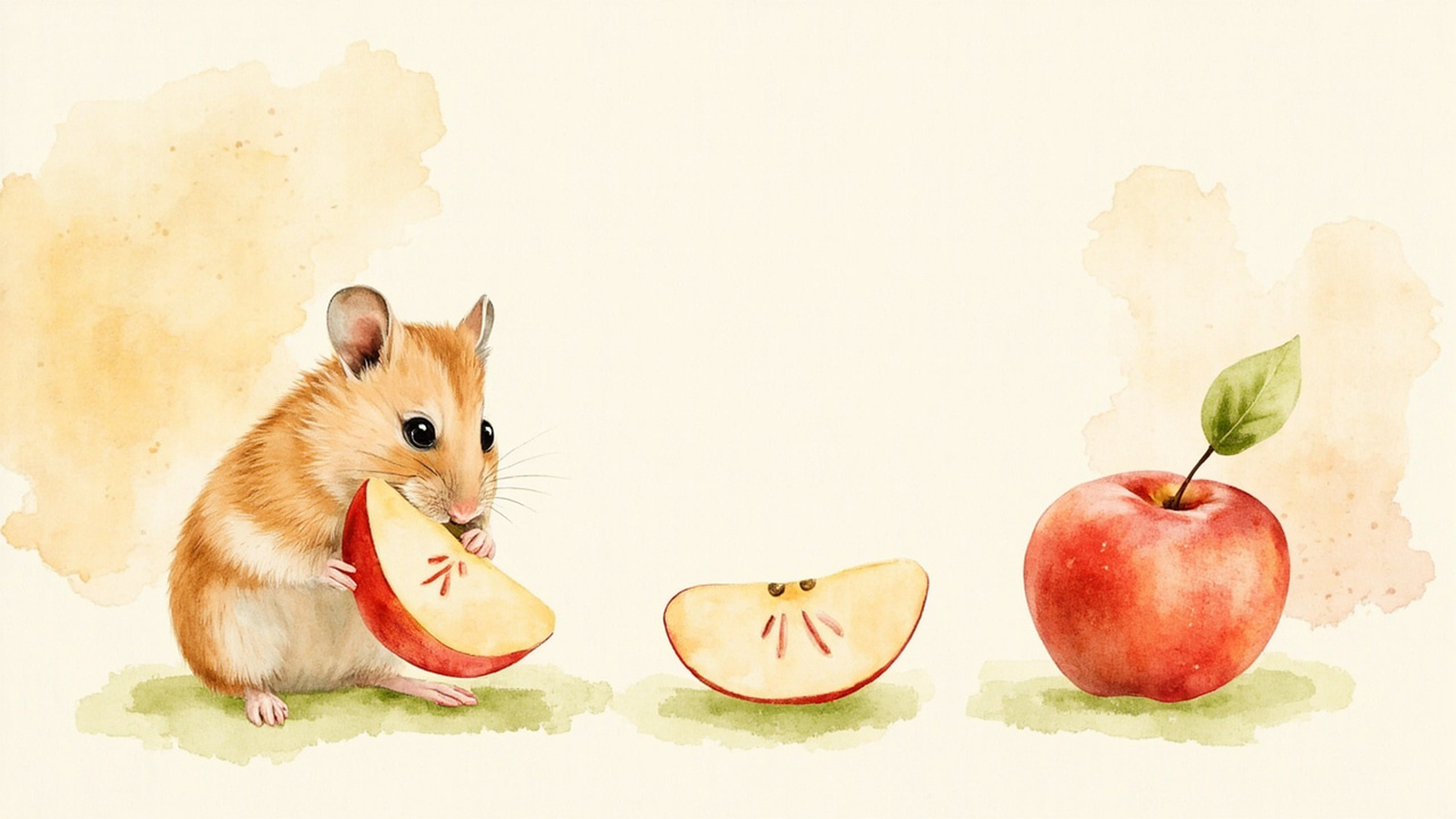
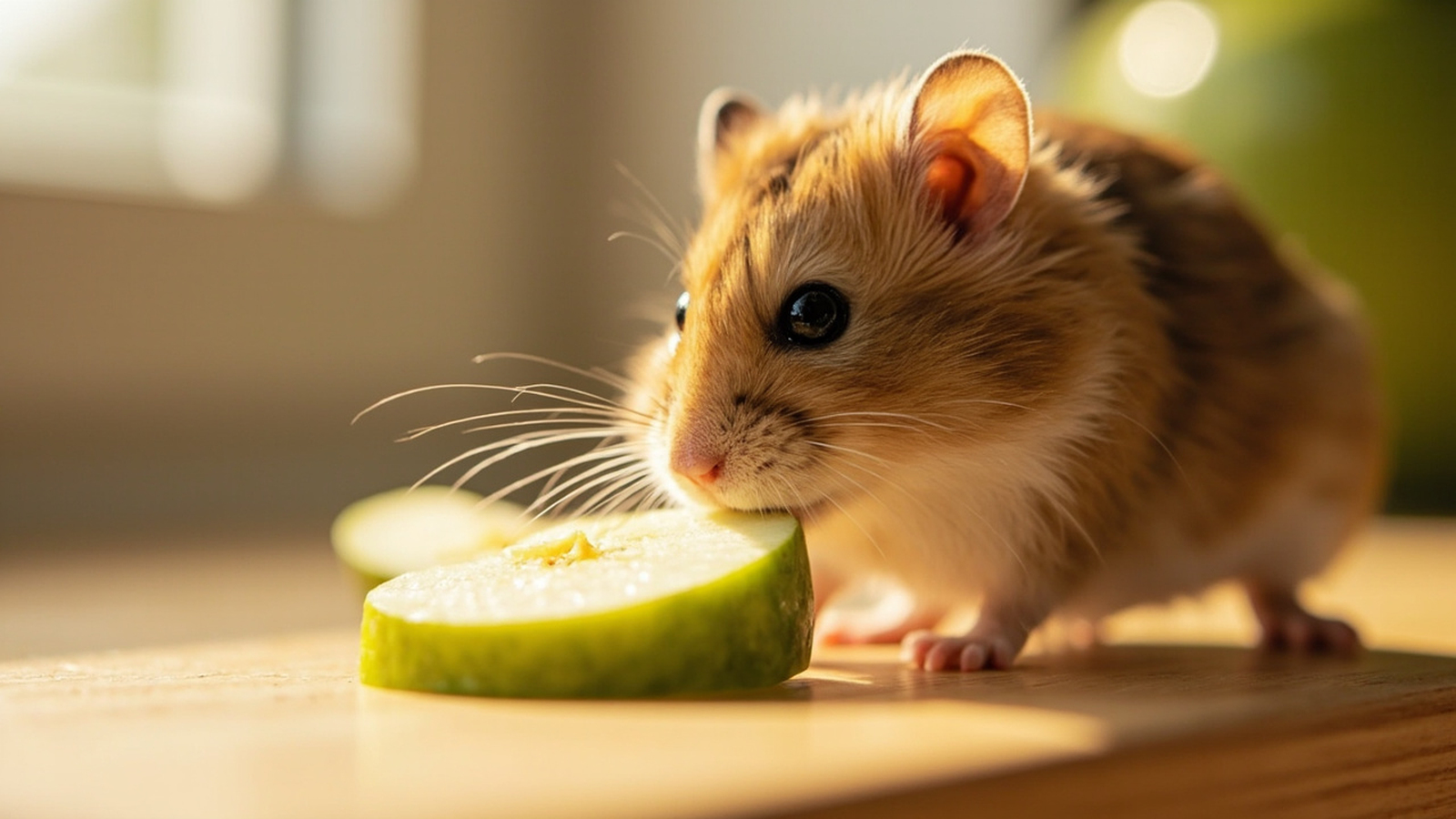
Fresh apple slices with without peel, showing the proper preparation for hamster feeding


Benefits of Apples for Hamsters

Natural Sweetness as Enrichment

Hamsters in the wild forage for a varied diet that includes occasional fruits. The sweetness of apple provides a natural reward that enriches their environment. I’ve noticed that offering a tiny apple piece as a once-weekly treat gives hamsters something to look forward to and can encourage interaction, which is especially helpful for newly adopted or shy hamsters.

Fiber for Digestive Health

At 2.4g of fiber per 100g, apples support healthy digestion. The combination of soluble fiber (pectin) and insoluble fiber helps maintain regular bowel movements and supports beneficial gut bacteria.

Vitamins and Minerals

While apples aren’t a vitamin powerhouse, they provide a modest mix of vitamin C, vitamin A, potassium, and small amounts of B vitamins. Every little bit helps, particularly vitamin C which supports immune function — something especially important for hamsters housed in groups or under stress.

Dental Exercise

The crisp texture of fresh apple provides good dental wear. A hamster’s incisors grow continuously, and crunchy foods help keep them at a healthy length. It’s not a substitute for dedicated chew toys, but adds a small benefit.

Hydration

At 85.6% water, apple provides meaningful hydration without the extreme water content of cucumber (95%). This makes apple a safer option for hamsters prone to diarrhea.


Risks and Precautions

Apple Seeds Are Toxic — This Is Non-Negotiable

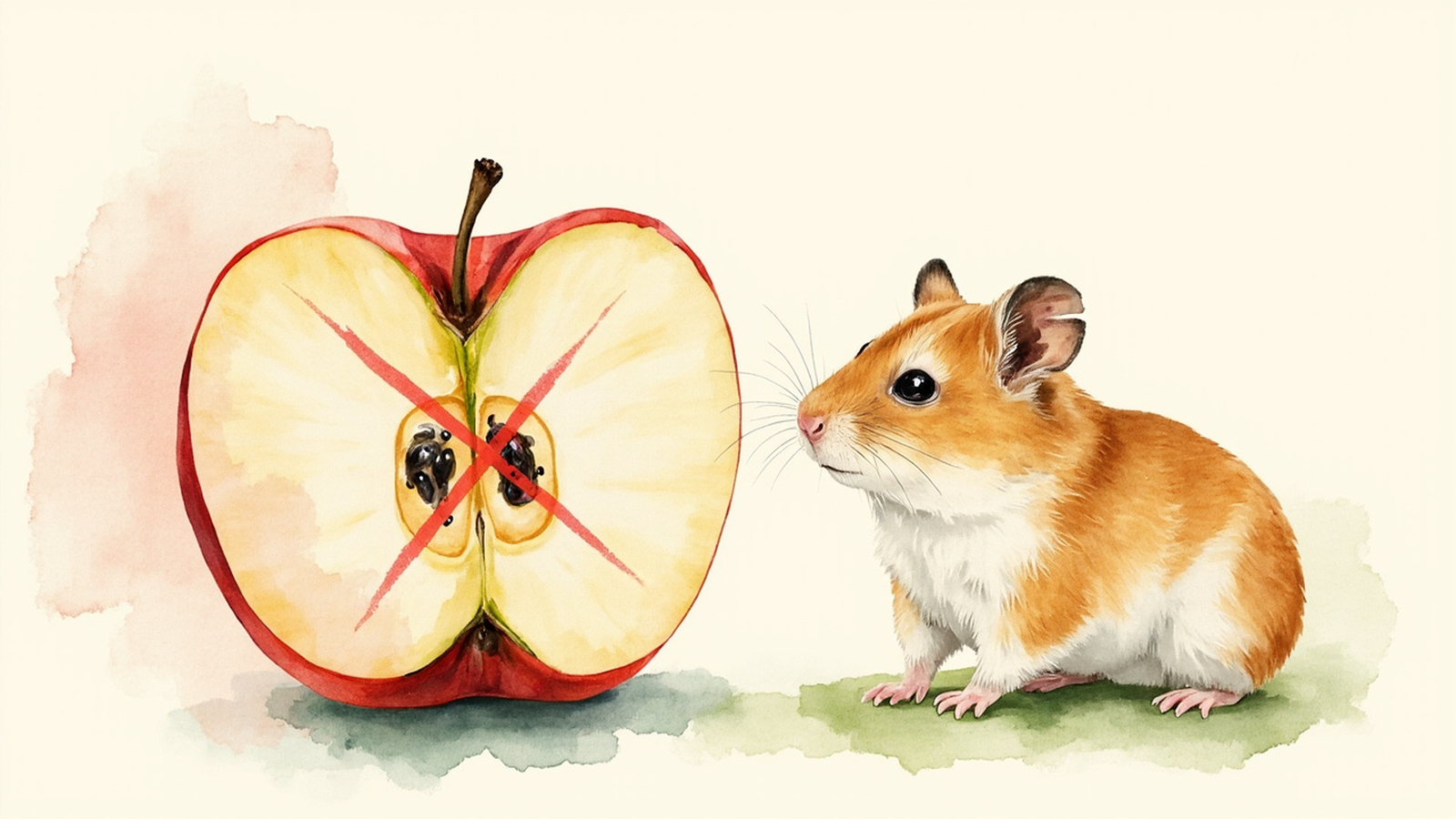
This is the single most important safety point in this entire article. Apple seeds contain amygdalin, a cyanogenic glycoside. When a hamster chews a seed, the amygdalin breaks down into hydrogen cyanide (HCN), which interferes with the body’s ability to use oxygen at the cellular level.

The amount of amygdalin varies by apple variety, but a single apple contains enough seeds to potentially cause cyanide poisoning in a small hamster. While a human would need to chew hundreds of seeds to be at meaningful risk, a hamster weighing 30-200 grams has far less tolerance.

Symptoms of cyanide poisoning in hamsters include: difficulty breathing, bright red gums, seizures, and in severe cases, death. If you suspect your hamster has eaten apple seeds, contact an exotic veterinarian immediately.

The rule is simple: remove every seed and the entire core before offering any apple. Slice the apple and visually inspect each piece. Don’t take shortcuts.

Sugar Content and Diabetes Risk

At 10.4g of sugar per 100g, apple is a high-sugar food for a hamster. This is particularly concerning for dwarf breeds:

  • Campbell’s dwarf hamsters — very high diabetes prevalence
  • Winter White dwarf hamsters — moderate diabetes risk
  • Roborovski dwarf hamsters — lower risk but still worth monitoring

Regular sugar intake can accelerate diabetes onset. For dwarf owners, I’d strongly recommend limiting apple to once a week in tiny portions — or replacing it with lower-sugar options like strawberries or blueberries.

Pesticide Residue on Peel

Apples consistently rank near the top of the EWG’s “Dirty Dozen” list for pesticide residue. If you leave the peel on, choose organic apples when possible, wash thoroughly under running water, and consider a 1:3 vinegar-water soak for 2-3 minutes. If organic isn’t available, peeling is the safer option.

Choking Hazard from Large Pieces

A hamster can’t bite off chunks from a large apple slice. Large pieces can get lodged in their throat or cause cheek pouch impaction. Always cut apple into appropriately sized pieces for your hamster’s breed.

Spoilage

Fresh apple browns and softens quickly. Uneaten pieces should be removed after 1-2 hours. Check cheek pouch stashes and bedding hideouts regularly — forgotten apple creates mold and bacteria.


Serving Guide by Breed

Syrian Hamsters (120-200g)

Syrians tolerate apple well due to their larger body mass and relatively lower diabetes risk compared to dwarf breeds.

  • Amount: A small slice about the size of a coin (~5-10g), seeds removed
  • Frequency: 1-2 times per week
  • Preparation: Washed, seeds removed, peel optional (wash thoroughly if kept), raw, room temperature
  • Tips: Cut into thin slices or small cubes. Syrians are enthusiastic apple eaters — monitor portion sizes carefully because they’ll often eat as much as you offer

I give my Syrian hamsters a thin apple wedge once or twice a week, usually alternating with carrots or bell peppers. They always finish the apple first.

Dwarf Hamsters — Winter White & Campbell’s (30-50g)

Dwarf hamsters need significantly smaller portions and less frequent servings due to diabetes risk.

  • Amount: A piece no larger than a green pea (~2-3g), seeds removed
  • Frequency: Once a week maximum
  • Preparation: Peeled is safer (reduces sugar and pesticide exposure further), seeds removed, cut into tiny dice
  • Tips: Monitor weight and activity levels. If your dwarf hamster shows signs of increased thirst, frequent urination, or unexplained weight changes, eliminate sugary treats and consult a vet

For dwarf hamsters, I’d actually suggest offering lower-sugar alternatives more frequently and reserving apple as an occasional special treat. Strawberries at 4.9g sugar per 100g are a better regular fruit option for dwarfs.

Roborovski Dwarf Hamsters (20-30g)

Roborovskis are the smallest breed and need the most conservative portions.

  • Amount: A piece roughly the size of a lentil (~1-2g), seeds removed
  • Frequency: Once a week, or less
  • Preparation: Peeled, cut into tiny pieces, no skin
  • Tips: Robos are incredibly fast eaters — offer one tiny piece at a time to prevent cheek pouch overloading

Chinese Hamsters (30-50g)

Chinese hamsters fall between Syrians and dwarfs in size and diabetes risk.

  • Amount: A piece between a pea and a coin (~3-5g), seeds removed
  • Frequency: Once a week
  • Preparation: Washed, seeds removed, peel optional
  • Tips: Chinese hamsters have slender builds and moderate diabetes risk — keep portions conservative

How to Prepare Apples for Your Hamster

Step-by-step apple preparation for hamsters — washing, coring, removing seeds, and cutting into breed-appropriate sizes

Step 1: Choose a Fresh Apple

Select a firm apple with no bruises or blemishes. Any variety works — Gala, Fuji, Honeycrisp, Granny Smith. Green apples like Granny Smith tend to be slightly lower in sugar (~9.6g per 100g vs ~10.4g for sweeter varieties), making them marginally better for dwarf hamsters.

Step 2: Wash Thoroughly

Even if you plan to peel the apple, wash it first to prevent transferring pesticide residue from the knife to the flesh. Rinse under cool running water. For extra safety, soak in a 1:3 vinegar-water solution for 2-3 minutes, then rinse clean and pat dry.

Step 3: Remove the Core and All Seeds

This is the most critical step. Cut the apple into quarters, remove the core and all seeds. Visually inspect each piece to confirm no seeds remain. A single missed seed is not worth the risk.

Step 4: Peel or Leave Skin On

Both options are safe. The peel contains more fiber and antioxidants, but also concentrates pesticide residue. If using organic apples, leave the peel on. If using conventional apples and you haven’t washed thoroughly, peel it. In my experience, most hamsters don’t have a strong preference either way.

Step 5: Cut to Appropriate Size

  • Syrian hamsters: thin slices or ½-inch cubes (~5-10g)
  • Dwarf hamsters: small dice, pea-sized or smaller (~2-3g)
  • Roborovskis: tiny pieces, lentil-sized (~1-2g)

Step 6: Serve at Room Temperature

Don’t serve cold apple straight from the refrigerator. Let the pieces sit for 5-10 minutes to reach room temperature. Cold food can cause digestive upset in small animals.

Step 7: Remove Uneaten Pieces After 1-2 Hours

Fresh apple browns quickly. Check food bowls, cage floors, and stashing spots — hamsters often hide food in their cheek pouches or bedding, where forgotten apple creates mold and bacteria.


What to Avoid

Apple Seeds and Core

As covered extensively above — always remove every seed. The core itself is also a choking hazard due to its tough, fibrous texture. Neither should ever go into your hamster’s cage.

Apple Juice

Even 100% pure, no-sugar-added apple juice is dangerous. It contains roughly 24g of sugar per 240ml with zero fiber to slow absorption. That concentrated sugar hits a hamster’s system far harder than fresh apple. Never offer any fruit juice to your hamster.

Dried Apples with Added Sugar

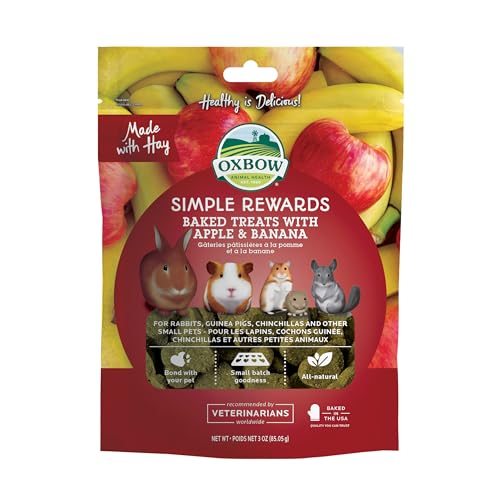
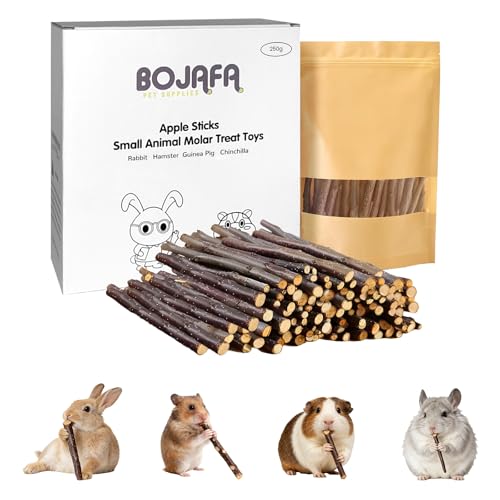
Most commercially sold dried apples contain added sugar, preservatives (like sulfur dioxide), or oil. Even plain dried apples concentrate the sugar — dried apple has roughly 4-5x more sugar per gram than fresh. If you want a shelf-stable fruit alternative, the Kaytee Country Harvest treat blend (, nearly 5) offers a controlled-portion mix with a variety of fruits and vegetables. Check current price on Amazon.

Exercise tip: A healthy diet works best alongside proper exercise. Make sure your hamster has a correctly sized wheel — check our hamster wheel size chart for breed-specific diameter recommendations.

Cooked Apples (Apple Sauce, Pie, etc.)

Cooked apple preparations almost always contain added sugar, butter, cinnamon, or other seasonings. Even plain homemade applesauce has a different sugar concentration than fresh apple. Stick to raw, fresh apple only.

Apple-Flavored Products

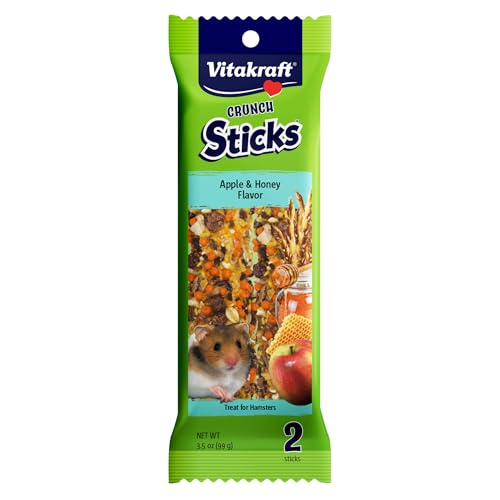
Yogurt drops, apple-flavored treats, and processed snacks marketed for hamsters often contain artificial flavors, excessive sugar, and fillers. I’d recommend natural, whole-food treats over processed alternatives. The Kaytee Natural Snack with Superfoods is a more natural option for occasional variety. Check current price on Amazon.

Syrian hamster holding a small piece of fresh apple, demonstrating appropriate portion size

Overfeeding

The most common mistake with apple is offering too much because “my hamster loves it.” Love doesn’t equal need. A Syrian hamster doesn’t need more than a coin-sized slice, and a dwarf hamster doesn’t need more than a pea. Consistently overfeeding apple leads to weight gain, elevated blood sugar, and nutritional imbalance from displacing pellet intake.


Healthy Alternatives to Rotate With Apple

A balanced treat rotation keeps your hamster interested while managing sugar and nutrient intake. I rotate apple with these options throughout the week:

Lower-sugar fruits: Strawberries (4.9g sugar) and blueberries (10.0g sugar) are better regular fruit choices than apple, especially for dwarf hamsters. Grapes are higher in sugar (16.3g) and should be offered even less frequently than apple.

Nutrient-dense vegetables: Bell peppers deliver exceptional vitamin C with only 4.2g sugar. Broccoli has just 1.7g sugar and 89mg vitamin C. Carrots provide vitamin A with moderate crunch. Cucumber offers hydration with minimal sugar.

Dried vegetable treats: The Small Pet Select dried bell pepper is a shelf-stable vegetable option that avoids the sugar concerns of dried fruit entirely. Check current price on Amazon.

Protein treats: Mealworms 1-2 times per week provide essential animal protein that balances out the carbohydrate-heavy treat rotation. Cheese in very small amounts offers protein and calcium but should be limited due to fat content.

The ideal rotation for a Syrian might look like: Monday — bell pepper, Wednesday — apple, Friday — mealworms, Sunday — strawberry. This provides variety without overloading any single nutrient.


Other Foods Your Hamster Can Eat

Each link leads to a full safety guide with breed-specific serving recommendations.

🍓 Fruits

🥬 Vegetables

🧀 Proteins and Treats


Frequently Asked Questions

Can hamsters eat apples?

Yes, hamsters can eat apples in small amounts as an occasional treat. They provide fiber, vitamin C, and natural sweetness. The critical rule is to remove all seeds first — apple seeds contain amygdalin, which releases toxic cyanide when chewed. Syrian hamsters can have a small slice (5-10g) 1-2 times per week, while dwarf hamsters should get only a pea-sized piece once a week due to sugar content and diabetes risk.

Can hamsters eat apple seeds?

No. Apple seeds contain amygdalin, a cyanogenic glycoside that produces hydrogen cyanide when chewed and digested. Cyanide interferes with cellular oxygen use and is potentially lethal to hamsters, which weigh only 30-200 grams. Always remove the entire core and all seeds before feeding apple. This is not optional — it’s the most important safety rule when offering apple to your hamster.

Can hamsters eat apple peel?

Yes, apple peel is safe as long as it has been washed thoroughly to remove pesticide residue. The peel actually contains more fiber and antioxidants than the flesh. Organic apples are the safest choice when leaving the peel on. If you’re using conventional apples, consider peeling or washing with a vinegar-water solution (1:3 ratio) for 2-3 minutes before rinsing.

Can dwarf hamsters eat apples?

Yes, but very cautiously — a pea-sized piece (2-3g) once a week at most. Dwarf hamsters, especially Campbell’s and Winter Whites, are genetically prone to diabetes, and apples contain 10.4g of sugar per 100g. The sugar content makes apples a riskier treat compared to low-sugar vegetables like broccoli or bell peppers. Monitor your dwarf’s weight, thirst, and urination for signs of blood sugar issues.

Can hamsters eat green apples?

Yes, green apples like Granny Smith are safe and actually slightly better for hamsters than red varieties because they contain less sugar — roughly 9.6g per 100g compared to 10.4g for sweeter red apples. The lower sugar makes green apples a marginally better choice for dwarf hamsters. However, the tart flavor means some hamsters may not find them as appealing.

How much apple can a hamster eat?

Syrian hamsters: a small coin-sized slice (~5-10g), 1-2 times per week. Dwarf hamsters: a pea-sized piece (~2-3g), once a week. Roborovskis: a lentil-sized piece (~1-2g), once a week. Chinese hamsters: between dwarf and Syrian amounts (~3-5g), once a week. All seeds must be removed. Apple should not be a daily treat.

Can hamsters eat dried apples?

Plain, unsweetened dried apple is technically safe in tiny amounts, but it concentrates sugar — roughly 4-5x more sugar per gram than fresh apple. Most commercially dried apples also contain added sugar or preservatives like sulfur dioxide. I’d recommend fresh apple over dried, or consider dried vegetable alternatives that are naturally low in sugar.

Can baby hamsters eat apples?

No. Hamsters under 4 weeks old should eat only mother’s milk and then commercial pellets. After 4-5 weeks, introduce a tiny piece of apple flesh (smaller than a pea, no peel, absolutely no seeds) and wait 24-48 hours to observe for any digestive reaction.

Can hamsters drink apple juice or eat dried apples?

No to apple juice — it contains roughly 24g of sugar per 240ml with no fiber, making it dangerous. Dried apples are risky too: most contain added sugar and preservatives, and even plain dried apple concentrates sugar 4-5x compared to fresh. Stick to fresh, raw apple in small portions.

Written by Small Pet Expert Team

Last updated: April 11, 2026

Affiliate Disclosure: As an Amazon Associate, we earn from qualifying purchases. Some product links on this page are affiliate links, which means we may receive a commission if you make a purchase. This comes at no extra cost to you.

🐟 Get expert pet care tips weekly

Care guides, health updates, and new articles — straight to your inbox.