Your rabbit’s outdoor enclosure isn’t just a cage — it’s where your rabbit eats, sleeps, and spends most of its life. Yet most hutches sold online are too small for adult rabbits, lack proper weatherproofing, or the enclosure falls apart within a single season.
Finding the best rabbit hutch for your home depends entirely on your setup — indoor or outdoor, single rabbit or bonded pair, dwarf breed or Flemish Giant. Buy the wrong enclosure and you waste money while your rabbit lives in a space too cramped to hop or stretch.
This guide compares 8 options across budget ($64), mid-range ($95-$143), and premium ($170) tiers. It covers indoor mobile options, outdoor weatherproof enclosures, 2-story designs, and even a new plastic alternative that never rots. You’ll also get a weatherproofing checklist, breed-size guide, and predator protection tips.
If you’re still deciding between an indoor wire cage and an outdoor wooden hutch, our indoor wire cages vs hutch guide breaks down the trade-offs.
Quick picks:
| Category | Product | Price |
|---|---|---|
| Best Budget Shelter | TRIXIE Hideout Shelter | $63.99 |
| Best Budget with Run | Kecreque A-Frame | $69.99 |
| Best Overall | Aivituvin 2-Story Indoor | $109.99 |
| Best Outdoor / Weatherproof | Rockever Plastic with Run | $169.99 |
What Makes a Good Rabbit Enclosure — Buying Factors
When choosing an enclosure with run, prioritize a hutch where the run area attaches securely to the main outdoor enclosure. Loose or poorly-fitted runs create enclosure predator entry points that even a weatherproof rabbit hutch cannot compensate for.
When selecting a rabbit hutch 2 rabbits will share, you need roughly double the floor space of a single rabbit enclosure. Many owners planning a rabbit hutch 2 rabbits will use ask what size hutch for a rabbit is adequate — the answer depends on breed, but larger is always better.
A best rabbit hutch is a specialized outdoor enclosure designed to house domestic rabbits year-round. Unlike wire cages used indoors, a proper hutch provides solid flooring (never wire), weather protection, insulation against temperature extremes, and a raised design to keep rabbits off cold or damp ground. The Rabbit Welfare Association and Fund (RWAF) recommends a minimum hutch size of 2m² (21.5 sq ft) plus an attached run of at least 3m × 2m (RWAF Housing Guide). A quality best rabbit hutch must also resist predators, withstand seasonal weather, and provide enough space for the rabbit to hop, stand upright, and lie fully stretched.
Large Rabbit Hutch vs Cage — What’s the Difference
Understanding the difference between an outdoor rabbit hutch and indoor housing helps you choose the right outdoor rabbit hutch for your situation for your setup.
| Feature | Hutch | Wire Cage |
|---|---|---|
| Construction | Wood or plastic | Wire mesh |
| Floor | Solid (wood/plastic) | Often wire or plastic tray |
| Weather protection | Yes — designed for outdoor use | No — indoor only |
| Aesthetic | Furniture-like, natural | Industrial, utilitarian |
| Ventilation | Moderate (wire mesh doors) | Excellent (fully open) |
| Best for | Outdoor housing | Indoor housing |
If your rabbit lives indoors full-time, a wire cage works better than an outdoor rabbit hutch or exercise pen — similar to how chinchilla cages prioritize ventilation over weather protection. For more options on indoor enclosures, check our indoor wire cages vs hutch guide.
Buying Checklist
Every quality enclosure should meet these minimum standards before you buy:
| Feature | Why It Matters | Minimum Requirement |
|---|---|---|
| Floor space | Rabbits need room to stretch, hop, and stand upright | 4× rabbit length × 2× rabbit width |
| Solid floor | Wire floors cause sore hocks (pododermatitis) — a painful condition where the hock skin breaks down from constant pressure on hard, uneven surfaces (PDSA) — a painful condition where the hock skin breaks down from constant pressure on hard, uneven surfaces (PDSA) | Solid wood or plastic with appropriate bedding. Wire floors are a leading cause of pododermatitis (sore hocks) in domestic rabbits — the condition affects up to 20% of pet rabbits and requires veterinary treatment (VCA Hospitals — Pododermatitis) |
| Weatherproofing | Rain, wind, and temperature extremes can kill rabbits | Sloped asphalt roof, raised floor, insulated walls |
| Predator-proof wire | Foxes, raccoons, and cats can break weak mesh | 16-gauge or thicker, ≤½” mesh spacing. Standard chicken wire (1 inch mesh) is NOT predator-proof — raccoons can reach through and pull rabbits out. Hardware cloth (½ inch) is the minimum standard (House Rabbit Society). Standard chicken wire (1 inch mesh) is NOT predator-proof — raccoons can reach through and pull rabbits out. Hardware cloth (½ inch) is the minimum standard (House Rabbit Society) |
| Easy-clean access | Daily spot cleaning + weekly deep cleaning. Rabbits also need at least 3-4 hours of free-roaming exercise daily outside the hutch to maintain physical and mental health (House Rabbit Society). Rabbits also need at least 3-4 hours of free-roaming exercise daily outside the hutch to maintain physical and mental health (House Rabbit Society) | Removable tray, hinged roof, or large doors |
| Height | Rabbits must stand fully upright on hind legs | At least 3 feet for medium breeds |
| Run area | Exercise space connected to the hutch | Minimum 8 sq ft attached run for 1 rabbit. VCA Hospitals recommend rabbits get at least 3 hours of exercise outside their enclosure daily to prevent obesity and muscle atrophy (VCA Hospitals). VCA Hospitals recommend rabbits get at least 3 hours of exercise outside their enclosure daily to prevent obesity and muscle atrophy (VCA Hospitals) |
Breed-Size Large Rabbit Hutch Requirements
Not all rabbits fit in the same large rabbit hutch — the large rabbit hutch must match the breed. Selecting the right outdoor rabbit hutch for your breed means matching. A Netherland Dwarf needs far less space than a Flemish Giant, and most options are sized for small breeds only.
| Breed | Adult Weight | Minimum Hutch Size | Recommended from This List |
|---|---|---|---|
| Netherland Dwarf | 1.5-2.5 lbs | 24 sq ft | TRIXIE natura Small with Run, Kecreque A-Frame |
| Holland Lop | 2-4 lbs | 30 sq ft | Kecreque A-Frame, RUNSHED |
| Mini Rex | 3-4.5 lbs | 36 sq ft | Aivituvin 2-Story, Large 2-Story w/ Run |
| Standard (New Zealand) | 9-12 lbs | 48 sq ft | Large 2-Story w/ Run, Rockever Plastic |
| Flemish Giant | 13-22 lbs | 72 sq ft | Rockever Plastic (large), custom build recommended |
When determining what hutch size for a rabbit, consider these guidelines — our hutch size requirements guide has a complete breed-by-breed breakdown.
Setting up a quality outdoor rabbit hutch goes beyond just placing it in the yard. Bedding choice, water bottle mounting, and predator-proofing all matter. Our hutch setup guide covers placement, accessories, and seasonal adjustments.
Securing a Large Rabbit Hutch Against Weather and Predators
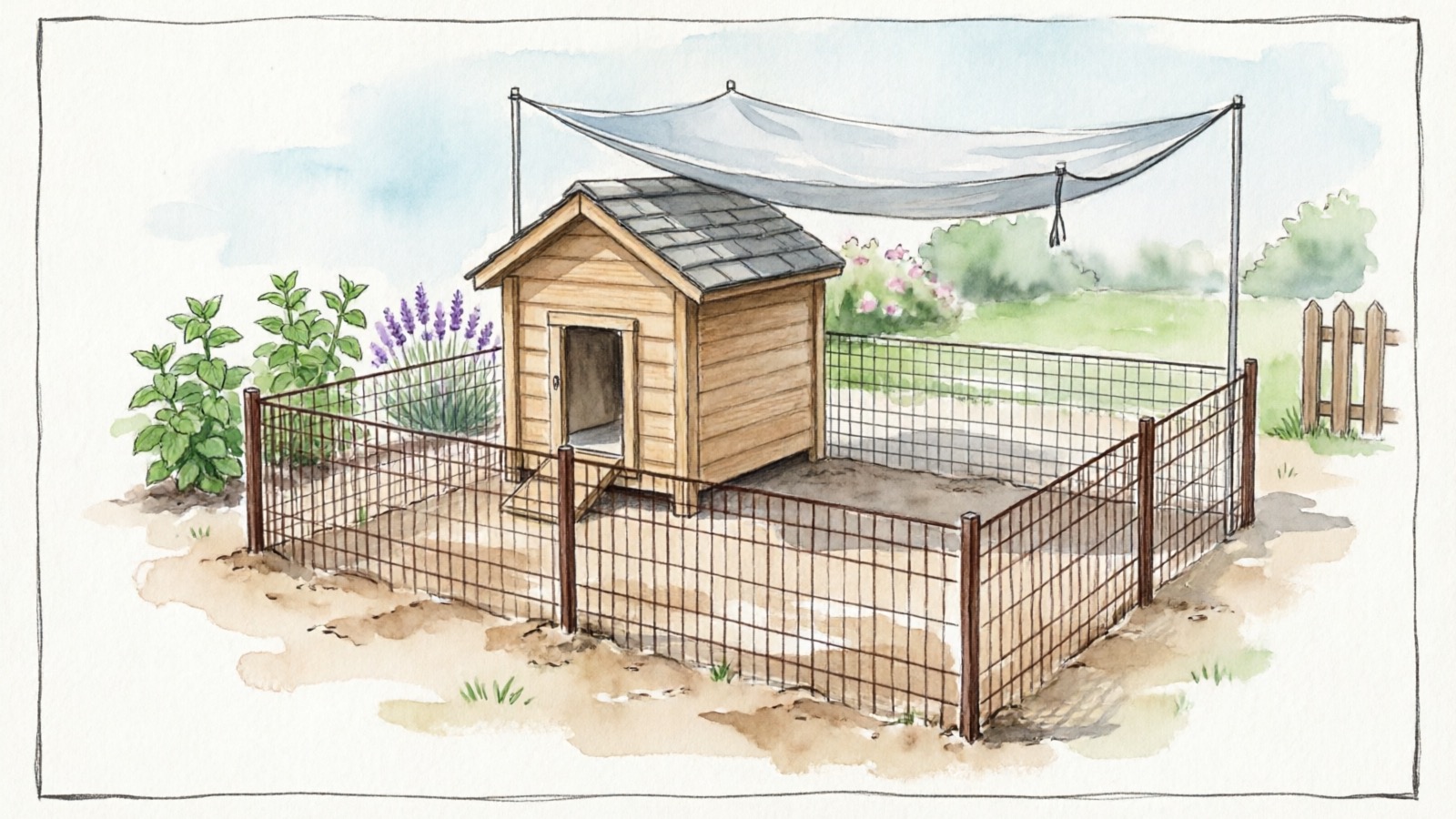
If you’re placing the best large rabbit hutch in your yard, follow these steps:
- Elevate the outdoor rabbit hutch properly: Place it on bricks or a stand at least 6 inches off the ground. Elevated hutches prevent flooding during heavy rain, reduce wood rot from ground moisture contact, and deter digging predators like foxes and raccoons. This elevation strategy is recommended by animal welfare organizations worldwide. The RSPCA recommends hutches be raised to prevent direct ground contact (RSPCA Rabbit Welfare). Elevated hutches prevent flooding, reduce wood rot from ground moisture contact, and deter digging predators. The RSPCA recommends hutches be raised to prevent direct ground contact (RSPCA Rabbit Welfare). This prevents outdoor rabbit hutch flooding, reduces rot, and deters digging predators.
- Seal the outdoor rabbit hutch wood: Apply a pet-safe wood sealant to all exterior surfaces before first use. Reapply every 6-12 months.
- Add an outdoor rabbit hutch roof cover: A waterproof tarp over the shelter provides extra protection during heavy rain. Secure it with bungee cords.
- Reinforce the wire: Upgrade any thin wire mesh to 16-gauge hardware cloth (½ inch mesh or smaller). Raccoons can tear through standard chicken wire in minutes (Merck Veterinary Manual) (½ inch mesh or smaller). Raccoons can tear through standard chicken wire in minutes (Merck Veterinary Manual). Staples can be pulled out by raccoons — use screws with washers instead.
- Create a windbreak: Position the shelter against a wall or fence, and cover the windward side with a clear plastic sheet in winter.
- Lock the doors: Use carabiner clips or padlocks on all doors. Raccoons can open simple latches.
Quick Comparison — All 8 Hutches
Choosing a large rabbit hutch depends on your specific hutch requirements — indoor or outdoor, single or bonded pair, dwarf or giant breed. A large hutch is essential for breeds like Flemish Giants, while dwarf rabbits can thrive in smaller enclosures with adequate height.
Here’s how all 8 outdoor rabbit hutches compare at a glance:
| # | Product | Type | Price | Floor Space | Best For |
|---|---|---|---|---|---|
| 1 | TRIXIE Hideout Shelter | Outdoor shelter | $63.99 | Compact | Best Budget Shelter |
| 2 | Kecreque A-Frame with Run | Outdoor A-frame | $69.99 | 47×18 in | Best Budget with Run |
| 3 | RUNSHED 2-Story on Wheels | Indoor 2-story | $94.99 | Compact | Best Indoor Mobile |
| 4 | Large 2-Story w/ Run & Casters | Indoor/outdoor 2-story | $94.99 | Large | Best Mid-Range 2-Story |
| 5 | Aivituvin 2-Story Indoor Hutch with Stand | Indoor premium 2-story | $109.99 | 2-level | Best Trusted Brand |
| 6 | Modern Wooden Castle House | Indoor furniture | $109.99 | 2-story castle | Best Home Decor Style |
| 7 | TRIXIE natura Small with Run | Outdoor 2-story + run | $138.85 | 32.7×28.3×37.4 in | Best Weatherproof Brand |
| 8 | Rockever Plastic with Run | Plastic indoor/outdoor | $169.99 | Large with run | Best Premium / Weatherproof |
Best Budget Outdoor Rabbit Hutch (Under $75)
Budget outdoor rabbit hutch options are the most accessible entry point for new buyers. These best rabbit hutch options in this price range tend to be smaller but adequate for single small-to-medium rabbits.
If you’re on a tight budget, you can still find a safe enclosure — but you need to know which corners were cut and which ones are acceptable. Both options below work well for small to medium rabbits.
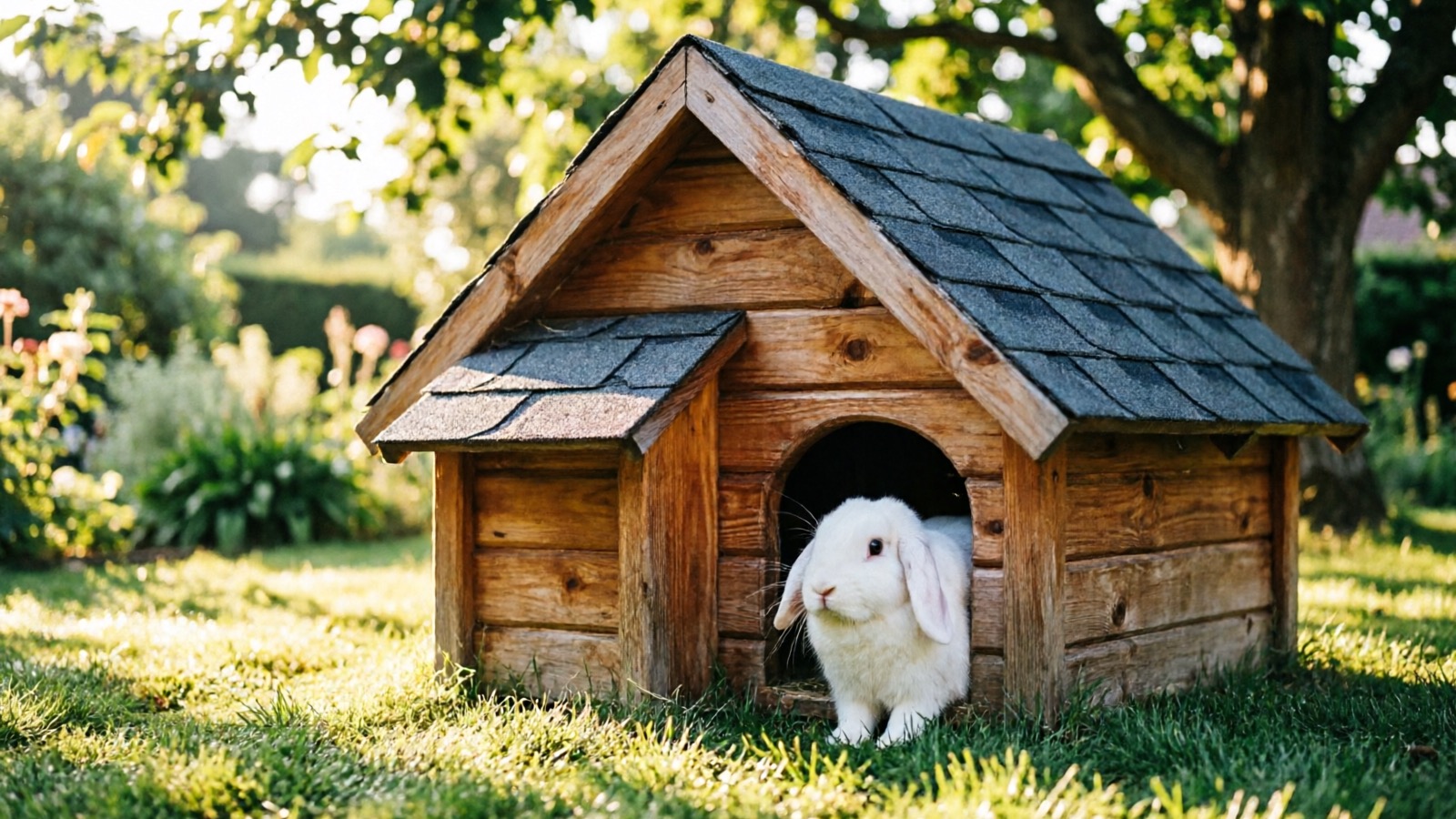
1. TRIXIE Hideout Shelter — Best Budget Option ($63.99)
The TRIXIE Hideout Shelter earns its place as the best budget pick at $63.99, and it earns that position honestly. TRIXIE has decades of experience in pet products, so you’re not gambling on an unknown manufacturer.
Why it works: The weatherproof wood construction handles year-round outdoor exposure. Two entrances give rabbits secure escape routes — something single-door designs lack. Assembly is straightforward with pre-drilled holes and included hardware.
Pros:
- Trusted TRIXIE brand with warranty support
- Weatherproof for year-round outdoor use
- Two entrances for rabbit security
- Easy assembly with included hardware
- Most affordable branded option
Cons:
- Shelter only — not a full enclosed outdoor rabbit hutch with wire mesh
- Best used inside a larger run or pen setup
- Limited interior space — suitable for 1 small/medium rabbit only
- No built-in run area
Honest negative: This is a hideout shelter, not a full enclosed outdoor rabbit hutch with attached run. It provides a dry, weatherproof sleeping area but relies on an existing run or pen to contain the rabbit. If you’re starting from zero with no run, this won’t work as a standalone enclosure.
“Perfect little house for my bunny. Fits inside my existing pen and gives her a cozy place to hide from the rain.” — Verified buyer review
Best for: Keepers who already have a run and need a weatherproof shelter to place inside it. Find the TRIXIE Hideout Shelter on Amazon.
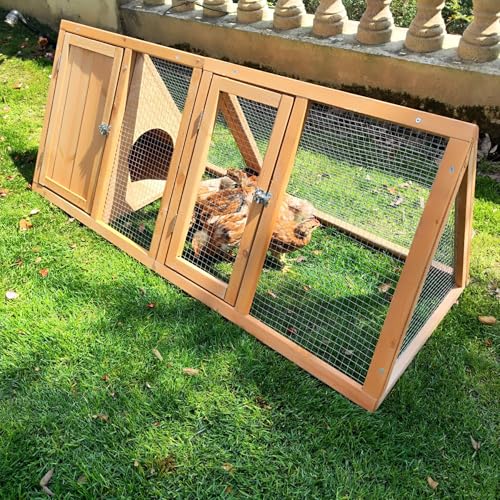
2. Kecreque — Best Rabbit Hutch with Run ($69.99)
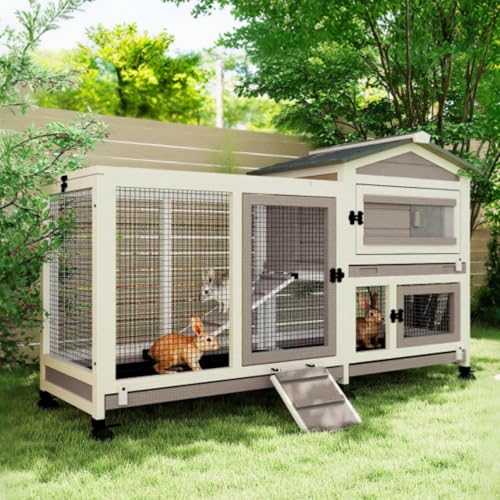
The Kecreque A-Frame is the most affordable option with an attached run area at $69.99. The A-frame design naturally sheds rain, and the triangular support structure is surprisingly sturdy for a 14.5 lb unit.
Why it works: The attached run gives rabbits exercise space without needing a separate purchase. The weatherproof nesting box provides a dry retreat during rain. Two openable doors make it easy to reach in for cleaning or handling. Wire mesh throughout provides ventilation while keeping predators out.
Pros:
- Attached run area included — no separate purchase needed
- A-frame design sheds rain naturally
- Lightweight at 14.5 lbs — easy to relocate
- Weatherproof nesting box
- Good ventilation with wire mesh design
Cons:
- Small footprint (47×18 in) — suitable for 1 small/medium rabbit only
- Not ideal for large breeds (Flemish Giant, Standard)
- Wooden frame needs weather sealing for long-term outdoor use
- Limited community feedback — relatively new product with growing user base
Honest negative: The 47×18 inch floor space is genuinely small for an adult rabbit. A standard New Zealand rabbit (9-12 lbs) cannot stretch out fully in this hutch. It works fine for a dwarf breed, but I would not house a medium or large rabbit here full-time. The wooden frame also shows surface weathering after one season of rain exposure — applying a pet-safe sealant before first use is essential.
If you want to expand the exercise area, connecting the run to an outdoor rabbit playpen gives your rabbit significantly more room to explore.
“For the price, this is a solid starter hutch. My Holland Lop has enough room and the run keeps him busy. I sealed the wood before putting it out and it’s held up well through spring rains.” — Rabbit owner feedback
Best for: First-time rabbit keepers on a budget who want an outdoor enclosure with exercise space included. Find the Kecreque A-Frame on Amazon.
Mid-Range Hutches ($95-$145)
The best outdoor rabbit hutch in the mid-range tier is where you get the best balance of features, build quality, and price. These five best rabbit hutch options cover indoor setups, elevated premium designs, furniture aesthetics, and weatherproof branded options.
3. RUNSHED — Outdoor Rabbit Hutch 2-Story ($94.99)
The RUNSHED 2-story enclosure maximizes vertical space efficiency, which is ideal for indoor rabbit keepers working with limited floor space. The built-in wheels make it genuinely mobile — owners report rolling it between the living room during the day and a quiet corner at night.
Why it works: The two-story design gives rabbits natural climbing enrichment. The no-leak waterproof tray catches all messes and slides out for cleaning in seconds. A natural wooden ramp connects both floors — rabbits instinctively love climbing between levels. At $94.99, it’s the most affordable 2-story option reviewed.
Pros:
- Two-story design maximizes vertical space indoors
- Built-in wheels for easy room-to-room mobility
- No-leak waterproof tray simplifies daily cleanup
- Natural ramp — rabbits love climbing between levels
- Excellent value at $94.99
Cons:
- Indoor-only — not designed for outdoor weather exposure
- Wheels may wobble on deep carpet or uneven floors
- Compact footprint — best for small/medium breeds
- No brand recognition compared to Aivituvin or TRIXIE
Honest negative: The RUNSHED is the best rabbit hutch for indoor use. The wood isn’t weather-sealed, and the wheels aren’t rated for outdoor terrain. If you place it outside even for a few hours in damp weather, the untreated wood will absorb moisture. The wheels also struggle on thick carpet — plan to keep it on hard flooring or thin rugs.
“Love the wheels on this. I roll it out to the sunny spot by the window every morning and back to the bedroom at night. The tray slides out really easily for cleaning.” — Indoor rabbit owner
Best for: Indoor rabbit keepers who need a mobile, space-efficient 2-story hutch. Find the RUNSHED 2-Story Indoor Bunny Hutch on Amazon.
4. Best Rabbit Hutch 2-Story with Run ($94.99)
This generic-brand enclosure packs an unusual feature set for the price: 2-story design, attached run area, and caster wheels all at $94.99. The attached run area makes it stand out — most enclosures at this price point don’t include exercise space.
Why it works: The attached run gives rabbits outdoor exercise without needing a separate pen. Caster wheels let you reposition the entire unit for cleaning or sun exposure. The no-leak waterproof pull-out tray handles daily messes. The 2-story layout with ramp provides vertical enrichment.
Pros:
- Attached run area — rare at this price point
- Caster wheels for easy repositioning
- 2-story design with ramp for enrichment
- No-leak waterproof pull-out tray
- Competitive price at $94.99
Cons:
- Generic brand — limited customer support and replacement part availability
- Waterproof tray may not handle heavy outdoor rain
- Assembly complexity not specified — could take a full weekend
- No established brand track record
Honest negative: The generic brand means zero customer support if a panel cracks. There’s no warranty department to call, no replacement parts catalog, and no established quality control track record. The waterproof tray is designed for indoor spills, not outdoor downpours — if you place this enclosure outside during a heavy rainstorm, water will pool in the tray and soak the bottom floor.
“Good value for a hutch with a run. Assembly took about 2 hours but everything fit together. The casters work well on my patio.” — Value-focused buyer
Best for: Keepers wanting a 2-story hutch with attached run at a mid-range price without paying a brand premium. Find the Large 2-Story Wooden Hutch on Amazon.
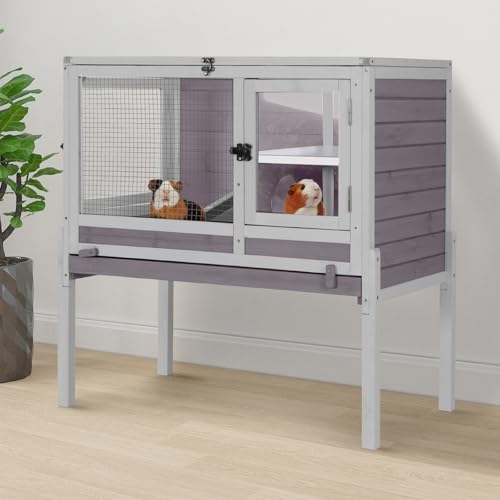
5. Aivituvin 2-Story Indoor Hutch with Stand ($109.99)
Aivituvin is the most recognized best rabbit hutch brand for indoor use, and this 2-story model shows why. The elevated stand keeps it off cold ground during winter months and brings it to a comfortable height for daily interaction, feeding, and cleaning — no more bending down to floor level — no more bending down to floor level for feeding and cleaning.
Why it works: The chew-proof wire mesh holds up against destructive rabbits that would tear through standard mesh in weeks. The pull-out tray slides out from the side — you don’t need to reach over the top to clean. Two levels provide natural enrichment: rabbits use the upper level for resting and the lower level for eating. The elevated stand also deters some predators.
Pros:
- Aivituvin is the most recognized brand for indoor use
- Elevated stand for comfortable interaction height
- Chew-proof mesh protects against destructive rabbits
- Side-access pull-out tray for easy maintenance
- Two levels provide enrichment and exercise
Cons:
- Indoor-focused design — not weatherproof for outdoor use
- Higher price at $109.99 (paying for brand trust)
- Assembly required — flat-pack delivery, plan for 1-2 hours
Honest negative: Despite the elevated stand, this hutch is designed for indoor use only. The wood is not weather-sealed, and the wire mesh will rust if exposed to rain. At $109.99, you’re paying a brand premium — generic 2-story enclosures cost $15-20 less with similar features. The assembly instructions use diagrams without text, which can be confusing for first-time builders.
“Aivituvin quality is noticeably better than the no-name brands. The mesh is thicker and the wood is smoother. Worth the extra $15 for peace of mind.” — Repeat Aivituvin buyer
Best for: Keepers who want the most trusted brand with elevated, easy-clean design. Find the Aivituvin 2-Story Indoor Hutch with Stand on Amazon.
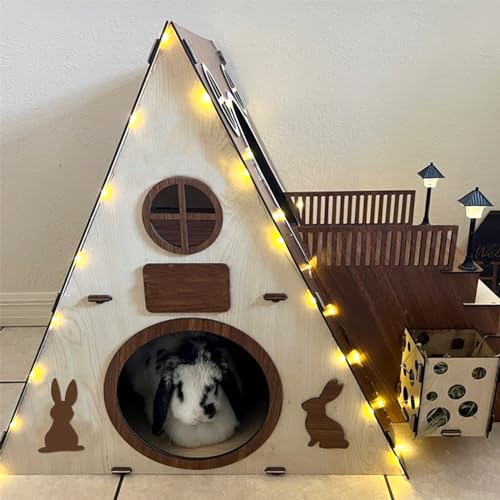
6. Modern Wooden Rabbit Castle House Hutch ($109.99)
This best rabbit hutch takes a different approach: it’s designed to look like furniture. The 2-story castle layout provides vertical enrichment. The modern aesthetic works well in contemporary homes. At $109.99, it’s competitively priced for a furniture-style hutch. The wooden construction feels solid and substantial.
Pros:
- Modern aesthetic — doubles as a furniture piece
- 2-story design provides vertical enrichment
- Attractive enough for visible indoor placement
- Mid-range price at $109.99
- Solid wooden construction
Cons:
- Warning: Stairs sold separately — additional cost ($15-25) and assembly step
- Indoor only — not weatherproof
- Generic brand with limited support
- Castle design may not fit all home decor styles
Honest negative: The stairs being sold separately is a significant gotcha. Without stairs, your rabbit cannot access the upper level — which defeats the purpose of a 2-story design. The stairs cost an additional $15-25, pushing the total above $125. I’d factor that into your budget before buying. Also, the generic brand means no warranty support if panels warp or hardware strips.
“Looks great in my living room. Had to buy the stairs separately which was annoying, but once assembled my rabbit uses both levels constantly.” — Design-conscious owner
Best for: Keepers wanting an indoor hutch that blends with home furniture aesthetics. Find the Modern Wooden Rabbit Castle House on Amazon.
7. TRIXIE natura Small Outdoor Hutch with Run ($138.85)
The TRIXIE natura Small is the weatherproof branded option still in stock. It is a two-story outdoor hutch with a ground-level run, a hinged locking roof, and a pull-out tray. At 32.7 × 28.3 × 37.4 inches it is compact, but the attached run gives a dwarf rabbit somewhere to move besides the sleeping box.
Why it works: Glazed wood and a locking hinged roof handle outdoor weather better than felt-top budget hutches. The slide-out tray makes daily cleaning quick. TRIXIE still sells replacement parts, which is why this brand shows up on weatherproof lists even when a specific indoor SKU disappears.
Pros:
- Two-story layout with a ground-level run
- TRIXIE brand quality with warranty support
- Pull-out tray and hinged roof for cleaning
- Outdoor-rated glazed wood finish
Cons:
- Small footprint — dwarf rabbits or one small rabbit only
- Mid-range price at $138.85
- No wheels; this is a stationary outdoor hutch, not an indoor cart
Honest negative: The Small size is still the biggest limitation. A Holland Lop barely fits the sleeping box, and a Mini Rex cannot stretch out fully. At $138.85 you are paying for the TRIXIE name and outdoor finish, not for spacious housing. If you have anything larger than a dwarf rabbit, skip this and look at the premium tier.
“The roof and tray are the real deal. Had this outside through a wet winter and it stayed dry inside. Just wish it was bigger for the price.” — TRIXIE owner in Pacific Northwest
Best for: Dwarf rabbit owners who need a compact outdoor hutch with a run. Find the TRIXIE natura Small Hutch with Run on Amazon.
Premium Hutches ($150+)
Premium outdoor rabbit hutch models use higher-grade materials and offer more durability and offer more durability. If you need the best large rabbit hutch for Flemish Giants, this price range is where to look.
8. Rockever Plastic Rabbit Cage with Run ($169.99)
The Rockever represents the best weatherproof rabbit hutch in plastic a new category in rabbit housing: rot-proof, chew-proof, maintenance-free construction. If you live in a humid climate where wooden enclosures mold within months, this is the solution.
Why it works: Waterproof plastic will never rot, mold, or absorb odors — three problems that plague outdoor hutches in wet climates. The chew-proof design means rabbits can’t damage the structure over time. Cleaning is as simple as wiping with a damp cloth — no scrubbing, no sealing, no re-staining. Panoramic windows give you observation from every angle. It works both indoors and outdoors.
Pros:
- Plastic won’t rot, mold, or absorb odors
- Chew-proof — rabbits can’t damage the structure
- Easy to clean — just wipe down with a damp cloth
- Panoramic windows for full visibility
- Suitable for both indoor and outdoor use
Cons:
- Most expensive option at $169.99
- Plastic lacks the natural aesthetic of wooden enclosures
- Less ventilation than wire mesh designs
- Can overheat in direct sunlight — requires shade placement
Honest negative: The biggest issue is heat management. Plastic traps heat far more than wood or wire mesh. On a sunny day above 80°F, the interior can reach dangerous temperatures within 30 minutes if placed in direct sun. Rabbits cannot sweat and rely on their ears and panting to dissipate heat — temperatures above 80°F can cause fatal heat stroke in under an hour (Merck Veterinary Manual). Rabbits cannot sweat and rely on their ears and panting to dissipate heat — temperatures above 80°F can cause fatal heat stroke in under an hour (Merck Veterinary Manual). You must position this enclosure in a shaded area outdoors. The plastic also looks utilitarian — it won’t blend with garden aesthetics the way a quality wooden enclosure does.
“I switched to this from a wooden hutch because the old one rotted after one rainy season. This thing is a tank — nothing gets through it. Just make sure it’s in the shade.” — Humid climate rabbit keeper
Best for: Keepers prioritizing durability, hygiene, and low maintenance over natural wood aesthetics. Ideal for humid climates where wooden enclosures rot quickly. Find the Rockever Plastic Rabbit Cage on Amazon.
Wood vs Plastic — Quick Comparison
The Rockever plastic enclosure raises a question many keepers haven’t considered: is plastic actually better than wood?
| Feature | Wood Hutches | Plastic Hutches |
|---|---|---|
| Durability | 2-5 years (depends on weather) | 5-10+ years |
| Weather resistance | Needs sealing every 6-12 months | Waterproof, zero maintenance |
| Aesthetics | Natural, furniture-like | Modern, utilitarian |
| Ventilation | Good (wire mesh panels) | Limited (windows only) |
| Chew resistance | Rabbits chew edges | Fully chew-proof |
| Cleaning | Scrubbing and drying required | Wipe clean with damp cloth |
| Heat retention | Stays cooler in summer | Can overheat in direct sun |
| Price range | $64-$143 | $170 |
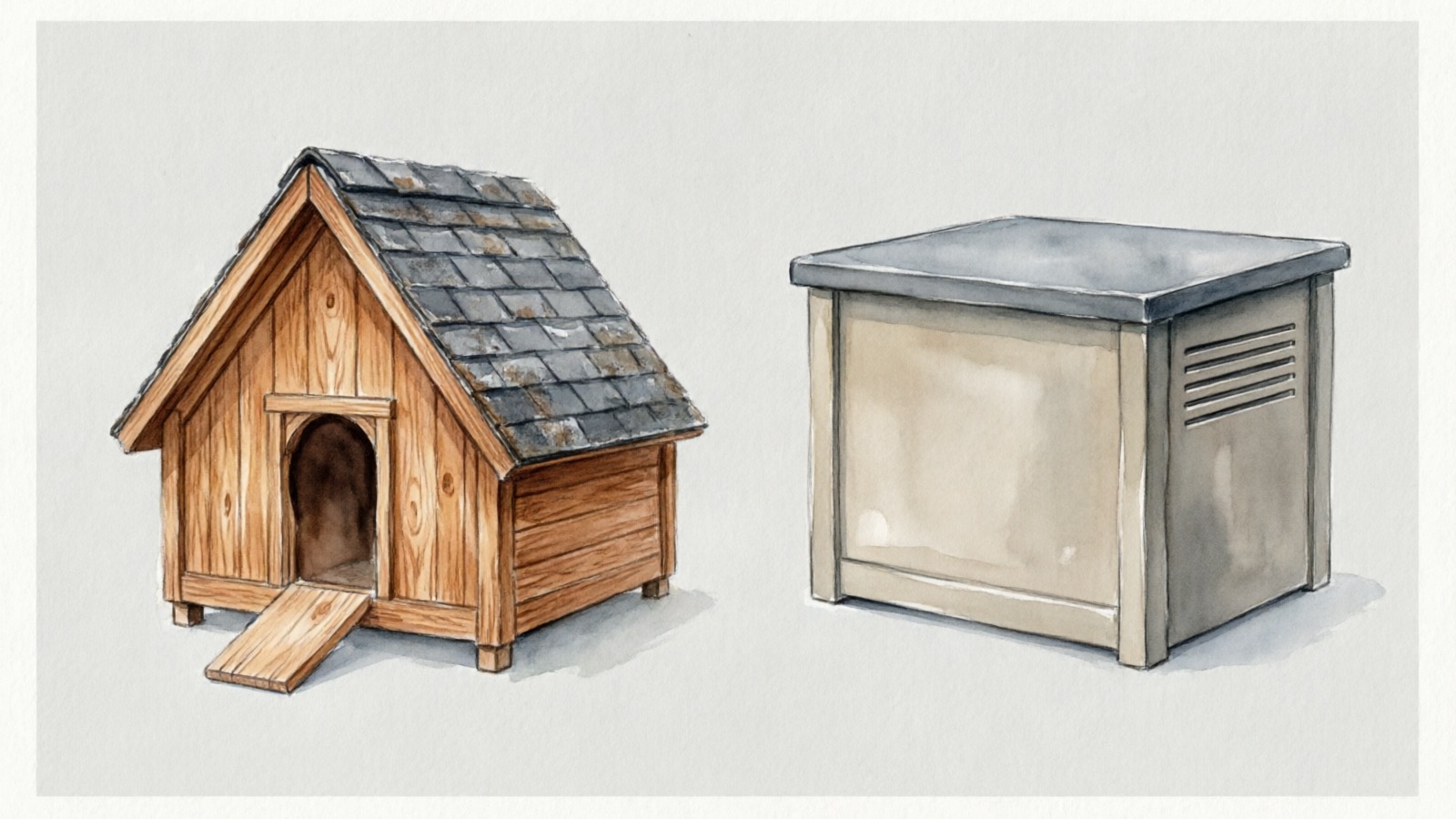
The best rabbit hutch in wood wins for aesthetics, ventilation, and price, ventilation, and price. Plastic is the better choice for durability, weatherproofing, and maintenance. If you live in a dry climate and don’t mind resealing your hutch wood annually annually, wood is the better choice. If you live in a humid or rainy region and want zero-maintenance housing, plastic is worth the premium.
Hutch Do’s and Don’ts
Choose a large rabbit hutch at least 4× the rabbit’s body length in floor space (RWAF)
Use solid flooring only — wire floors cause pododermatitis (sore hocks) in up to 20% of rabbits (VCA Hospitals)
Use ½ inch hardware cloth for predator protection (not chicken wire) (House Rabbit Society)
Provide 3-4 hours of daily exercise outside the hutch (VCA Hospitals)
Keep the hutch in shaded areas — temperatures above 80°F (27°C) risk heat stroke (PetMD)
Seal wood surfaces every 6-12 months to prevent rot and moisture damage
Elevate the hutch at least 6 inches off the ground (RSPCA)
Bond rabbits in pairs — they are social animals and suffer alone (House Rabbit Society)
Use wire mesh flooring — leads to painful sore hocks requiring veterinary treatment
Use chicken wire for predator protection — raccoons tear through it in minutes
Place the hutch in direct sunlight — plastic and wood both overheat dangerously
Use cedar or pine shavings as bedding — aromatic oils cause respiratory damage
Buy a hutch smaller than 21.5 sq ft for a single rabbit (below RWAF minimum)
Leave the hutch unsecured — use carabiners or padlocks; raccoons open simple latches
Keep a rabbit in a hutch 24/7 without exercise time — leads to obesity and muscle atrophy
Use chemically treated wood without sealing — toxins transfer to rabbit fur and ingestion
Best Rabbit Hutch Do’s and Don’ts
Choose a hutch at least 4× the rabbit’s body length in floor space (RWAF)
Use solid flooring only — wire floors cause pododermatitis (sore hocks) in up to 20% of rabbits (VCA Hospitals)
Use ½ inch hardware cloth for predator protection (not chicken wire) (House Rabbit Society)
Provide 3-4 hours of daily exercise outside the hutch (VCA Hospitals)
Keep the hutch in shaded areas — temperatures above 80°F (27°C) risk heat stroke (PetMD)
Seal wood surfaces every 6-12 months to prevent rot and moisture damage
Elevate the hutch at least 6 inches off the ground (RSPCA)
Bond rabbits in pairs — they are social animals and suffer alone (House Rabbit Society)
Use wire mesh flooring — leads to painful sore hocks requiring veterinary treatment
Use chicken wire for predator protection — raccoons tear through it in minutes
Place the hutch in direct sunlight — plastic and wood both overheat dangerously
Use cedar or pine shavings as bedding — aromatic oils cause respiratory damage
Buy a hutch smaller than 21.5 sq ft for a single rabbit (below RWAF minimum)
Leave the hutch unsecured — use carabiners or padlocks; raccoons open simple latches
Keep a rabbit in a hutch 24/7 without exercise time — leads to obesity and muscle atrophy
Use chemically treated wood without sealing — toxins transfer to rabbit fur and ingestion
Frequently Asked Questions
What is the best hutch?
The best hutch for your home depends on your specific setup. For indoor use, the Aivituvin 2-Story Hutch ($109.99) is the top choice — it’s the most recognized brand, features an elevated stand for comfortable interaction height, and includes chew-proof mesh. For outdoor use, the Rockever Plastic Hutch ($169.99) is the best option for year-round outdoor use — waterproof, chew-proof, and completely rot-resistant. For budget setups, the TRIXIE Hideout Shelter ($63.99) paired with an existing run is the best option under $75.
What size hutch for a rabbit?
When determining what size hutch for a rabbit, aim for a hutch at least 4 times the rabbit’s length in floor space and 2 times the rabbit’s width, with a minimum height of 3 feet so the rabbit can stand fully upright on its hind legs. For a standard-sized rabbit (9-12 lbs), this means at least 48 sq ft of floor space. The Rabbit Welfare Association and Fund (RWAF) recommends a minimum of 2m² (21.5 sq ft) for the hutch itself, plus an attached run of at least 3m × 2m (RWAF).
For exact dimensions matched to your breed, our hutch size requirements guide has a complete chart covering dwarf breeds through Flemish Giants.
Can you keep a rabbit in a hutch all year round?
Yes, rabbits can live in a hutch year-round if the hutch is properly weatherproofed with a sloped asphalt roof, raised floor, insulated walls, and predator-proof wire mesh. In extreme cold (below 20°F / -7°C), add extra bedding. Rabbits are most comfortable at 60-70°F (15-21°C) and can tolerate temperatures down to 40°F (4°C) with proper shelter, but temperatures above 80°F (27°C) carry a risk of heat stroke (PetMD — Rabbit Heat Stroke). Rabbits are most comfortable at 60-70°F (15-21°C) and can tolerate temperatures down to 40°F (4°C) with proper shelter, but temperatures above 80°F (27°C) carry a risk of heat stroke (PetMD — Rabbit Heat Stroke), a heat pad rated for outdoor use, and a windbreak cover. In extreme heat (above 80°F / 27°C), provide shade, frozen water bottles, and ventilation fans. Never place a hutch in direct sunlight without shade.
For seasonal hutch care tips covering feeding adjustments, health monitoring, and winter preparation — similar principles apply to other small pets like guinea pig housing, see our year-round rabbit care guide.
Is a hutch better than a cage for a rabbit?
A hutch is better for outdoor rabbits because it provides weather protection, solid flooring, and insulation against temperature extremes. A wire cage is better for indoor rabbits because it offers superior ventilation, easier cleaning, and better visibility. If your rabbit lives indoors full-time, a wire cage or exercise pen is usually the better choice. If your rabbit lives outdoors, a weatherproof rabbit hutch is essential.
For a detailed comparison of indoor wire cages, see our indoor wire cages vs hutch guide.
What size hutch do I need for 2 rabbits?
For 2 bonded rabbits sharing a rabbit hutch 2 rabbits will use, provide at least double the floor space of a single-rabbit enclosure, with a minimum of 6 feet in length. Both rabbits must be able to lie down stretched out side by side without touching, stand fully upright, and take at least 3 hops in any direction. For two medium rabbits, look for at least 6 feet long × 2 feet deep. The Large 2-Story with Run ($94.99) or Rockever Plastic with Run ($169.99) works well for multi-rabbit setups.
If your current enclosure is too small, adding an exercise area is a practical alternative. Our outdoor rabbit playpen guide covers options that connect directly to any hutch.
What’s the difference between a hutch and a hutch with run?
The hutch is the enclosed sleeping and eating area only. A hutch with run includes an attached outdoor exercise area — usually a wire-mesh extension where the rabbit can hop, explore, and get sunlight. Enclosures with run are recommended because rabbits need both shelter and exercise space. If you buy a hutch without a run, you’ll need to connect it to a separate playpen or build a run yourself.
For keepers who enjoy building, our DIY hutch plans include designs with integrated run areas and cut lists for common lumber sizes.
Do hutches need to be waterproof?
Yes. A weatherproof rabbit hutch must resist rain and moisture. Rain soaking into wood causes rot, mold, and structural failure — the top concerns for any outdoor enclosure. Look for sloped asphalt shingle roofs (not flat felt), raised floors that don’t sit directly on wet ground, and weather-sealed exterior wood. Plastic options like the Rockever offer the best waterproofing with zero ongoing maintenance.