Quick Answer: An adult African pygmy hedgehog — the species kept as pets — measures 5 to 8 inches in body length and weighs between 300 and 600 grams (10–21 ounces). They reach full adult size by 6 to 12 months of age. A healthy hedgehog should have a body shape that is roughly teardrop or oval when viewed from above, with no visible spine or hip bones. Understanding typical hedgehog size helps you monitor your pet’s health and spot early signs of weight problems.
🟢 BEGINNER
African Pygmy Hedgehog Size Overview
The pet hedgehog belongs to the species Atelerix albiventris — the African pygmy hedgehog, also called the four-toed hedgehog. This is the only hedgehog species commonly kept as a pet in the United States. When people ask about hedgehog size in a pet care context, they are almost always referring to this species. The average hedgehog size for this species is considerably smaller than many new owners expect.
Adult weight range:
- Typical adult: 300–600g (10–21 oz)
- Small females: may be as light as 250g and still healthy
- Large males: can reach 600–700g without being overweight
- Obesity threshold: over 700g in a standard-length hedgehog
When discussing hedgehog size, the weight range above is the most practical reference point for pet owners.
Adult body length:
- Body only (nose to tail base): 5–8 inches (12–18 cm)
- Including tail: 6–9 inches (tail adds 1–2 inches)
- Standing height: 3–4 inches at the shoulder
Body length is the other key hedgehog size measurement that pet owners should track alongside weight.
Note on European hedgehogs: Wild European hedgehogs (Erinaceus europaeus) are significantly larger, weighing 1–2.4 pounds (450–1100g) and measuring up to 12 inches in body length. European hedgehogs are wild animals and not kept as pets in the US. If you see size information referring to hedgehogs weighing over 1 pound, it is almost certainly about wild European hedgehogs, not the African pygmy species kept as pets.
For more on the different hedgehog species and how hedgehog size varies between them, see our hedgehog types guide. For a complete overview of hedgehog care beyond just size, check our hedgehog care guide.
Hedgehog Size by Age — Growth Chart
Understanding hedgehog size at each life stage helps you set realistic expectations for your pet’s development. Hedgehog growth follows a predictable curve from birth to adulthood. Monitoring weight gain in baby hedgehogs is one of the best ways to confirm they are developing normally. This growth chart applies to African pygmy hedgehogs specifically.
| Age | Average Weight | Typical Length | Notes |
|---|---|---|---|
| Birth (0-1 week) | 3–25g | 2–3 inches | Eyes closed, quills soft |
| 2 weeks | 15–50g | 2.5–3.5 inches | Eyes beginning to open |
| 3–4 weeks | 50–100g | 3–4 inches | Teeth emerging, weaning starts |
| 5–6 weeks | 100–180g | 3.5–4.5 inches | Fully weaned, eating solid food |
| 7–8 weeks | 150–250g | 4–5 inches | Rapid growth phase |
| 3 months | 250–400g | 4.5–6 inches | Approaching adult proportions |
| 6 months | 350–550g | 5–7 inches | Near adult weight |
| 12 months | 400–600g | 5–8 inches | Full adult size reached |
| 12+ months | Stable | No change | Weight maintenance phase |
Growth rate slows significantly after 3 months. Most hedgehogs reach approximately 80% of their final hedgehog size by 6 months and fill out to their full adult weight between 9 and 12 months. Some hedgehogs, particularly males from larger breeding lines, may continue to slowly gain weight until 14–16 months of age.
Factors that affect growth rate in babies include litter size — hedgehogs from smaller litters (2–3 hoglets) tend to grow faster because they receive more milk and attention from the mother. Litter size of 4 or more hoglets means each baby gets less nutrition, which can slow early growth. Hand-reared babies often grow more slowly than mother-reared babies, even with careful formula feeding, because natural hedgehog milk provides optimal nutrition that commercial replacements cannot fully replicate.
If you are concerned about your baby hedgehog’s growth rate, weekly weighing is the best way to confirm their hedgehog size is on track. A baby that gains 10–20g per week during the first 8 weeks is developing normally. Failure to gain weight or weight loss in a baby hedgehog requires immediate veterinary attention.
Baby hedgehog care note: Newborn hedgehogs are extremely fragile and should never be removed from the mother. If you are caring for an orphaned baby hedgehog (which requires a wildlife rehabilitator or experienced exotic vet), temperature maintenance at 85–90°F is critical for the first three weeks. For general newborn care considerations, our hedgehog lifespan guide covers the full life stages.
How Much Should a Hedgehog Weigh?
The healthy weight range for adult African pygmy hedgehogs is 300–600g, with individual variation based on body frame size, sex, and genetics. Hedgehog size within this range is considered normal. Rather than fixating on a single target number, evaluate your hedgehog’s body condition — the shape and feel of their body tells you more than the scale alone.
Signs Your Hedgehog Is Underweight
- Visible spine and hip bones — when you look down at your hedgehog from above, the spine should not be visible and the hips should not protrude
- Sunken sides — the body should be smooth and rounded, not concave behind the ribcage
- Loose skin — gently hold your hedgehog and feel for loose, baggy skin around the belly and sides
- Weight below 250g in an adult is a strong indicator of underweight and warrants investigation
- Lethargy and reduced activity — underweight hedgehogs conserve energy by moving less
- Reduced quill coverage — nutritional deficiencies can cause quill loss, making the hedgehog look thinner and more patchy than normal
Underweight causes include insufficient food, poor diet quality, internal parasites, dental problems, or underlying illness. If your hedgehog is consistently below 250g despite adequate feeding, consult an exotic veterinarian. Parasite screening and blood work can identify problems that are not visible externally. Common internal parasites in hedgehogs include roundworms and tapeworms, both of which can be treated effectively with veterinary deworming medication.
Recovery from underweight requires patience. Gradually increase food portions rather than offering large amounts at once, which can overwhelm the digestive system. High-protein foods like mealworms and cooked chicken help rebuild muscle mass. For more on what to feed an underweight hedgehog, our hedgehog health guide covers common illnesses and nutritional recovery strategies.
Signs Your Hedgehog Is Overweight
- Inability to roll into a tight ball — the hedgehog cannot close completely because fat deposits prevent the ball shape. Try gently rolling your hedgehog into a ball during handling — a healthy hedgehog closes snugly
- Visible fat deposits under the arms and around the rear — look for bulges where the legs meet the body. These are sometimes called “armpit pockets” or “skirt rolls”
- “Double chin” or jowls — excess fat around the face and neck area
- Weight over 700g in a hedgehog of normal body length
- Reduced activity and reluctance to use the wheel — obesity makes running uncomfortable, creating a vicious cycle of weight gain and decreased exercise
- Difficulty walking normally — severely obese hedgehogs may waddle or struggle with basic movement
Hedgehog obesity is extremely common because captive hedgehogs eat more and exercise less than wild ones. Excess weight is one of the most common hedgehog size problems veterinarians see in practice. In the wild, hedgehogs forage over large territories and expend significant energy nightly. In a cage with unlimited food and a wheel, many hedgehogs still gain weight because the food is richer than what they would eat in nature.
Weight loss strategy for an overweight hedgehog includes: reducing daily food portions by 10–15%, cutting high-fat treats (mealworms should be limited, not free-fed), increasing exercise by ensuring the wheel is accessible and the cage has enough floor space for natural foraging behavior, and weighing weekly to track progress.
Normal weight fluctuation: A daily variation of 10–15g is normal and reflects food intake, hydration, and timing relative to the last meal. Seasonal fluctuation of 50–100g is also normal — many hedgehogs eat slightly more in fall and lose a small amount of weight in winter. These fluctuations are a normal part of hedgehog size variation.
Factors That Affect Hedgehog Size
Several factors influence how big a hedgehog gets, and understanding them helps you interpret your own hedgehog’s weight in context. These factors explain why hedgehog size varies so much between individual animals.
Genetics
Hedgehogs from different breeding lines vary in adult hedgehog size. Some bloodlines consistently produce smaller hedgehogs in the 300–400g range, while others produce larger animals that reach 600g. If your hedgehog comes from a breeder, ask about the typical adult size of their animals — this gives you a realistic baseline for your specific hedgehog.
Color morph can also correlate with differences in hedgehog size. Algerian hedgehog color varieties (like salt-and-pepper and chocolate) tend to be slightly larger than white-bellied varieties on average. These are general tendencies, not rules — individual variation within any color line is significant.
Diet
Diet directly affects both growth rate in babies and adult weight maintenance. A diet too high in fat leads to rapid weight gain in adults, while insufficient protein during growth phases can result in stunted development. Hedgehogs are primarily insectivores — their natural diet is high in protein and moderate in fat. For recommended foods and portion guidance, see our best hedgehog food guide.
Exercise
Exercise is the single most controllable factor in hedgehog weight management and maintaining a healthy hedgehog size. A hedgehog with access to a properly sized exercise wheel runs several miles per night in the wild. In captivity, a wheel is not optional — it is essential equipment. Hedgehogs without a wheel or with a wheel that is too small will become sedentary and gain weight rapidly. For wheel recommendations, see our best hedgehog wheel guide.
Housing
Cage size directly affects exercise capacity. A hedgehog in a tiny container has no room to move, explore, or engage in natural behaviors. The minimum recommended floor space for a single hedgehog is 4 square feet, with 8 or more square feet being the ideal. For cage setup specifics, see our hedgehog cage setup guide and best hedgehog cage recommendations.
Multi-level cages are not a solution for small floor space. Hedgehogs have poor depth perception and limited climbing ability — they cannot safely navigate ramps and platforms. Any fall from a height of more than a few inches can cause injury. A single-level enclosure with maximum floor space is always the best choice for hedgehog housing.
Measuring Your Hedgehog
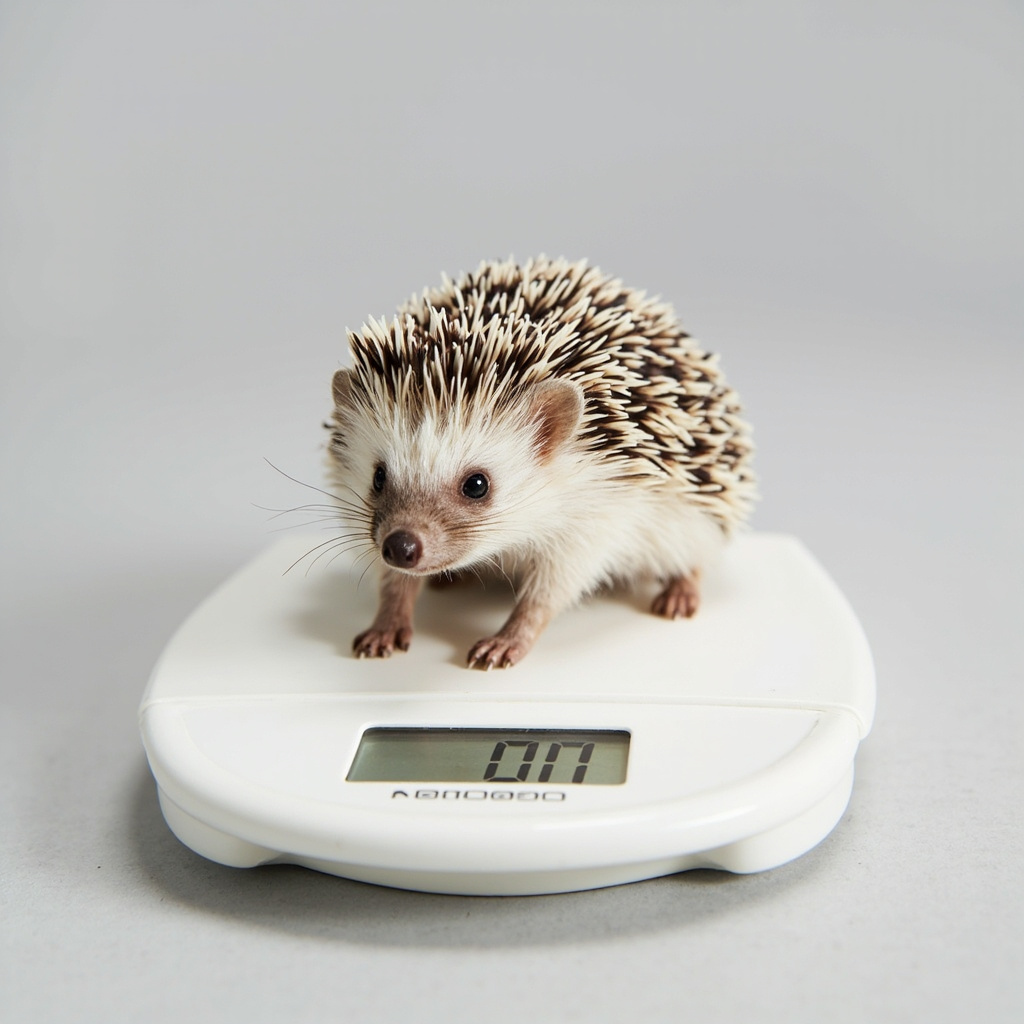
Regular weighing is the best way to track your hedgehog’s health and monitor changes in hedgehog size over time. A digital kitchen scale with gram precision is all you need — no specialized veterinary equipment required.
What You Need
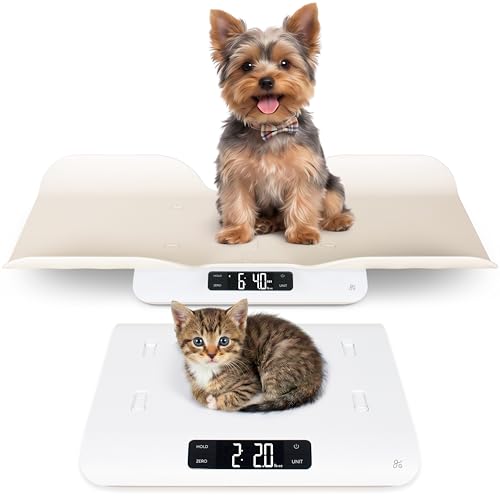
A small digital scale that reads in grams with 0.1g or 1g precision. The Greater Goods Digital Pet Scale is designed specifically for weighing small animals. It has a 44-pound capacity with 0.1 lb precision and features a platform that helps keep fidgety pets still during weighing. It also has a hold function that locks the reading after the animal stops moving. The main drawback is the relatively large platform size for a small hedgehog — a compact kitchen scale works fine for hedgehogs under 600g if you already own one.
Step-by-Step: How to Weigh Your Hedgehog
Consistent weighing is the foundation of tracking hedgehog size over time. Here is how to do it properly.
Step 1: Prepare the scale. Place the scale on a flat, stable surface. Tare (zero) the scale with a small container on it — a shallow bowl or a small box works well. The container should be big enough to hold the hedgehog but not so big that the hedgehog can jump out.
Step 2: Place your hedgehog on the scale. Gently pick up your hedgehog and place them in the container. If your hedgehog is calm, you can place them directly on the scale platform. Keep your hands nearby to prevent them from jumping or falling.
Step 3: Wait for a stable reading. The scale will fluctuate as the hedgehog moves. Wait until the number stabilizes, or use the hold function if your scale has one. Most digital scales lock the reading after 3–5 seconds of relative stillness.
Step 4: Record the weight. Write down the weight with the date. Weighing at the same time of day (before feeding, in the evening when hedgehogs are naturally active) gives the most consistent results.
Step 5: Return your hedgehog to their enclosure. Offer a treat after weighing as positive reinforcement. With repetition, most hedgehogs learn to tolerate brief weighing sessions.
How Often to Weigh
Weekly weighing is the recommended schedule for healthy adult hedgehogs. This frequency catches gradual weight gain or loss before it becomes a health crisis. Baby hedgehogs under 6 months should be weighed every 3–5 days during their rapid growth phase.
Keep a simple log — a notebook, spreadsheet, or phone note — with the date and weight. After 8–12 weeks of data, you will see your hedgehog’s normal range and be able to spot unusual changes immediately.
Hedgehog Size vs Other Small Pets
Understanding how hedgehog size compares to other common small pets helps potential owners decide whether a hedgehog is the right fit for their space and lifestyle. The hedgehog size range places them in a unique category among small pets.
| Pet | Average Weight | Body Length | Space Needed | Exercise Style |
|---|---|---|---|---|
| African Pygmy Hedgehog | 300–600g (10–21 oz) | 5–8 inches | 4–8 sq ft cage | Nighttime wheel running |
| Syrian Hamster | 140–200g (5–7 oz) | 6–7 inches | 2–3 sq ft cage | Nighttime wheel running |
| Dwarf Hamster | 28–57g (1–2 oz) | 3–4 inches | 1–2 sq ft cage | Nighttime wheel running |
| Guinea Pig | 700–1200g (1.5–2.5 lbs) | 8–12 inches | 7.5+ sq ft cage | Daytime floor activity |
| Leopard Gecko | 45–70g (1.6–2.5 oz) | 7–10 inches | 2–3 sq ft terrarium | Climbing, short bursts |
| Mouse | 20–40g (0.7–1.4 oz) | 2–3 inches | 1–2 sq ft cage | Nighttime wheel + climbing |
The hedgehog occupies a unique position in the small pet spectrum — heavier than hamsters and dwarf hamsters but lighter than guinea pigs. When it comes to hedgehog size versus other small pets, hedgehogs fall right in the middle of the weight range. Unlike guinea pigs, hedgehogs are solitary animals that do not need a companion. Unlike hamsters, they are nocturnal and considerably less likely to bite. For a more detailed comparison between hedgehogs and other species, see our hedgehog types guide.
One important consideration: hedgehog size means they need different handling techniques than smaller pets. Their hedgehog size and weight make them substantial enough to feel secure in your hands. You cannot safely scruff a hedgehog like a hamster — the quills make this impractical. Instead, hedgehogs are scooped up from underneath using both hands to support the body. Their weight (300–600g) is substantial enough to feel like holding a small grapefruit, which surprises many first-time owners who expect something lighter.
Size-Appropriate Housing
Hedgehog size determines minimum housing requirements. Because a typical hedgehog size is 300–600g, they need more space than their compact body might suggest. An animal that weighs 300–600g and is adapted to traveling 1–2 miles per night in the wild needs significantly more space than a cage that merely fits the animal’s body.
Minimum Cage Dimensions
- Absolute minimum: 4 square feet of unbroken floor space (a 2x2 foot area). This is the floor, not counting multi-level platforms — hedgehogs are poor climbers and do not use vertical space effectively.
- Recommended: 8 or more square feet. A 4x2 foot enclosure provides room for a wheel, food and water dishes, a hiding place, and open running space. A hedgehog in an 8+ square foot enclosure is noticeably more active and less prone to obesity than one in a minimal cage, because they have room to pace, explore, and engage in natural foraging behavior.
- Floor space matters more than height. Tall cages are wasted on hedgehogs. A wide, low enclosure is always better than a tall, narrow one. Playpens like the SONGMICS 20 Panels Pet Playpen at 56.3 by 28.7 inches provide roughly 11 square feet of floor space — well above the recommended minimum. It ships with a waterproof floor mat included.
Why Wheel Size Is a Size Requirement
The exercise wheel must be minimum 12 inches in diameter for an adult hedgehog. This is not optional — proper hedgehog size and spinal health depend on it. A wheel smaller than 12 inches forces the hedgehog to arch its back while running, which causes spinal problems over time and discourages the exercise that prevents obesity. The Exotic Nutrition Silent Runner 12” Wide is a widely recommended option — it uses an axle-free design that eliminates the center spindle, which reduces the risk of injury to nails and quills.
Baby hedgehogs under 200g can use a 10-inch wheel temporarily, but upgrade to 12 inches by the time they reach 250g.
Temperature Considerations
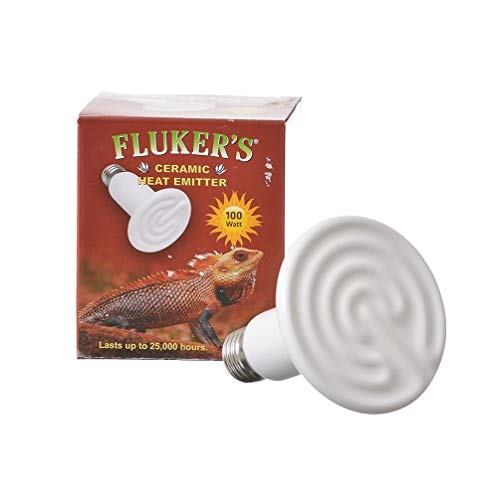
Hedgehogs require ambient temperatures between 72–80°F. If the room drops below 68°F, hedgehogs attempt hibernation, which is dangerous for African pygmy hedgehogs — they do not hibernate naturally and hibernation attempts can be fatal. A hedgehog that attempts hibernation will become cold to the touch, slow to respond, and may appear wobbly. This is an emergency requiring gradual warming and veterinary attention. Proper heating is essential regardless of cage size. Temperature regulation has indirect effects on hedgehog size — hibernation attempts cause dangerous weight loss. For heating setup guidance, see our best hedgehog heat lamp guide. The Fluker’s 100W Ceramic Heat Emitter provides consistent radiant heat without producing visible light that disturbs the hedgehog’s sleep cycle.
Frequently Asked Questions
How big is a full grown hedgehog?
A full grown African pygmy hedgehog measures 5 to 8 inches in body length and weighs 300 to 600 grams (10–21 ounces). This is the standard hedgehog size for adults of this species. Males are typically slightly larger than females by 50–100g. They reach full adult size between 6 and 12 months of age, depending on individual growth rate and diet quality.
How much does a hedgehog weigh?
A healthy adult African pygmy hedgehog weighs 300–600 grams. Weights below 250g in adults are considered underweight and may indicate illness, parasites, or malnutrition. Weights above 700g are considered obese and require dietary adjustment and increased exercise. For more on dietary management and maintaining a healthy hedgehog size, see our hedgehog diet guide.
Can you tell a hedgehog’s age by its size?
Not reliably. Once a hedgehog reaches adult weight at 6–12 months, hedgehog size is not a useful age indicator. A well-fed 2-year-old and a 5-year-old may be indistinguishable by weight and length. Weight fluctuates with diet, exercise, and season. If you need to estimate your hedgehog’s age, other factors like quill condition, activity level, and dental health are more informative.
Do male and female hedgehogs differ in size?
Yes, but the difference in hedgehog size between males and females is modest. Adult males typically weigh 50–100g more than females of the same age and are slightly longer in body length. Males also tend to have a slightly broader face. The size difference becomes apparent after 4–6 months of age and is consistent throughout adulthood.
What size wheel does a hedgehog need?
A minimum of 12 inches in diameter for an adult hedgehog. Wheels smaller than 12 inches cause the hedgehog to arch its back unnaturally while running, leading to long-term spinal problems. The wheel running surface should be solid or textured — not wire bars, which can catch toes and nails. Most hedgehogs run 1–5 miles per night on their wheel, so durability and noise level matter for both the hedgehog and the owner. For detailed wheel reviews and comparisons, see our best hedgehog wheel guide.
How fast do baby hedgehogs grow?
Baby hedgehogs grow rapidly in the first two months, gaining 10–20 grams per week under normal conditions. By tracking weekly weight, you can chart your hedgehog’s size progression and confirm they are developing at a healthy rate. They typically double their birth weight within the first 10 days. Growth slows after 3 months, and most hedgehogs reach their full adult weight of 300–600g by 6–12 months of age.