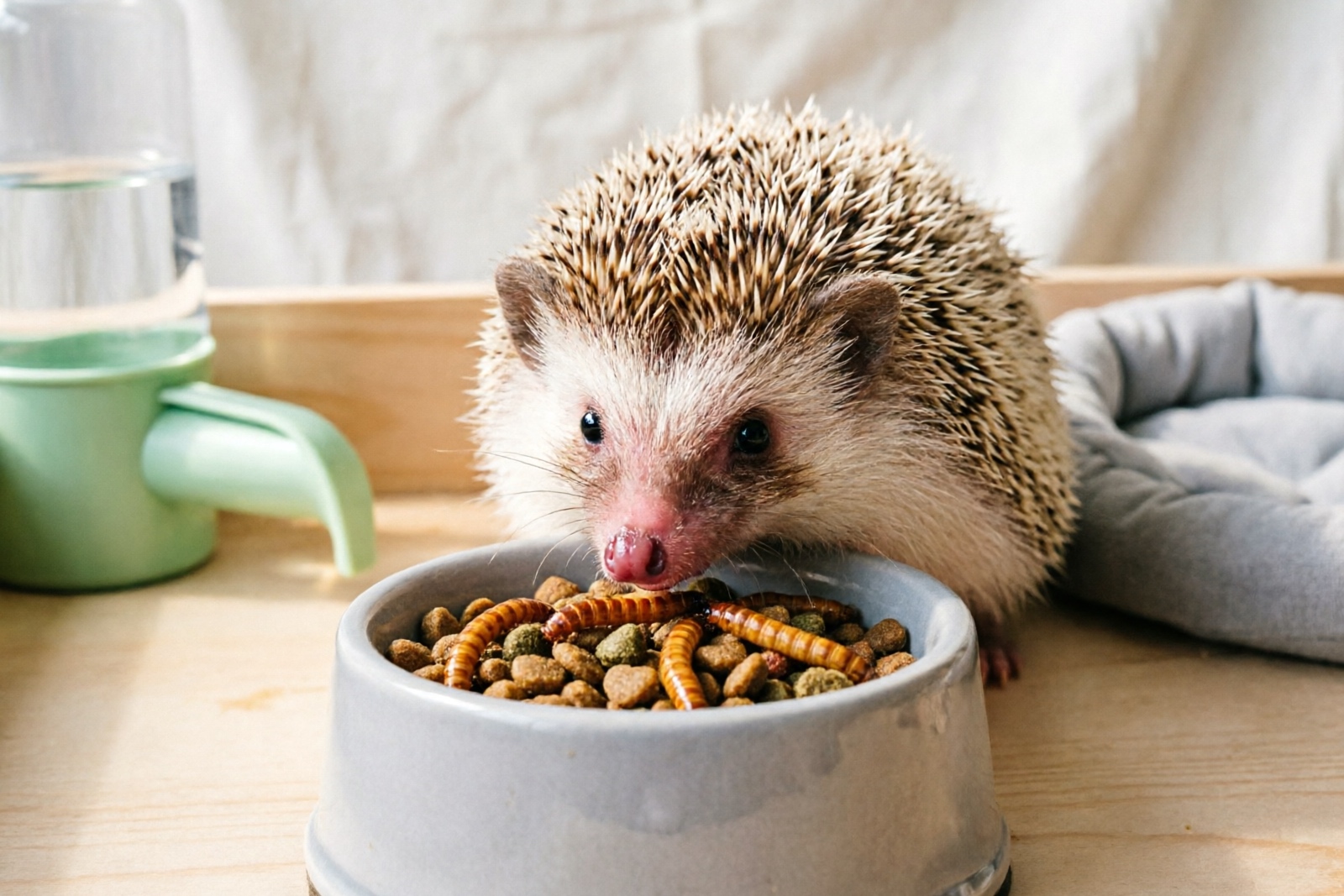
Finding the right food for your hedgehog is more confusing than it should be. Walk into any pet store and you’ll find aisles of dog and cat food, but probably zero hedgehog-specific options. This reality — that dedicated hedgehog food is rare, expensive, and often hard to find — is something most guides don’t mention upfront.
The practical solution that most experienced hedgehog owners have settled on is high-quality cat food. It provides the right nutritional profile, it’s widely available, and it costs a fraction of specialty formulas. But choosing the right cat food matters, and there are real differences between products.
This guide covers both commercial hedgehog foods and the cat foods that experienced owners actually use. You’ll learn what nutrients your hedgehog needs, which products I’d trust, and how to build a balanced diet. For detailed nutritional foundations, see our hedgehog diet guide.
Why Most Hedgehog Owners Use Cat Food
The hedgehog food vs cat food debate comes down to market realities. Commercial hedgehog foods exist, but they’re limited in selection and often priced significantly higher than comparable cat foods. Most hedgehog owners I’ve spoken with started on a commercial hedgehog food and switched to cat food within a few months once they realized the nutritional profiles were similar and the cost difference was substantial.
Nutritional Requirements for Pet Hedgehogs
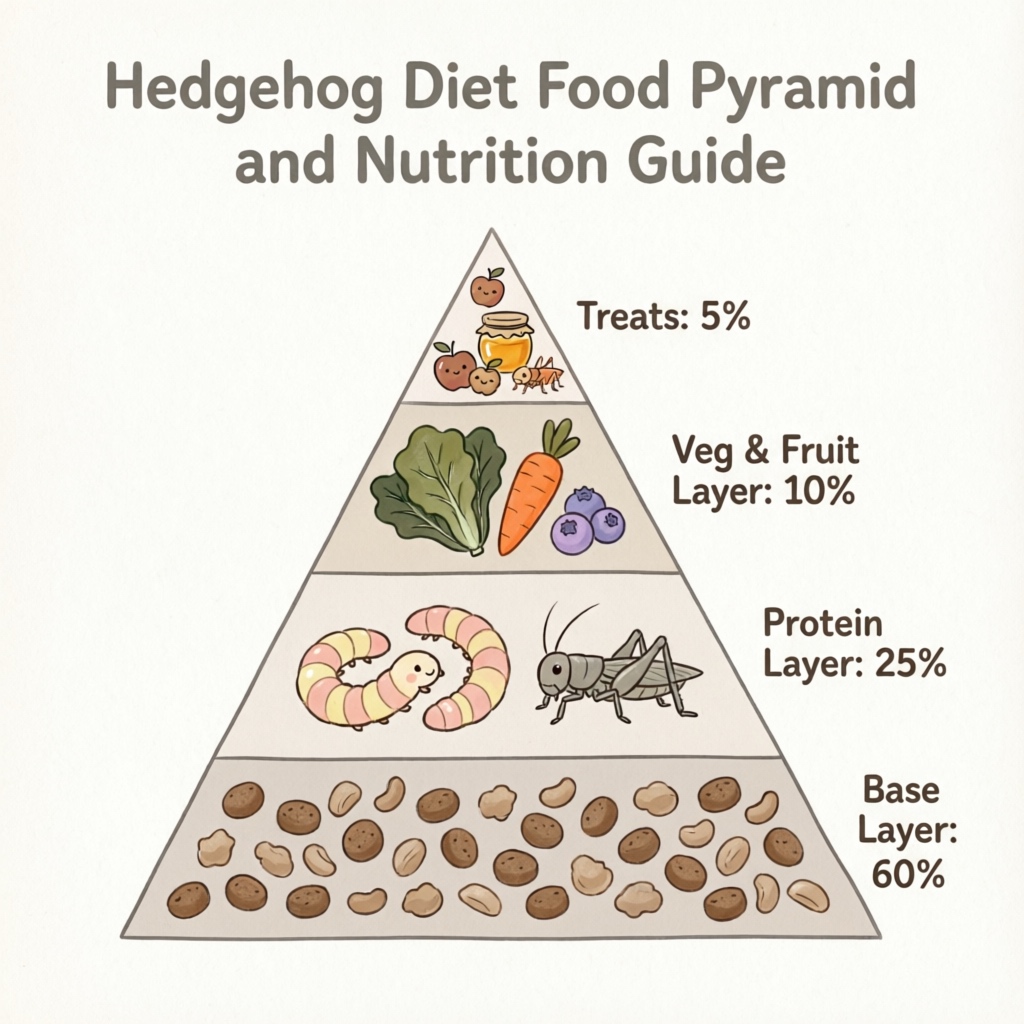 Hedgehogs are insectivores by nature. In the wild, their diet consists primarily of insects, supplemented by small amounts of vegetation, eggs, and occasionally small vertebrates. Replicating this in captivity means paying attention to specific nutritional targets:
- Protein: 30-35% minimum for muscle development and energy. Wild hedgehogs get high-quality protein from insects, and this needs to be replicated in captivity.
- Fat: 10-15% ideal range. Hedgehogs are notoriously prone to obesity, which leads to fatty liver disease and other serious health problems. Lower fat content helps maintain healthy weight.
- Fiber: 5-10% for digestive health. This isn’t a primary concern in the wild but benefits captive hedgehogs.
- Calcium-Phosphorus Ratio: Approximately 1.2:1 for bone health. An improper ratio can lead to metabolic bone disease over time.
For detailed nutritional guidelines, see our hedgehog diet guide.
When Commercial Hedgehog Food Makes Sense
Despite the practicality of cat food, there are situations where I’d recommend a commercial hedgehog-specific product:
- Picky eaters — Some hedgehogs refuse cat food entirely and need species-specific formulas
- Health conditions — Medical issues may require specialized nutrition
- Breeding females — Pregnant or nursing hedgehogs benefit from enhanced nutritional profiles
- Owner preference — Some people simply prefer knowing their pet’s food was designed for their species
Reading Cat Food Labels for Hedgehogs
When you’re evaluating a cat food for hedgehog suitability, the ingredient list tells you more than the marketing on the front of the bag. Here’s what I look for, in order of importance:
First ingredient must be a named meat. “Chicken,” “turkey,” or “salmon” — not “meat meal,” “animal by-product,” or “poultry.” The first ingredient makes up the largest portion of the food, and it should be a specific, identifiable protein source.
Protein percentage should be 30-35%. Higher isn’t always better — excess protein can strain the kidneys over time, especially in older hedgehogs. Some premium cat foods push 40%+ protein, which is fine for cats but unnecessary for hedgehogs and may cause issues long-term.
Fat percentage should stay between 10-15%. This is the range I’d aim for. Many cat foods contain 15-20% fat because cats are obligate carnivores with different metabolic needs. Hedgehogs store fat easily, and obesity is one of the most common health problems I see in pet hedgehogs. A fat content above 15% means you’ll need to monitor your hedgehog’s weight closely and likely reduce portion sizes.
Avoid these ingredients: corn, wheat, and soy as primary fillers; artificial colors (Red 40, Yellow 5, Blue 2 — these serve no nutritional purpose); BHA, BHT, and ethoxyquin as preservatives; and any added sugars. None of these benefit hedgehogs, and some may cause harm over time.
For health-related feeding considerations, consult our hedgehog health guide.
Commercial Hedgehog Foods
These are the dedicated hedgehog options worth knowing about. The selection is small, but each has its place.
Sunseed Vita Prima Wigglers & Berries
Sunseed Vita Prima Wigglers & Berries Hedgehog Treat
This is a high-protein insect formula with berries, specifically formulated for hedgehogs. It’s one of the few hedgehog-specific products available on Amazon, and the suggests good acceptance among hedgehogs. The protein comes from real insects, which matches what hedgehogs eat in the wild.
I’d be upfront about what this product is: it’s labeled as a treat, not a complete diet. Use it as a supplement alongside a quality main food — not as the sole food source. At $29.99 for the package size, it’s not cheap either. But if your hedgehog is a picky eater or you want to add species-specific nutrition to the mix, this is a solid choice.
Mazuri Hedgehog Diet
Mazuri is known for professional-grade exotic animal nutrition — their formulas are used by zoos and exotic animal facilities worldwide. Their hedgehog diet is a complete nutrition formula that doesn’t require supplementation, which takes the guesswork out of feeding.
The catch is availability: you won’t find Mazuri hedgehog food on Amazon. It’s sold directly through the Mazuri website, with shipping that typically costs $5-10 and takes several days. If budget allows and you want the assurance of a professionally formulated, species-specific diet, I’d consider this the gold standard for commercial hedgehog food. For most owners, though, the convenience and value of quality cat food wins out.
Best Cat Foods for Hedgehogs
This is where most experienced hedgehog owners focus their attention, and for good reason. High-quality cat foods offer the right nutritional profile, wide availability, and proven track records. The key is knowing what to look for on the label: protein above 30%, fat between 10-15%, real meat as the first ingredient, and no artificial colors or excessive fillers.
Tiki Cat Born Carnivore — Best Overall Cat Food for Hedgehogs
This is the cat food I’d recommend first to most hedgehog owners. A perfect is rare on Amazon, especially for pet food, and it reflects consistent quality. The formula is grain-free, high-protein, and uses a baked kibble process that preserves nutrients better than standard extrusion methods used by most brands.
The fish-based protein is worth noting — some hedgehog owners prefer chicken or poultry as the primary protein source. Moderate fish content is fine for hedgehogs and provides beneficial omega fatty acids, but if your hedgehog has a history of urinary issues, I’d discuss fish-based foods with your vet. At $43.69, it’s a premium option, but the quality justifies the price for a pet that depends on this food daily.
Blue Buffalo Wilderness High-Protein
Blue Buffalo Wilderness High-Protein
Blue Buffalo is one of the most recognized names in premium pet food, and their Wilderness line delivers high protein with grain-free formulation. The LifeSource Bits — their proprietary blend of antioxidants, vitamins, and minerals — add nutritional value beyond what most cat foods offer.
At $64.99, this is the most expensive option in this guide. The is decent but not exceptional, and some owners have reported batch-to-batch consistency issues with Blue Buffalo products. I’d recommend this if brand trust matters to you and you’re willing to pay a premium for it, but Tiki Cat Born Carnivore offers comparable nutrition at a lower price with a better rating.
Fancy Feast Poultry and Beef Feast — Best Budget Wet Food
Fancy Feast Poultry and Beef Feast
Wet food serves an important role in a hedgehog’s diet: hydration. Hedgehogs don’t always drink enough water on their own, and wet food helps maintain proper kidney function and overall health. Fancy Feast is the wet food I see recommended most often by experienced hedgehog owners, and for good reason — it’s affordable, widely available, comes in a wide variety of flavors, and hedgehogs consistently accept it.
The variety is actually a feature worth emphasizing. Rotating between different protein sources (chicken, turkey, beef) prevents your hedgehog from developing a strong preference for one flavor and refusing everything else. Some Fancy Feast varieties contain fish — I’d avoid those as the primary offering, since hedgehogs don’t need fish in their diet and some individuals are sensitive to it.
Insect Treats: Essential Protein Supplements
Insects form the backbone of a hedgehog’s natural diet, and even with quality cat food as the main diet, I’d recommend supplementing with insect treats 2-3 times per week. This provides the protein enrichment that processed kibble can’t fully replicate.
Dried Black Soldier Fly Larvae — Best Value
Dried Black Soldier Fly Larvae, 5 lbs ($20.35 for 5 lbs, )
Black soldier fly larvae are one of the best insect treats you can offer a hedgehog. They’re naturally high in protein and calcium — the calcium content supports bone health, which is especially important for growing and aging hedgehogs. The at this price point is impressive.
The 5-pound bulk package is substantial and will last months with proper storage. The main downside is the odor — dried fly larvae smell stronger than dried mealworms. Keep them in a sealed container in a cool, dry place. This product is marketed for poultry but is perfectly safe and nutritionally appropriate for hedgehogs.
Other Insect Options
Beyond black soldier fly larvae, dried mealworms are the most common insect treat offered to hedgehogs. They’re widely available, affordable, and hedgehogs almost universally accept them. Kaytee and Zilla both sell dried mealworms that work well. I’d suggest offering a mix of insect types — mealworms for familiarity and acceptance, and black soldier fly larvae for their superior calcium content.
Live insects provide better enrichment because hedgehogs can hunt them, triggering natural foraging behaviors. Crickets, dubia roaches, and mealworms are all available live from pet stores and online reptile supply shops. If you go the live insect route, source them from reputable suppliers — avoid wild-caught insects, which may carry parasites or pesticides.
Feeding Guidelines for Insects
- Frequency: 2-3 times per week as a supplement, not the main diet
- Quantity: 3-5 insects per feeding session
- Form: Dried insects are convenient and safe; live insects provide enrichment but require more care in sourcing and storage
- Monitoring: Watch for digestive upset when introducing new insect types, and always provide fresh water alongside dried insects since they have very low moisture content
Nutritional Comparison
Making an informed choice requires understanding the trade-offs between food types:
| Food Type | Protein | Fat | Price/lb | Availability | Notes |
|---|---|---|---|---|---|
| Commercial hedgehog food | 30-35% | 12-15% | $15-30 | Low (specialty) | Species-specific, hard to find |
| High-quality dry cat food | 35-45% | 10-18% | $3-8 | High (Amazon) | Best overall value |
| High-quality wet cat food | 40-50% | 15-25% | $5-12 | High (Amazon) | Essential for hydration |
| Insect treats | 50-60% | 15-20% | $4-10 | High (Amazon) | Supplement only |
My recommendation for new owners: Start with Tiki Cat Born Carnivore as the primary dry food, add Fancy Feast wet food a few times per week for hydration, and offer dried black soldier fly larvae 2-3 times weekly. This combination covers all the nutritional bases without spending a fortune.
For owners who want a simpler approach, using just Tiki Cat Born Carnivore with occasional insect supplementation is perfectly adequate. Not every hedgehog needs wet food — some drink plenty of water on their own. The key is monitoring your hedgehog’s health and adjusting based on what you observe. If your hedgehog maintains a healthy weight, has normal stool, and is active and alert, your current diet is working.
Foods to Avoid Completely
Beyond choosing the right foods, knowing what to avoid is equally important. Some common foods that hedgehog owners mistakenly offer include:
- Nuts and seeds — Hedgehogs can’t digest them properly, and they pose a serious choking hazard. This includes sunflower seeds, peanuts, and almonds.
- Raw eggs — Carry salmonella risk. Cooked egg (scrambled or boiled) is fine in very small amounts as an occasional treat.
- Dog food — Too much fat, not enough protein. Dog food is formulated for a completely different metabolic profile.
- Bread, crackers, and cereals — Empty carbohydrates that fill your hedgehog up without providing meaningful nutrition.
- Human food scraps — Seasoned, salted, or processed foods contain ingredients that can harm small animals.
Where to Buy
Your purchasing options depend on which type of food you choose:
Amazon — Best for cat foods, insect treats, and Sunseed hedgehog treats. Wide selection, competitive prices, and fast shipping. The review system helps you evaluate products before buying.
Manufacturer websites — Mazuri sells directly through their site. Hedgehogs and Friends offers specialty hedgehog food. Expect $5-10 shipping and longer delivery times.
Local pet stores — Useful for emergency purchases and wet cat food, but limited hedgehog-specific selection and higher prices.
Feeding Schedule and Transition Tips
How you feed your hedgehog matters almost as much as what you feed them. Here’s a practical approach based on what I’ve seen work well for most hedgehogs.
Daily Feeding Routine
Hedgehogs are nocturnal, so their appetite peaks in the evening. I’d recommend putting fresh food out in the early evening and removing any uneaten portions the next morning. Wet food spoils quickly at room temperature — don’t leave it out for more than 8-12 hours.
A typical daily breakdown looks like this:
- 1-2 tablespoons of dry kibble — Available overnight as the staple food
- 1-2 tablespoons of wet food — Offered 3-4 times per week for hydration
- 3-5 insect treats — Offered 2-3 times per week as protein supplementation
- Fresh water — Changed daily, always available in a heavy bowl that can’t be tipped over
Transitioning to a New Food
If you’re switching your hedgehog’s food — whether from one brand to another, or from commercial hedgehog food to cat food — do it gradually over 7-10 days. Sudden dietary changes cause digestive upset, particularly diarrhea, which can be dangerous in small animals.
Transition schedule:
- Days 1-3: 75% old food, 25% new food
- Days 4-6: 50% old food, 50% new food
- Days 7-9: 25% old food, 75% new food
- Day 10+: 100% new food
Monitor your hedgehog’s stool throughout the transition. If diarrhea persists beyond 2-3 days at any stage, slow down the transition and hold at the current ratio for a few more days.
Weight Monitoring
Obesity is the most common nutritional problem in pet hedgehogs. A healthy adult hedgehog typically weighs 300-600 grams, depending on age, sex, and body structure. Weigh your hedgehog weekly using a kitchen scale — a 5-10% weight change over a month is worth discussing with your vet.
The simplest visual check: can your hedgehog curl into a complete ball? If it can’t close the gap, or if you can see fat rolls when it’s walking, it’s likely overweight. An underweight hedgehog will have a visible spine and hip bones. Both conditions warrant a vet visit to rule out underlying health issues. Poor diet can also contribute to stress-related quill loss, so monitoring weight and coat condition go hand in hand.
FAQ: Common Questions About Hedgehog Food
What is the best food for hedgehogs?
A combination of high-quality cat food (30%+ protein, 10-15% fat) as the main diet, supplemented with wet food for hydration and insect treats 2-3 times weekly. Tiki Cat Born Carnivore is the best hedgehog food I’d recommend for dry nutrition. Commercial options like Mazuri work well if you prefer species-specific formulations.
Is Mazuri hedgehog food good?
Yes. Mazuri is professionally formulated by exotic animal nutritionists and used by zoos worldwide. It’s a complete diet that doesn’t require supplementation. The main drawbacks are availability (only through their website, not Amazon) and cost. For owners who want guaranteed species-appropriate nutrition and don’t mind ordering direct, it’s worth considering.
Can hedgehogs eat cat food?
Yes — and most pet hedgehog owners do. Choose cat foods with 30-35% protein, 10-15% fat, and real meat as the first ingredient. Avoid foods with excessive fish content, artificial colors, or high carbohydrate fillers. Cat food provides the nutritional profile hedgehogs need at a fraction of the cost of specialty foods.
What foods are bad for hedgehogs?
Never feed hedgehogs: chocolate, onions, garlic, grapes, raisins, avocado, citrus fruits, raw meat, dairy products, or any food with artificial sweeteners (especially xylitol, which is toxic). Also avoid foods high in sugar, salt, or artificial preservatives.
Some foods that seem harmless can actually cause problems. Nuts and seeds are a common mistake — hedgehogs can’t digest them properly, and they pose a choking hazard. Raw eggs carry salmonella risk. Bread and crackers are empty calories that fill your hedgehog up without providing nutrition. Dog food has too much fat and not enough protein for hedgehogs. For a complete list of dangerous foods, see our hedgehog diet guide.
How much should I feed my hedgehog?
Adult hedgehogs typically eat 1-2 tablespoons of dry food daily, supplemented with small amounts of wet food and insects. Monitor your hedgehog’s weight and adjust portions accordingly. Obesity is a common problem — hedgehogs should be able to curl into a ball without difficulty. If your hedgehog can’t roll completely into a ball, it’s likely overweight.
For complete care guidance beyond nutrition, see our hedgehog care guide.
How often should I change my hedgehog’s food?
There’s no need to rotate brands frequently if your hedgehog is healthy and eating well on its current diet. Some owners rotate between 2-3 approved cat foods every few months to provide nutritional variety and prevent flavor boredom, but this is optional. The most important thing is consistency — stick with foods you know meet the nutritional requirements, and only change when necessary.
If you notice your hedgehog losing interest in its food, try mixing in a small amount of wet food or insect treats to stimulate appetite before switching brands entirely. A temporary appetite drop can indicate health problems rather than food boredom, so if your hedgehog stops eating for more than 24 hours, contact your vet.
This guide represents current best practices in hedgehog nutrition based on veterinary guidance, exotic animal research, and verified owner experiences. Always consult with an exotic pet veterinarian for specific dietary concerns.