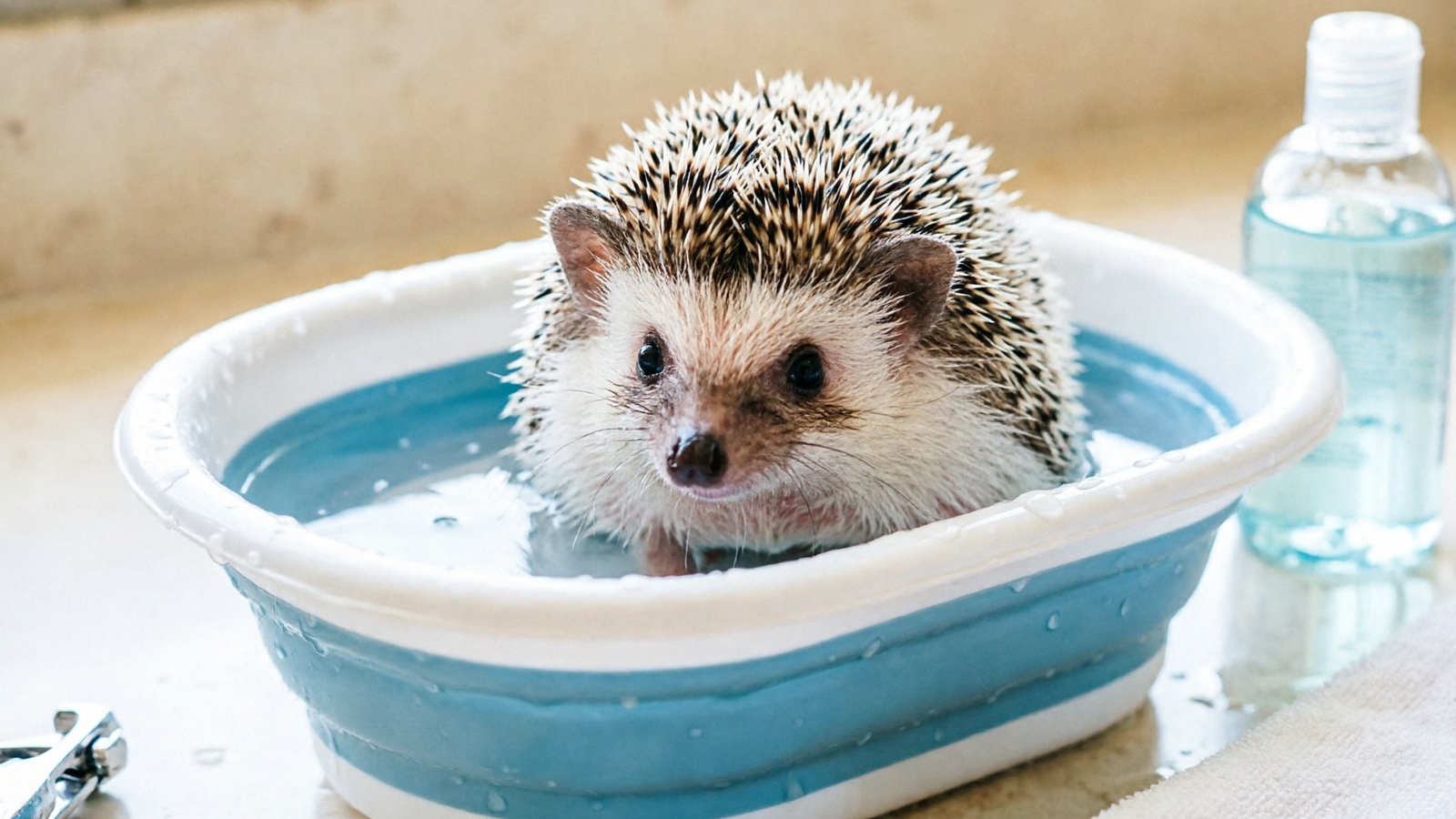
Washing your hedgehog is straightforward once you understand their specific needs. When you’re learning how to bathe a hedgehog, the key is patience — most hedgehogs tolerate it well once they get used to the routine. Unlike dogs or cats, hedgehogs produce natural skin oils that protect them from dryness and irritation. Over-washing strips these oils and causes more problems than it solves. But when done correctly and at the right frequency, an occasional wash keeps their skin healthy, reduces musky odor, and gives you a chance to check for health issues like mites or dry patches.
African pygmy hedgehogs (Atelerix albiventris) are the most commonly kept hedgehog species in the pet trade. Native to Central and East Africa, they are small insectivores weighing 300-600 grams as adults. Their skin is thinner and more sensitive than that of dogs or cats, which is why knowing how to bathe a hedgehog properly — from water temperature to soap choice — matters so much.
When to Clean Your Hedgehog
Most hedgehogs need washing every 2-4 weeks. The exact interval depends on your hedgehog’s activity level, bedding type, and individual skin chemistry. Hedgehogs on loose bedding like paper or wood pulp tend to stay cleaner longer than those on fabric liners, which can trap debris against their skin.
Signs your hedgehog needs washing sooner include visible dirt or bedding stuck to their belly and legs, a strong or unusual musky odor that persists after spot cleaning, flaky or dry-looking skin patches, or yellowish residue around their feet. If you notice persistent odor or skin issues despite regular cleaning, the underlying cause is likely environmental rather than hygiene-related. Check their cage setup — a soiled wheel, damp bedding, or waste buildup under the water bottle can all cause odor that no amount of washing will fix.
Avoid the common mistake of increasing wash frequency to control odor. This creates a cycle where more washing leads to drier skin, which produces more oil to compensate, which causes more odor. Instead, address the root cause by reviewing cage hygiene and bedding choices.
What You Need
Kaytee CritterTrail Off To School is a quality option worth considering for your setup.
Gather everything before you start. Hedgehogs get stressed when left unattended in water, so having all supplies within arm’s reach makes the process smoother for both of you.
- Sink or small plastic basin — a kitchen sink works well for adults. The basin should be shallow enough that your hedgehog can stand with water barely covering their legs.
- Lukewarm water — 98-100°F (37-38°C). Always test on your inner wrist before placing your hedgehog in. The water should feel neutral, not warm.
- Safe soap — unscented baby shampoo is the most accessible option. Aveeno oatmeal body wash works well for hedgehogs with sensitive or dry skin. If you prefer a pet-specific product, Kaytee Squeaky Clean is formulated for small animals. Never use dish soap, regular human shampoo, or anything with added fragrance or essential oils.
- Soft-bristled toothbrush — for gently scrubbing quills and cleaning between toes. Use a child’s toothbrush with very soft bristles, not a firm adult one.
- 2-3 clean towels — one for the initial wrap and pat-down, another for the second pass. Use freshly laundered towels without fabric softener residue.
- Hairdryer — set to the lowest heat and lowest fan speed. You will hold it at least 12 inches away throughout the drying process. If your hedgehog is noise-sensitive, consider acclimating them to the hairdryer sound before the actual wash by running it briefly in the same room during non-bath times.
Step-by-Step Cleaning Process
Many owners find that Sunseed Wigglers & Berries works well for their pet’s needs.
1. Prepare the Water
Fill your sink or basin with 1-2 inches of lukewarm water. The depth matters — too deep and your hedgehog will panic, too shallow and you won’t be able to effectively clean their underside. The water should reach just above their ankles when standing.
Test the temperature carefully. Run water over your inner wrist for several seconds. It should feel barely warm, almost neutral. Err on the side of too cool rather than too hot. Cold water is an inconvenience; hot water can cause real burns on thin-skinned areas like the belly.
Close any nearby windows or doors to eliminate drafts. Wet hedgehogs lose body heat rapidly, and a cold draft during washing can be dangerous. Aim for a room temperature of at least 72°F (22°C).
2. Gently Lower Your Hedgehog In
Place your hedgehog into the water feet first, supporting their body with one hand underneath their belly. Most hedgehogs will ball up initially — this is a natural defense reflex, not a sign of distress. Speak in a calm, quiet voice and keep your movements slow and deliberate.
Within 30 seconds to a minute, most hedgehogs will uncurl once they realize the water isn’t a threat. Some hedgehogs tolerate washing well from the start, while others never fully relax. Adjust your approach to your hedgehog’s temperament. If your hedgehog remains tightly balled after two minutes and shows signs of extreme stress like rapid breathing or frantic splashing, remove them and try again another day.
3. Wash the Body
Using your cupped hand or a small plastic cup, gently pour water over your hedgehog’s back and sides. Avoid splashing water near their face. Apply a small amount of soap — about the size of a pea — to your hands and rub them together to create a lather before touching your hedgehog.
Work the lather over their back using gentle, circular motions with your fingertips. Pay attention to the areas where dirt tends to accumulate: along the quill line where it meets the fur of the belly, under the arms, and around the base of the tail. Use the soft toothbrush with very light pressure to work between the quills. Brush in the direction the quills naturally lay, never against the grain.
Do not get soap on the face, eyes, ears, or mouth. If the face area needs cleaning, use a damp cloth with no soap to gently wipe it.
4. Clean the Feet
Hedgehog feet accumulate a surprising amount of debris from their nightly running on bedding. Flip your hedgehog gently onto their back — support their head and shoulders with one hand while cleaning the feet with the other. If your hedgehog strongly resists being flipped, clean the feet while they stand in the water instead.
Focus on cleaning between each toe and under the nails. Bedding particles, litter, and dried waste can get packed into these areas. The toothbrush works well here for gentle but thorough cleaning. Check each foot individually — front feet tend to stay cleaner than back feet.
5. Rinse Thoroughly
This step is critical and often rushed. Drain all soapy water from the basin first. Then refill with clean lukewarm water at the same 98-100°F temperature. Using your cupped hand, pour fresh water over your hedgehog repeatedly until every trace of soap is gone.
Leftover soap residue is one of the most common causes of post-wash skin irritation. Take the time to rinse for at least two full minutes. Pay extra attention to the belly, armpits, and between the quill line. Rub your fingers through the quills while rinsing to make sure water reaches the skin underneath.
6. Dry Immediately
This is the most important step in the entire process. Wet hedgehogs lose body heat very quickly, and damp skin between quills creates an ideal environment for fungal and bacterial growth.
Wrap your hedgehog immediately in a warm towel. Hold them gently but firmly — most hedgehogs will try to shake off excess water. Pat and blot dry, never rub vigorously. Rubbing irritates the skin and can break quills.
Once the initial towel pass has absorbed most of the surface water, switch to the hairdryer. Set it to the lowest heat and lowest fan speed. Hold it at least 12 inches away from your hedgehog and keep one hand between the dryer and their body at all times to monitor the air temperature. If the air feels warm on your hand, it’s too hot for your hedgehog.
Dry in sections, working from the back down to the belly. Use your fingers to lift quills so warm air reaches the skin underneath. The goal is not just dry quills — the skin between quills must be completely dry to the touch. This typically takes 10-15 minutes of focused drying.
Quick Alternative: Foot Soaks
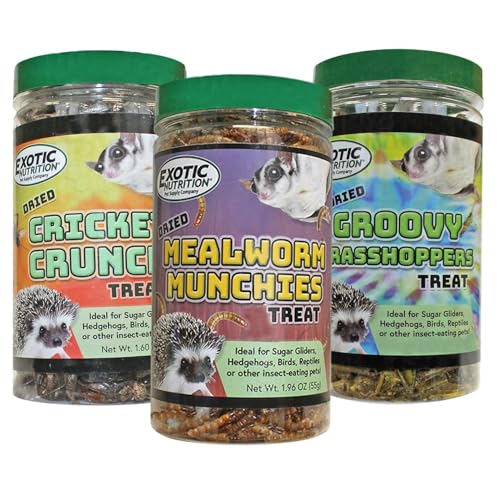
For this purpose, Exotic Nutrition Dried Insect 3 Pack is a popular choice among pet owners.
If your hedgehog just has dirty feet — which is common after active nights on loose bedding — a full wash isn’t necessary and adds unnecessary stress. A foot soak is faster, less stressful, and sufficient for routine maintenance.
Fill a shallow dish with half an inch of warm water. Place your hedgehog in the dish and let them stand for 2-3 minutes. Most hedgehogs tolerate this well since only their feet get wet. Use the soft toothbrush to gently scrub each foot, paying attention to between the toes and under the nails. Remove your hedgehog and dry their feet thoroughly with a towel.
For hedgehogs that get dirty feet frequently, consider switching to a different bedding type. Fleece liners are gentler on feet than wood pulp or paper bedding, though they require more frequent laundering.
What to Avoid
Understanding common mistakes prevents problems before they start.
- Over-cleaning — strips natural oils from the skin, leading to dryness, flaking, and increased oil production that actually makes odor worse. Stick to the 2-4 week interval unless there’s a specific medical reason.
- Water temperature extremes — hot water burns the thin skin on a hedgehog’s belly and legs. Cold water triggers a hibernation attempt in African pygmy hedgehogs, which is potentially fatal — their bodies aren’t designed for torpor, and attempting hibernation can cause organ failure and death.
- Getting water near the nose — risks aspiration. Hedgehogs have small nasal passages, and inhaling water can lead to respiratory infections. Keep water at or below chin level.
- Essential oils and scented products — irritate hedgehog skin and can be toxic. Tea tree oil, lavender, eucalyptus, and citrus are all harmful. Even products marketed as “natural” or “gentle” should be checked for these ingredients.
- Washing hedgehogs under 8 weeks old — is risky. Young hedgehogs haven’t developed sufficient skin resilience, their immune systems are immature, and they lose body heat much faster than adults. Use a damp cloth for spot cleaning instead.
Signs of Skin Problems
Regular washing gives you an opportunity to inspect your hedgehog’s skin health up close. African pygmy hedgehogs are prone to several common skin conditions, and early detection makes treatment much easier. If you notice any of the following during or after washing, schedule a visit with an exotic animal veterinarian rather than increasing wash frequency.
Normal hedgehog skin should be pink or slightly dark (matching their natural skin pigment) with no redness, flaking, or scabs. The quill line should be tight with no visible gaps or thinning. A healthy hedgehog will occasionally lose a few quills during washing, but losing clumps of quills is abnormal.
Excessive scratching that goes beyond normal grooming may indicate mites, fungal infection, or allergic reaction to bedding. Over-cleaning can also cause this by drying the skin, so consider your wash schedule before assuming parasites.
Bald patches or quill loss beyond normal seasonal shedding is the most visible sign of mite infestation. Mites are common in hedgehogs and require prescription medication to treat. Over-the-counter mite sprays are generally ineffective and can worsen skin irritation.
Red, irritated, or scabby skin may indicate fungal infection, bacterial infection, or contact dermatitis from bedding. Fungal infections are particularly common in hedgehogs kept in humid environments or those who aren’t dried thoroughly after washing.
Oily, yellowish scales at the base of quills suggest sebaceous gland issues. This can be a sign of mite damage to the skin or an underlying hormonal imbalance.
For more hedgehog care information, read our guides on why is my hedgehog hissing to understand common behaviors and what they mean, and if you’re considering one as a pet, our hedgehog types guide covers the different species, their temperaments, and their specific care requirements. For day-to-day care fundamentals including diet, housing, and handling tips, see our comprehensive hedgehog care sheet.