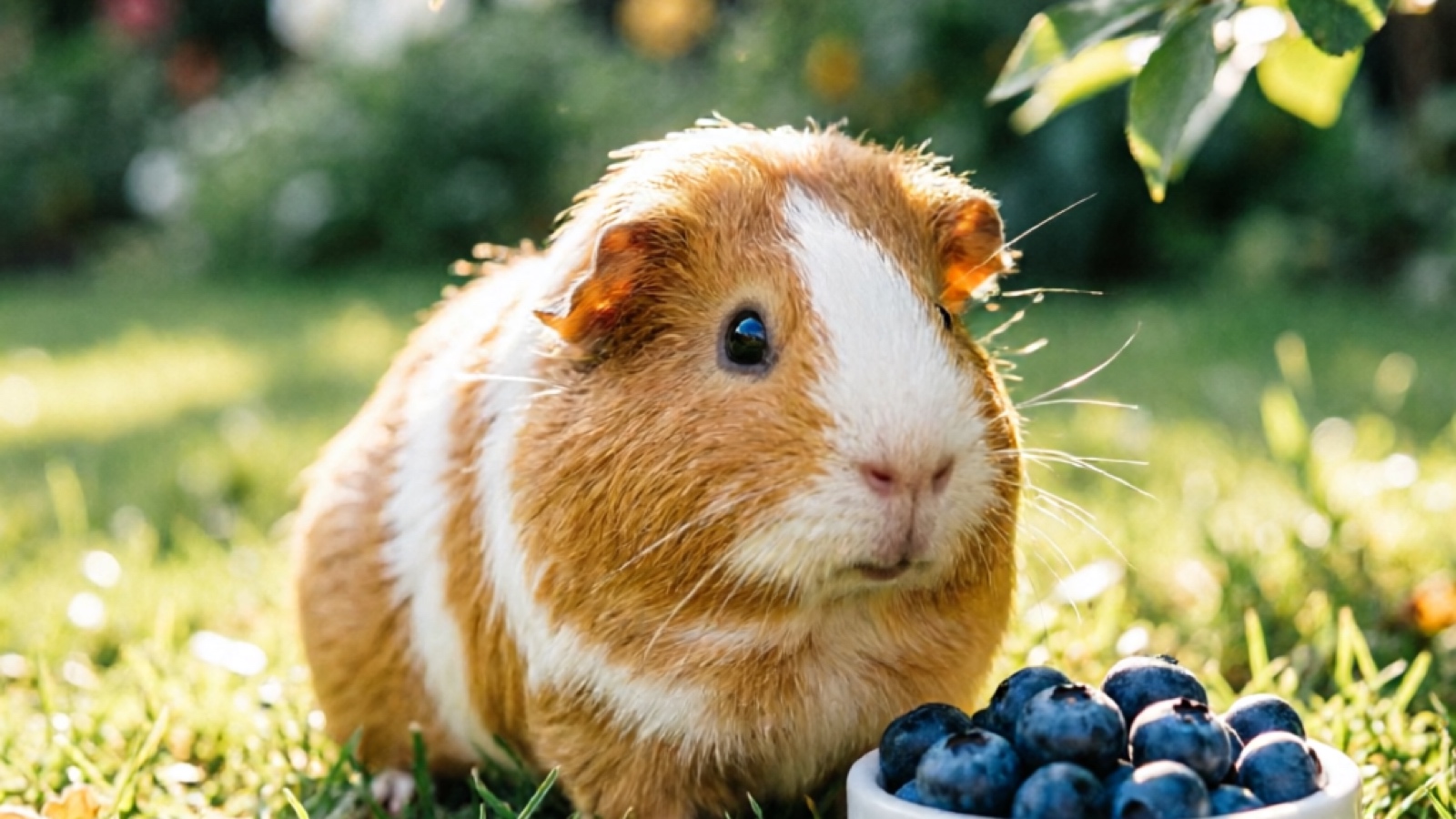
Quick Answer: Can Guinea Pigs Eat Blueberries?
Yes, guinea pigs can eat blueberries — but only in very small amounts as an occasional treat. Blueberries provide vitamin C, antioxidants, and fiber, making them a healthier fruit option than many alternatives. However, their sugar content (10g per 100g) means portions must be strictly limited.
💡 TL;DR: Adult guinea pigs: 1-2 blueberries per serving, 1-2 times per week. Baby guinea pigs under 6 months: no blueberries. Wash thoroughly, serve fresh at room temperature. Never feed dried blueberries or blueberries with added sugar.
I’ve offered blueberries to my guinea pigs for years, and they consistently rank among the most popular treats. The moment a blueberry hits the food bowl, my pigs usually rush over and devour it within seconds — faster than they eat strawberries or bell peppers. That enthusiasm is exactly why portion control matters. A guinea pig will happily eat far more blueberries than is healthy for them. For the complete dietary framework, see our guinea pig food guide and best guinea pig food recommendations.
Understanding Blueberries in a Guinea Pig’s Diet
Kaytee Potty Training Litter is a quality option worth considering for your setup.
Blueberries fall squarely into the “fruit treat” category for guinea pigs. Unlike vegetables that can be fed daily — such as bell peppers, which should be a daily staple due to their exceptional vitamin C content — fruits are higher in sugar and should be reserved as occasional rewards.
A guinea pig’s daily diet should consist of:
- 80-90% hay — essential for digestion and dental wear (see our best hay guide)
- 1/8 to 1/4 cup fortified pellets — provide balanced vitamins and minerals
- ~1 cup fresh vegetables — primarily vitamin C-rich options like bell peppers
- Small fruit treats — blueberries, strawberries, bananas, 1-2 times per week
Blueberries fit into that last category. They’re not a substitute for vegetables, pellets, or hay — they’re a small bonus that adds variety and enjoyment to your guinea pig’s diet.
The most critical nutritional fact for guinea pig owners: guinea pigs cannot synthesize vitamin C and need 30-50mg daily from their diet. Blueberries contribute 9.7mg per 100g, which is helpful but far from sufficient on its own. Our vitamin C guide covers the complete strategy for meeting this daily requirement.
Nutritional Facts: Raw Blueberries
Many owners find that Small Pet Select Premium Paper 178L works well for their pet’s needs.
Here’s what blueberries offer per 100g, based on USDA FoodData Central USDA FDC ID 09050 — “Blueberries, raw”:
| Nutrient (per 100g) | Amount | Why It Matters for Guinea Pigs |
|---|---|---|
| Energy | 57 kcal | Moderate calorie — portion control needed |
| Protein | 0.74g | Minimal protein |
| Fat | 0.33g | Very low fat |
| Carbohydrate | 14.5g | Significant carb content |
| Fiber | 2.4g | Good fiber — supports digestion |
| Sugar | 10.0g | Moderate sugar — main limiting factor |
| Water | 84.2g | Good hydration |
| Calcium | 6mg | Low calcium — good for stone-prone pigs |
| Phosphorus | 12mg | Low phosphorus — Ca:P ratio is balanced |
| Potassium | 77mg | Supports heart function |
| Vitamin C | 9.7mg | Moderate — covers 20-32% of daily need |
| Vitamin K | 19.3µg | Blood clotting, bone health |
| Manganese | 0.336mg | Bone development, metabolism |
The Numbers That Matter Most
Vitamin C at 9.7mg per 100g: This is a meaningful contribution — roughly 20-32% of a guinea pig’s daily 30-50mg requirement. A single blueberry (about 1.5g) provides approximately 0.15mg of vitamin C. It’s not enough to meet daily needs alone, but every bit helps, especially alongside daily bell peppers.
Sugar at 10.0g per 100g: This is the primary limiting factor. While lower than bananas at 12.2g and significantly lower than grapes at 16.3g, 10g of sugar per 100g still means blueberries are a treat food, not a daily staple. A single blueberry contains about 0.15g of sugar — small individually, but it adds up.
Calcium at 6mg and Phosphorus at 12mg per 100g: The Ca:P ratio of roughly 1:2 is better than many vegetables. For guinea pigs prone to bladder stones (a common health concern covered in our health guide), the low calcium content of blueberries is actually a positive — they won’t contribute to calcium crystallization in the bladder.
Blueberries vs Other Safe Fruits
| Fruit | Sugar (per 100g) | Vitamin C | Fiber | Serving (GP) | Best For |
|---|---|---|---|---|---|
| Blueberries | 10.0g | 9.7mg | 2.4g | 1-2 berries, 1-2x/week | Antioxidants, moderate sugar |
| Strawberries | 4.9g | 58.8mg | 2.0g | 1-2 small pieces, 1-2x/week | Best vitamin C fruit |
| Bananas | 12.2g | 8.7mg | 2.6g | Thin slice, 1x/week | Highest sugar — limit strictly |
| Tomatoes | 2.6g | 14mg | 1.2g | Cherry tomato size, 2x/week | Low sugar, moderate Vit C |
| Grapes | 16.3g | 3.2mg | 0.9g | 1 small grape, 1x/week | High sugar — strict limit |
Blueberries sit in the middle of the sugar spectrum for safe guinea pig fruits. Strawberries are actually the best fruit choice overall due to their exceptional vitamin C content (58.8mg per 100g — nearly 6x more than blueberries) and lower sugar (4.9g). But blueberries offer something strawberries don’t: high levels of specific antioxidants called anthocyanins.
Benefits of Blueberries for Guinea Pigs
For this purpose, Check Price is a popular choice among pet owners.
Antioxidant Power — Anthocyanins
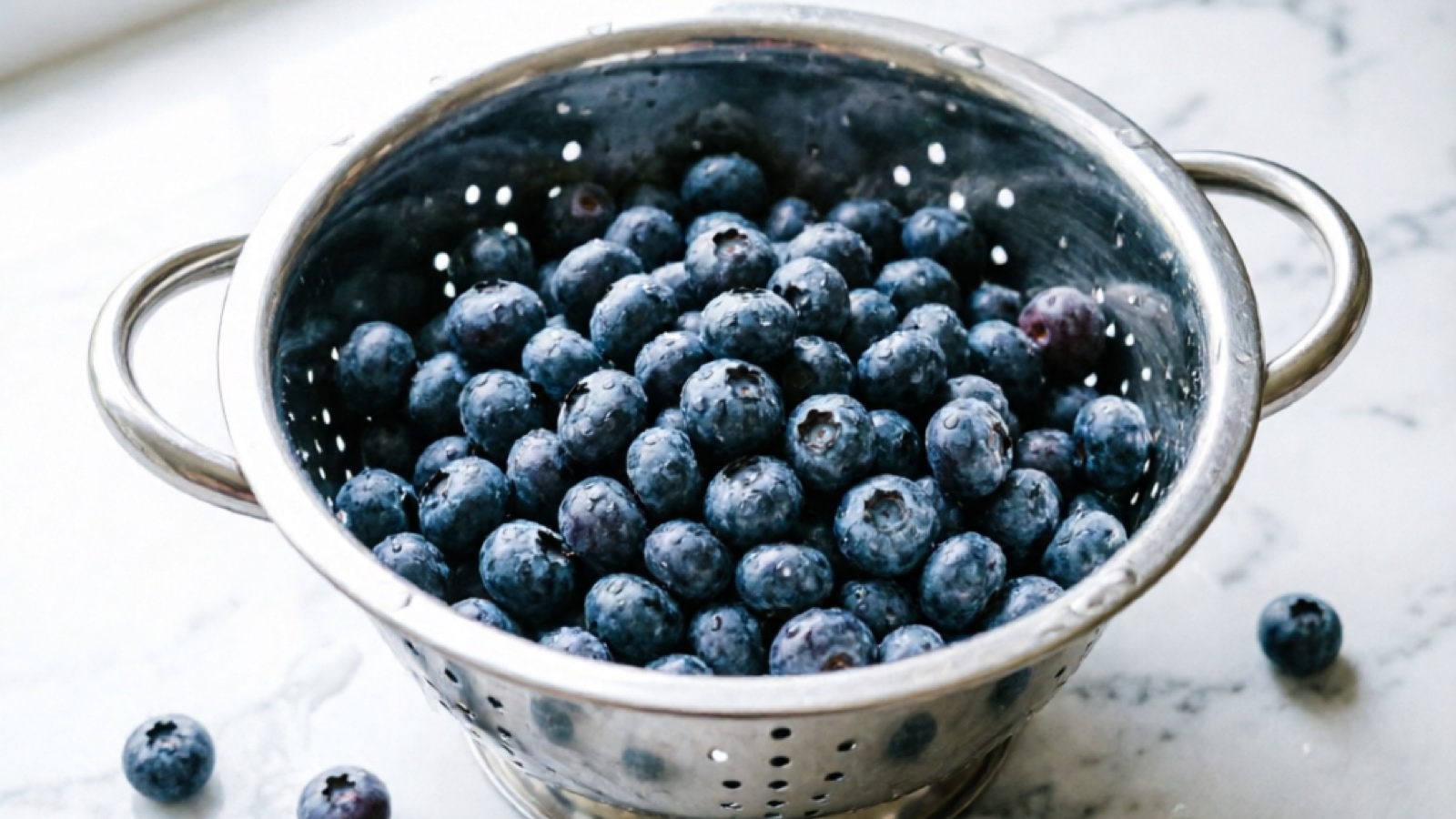
Blueberries are one of the most antioxidant-rich fruits available, and their signature antioxidants are anthocyanins — the compounds that give blueberries their deep blue-purple color. These antioxidants help neutralize free radicals, which are unstable molecules that can damage cells. In my experience, the antioxidant benefit is the strongest nutritional argument for blueberries — it’s something most other safe fruits and vegetables provide in smaller quantities.
Research published in the Journal of Agricultural and Food Chemistry has identified blueberries as having one of the highest antioxidant capacities among commonly consumed fruits. While guinea pig-specific studies on blueberry antioxidants are limited, the general cellular protection benefits are well established.
Vitamin C Contribution
At 9.7mg per 100g, blueberries provide a moderate vitamin C contribution. While this doesn’t replace the need for daily vitamin C-rich vegetables like bell peppers (128-184mg per 100g), it adds to the cumulative daily intake. Every milligram counts when your guinea pig needs 30-50mg daily and can’t produce their own.
Good Fiber Content
The 2.4g of fiber per 100g supports healthy digestion. Fiber helps maintain gut motility, which is essential for guinea pigs since their entire digestive system relies on constant movement of food through the gut. Slow gut motility leads to GI stasis — a painful and potentially fatal condition. While hay provides the bulk of necessary fiber, the fiber in blueberries contributes a small bonus.
Low Calcium — Safe for Stone-Prone Pigs
At only 6mg of calcium per 100g, blueberries are one of the safest fruit options for guinea pigs with a history of bladder stones. Many vegetables are higher in calcium, and excess calcium can crystallize in the bladder. Blueberries pose virtually no calcium-related risk.
Mental Enrichment
Guinea pigs are intelligent, social animals that benefit from variety in their environment. Offering a new or special treat like a blueberry provides mental stimulation and positive reinforcement. In my experience, guinea pigs that receive occasional fruit treats tend to be more interactive and easier to handle — the positive association with treat time carries over to general socialization.
Risks and Precautions
Sugar Content — The Primary Concern
At 10g of sugar per 100g, blueberries contain enough sugar to cause problems if overfed. While natural fruit sugar (fructose) is better than refined sugar, a guinea pig’s digestive system isn’t designed to process large amounts of any sugar. Consequences of excess sugar intake include:
- Weight gain and obesity — extra calories from sugar convert to fat
- Digestive imbalance — sugar disrupts the gut bacteria balance
- Reduced hay consumption — if a guinea pig fills up on sweet fruit, it eats less hay
- Dental problems — sugar promotes bacterial growth in the mouth
The safe serving of 1-2 blueberries contains only about 0.15-0.3g of sugar — small enough that it won’t cause problems at 1-2 times per week. But a handful of blueberries fed daily would quickly push sugar intake to unhealthy levels.
Choking Hazard — Whole Blueberries
While blueberries are soft and small, a guinea pig that gulps food without chewing could potentially choke. To be safe, cut large blueberries in half and offer one at a time. In my experience, most guinea pigs do chew blueberries before swallowing, but it’s worth supervising the first few times.
Diarrhea from Overfeeding
Like any new food, blueberries can cause loose stool if introduced too quickly or fed in excessive amounts. The combination of sugar and water content (84.2%) can upset the digestive balance. If your guinea pig develops diarrhea after eating blueberries:
- Remove all fresh food immediately
- Provide unlimited hay and fresh water only
- Monitor stool for 24 hours
- If diarrhea persists, contact an exotic vet
Pesticide Residue
Blueberries appear on the EWG’s “Dirty Dozen” list due to their thin skin, which doesn’t provide much barrier against pesticide absorption. Rinse under cool running water for 15-20 seconds. For extra safety, soak in a 1:3 vinegar-water solution for 2 minutes, then rinse. Organic blueberries are preferable.
Allergic Reaction (Rare)
Food allergies in guinea pigs are uncommon but possible. Signs include swelling around the mouth, difficulty breathing, hives, or excessive scratching. If observed after feeding blueberries, remove the fruit and contact a vet.
Serving Guide
Adult Guinea Pigs
- Amount: 1-2 blueberries per serving
- Frequency: 1-2 times per week
- Preparation: Washed, room temperature, cut in half if large
- First time: Offer just one blueberry, wait 24 hours, monitor stool
Baby Guinea Pigs (Under 6 Months)
Baby guinea pigs should not eat blueberries. Their digestive systems are still developing and can’t handle the sugar concentration. Their diet should consist of:
- Mother’s milk (if available)
- Alfalfa hay (higher calcium and protein for growth)
- Guinea pig pellets
- Small amounts of gentle vegetables like romaine lettuce
After 6 months, transition to timothy or orchard grass hay and introduce fruit treats gradually. Start with one small blueberry and wait 48 hours before offering more.
Senior Guinea Pigs
Senior guinea pigs can eat blueberries in the same portions as adults. The antioxidant content may actually provide additional benefits for aging immune systems. However, senior pigs with dental issues may struggle with the skin of blueberries — if your senior pig seems to have difficulty, try mashing the blueberry slightly to soften it.
Guinea Pigs Prone to Bladder Stones
Blueberries are actually one of the safer fruit options for stone-prone pigs due to their low calcium content (6mg per 100g). The sugar is still a concern, but the calcium risk is minimal. If your pig has a stone history, blueberries at 1 time per week in reduced portions (just one berry) are generally acceptable. See our health guide for comprehensive stone prevention strategies.
Overweight Guinea Pigs
If your guinea pig needs to lose weight, blueberries should be limited to once per week or temporarily removed from the diet. At 57 calories per 100g, they’re more calorie-dense than most safe vegetables. Focus on low-calorie options like cucumber (16 kcal per 100g) or celery (16 kcal per 100g) until your pig reaches a healthy weight. Track your guinea pig’s weight with our free weight tracker to catch changes early.
How to Prepare Blueberries for Your Guinea Pig
Step 1: Select Fresh Blueberries
Choose firm, plump blueberries with a deep blue color and a natural silvery-white bloom. Avoid berries that are soft, mushy, or moldy. The berries should roll freely — if they stick together, they may be overripe.
Step 2: Wash Thoroughly
Place blueberries in a small strainer and rinse under cool running water for 15-20 seconds. Gently agitate them to ensure all surfaces are cleaned. For extra safety, soak in a 1:3 vinegar-water solution for 2 minutes, then rinse thoroughly. Pat dry with a clean paper towel.
Step 3: Inspect for Spoilage
Before serving, check each blueberry for signs of mold (fuzzy white or gray patches), which can develop even in refrigerated berries. Discard any berry that looks questionable. A single moldy berry can cause digestive upset.
Step 4: Cut If Necessary
Most blueberries are small enough to serve whole. However, if you have large blueberries (some cultivated varieties can be quite large), cut them in half. This reduces the choking risk and makes it easier for your guinea pig to eat. For baby guinea pigs being introduced to fruit after 6 months, always cut in half.
Step 5: Serve at Room Temperature
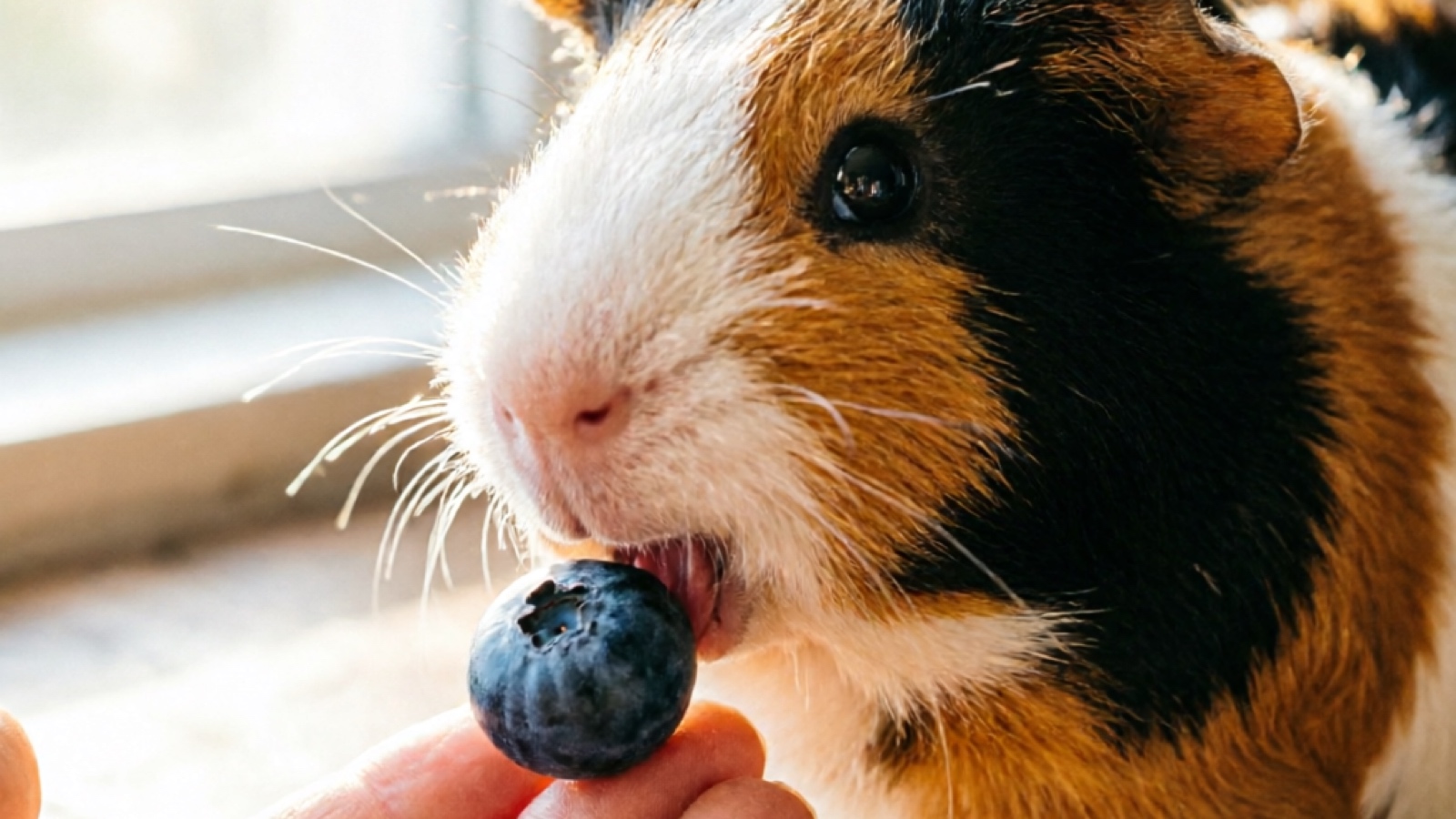
Don’t serve blueberries straight from the refrigerator. Cold fruit can cause digestive upset in guinea pigs. Let the berries sit at room temperature for 5-10 minutes before offering. I’d recommend placing them in the food bowl rather than hand-feeding for the first time — some guinea pigs get overexcited and may accidentally nip fingers.
Step 6: Remove Uneaten Berries After 1-2 Hours
Fresh blueberries at room temperature spoil quickly. Check the food bowl and cage floor for any uneaten berries. Guinea pigs sometimes push food into corners or bedding where it can go unnoticed and develop mold.
What to Avoid
Dried Blueberries
Dried blueberries concentrate sugar roughly 4-5 times per gram compared to fresh. A handful of dried blueberries delivers a massive sugar hit that a guinea pig’s digestive system can’t handle. Most commercially dried blueberries also contain added sugar and preservatives like sulfur dioxide. Always serve fresh blueberries only.
Blueberries in Syrup or Sweetened
Canned blueberries, blueberry pie filling, blueberry muffins, or any blueberry product with added sugar are all harmful. The concentrated sugar, preservatives, and other ingredients (butter, flour, salt) are dangerous for guinea pigs. Only raw, fresh, unsweetened blueberries.
Frozen Blueberries Straight from Freezer
Frozen blueberries are nutritionally similar to fresh once thawed, but serving them frozen is dangerous. The extreme cold can shock a guinea pig’s digestive system and cause stomach cramps. Always thaw completely and bring to room temperature before serving.
Blueberry Juice
Blueberry juice concentrates sugar while removing the beneficial fiber. Without fiber to slow sugar absorption, the concentrated fructose hits the digestive system too quickly. It also lacks the full antioxidant profile of whole blueberries. Never offer fruit juice of any kind to guinea pigs.
Blueberry-Flavored Products
Yogurt drops, blueberry-flavored treats, or any processed food marketed for small animals are not recommended. These often contain artificial flavors, excessive sugar, fillers, and preservatives. Stick to whole, fresh blueberries as an occasional treat. For safe treat options, see our best treats guide.
Overfeeding
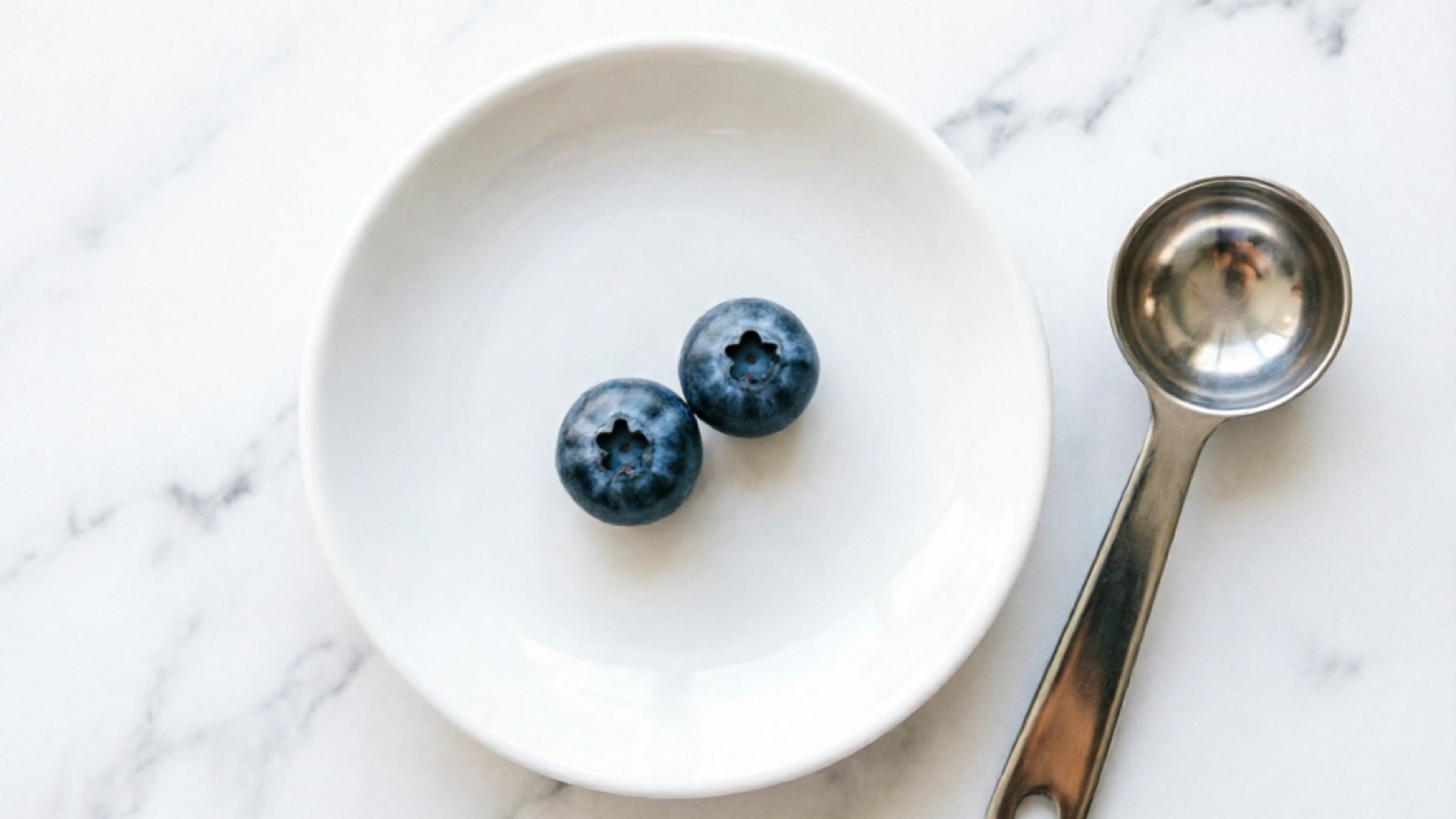
The most common mistake is offering blueberries too often because “my guinea pig loves them.” Guinea pigs will enthusiastically eat far more fruit than is healthy. One to two blueberries, one to two times per week — that’s the maximum. More than that risks weight gain, digestive problems, and nutritional displacement of hay and vegetables.
Using Blueberries as a Vitamin C Source
Blueberries provide 9.7mg of vitamin C per 100g, which is meaningful but far from sufficient. Relying on blueberries for vitamin C would require feeding dangerous amounts. Bell peppers at 128-184mg per 100g are a far more efficient and safer vitamin C source. For the complete supplementation strategy, see our vitamin C guide.
Safe Fruit and Vegetable Alternatives
For a balanced rotation, alternate blueberries with these options:
Better vitamin C fruits:
- Strawberries — the best fruit for vitamin C (58.8mg per 100g), lower sugar than blueberries
- Tomatoes — low sugar (2.6g), moderate vitamin C (14mg)
Daily vegetable staples:
- Bell peppers — 128-184mg vitamin C, should be fed daily
- Romaine lettuce — safe daily green with good vitamin content
Regular vegetable treats:
- Cucumber — pure hydration, very low calorie
- Carrots — vitamin A and satisfying crunch
- Celery — crunchy hydration, moderate fiber
A sample weekly rotation: daily bell peppers + lettuce, Monday — carrot, Wednesday — blueberries, Friday — strawberry, Sunday — cucumber. This provides variety, adequate vitamin C, and keeps sugar intake manageable.
For comprehensive care information, our care guide covers diet, housing, health checks, and daily routines. Diet quality directly impacts guinea pig lifespan — pigs on a proper hay-based diet with daily vitamin C consistently outlive those on vegetable-heavy or pellet-only diets.
Other Foods Your Guinea Pig Can Eat
Each link leads to a full safety guide with serving recommendations.
Fruits
Vegetables
- Can Guinea Pigs Eat Bell Peppers?
- Can Guinea Pigs Eat Cucumber?
- Can Guinea Pigs Eat Carrots?
- Can Guinea Pigs Eat Lettuce?
- Can Guinea Pigs Eat Celery?
Core Guides
- Guinea Pig Food Guide
- Best Guinea Pig Food
- Guinea Pig Vitamin C Guide
- Guinea Pig Care Guide
- Best Hay for Guinea Pigs
- Guinea Pig Health
- Best Guinea Pig Treats
- Guinea Pig Lifespan
Product Recommendations
Here are some products mentioned in this guide:
Frequently Asked Questions
Can guinea pigs eat blueberries?
Yes, guinea pigs can eat blueberries in moderation. They provide vitamin C (9.7mg per 100g), antioxidants, and fiber. The sugar content (10g per 100g) means they should be an occasional treat — 1-2 blueberries, 1-2 times per week. Always wash thoroughly and serve at room temperature. Blueberries are not a substitute for daily vitamin C-rich vegetables like bell peppers.
How many blueberries can a guinea pig eat?
Adult guinea pigs should have 1-2 blueberries per serving, 1-2 times per week. That’s the maximum — more than that risks weight gain and digestive issues from excess sugar. For the first feeding, offer just one blueberry and wait 24 hours to monitor stool before increasing. Baby guinea pigs under 6 months should not have blueberries.
Can guinea pigs eat blueberry leaves?
Yes, blueberry leaves are safe in small amounts. They contain antioxidants and some vitamin C. However, they’re not commonly available in grocery stores. If you have access to pesticide-free blueberry leaves, a small handful once a week is fine. Don’t feed large quantities of unfamiliar plant material — introduce gradually.
Can guinea pigs eat frozen blueberries?
Yes, but only after thawing completely and bringing to room temperature. Frozen blueberries straight from the freezer can cause digestive upset from the extreme cold. Once thawed, their nutritional profile is similar to fresh blueberries. Never feed blueberries frozen in syrup or with added sugar.
Are blueberries good for guinea pigs?
Blueberries offer moderate benefits — vitamin C, antioxidants (anthocyanins), fiber, and mental enrichment from the treat experience. However, they’re not nutritionally essential. Bell peppers provide far more vitamin C with less frequent feeding, and vegetables like lettuce provide more daily staple value. Blueberries are a good occasional treat, not a dietary necessity.
Can baby guinea pigs eat blueberries?
No. Guinea pigs under 6 months should not eat blueberries or any fruit. Their digestive systems can’t handle concentrated sugar. Feed mother’s milk, alfalfa hay, and pellets. After 6 months, introduce one small blueberry (cut in half) and wait 24-48 hours to check for digestive reactions.
Can guinea pigs eat dried blueberries?
No. Drying concentrates sugar roughly 4-5x per gram. Most commercially dried blueberries also contain added sugar and preservatives. The concentrated sugar spike is harmful. Always serve fresh, raw blueberries only.
Why can’t guinea pigs eat blueberries every day?
At 10g of sugar per 100g, daily blueberry feeding adds unnecessary sugar. Consistent high sugar intake leads to weight gain, digestive imbalance, and reduced hay consumption. Blueberries also provide only 9.7mg of vitamin C per 100g — far less than the 128-184mg in bell peppers. Reserve blueberries for 1-2 times per week as a special treat, not a daily food.