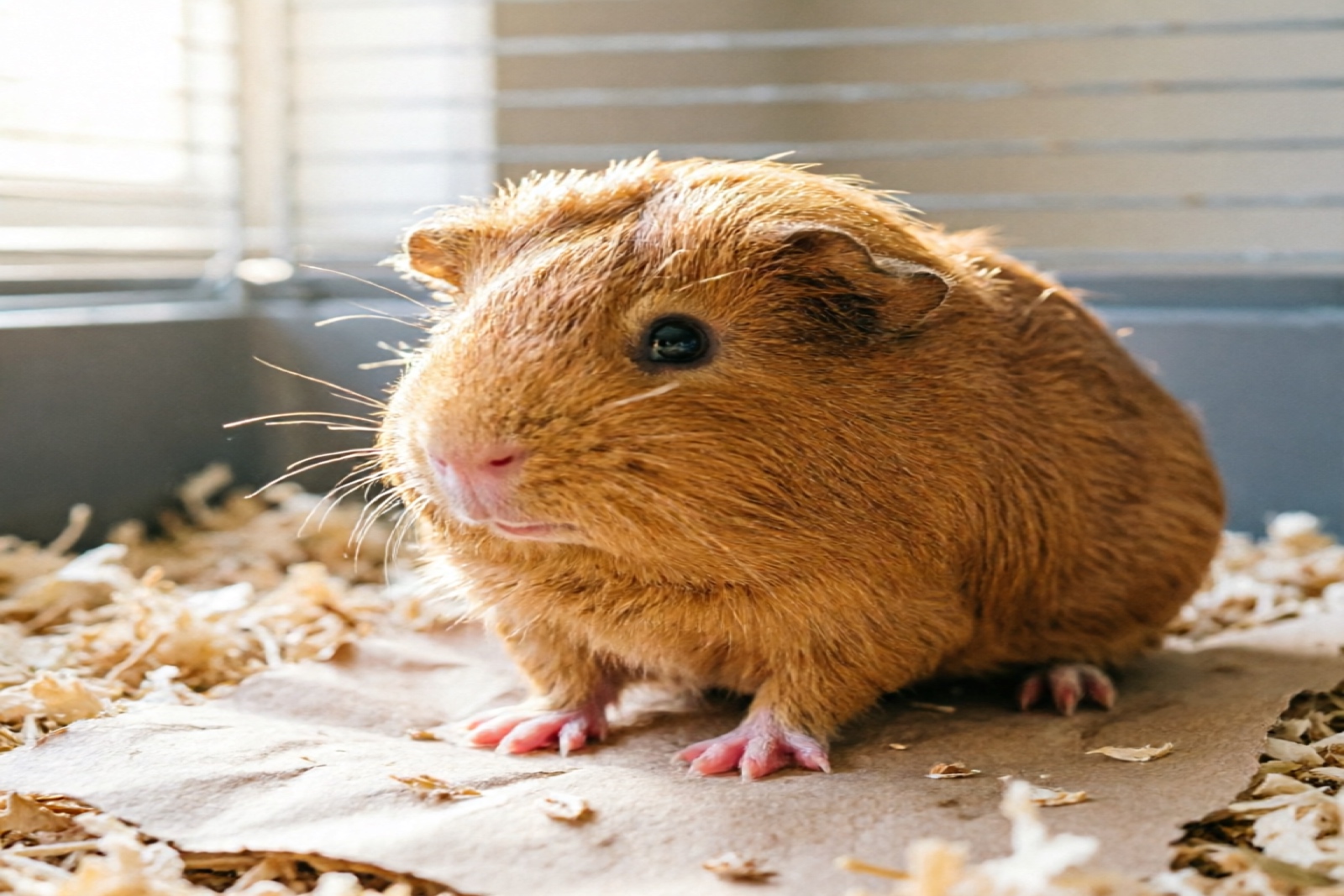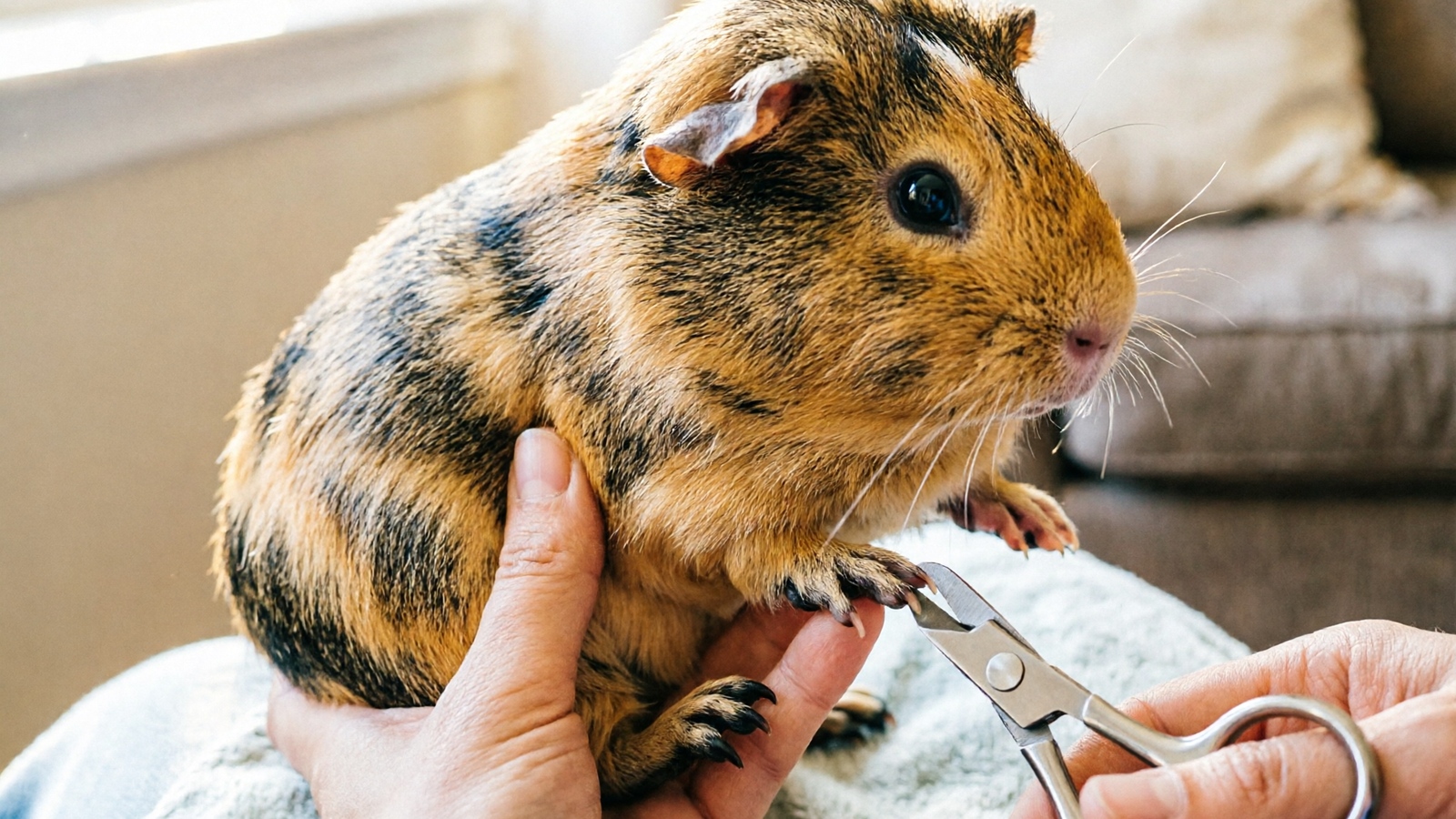
Guinea pig treat options have continued to expand in 2026, with Oxbow and Small Pet Select leading the shift toward simpler, single-ingredient formulations. The trend away from sugary yogurt drops and treat sticks toward freeze-dried vegetables and hay-based biscuits reflects growing owner awareness about guinea pig dental health and obesity risks. With more than 60% of pet guinea pigs now estimated to be overweight, choosing the right treats has become as much about health as about happiness.
Why Treats Matter for Guinea Pigs
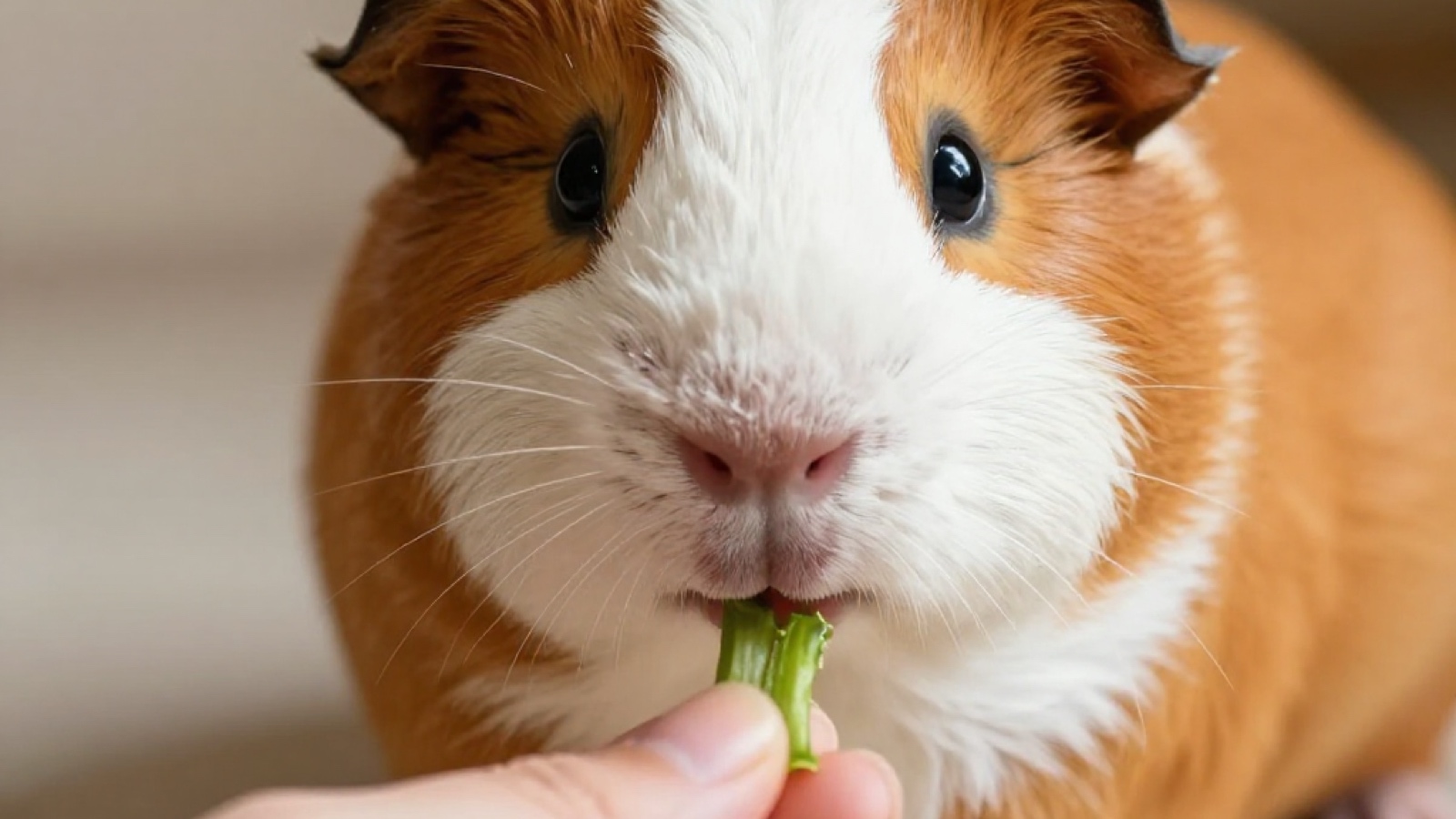
Treats aren’t just about spoiling your guinea pig — they serve real purposes in their daily care. When choosing the best guinea pig treats, bonding, training, mental enrichment, and variety all come into play. When I introduce a new guinea pig to my home, the fastest way to build trust is through food. A small treat offered from your hand teaches them that you’re a source of good things, and that association speeds up the taming process dramatically.
But there’s a catch: guinea pigs have sensitive digestive systems, and their nutritional needs are more specific than most people realize. They can’t manufacture their own vitamin C, they need constant fiber to keep their gut moving, and excess sugar or fat can cause serious guinea pig health problems quickly. That’s why treat selection matters more than it does for many other small pets. The best guinea pig treats balance nutrition with palatability — your pig should enjoy them without health consequences.
The 2% rule is worth memorizing: treats should never exceed 2% of your guinea pig’s daily food intake. For a typical adult guinea pig eating roughly one-eighth cup of pellets and unlimited hay, that translates to about one small commercial treat or one tablespoon of fresh vegetable per day. When browsing the best guinea pig treats, always keep this limit in mind. For a complete overview of daily nutrition, our guinea pig food guide covers the full dietary picture. And if you’re looking for the foundation of their diet — which is always hay first — our best guinea pig hay guide breaks down the options. These pair perfectly with the best guinea pig treats for a well-rounded feeding plan.
What Makes Good Guinea Pig Treats?
When choosing best guinea pig treats, look beyond the packaging. The marketing on treat products can be misleading — “fortified,” “premium,” and “natural” don’t have regulated definitions in the pet food industry.
Natural ingredients should come first. If the ingredient list reads like a chemistry experiment, put it back. The best natural guinea pig treats have recognizable ingredients — timothy hay, herbs, vegetables, or single-ingredient items like dried peas. Added sugar, artificial colors, and preservatives are red flags.
Vitamin C is a bonus. Guinea pigs need daily vitamin C, and some of the best guinea pig treats with vitamin c include this essential nutrient. But that should come primarily from their pellets and fresh vegetables — bell peppers are an excellent source. A treat that happens to include vitamin C is a nice touch, but don’t choose a sugary treat just because it claims to be fortified.
High fiber is always better. Guinea pigs are herbivores with a hindgut fermentation system that requires constant fiber. Hay-based guinea pig snacks, herb mixes, and dried vegetables support this need. Yogurt drops and fruit-based treats are enjoyable but should be limited because they’re low in fiber and high in sugar.
Avoid harmful additives. No dairy (guinea pigs are lactose intolerant), no seeds with hulls (choking hazard), no honey or syrup coatings, and no artificial anything. For a full list of guinea pig treats to avoid, see our safety guide below. The guinea pig food guide has more detail on what to avoid in general nutrition.
Best Guinea Pig Treats — Our Top Picks
I researched six of the most popular best guinea pig treats available on Amazon, evaluating them for ingredient quality, nutritional value, palatability, and owner feedback. Here’s the quick comparison:
| # | Product | Price | Reviews | Best For |
|---|---|---|---|---|
| Oxbow Simple Rewards Guinea Pig & Rabbit Treats, Apple Banana, Baked, 3 oz | $3.48 | Best Overall | Amazon | |
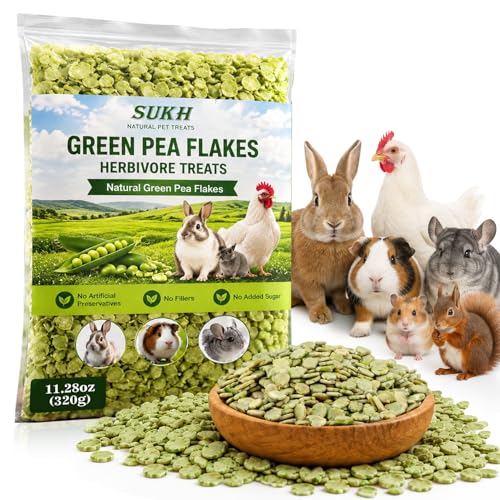
| Sukh Pea Flakes | $7.99 | Best Natural | Amazon | |
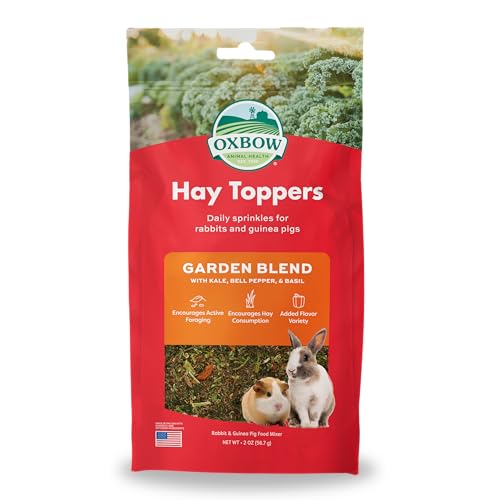
| Oxbow Hay Topper, Rabbit & Guinea Pig Treats, Hay Mixer, Garden Blend, 2 oz | $8.49 | Best Premium | Amazon | |
| Vitakraft Yogurt Drops | $6.48 | Most Popular | Amazon | |
| Kaytee Treat Sticks | $23.40 | Best Enrichment | Amazon | |
| UtySty Lava Block | $6.97 | Best for Dental | Amazon |
For the foundation of your guinea pig’s diet, see our best guinea pig food guide. Pairing quality pellets with the best guinea pig treats ensures complete nutrition.
Treats Reviews
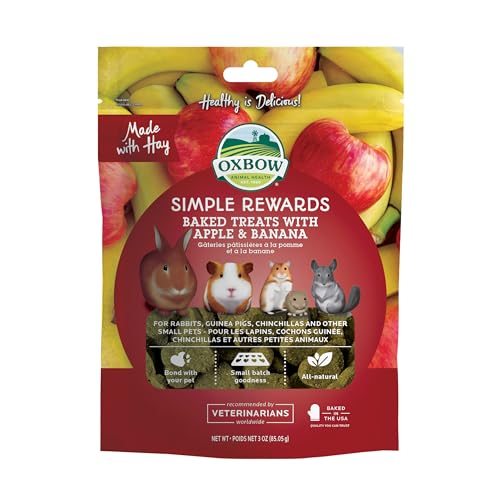
Oxbow Simple Rewards Guinea Pig & Rabbit Treats, Apple Banana, Baked, 3 oz Baked Treats — Best Overall
Oxbow Simple Rewards Guinea Pig & Rabbit Treats, Apple Banana, Baked, 3 oz is the closest thing to a universally recommended guinea pig treat. As one of the most popular guinea pig treats oxbow makes, these baked treats use timothy hay as the primary ingredient with added vegetables. At $3.48 with a across reviews, they’re the most popular best guinea pig treats on this list for good reason.
What I like about them is the ingredient transparency — you can actually identify everything on the label. They’re low in sugar compared to yogurt drops, have a crunchy texture that guinea pigs enjoy, and the uniform size makes portion control easy. I break each treat in half for my guinea pigs, which stretches the bag and keeps portions reasonable.
Owner feedback is overwhelmingly positive. One reviewer with multiple guinea pigs wrote that “all 4 of my piggies go absolutely crazy for these” and appreciates the limited, recognizable ingredients. Among all the best guinea pig treats, this has the strongest owner satisfaction. Another long-time owner noted they’ve been buying these for years and “my pigs literally scream when they hear the bag rustle.” Several reviewers mentioned using them successfully as training rewards.
The negatives are minimal. A few owners reported initial refusal — which happens with any new food — and some noted inconsistent crumble levels between bags. Overall, this is the safest choice for regular use and one of the best guinea pig treats you can buy.
Sukh Pea Flakes — Best Natural
Sukh Pea Flakes are exactly what they sound like — dried peas, nothing else. At $7.99 with a strong rating on this list (from reviews), these single-ingredient treats are among the best guinea pig treats for health-conscious owners. No fillers, no sugar, no mystery ingredients. Just peas.
Guinea pigs generally love them. The crunch seems to be satisfying, and peas offer some protein and fiber alongside natural sugars. I like that the ingredient list has exactly one item — it doesn’t get simpler than that. For owners who want the healthiest possible commercial treat among the best guinea pig treats, this is it.
One reviewer described them as “the only treat my picky pig will eat consistently” and praised the single-ingredient simplicity. Another owner who feeds them to both guinea pigs and rabbits noted they’re “gone in seconds every time.” A third reviewer with elderly guinea pigs mentioned the softer texture of soaked peas works well for pigs with dental issues.
The main downside is portion control — because they’re small and guinea pigs love them, it’s easy to overfeed. Stick to 2-3 peas per guinea pig per sitting. A few reviewers also noted the bags can be inconsistent in pea size and moisture content between batches.
Oxbow Hay Topper, Rabbit & Guinea Pig Treats, Hay Mixer, Garden Blend, 2 oz Healthy Treats — Best Premium
Oxbow Hay Topper, Rabbit & Guinea Pig Treats, Hay Mixer, Garden Blend, 2 oz is Oxbow’s herbal treat blend — a mix of dried herbs, flowers, and plant materials designed to add variety to your guinea pig’s diet. At $8.49 withfrom reviews, it’s the most expensive option but also the most interesting natural guinea pig treats from a dietary diversity perspective.
The variety of herbs and flowers means different flavors and micronutrients with each piece. Guinea pigs who get bored of uniform pellets respond well to this variety. The mix includes dandelion, chamomile, and plantain — all things guinea pigs would encounter in the wild.
A reviewer who described themselves as a “guinea pig mom of 8 years” called these “the best treat for variety” and noted their pigs enjoy picking through the mix to find their favorite pieces. Another reviewer appreciated that even their pickiest eater found something in the blend they liked. A third owner reported using the mix as a scatter-feeding enrichment activity, which their pigs loved.
The drawbacks are the price and the fact that some guinea pigs will pick out their favorites and leave the rest. Among the best guinea pig treats for variety, it’s worth the premium if your pig is a picky eater.
Vitakraft Yogurt Drops — Guinea Pigs Love Them
Vitakraft Drops with Orange Flavor Guinea Pig Treats 5.3 oz Bag Delicious Yogurt Enriched Snacks with Vitamin C Essential Nutrients and Wholesome Nourishment for Small Pets are the most divisive treat on this list. At $6.48 withfrom reviews, they’re undeniably popular — guinea pigs seem to love the taste. But I have to be honest about the ingredients: these contain added sugar and dairy-derived components, neither of which is ideal for guinea pig digestion.
The soft texture and sweet taste make these an effective bonding tool and a high-value reward for training. If your guinea pig is nervous or needs extra motivation to take food from your hand, yogurt drops will almost certainly work. They’re also one of the most widely available guinea pig treats — you can find them in nearly any pet store.
Owner reviews reflect the love-hate dynamic. Positive reviewers rave about their pigs’ enthusiasm — “my guinea pig would do backflips for these” is a typical sentiment. Multiple reviewers use them as training rewards and report excellent results. On the critical side, several experienced owners note the sugar content and recommend feeding them sparingly. One reviewer pointed out that “they’re like candy for guinea pigs — great as an occasional treat, terrible as a daily staple.”
My take: buy these if you need a high-value training reward or bonding tool, but feed no more than one small drop every few days. Among all the best guinea pig treats, yogurt drops are the most indulgent — use them sparingly.
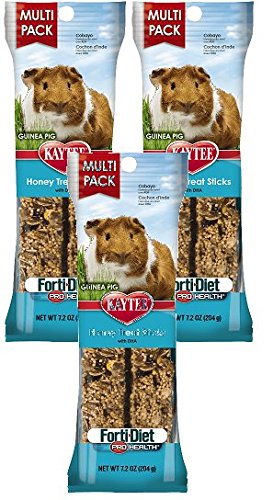
Kaytee Forti-Diet Pro Health Guinea Pig Honey Stick — Best Enrichment
Kaytee Forti-Diet Pro Health Guinea Pig Honey Stick serve a different purpose than the other treats on this list. These are honey sticks made for guinea pigs, designed to hang in the cage and provide both a treat and an enrichment activity. At $23.40, they’re a Kaytee enrichment option and one of the more fun guinea pig treat sticks for pigs to work on.
The concept is straightforward: hang the stick in the cage, and your guinea pig works at it over a day or two. This mimics natural foraging and provides mental stimulation. I’ve found these useful during cage cleaning time or when I need to keep my pigs occupied.
Positive reviewers love the entertainment value. One owner wrote that their pig “spends hours working on it” and it’s “the best boredom buster I’ve found.” As best guinea pig treats go, treat sticks offer the most interactive experience. Another reviewer with multiple pigs noted they enjoy watching them share and compete for the stick. Several reviewers mentioned these are great for keeping guinea pigs occupied while cleaning their guinea pig cage.
The negatives are significant though. These sticks contain seeds, honey, and binding agents that aren’t nutritionally ideal, and some seeds can be a choking hazard. A few reviewers also mentioned they’re messy — seeds and crumbs fall to the cage floor as the guinea pig works through them. Use these as a weekly enrichment activity, not a daily treat. The best guinea pig treats for enrichment include options like this, but moderation is key.
UtySty Lava Block — Best for Dental Health
The UtySty Lava Block is the most unique product on this list — a pumice stone block infused with seeds and treat pieces. At $6.97 with reviews, it serves dual purpose as a dental wear tool and a treat. Guinea pigs gnaw on the pumice while working out the embedded seeds.
Dental health is a real concern — guinea pig teeth grow continuously and need constant wearing down. Hay does most of this work, but additional chew items help. The lava block provides an abrasive surface that helps keep teeth trimmed, and the embedded treats motivate guinea pigs to actually chew on it.
A reviewer with senior guinea pigs praised the block for “keeping their teeth in check” and noted it lasts longer than wooden chews. Another owner called it “the only chew toy my pig actually uses consistently.” Among the best guinea pig treats for dental health, the lava block fills a unique niche. Several reviewers mentioned it lasts 2-3 weeks with regular use, making it decent value for the price.
The downsides are the lowest rating on this list and some valid concerns. The treat embedding is inconsistent — some blocks have plenty of seeds, others are sparse. A few reviewers noted their guinea pigs lost interest once the visible seeds were gone and ignored the bare pumice. At, the quality control is noticeably less reliable than the Oxbow or Marshall products. I’d recommend this as a supplemental dental aid rather than a primary treat. For more best guinea pig treats options, revisit the comparison table above.
Healthy Homemade Guinea Pig Treats
Some of the best guinea pig treats don’t come in a package at all. Fresh vegetables and fruits make excellent treats, and they’re often healthier than anything store-bought. If you’re looking for guinea pig treats homemade options or a simple guinea pig treats recipe, you’ll find plenty of ideas below. The guinea pig vitamin C guide explains why fresh produce is the best vitamin C source for your pig.
Safe Fresh Treats
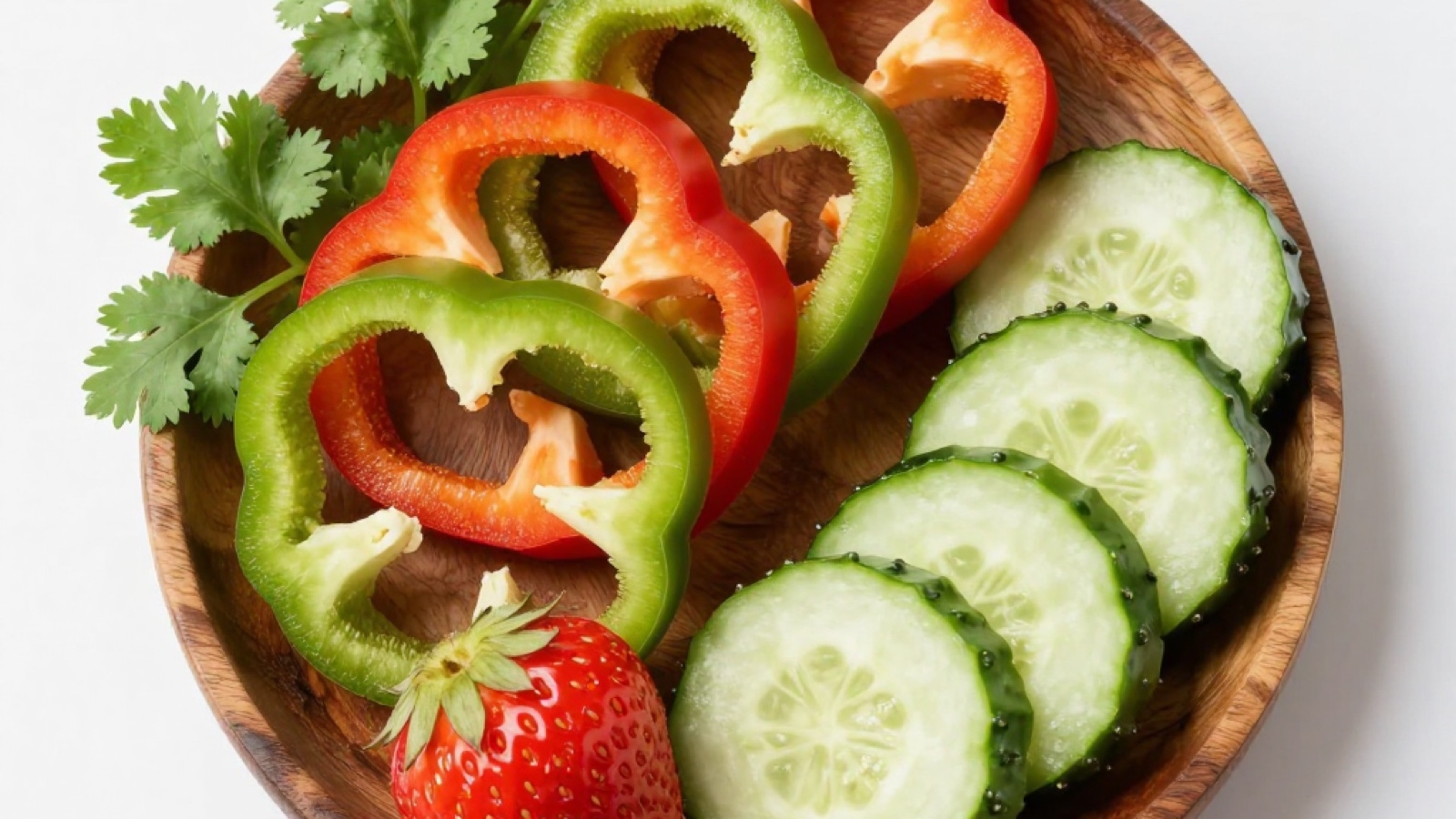
These everyday foods double as healthy guinea pig treats and can be fed daily in small portions. In fact, many owners find that fresh produce makes the best guinea pig treats of all:
- Bell pepper — the best vitamin C treat available. One slice of bell pepper provides more vitamin C than most commercial supplements. Green peppers have the least sugar, yellow and red have more sweetness. For the best guinea pig treats that double as nutrition, bell pepper is hard to beat.
- Cilantro — most guinea pigs love it, and it’s safe in generous amounts. Great for hand-feeding during taming.
- Cucumber — hydrating and low-calorie. A few thin slices make a refreshing summer treat. See our guinea pig cucumber guide for details.
- Strawberries — high in vitamin C but also high in sugar. A popular choice for guinea pig treats fruit lovers. One small strawberry, once or twice a week maximum.
- Carrots — contain more sugar than many people realize. A thin slice or small baby carrot piece a few times per week is plenty.
- Tomatoes — safe but acidic. A small cherry tomato half once or twice a week.
Guinea Pig Treats to Avoid
This list is non-negotiable. These foods can cause serious illness or death — knowing which guinea pig treats to avoid is just as important as picking the right ones:
- Onions, garlic, leeks, chives (allium family — toxic)
- Chocolate, coffee, caffeine
- Avocado (too high in fat)
- Potato and potato leaves (solanine toxicity)
- Rhubarb (oxalates, toxic)
- Seeds and pits from fruit (cyanide compounds)
- Dairy products (guinea pigs are lactose intolerant)
- Meat, fish, eggs
- Processed human food of any kind
- Iceberg lettuce (too water-heavy, causes diarrhea)
How Often Should You Give Guinea Pig Treats?
Frequency matters more than most owners realize. Guinea pigs will happily eat guinea pig treats all day if you let them, but that doesn’t mean they should. Here’s a practical feeding schedule that works:
Daily: One small commercial treat (half an Oxbow Simple Rewards biscuit, 2-3 Pop-Eye Peas) or one tablespoon of fresh vegetable. This is on top of their regular vegetable serving, not instead of it. When choosing the best guinea pig treats for daily use, stick to low-sugar options.
2-3 times per week: A small piece of fruit. Think one blueberry, one thin strawberry slice, or a quarter-inch cube of apple. Fruit is higher in sugar and should be limited even though guinea pigs love it.
Once a week: A treat stick, a yogurt drop, or a small serving of something special. Among the best guinea pig treats, weekly indulgences should be limited to one small piece. This keeps higher-sugar items as genuinely special rewards rather than routine expectations.
Signs of overfeeding include soft or mushy stools, weight gain visible as a rounder body shape, decreased hay consumption (they’re filling up on treats instead), and selective eating where they refuse pellets but demand treats. If you notice any of these, cut treats back to zero for a few days until digestion normalizes, then reintroduce the best guinea pig treats at a lower frequency.
Frequently Asked Questions
What treats do guinea pigs like best? Bell peppers, cilantro, and strawberries are perennial guinea pig favorite treats. Oxbow Simple Rewards and Sukh Pea Flakes are the top store-bought choices — consistently ranked among the best guinea pig treats by owners.
Can guinea pigs eat yogurt drops? Yes, but very sparingly — one small drop every few days maximum. They contain sugar and dairy that aren’t ideal for guinea pig digestion.
Are treat sticks good for guinea pigs? Fine as weekly enrichment, but they’re often high in honey and seeds. Use guinea pig treat sticks once a week as a boredom-buster, not a staple.
How many treats per day? One small commercial treat or one tablespoon of fresh vegetable. Treats should never exceed 2% of daily intake. For safe treats for guinea pigs, stick to this guideline.
What human foods can guinea pigs eat? Leafy greens, bell peppers, cucumber, carrots in moderation, and small fruit amounts. Avoid onions, garlic, avocado, chocolate, and anything processed.
Can guinea pigs have too many treats? Yes — overfeeding causes obesity, soft stools, and selective eating. Cut back immediately if you notice weight gain or decreased hay consumption.
What is the healthiest guinea pig treat? Single-ingredient options like Sukh Pea Flakes or fresh bell peppers. Oxbow Simple Rewards is the healthiest commercial choice among the best guinea pig treats.
Can guinea pigs eat dried fruit? Avoid it or feed in tiny amounts — smaller than a pencil eraser, once weekly. Fresh fruit is always better.
Guinea Pig Treat Safety Guide
Treat safety goes beyond just choosing the right products. How you introduce, store, and monitor the best guinea pig treats affects your guinea pig’s wellbeing.
Introduce new treats gradually. Offer one small piece and wait 24 hours before giving more. Watch for diarrhea, bloating, or changes in behavior. Some guinea pigs have individual sensitivities that don’t affect others — carrots are fine for most pigs but cause loose stools in a few. The best guinea pig treats are always introduced slowly.
Watch for choking. Whole seeds, large treat pieces, and fibrous chunks can be choking hazards. Break commercial treats into smaller pieces, and cut vegetables into bite-sized portions. The best guinea pig treats are always served in appropriate sizes.
Store treats properly. Commercial treats should be sealed in their original bag or an airtight container. Fresh vegetables should be washed thoroughly before serving and refrigerated between uses. Dried treats like Pop-Eye Peas can spoil if exposed to moisture. Proper storage keeps the best guinea pig treats fresh and safe.
Monitor for allergies. Guinea pigs can develop sensitivities to specific ingredients. If your pig develops itching, hair loss, or skin irritation after trying a new treat, discontinue it and consult your vet. Even the best guinea pig treats can cause reactions in sensitive individuals.
Consider dental implications. Very hard treats can crack teeth, and very soft treats like yogurt drops don’t contribute to dental wear. A balance of textures — crunchy baked treats, chewy fresh vegetables, and fibrous hay — keeps teeth healthy from multiple angles. For more on overall care, our guinea pig care guide covers dental health alongside other essential topics. The right mix of the best guinea pig treats and daily hay ensures long-term dental health.