The Abyssinian guinea pig is arguably the most recognizable breed in the cavy world, famous for its striking coat of rosettes — circular swirls of fur that create a textured, patterned appearance unlike any other guinea pig breed. Whether you are a first-time owner drawn to their wild appearance or an experienced keeper looking for an energetic companion, the Abyssinian guinea pig delivers personality, charm, and a grooming routine that many owners actually enjoy.
This guide covers everything you need to know about caring for an Abyssinian guinea pig, from their unique appearance and temperament to diet, grooming, health, and cost. For a broader comparison of all guinea pig breeds, see our complete guinea pig breeds guide.
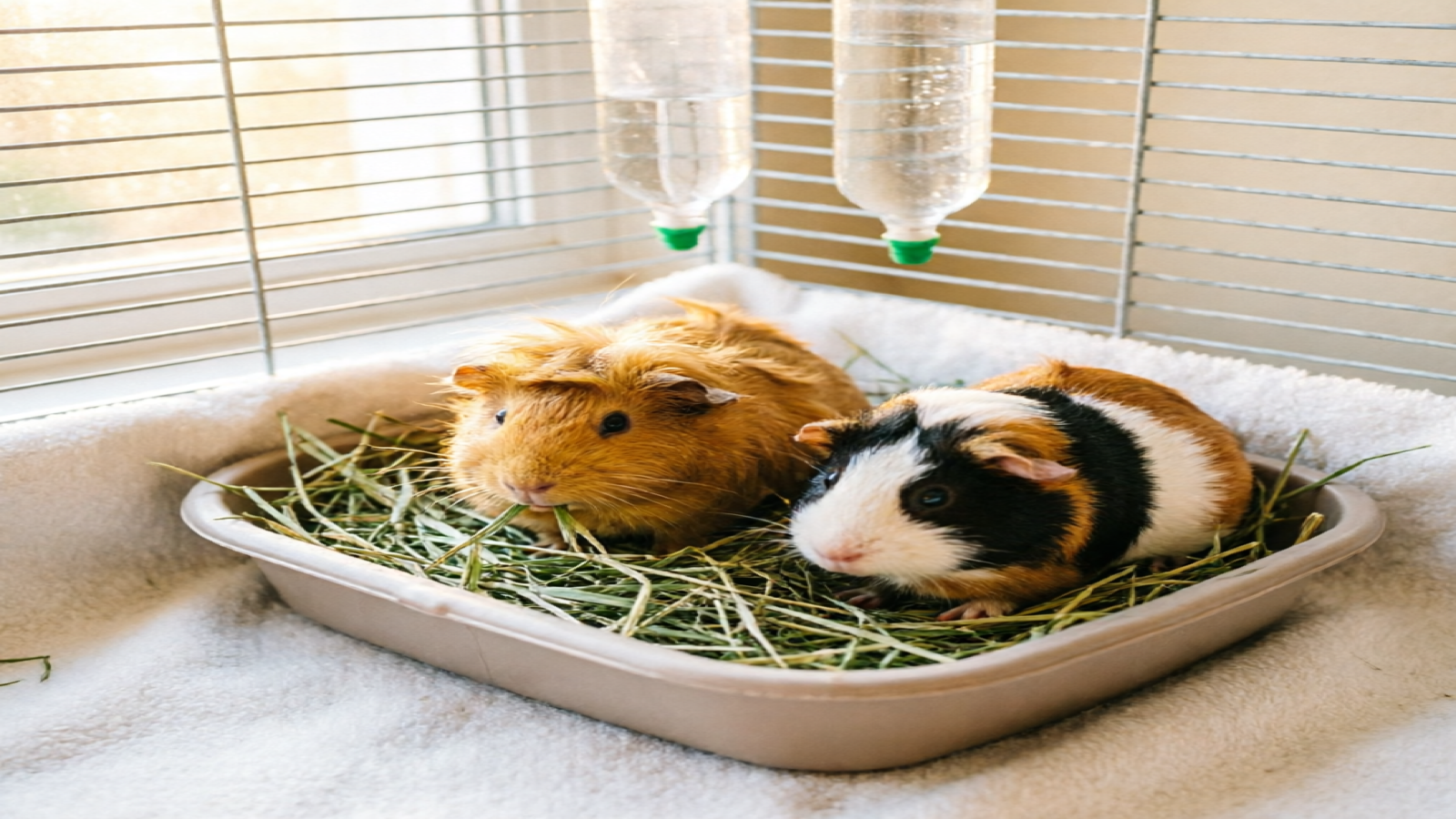
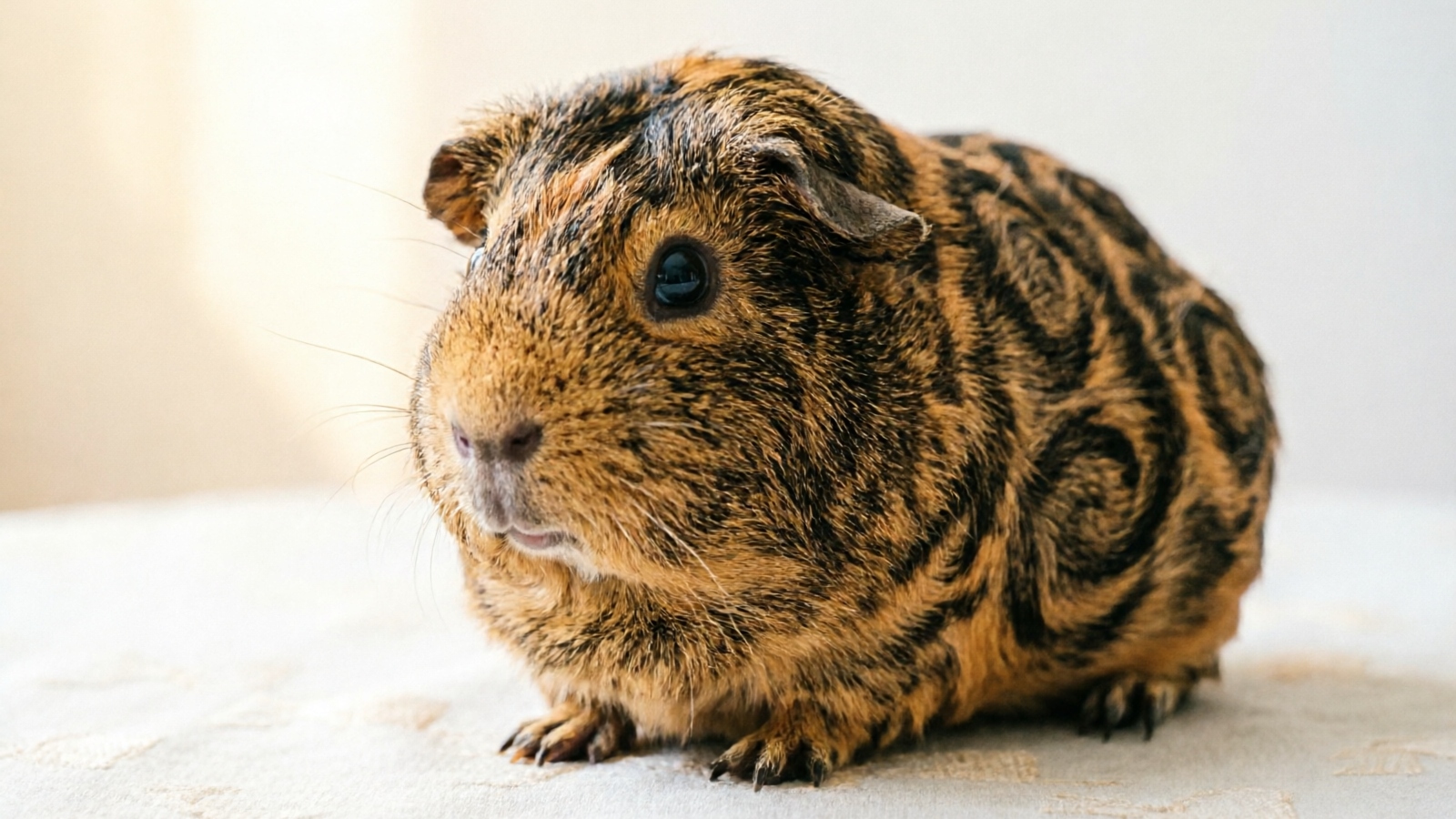
The Abyssinian guinea pig’s rosettes create a distinctive textured coat that sets it apart from all other breeds.
What Is an Abyssinian Guinea Pig?
For the complete breed profile, see our Abyssinian Guinea Pig breed page. The Abyssinian guinea pig is one of the oldest recognized guinea pig breeds. Despite the name suggesting an African origin, Abyssinians actually trace their roots to South America, like all domestic guinea pigs (Cavia porcellus). The breed was developed in Europe and named for its exotic, “wild” appearance that reminded early fanciers of animals from Abyssinia (modern-day Ethiopia).
The American Cavy Breeders Association (ACBA) officially recognizes the Abyssinian as a standard breed. They are one of the most popular guinea pig breeds worldwide, prized for their unique coat and lively temperament. Abyssinians are not a rare breed — you can find them at most shelters, rescues, and reputable breeders — but finding one with perfect show-quality rosettes requires a careful search.
Abyssinian Guinea Pig Appearance
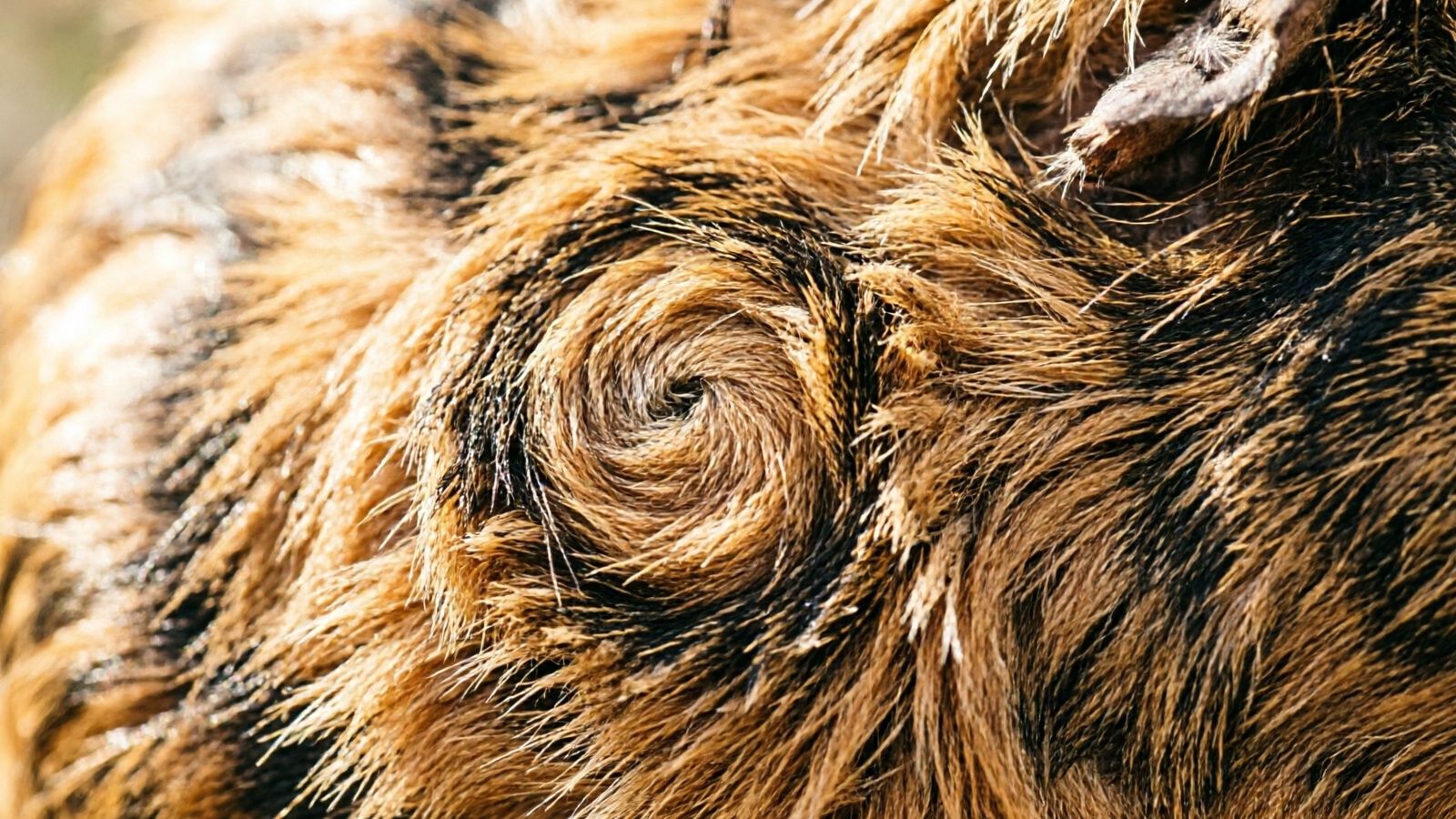
The Abyssinian guinea pig’s appearance is defined entirely by its coat. Unlike the smooth American or the flowing Peruvian, the Abyssinian’s fur grows in rosettes — tight circular whorls that radiate outward from a central point, creating ridges and swirls across the entire body.
Rosettes
A show-quality Abyssinian guinea pig should have 8 to 10 clearly defined rosettes arranged in a specific symmetrical pattern. The ideal placement includes two on each shoulder, two on each hip (called the “saddle” rosettes), two on the rump, and one or two on the forehead. Each rosette should have a distinct center point with hair radiating outward in all directions, creating a firm, raised whorl when you run your fingers over it.
Pet-quality Abyssinians may have fewer rosettes or less symmetrical placement. This does not affect their health or personality — it is purely a cosmetic difference that matters only for showing.
Coat Types
There are two coat varieties within the Abyssinian breed:
- Standard Abyssinian: Has the typical coarse, textured coat with well-defined rosettes. The fur is medium length, roughly 1.5 to 2 inches long. This is the variety you will encounter most frequently at shelters and pet stores. The texture is unique — it feels coarser and rougher than the smooth coat of an American or the plush coat of a Teddy. This coarseness actually helps the rosettes maintain their shape, as the stiffer hairs hold the whorl pattern better than softer fur would.
- Satin Abyssinian: Has the same rosette pattern but with a satin coat — the individual hairs have a hollow core that reflects light, giving the coat a distinct sheen. Satin Abyssinians are rarer and their coat feels silkier than the standard variety.
Abyssinian Guinea Pig Colors
Abyssinian guinea pig colors are incredibly diverse. The breed comes in virtually every color and pattern recognized in the cavy world:
- Agouti: Individual hairs are banded with multiple colors (gold, silver, chocolate, dilute agouti). This is the most “wild-looking” pattern.
- Self (Solid): One uniform color across the entire coat — black, white, red, cream, chocolate, lilac, or beige.
- Tortoiseshell: Patches of black and red intermingled across the body. Tortoiseshell-and-white (tricolor) is particularly striking.
- Dalmatian: White base coat with colored spots distributed across the body. True Dalmatian patterning requires specific spot placement.
- Roan: Even mixture of white and colored hairs throughout the coat. Roan Abyssinians have a salt-and-pepper appearance that is quite distinctive.
Abyssinian Guinea Pig Size
The abyssinian guinea pig size is typical for the species. Adults weigh between 1.5 and 3 pounds (700g to 1.4kg) and measure 8 to 12 inches in body length (20 to 30 cm). Males (boars) tend to be slightly larger than females (sows), but the difference is modest.
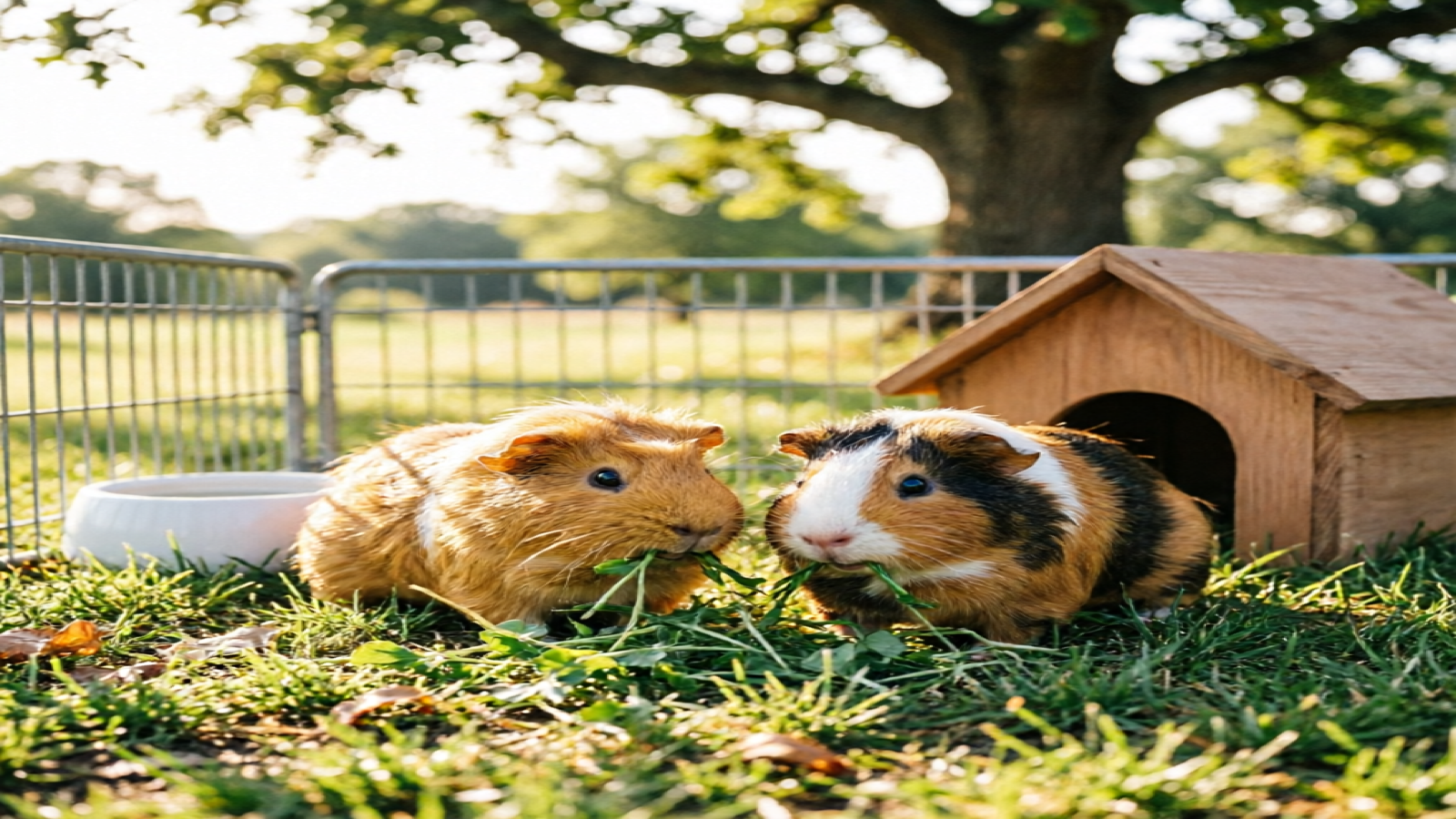
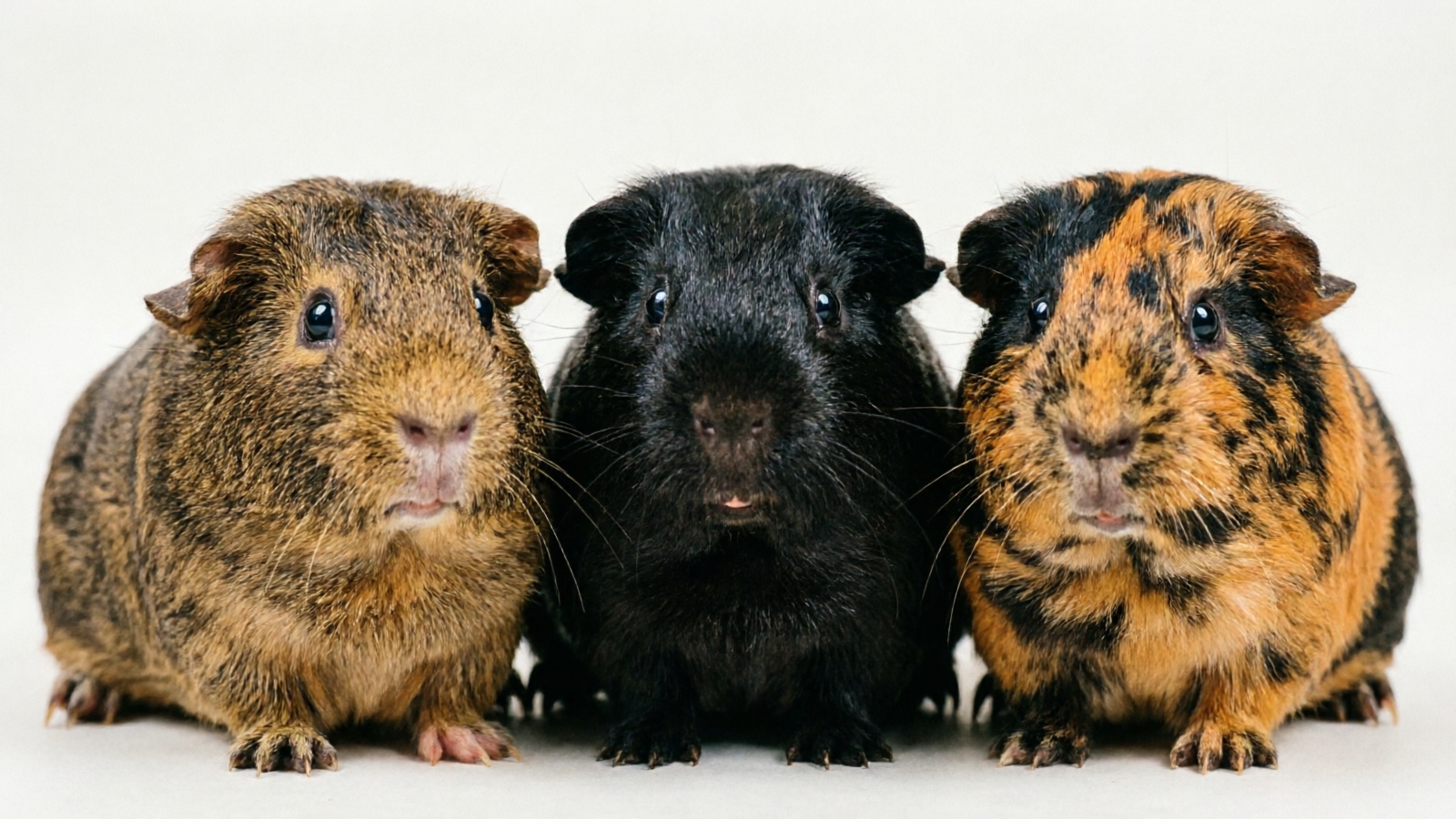 Abyssinian guinea pigs come in an extraordinary range of colors and patterns, from solid self colors to complex tortoiseshell and roan combinations.
Abyssinian Guinea Pig Temperament
If personality is what you value most in a pet, the Abyssinian guinea pig might be the perfect choice. The abyssinian guinea pig temperament is widely regarded as the most energetic and interactive guinea pig breed.
Energy and Curiosity
Abyssinians are active explorers. They spend more time investigating their environment, rearranging toys, and pushing items around their cage than calmer breeds like the American or Teddy. During floor time, Abyssinians tend to roam further, popcorning (jumping in the air from excitement) more frequently, and showing more interest in new objects. Many Abyssinian owners describe their pigs as “mischievous” — they learn to flip food bowls, nudge open cage doors, and find creative ways to reach items placed just outside their reach.
Their intelligence is notable. Abyssinians quickly learn to recognize their owners by voice and will wheek excitedly when they hear familiar footsteps approaching. Some owners report that their Abyssinians respond to their names and can be trained to simple behaviors like coming when called or navigating small obstacle courses during floor time.
Vocalization
The Abyssinian guinea pig is one of the most vocal breeds. They produce a wide range of sounds — wheeks (excited greeting calls), purrs (contentment), rumbles (dominance or courtship), teeth chattering (annoyance or warning), and even chirps (a rare sound some owners report). If you enjoy a chatty pet, the Abyssinian delivers. Learn more about what these sounds mean in our guinea pig sounds guide.
Handling and Bonding
Abyssinians are generally good with handling, though they may be more fidgety than calmer breeds during the first few weeks of bonding. They warm up quickly with consistent, gentle interaction. Their boldness around humans means they are less likely to freeze or hide when approached, which makes them engaging pets for families with older children.
They are not the best choice for very young children who might handle them roughly, as their active nature means they may try to jump or wriggle free. For households with children under 6, a calmer breed like the American may be more appropriate.
Abyssinian Guinea Pig Lifespan
The abyssinian guinea pig lifespan is typical for the species: 5 to 7 years with proper care, though some individuals reach 8 years. Their lifespan is not significantly different from other breeds — genetics, diet, and veterinary care matter far more than breed when it comes to longevity.
Common Health Issues
While generally healthy, Abyssinians are susceptible to the same conditions that affect all guinea pigs, plus a few coat-specific concerns:
- Dental problems: Overgrown teeth are common in all cavies. Provide unlimited hay to promote natural tooth wear.
- Scurvy (Vitamin C deficiency): Guinea pigs cannot synthesize vitamin C. Feed fresh vegetables high in vitamin C daily — bell peppers, kale, and cilantro are excellent choices.
- Respiratory infections: The most common cause of illness in guinea pigs. Keep their environment clean, dry, and well-ventilated.
- Skin issues from matted rosettes: This is breed-specific. Matted fur traps moisture, bacteria, and debris against the skin, leading to fungal or bacterial infections. Regular grooming prevents this. See our guinea pig health guide for details on recognizing and treating skin problems.
- Bumblefoot (pododermatitis): Sores on the feet from wire flooring or dirty bedding. See our bumblefoot guide for prevention and treatment.
For detailed lifespan information across all breeds, see our guinea pig lifespan guide.
Abyssinian Guinea Pig Care Guide
Caring for an abyssinian guinea pig follows the same core principles as any guinea pig, with extra attention to grooming. Here is a complete breakdown of their care requirements.
Cage Requirements
A single pair of Abyssinian guinea pigs needs a minimum of 7.5 square feet of cage floor space (30” x 36”), though 10.5 square feet or more is ideal. Abyssinians are more active than most breeds, so giving them extra space to run and popcorn is especially beneficial. In our experience, Abyssinians in larger cages display significantly more natural behaviors — they popcorn more frequently, interact with enrichment more actively, and show fewer signs of stress like teeth chattering or hiding.
C&C cages (Coroplast and Cubes) are the most popular choice — they are affordable, customizable, and provide excellent ventilation. Bar spacing should be no wider than 1.5 inches to prevent escapes. A solid bottom is essential — wire flooring causes bumblefoot and should always be covered with a safe bedding material. See our best guinea pig cage guide for specific recommendations.
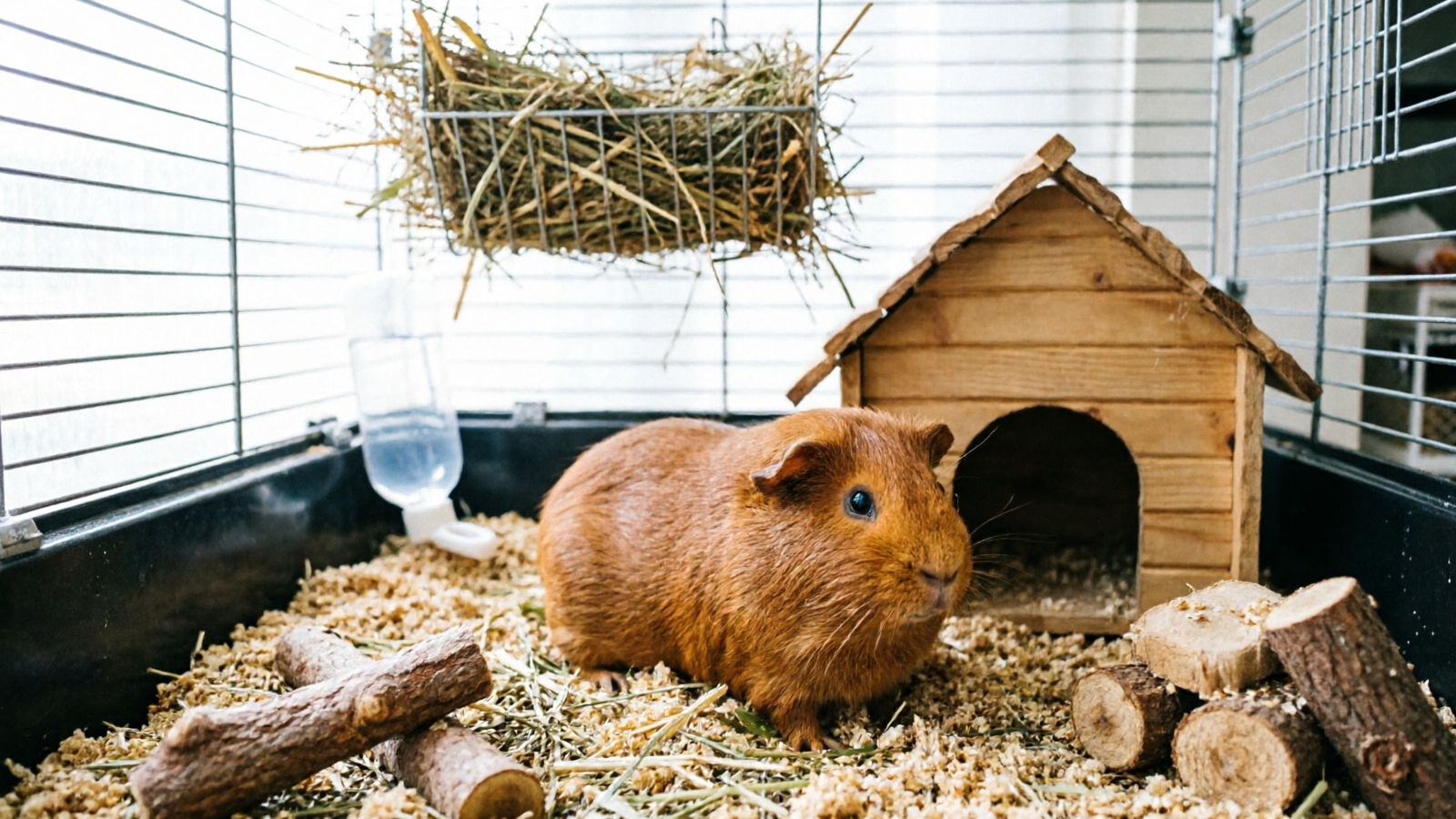 A well-designed cage for Abyssinian guinea pigs includes multiple hideouts, tunnels, and space for floor-time activities.
Diet
A proper abyssinian guinea pig diet follows the standard cavy nutrition formula:
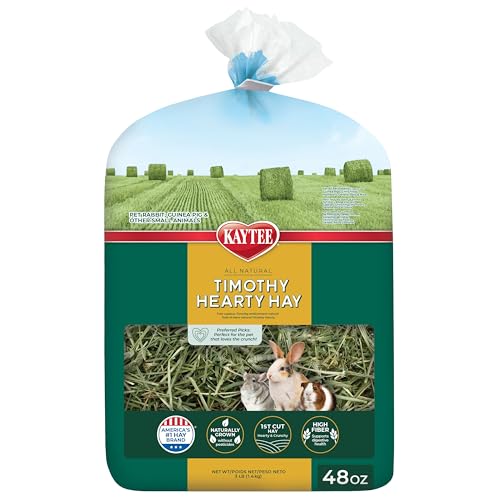
- 80% unlimited hay: Timothy hay should be available at all times. It provides essential fiber for digestion and wears down teeth naturally. Kaytee Timothy Hay is a widely available option that provides consistent quality at an affordable price.
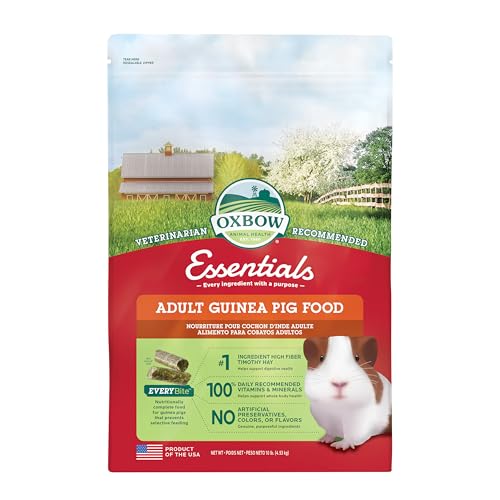
- 1/8 cup fortified pellets daily: A high-quality timothy-based pellet ensures your Abyssinian gets essential vitamins and minerals. Oxbow Essentials Adult Guinea Pig Food is veterinarian-recommended and provides uniform pellets that prevent selective eating. For more food options, see our best guinea pig food guide.
- 1 cup fresh vegetables daily: Focus on vitamin C-rich options — bell peppers, romaine lettuce, cilantro, and small amounts of kale. Avoid iceberg lettuce (no nutritional value), potatoes, onions, and rhubarb.
- Fresh water: Changed daily, provided in a water bottle or heavy ceramic bowl.
For a complete dietary breakdown, see our guinea pig diet guide and best guinea pig hay guide.
Exercise and Enrichment
Abyssinians need at least 1 hour of supervised floor time daily in a safe, guinea-pig-proofed area. Their active nature means they benefit more from enrichment than calmer breeds:
- Tunnels and hideouts (at least 2 per cage)
- Foraging toys and hay racks
- Cardboard boxes and paper bags to explore
- Safe wooden chew toys
- Varied floor-time environments to prevent boredom
Social Needs
Abyssinian guinea pigs must never live alone. They are herd animals that need at least one companion. Same-sex pairs (two boars or two sows) work well, or a neutered male with one or more females. Introductions should be done gradually on neutral territory.
A lonely Abyssinian will become withdrawn, stop eating, and may develop health problems from stress. If you can only keep one guinea pig, this is not the right pet for you. The social bond between guinea pig companions is remarkably strong — paired pigs groom each other, sleep side by side, and call out to each other when separated. Separating a bonded pair causes genuine distress.
If one of your Abyssinians passes away, the surviving pig will grieve. Monitor their eating closely and consider introducing a new companion after a brief adjustment period. Some veterinarians and rescue organizations recommend a “buddy bonding” session to help introductions succeed.
For comprehensive care information beyond breed-specific details, see our guinea pig care guide.
Grooming an Abyssinian Guinea Pig
Grooming is the single most important aspect of abyssinian guinea pig care that sets them apart from other breeds. Abyssinian guinea pig grooming requires consistent attention to keep their rosetted coat healthy and defined.
Brushing Routine
Brush your abyssinian guinea pig every 2 to 3 days at minimum. During spring and fall shedding seasons, daily brushing may be necessary. The goal is to keep rosettes defined and prevent the formation of mats.
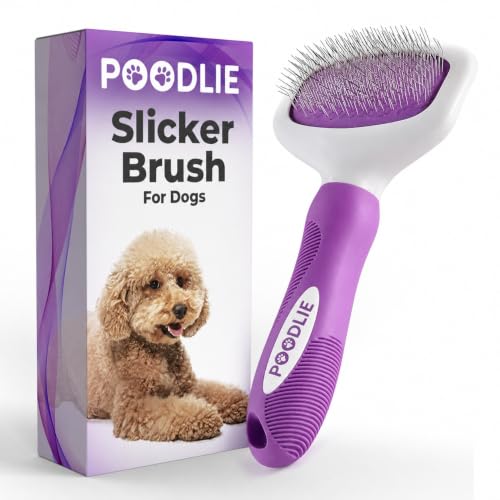
A gentle Poodle Pet slicker brush is ideal for Abyssinian coats — the fine wire bristles separate the rosette hair without pulling. Work in the direction the hair grows, lifting each rosette gently to check the skin underneath.
Pay extra attention to these problem areas:
- Behind the ears (oil buildup)
- Under the chin (dampness from drinking)
- The rump area (proximity to waste)
- Between rosettes (where hair from different whorls meets and tangles)
Bathing
Abyssinian guinea pigs should be bathed no more than once every 3 to 4 months, or only when visibly soiled. Over-bathing strips natural oils from the coat and can dry out the skin, which is particularly problematic for Abyssinians because their rosettes trap moisture close to the skin for longer than a smooth coat would.
If you do need to bathe your Abyssinian, follow these steps:
- Fill a shallow basin with 1-2 inches of lukewarm water (test with your wrist — it should feel barely warm)
- Use a small animal-safe shampoo — never use human shampoo or dish soap
- Gently wet the coat, avoiding the face and ears entirely
- Work shampoo through the rosettes with your fingers, separating each whorl
- Rinse thoroughly — leftover shampoo residue causes skin irritation
- Wrap in a towel and pat dry (never rub vigorously, which damages rosettes)
- Finish with a hair dryer on the lowest, coolest setting held 12 inches away
- Confirm the rosettes are completely dry before returning your pig to its cage
Damp rosettes create a warm, moist environment that is ideal for fungal and bacterial growth. This is the primary reason Abyssinians are more prone to skin infections than short-haired breeds — their coat structure simply holds moisture differently.
Nail Trimming
Trim nails every 3 to 4 weeks. Long nails curl under and affect walking, which can lead to joint problems and discomfort over time. Use small animal nail clippers and trim just below the quick (the pink part inside the nail). If you accidentally cut the quick, apply styptic powder or cornstarch to stop bleeding.
For Abyssinians with dark nails where the quick is not visible, trim small amounts more frequently rather than attempting a large trim. A guinea pig-safe LED nail light can help illuminate the quick in darker nails. If you are uncomfortable trimming nails yourself, most exotic veterinarians and some groomers offer this service for a small fee.
Skin Checks
During every grooming session, check the skin for:
- Redness or irritation (especially in rosette valleys)
- Flaky skin or excessive scratching (could indicate mites or fungal infection)
- Lumps or bumps (consult a veterinarian)
- Dampness or odor (improve cage cleaning frequency)
How Much Does an Abyssinian Guinea Pig Cost?
The cost of an abyssinian guinea pig is similar to other breeds, with ongoing expenses that many new owners underestimate.
Purchase Price
| Source | Price Range |
|---|---|
| Animal shelter or rescue | $25 - $50 |
| Pet store | $30 - $75 |
| Reputable breeder | $40 - $100+ |
Adopting from a shelter is always recommended. Shelters often have Abyssinians available, and adoption fees typically include a basic health check.
Initial Setup Cost
| Item | Estimated Cost |
|---|---|
| Cage (C&C, 2x4 grids) | $60 - $120 |
| Water bottle + food dish | $15 - $25 |
| Hideouts (minimum 2) | $20 - $40 |
| Bedding (fleece or paper) | $30 - $60 |
| Hay and pellets (first month) | $20 - $35 |
| Nail clippers + brush | $10 - $20 |
| Total setup | $155 - $300 |
Monthly Ongoing Costs
| Item | Estimated Monthly Cost |
|---|---|
| Hay (unlimited) | $10 - $20 |
| Pellets | $8 - $15 |
| Fresh vegetables | $10 - $20 |
| Bedding replacement | $5 - $15 |
| Total monthly | $33 - $70 |
Veterinary Costs
Budget for an exotic veterinarian experienced with guinea pigs. Initial wellness exam: $50-$100. Annual checkups: $50-$100. Emergency visits: $100-$500+. Setting aside $20-$30 per month in a vet fund is a responsible practice.
The biggest ongoing expense that surprises new owners is hay — a pair of guinea pigs will go through roughly 2 pounds of hay per week. Buying in bulk online significantly reduces this cost. A 10-pound box of timothy hay typically costs $20-$30 and lasts a pair roughly 5 weeks, making it one of the most cost-effective aspects of guinea pig ownership.
When budgeting for an abyssinian guinea pig, also consider the grooming tools specific to this breed. A good slicker brush ($8-$15) and a soft-bristle comb ($5-$10) are essential purchases that you will not need to replace frequently. These one-time costs are small compared to the ongoing food and veterinary expenses, but they should be factored into your initial setup budget.
Is the Abyssinian Guinea Pig Right for You?
The Abyssinian guinea pig is an excellent choice for owners who want an interactive, personality-filled companion and are willing to commit to a regular grooming routine. They are not the lowest-maintenance breed — that distinction belongs to the American — but the extra grooming effort is rewarded with a pet that feels genuinely engaged with you and its environment.
Best suited for:
- Families with children ages 6 and up
- First-time owners willing to learn grooming techniques
- Owners who want an active, vocal pet
- People who enjoy the bonding experience of regular grooming
Consider another breed if:
- You want a hands-off, low-maintenance pet
- You have very limited time for grooming (2-3 sessions per week minimum)
- You are looking for the calmest possible guinea pig
- You can only keep a single guinea pig (no breed is suitable for solo living)