Quick Answer: Can Guinea Pigs Eat Tomatoes?
Yes — but only the ripe red or yellow fruit, in small amounts, 1-2 times per week.
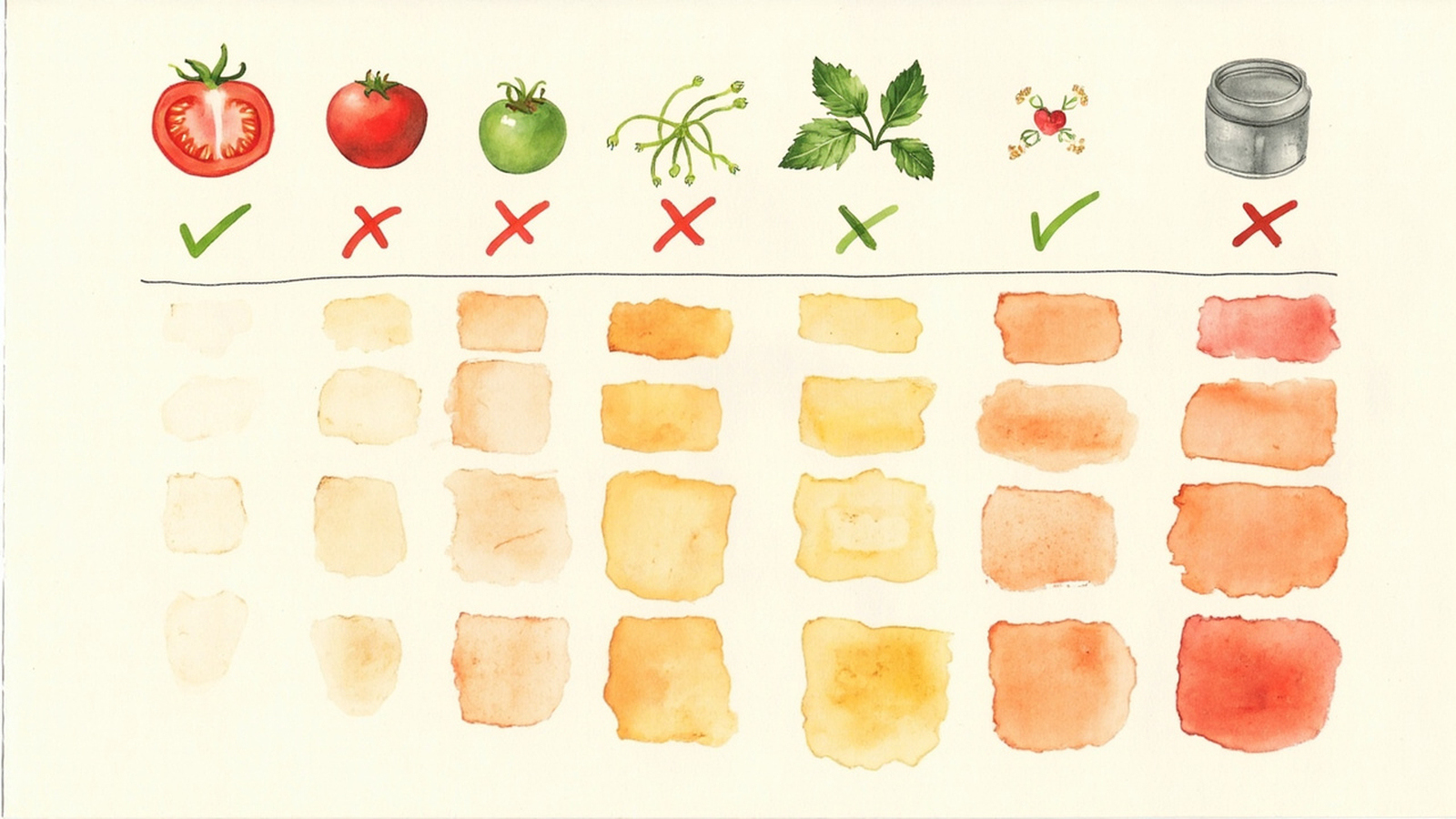
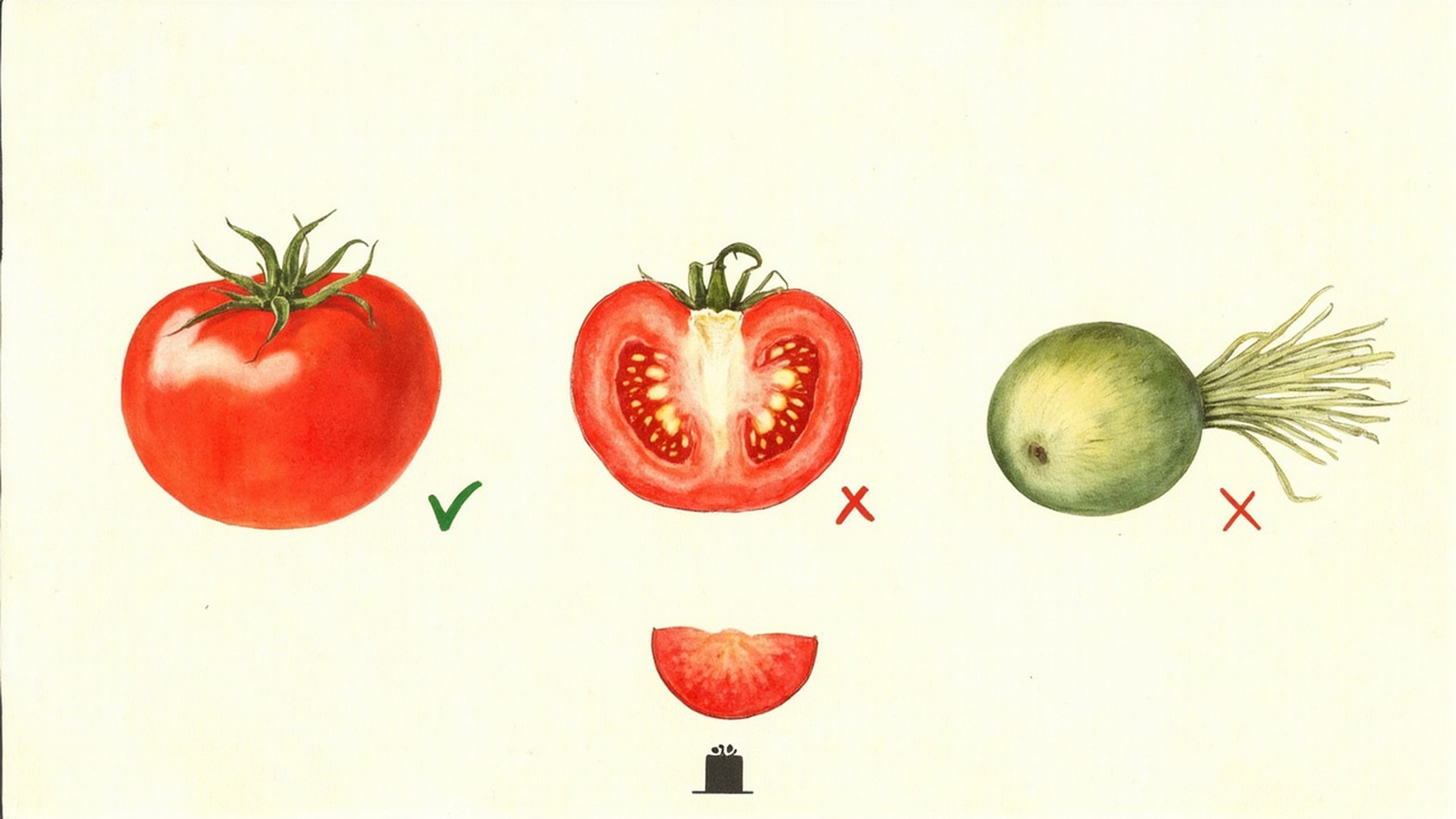
| Ripe Red Tomato | Green Tomato | Leaves & Vines |
|---|---|---|
| Safe? | ✅ Yes (limited) | ❌ Toxic |
| Serving | 1-2 cherry tomatoes | Never feed |
| Why? | Vitamin C, lycopene | Solanine + tomatine |
| Frequency | 1-2x per week | — |
💡 TL;DR: 1-2 cherry tomatoes per serving, 1-2 times per week max. Only ripe red or yellow fruit. No leaves, stems, vines, or green tomatoes — they contain toxic compounds. Wash thoroughly before feeding.
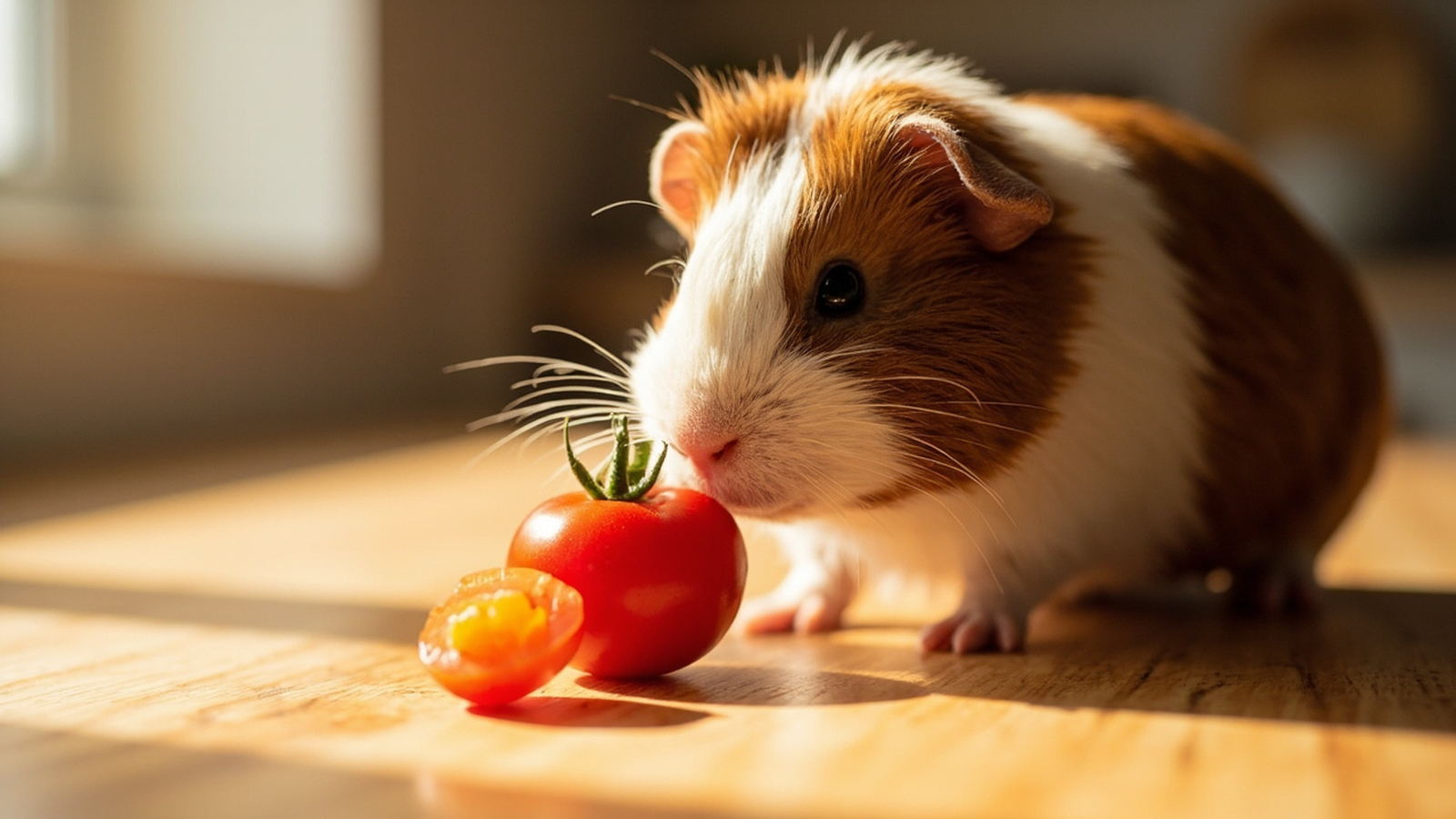
My guinea pig, Biscuit, used to light up the second she heard the fridge open — she knew tomatoes were coming. But I learned the hard way that she’d eat a whole cherry tomato in one bite if I let her. Now I cut them in half and only offer them twice a week. When it comes to can guinea pigs eat tomatoes, the acidity was starting to cause small sores around her mouth, which disappeared once I reduced the frequency. For a complete dietary overview, see our guinea pig food guide.
Why Tomatoes Matter for Guinea Pigs
For anyone wondering can guinea pigs eat tomatoes, the key reason is vitamin C — guinea pigs cannot produce their own — they lack the enzyme L-gulonolactone oxidase and must get all of their vitamin C from their diet. An adult needs 10-30mg per day — central to the can guinea pigs eat tomatoes discussion. A deficiency causes scurvy — hair loss, joint pain, lethargy, and in severe cases, death.
Tomatoes provide about 13.7mg of vitamin C per 100g — the nutritional basis for can guinea pigs eat tomatoes (USDA data) — roughly 15-25% of a guinea pig’s daily requirement in a single serving. But they’re too acidic to be a daily staple — limiting can guinea pigs eat tomatoes to 1-2x/week, which is why tomatoes are a supplementary vitamin C source rather than a primary one. For a dedicated vitamin C guide, see our guinea pig vitamin C guide.
Tomato Parts Safety Guide
Not all parts of a tomato plant are safe. In fact, most of the plant is toxic to guinea pigs. This is one of the most important distinctions in answering can guinea pigs eat tomatoes in this article — getting it wrong can be dangerous.
| Part | Safe? | Toxicity Level | Why |
|---|---|---|---|
| Ripe red/yellow fruit | ✅ Yes | None | Safe in moderation; provides vitamin C |
| Tomato seeds | ✅ Yes | None | Pass through safely; minimal nutritional value |
| Tomato skin | ✅ Yes | None | Safe; contains lycopene (antioxidant) |
| Green (unripe) fruit | ❌ No | High | Contains solanine and tomatine |
| Leaves | ❌ No | High | Highest solanine concentration in the plant |
| Stems | ❌ No | High | Contains glycoalkaloid toxins |
| Vines | ❌ No | High | Same toxins as leaves and stems |
Why Are Green Tomatoes and Leaves Toxic?
Solanine and tomatine — two glycoalkaloid toxins found throughout the nightshade family (Solanaceae), which includes tomatoes, potatoes, eggplants, and peppers. The ripening process breaks down these toxins, which is why can guinea pigs eat tomatoes only when ripe, which is why ripe red tomatoes are safe but green ones are not.
Green tomatoes contain 2-10x more solanine — which is why can guinea pigs eat tomatoes only when fully ripe than ripe ones. Leaves and stems have the highest concentration — the plant’s natural defense against insects. As the fruit ripens from green to red, toxin levels drop to safe amounts.
Symptoms of solanine/tomatine poisoning in guinea pigs:
- Drooling and excessive salivation
- Loss of appetite and refusal to eat
- Diarrhea or abnormal stools
- Lethargy and weakness
- Abdominal pain (hunched posture, teeth grinding)
- Difficulty breathing in severe cases
If you suspect your guinea pig ate any green part, contact an exotic vet immediately. See our guinea pig health guide and guinea pig not eating guide for emergency guidance.
Can Guinea Pigs Eat Tomato Seeds?
Yes — are tomato seeds bad for guinea pigs? No — tomato seeds are not bad for guinea pigs. They’re not toxic (unlike apple seeds, which contain amygdalin) and won’t cause intestinal blockage because they’re too small. They pass through the digestive tract without issue.
However, seeds offer almost no nutritional value — answering are tomato seeds bad for guinea pigs and can occasionally lodge between teeth or in cheek pouches. For older guinea pigs with dental problems, I’d recommend removing seeds before feeding. For healthy adults, it’s fine to leave them in.
Can Guinea Pigs Eat Tomato Skin?
Yes — tomato skin is safe and contains lycopene — confirming can guinea pigs eat tomatoes with skin on, a powerful antioxidant. The skin is where most lycopene concentrates. Wash thoroughly but don’t peel — you’d remove the most nutritious part.
Can Guinea Pigs Eat Tomato Leaves and Vines?
Can guinea pigs eat tomato vines? No — leaves and vines are toxic. Even a small amount can cause poisoning when considering can guinea pigs eat tomatoes leaves or vines. If you grow tomatoes at home and are wondering can guinea pigs eat tomatoes from the garden, ensure your guinea pig cannot access the garden area.
Can Guinea Pigs Eat Tomato Plants?
Only the ripe fruit is safe when answering can guinea pigs eat tomatoes. Everything else — can guinea pigs eat tomato stems? No, stems are toxic. Leaves, vines, flowers — all toxic.
Nutritional Value of Tomatoes for Guinea Pigs
USDA nutritional data — red tomato, raw USDA FoodData Central:
| Nutrient | Amount per 100g | Per 1 Cherry Tomato (~15g) | Relevance to Guinea Pigs |
|---|---|---|---|
| Vitamin C | 13.7 mg | ~2 mg | Critical — GP cannot synthesize Vit C |
| Vitamin A | 42 µg | ~6.3 µg | Eye health, immune function |
| Vitamin K | 7.9 µg | ~1.2 µg | Blood clotting |
| Potassium | 237 mg | ~35.6 mg | Heart and muscle function |
| Fiber | 1.2g | ~0.18g | Digestive health |
| Water | 94% | ~14.1g | Hydration — excess causes loose stool |
| Sugar | 2.6g | ~0.39g | Low sugar — safer than most fruits |
| Calories | 18 kcal | ~2.7 kcal | Low calorie — safe for weight management |
| Lycopene | 2,573 µg | ~386 µg | Antioxidant — anti-inflammatory |
Tomato Vitamin C Contribution
A single cherry tomato provides approximately 2mg — a useful fact for can guinea pigs eat tomatoes calculations of vitamin C. An adult guinea pig needs 10-30mg per day. So one cherry tomato covers roughly 7-20% of the daily requirement — meaningful but not sufficient on its own.
Tomatoes are a supplementary vitamin C source — an important nuance in can guinea pigs eat tomatoes advice, not a primary one. For context, here’s how common vegetables rank:
| Vegetable | Vit C per 100g | Safe Daily? | Role |
|---|---|---|---|
| Red bell pepper | 128 mg | ✅ Yes | #1 source — low oxalate, high Vit C |
| Green bell pepper | 80 mg | ✅ Yes | Excellent daily source |
| Kale | 120 mg | ✅ Moderate | High calcium — rotate with other greens |
| Parsley | 133 mg | ⚠️ Occasional | Very high calcium — limit to 1-2x/week |
| Broccoli | 89 mg | ⚠️ Occasional | Can cause gas — small amounts |
| Tomato | 13.7 mg | ⚠️ 1-2x/week | Too acidic for daily use |
Bell peppers are the clear winner for daily vitamin C — they have 9 times more vitamin C than tomatoes, lower acidity, and can be fed daily. I use bell peppers as Biscuit’s daily vitamin C staple and tomatoes as a twice-weekly treat.
Can Guinea Pigs Eat Cherry Tomatoes?
Yes — can guinea pigs eat cherry tomatoes? Absolutely — they’re the ideal serving size for guinea pigs. One to two cherry tomatoes per serving — the can guinea pigs eat tomatoes golden rule is the perfect portion. They’re naturally portion-controlled, which makes them much easier than trying to dice a large beefsteak tomato into a precise tablespoon measurement.
Wash, cut in half, and offer — can guinea pigs eat tomatoes whole? It’s safer to cut in half. Safe whether homegrown or store-bought.
Can Guinea Pigs Eat Grape Tomatoes?
Can guinea pigs eat grape tomatoes? Yes — equally safe as cherry tomatoes as cherry tomatoes. They’re slightly firmer and a bit sweeter — relevant to can guinea pigs eat tomatoes variety choices, with essentially the same nutritional profile. Serve 1-2 per sitting, same frequency (1-2 times per week). Some guinea pigs prefer the firmer texture of grape tomatoes — Biscuit goes for cherry tomatoes first but will eat grape tomatoes if that’s what’s available.
How Many Tomatoes Can Guinea Pigs Eat?
When answering how many tomatoes can guinea pigs eat, the serving size should be adjusted based on your guinea pig’s weight. Larger guinea pigs can handle slightly more, while smaller or younger ones need smaller portions.
| Guinea Pig Weight | Max Serving | Frequency | Notes |
|---|---|---|---|
| Under 700g (young/small) | ½ cherry tomato | 1x/week | Start with tiny amounts, monitor closely |
| 700g - 1kg (average adult) | 1 cherry tomato | 1-2x/week | Standard serving for most guinea pigs |
| Over 1kg (large adult) | 1-2 cherry tomatoes | 1-2x/week | Can handle slightly more |
If using large tomatoes instead of cherry, substitute with 1-2 tablespoons of diced tomato per serving.
Can Guinea Pigs Eat Tomatoes Daily?
Can guinea pigs eat tomatoes daily? No — daily feeding is not recommended for three specific reasons:
-
Acidity (pH 4.3-4.9) — Tomatoes are significantly more acidic than most vegetables guinea pigs eat. Daily exposure to this acidity can cause mouth sores, especially around the lips and gums. I noticed this with Biscuit — small red spots appeared at the corners of her mouth after a week of daily tomatoes. They cleared up within days of cutting back to twice weekly.
-
Bladder stone risk — Guinea pigs are prone to calcium oxalate bladder stones, one of the most common and painful health conditions they face. Tomatoes contain moderate oxalates. Combined with calcium from hay and pellets, frequent tomato feeding can contribute to stone formation over time. If your guinea pig has a history of bladder stones, can guinea pigs eat tomatoes becomes a more cautious question, skip tomatoes entirely and use bell peppers as your primary vitamin C source instead.
-
Nutritional variety — Guinea pigs need diverse vegetables for balanced nutrition. Relying on any single vegetable means missing out on the different vitamins, minerals, and fiber profiles that a varied diet provides. See our guinea pig care guide for more on balanced feeding.
Tomato Varieties Comparison
Not all tomatoes are created equal when it comes to can guinea pigs eat tomatoes safely. Different varieties have different sugar levels, acidity, and practical considerations for guinea pig feeding.
| Variety | Size | Sugar % | Acid Level | Best For | Serving |
|---|---|---|---|---|---|
| Cherry | 1-2cm | 4% | Medium | Perfect serving size — naturally portion-controlled | 1-2 per serving |
| Grape | 2-3cm | 4.5% | Medium | Easy to handle, slightly firmer | 1-2 per serving |
| Roma | 5-8cm | 3% | Medium-High | Lower sugar, good for dicing | 1-2 tbsp diced |
| Beefsteak | 8-12cm | 3.5% | High | Dice carefully — too big for whole serving | 1-2 tbsp diced |
| Heirloom | Variable | 3-5% | Variable | Safe if fully ripe and red/yellow | Same as beefsteak |
| Green (unripe) | Any | 2% | Very High | ❌ Never feed — toxic solanine/tomatine | — |
Key takeaway: Cherry and grape tomatoes are the easiest and safest choice because they’re naturally portion-controlled. With large tomatoes like beefsteak, it’s easy to accidentally overfeed — a casual “slice” can be several times the recommended portion. If you use large tomatoes, measure carefully with a measuring spoon.
For the lowest sugar option, Roma tomatoes at 3% are slightly better than cherry at 4%. But the difference is small enough that it shouldn’t drive your choice — convenience and portion control matter more for guinea pig feeding.
Can Baby Guinea Pigs Eat Tomatoes?
Can baby guinea pigs eat tomatoes? No — baby guinea pigs under 12 weeks should not eat tomatoes. Their digestive systems are still developing, and the acidity of tomatoes can cause serious problems in young guinea pigs.
Safe feeding timeline:
| Age | What to Feed | Tomatoes? |
|---|---|---|
| 0-3 weeks | Mother’s milk only | ❌ No — digestive system too immature |
| 3-4 weeks | Begin nibbling on pellets and alfalfa hay | ❌ No — still developing |
| 4-8 weeks | Transition to timothy hay + pellets | ❌ No — acidity too strong |
| 8-10 weeks | Introduce safe vegetables (cucumber, lettuce, bell pepper) | ❌ No — wait a bit longer |
| 12+ weeks | Full vegetable rotation begins | ✅ Yes — start with ½ cherry tomato |
First-time feeding protocol: At 12 weeks, offer ½ of a cherry tomato. Monitor for 24 hours — watch for loose stool, lethargy, refusal to eat, or signs of mouth irritation. If everything looks normal, you can gradually increase to a full cherry tomato over the next few weeks. If you notice any adverse reaction, stop tomatoes and wait 2 more weeks before trying again.
Baby guinea pigs grow fast and need consistent, high-quality nutrition. Their calcium requirements are higher than adults (which is why they eat alfalfa hay instead of timothy). The modest vitamin C in tomatoes isn’t worth the acidity risk during this critical growth period.
Risks and Precautions
Acidity and Mouth Sores
Tomatoes are acidic (pH 4.3-4.9) — a key factor in can guinea pigs eat tomatoes safely — more acidic than bell peppers (pH 5.5-6.0) or cucumber (pH 5.1-5.7). Overfeeding can cause mouth sores around the lips and gums. If your guinea pig is drooling or showing redness, reduce frequency or stop.
Bladder Stones
Calcium oxalate bladder stones are common — another reason can guinea pigs eat tomatoes only in moderation and painful in guinea pigs. Tomatoes contain moderate oxalates, which combined with calcium from hay and pellets, can increase stone risk. Guinea pigs with a history of bladder stones should avoid tomatoes entirely.
Pesticide Residue
Tomatoes rank high on the EWG’s Dirty Dozen — another factor when answering can guinea pigs eat tomatoes safely for pesticide residue. Wash thoroughly for 30+ seconds. Organic is preferable.
Allergic Reactions
Some guinea pigs may have individual sensitivities to tomatoes — answering are tomatoes bad for guinea pigs depends on the individual to tomatoes. Signs include sneezing, watery eyes, skin irritation, or digestive upset after eating. If you notice these symptoms, discontinue tomatoes and consult a vet if symptoms persist. For more on respiratory symptoms, see our guinea pig sneezing guide.
Safe Combinations and Alternatives
Can Guinea Pigs Eat Tomatoes and Cucumber Together?
Yes — Can guinea pigs eat tomatoes and cucumber? Yes — they make a safe, hydrating combination. Cucumber is low calorie (95% water, only 1.7g sugar per 100g) and complements tomatoes well with vitamin C and lycopene. This combination is especially refreshing in summer — answering can guinea pigs eat tomatoes and cucumber together positively. Serve together 1-2 times per week as a treat, not a meal replacement. Always wash both thoroughly.
Vitamin C Supplements for Guinea Pigs
Since tomatoes can’t be a daily vitamin C source (too acidic), a supplement ensures consistent daily intake. I use both of these products depending on the situation:
Oxbow Natural Science Vitamin C Supplement ($55.99/pack of 2) — This is the veterinarian-recommended option. Made with timothy hay base, which supports both vitamin C intake and dental health through natural wear. The tablet form ensures consistent, precise dosing — you know exactly how much vitamin C your guinea pig is getting. Best for guinea pigs that accept tablets. If your guinea pig refuses whole tablets, crush and mix with a small amount of pellet or favorite vegetable.
Oasis Vita Drops Pure C for Guinea Pig ($25.99/2-pack) — Liquid vitamin C drops that you add directly to the water bottle. Easier to administer than tablets — no pill-refusing issues. More affordable at $26 for two bottles. The trade-off is precision — the actual dose depends on how much water your guinea pig drinks, which varies daily. Also, vitamin C degrades in water within 24 hours, so you must change the water completely every day. Good as a backup or for guinea pigs that won’t touch tablets.
For a deeper comparison of these and other options, see our guinea pig vitamin C guide and our best guinea pig food guide.
Other Safe Vegetables for Variety
Guinea pigs thrive on variety. Along with tomatoes, these vegetables should be part of the weekly rotation:
| Vegetable | Key Benefit | Frequency | Notes |
|---|---|---|---|
| Bell pepper (red) | 128mg Vit C/100g | Daily | Best daily Vit C source |
| Romaine lettuce | Hydration, low calorie | Daily | Avoid iceberg — too watery |
| Cucumber | Hydration (95% water) | 3-4x/week | Low sugar, safe for dwarfs too |
| Carrot | Vitamin A | 2-3x/week | High sugar — limit portions |
| Zucchini | Low calorie, gentle on stomach | 2-3x/week | Good for sensitive digestive systems |
| Cilantro | Vitamins K and A | 2-3x/week | Strong smell — some guinea pigs love it |
| Tomato | Vit C, lycopene | 1-2x/week | Too acidic for daily use |
Diet quality directly impacts guinea pig longevity — and knowing can guinea pigs eat tomatoes helps build a balanced diet. A well-fed guinea pig with consistent vitamin C intake can live 5-8 years, while nutritional deficiencies shorten lifespan significantly. For more on this connection, see our guinea pig lifespan guide.
How to Prepare Tomatoes for Your Guinea Pig
- When preparing, choose ripe tomatoes — the most important step for can guinea pigs eat tomatoes safely — fully red or yellow, no green spots, firm but slightly yielding to touch, no mold or soft patches
- Wash thoroughly — under running water for 30+ seconds. Organic tomatoes still need washing.
- Remove all green parts — stem, calyx (the green star-shaped part), and any green patches on the fruit itself. Even a small green spot contains elevated solanine.
- Cut to serving size — cherry tomatoes: cut in half for easier eating. Large tomatoes: dice into ½ cm cubes, 1-2 tablespoons per serving.
- Serve at room temperature — cold from the fridge can cause digestive upset. Let pieces sit for 5-10 minutes if refrigerated.
- Remove uneaten pieces after 2 hours — tomato spoils quickly and attracts fruit flies
- Wait 2-3 days before offering tomatoes again — spacing prevents acidity buildup
Storage tip: Keep tomatoes at room temperature, not in the fridge. Refrigeration degrades vitamin C content and alters the texture. Store cut tomato in an airtight container in the fridge for up to 3 days.
Regular weight checks help catch health problems early — our free weight tracker logs daily weights and alerts you to sudden changes.