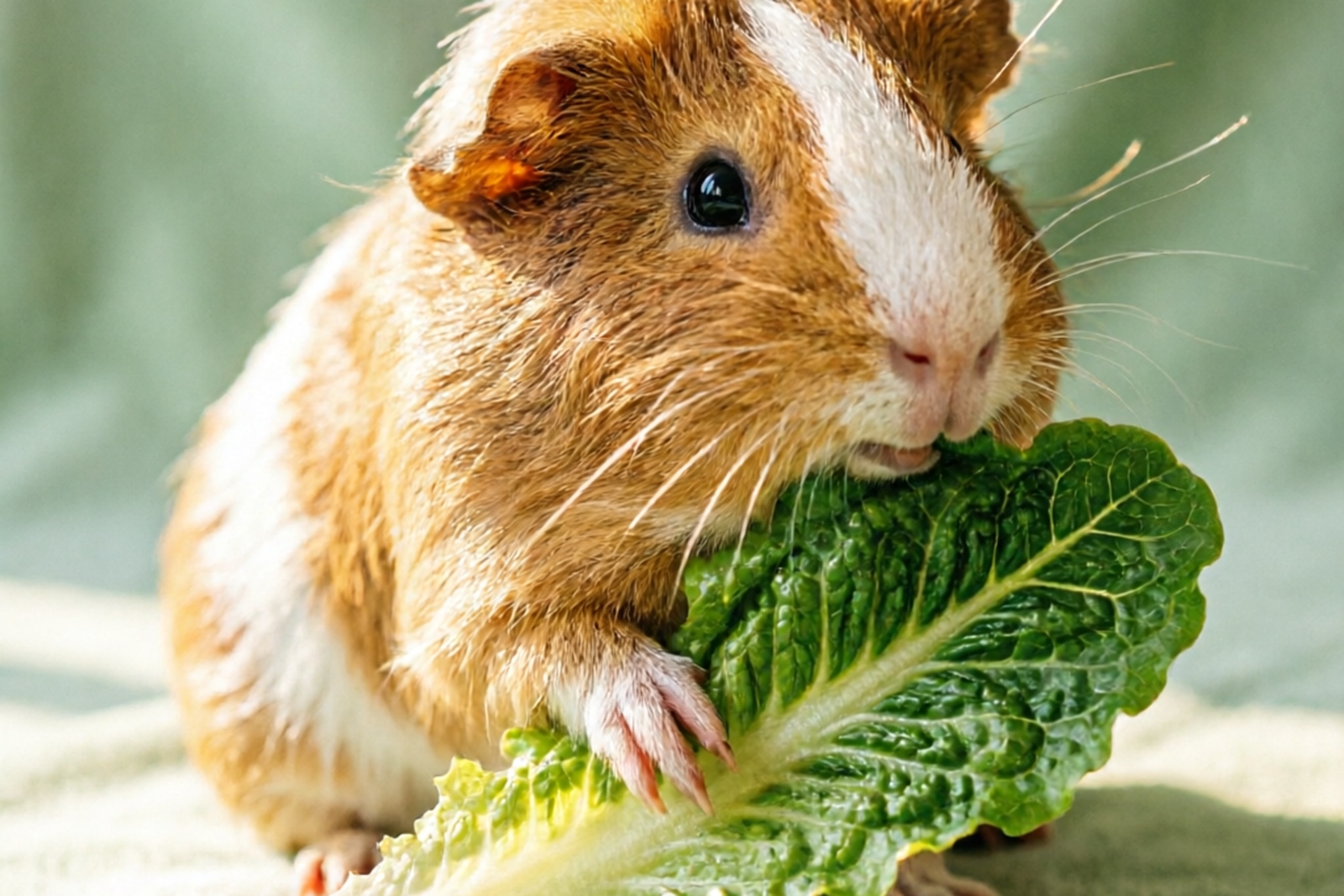
When researching can guinea pigs eat lettuce, the answer is yes for most types — but not all varieties are equal. Romaine, butterhead, and red leaf lettuce are safe and nutritious options, while iceberg lettuce should be avoided entirely due to its low nutritional value and risk of causing diarrhea.
Guinea pigs need fresh vegetables daily as part of a balanced diet, and lettuce is one of the most accessible and affordable options available at any grocery store. However, choosing the right variety and feeding the correct amount makes all the difference between a healthy supplement and a potential health problem.
Most types are perfectly safe and beneficial — but you need to know which ones to choose and which one to never feed.
Quick verdict on whether can guinea pigs eat lettuce: Romaine and butterhead are excellent daily choices. Iceberg lettuce should never be fed to guinea pigs under any circumstances.
Which Types of Lettuce Can Guinea Pigs Eat?
Not all lettuce is created equal when it comes to guinea pig nutrition. The differences between varieties are significant — some provide meaningful vitamins and minerals while others are little more than water. Understanding these differences is the single most important thing you can do to keep your guinea pig safe when deciding whether can guinea pigs eat lettuce.
Here is a complete comparison of the six most common lettuce varieties available, ranked by their nutritional value for guinea pigs:
| Variety | Safe? | Vitamin C (mg/100g) | Calcium (mg/100g) | Phosphorus (mg/100g) | Water (%) | Fiber (g/100g) | Rating |
|---|---|---|---|---|---|---|---|
| Romaine (Cos) | ✅ Best | 24.0 | 33 | 30 | 94.6 | 2.1 | ⭐⭐⭐⭐⭐ |
| Butterhead (Bibb/Boston) | ✅ Great | 3.7 | 25 | 22 | 95.6 | 1.3 | ⭐⭐⭐⭐ |
| Red Leaf Lettuce | ✅ Good | 3.8 | 33 | 26 | 94.9 | 1.3 | ⭐⭐⭐⭐ |
| Green Leaf Lettuce | ✅ Good | 3.3 | 36 | 23 | 95.1 | 1.3 | ⭐⭐⭐⭐ |
| Little Gem | ✅ Good | 5.0 | 28 | 24 | 95.0 | 1.5 | ⭐⭐⭐⭐ |
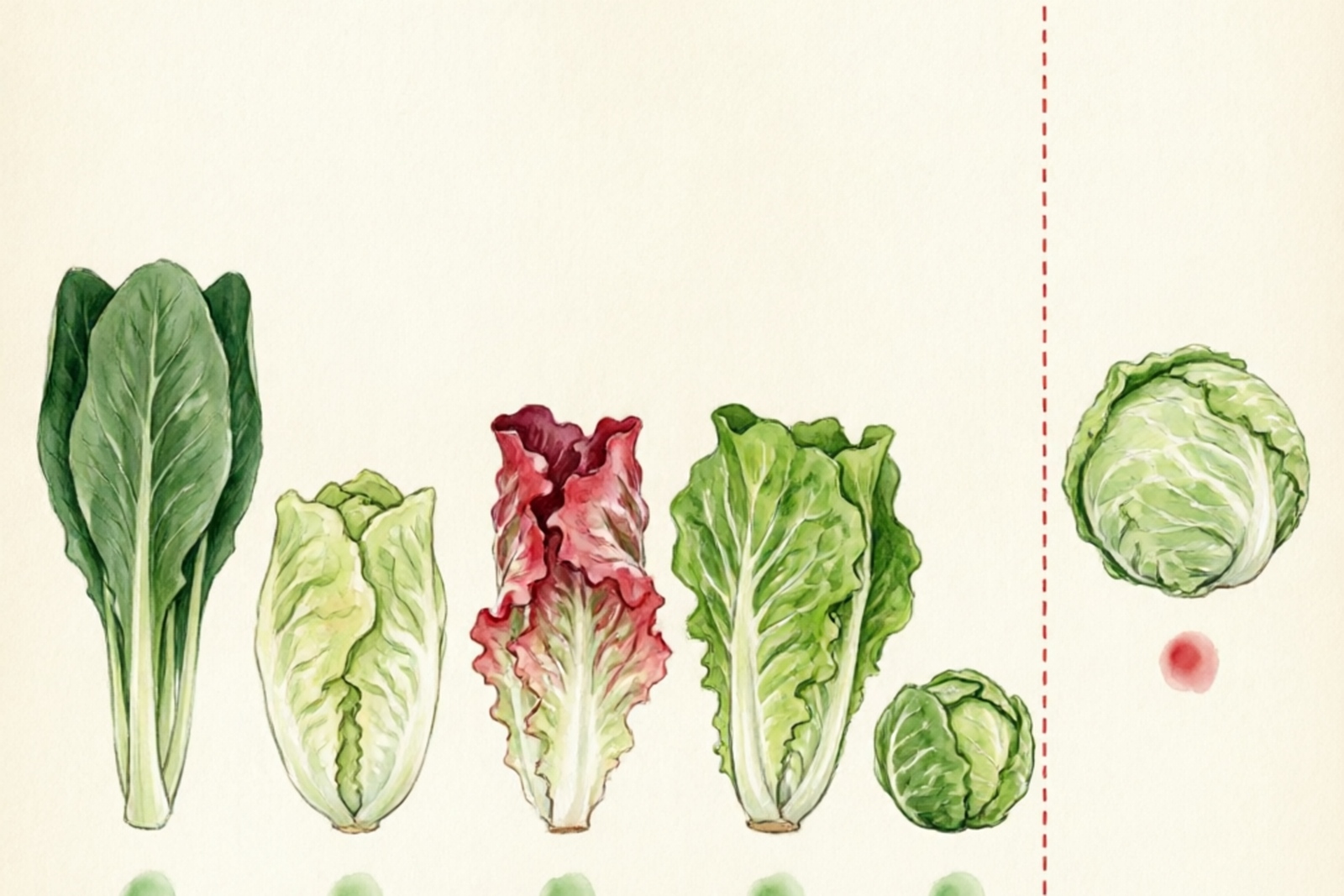
| Iceberg (Crisphead) | ❌ Avoid | 2.8 | 18 | 20 | 95.6 | 0.9 | ⭐ |
Source: USDA FoodData Central (NDB 11251 Romaine, NDB 11251 Butterhead, NDB 11252 Iceberg, NDB 11255 Red Leaf, NDB 11254 Green Leaf)
The standout variety is romaine lettuce, which provides 24mg of vitamin C per 100g — a genuinely significant amount for guinea pigs. This matters because guinea pigs cannot synthesize their own vitamin C and require 30-50mg per day from their diet. A single large romaine leaf (roughly 30-40g) delivers 7-10mg of vitamin C, covering roughly 20-30% of a guinea pig’s daily requirement. Can guinea pigs eat romaine lettuce? Absolutely — it’s the top choice. For more on why vitamin C is critical, see our guide to the vitamin C requirement for guinea pigs.
Butterhead, red leaf, green leaf, and little gem lettuce are all safe options with moderate nutritional profiles. They provide hydration, some fiber, and small amounts of vitamins and minerals. While none matches romaine’s vitamin C content, they are still worthwhile additions to a vegetable rotation. Butterhead lettuce deserves a special mention for its soft, tender leaves — many guinea pigs find it easier to eat than the crunchier romaine, making it an excellent choice for younger or older guinea pigs with dental sensitivity.
What kind of lettuce can guinea pigs eat? The short answer: anything except iceberg. Romaine is the gold standard, but butterhead, red leaf, green leaf, and little gem are all perfectly fine choices that offer variety in your guinea pig’s diet.
Why Iceberg Lettuce Is Dangerous for Guinea Pigs
Carefresh 99% Dust-Free White Paper Bedding is a quality option worth considering for your setup.
Is iceberg lettuce bad for guinea pigs? Absolutely — it’s the most common and cheapest variety, which makes it tempting to share with your guinea pig. Don’t do it. Iceberg lettuce is the worst possible choice for guinea pigs, and feeding it can cause serious health problems.
When you consider whether can guinea pigs eat lettuce, the nutritional profile of iceberg lettuce is almost entirely water (95.6%) with minimal vitamins, minerals, or fiber. But the problem goes beyond simply being “low nutrition” — iceberg lettuce actively causes harm through three specific mechanisms.
1. Lactucarium content causes digestive upset
Iceberg lettuce contains higher levels of lactucarium (sometimes called “lettuce opium”), a milky sap compound found in the stems and leaves of Lactuca species. While not lethal, lactucarium can cause mild sedation, lethargy, and digestive discomfort in small animals like guinea pigs. A guinea pig that has eaten iceberg lettuce may appear unusually sleepy or uninterested in food — symptoms that are easy to overlook but indicate gastrointestinal distress.
Lactucarium (also called “lettuce opium”) is a milky, bitter-tasting compound found in the stems and leaves of Lactuca species, including lettuce. It acts as a mild sedative and digestive irritant. While harmless to humans at dietary levels, it can cause noticeable lethargy and gastrointestinal discomfort in small mammals like guinea pigs due to their much smaller body mass. Iceberg lettuce contains higher concentrations of lactucarium compared to darker lettuce varieties.
2. Severe diarrhea risk from excess water and zero fiber
This is the most dangerous aspect of iceberg lettuce. With 95.6% water content and only 0.9g of fiber per 100g, iceberg lettuce has almost zero structural substance for the digestive system. It passes through the gut too quickly, pulling excess water into the intestines and resulting in loose stools or full-blown diarrhea.
Diarrhea is genuinely life-threatening for guinea pigs. Their small bodies dehydrate rapidly, and diarrhea can cause fatal dehydration within 24-48 hours if left untreated. Even mild cases disrupt the gut microbiome and can lead to secondary infections. Unlike humans or larger pets, guinea pigs cannot simply “wait out” an upset stomach — their digestive systems are sensitive and relatively unforgiving, which is why prevention through proper diet is so important. For a detailed look at how digestive issues affect guinea pigs, see our guinea pig health problems guide.
3. Nutritional displacement fills the stomach with nothing useful
Guinea pigs have specific daily nutritional requirements that must be met through a combination of hay, pellets, and fresh vegetables. When a guinea pig’s stomach fills up with iceberg lettuce — which is essentially flavored water — they eat less of the nutrient-dense foods they actually need. Over time, this nutritional displacement can lead to vitamin deficiencies, weight loss, and a weakened immune system.
Can guinea pigs eat iceberg lettuce? Absolutely not. The risk-benefit analysis is entirely one-sided: zero nutritional benefit against three distinct health risks.
Here’s how iceberg compares directly to the recommended romaine variety:
| Metric | Iceberg | Romaine | Difference |
|---|---|---|---|
| Vitamin C | 2.8mg/100g | 24.0mg/100g | Romaine has 8.6x more |
| Fiber | 0.9g/100g | 2.1g/100g | Romaine has 2.3x more |
| Calcium | 18mg/100g | 33mg/100g | Romaine has 1.8x more |
| Water | 95.6% | 94.6% | Iceberg has more water |
Lettuce Safety Quick-Check
- ✅ Safe lettuce varieties: Romaine, butterhead, red leaf, green leaf, little gem
- ✅ Daily amount: 1–2 large leaves per guinea pig
- ✅ Preparation: Wash thoroughly, tear into 2–3 inch pieces
- ✅ Rotation: Combine with 2–3 other vegetables daily
- ✅ Timeline: Remove uneaten lettuce after 4–6 hours
- ❌ Never feed: Iceberg lettuce (diarrhea risk, lactucarium, zero nutrition)
- ❌ Never feed: Unwashed lettuce (pesticide and bacteria risk)
- ❌ Never feed: Wilted or spoiled lettuce (bacterial growth)
How Much Lettuce Can a Guinea Pig Eat?
Many owners find that Oxbow Eco-Straw Wheat Pellets works well for their pet’s needs.
A guinea pig can eat 1-2 large leaves of romaine or butterhead lettuce per day as part of their daily vegetable portion. The total daily vegetable intake should be approximately 1 cup (about 100-150g) per guinea pig, divided among 2-3 different vegetables. Lettuce can make up roughly half of this portion.
Here is a step-by-step guide to feeding lettuce safely:
Step 1: Choose a safe variety. Romaine, butterhead, red leaf, green leaf, and little gem are all acceptable. Never feed iceberg lettuce.
Step 2: Wash thoroughly. Run each leaf under cold water for at least 10 seconds to remove pesticides, dirt, and bacteria. Even organic lettuce should be washed. Pat dry with a clean paper towel — wet lettuce can cause loose stools even when the variety is safe.
Step 3: Tear into pieces. Tear the leaves into pieces roughly 2-3 inches in size. There is no need to use a knife — tearing preserves more of the cellular structure and nutrients compared to cutting, which crushes cell walls and causes faster nutrient loss.
Step 4: Feed 1-2 large leaves per guinea pig. A large romaine leaf weighs roughly 30-40g. Two leaves provide about 60-80g, which fits well within the daily vegetable portion of 100-150g. The remaining portion should come from other vegetables.
Step 5: Introduce gradually. If your guinea pig has never eaten lettuce before, start with half a leaf on day one and increase to a full portion over 3-5 days. Watch for any signs of digestive upset during this transition period.
Step 6: Remove uneaten portions after 4-6 hours. Fresh vegetables spoil quickly at room temperature. Leaving wilted lettuce in the cage encourages bacterial growth and can cause illness if eaten later.
Step 7: Rotate vegetables. Don’t feed the same vegetable every single day. Lettuce can be a daily staple, but pair it with different companion vegetables throughout the week to ensure broad nutrient coverage.
How much lettuce can a guinea pig eat? The answer depends on the variety, but for romaine — the best choice — 1 to 2 large leaves per day is the safe and recommended amount.
Can baby guinea pigs eat lettuce? Yes, but with extra caution. Baby guinea pigs (under 6 months) can eat lettuce, but introduce it slowly and in smaller amounts than adults.
Start with half a leaf and increase over the course of a week. Alfalfa-based pellets and hay are more important for young guinea pigs because they need extra calcium for bone growth, so don’t let lettuce displace the core diet. Follow the one-new-vegetable-per-week rule to avoid overwhelming a young digestive system. For growing pigs, tracking weight gain is essential — use our guinea pig weight tracker to ensure steady growth without overfeeding.
Feeding senior guinea pigs:
Senior guinea pigs can eat the same portions as adults, and lettuce actually offers two specific advantages for older pigs. The high water content helps maintain hydration, which can be a concern as guinea pigs age and sometimes drink less. Softer varieties like butterhead are easier to chew for seniors that may have dental wear or missing teeth. If your senior guinea pig has a history of bladder stones, choose lower-calcium varieties like butterhead over red or green leaf lettuce. Monitoring calcium intake becomes increasingly important as guinea pigs age, since chronic high-calcium diets are one of the primary risk factors for urolithiasis in this species.
For more on establishing a complete daily care routine, see our guinea pig care guide.
How Lettuce Fits Into a Guinea Pig’s Daily Diet
For this purpose, Check Price is a popular choice among pet owners.
Lettuce should never be the only vegetable your guinea pig eats, but it makes an excellent daily foundation when combined with other fresh produce. Here’s how a complete daily diet breaks down:
| Food Category | Daily Amount | Examples | Purpose |
|---|---|---|---|
| Hay | Unlimited | Timothy, orchard grass | Digestion, dental wear |
| Pellets | 1/8 cup | Fortified guinea pig pellets | Vitamins, minerals |
| Vegetables | ~1 cup total | Lettuce, bell peppers, carrots | Vitamin C, hydration |
| Fruit | 1-2 tbsp max | Blueberries, strawberry | Occasional treat only |
| Water | Fresh daily | Clean water bottle | Hydration |
When asking what vegetables can guinea pigs eat, the vegetable portion is where lettuce fits in. At 1 cup (100-150g) per day, your guinea pig’s vegetable intake should include a mix of leafy greens and other fresh vegetables. Lettuce can reliably make up half of this portion, with the other half coming from vitamin C-rich vegetables like bell peppers and nutrient-dense options like carrots.
For recommended pellet and hay brands that form the foundation of a healthy diet, see our guide to the best guinea pig food.
Recommended 7-day vegetable rotation:
- Monday: Romaine lettuce + bell pepper + cilantro
- Tuesday: Butterhead lettuce + cucumber + parsley
- Wednesday: Red leaf lettuce + carrot (small piece) + mint
- Thursday: Romaine lettuce + zucchini + dill
- Friday: Green leaf lettuce + bell pepper + basil
- Saturday: Butterhead lettuce + celery leaf + spinach (limited amount — spinach is high in calcium and oxalates, which can contribute to bladder stone formation if fed too frequently)
- Sunday: Romaine lettuce + cherry tomato (small piece) + cilantro
If you’re wondering can guinea pigs eat lettuce everyday, the answer is yes for safe varieties like romaine. The key principle is rotation. Offer at least 3-4 different vegetables per week to ensure broad nutrient coverage and prevent dietary boredom. A guinea pig that eats the exact same vegetables every day may eventually refuse food or develop nutrient imbalances from over-relying on a single source. Think of lettuce as the reliable base layer of your guinea pig’s vegetable bowl — always present, always safe — with other vegetables rotating around it for variety and specific nutrients.
What vegetables can guinea pigs eat? The safe list includes romaine and butterhead lettuce, bell peppers, carrots (in moderation due to sugar), cilantro, parsley (moderate amounts due to calcium), cucumber, zucchini, celery leaves, and small amounts of spinach. For a comprehensive breakdown of all safe vegetables and their nutritional profiles, see our complete guinea pig diet guide. That guide covers every major vegetable category, including which vegetables to feed daily versus weekly, and which ones should only be given as occasional treats.
Lettuce also works well alongside other safe vegetables. If you’re curious about other common vegetables, check whether can guinea pigs eat bell peppers and whether can guinea pigs eat carrots — both are safe options that pair naturally with lettuce in a daily rotation. The bottom line on can guinea pigs eat lettuce: romaine and butterhead are excellent daily staples, but iceberg lettuce should never be fed to any guinea pig.