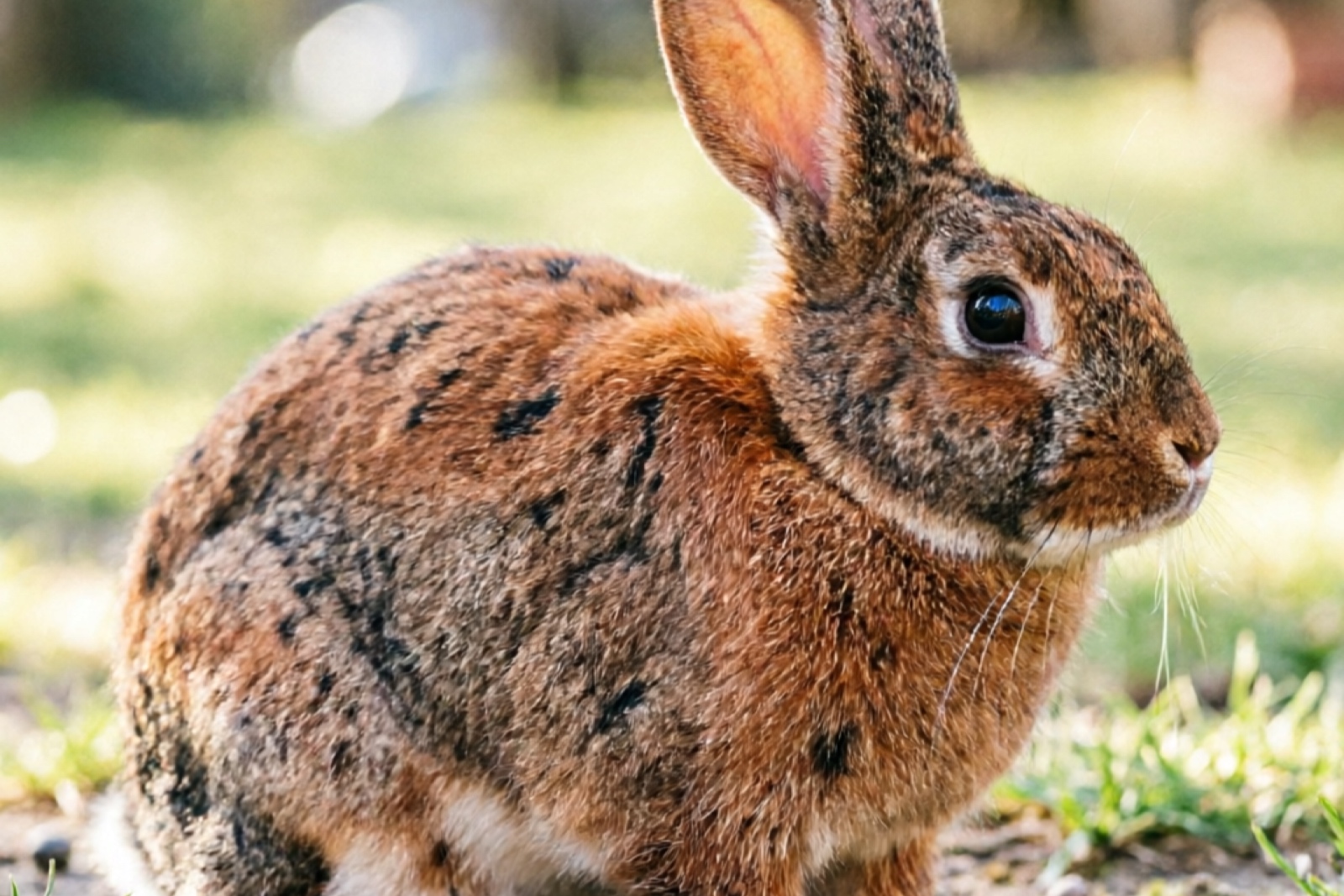
What Is a Mini Rex Rabbit?
The Mini Rex is a small rabbit breed recognized by the American Rabbit Breeders Association (ARBA), weighing 3-4.5 lbs with a compact body length of 10-12 inches. First recognized by ARBA in 1988, the Mini Rex was developed in the United States by breeder Monna R. Berry, who crossed Standard Rex rabbits with small breed stock to create a compact rabbit with the same signature velvet fur in a smaller package.
The Mini Rex is not a miniature version of the Standard Rex. It is a separate, independently recognized ARBA breed with its own breed standard, weight class, and show requirements. The two breeds share the rex gene that produces their unique velvet fur — for a full explanation of how the rex mutation works, see our Rex rabbit breed guide — but in every other respect (size, temperament, space needs, feeding), they are different animals.
The Mini Rex has become one of the most popular small rabbit breeds in the United States. Their combination of compact size, plush velvet coat, and friendly temperament makes them appealing to first-time owners, apartment dwellers, and families alike. For a complete rabbit setup guide, see our [rabbit setup guide]
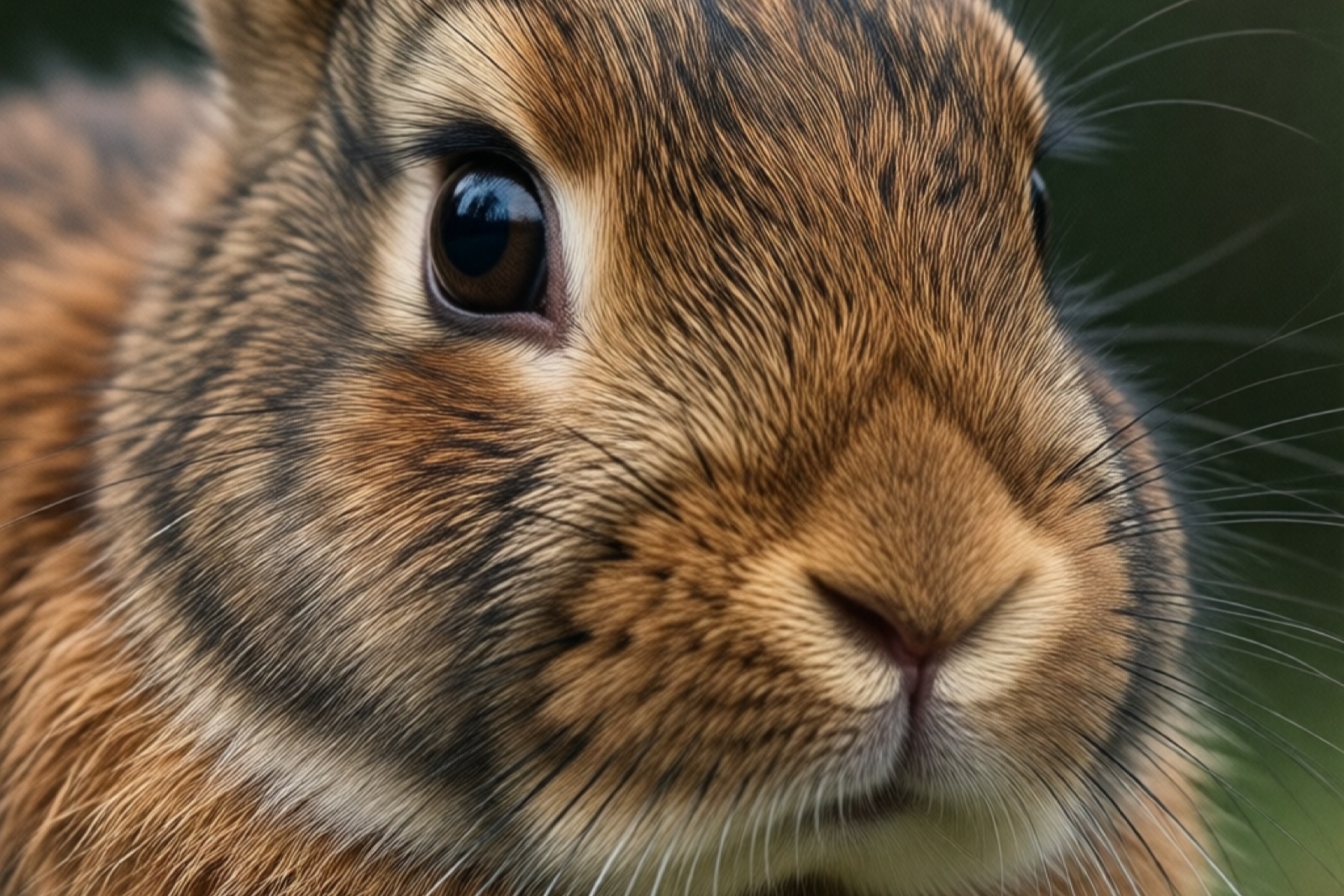 (/rabbit/setup/).
Quick Facts
| Trait | Detail |
|---|---|
| Weight | 3-4.5 lbs (1.4-2 kg) |
| Body length | 10-12 inches (25-30 cm) |
| Lifespan | 5-8 years |
| Coat | Short, plush velvet (rex gene) |
| ARBA recognized | Yes |
| Colors | 16 recognized varieties |
| Temperament | Docile, curious, slightly more active than Standard Rex |
| Good for beginners | Yes |
| Grooming | Damp hands only — never brush |
| Origin | United States, 1980s |
Mini Rex Size & Weight
Adult Size
Mini Rex rabbits are classified as a small breed. Adults weigh 3-4.5 lbs (1.4-2 kg) with a compact, well-rounded body measuring 10-12 inches from the base of the neck to the base of the tail. The ARBA ideal show weight is 3.75-4.25 lbs — rabbits within this range have the best body proportions for exhibition.
Weight by Age
| Age | Weight | Notes |
|---|---|---|
| Kit (8 weeks) | 1.5-2 lbs | Ready to leave mother |
| Junior (4-6 months) | 2.5-3.5 lbs | Rapid growth phase |
| Senior (6+ months) | 3-4.5 lbs | Full adult weight |
| ARBA show ideal | 3.75-4.25 lbs | Optimal proportion |
A healthy Mini Rex should have a body condition where you can feel the ribs with gentle pressure but not see them protruding. The hips should not be visible, and there should be no fat rolls around the shoulders or abdomen. For detailed lifespan and growth data across breeds, see our [rabbit lifespan guide]
 (/rabbit/lifespan/).
Mini Rex Lifespan
Mini Rex rabbits live 5-8 years on average with proper care. Some well-cared-for individuals reach 9-10 years, though this is less common. The rex rabbit lifespan range is typical for small rabbit breeds.
Lifespan Comparison with Other Small Breeds
| Breed | Average Lifespan | Notes |
|---|---|---|
| Mini Rex | 5-8 years | Average |
| Holland Lop | 7-14 years | Tends to live longest |
| Netherland Dwarf | 7-12 years | Longer average |
| Lionhead | 7-10 years | Moderate |
| Polish | 5-8 years | Similar to Mini Rex |
Key factors that maximize lifespan: unlimited Timothy hay available 24/7, indoor housing (adds 2+ years versus outdoor), spaying or neutering by 4-6 months, and annual checkups with an exotic veterinarian. For a complete rabbit lifespan comparison across all breeds, see our complete rabbit lifespan comparison.
Mini Rex Colors & Varieties
The Mini Rex is recognized by ARBA in 16 color varieties — one of the widest color ranges among small rabbit breeds. This variety is part of what makes the breed so popular at shows and among pet owners who want a specific aesthetic.
ARBA-Recognized Color Chart
| Color Group | Variety | Description |
|---|---|---|
| Agouti | Castor | Rich reddish-brown with black ticking — the original and most iconic |
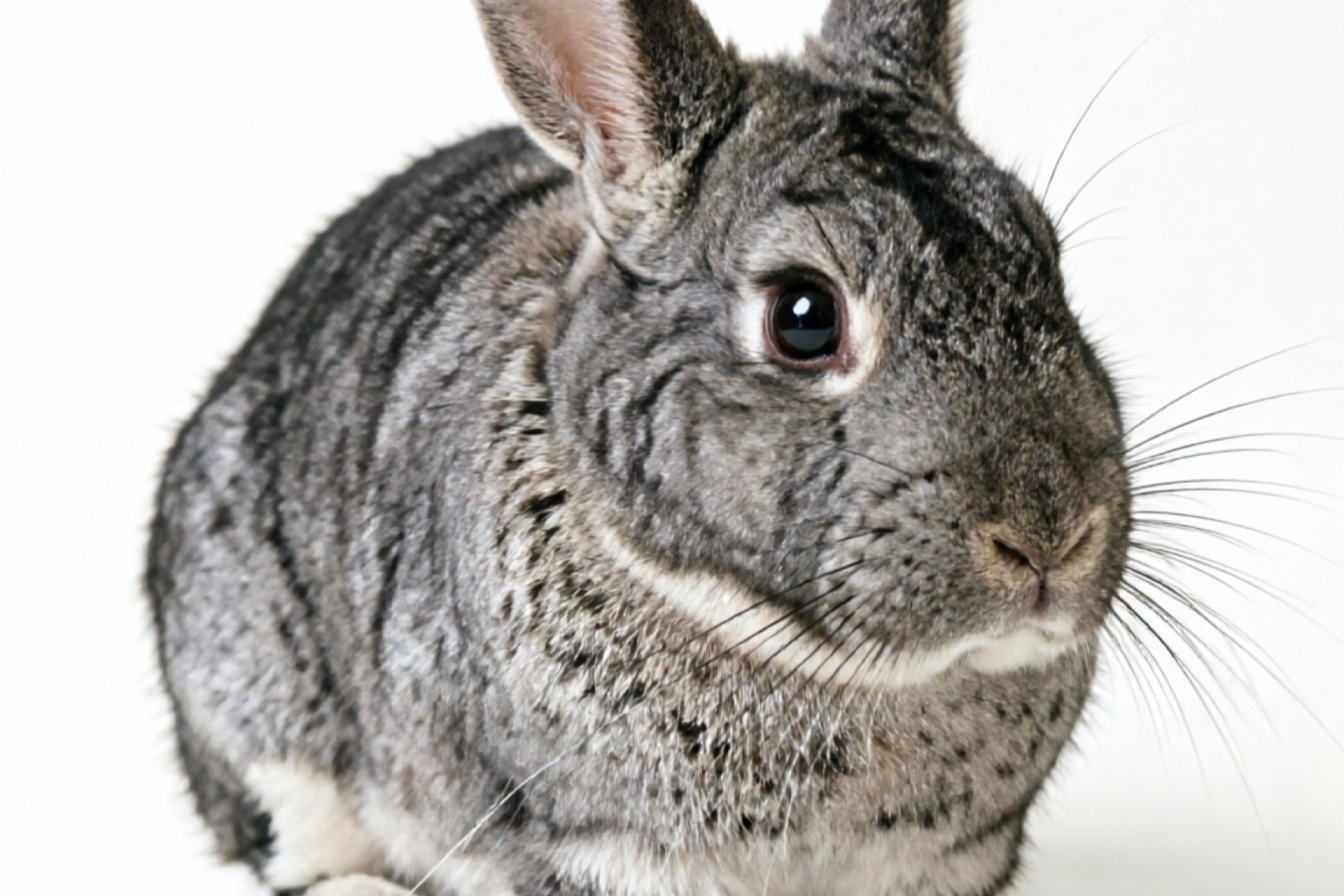
| Agouti | Chinchilla | Slate blue with black ticking and light ring band |
| Agouti | Lynx | Orange-fawn with lilac ticking |
| Agouti | Opal | Pale blue-gray with dark blue ticking |
| Agouti | Red | Deep orange-red, solid agouti |
| Agouti | Squirrel | Blue-gray with distinct ring banding |
| Self | Black | Solid jet black |
| Self | Blue | Solid slate blue (dilute of black) |
| Self | Chocolate | Solid dark brown |
| Self | Lilac | Solid pinkish-gray (dilute of chocolate) |
| Broken | Broken | Any recognized color + white patches — each one unique |
| Shaded | Sable Point | Cream body with darker shading on nose, ears, feet |
| Tan Pattern | Otter | Solid color top with lighter tan belly and sides |
| Tan Pattern | Silver Marten | Dark color top with silver-white belly and ticking |
| Pointed | Himalayan | White body with dark points (nose, ears, feet, tail) |
| White | REW | Ruby-Eyed White — pure white with pink/red eyes |
Most Popular Colors
Castor is the original Mini Rex color and remains the most popular. The reddish-brown base with black ticking creates a warm, striking appearance that photographs well and stands out at shows. If you’ve seen a Mini Rex in a magazine or website, it was likely a Castor.
Broken pattern Mini Rex rabbits are the second most popular choice for pet owners. Because the white patches are randomly distributed, every broken-pattern Mini Rex is visually unique — no two look alike
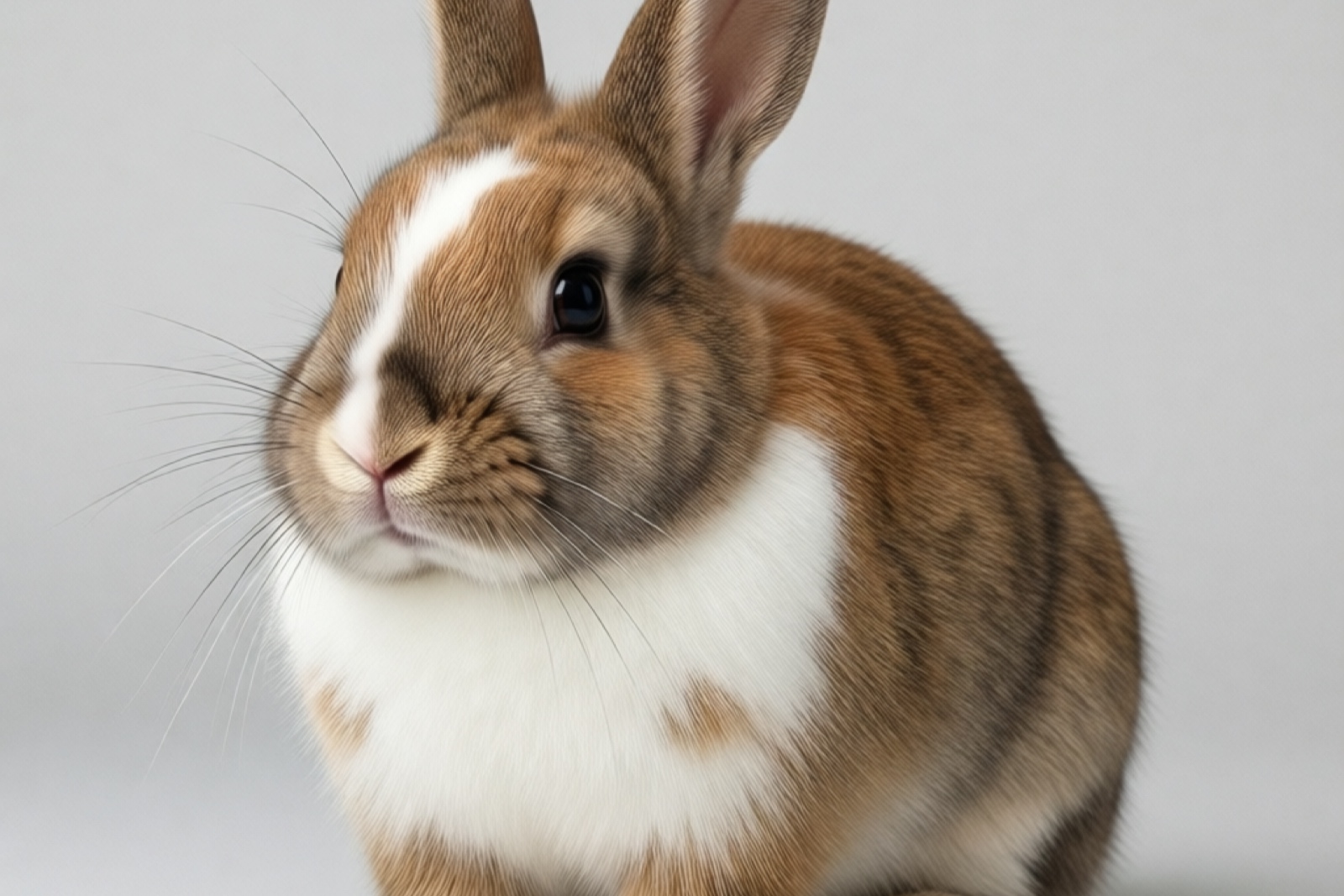 . This individuality appeals to owners who want a rabbit with distinctive markings.
Black and Blue are popular for their sleek, uniform appearance. A Black Mini Rex in prime coat condition looks almost sculptural
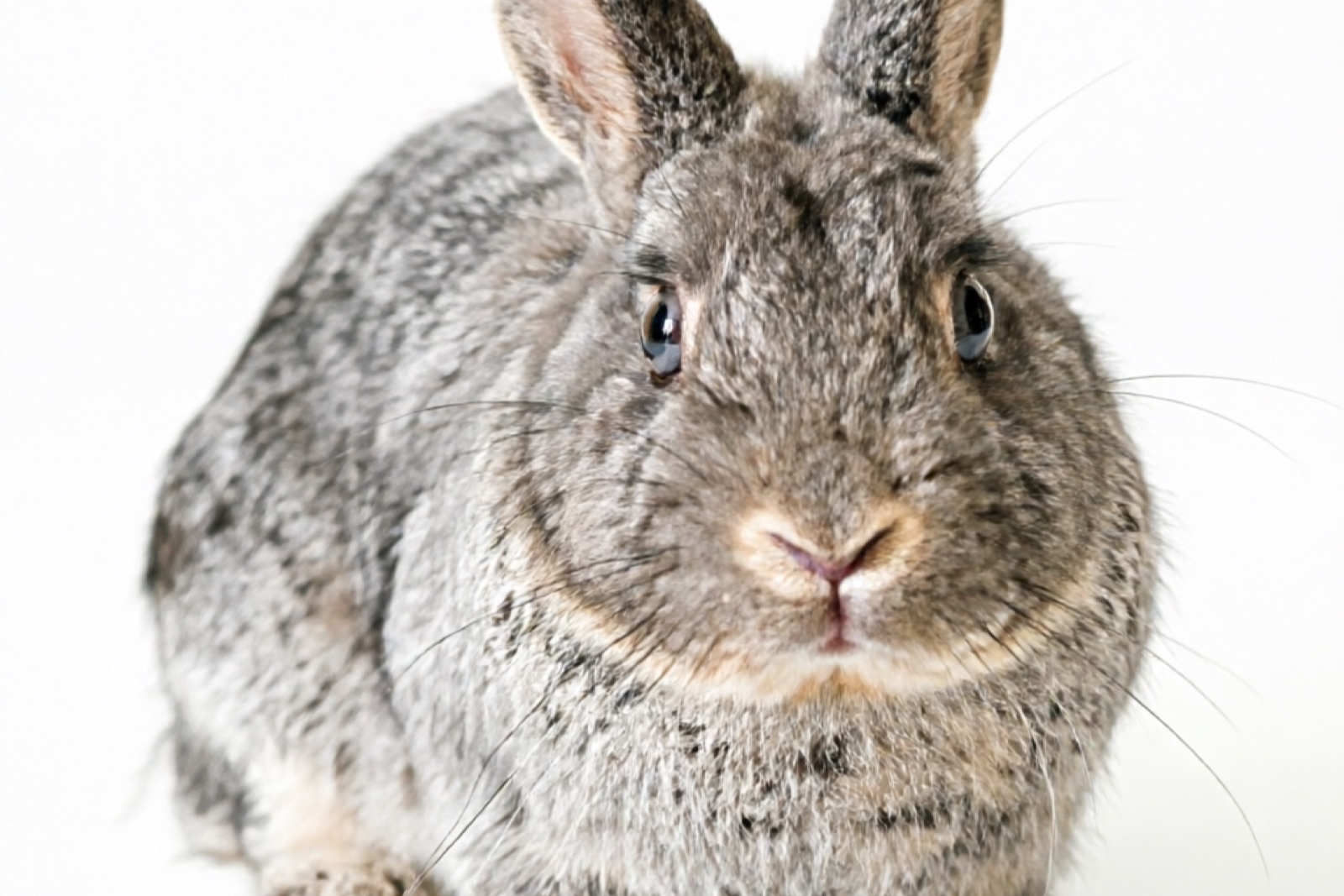 — the plush velvet texture and solid color create a striking visual effect.
Color is purely cosmetic and has zero effect on temperament, health, or lifespan
 . A Sable Point Mini Rex and a Black Mini Rex have identical care requirements.
Mini Rex Temperament & Personality
The Mini Rex rabbit temperament combines docility with curiosity. They are calmer and less skittish than Netherland Dwarfs, yet slightly more active and inquisitive than the larger Standard Rex.
Key Personality Traits
- Docile and friendly: Mini Rex rabbits warm up to their owners within 1-2 weeks of consistent handling. They tolerate being picked up better than many small breeds, though all rabbits prefer having all four feet on a solid surface.
- Curious and intelligent: They explore their environment actively, investigate new objects, and can learn routines. Litter training typically takes 2-4 weeks.
- Slightly more active than Standard Rex: While not hyperactive, Mini Rex rabbits have more energy than their larger cousins. They appreciate more play time and environmental enrichment.
- Good with children: Their small but not fragile size (3-4.5 lbs) and calm nature make them one of the better small breeds for families with children age 8 and older.
- Social needs: Like all rabbits, Mini Rex rabbits need daily interaction. At minimum 2 hours of human contact or free-roam time per day. They thrive best with a bonded companion rabbit.
For understanding rabbit body language and behavior patterns, see our rabbit behavior guide.
Mini Rex vs Standard Rex
Despite sharing the same velvet fur, these are two distinct breeds with different ARBA standards, space requirements, and temperaments. For the full Standard Rex breed profile, see our Rex rabbit breed guide.
| Feature | Mini Rex | Standard Rex |
|---|---|---|
| Weight | 3-4.5 lbs (1.4-2 kg) | 7.5-10.5 lbs (3.4-4.8 kg) |
| Body length | 10-12 inches | 14-16 inches |
| ARBA recognized | 1988 (Monna R. Berry) | 1924 (France origin) |
| Fur texture | Velvet (identical) | Velvet (identical) |
| Lifespan | 5-8 years | 5-8 years |
| Minimum cage | 3ft × 2ft | 4ft × 2ft |
| Daily pellets | 1/8 cup | 1/4 cup |
| Temperament | More active, curious | Calmer, more docile |
| Handling | Requires more care (smaller) | Easier (larger, calmer) |
| Best for | Apartments, small homes | Families with space |
| Show class | Junior (<6 mo) / Senior (6+ mo) | Junior (<6 mo) / Senior (6+ mo) |
Choose the Mini Rex if: You have limited space, want a smaller rabbit that’s easier to house in an apartment, and prefer a pet with a bit more energy and curiosity.
Choose the Standard Rex if: You have room for a larger enclosure, want a calmer lap rabbit, and find the medium size easier to handle.
Mini Rex vs Other Small Breeds
Mini Rex vs Holland Lop
These two breeds are similar in weight (Mini Rex 3-4.5 lbs vs Holland Lop 2-4 lbs) but differ in ear type, personality, and grooming needs. The Holland Lop breed guide covers their distinctive floppy ears in detail.
| Feature | Mini Rex | Holland Lop |
|---|---|---|
| Ear type | Upright | Floppy (lop) |
| Coat | Velvet plush | Normal rollback |
| Personality | Curious, independent | Cuddly, affectionate |
| Grooming | Damp hands only | Weekly brushing + ear cleaning |
| Space needed | 3-4 ft | 3-4 ft |
Holland Lops are generally more cuddly and seek out lap time more actively. Mini Rex rabbits are more independent explorers who enjoy interaction but don’t demand constant attention. Holland Lops also require regular ear cleaning because their folded ears trap moisture — Mini Rex upright ears are largely self-maintaining.
Mini Rex vs Netherland Dwarf
The Netherland Dwarf breed guide documents their notoriously nervous temperament. Mini Rex rabbits are significantly calmer.
| Feature | Mini Rex | Netherland Dwarf |
|---|---|---|
| Weight | 3-4.5 lbs | 1.1-2.5 lbs |
| Temperament | Calm, friendly | Nervous, skittish |
| Bonding time | 1-2 weeks | Weeks to months |
| Child-friendly | Yes (age 8+) | Difficult — easily stressed |
| Handling | Tolerant | Prone to panic |
Three-Breed Comparison
| Feature | Mini Rex | Holland Lop | Netherland Dwarf |
|---|---|---|---|
| Weight | 3-4.5 lbs | 2-4 lbs | 1.1-2.5 lbs |
| Ear type | Upright | Floppy | Upright (very short) |
| Coat | Velvet plush | Normal | Normal |
| Temperament | Active, friendly | Cuddly | Nervous |
| Grooming | Damp hands only | Weekly + ears | Weekly |
| Beginner-friendly | Yes | Yes | Challenging |
| Lifespan | 5-8 years | 7-14 years | 7-12 years |
Mini Rex Care Basics
Housing Needs
The minimum enclosure for a single Mini Rex is 3ft × 2ft (450 square inches), though 4ft × 2ft is recommended for more comfortable living space. Solid flooring is non-negotiable — wire-bottom cages cause sore hocks, and Mini Rex rabbits are already predisposed to this condition due to thinner foot fur from the rex gene.
Every Mini Rex needs at minimum 2 hours of daily free-roam exercise outside their enclosure. An exercise pen (x-pen) of 4 × 4 feet provides a safe roaming area. See our best rabbit cages for specific enclosure recommendations, or our DIY rabbit hutch plans if you prefer to build.
Diet
Mini Rex rabbits follow the standard rabbit dietary ratio, but their small size means portion control is especially important. Even a small amount of overfeeding leads to noticeable weight gain in a 4-lb rabbit.
| Food Type | Daily Amount | % of Diet |
|---|---|---|
| Timothy hay | Unlimited | ~80% |
| Fresh greens | 1-1.5 cups | ~10% |
| Timothy pellets | 1/8 cup | ~8% |
| Treats | 1-2 small pieces | ~2% |
| Fresh water | Unlimited | — |
The 1/8 cup pellet portion is approximately 2 tablespoons — easy to accidentally exceed. Measure pellets precisely and feed at the same time each day. For brand recommendations, see our rabbit food guide and best rabbit food recommendations.
Grooming
The same grooming rule applies to Mini Rex as to Standard Rex: never brush a Mini Rex rabbit. Brushing separates and damages the velvet fur structure. Groom by running damp hands over the body from head to tail, 2-3 times per week. For the full explanation of why brushing damages rex fur, see our rex fur grooming rules.
| Task | Frequency | Method |
|---|---|---|
| Coat | 2-3x per week | Damp hands only |
| Molting | Daily | Damp hands or barely damp cloth |
| Nails | Every 4-6 weeks | Clip below the quick |
| Ears | Weekly | Visual check |
| Teeth | Weekly | Check for overgrowth |
For a complete grooming walkthrough covering all rabbit breeds, see our rabbit grooming guide.
Health Issues
Mini Rex rabbits share the general health profile of all rabbits, with one breed-specific vulnerability:
Sore hocks (pododermatitis) is the primary breed-specific concern. The rex gene produces thinner foot fur than other breeds, providing less natural padding on the hocks. Combined with the rabbit’s weight on a hard surface, this creates pressure sores. Prevention: solid flooring with resting mats, weight management, and regular hock inspections for redness or bare patches.
Dental problems, GI stasis, and ear mites affect all rabbit breeds equally. Unlimited Timothy hay prevents both dental disease and GI stasis. For comprehensive health information, see our rabbit health problems guide.
Mini Rex Showing & Exhibition
The Mini Rex is one of the most popular show breeds in ARBA competition. Judges evaluate them primarily on fur texture (density, uniformity, and resilience of the velvet plush), followed by body type (compact and well-rounded), color correctness for the variety shown, and overall condition. Show classes are divided into Junior (under 6 months) and Senior (6+ months), with most Mini Rex reaching full show potential by 8-10 months. If you’re interested in showing, join a local ARBA-affiliated rabbit club for mentorship and show-quality stock sourcing.
Mini Rex Breeding
Mini Rex rabbits are generally good mothers. Does should be at least 6 months old and 4 lbs minimum before first breeding. Litter size averages 4-5 kits (range 3-7) with a 28-32 day gestation. Kits stay with the mother for 8 weeks minimum. Show-quality breeding requires ARBA-registered pedigree stock; pet-quality Mini Rex make equally wonderful companions without any show lineage.
Mini Rex Fun Facts
- The Mini Rex is one of the most popular breeds in 4-H youth programs across the United States, thanks to their manageable size and forgiving temperament.
- The “Mini” in Mini Rex does not mean “miniature Standard Rex” — they are independently recognized breeds with separate ARBA standards and show classes.
- The rex gene affects every hair on a Mini Rex’s body, including their whiskers. Curly, waving whiskers are a reliable visual identifier of the breed.
- Despite being ARBA-recognized only since 1988, the Mini Rex has become one of the most widely exhibited breeds at ARBA shows nationwide.
- A Mini Rex’s velvet fur stands upright when stroked backwards — the same test that works on Standard Rex. No other rabbit breed does this.
- The breed’s popularity at shows has created strong demand for rare colors like Sable Point and Silver Marten, which can command premium prices from specialty breeders.
For owners considering other small breeds, the Lionhead rabbit offers a dramatic fluffy mane appearance as an alternative to the Mini Rex’s sleek velvet coat.
Frequently Asked Questions
Are Mini Rex rabbits good pets? Yes — docile, intelligent, and one of the most popular small breeds for first-time owners. Calmer than Netherland Dwarfs, more independent than Holland Lops.
How long do Mini Rex rabbits live? 5-8 years average, some reach 10. Key factors: unlimited hay, indoor housing, spaying/neutering, annual exotic vet checkups.
What is the difference between Mini Rex and Standard Rex? Size — Mini Rex weighs 3-4.5 lbs vs Standard Rex at 7.5-10.5 lbs. Both share velvet fur but are separate ARBA breeds. See our full Rex rabbit comparison.
What colors do Mini Rex rabbits come in? 16 ARBA-recognized colors: Castor, Black, Blue, Chocolate, Lilac, Chinchilla, Lynx, Opal, Broken, Sable Point, Otter, Silver Marten, Himalayan, Red, Squirrel, and REW.
How big do Mini Rex rabbits get? 3-4.5 lbs (1.4-2 kg) and 10-12 inches body length. ARBA show ideal: 3.75-4.25 lbs. Full size by 6-8 months.
What do Mini Rex rabbits eat? 80% unlimited Timothy hay, 10% fresh greens (1-1.5 cups), 1/8 cup pellets, and occasional treats. Portion control is critical for this small breed.
Do Mini Rex rabbits like to be held? Most tolerate handling well when socialized young. Less skittish than Netherland Dwarfs but not as cuddly as Holland Lops. Always support the hindquarters.
What size cage does a Mini Rex rabbit need? Minimum 3ft × 2ft (450 sq inches), recommended 4ft × 2ft. Solid flooring essential — wire causes sore hocks. Plus 2+ hours daily free-roam time.
Conclusion
The Mini Rex rabbit combines the most distinctive coat in the rabbit world — velvet plush fur caused by the rex gene — with a compact, apartment-friendly size and a friendly, curious temperament. It is not a miniature Standard Rex but a fully independent ARBA breed with its own 64-year show history, 16 recognized color varieties, and dedicated community of breeders and enthusiasts.
At 3-4.5 lbs and requiring only 3-4 feet of cage space, the Mini Rex is one of the most practical small rabbit breeds for apartment living and first-time ownership. Their calm-but-curious personality strikes a balance between the nervous energy of Netherland Dwarfs and the lap-seeking neediness of Holland Lops.
For the complete Standard Rex breed profile and velvet fur genetics explanation, see our Rex rabbit breed guide. For setup recommendations, see our rabbit setup guide. For diet specifics, see our best rabbit food recommendations.