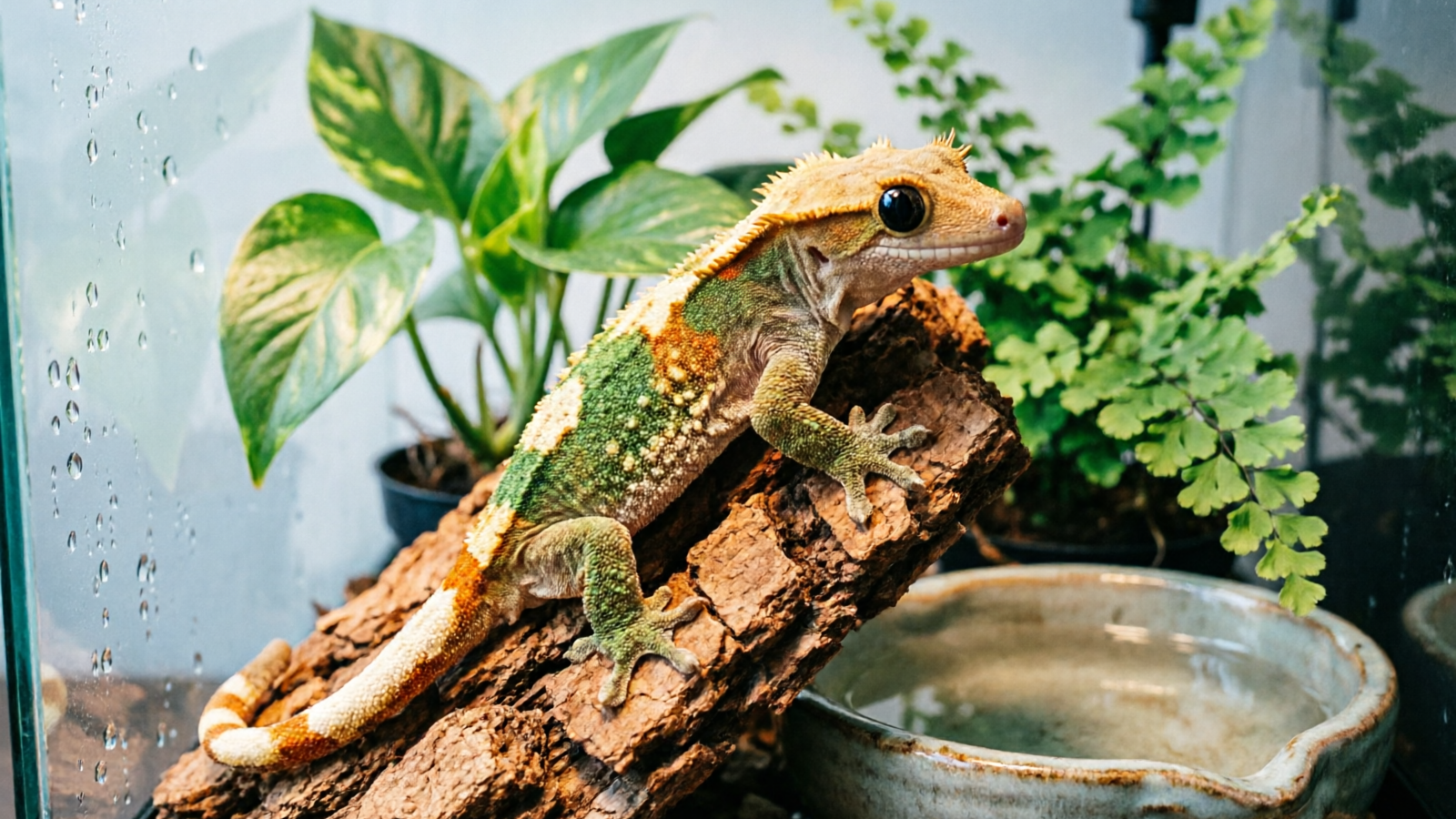
How Often Do Crested Geckos Shed? — Crested Gecko Shedding Frequency
Crested gecko shedding happens throughout their life, but crested gecko shedding frequency changes dramatically with age. Understanding crested gecko shedding patterns helps you prepare for each cycle and spot problems early.
Hatchlings shed every two to four weeks as they grow rapidly. Juveniles slow to every four to six weeks.
Adults shed every one to three months, primarily to replace worn skin rather than accommodate growth.
The table below shows the typical shedding frequency by age and life stage:
| Age | Frequency | Duration | Notes |
|---|---|---|---|
| Hatchling (0-6 months) | Every 2-4 weeks | 15-30 min | Rapid growth phase |
| Juvenile (6-12 months) | Every 4-6 weeks | 20-40 min | Still growing steadily |
| Sub-adult (1-2 years) | Every 1-2 months | 20-40 min | Growth slowing |
| Adult (2+ years) | Every 1-3 months | 15-30 min | Maintenance shedding |
| Breeding females | More frequent | Variable | Egg production accelerates cycle |
Growth rate determines crested gecko shedding frequency. Faster-growing geckos shed more often because their skin is stretched more quickly. Breeding females may shed more frequently due to the physical demands of egg production.
Crested geckos eat their shed skin — this is completely normal and provides nutrition. If you find shed skin in the enclosure, the gecko likely shed cleanly and consumed it. A missing shed is actually a sign of a successful shed, not a problem.
Unlike snakes that shed in one large piece, crested geckos shed in patches over several hours. Most shedding happens at night, so you may never witness it directly.
For comprehensive care information beyond shedding, see our crested gecko care guide. Proper nutrition also affects skin quality and shedding regularity — our crested gecko food guide covers diet basics.
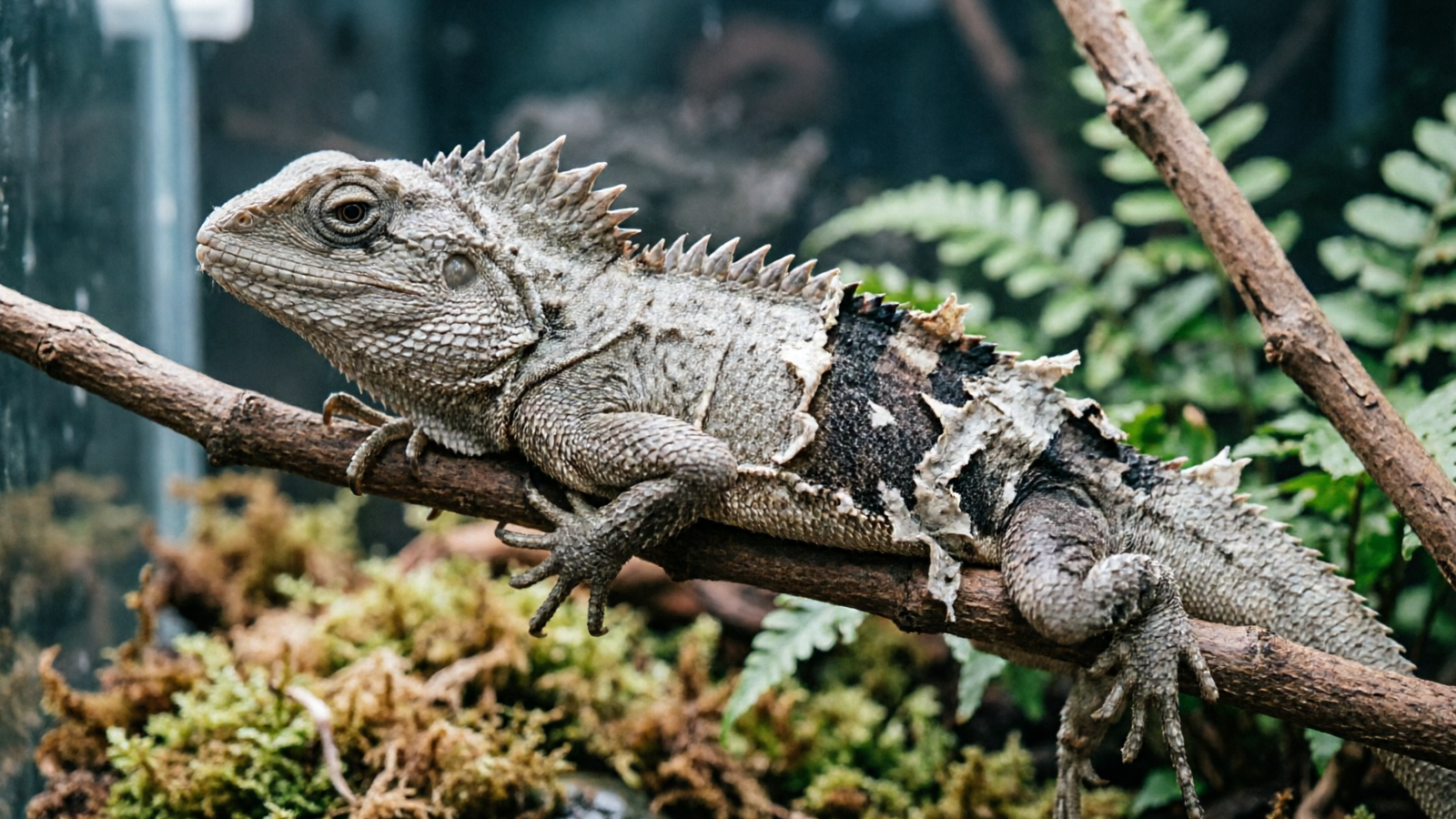
Signs Your Crested Gecko Is About to Shed — Crested Gecko Shedding Indicators
Aivituvin Large Tortoise House is a quality option worth considering for your setup.
Recognizing crested gecko shedding signs helps you prepare the right conditions and avoid unnecessary worry. Not all geckos show every sign, but most display at least two or three before a shed.
Pre-shed checklist — crested gecko shedding signs — watch for these six crested gecko shedding signs:
- Color change: Skin becomes dull, grayish, or pale — especially on the body and tail. This is the most reliable indicator.
- Decreased appetite: May refuse food one to three days before shedding.
- Increased hiding: More reclusive than usual, spending more time in cork bark hides or buried in leaf litter.
- Reduced activity: Less climbing and jumping. Your normally active gecko may sit still for hours.
- Milky eyes: Eyes may briefly appear cloudy — unlike snakes which stay cloudy for days, crested geckos only show this for a few hours.
- Rough texture: When handled gently, the skin may feel slightly rough or raised as the old layer separates.
If your gecko stops eating and shows color dulling, it is almost certainly preparing to shed. Leave it alone — do not handle a shedding gecko unless necessary. The stress can interrupt the process and cause stuck shed.
If your gecko stops eating and it is not shedding time, other causes should be investigated. See our crested gecko not eating guide for troubleshooting appetite loss.
Normal Shedding Process — What to Expect
Many owners find that Zoo Med ReptiBreeze Open Air Screen Cage, Large works well for their pet’s needs.
Understanding the normal shedding cycle helps you distinguish between a healthy shed and a problematic one.
Normal crested gecko shedding steps:
- Color dulls: A fluid layer forms between old and new skin, creating the characteristic pale appearance. This begins one to three days before the shed.
- Rubbing begins: The gecko starts rubbing against branches, cork bark, leaves, and enclosure walls to peel the old skin loose.
- Shed occurs at night: Most crested geckos shed during their crested gecko shedding active hours after dark. You may not witness the actual shedding.
- The gecko eats the shed: As crested gecko shedding skin comes off, the gecko consumes it. This provides protein and minerals — it is instinctual and healthy.
- Colors return: Within twenty-four hours, the new skin shows vivid coloration. This confirms a successful shed.
The entire process typically takes fifteen to forty minutes of active shedding, spread over one to three days from initial dulling to full color recovery.
A key difference from other geckos: leopard geckos need a dedicated humid hide to shed properly. Crested geckos rely on overall ambient humidity because they shed their entire body surface, including their toe pads. This is why enclosure-wide humidity management matters more for crested geckos than for leopard geckos.
Learn more about crested gecko behavior and natural history in our crested gecko species overview.
Crested Gecko Stuck Shed — Causes & Solutions
For this purpose, Kaytee Aspen → is a popular choice among pet owners.
Dysecdysis is the medical term for abnormal or incomplete shedding in reptiles. Crested gecko dysecdysis most commonly manifests as retained shed on the toes, tail tip, or around the eyes. If left untreated, retained shed can constrict blood flow, leading to tissue necrosis and toe or limb loss.
Common causes of stuck shed:
- Low humidity — the number one cause. Extended periods below fifty percent humidity dries out the old skin and prevents clean separation.
- Dehydration — the gecko is not drinking enough, leaving the skin too dry to shed.
- Poor nutrition — vitamin A deficiency specifically affects skin quality and shedding ability.
- Improper handling during shed — pulling the skin before it is ready tears the new layer underneath.
- Lack of rough surfaces — nothing to rub against in the enclosure.
- Stress — from moving to a new home, improper temperatures, or cohabitation issues.
How to treat crested gecko stuck shed — step-by-step:
- Identify the location: Toes are the most common crested gecko shedding problem site. Check tail tip and eye area as well.
- Mist the enclosure heavily: Raise humidity to 80-90%. Use room-temperature dechlorinated water.
- Create a shedding box: Place a small plastic container with damp paper towels inside. Put the gecko in for fifteen to twenty minutes.
- Mist the gecko directly: Use a gentle spray bottle with room-temperature dechlorinated water.
- Gently roll with a damp Q-tip: Use a cotton swab to gently roll the stuck skin off. Never pull.
- If it does not come off: Return the gecko to the enclosure and repeat the process tomorrow.
- If stuck shed persists after two to three attempts: Consult an exotics vet.
Never pull stuck shed — it can tear the new skin underneath and cause permanent injury. Patience is critical.
Vitamin A supplementation can improve skin quality and reduce shedding problems. See our crested gecko supplements guide for product recommendations. Proper nutrition also supports healthy skin — check our best crested gecko food guide for diet options.
Shedding Problems — When to See a Vet
Not all crested gecko shedding problems can be handled at home. Some crested gecko shedding issues require professional veterinary care.
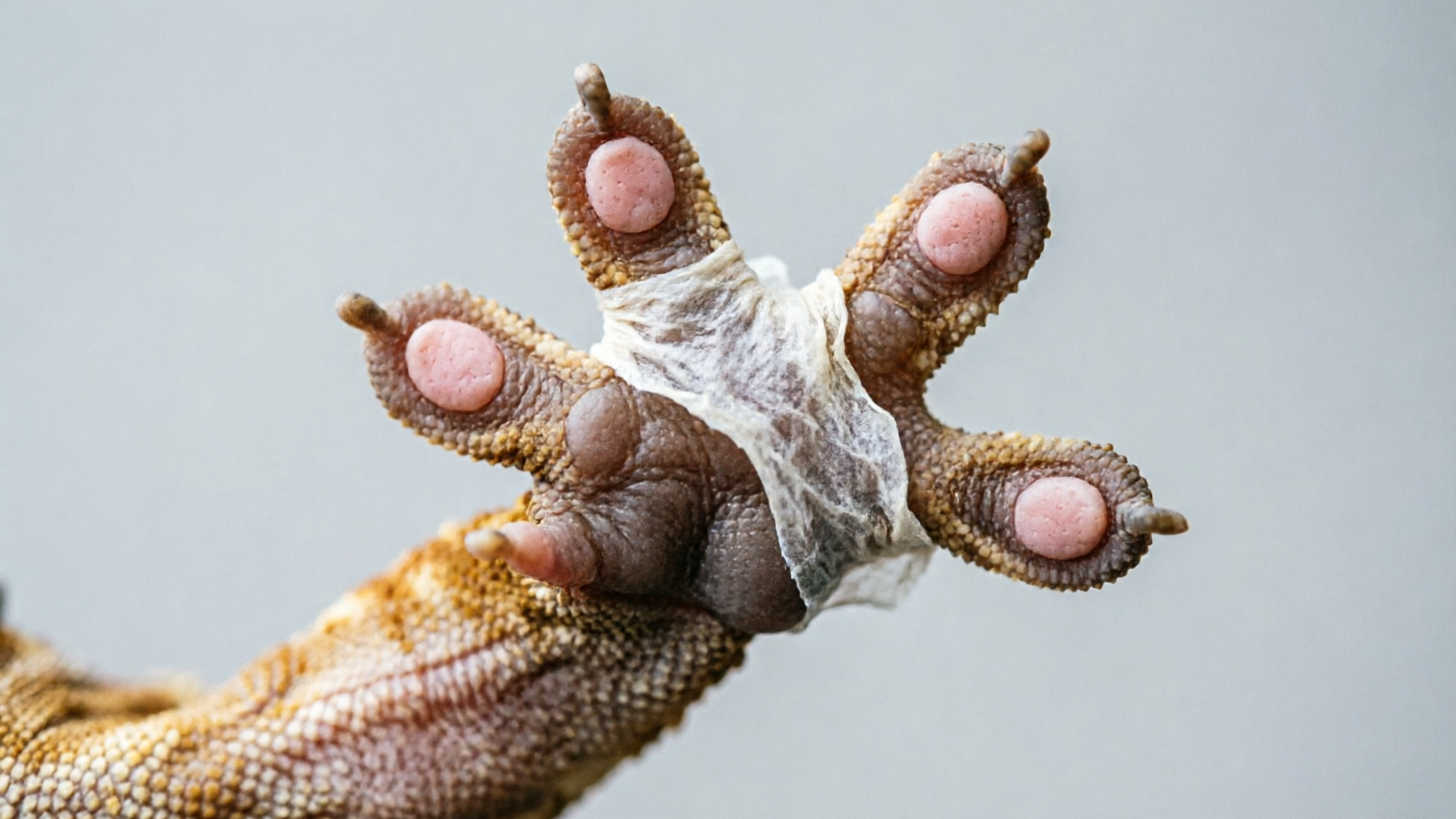
Retained shed rings on toes are the most dangerous form of dysecdysis in crested geckos. Over time, the constricting ring cuts off blood supply, causing the toe to die and fall off. This is entirely preventable with proper humidity and early intervention.
When to see an exotics vet:
- Retained shed on toes for more than two shed cycles.
- Swollen, discolored, or blackening toes — this indicates tissue death from circulation loss.
- Shed stuck around the eyes — risk of permanent eye damage.
- Recurring stuck shed despite correct humidity — may indicate an underlying health issue such as metabolic bone disease or parasitic infection.
- Gecko not eating for two or more weeks — could be impaction from ingested substrate, not a shedding issue.
Persistent appetite loss has multiple causes beyond shedding. If your gecko refuses food for an extended period, see our crested gecko not eating guide for a full troubleshooting list.
Proper enclosure setup prevents most shedding problems. Review our crested gecko enclosure guide to verify your habitat meets humidity and environmental requirements.
Humidity & Shedding — The Critical Link
Humidity is the single most important factor in crested gecko shedding success. Too low, and the old skin dries out and sticks. Too high for too long, and bacterial growth becomes a risk.
The humidity cycle mirrors the gecko’s natural habitat in New Caledonia — dry days and dew-heavy nights. Replicate this pattern with morning misting and nighttime humidity spikes.
| Life Stage | Daytime Humidity | Nighttime Humidity | Shedding Support |
|---|---|---|---|
| Hatchling | 60-70% | 70-80% | Mist 2x daily |
| Juvenile | 50-70% | 70-80% | Mist 1-2x daily |
| Adult | 50-70% | 70-80% | Mist 1x daily |
| Shedding (any age) | 70-80% | 80-90% | Mist 2-3x daily |
Humidity management tools:
- Digital hygrometer: Place at mid-level in the enclosure. Not too close to the misting zone or water dish.
- Automatic misting system: Provides consistent, timed misting. Ideal for owners who cannot mist manually multiple times per day.
- Live plants: Pothos, bromeliads, and ferns hold moisture and release it gradually, stabilizing humidity.
- Sphagnum moss: Place in corners to boost ambient humidity naturally.
Common humidity mistakes:
- Using tap water: Chlorine irritates crested gecko skin. Always use dechlorinated or bottled water.
- Misting with cold water: Cold water shocks the gecko. Use room-temperature water only.
- Relying on a water bowl alone: A water dish provides drinking water but does not raise enclosure humidity enough for shedding.
Unlike leopard geckos who need a specific humid hide for shedding, crested geckos need the entire enclosure at adequate humidity because they use their entire body surface for climbing and shedding. Compare: leopard geckos use humid hides for shedding — see our leopard gecko substrate guide for details. Substrate choices affect crested gecko shedding and humidity retention across species — our ball python substrate guide covers this in depth.
Common Shedding Questions
How often do crested geckos shed?
Baby crested geckos during crested gecko shedding cycles shed every two to four weeks during crested gecko shedding cycles. Juveniles shed every four to six weeks. Adults shed every one to three months.
Growth rate determines frequency. Faster-growing geckos shed more often because their skin stretches more quickly.
Breeding females may shed more frequently due to the physical demands of egg production. If you are unsure whether your gecko’s shedding pattern is normal, compare it against the frequency table in this guide.
Why is my crested gecko not shedding?
If your crested gecko shedding has not occurred in three or more months (adult) or six or more weeks (juvenile), the most likely cause is low humidity.
Other causes include low temperatures (below 65°F slows metabolism), dehydration, or poor nutrition. Increase humidity to 70-80% to trigger crested gecko shedding for several days and monitor for dulling skin color. If the gecko still does not show any shedding signs, consider a vet visit to rule out underlying health issues.
What does stuck shed look like on a crested gecko?
Crested gecko stuck shed appears as whitish, papery patches on the toes, tail tip, or around the eyes.
On toes, it looks like a small band or ring of dry skin.
The affected area may appear slightly swollen or discolored if the shed has been retained for multiple days. If toes turn dark or black, seek veterinary care immediately — this indicates tissue death from circulation cutoff.
Can I help my crested gecko shed?
You can help by maintaining proper humidity (70-80% during shed), providing rough surfaces like cork bark to rub against, and misting the enclosure.
If shed is already stuck, use a damp Q-tip to gently roll it off — never pull. For stubborn cases, create a humid shedding box with damp paper towels for fifteen to twenty minute sessions. See the stuck shed treatment section above for the complete step-by-step process.
What humidity level do crested geckos need for shedding?
During active crested gecko shedding, geckos need 70-80% humidity, ideally spiking to 80-90% at night.
Normal maintenance humidity is 50-70% daytime and 70-80% nighttime. If your enclosure struggles to reach these levels, add live plants, sphagnum moss, and consider an automatic misting system. A digital hygrometer is essential for accurate monitoring.