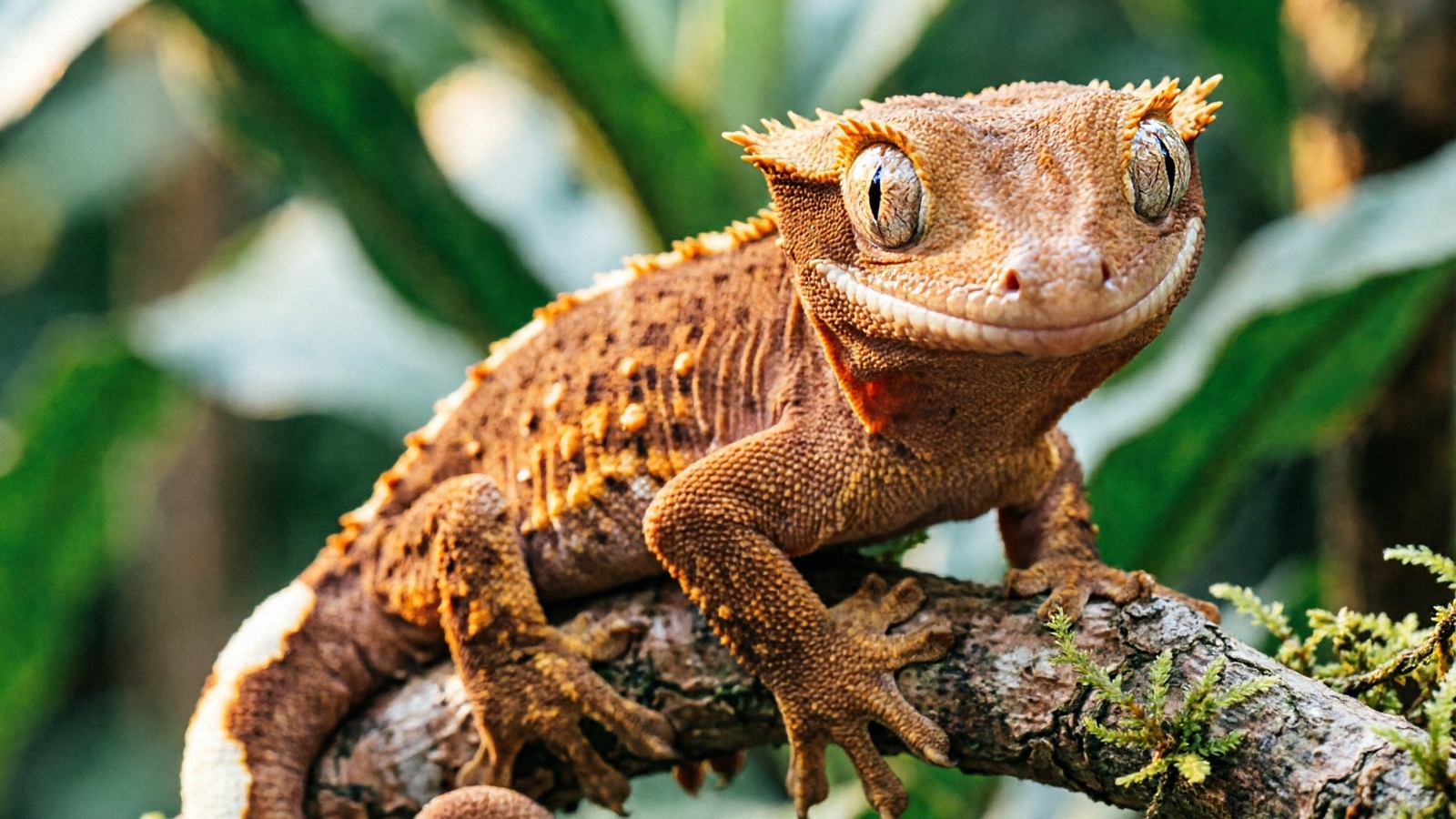
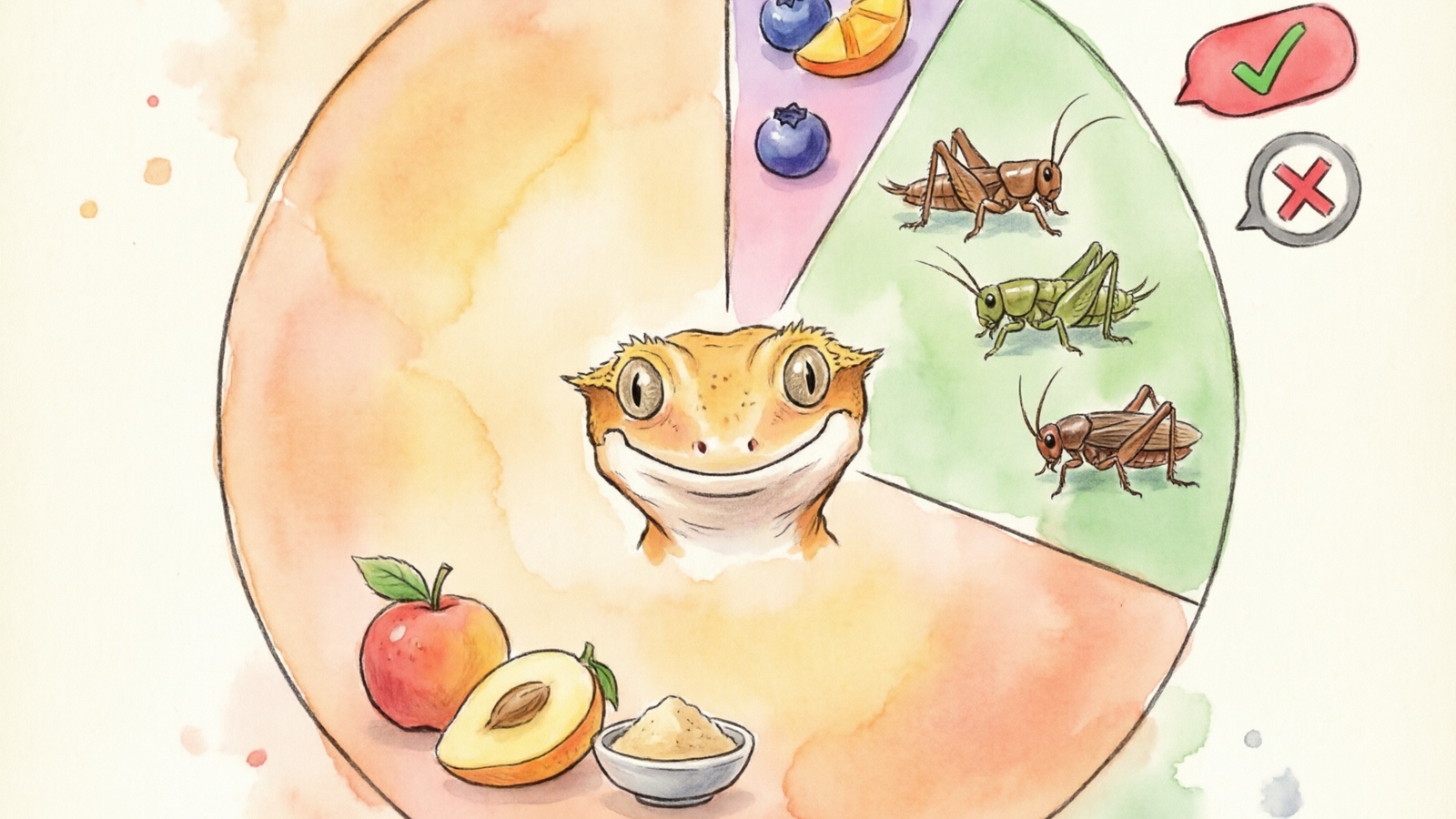
Crested geckos are omnivorous lizards that eat a combination of fruit, insects, and nectar in the wild. In captivity, the easiest and most nutritionally complete approach to crested gecko food is a Commercial Gecko Diet (CGD) powder — the best crested gecko food option available a Commercial Gecko Diet (CGD) powder — mix with water and offer in a shallow dish. The two most trusted CGD brands are Pangea and Repashy, both formulated specifically for crested geckos with balanced calcium, phosphorus, and vitamin D3.
Live insects like crickets and Dubia roaches are optional enrichment, not a requirement. Safe fruits include papaya, mango, blueberries, and figs — offered as treats, not as a staple.
This guide covers everything you need to know about crested gecko food — from choosing the right crested gecko food brand to understanding which fruits are safe, from choosing the right brand to understanding which fruits are safe and how often to feed. Here’s what actually works — including common mistakes repeated online.
What Do Crested Geckos Eat?
Metabolic Bone Disease (MBD) is the most prevalent nutritional disorder in captive reptiles, particularly affecting frugivorous and insectivorous geckos fed unbalanced diets. According to the Association of Reptilian and Amphibian Veterinarians (ARAV), MBD results from chronic dietary calcium deficiency or improper calcium-to-phosphorus ratio (Ca:P), causing the body to mobilize calcium from bone tissue to maintain blood calcium levels. In crested geckos (Correlophus ciliatus), early signs include lethargy, rubbery or pliable jaw (fibrous osteodystrophy), trembling or twitching (tetany), and recurrent soft-shell shedding. Advanced MBD causes spinal deformities, pathological fractures, and death. The ARAV emphasizes that MBD is entirely preventable through consistent use of commercially formulated CGD (which balances Ca:P at approximately 2:1) and appropriate calcium supplementation — it is rarely reversible once bone deformity occurs.
Commercial Gecko Diet (CGD), also called Meal Replacement Powder (MRP), is a nutritionally complete powdered crested gecko food formulated specifically for frugivorous geckos. When mixed with water, it creates a fruit-based smoothie that provides all necessary protein, calcium, vitamins, and minerals. The concept was pioneered by Allen Repashy in the 1990s and revolutionized crested gecko keeping by eliminating the need for daily live insect feeding.
In the wild, crested geckos native to New Caledonia eat insects (roaches, crickets, moths, spiders), soft fruit, and flower nectar. They’re opportunistic nocturnal feeders — whatever they can find on branches and leaves at night. For more on their natural history and behavior, see our crested gecko species guide.
In captivity, there are three approaches to feeding:
| Approach | Method | Pros | Cons |
|---|---|---|---|
| CGD-only (recommended) | Pangea or Repashy 3x/week | Complete nutrition, easy, no insects needed | Less enrichment |
| CGD + insects | CGD 2-3x/week + insects 1x/week | Mental stimulation, natural hunting behavior | More work, cricket care required |
| Homemade purees | Fruit + meat + supplements | Fresh ingredients | Hard to balance Ca:P, not recommended as staple |
A common myth you’ll see online: some sources claim crested geckos need “85% insects” in their diet. This is incorrect and contradicts modern husbandry practices. CGD was specifically developed because crested geckos thrive on fruit-based diets in captivity. Allen Repashy’s original formulation was built around the fact that wild crested geckos consume far more fruit and nectar than insects. Insects are optional enrichment — many breeders keep entire colonies on CGD alone with excellent health outcomes across multiple generations.
Crested geckos also do NOT eat vegetables. They are frugivores and insectivores, not herbivores — their digestive systems cannot process leafy greens, squash, or any plant matter besides fruit. Any source recommending vegetables as crested gecko food is simply wrong.
Best Crested Gecko Food Brands Compared
There are really only two brands that matter in the crested gecko food market: Pangea and Repashy. Zoo Med makes a budget option worth mentioning for beginners. Here’s how they stack up.
| # | Product | Brand | Size | Price | Best For |
|---|---|---|---|---|---|
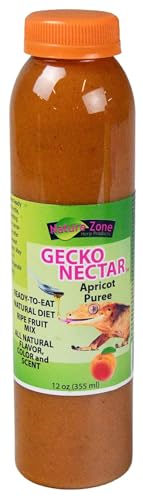
| 1 | Apricot Nectar 12oz | Nature Zone | 12 oz | $12.50 | Puree format — best for picky eaters |
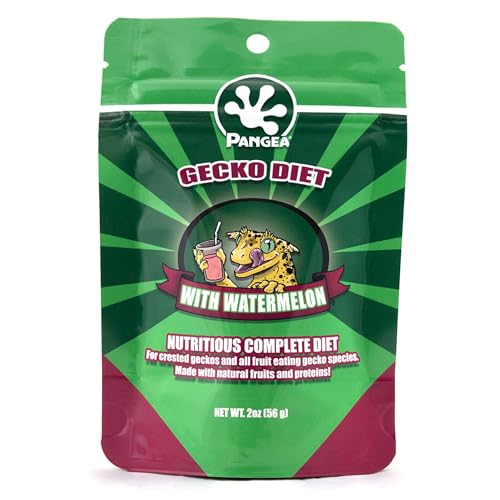
| 2 | Pangea Gecko Diet with Watermelon 2 oz | Pangea | 2 oz | $13.99 | Watermelon flavor — #1 community favorite |
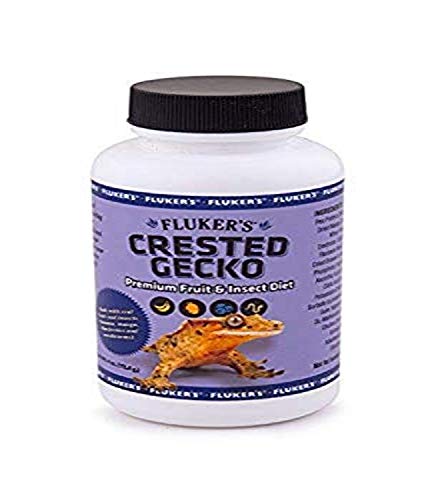
| 3 | Fluker’s Premium Crested Gecko Diet, Fruit and Insects, 8 oz | Fluker’s | 8 oz | $11.95 | Juveniles + extra protein |
| 4 | Pangea Gecko Diet with Watermelon 2 oz | Pangea | 2 oz | $13.99 | Wide acceptance, smooth texture |
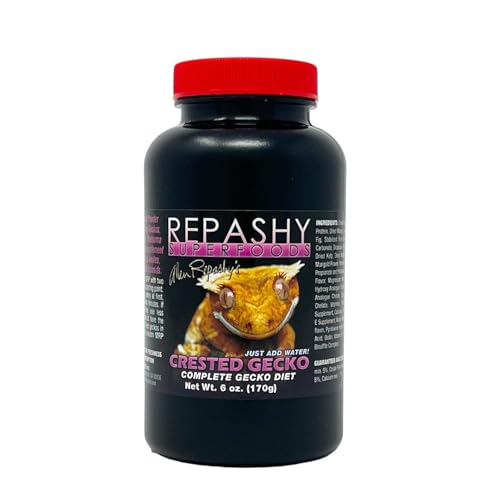
| 5 | Banana CGD | Repashy | 6 oz | ~$20 | Breeders’ top choice |
| 6 | Mango Superblend | Repashy | 6 oz | ~$20 | Flavor rotation, variety |
| 7 | Fluker’s Premium Crested Gecko Diet, Fruit and Insects, 8 oz | Fluker’s | 8 oz | $11.95 | Insect protein + fruit |
| 8 | Plum CGD | Zoo Med | 2 oz | ~$13 | Budget trial option |
Our recommendations: Nature Zone Apricot Nectar (12oz) is a budget-friendly alternative for first-time owners and picky eaters — it offers puree format with apricot flavor. Repashy Banana is the breeder favorite. All other Pangea flavors are solid options. Zoo Med is a decent starter option for testing acceptance.
Pangea dominates the Amazon market for crested gecko food, and for good reason. Their watermelon flavor is the single most popular CGD product online, and it has the highest acceptance rate among geckos — even notoriously picky eaters usually go for it. The fig and insects formula adds real insect protein for a more natural diet profile, which is especially beneficial for growing juveniles. Apricot is a long-time breeder favorite, and the fig & insects formula adds natural insect protein for a more varied diet profile.
When choosing crested gecko food, the main trade-off with Pangea is the sizing. The 2oz watermelon pouch is perfect for testing whether your gecko will accept this crested gecko food, but it runs out quickly if you have multiple geckos.
Start with the 2oz to test this crested gecko food, confirm your gecko eats it, then upgrade to the 8oz bags for better per-ounce value.
For growing juveniles that need extra protein, Fluker’s Premium Crested Gecko Diet with fruit and insects ($11.95, 8 oz) mixes banana, mango, blueberries, and mealworms into a complete powder. Don’t overfeed insect-heavy formulas to adult non-breeding geckos — extra protein isn’t necessary and may contribute to weight gain over time.
Repashy is the original crested gecko food pioneer. Allen Repashy formulated the first Meal Replacement Powder specifically for Rhacodactylus geckos in the 1990s, and the brand still carries serious credibility among breeders and exotic veterinarians. The banana flavor has the highest satisfaction rating of any individual CGD product, and many long-term breeders swear by it exclusively.
Repashy’s mango Superblend is a solid alternative for geckos that want something different. Rotating between banana and mango every few weeks prevents flavor fixation and keeps feeding enthusiasm high. The main downside is the smaller 6oz container compared to Pangea’s 8oz, and Repashy products can be harder to find in stock during peak reptile season.
Zoo Med is the budget crested gecko food option. At around $13 for 2oz, it’s worth trying if you want to test whether your gecko will accept CGD before committing to premium brands. Some geckos eat it without complaint, but acceptance rates are lower overall compared to Pangea or Repashy. The ingredient quality isn’t quite on the same level either — you can see the difference in texture and consistency when mixing. Consider it a stepping stone, not a long-term solution.
For detailed guidance on crested gecko food supplements beyond CGD — including calcium, vitamin D3, and multivitamins — see our crested gecko supplements guide.
Pangea vs Repashy — Which Is Better?
When comparing crested gecko food brands, this is the most common question, and the honest answer is that both are excellent. The right choice depends on your gecko’s preferences and your specific situation. Here’s a direct comparison:
| Factor | Pangea | Repashy |
|---|---|---|
| Creator | Matt Basinger (reptile breeder) | Allen Repashy (CGD pioneer, 1990s) |
| Flavors available | 5+ (watermelon, fig, apricot, papaya, growth) | 2+ (banana, mango) |
| Price per oz | ~$3.25/oz (8oz bags) | ~$3.33/oz (6oz bags) |
| Protein content | ~15% | ~16% |
| Vitamin D3 | ~500 IU/g | ~1,000 IU/g |
| Mixing ratio | 1 part powder : 2 parts water | 1 part powder : 2 parts water |
| Best for | Wide acceptance, first-time owners | Breeders, long-term keepers |
| Track record | Market leader since ~2012 | Original CGD since ~1998 |
Recommendation: Start with Nature Zone Apricot Nectar 12oz — it offers a puree-format alternative to Pangea powders and is well-accepted by picky eaters. If your gecko is picky, try other Pangea flavors (fig and apricot are the next most popular). If your gecko is picky, try other Pangea flavors (fig and apricot are the next most popular). Repashy Banana is worth trying if you want a brand with deeper historical credibility, and many breeders consider it the gold standard.
Buying one small pouch of each brand and letting your gecko decide is the best approach when choosing crested gecko food. Some geckos strongly prefer one over the other, and there’s no way to predict which without testing. Once you find a winner, stick with it and rotate flavors within that brand for variety.
Can Crested Geckos Eat Fruit? Safe & Toxic Lists
Yes, crested geckos can eat certain fruits — it’s a natural part of their diet. But fruit should be an occasional treat (1–2 times per month), not a replacement for crested gecko food.
Fresh fruit is too high in sugar and too low in protein and calcium to serve as a staple. Quality crested gecko food like CGD is formulated to provide balanced nutrition that fresh fruit alone cannot match.
Safe fruits — these can be offered as treats:
| Fruit | Ca:P Ratio | Frequency | Notes |
|---|---|---|---|
| Papaya | 4.8:1 | Staple-safe | Best Ca:P ratio — excellent calcium source |
| Figs (fresh) | 2.5:1 | Staple-safe | High calcium, but also high oxalates |
| Blackberries | 1.5:1 | Regular | Good fiber and antioxidants |
| Raspberries | 1.8:1 | Regular | Good mineral balance |
| Apples (skin on) | 1.1:1 | Regular | Remove seeds (contain trace cyanide compounds) |
| Pears | 1.1:1 | Regular | Remove seeds, peel adds fiber |
| Mango | 0.9:1 | Occasional | Very palatable, but higher in sugar |
| Peaches | 0.4:1 | Occasional | Remove pit, high sugar |
| Strawberries | 0.7:1 | Occasional | Lower Ca:P, but geckos enjoy them |
| Bananas | 0.3:1 | Treat only | High potassium can interfere with calcium absorption |
The Ca:P (calcium-to-phosphorus) ratio matters because phosphorus binds calcium in the digestive tract. Fruits with a Ca:P ratio above 1:1 actually contribute calcium rather than depleting it.
Papaya is the standout winner here at 4.8:1 — it’s the single best fruit you can offer your crested gecko.
Bananas, despite being a gecko favorite, have a poor 0.3:1 ratio and high potassium that can further interfere with calcium uptake. Offer banana only as an occasional treat.
Unsafe fruits and foods — never feed these:
| Food | Why Unsafe |
|---|---|
| All citrus (lemon, lime, orange, grapefruit) | Too acidic — causes mouth and stomach irritation |
| Pineapple | Too acidic + bromelain enzyme causes digestive issues |
| Avocado | Contains persin — toxic to many reptile species |
| Rhubarb | High oxalates, potentially toxic |
| Kiwi | High oxalates bind calcium, acidic pH causes mouth irritation |
| Grapes | Limited safety data for geckos; some sources list as risky |
| Any vegetable | Crested geckos cannot digest plant matter besides fruit |
About kiwi: You’ll find conflicting advice online. Some popular care guides list kiwi as safe for crested geckos, but avoiding it is the safer choice. The oxalate content binds to calcium in the digestive tract, reducing absorption over time, and the acidity can irritate the mouth lining. When there are plenty of proven-safe alternatives like papaya, mango, and berries, there’s no reason to take the risk.
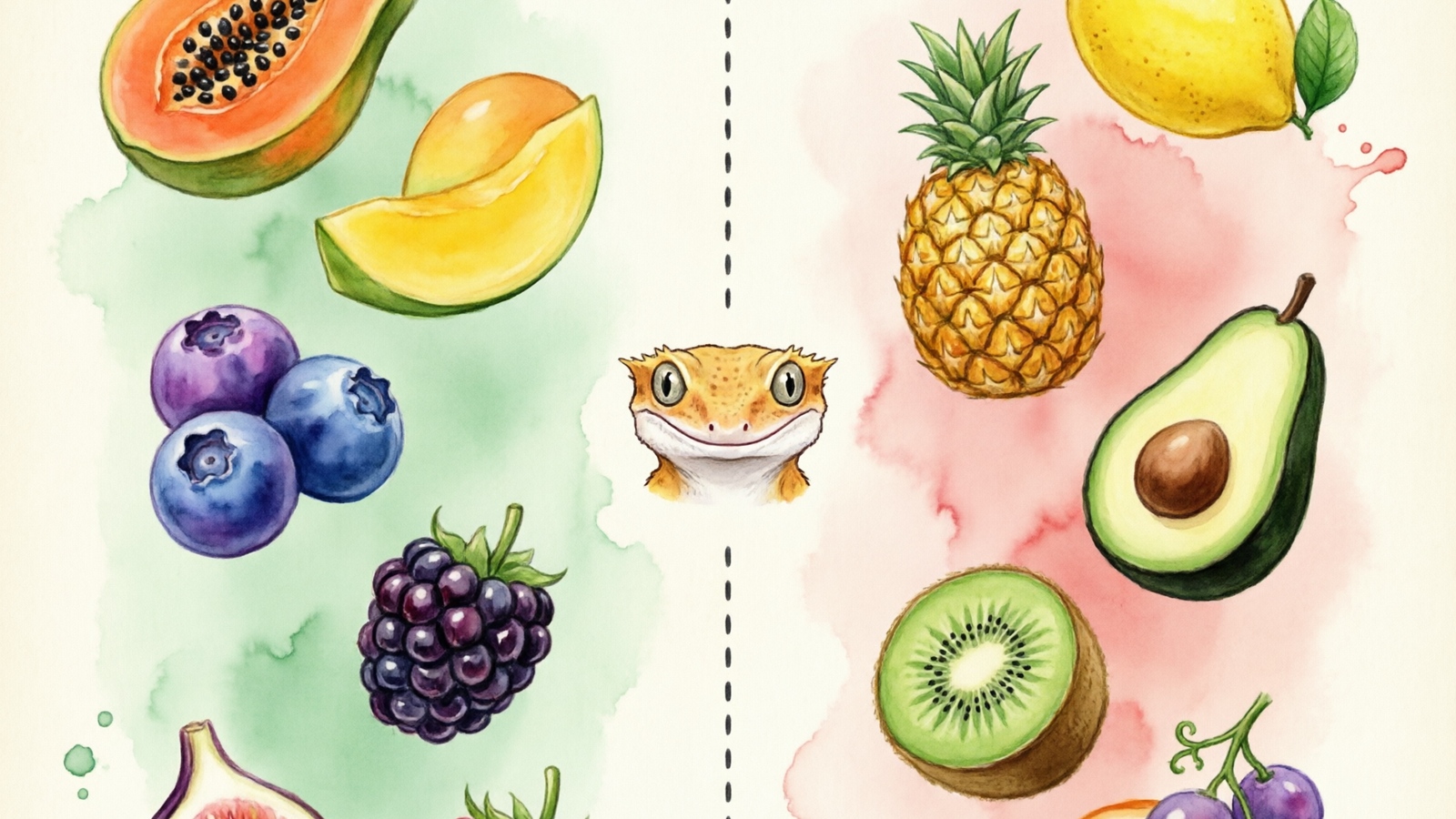
Fruit preparation matters. When preparing treats to supplement crested gecko food, wash all fruit thoroughly to remove pesticides, remove all seeds and pits (apple seeds contain compounds that release trace amounts of cyanide when digested), mash or cut into small bite-sized pieces, and remove any uneaten fruit after 12 hours. The warm, humid environment inside a gecko enclosure causes fruit to mold quickly, and moldy food can cause respiratory infections.
How Often Should You Feed a Crested Gecko?
If you’re wondering how often to feed crested gecko food to your gecko, the answer depends on age and life stage. Younger geckos need more frequent meals because they’re growing rapidly, while adults maintain on fewer feedings. Here’s a crested gecko feeding schedule based on the current husbandry consensus:
| Age | Frequency | CGD | Insects | Notes |
|---|---|---|---|---|
| Hatchling (0–3 months) | Daily | Every day | 2–3x/week | Rapid growth phase |
| Juvenile (3–12 months) | 5–6x/week | 4–5x/week | 1–2x/week | Growing steadily |
| Sub-adult (12–18 months) | 3–4x/week | 3x/week | 0–1x/week | Approaching adult weight |
| Adult (18+ months) | 3x/week | 3x/week | 0–1x/week | Maintenance |
| Breeding female | 4–5x/week | 4x/week | 1–2x/week | Use Growth formula |
| Winter cooling | 1–2x/week | 1–2x/week | 0x | Natural appetite reduction |
Feed in the evening — crested geckos are nocturnal and most active at dusk and throughout the night. Follow these steps for each feeding:
- Mix your crested gecko food — combine 1 part CGD powder with 2 parts water by weight for standard consistency.
- Portion correctly — offer a roughly gecko-head-sized dollop in a shallow dish or on a feeding ledge.
- Place at height — position the dish on a branch or ledge, since crested geckos feed above ground.
- Remove after 24–36 hours — discard uneaten crested gecko food to prevent bacterial growth.
- Wash dishes between feedings — use hot water, no soap.
Don’t overfeed. A healthy adult crested gecko weighs 35–55 grams. Anything consistently over 65 grams is considered obese. Obesity in reptiles leads to fatty liver disease, reduced mobility, egg-binding in females, and shortened lifespan. If your gecko looks like it swallowed a golf ball, it’s time to cut back feeding frequency and portion size.
Fresh fruit treats should be offered no more than 1–2 times per month. Insect size matters too — never offer an insect wider than the gap between your gecko’s eyes. Too-large prey can cause impaction or choking.
For a complete overview of crested gecko care beyond just diet, including temperature, humidity, and enclosure setup, see our crested gecko care guide.
Live Insects for Crested Geckos
While crested gecko food is the staple, live insects are optional but valuable enrichment. Hunting triggers natural behaviors that CGD in a bowl simply can’t replicate. If you choose to offer insects, here’s what works best:
| Insect | Protein | Fat | Best For | Notes |
|---|---|---|---|---|
| Crickets | 20% | 5% | Staple, easy to source | Most accessible feeder insect |
| Dubia roaches | 35% | 6% | Best staple | Highest protein, lowest fat ratio |
| Phoenix worms (BSFL) | 17% | 14% | Good variety | Naturally high in calcium |
| Mealworms | 19% | 13% | Occasional only | Harder chitin, higher fat |
| Waxworms | 14% | 25% | Treat only | Extreme fat content — obesity risk |
| Silkworms | 9% | 1% | Hydration | Very high moisture, low protein |
| Superworms | 20% | 18% | Adults only | Can bite — not for juveniles |
Gut-loading is mandatory if you feed insects. Feed the insects a nutritious diet (dark leafy greens, whole grains, carrots) for 24 hours before offering them to your gecko. An un-gut-loaded cricket provides almost no nutritional value to your gecko — it’s essentially an empty shell of chitin.
Dusting with calcium: Lightly coat feeder insects with a calcium + D3 powder before feeding. Only supplement insects this way — do NOT add extra calcium or vitamin powder to CGD, since it’s already precisely balanced. Over-supplementing is just as dangerous as under-supplementing.
Vitamin D3 safety warning: This is critical and often overlooked. The safe range for vitamin D3 in reptile supplements is 45,000–50,000 IU/kg. Some widely sold products far exceed this — one popular brand contains 400,000 IU/kg and another contains 100,000 IU/kg, both of which can cause hypervitaminosis D3 (essentially calcium toxicity) over time. Symptoms include lethargy, soft tissue calcification, and kidney damage. Always read the label before buying any supplement.
Practical rules for insect feeding: don’t leave uneaten crickets in the enclosure overnight (they bite sleeping geckos and can cause serious injury), keep insect size no wider than the space between your gecko’s eyes, and introduce insects gradually if your gecko has only ever eaten CGD.
If your gecko is refusing both CGD and insects, something else may be going on. Check our guide on why your crested gecko might not be eating to rule out health problems, improper temperatures, or shedding issues. Proper reptile habitat setup also plays a direct role in appetite — geckos in enclosures that are too hot, too cold, or too bright often go off feed entirely.
Crested gecko diet checklist:
- CGD (Pangea or Repashy) as staple crested gecko food — nutritionally complete
- Feed in evening — geckos are nocturnal
- Remove uneaten crested gecko food after 24–36 hours — prevent bacteria
- Gut-load insects 24h before feeding — nutritional value
- Dust insects with calcium + D3 — proper supplementation
- Keep insect size ≤ space between gecko’s eyes — prevent choking
- Check supplement D3 level: 45,000–50,000 IU/kg safe range
- Never use CGD + fruit as sole diet — fruit too low in calcium
- Never feed vegetables — geckos cannot process plant matter
- Never over-supplement CGD with extra calcium/vitamins — already balanced
- Never leave crickets overnight — they bite sleeping geckos
- Never feed wild-caught insects — pesticide/parasite risk
Frequently Asked Questions
What do crested geckos eat in captivity?
In captivity, the best crested gecko food is a Commercial Gecko Diet (CGD) powder mixed with water as their primary crested gecko food source. Pangea and Repashy are the two most trusted brands — both are nutritionally complete crested gecko food options that require no additional supplementation when fed as directed.
Live insects like crickets and Dubia roaches can be offered 1–2 times per week as enrichment but are not strictly necessary. Safe fruits (papaya, mango, berries) can be given as occasional treats 1–2 times per month. Crested geckos do not eat vegetables.
Can crested geckos eat fruit?
Yes, certain fruits are safe as treats — papaya, mango, blueberries, figs, and raspberries are all good options. However, fruit should not replace crested gecko food (CGD) as the staple because it’s too high in sugar and too low in protein and calcium.
Feed fruit no more than 1–2 times per month, always remove seeds and pits, and take out uneaten fruit after 12 hours to prevent mold. Avoid citrus fruits, avocado, rhubarb, and kiwi (high oxalates).
How often should you feed a crested gecko?
Feed adult crested geckos (18+ months) quality crested gecko food 3 times per week. Hatchlings and juveniles need daily feeding due to rapid growth, while breeding females should be fed 4–5 times per week with a higher-protein formula.
During winter cooling, when temperatures drop and metabolism slows, 1–2 times per week is sufficient. Always feed in the evening when crested geckos are most active, and remove uneaten food after 24–36 hours.
What is the best crested gecko diet?
The best crested gecko diet is a quality crested gecko food powder from Pangea or Repashy. Both brands provide complete, balanced nutrition when mixed with water — Pangea Watermelon has the widest acceptance, while Repashy Banana is preferred by many breeders.
Either crested gecko food brand is a solid choice — consistency matters more than brand loyalty. Avoid homemade fruit purees as a staple diet, as they’re extremely difficult to balance for calcium, phosphorus, and protein.
Can crested geckos eat crickets?
Yes, crickets are one of the best feeder insects for crested geckos. They’re widely available, easy to gut-load, and have a good protein-to-fat ratio.
Feed appropriately sized crickets (no wider than the space between your gecko’s eyes) 0–1 times per week for adults. Always gut-load crickets for 24 hours before feeding and dust them lightly with calcium + D3 powder. Never leave uneaten crickets in the enclosure — they can bite and injure your gecko while it sleeps.
Do crested geckos need calcium supplements?
If you’re feeding a quality CGD as the primary diet, your gecko is already getting balanced nutrition from quality crested gecko food and doesn’t need additional supplementation. Extra calcium is only necessary if you feed live insects — in that case, dust the insects with calcium + D3 powder before feeding.
Do not add calcium powder directly to CGD, as this will disrupt the carefully balanced mineral ratios. A small dish of plain calcium powder left in the enclosure allows geckos to self-regulate if they sense they need extra.
This guide represents current best practices in crested gecko nutrition based on Association of Reptilian and Amphibian Veterinarians (ARAV) husbandry guidelines, Allen Repashy’s original MRP research, and established breeder consensus. Always consult an exotic veterinarian if your gecko shows signs of poor appetite, weight loss, or metabolic bone disease.