As of 2026, spinach remains a safe and nutritious occasional green for guinea pigs, but the oxalate warning that experienced owners share is more relevant than ever. With bladder stone cases in guinea pigs continuing to be a top reason for exotic vet visits, understanding which greens to rotate and which to limit is essential knowledge for any owner.
Can Guinea Pigs Eat Spinach?
Yes — but spinach sits in the “feed carefully” category, not the “feed freely” category.
💡 TL;DR: Guinea pigs can eat spinach 1-2 times per week (3-5 small leaves per serving). The vitamin C content is valuable since guinea pigs can’t make their own. But high oxalates mean spinach should never be a daily green — bladder stones are a real risk. Bell peppers and romaine lettuce are safer daily options with equal or better nutrition.
Spinach is one of those foods where guinea pig owners genuinely disagree. Some treat it as a healthy regular green, and others avoid it completely. I’ve been on both sides of this debate over the years. When I first started keeping guinea pigs, I tossed spinach into the rotation without thinking much about it. Then I learned about oxalates and calcium crystals, and I cut back significantly. After talking with exotic vets and reading the research, I’ve settled into a moderate approach: spinach in my pigs’ diet, but strictly limited to once or twice a week.
What makes spinach complicated for guinea pigs is that it’s genuinely nutritious — particularly for vitamin C — but carries a meaningful long-term risk. This isn’t a “toxic vs safe” situation. It’s a “beneficial but needs boundaries” situation. Understanding why those boundaries exist will help you make informed decisions for your own pigs.
For a complete overview of what goes into a healthy guinea pig diet, check out our guinea pig food guide and best guinea pig food recommendations.
Spinach Nutrition Facts for Guinea Pigs
Paw Inspired PopCorner Liner is a quality option worth considering for your setup.
USDA nutritional data — raw spinach, per 100g USDA FDC ID 11457 — “Spinach, raw”:
| Nutrient (per 100g) | Amount | Relevance to Guinea Pigs |
|---|---|---|
| Energy | 23 kcal | Very low calorie |
| Protein | 2.86g | Moderate protein |
| Fat | 0.39g | Very low fat |
| Carbohydrate | 3.63g | Very low carb |
| Fiber | 2.2g | Moderate fiber |
| Sugar | 0.42g | Very low sugar |
| Water | 91.4g | Good hydration |
| Calcium | 99mg | HIGH — problematic |
| Oxalates | ~970mg | VERY HIGH — core risk |
| Iron | 2.71mg | Good iron content |
| Phosphorus | 49mg | Moderate |
| Potassium | 558mg | High potassium |
| Vitamin C | 28.1mg | GOOD — important for GPs |
| Vitamin A | 9377 IU | Extremely high |
| Vitamin K | 483µg | Extremely high |
| Folate | 194µg | Very high |
The Numbers That Matter Most for Guinea Pigs
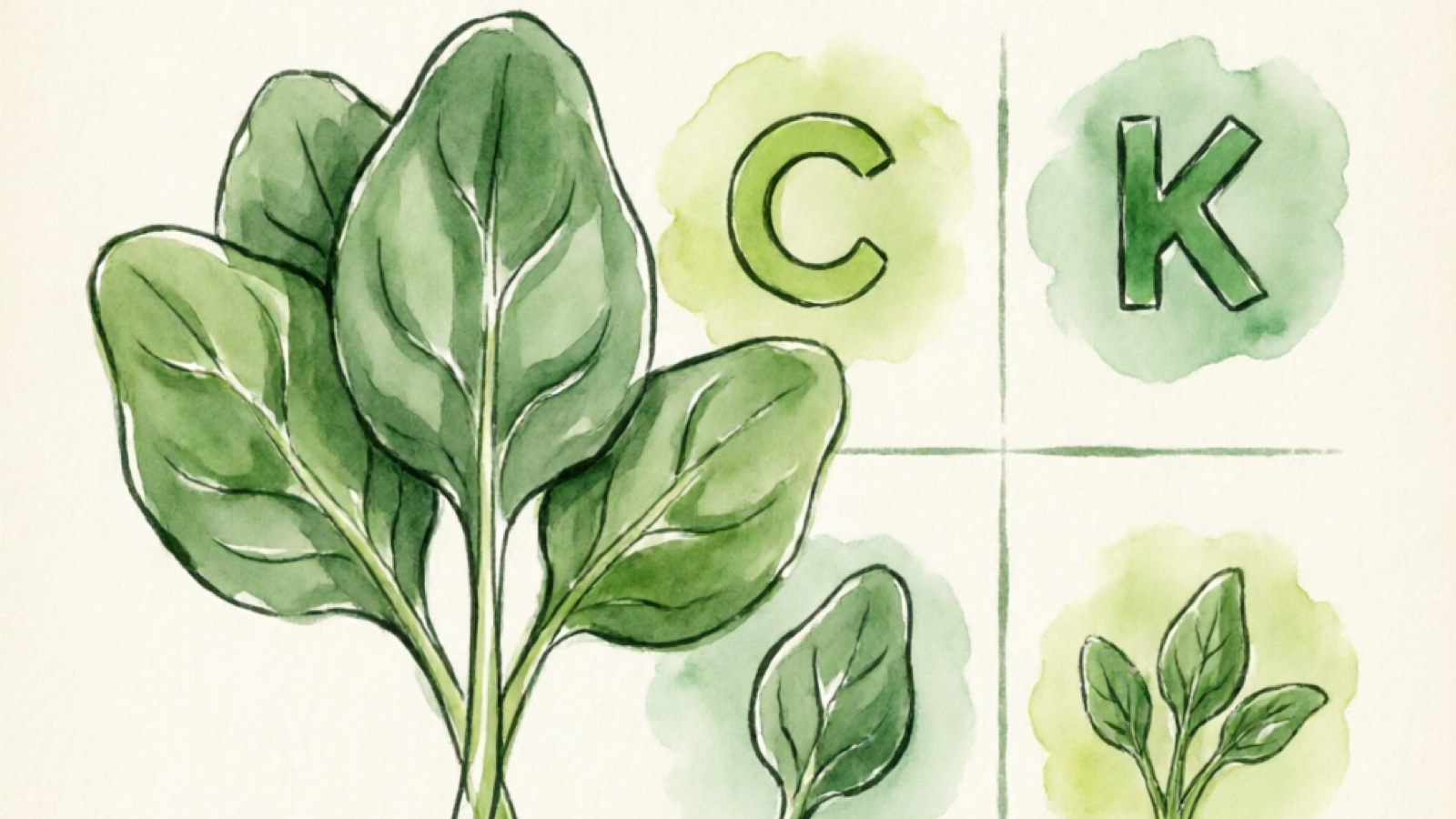
Vitamin C at 28.1mg per 100g: This is the single biggest reason spinach has value for guinea pigs. Unlike almost all other mammals, guinea pigs cannot synthesize their own vitamin C — they must get 100% of it from their diet. A deficiency causes scurvy (hair loss, joint pain, lethargy, reluctance to move), which is a serious and progressive condition. The daily vitamin C requirement for an adult guinea pig is approximately 30-50mg. Spinach provides meaningful vitamin C, though bell peppers provide significantly more (80-180mg per 100g depending on color).
Oxalates at ~970mg per 100g: This is the reason you can’t feed spinach freely. Oxalates bind with calcium in the body to form calcium oxalate crystals. These crystals accumulate in the urinary tract over time, leading to bladder sludge, bladder stones, and kidney problems. Guinea pigs are susceptible to urinary tract issues — it’s one of the most common health problems in the species. The oxalate content of spinach is roughly 75 times higher than romaine lettuce.
Calcium at 99mg per 100g: High for a guinea pig vegetable. Adult guinea pigs on a proper timothy hay diet can develop calcium imbalances from high-calcium greens. The combination of high calcium AND high oxalates in spinach is a double concern.
Vitamin K at 483µg per 100g: Extremely high — supports blood clotting and bone health. However, parsley (650µg) provides even more with lower oxalates.
Sugar at 0.42g per 100g: Negligible. Unlike fruit treats like strawberries, blueberries, or bananas, spinach won’t contribute to sugar-related problems (obesity, dental disease, GI issues). The risk profile is completely different.
Spinach vs Other Guinea Pig Greens
| Food | Oxalates (mg/100g) | Vitamin C (mg) | Calcium (mg) | Risk Level | Frequency |
|---|---|---|---|---|---|
| Spinach | ~970 | 28.1mg | 99mg | High (oxalates) | 1-2x/week |
| Bell peppers | ~5 | 80-184mg | 7mg | Very low | Daily |
| Romaine lettuce | ~13 | 24mg | 16mg | Very low | Daily |
| Cilantro | ~10 | 27mg | 67mg | Very low | Daily |
| Carrots | ~6 | 5.9mg | 33mg | Very low | 3-4x/week |
| Cucumber | ~8 | 2.8mg | 16mg | Very low | 3-4x/week |
| Celery | ~19 | 3.1mg | 40mg | Very low | 2-3x/week |
| Tomatoes | ~6 | 13.7mg | 10mg | Very low | 2-3x/week |
| Parsley | ~100 | 133mg | 138mg | Low-moderate | 3-4x/week |
The comparison makes the situation clear. Bell peppers provide 3-6 times more vitamin C than spinach with virtually zero oxalates. If vitamin C is your priority — and for guinea pigs it should be — bell peppers are the superior choice by a wide margin.
Benefits of Spinach for Guinea Pigs
Many owners find that GuineaDad Original Reusable Cage Liner works well for their pet’s needs.
Vitamin C — The Most Important Benefit
At 28.1mg per 100g, spinach contributes meaningfully to a guinea pig’s daily vitamin C requirement of 30-50mg. Vitamin C deficiency (scurvy) is a serious concern for guinea pigs because they, like humans, lack the enzyme L-gulonolactone oxidase needed to synthesize vitamin C internally. Symptoms of scurvy include:
- Rough, thinning coat
- Swollen, painful joints
- Lethargy and reluctance to move
- Poor wound healing
- Loss of appetite
A small handful of spinach (15-25g) provides roughly 4-7mg of vitamin C — about 10-15% of the daily requirement. It’s a helpful contribution, though not enough to be a primary vitamin C source on its own. For more on vitamin C needs, see our guinea pig vitamin C guide.
Vitamin K
At 483µg per 100g, spinach provides exceptional vitamin K, which supports blood clotting and bone metabolism. This is beneficial but available from many safer greens.
Vitamin A
At 9,377 IU per 100g, spinach is extremely rich in vitamin A — beneficial for vision, immune function, and skin health. Carrots provide even more vitamin A with minimal oxalates.
Iron
At 2.71mg per 100g, spinach provides meaningful iron. Iron deficiency can cause anemia in guinea pigs, though it’s relatively uncommon on a balanced diet.
Folate
At 194µg per 100g, spinach is rich in folate (vitamin B9), which supports cell division and growth — particularly important for growing pups and pregnant sows.
Low Sugar
At 0.42g per 100g, spinach won’t contribute to the sugar-related concerns that come with fruit treats. If your guinea pig is overweight or prone to dental problems, spinach doesn’t add to those risks.
Hydration
At 91.4% water, spinach provides good hydration. This is useful during warm weather or for guinea pigs that don’t drink enough water from their water bottle.
Risks and Precautions
For this purpose, Check Price is a popular choice among pet owners.
High Oxalate Content — The Primary Concern
Oxalates are the reason spinach can’t be a daily green for guinea pigs. Here’s how the problem develops:
- Weeks 1-4: No visible symptoms. Oxalates begin binding with calcium in the urinary tract.
- Weeks 4-12: Small calcium oxalate crystals may form in the bladder (bladder sludge). Often asymptomatic — you may notice cloudy or gritty-looking urine.
- Months 3-6+: Crystals aggregate into bladder stones. Symptoms appear: straining to urinate, blood in urine, frequent small urinations, squeaking while urinating, hunched posture, reduced appetite.
- Severe cases: Complete urinary blockage — a life-threatening emergency.
Bladder stones are one of the most common — and most expensive — health problems in guinea pigs. Surgery to remove them typically costs $500-1,500+ and carries significant risk for a small animal under anesthesia. Prevention through diet is far better than treatment.
High Calcium Content
At 99mg per 100g, spinach is calcium-rich. Guinea pigs, like rabbits, absorb all dietary calcium and excrete excess through urine. When combined with high oxalates, the conditions for crystal formation are ideal. This is particularly concerning for older guinea pigs, who are more prone to urinary tract issues.
Gas and Digestive Upset
While not as gassy as cruciferous vegetables, spinach can cause bloating in some guinea pigs. Guinea pigs cannot burp — excessive gas causes painful abdominal distension and can contribute to GI stasis, which is potentially fatal. Monitor your guinea pig closely after the first few spinach feedings. If you notice a bloated belly, reduced appetite, or lethargy, discontinue spinach immediately and contact your exotic vet.
Pesticide Residue
Spinach consistently ranks at or near the top of the EWG’s Dirty Dozen list — it’s one of the most pesticide-contaminated vegetables you can buy. This makes thorough washing critical. Organic spinach is strongly preferred for guinea pigs given how much of their diet consists of fresh vegetables. See our guinea pig care guide for more on food safety.
Not a Complete Vitamin C Source
While spinach provides some vitamin C, 28.1mg per 100g is not enough to meet a guinea pig’s full daily requirement on its own. Relying on spinach (at 1-2x per week) for vitamin C would lead to deficiency. You still need daily vitamin C sources — bell peppers are the gold standard.
Serving Guide by Breed
Guinea pig breeds have less size variation than rabbit breeds (most weigh 700g-1200g), so portion differences are modest. But there are meaningful distinctions.
Small Breeds (700-900g)
Breeds: American, Teddy, Skinny Pig
- Amount: 2-3 small leaves (roughly 10-15g)
- Frequency: Once a week — or not at all
- Why more cautious: Smaller body mass means oxalates concentrate more quickly. I’d recommend once a week for small breeds, and honestly, you wouldn’t lose much by skipping spinach entirely and relying on bell peppers and romaine lettuce for daily vitamin C.
Medium Breeds (900-1100g)
Breeds: Abyssinian, Silkie (Sheltie), Coronet
- Amount: 3-4 small leaves (roughly 15-20g)
- Frequency: 1-2 times per week
- Note: Abyssinians, with their dense, rough coats, are particularly prone to urinary issues in some lines — if your Abyssinian has any history of urinary problems, skip spinach.
Large Breeds (1100-1200g+)
Breeds: Peruvian, English Crested
- Amount: 4-5 small leaves (roughly 20-25g)
- Frequency: 1-2 times per week
- Note: Peruvians, being the largest common breed, handle oxalates slightly better due to more body mass. But the frequency limit still applies.
Baby Guinea Pigs (Under 12 Weeks)
Baby guinea pigs should not eat spinach. Their digestive systems are still developing, and high-oxalate foods pose a greater risk to young animals.
- 0-3 weeks: Mother’s milk + alfalfa hay, pellets introduced around 3 weeks
- 3-6 weeks: Weaning — transition to timothy hay and pellets, small amounts of safe greens introduced gradually
- 6-12 weeks: Expand vegetable variety with safe daily greens — romaine lettuce, bell pepper strips, [cilantro]
- 12+ weeks: If introducing spinach, start with one small leaf and monitor for 48 hours before offering more. Do not make spinach a regular part of a young guinea pig’s diet for the first few months.
Senior Guinea Pigs
Senior guinea pigs (4-5+ years) are at higher risk for urinary tract disease. If your senior pig has any history of bladder sludge, cloudy urine, or urinary difficulty, eliminate spinach completely. For senior guinea pig care considerations, see our guinea pig lifespan guide.
Pregnant and Nursing Sows
Pregnant and nursing sows have higher nutritional demands, particularly for vitamin C (requirement doubles to 60-80mg/day). Spinach’s folate (194µg) and iron (2.71mg) are beneficial during pregnancy. However, the oxalate risk still applies — don’t increase spinach frequency beyond 2 times per week. Meet the higher vitamin C demand primarily through bell peppers and high-quality pellets.
How to Prepare Spinach for Your Guinea Pig
Step 1: Choose the Right Spinach
Select spinach that is:
- Deep green — pale or yellowing leaves have reduced nutritional value
- Crisp and firm — wilted spinach has lost vitamin C and may harbor bacteria
- Free of mold, slime, or dark spots — especially check the bottom of the bunch
- Young leaves preferred — baby spinach is more tender and slightly lower in oxalates
- Organic when possible — spinach ranks #1 or #2 on the EWG Dirty Dozen most years
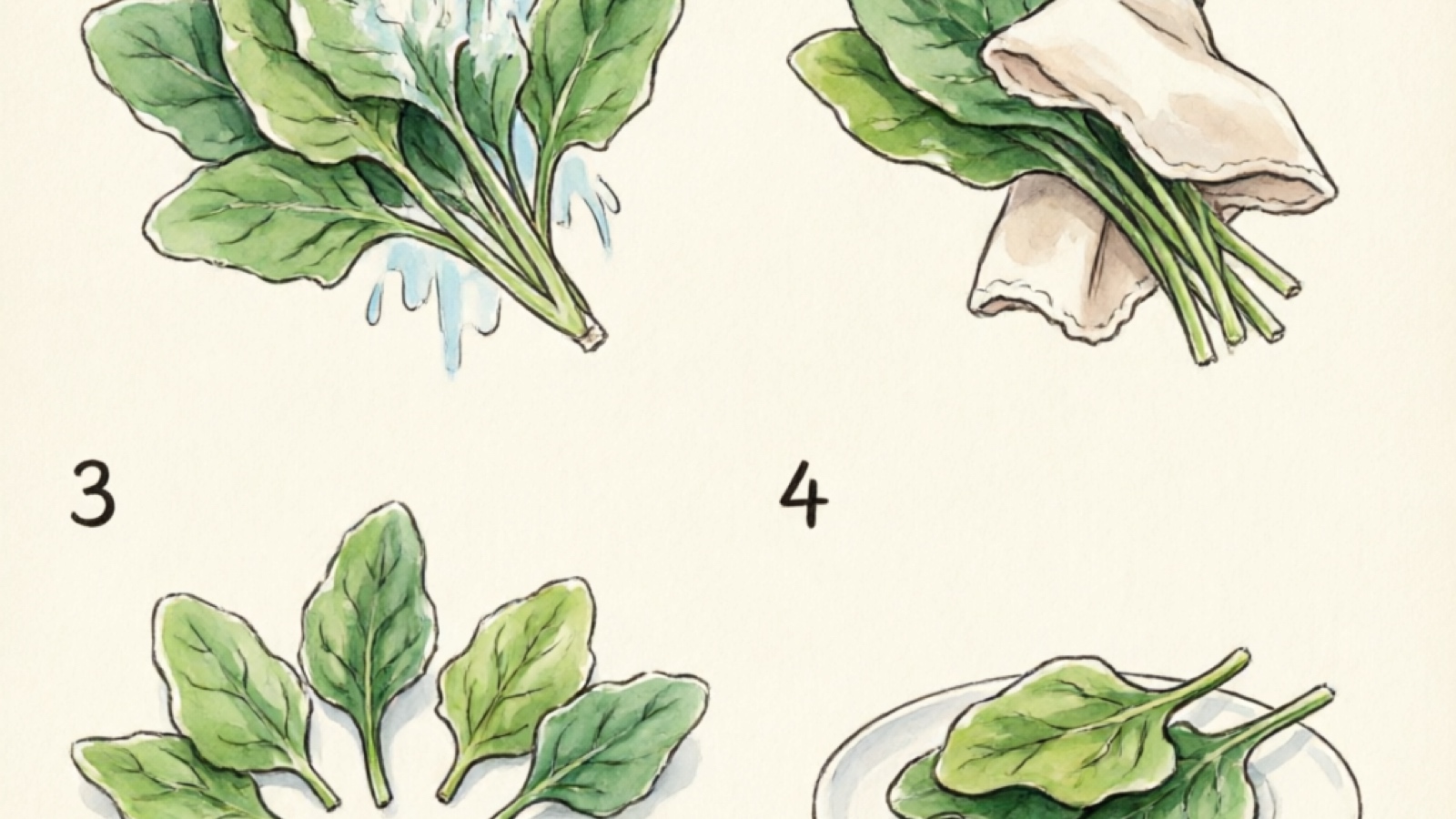
Step 2: Wash Thoroughly
This step deserves extra attention due to spinach’s pesticide contamination risk:
- Separate all leaves and discard any that are wilted, slimy, or discolored
- Soak in a 1:3 vinegar-water solution for 2-3 minutes
- Rinse each leaf under cool running water for 15-20 seconds, gently rubbing the surface
- Pat dry with a clean paper towel
- Inspect for insects, snails, or debris — common with farm-fresh spinach
Step 3: Remove Thick Stems (Optional)
The thick central stems of mature spinach are fibrous. Baby spinach stems are tender and most guinea pigs eat them without issue. For mature spinach, you can tear away the thick stem and offer leaf portions only.
Step 4: Tear Into Bite-Sized Pieces
Don’t offer whole leaves. Tear each leaf into 2-3 pieces. Guinea pigs have small mouths and may struggle with large, flat leaves.
Step 5: Serve at Room Temperature
Don’t serve cold spinach straight from the refrigerator. Let pieces sit for 5-10 minutes. Cold vegetables can cause temporary digestive slowdown.
Step 6: Remove Uneaten Spinach After 2-3 Hours
Fresh spinach wilts quickly at room temperature and develops a slimy texture that can harbor bacteria. Remove any uneaten pieces. For more on daily feeding routines, see our guinea pig food guide. If you’re adjusting your pig’s diet or managing calcium intake from spinach, our guinea pig weight tracker helps you track weight changes and spot trends early.
What to Avoid
Cooked Spinach
Never feed cooked vegetables to guinea pigs. Cooking destroys vitamin C — the most valuable nutrient in spinach for guinea pigs. Cooking also alters the fiber structure and makes food harder to digest. Additionally, cooked spinach for human consumption contains salt, oil, butter, garlic, or other harmful ingredients.
Frozen Spinach
Frozen spinach is typically blanched before freezing, which partially cooks it and destroys vitamin C. Thawed frozen spinach is also mushy and unappealing. Fresh, raw spinach only.
Canned Spinach
Canned spinach is packed with added sodium and preservatives, and the canning process destroys most vitamins. The texture is completely unsuitable for guinea pigs.
Creamed Spinach or Prepared Dishes
Any prepared spinach dish — creamed spinach, dip, pie, or any recipe — contains dairy, salt, garlic, onions, or other ingredients that are harmful or toxic to guinea pigs.
Daily Feeding
The single biggest mistake with spinach is feeding it too frequently. Even 1-2 leaves every day adds up to significant oxalate exposure over time. The frequency limit (1-2 times per week) is more important than the portion size.
Spinach as a Primary Vitamin C Source
Spinach alone cannot meet a guinea pig’s vitamin C needs. At 28.1mg per 100g, and with spinach limited to 1-2 times per week, the weekly vitamin C contribution is only about 8-14mg — well below the 210-350mg weekly requirement. Bell peppers (80-184mg vitamin C per 100g, safe for daily feeding) should be the primary vitamin C vegetable.
Safer Alternatives to Spinach
Spinach’s nutritional benefits — particularly vitamin C — are available from safer greens that can be fed daily without concern.
Daily Greens (Safe Every Day)
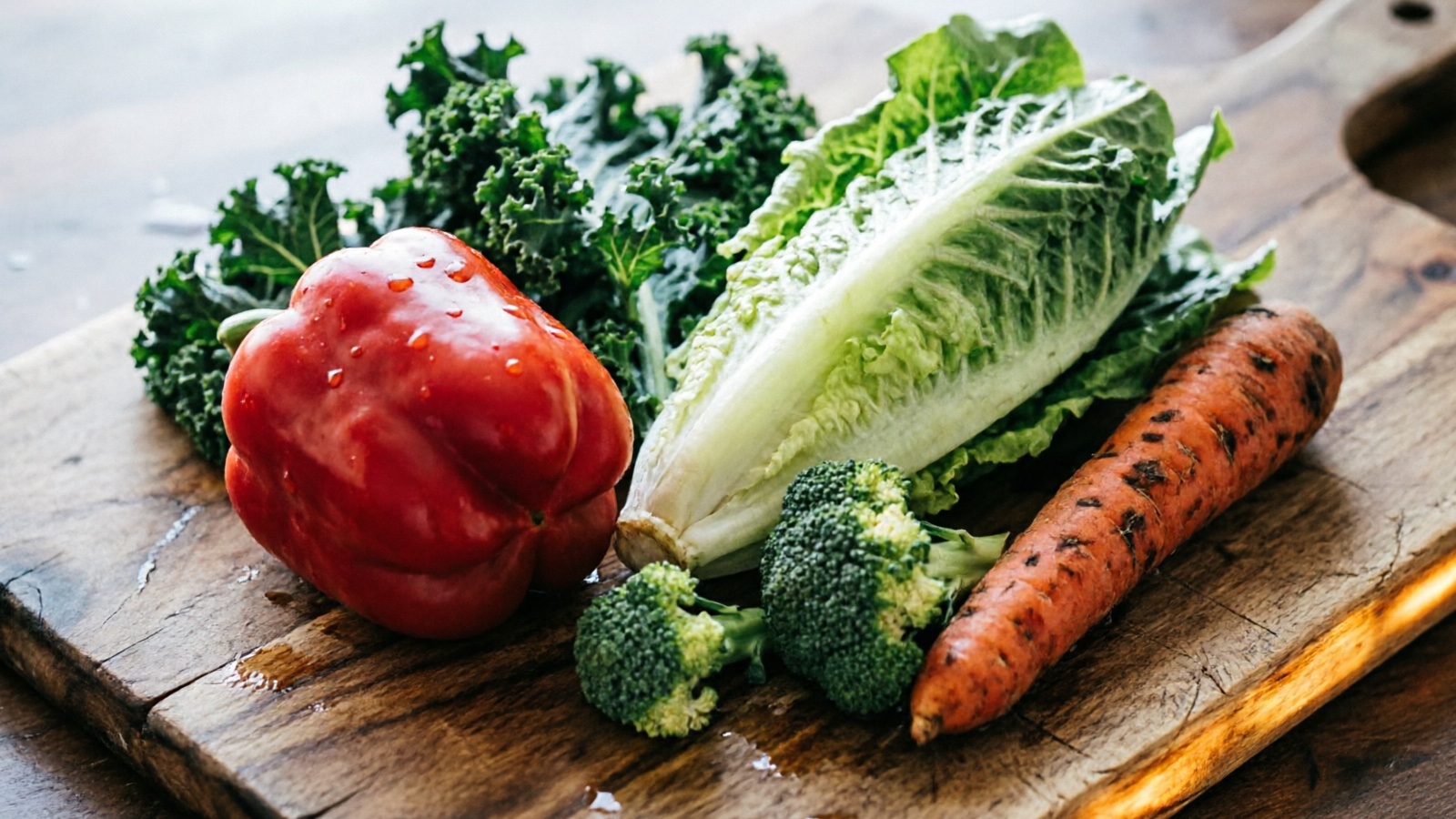
- Bell peppers — the gold standard for guinea pig vitamin C. 80-184mg per 100g depending on color (red is highest). Virtually zero oxalates. Should be a daily staple.
- Romaine lettuce — very low oxalates, good hydration, mild flavor most guinea pigs love. 1-2 large leaves per day.
- Cilantro — very low oxalates, good vitamin C (27mg), strong aroma that many guinea pigs enjoy.
- Green leaf lettuce — similar profile to romaine, good variety addition.
- Basil — low oxalates, aromatic, good for rotation.
Regular Greens (3-4 Times Per Week)
- Parsley — high vitamin C (133mg) but moderate oxalates (~100mg). Feed 3-4 times per week, not daily.
- Carrots — moderate sugar, good vitamin A, very low oxalates. Feed 3-4 times per week.
- Celery — good hydration, very low oxalates. Cut into small pieces to avoid stringy fiber.
Treat Vegetables (2-3 Times Per Week)
- Cucumber — excellent hydration, very low oxalates. Not nutrient-dense but refreshing.
- Tomatoes — low oxalates, moderate vitamin C. Remove all leaves and stem (nightshade family).
Fruit Treats (1-2 Times Per Week)
- Strawberries — good vitamin C but higher sugar. Treat, not staple.
- Blueberries — antioxidant-rich but moderate sugar.
- Bananas — high sugar, very occasional treat only.
Sample Weekly Rotation (Spinach 1-2x/week)
Monday: bell pepper strips + romaine lettuce Tuesday: cilantro + green leaf lettuce Wednesday: carrot coin + bell pepper Thursday: spinach (small handful) + romaine lettuce Friday: cucumber slice + cilantro Saturday: bell pepper + parsley Sunday: romaine lettuce + spinach (optional — or skip)
This rotation provides abundant daily vitamin C, broad nutritional variety, and keeps spinach to a safe frequency. For complete care beyond diet, see our guinea pig care guide, guinea pig health guide, cage setup, bedding guide, and best treats.
Other Foods Your Guinea Pig Can Eat
Each link leads to a full safety guide with serving recommendations.
Vegetables
- Can Guinea Pigs Eat Bell Peppers?
- Can Guinea Pigs Eat Lettuce?
- Can Guinea Pigs Eat Carrots?
- Can Guinea Pigs Eat Cucumber?
- Can Guinea Pigs Eat Celery?
- Can Guinea Pigs Eat Tomatoes?
Fruits
Core Guides
- Guinea Pig Food Guide | Best Guinea Pig Food
- Guinea Pig Care Guide | Guinea Pig Health
- Guinea Pig Lifespan | Vitamin C Guide
- Best Guinea Pig Cage | Cage Size Guide
- Best Guinea Pig Bedding | Best Guinea Pig Treats
- Best Hay | Best Water Bottle
- Guinea Pig Sounds | Guinea Pig Breeds
Product Recommendations
Here are some products mentioned in this guide:
Frequently Asked Questions
Can guinea pigs eat spinach?
Yes, guinea pigs can eat spinach in strict moderation — 3-5 small leaves, 1-2 times per week. Spinach provides vitamin C (28.1mg per 100g), which guinea pigs need from their diet. However, the high oxalate content (0.97g per 100g) means spinach should never be a daily green.
Can guinea pigs eat spinach everyday?
No. Daily feeding leads to oxalate accumulation, causing bladder sludge, stones, and kidney problems over time. The damage is cumulative — your guinea pig may show no symptoms for months before a serious urinary problem develops. Feed at most twice per week.
Can baby guinea pigs eat spinach?
No. Under 12 weeks, their digestive systems are too immature for high-oxalate foods. After 12 weeks, introduce spinach very gradually — one small leaf with 48-hour observation between feedings.
How much spinach can a guinea pig eat?
A small handful of 3-5 small leaves (15-25g), 1-2 times per week. Smaller breeds should stay at the lower end. The frequency limit is more important than the portion size.
Is spinach good for guinea pigs?
It has genuine benefits — vitamin C, vitamin K, iron, folate, and low sugar. But the oxalate risk means these benefits come with conditions. Spinach is a good occasional supplement, not a staple green.
Can guinea pigs eat spinach stems?
Yes, stems are safe and have slightly less oxalate than leaves. Some guinea pigs don’t enjoy the fibrous texture. Same frequency limits apply.
What greens are better than spinach for guinea pigs?
Bell peppers are the best daily choice — more vitamin C than spinach with virtually zero oxalates. Romaine lettuce and cilantro are also excellent daily greens. These should form the backbone of your guinea pig’s vegetable rotation.
Can guinea pigs eat cooked spinach?
No. Cooking destroys vitamin C and alters the food’s structure. Cooked spinach also contains harmful added ingredients. Raw spinach only, with nothing added.