
Last updated: June 9, 2026
Quick Facts: Hamster Statistics 2026
- ~1.08 million US households own hamsters
- 73.5% of pet hamsters are Syrian (Golden) hamsters
- 21 months is the median lifespan across all species
- $400-$600 total cost for the first year of ownership
- 7.33% of hamsters develop wet tail, the most common disorder
- 25% decline in hamster ownership since 2018
- 87% of small animal owners buy gifts for their pets
Hamster Ownership Statistics
1. ~1.08 Million US Households Own Hamsters
(Source: APPA 2025 Bird, Small Animal & Horse Report)
Hamsters are owned by approximately 1.08 million US households, making them the third most popular small mammal pet behind rabbits (37% share) and guinea pigs (23%). Hamsters represent 18% of the small animal category, which collectively accounts for roughly 6 million US households APPA 2025.
The broader exotic pet category, which includes hamsters alongside reptiles, birds, and fish, reached approximately 18.5 million US households in 2026. Small mammals rank as the second-largest exotic pet subcategory at 6.8 million owners, behind only reptiles Forbes Advisor.
2. Hamster Ownership Declined 25% Since 2018
(Source: APPA 2025 Bird, Small Animal & Horse Report)
Despite overall growth in exotic pet ownership (+23% since 2020), hamster ownership specifically has declined by 25% since 2018. This is a notable divergence from the broader trend. Reptile ownership, for example, has surged during the same period, largely driven by bearded dragons and leopard geckos gaining popularity through social media.
Potential factors in the hamster decline include:
- Lifespan awareness: As pet owners become better educated, many opt for longer-lived pets like guinea pigs (4-8 years) or reptiles (10-20+ years)
- Housing requirements: Increased awareness of minimum enclosure sizes (450+ sq inches) may have deterred impulse purchases
- Social media shift: Reptile content has outpaced hamster content on platforms like TikTok and YouTube
3. 26% of Hamsters Are Purchased at Pet Superstores
(Source: APPA 2024 Bird, Small Animal & Horse Owner Insight Report)
The majority of hamster acquisitions happen through pet retail channels, with 26% obtained at pet superstores like PetSmart and Petco. This is consistent with hamsters being a common first-time pet for families with children.
In-person shopping remains dominant for hamster supplies — 55% of small animal owners prefer shopping in-store for food, and 52% for treats. This suggests that hamster owners value the ability to inspect products physically, particularly for items like bedding and enclosure accessories APPA 2024.
Hamster Lifespan Data
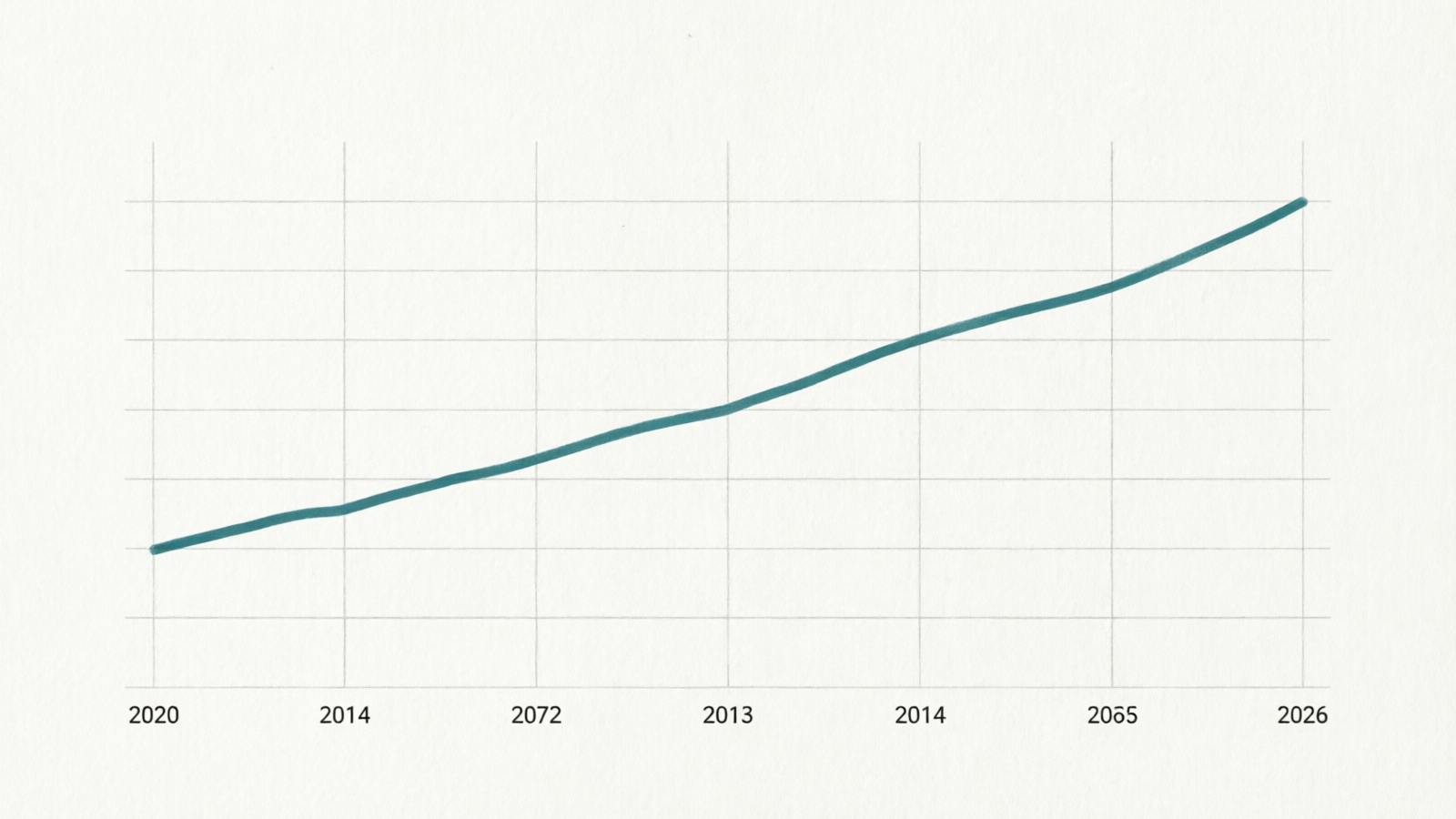
4. Median Hamster Lifespan: 21 Months
(Source: RVC VetCompass Study, O’Neill et al. 2022 — ~4,000 pet hamsters)
The most robust hamster lifespan data comes from the Royal Veterinary College’s VetCompass program, which analyzed approximately 4,000 pet hamster veterinary records in the UK. The study, published in the Journal of Small Animal Practice, found a median lifespan of 21 months (1.75 years) across all hamster species under veterinary care PMC9796486.
This figure represents hamsters that received professional veterinary attention and may be slightly higher than the overall pet hamster population, which includes hamsters that never see a vet. Our comprehensive hamster lifespan guide provides additional context on factors that affect longevity.
5. Syrian Hamsters: 2-3 Years
(Sources: RVC VetCompass 2022, PetMD, Chewy)
Syrian (Golden) hamsters, which dominate the pet market at 73.5% of all hamsters, typically live 2-3 years with proper care. The median for Syrians under veterinary care was approximately 21 months, though well-cared-for individuals can reach 3.5-4.5 years. Males frequently outlive females, possibly due to lower rates of reproductive disorders PetMD.
For detailed care instructions specific to this species, see our Syrian hamster care guide.
6. Lifespan by Species
| Species | Percentage of Pets | Average Lifespan | Notes |
|---|---|---|---|
| Syrian (Golden) | 73.5% | 2–3 years | Most common; males outlive females |
| Djungarian (Winter White) | 13.8% | 1.5–2 years | Popular dwarf species |
| Roborovski Dwarf | 6.4% | 3–3.5 years | Longest-living species |
| Chinese Dwarf | 0.98% | 2–3 years | Rare in pet trade |
| Campbell’s Russian Dwarf | 0.31% | 1.5–2 years | Least common in study |
(Source: RVC VetCompass Study 2022, PetMD, Chewy)
Roborovski dwarf hamsters are the longest-living species at 3-3.5 years, despite representing only 6.4% of the pet hamster population. For species-specific comparisons, see our Syrian vs dwarf hamster guide.
Hamster Cost of Ownership
7. First-Year Total: $400-$600
(Source: SmallPetExpert internal data, APPA, AVMA estimates)
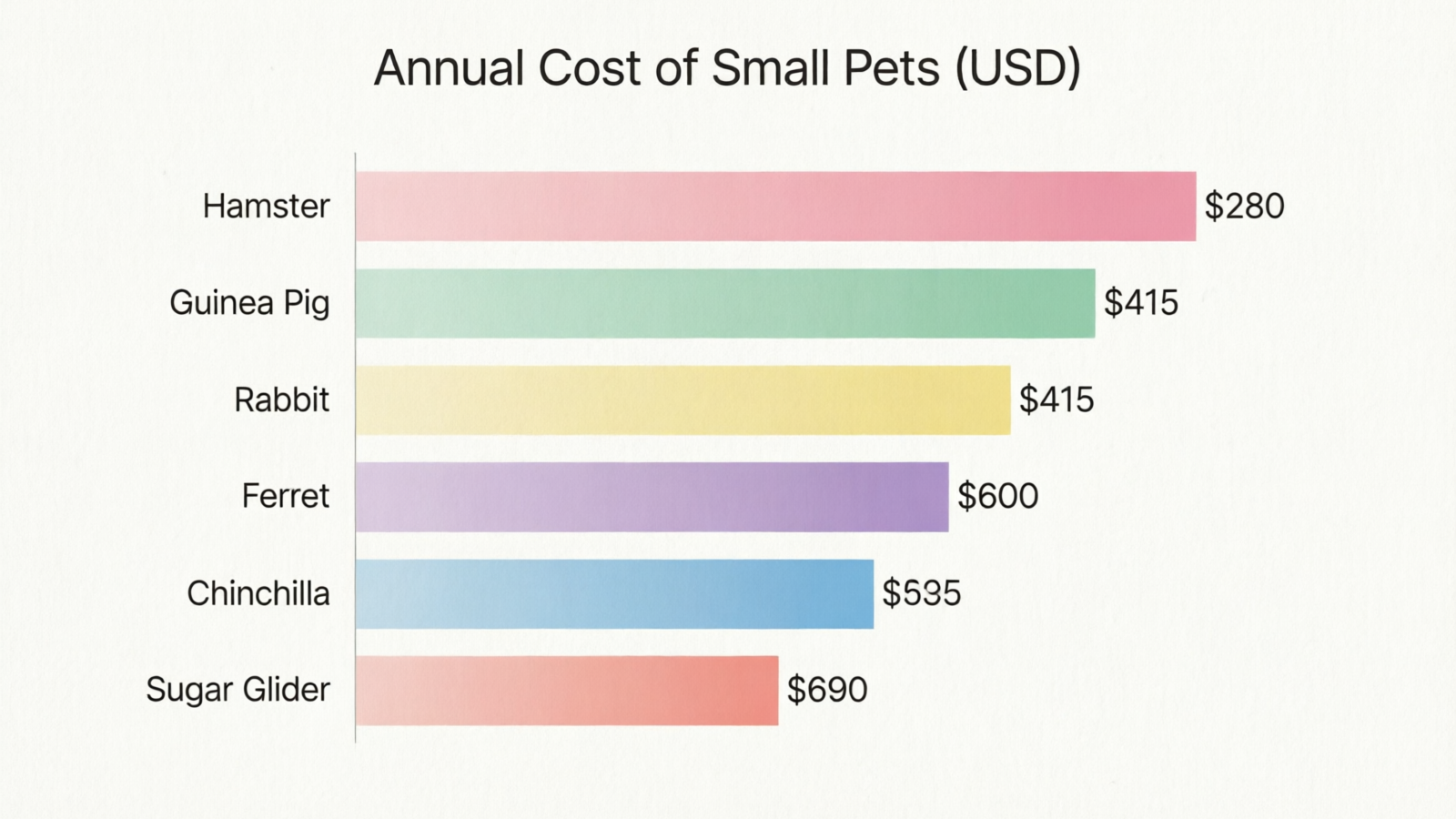
The total cost of hamster ownership in the first year ranges from $400 to $600, making hamsters one of the most affordable pet options. This includes the initial enclosure setup and ongoing supplies. For a full breakdown across all small pet types, see our small pet cost of ownership guide.
8. Annual Ongoing Costs: $250-$350
(Source: SmallPetExpert internal data)
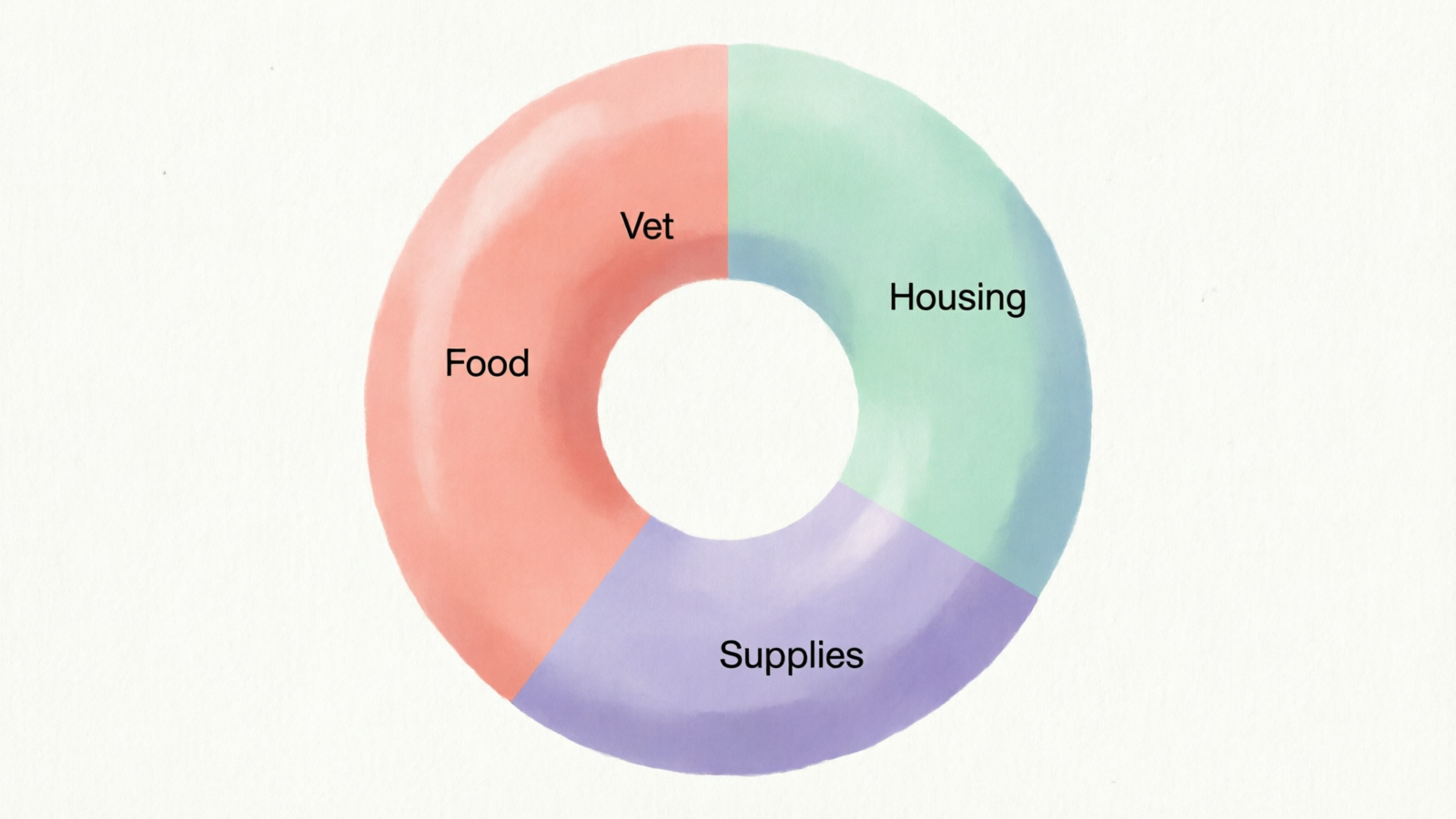
After the initial setup, annual hamster care costs range from $250 to $350, averaging $33-$63 per month. The largest ongoing expense is food ($100-$140/year), followed by bedding replacement ($60-$80/year) and veterinary care ($80-$100/year).
| Category | Annual Cost |
|---|---|
| Food (pellets + fresh vegetables) | $100–$140 |
| Bedding (monthly replacement) | $60–$80 |
| Veterinary care | $80–$100 |
| Replacement supplies (chews, toys) | $30–$50 |
| Treats and supplements | $20–$30 |
(Source: SmallPetExpert internal pricing data, 2026)
9. Hidden and Emergency Costs
| Expense | Cost Range |
|---|---|
| Emergency vet visit | $150–$300 |
| Surgery | $300–$800 |
| Hospitalization | $100–$200/day |
| Pet sitting | $15–$25/day |
The most significant financial risk is emergency veterinary care. While routine annual costs are modest, a single emergency visit can exceed the entire year’s normal expenses. Pet insurance for hamsters is rarely available in the US, making an emergency fund a practical consideration for owners.
Hamster Health Statistics
10. Wet Tail: The #1 Disorder (7.33% Prevalence)
(Source: RVC VetCompass Study 2022, n=~4,000)
Wet tail (proliferative ileitis) is both the most common disorder and the leading cause of death among pet hamsters. The RVC study found a 7.33% clinical prevalence, meaning roughly 1 in 14 hamsters that visit a veterinarian are diagnosed with this condition PMC9796486.
Wet tail is particularly dangerous for young hamsters under 12 weeks of age, with mortality rates reaching 90% if untreated. Syrian hamsters are disproportionately affected. For symptoms, treatment options, and prevention strategies, see our comprehensive wet tail guide.
11. Top 5 Most Common Hamster Disorders
| Rank | Disorder | Prevalence |
|---|---|---|
| 1 | Wet tail (diarrhoea) | 7.33% |
| 2 | Bite injuries from other hamsters | 5.88% |
| 3 | Overgrown nails | 4.13% |
| 4 | Overgrown front teeth | 3.98% |
| 5 | Traumatic injury | 3.80% |
(Source: RVC VetCompass Study 2022, O’Neill et al., Journal of Small Animal Practice)
Bite injuries (5.88%) rank as the second most common disorder, primarily affecting dwarf hamster species that are sometimes housed together despite being solitary animals. This is a preventable condition — housing hamsters individually eliminates this risk entirely. Our hamster housing guide covers proper enclosure setup for single hamster housing.
Dental issues (overgrown nails at 4.13% and overgrown incisors at 3.98%) rank third and fourth. These are typically management-related conditions that can be minimized with appropriate substrate depth, chew toys, and regular health checks. See our hamster nail trimming guide for maintenance tips.
12. Syrian Hamsters: Higher Health Risk Profile
(Source: RVC VetCompass Study 2022)
Syrian hamsters face higher health risks compared to other species. They have elevated risk for:
- Female reproductive disorders: 5.19x higher than other species (pyometra, tumors)
- Urinary system disorders: 5.04x higher
- Appetite disorders: 2.68x higher
However, Syrian hamsters have significantly lower risk of traumatic injury (0.34x) compared to dwarf species, likely because Syrians are routinely housed alone while dwarf species are sometimes kept in pairs — a practice that increases fight-related injuries.
The average lifetime disorder count across all hamster species is approximately one disorder per hamster’s life. Syrian hamsters tend to accumulate more disorders than other species over their lifetimes PMC9796486.
13. Leading Causes of Death
| Rank | Cause | Percentage |
|---|---|---|
| 1 | Wet tail | 7.9% |
| 2 | Abdominal mass | 6.4% |
| 3 | Cancer | 5.4% |
| 4 | Difficulty breathing | 4.0% |
(Source: RVC VetCompass Study 2022)
Wet tail leads as the primary cause of death (7.9%), followed by abdominal masses (6.4%) and cancer (5.4%). Combined, these three conditions account for approximately 19.7% of all recorded hamster deaths. Cancer risk increases significantly with age, particularly in Syrian hamsters over 18 months. For a complete overview of hamster health concerns, see our hamster health guide.
Hamster Owner Demographics
14. Millennials and Gen Z Dominate Hamster Ownership
(Source: APPA 2025 Report, APPA Pet Owner Demographics 2026)
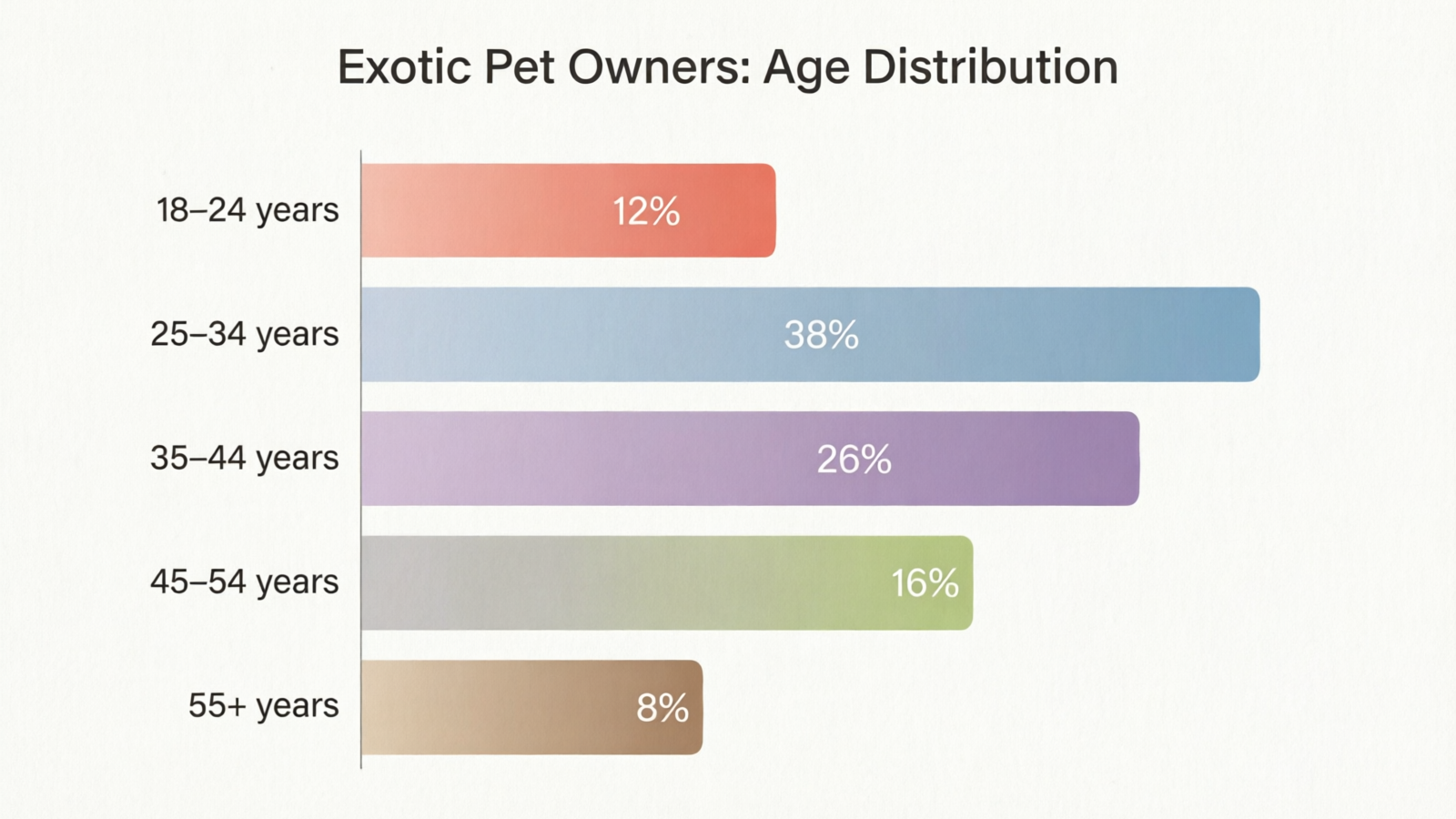
Hamster ownership skews young. Millennials (ages 28-43) represent 35% of small animal owners, while Gen Z (ages 18-27) has surged to 34% — a 17% increase from 2023. Together, these two generations account for nearly 70% of all small mammal ownership APPA 2025.
Gen Z shows the strongest preference for small mammals among all exotic pet categories — 44% of Gen Z exotic pet owners choose small mammals (hamsters, guinea pigs, gerbils). This is likely driven by apartment living, social media content featuring small pets, and lower costs compared to dogs or cats.
15. 56% of Hamster Owners Live in Two-Adult Households
(Source: Fox, A. 2024, ABVP Syrian Hamster Welfare Study)
Research specifically focused on Syrian hamster welfare found that 56.2% of hamster-owning households consist of two adults. Single-adult households account for 14.2%, and three-adult households represent 15.5% ABVP.
Urban households are 2.3x more likely to own exotic pets (including hamsters) compared to suburban or rural households, according to US Census Bureau supplement data from 2025. This aligns with hamsters being space-efficient pets that don’t require outdoor access.
16. 68% of Hamster Owners Also Own Dogs or Cats
(Source: AVMA 2026)
Hamster owners are typically multi-pet households. According to AVMA data, 68% of exotic pet owners also own traditional pets (dogs and/or cats). Hamsters often serve as a supplementary pet — a companion for children or a low-maintenance addition alongside family dogs and cats.
Additionally, 87% of small animal owners purchase gifts for their pets, spending an average of $34.52 per gift — a 31% increase from 2023 [APPA 2025]. This indicates that hamster owners are emotionally invested in their pets despite the relatively short lifespan.
Hamster Species Distribution
17. Syrian Hamsters Dominate at 73.5%
(Source: RVC VetCompass Study 2022)
Syrian (Golden) hamsters overwhelmingly dominate the pet hamster market, accounting for 73.5% of all pet hamsters in the RVC study. This is consistent across both the UK study population and US market observations.
The species distribution of pet hamsters:
| Species | Share | Typical Lifespan |
|---|---|---|
| Syrian (Golden) | 73.5% | 2–3 years |
| Djungarian (Winter White) | 13.8% | 1.5–2 years |
| Roborovski Dwarf | 6.4% | 3–3.5 years |
| Chinese Dwarf | 0.98% | 2–3 years |
| Campbell’s Russian Dwarf | 0.31% | 1.5–2 years |
| Unspecified/Other | 5.01% | Varies |
Chinese dwarf hamsters are exceptionally rare in the pet trade at just 0.98% — too rare for the RVC study to draw species-specific health conclusions. Campbell’s Russian dwarfs are even less common at 0.31%. For species comparisons, see our hamster breeds overview and Chinese hamster guide.
Hamsters in Context: Broader Pet Landscape
18. Hamsters vs Other Small Mammals
(Sources: APPA 2025, AVMA, Forbes Advisor)
Within the small mammal category, hamsters rank third in popularity behind rabbits (37% share) and guinea pigs (23%). This ranking has remained stable for several years. For a detailed comparison, see our hamster vs guinea pig guide.
The US pet industry reached $158 billion in spending in 2025 APPA State of Industry 2026, with 86.9 million pet-owning households representing 66% of all US households APPA 2023-2024 NPO Survey.
19. 97% of Pet Owners Consider Pets Family
(Source: Pew Research 2023)
The emotional bond between owners and their pets extends to hamster owners. Pew Research found that 97% of US pet owners consider their pets family members. This is particularly significant for hamsters given their short lifespan — owners form strong bonds despite knowing they will likely outlive their pet within 2-3 years.
This emotional investment is reflected in spending patterns: average per-pet spending has increased year over year across all categories, including small animals. The 31% increase in gift spending for small animals between 2023 and 2026 further demonstrates this trend [APPA 2025].
20. Pet Ownership Grew from 56% to 66% Since 1988
(Source: Forbes Advisor, APPA Historical Data)
US pet ownership has grown significantly over the past four decades, from 56% of households in 1988 to 66% in 2024 Forbes Advisor. While dogs and cats remain dominant, the fastest growth has come from exotic pets, including hamsters and other small mammals.
For broader exotic pet statistics and trends, see our exotic pet ownership statistics page.
FAQ
How many hamsters are kept as pets in the US?
Based on APPA 2025 survey data, approximately 1.08 million US households own hamsters. The total individual hamster population is estimated at 600,000-700,000 nationwide. Hamsters represent 18% of the small animal category, which includes rabbits, guinea pigs, gerbils, and chinchillas APPA 2025.
Are hamsters good pets for children?
Hamsters are commonly chosen as first-time pets for children due to their small size, affordability ($15-$30 purchase price), and relatively simple care requirements. However, they require gentle handling, a properly sized enclosure (minimum 450 sq inches), and can be nocturnal, which may not align with a child’s schedule. Syrian hamsters are generally recommended over dwarf species for children because they are larger and easier to handle.
What is wet tail in hamsters?
Wet tail (proliferative ileitis) is a highly contagious bacterial infection of the intestines that causes severe diarrhea, lethargy, and dehydration. It is the most common hamster disorder (7.33% prevalence) and the leading cause of death (7.9%). Young hamsters under 12 weeks are at highest risk, with mortality reaching 90% if untreated. Immediate veterinary care is essential RVC VetCompass 2022.
How often should I take my hamster to the vet?
While there is no published statistic for average hamster vet visit frequency, exotic veterinarians recommend at least an annual wellness check. Hamsters are prey species that instinctively hide signs of illness, so problems often go unnoticed until they become severe. Emergency vet visits cost $150-$300, making preventive care both healthier and more cost-effective.
Sources
- O’Neill et al. (2022) “Demography, disorders and mortality of pet hamsters under primary veterinary care in the UK in 2016.” Journal of Small Animal Practice. DOI: 10.1111/jsap.13527 — PMC9796486
- Royal Veterinary College VetCompass — RVC Hamster Study Summary
- APPA 2025 Bird, Small Animal & Horse Report — americanpetproducts.org
- APPA 2024 Bird, Small Animal & Horse Owner Insight Report — americanpetproducts.org
- APPA 2023-2024 National Pet Owners Survey — americanpetproducts.org
- APPA State of the Industry Report 2026 — americanpetproducts.org
- AVMA U.S. Pet Ownership Statistics — avma.org
- Forbes Advisor “Pet Ownership Statistics” (June 2026) — forbes.com
- PetMD “How Long Do Hamsters Live?” — petmd.com
- Chewy “How Long Do Hamsters Live?” — chewy.com
- Fox, A. (2024) “Investigating Syrian hamster welfare through owner surveys.” American Board of Veterinary Practitioners — abvp.com
- Pew Research “Pet Ownership” (2023) — pewresearch.org
- SmallPetExpert Exotic Pet Ownership Statistics
- SmallPetExpert Small Pet Cost of Ownership
Related resource: For new owners, Hamster Care: The Essential Guide to Ownership, Care, & Training ($6.99) covers setup, taming, and health basics for both Syrian and dwarf species.