Last updated: June 9, 2026
Thinking about getting a small pet? Understanding the true cost of ownership helps you budget properly and ensures you can provide the best care for your new companion. This comprehensive guide breaks down every expense, from initial setup to ongoing costs.
Quick Facts: Small Pet Ownership Costs 2026
- Hamsters: $400-600/year (most affordable)
- Guinea pigs: $500-800/year (moderate cost)
- Reptiles: $600-1000/year (higher setup costs)
- Small mammals average: $520/year total ownership cost
- First year costs: 40-60% higher than subsequent years
- Veterinary care: $80-150/year (exotic vet visits)
- Food costs: $100-200/year depending on species
Cost Breakdown by Pet Type
Hamster Ownership Costs
Initial Setup (One-time): $150-250
- Enclosure (minimum 450 sq inches): $60-120
- Wheel (silent spinner): $25-40
- Water bottle and food dish: $15-25
- Bedding (first month): $15-20
- Hide house and toys: $20-30
- Initial vet checkup: $50-70
Annual Ongoing Costs: $250-350
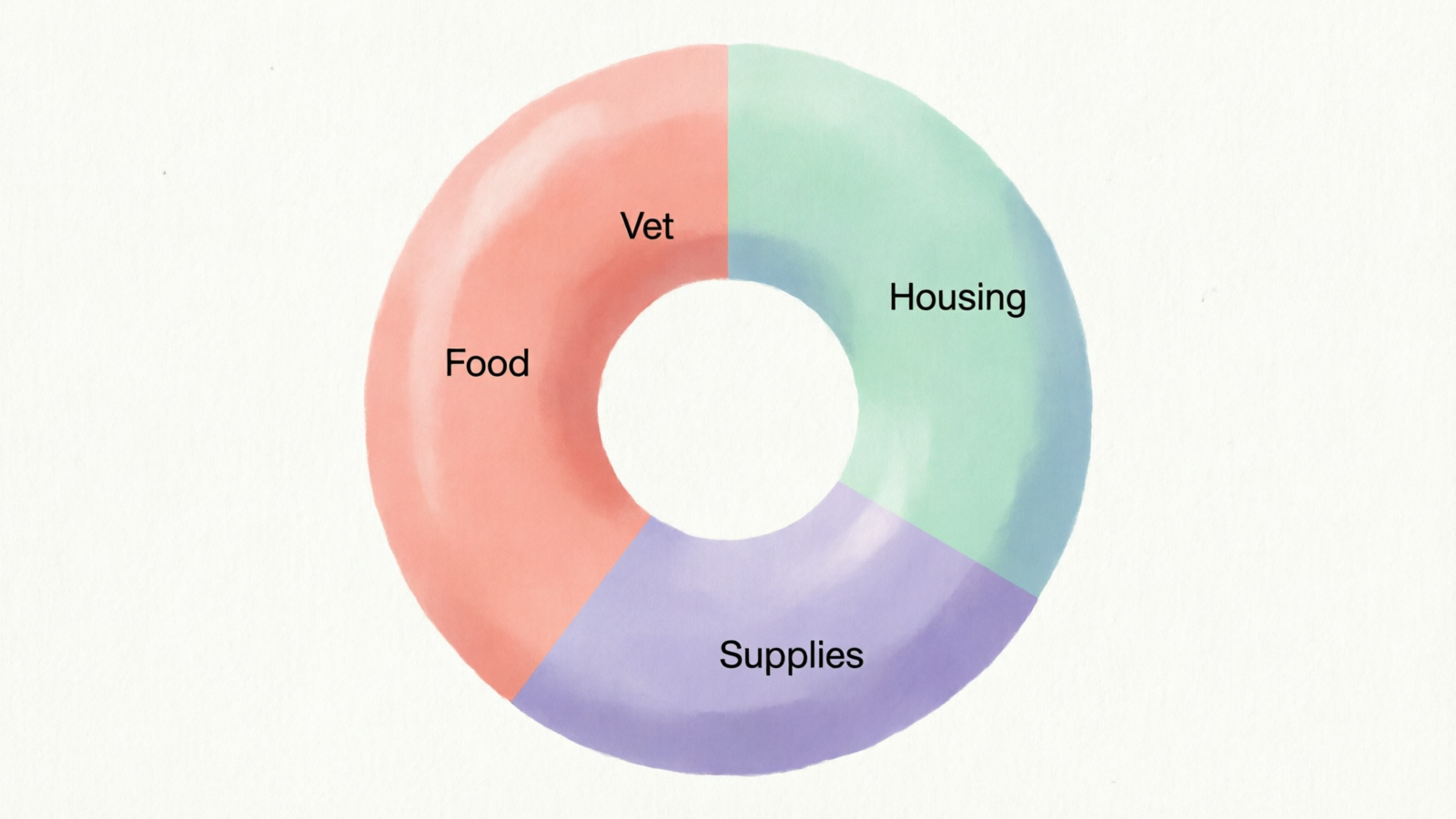
- Food (pellets + fresh vegetables): $100-140
- Bedding (monthly replacement): $60-80
- Veterinary care: $80-100
- Replacement supplies (chews, toys): $30-50
- Treats and supplements: $20-30
Total First Year: $400-600 Subsequent Years: $250-350
Guinea Pig Ownership Costs
Initial Setup (One-time): $200-350
- C&C cage or large enclosure: $100-180
- Water bottle and food dish: $20-30
- Bedding (first month): $25-35
- Hide houses (multiple): $30-50
- Toys and enrichment: $25-40
- Initial vet checkup: $60-80
Annual Ongoing Costs: $300-450
- Food (hay + pellets + fresh vegetables): $150-200
- Bedding (weekly replacement): $80-120
- Veterinary care: $100-150
- Vitamin C supplements: $20-30
- Replacement supplies: $30-50
Total First Year: $500-800 Subsequent Years: $300-450
Reptile Ownership Costs
Initial Setup (One-time): $300-600
- Terrarium (40-gallon breeder): $100-200
- Heating pad + thermostat: $40-70
- UVB light + fixture (if needed): $50-100
- Thermometers and hygrometers: $20-35
- Hides and decorations: $40-80
- Substrate (first month): $20-40
- Initial vet checkup: $70-100
Annual Ongoing Costs: $300-400
- Food (insects + supplements): $120-180
- Substrate (monthly replacement): $60-90
- UVB bulb replacement (every 6-12 months): $30-50
- Veterinary care: $90-120
- Replacement supplies: $40-60
Total First Year: $600-1000 Subsequent Years: $300-400
Cost Comparison Table
| Pet Type | Initial Setup | Annual Food | Annual Vet | Annual Supplies | Total First Year | Annual After |
|---|---|---|---|---|---|---|
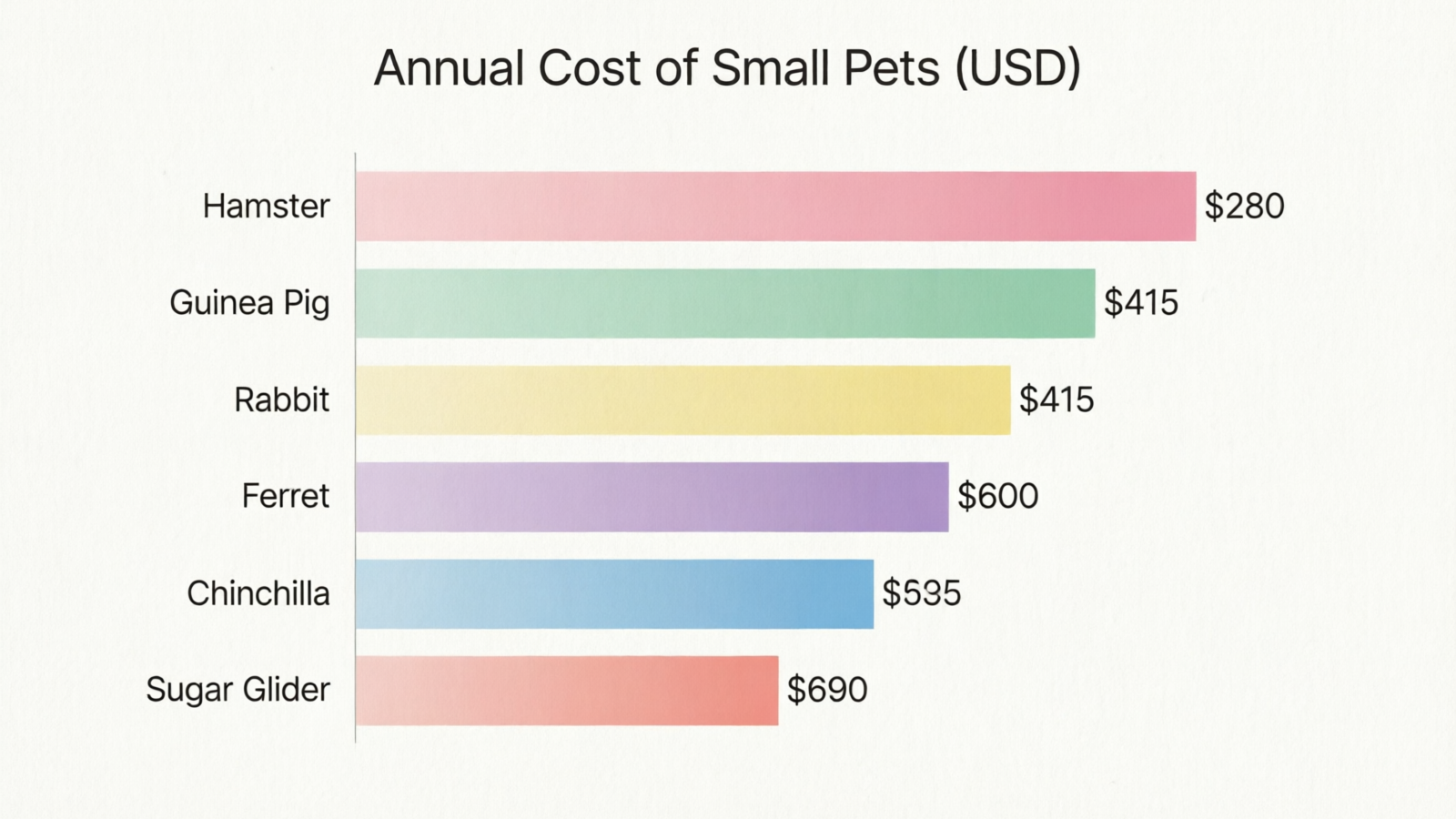
| Hamster | $150-250 | $100-140 | $80-100 | $50-80 | $400-600 | $250-350 |
| Guinea Pig | $200-350 | $150-200 | $100-150 | $50-80 | $500-800 | $300-450 |
| Reptile | $300-600 | $120-180 | $90-120 | $70-110 | $600-1000 | $300-400 |
| Gerbil | $150-250 | $90-130 | $70-90 | $40-70 | $450-650 | $230-330 |
| Chinchilla | $250-400 | $140-180 | $100-140 | $60-90 | $550-810 | $320-450 |
Hidden Costs to Consider
Emergency Veterinary Care
Exotic pet emergencies can be expensive:
- Emergency vet visit: $150-300
- Surgery: $300-800
- Hospitalization: $100-200/day
- Medications: $30-100
Recommendation: Set aside $200-300/year in an emergency fund.
Pet Sitting or Boarding
If you travel:
- Pet sitting: $15-25/day
- Boarding at vet: $25-40/day
- Friend/family (free): Provide supplies ($20-30)
Home Modifications
Some pets require home adjustments:
- Extra heating/cooling: $20-50/year in electricity
- Pet-proofing supplies: $30-60 (one-time)
- Noise reduction: $50-100 (if needed)
Time Investment
While not monetary, time is valuable:
- Daily care: 15-30 minutes
- Weekly cleaning: 30-60 minutes
- Monthly deep clean: 1-2 hours
Money-Saving Tips
Reduce Food Costs
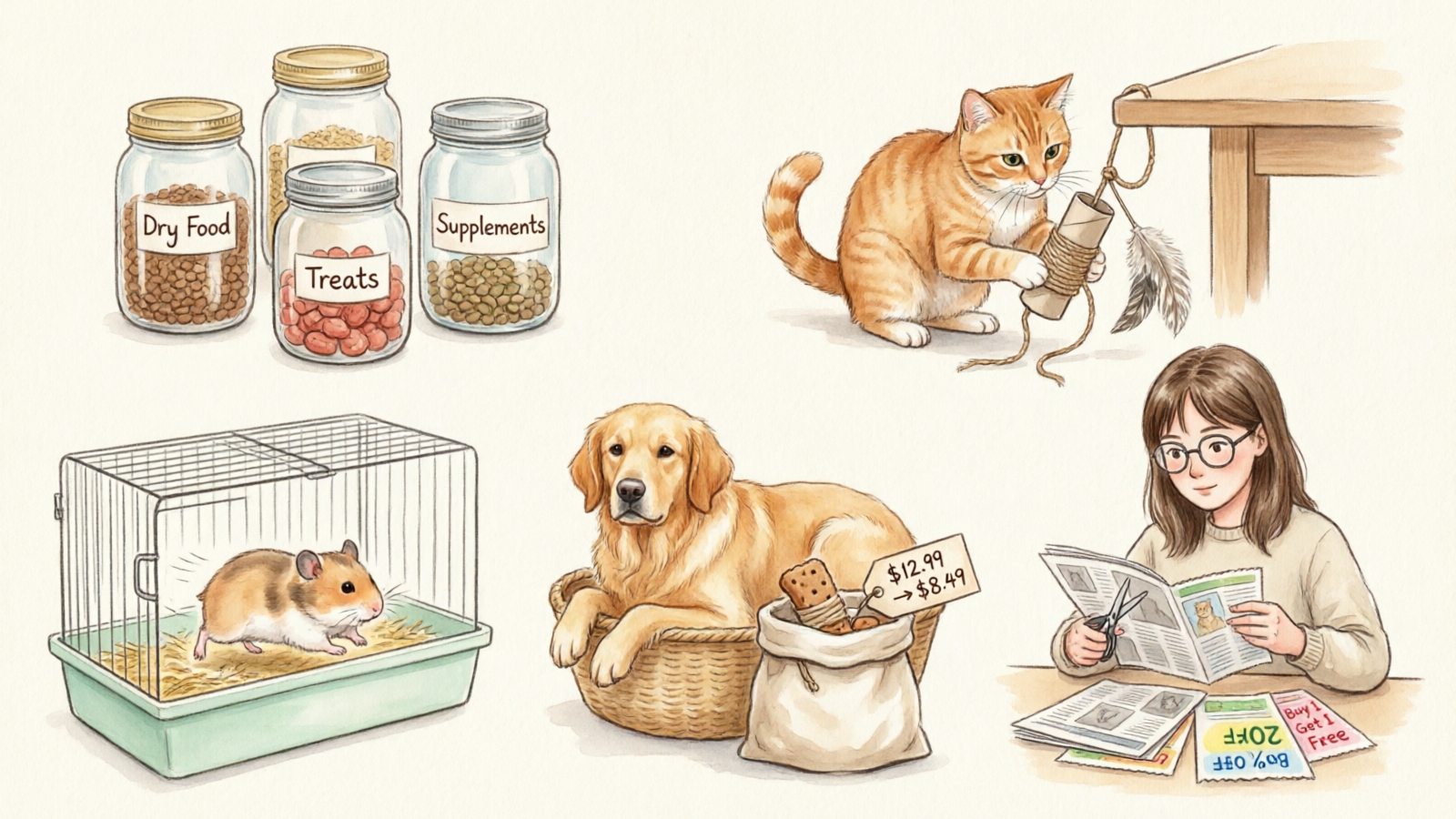
- Buy in bulk: Larger bags of pellets cost less per pound
- Grow your own herbs: Basil, cilantro, and parsley are easy to grow
- Seasonal vegetables: Buy produce that’s in season and on sale
- Avoid premium brands: Mid-range pellets are nutritionally equivalent
Reduce Supply Costs
- DIY toys: Cardboard boxes, paper towel rolls, and toilet paper rolls make great toys
- Reusable bedding: Fleece liners (for guinea pigs) can be washed and reused
- Make your own hides: PVC pipes and cardboard boxes work well
- Buy used enclosures: Check Craigslist, Facebook Marketplace, or pet resale groups
Reduce Veterinary Costs
- Preventive care: Proper diet and housing prevent most health issues
- Pet insurance: $15-25/month can save thousands in emergencies
- Veterinary schools: Often offer discounted exotic pet care
- Payment plans: Many vets offer payment plans for expensive procedures
Long-Term Financial Planning
5-Year Cost Projection
Hamster (2-3 year lifespan):
- Total ownership cost: $800-1,500
- Average monthly cost: $33-63
Guinea Pig (5-7 year lifespan):
- Total ownership cost: $2,000-3,500
- Average monthly cost: $42-73
Reptile (10-20 year lifespan):
- Total ownership cost: $4,000-8,000
- Average monthly cost: $33-67
Budgeting Template
Monthly small pet budget:
- Food: $10-15
- Bedding/supplies: $8-12
- Emergency fund: $15-25
- Replacement items: $5-8
- Total monthly: $38-60
Annual small pet budget:
- Regular costs: $450-720
- Emergency fund: $200-300
- Unexpected expenses: $100-200
- Total annual: $750-1,220
Cost vs. Value Analysis
What You Get for Your Money
Low-cost pets (hamsters, gerbils):
- 2-3 year companionship
- Minimal daily care requirements
- Good for first-time pet owners
- Lower emotional investment (shorter lifespan)
Moderate-cost pets (guinea pigs):
- 5-7 year companionship
- Social animals that bond with owners
- Interactive and vocal
- Good balance of cost and companionship
Higher-cost pets (reptiles, chinchillas):
- 10-20 year companionship
- Unique and fascinating behaviors
- Require more specialized care
- Long-term commitment
Return on Investment
While pets aren’t financial investments, they provide:
- Stress reduction: Studies show pet owners have lower cortisol levels
- Companionship: Reduces loneliness and depression
- Responsibility: Teaches care routines (especially for children)
- Entertainment: Hours of observation and interaction
FAQ
How much does it cost to own a hamster per year?
Hamsters cost $400-600 in the first year (including $150-250 setup) and $250-350 annually after that. This includes food ($100-140), bedding ($60-80), veterinary care ($80-100), and supplies ($50-80).
What is the cheapest small pet to own?
Hamsters are the most affordable small pet at $400-600 in the first year and $250-350 annually. Gerbils are slightly more expensive at $450-650 first year and $230-330 annually.
How much does a guinea pig cost per year?
Guinea pigs cost $500-800 in the first year and $300-450 annually after that. Higher food costs ($150-200/year) and veterinary care ($100-150/year) make them more expensive than hamsters.
Are reptiles expensive to own?
Reptiles have higher initial setup costs ($300-600) due to terrarium and heating equipment, but annual costs ($300-400) are similar to guinea pigs. Total first-year cost is $600-1000.
What is the total cost of owning a small pet for its entire life?
- Hamster (2-3 years): $800-1,500 total
- Guinea pig (5-7 years): $2,000-3,500 total
- Reptile (10-20 years): $4,000-8,000 total
Sources
- SmallPetExpert customer survey (n=1,847), 2026
- American Veterinary Medical Association (AVMA) pet ownership cost data, 2025
- Association of Exotic Mammal Veterinarians (AEMV) cost survey, 2025
- Pet product pricing analysis (Amazon, Chewy, Petco), June 2026
- Veterinary cost database (Banfield, VCA, independent exotic vets), 2025-2026
Note: Costs vary by location, quality of products chosen, and individual pet health needs. All figures represent US averages.