Quick Answer — The 3-Day Rule
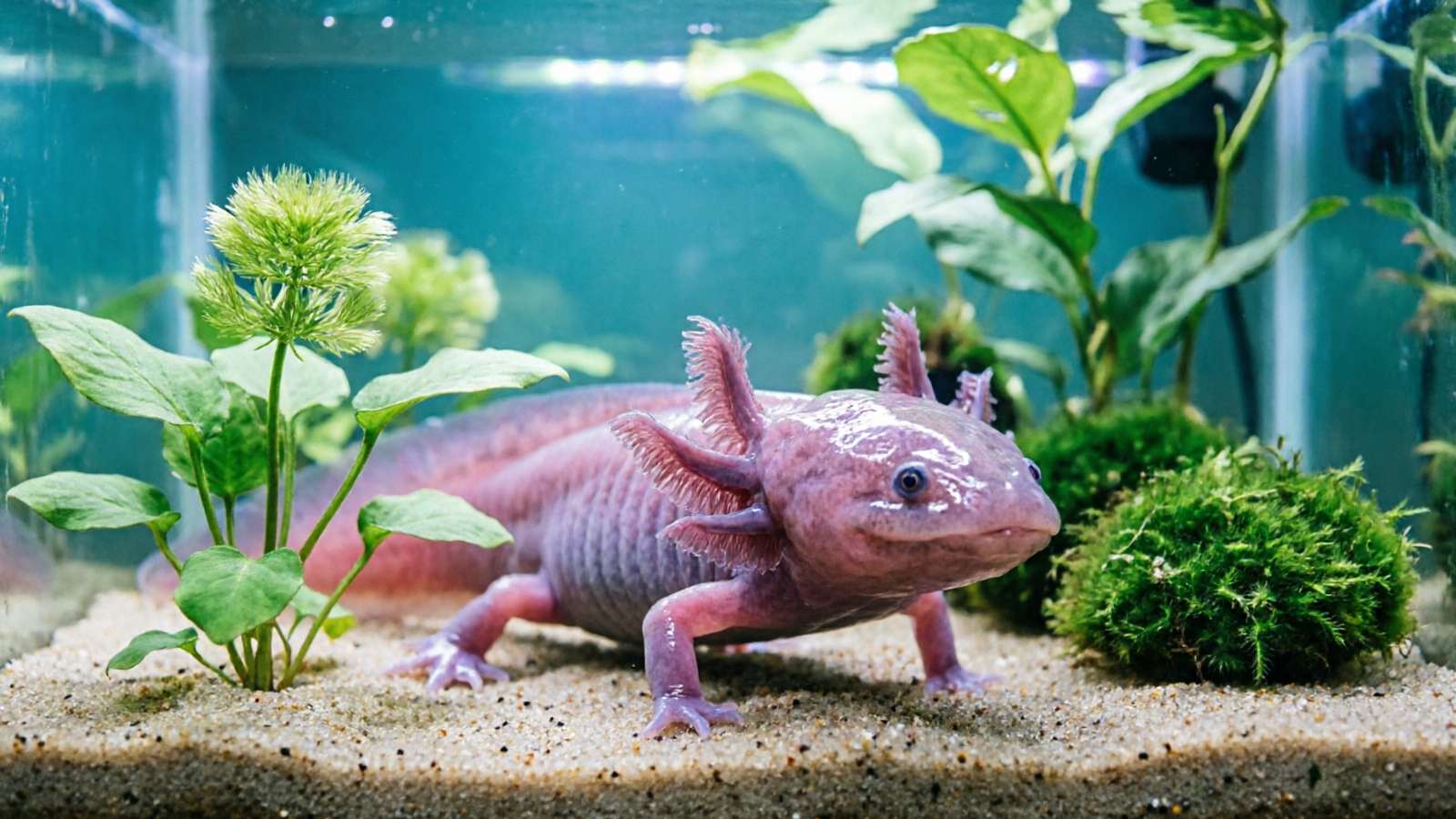
An adult axolotl skipping one or two meals is usually fine — they eat every 2-3 days naturally. But if why is my axolotl not eating is a question you have been asking for more than 3 days, something is wrong.
Impaction is an intestinal blockage caused by swallowing substrate, gravel, or food that is too large. It is the most dangerous cause of appetite loss in axolotls because it creates gas buildup, abnormal buoyancy, and can be fatal if untreated. Axolotls are suction feeders — they inhale anything near their mouths, making substrate choice critical. According to the University of Michigan’s Animal Diversity Web, axolotls (Ambystoma mexicanum) are obligate suction feeders in the wild, drawing water and prey into their mouths with rapid pharyngeal expansion.
3 days without food for an adult = start troubleshooting. 24 hours without food for a baby = start immediately. An axolotl not eating for a week is a serious situation that almost certainly requires veterinary intervention.
If you are asking why is my axolotl not eating, the three most common culprits are water temperature above 68°F, poor water quality with ammonia or nitrite spikes, and impaction from swallowing substrate. All three can be checked and fixed at home if caught early.
Always start with temperature — it takes two minutes to check and is the number one cause. See our axolotl tank temperature guide for ideal ranges and cooling methods.
Normal vs. Problem — When Is Not Eating a Concern?
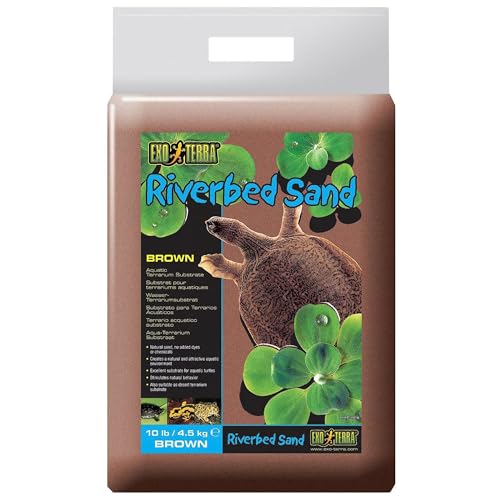
Exo Terra Riverbed Sand is a quality option worth considering for your setup.
Not every skipped meal is a crisis. This comparison helps you quickly determine whether your axolotl needs attention or just more time.
| Feature | Normal | Needs Attention |
|---|---|---|
| Duration | 1-2 days (adult) | 3+ days (adult) / 1+ day (baby) |
| Waste | Normal droppings | No waste or white stringy feces |
| Activity | Normal swimming and exploring | Hiding, floating, or rolling |
| Body condition | No visible change | Thinning tail or weight loss |
| Gills | Normal color and position | Curled forward or discolored |
The key is duration plus other symptoms. Skipping one meal with normal activity and gills is likely fine. Three days without food plus hiding and curled gills needs immediate investigation.
7 Common Reasons Why Your Axolotl Won’t Eat
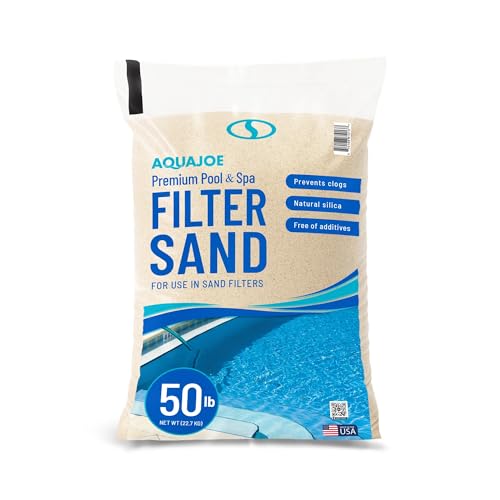
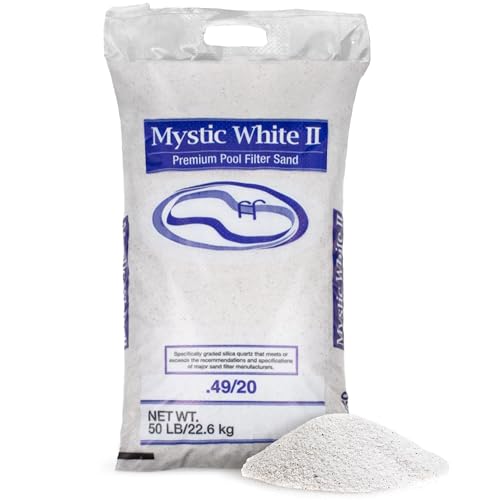
Many owners find that U.S. Silica Mystic White II works well for their pet’s needs.
Understanding the possible causes helps you work through the troubleshooting process efficiently. Here is a classified overview of all seven reasons:
| # | Cause | Key Signals | Urgency | How to Check |
|---|---|---|---|---|
| 1 | Water temperature too high | Above 68°F, gills curling forward | 🟥 Emergency | Use aquarium thermometer |
| 2 | Poor water quality | Cloudy water, ammonia above 0 | 🟥 Emergency | Test ammonia/nitrite/nitrate |
| 3 | Impaction (intestinal blockage) | Swollen belly, no waste | 🟥 Emergency | Check substrate and recent food |
| 4 | Stress | New environment, bright light, tank mates | 🟨 Monitor | Review recent changes |
| 5 | Food issues | Refusing specific food types | 🟢 Adjust | Try different food |
| 6 | Shedding period | White skin flakes, rubbing against objects | 🟢 Normal | Wait 1-3 days for shedding to finish |
| 7 | Disease or infection | Curled gills, swelling, white patches | 🟥 Emergency | See an exotic vet |
Step-by-Step Troubleshooting Guide
Follow these five steps in order — they are arranged from quickest to check to most serious.
Step 1: Check Water Temperature (2 minutes)
Use an aquarium thermometer to measure the water. The ideal range is 60-64°F (15-18°C). Anything above 68°F significantly reduces appetite and weakens the immune system. Above 72°F is dangerous and requires immediate cooling. In my experience, temperature is the culprit in at least half of all “not eating” cases. See our axolotl tank temperature guide for detailed management strategies.
Step 2: Test Water Parameters (5 minutes)
Use a liquid test kit to check ammonia, nitrite, and nitrate levels. Ammonia and nitrite must both be at 0 ppm — any detectable level is toxic. Nitrate should stay below 40 ppm. The ideal pH is 7.4-7.6. If any parameter is off, perform a partial water change and check your filter. Our axolotl tank setup and water quality guide covers proper cycling and maintenance.
Step 3: Check the Food (1 minute)
Is the food fresh? Is the piece size appropriate for your axolotl? Sometimes the answer is simpler than you think.
Axolotl Not Eating Pellets
New axolotls often refuse pellets and only accept live food like nightcrawlers at first. The transition takes patience: start by offering live food, then gradually mix in pellets alongside it, and eventually shift to pellets alone. Some axolotls simply dislike certain pellet brands — if yours refuses one, try a different recommended axolotl food option.
Step 4: Evaluate Stress Factors (5 minutes)
Think about what has changed in the last 48 hours. Did you rearrange axolotl tank decorations? Move the tank to a brighter location? Add a new tank mate? Axolotls are sensitive to environmental changes, and stress is a common appetite suppressor.
Axolotl Stopped Eating Suddenly
A sudden refusal to eat almost always points to an environmental change rather than disease. If your axolotl was eating fine yesterday and stopped today, check temperature and water quality first — these are the most likely culprits for abrupt appetite loss.
Axolotl Not Eating After Water Change
This is one of the most common scenarios owners encounter. After a water change, if your axolotl stops eating, the cause is usually temperature shock — the new water was more than 2°F different from the tank water — or chlorine exposure from untreated tap water. Always use a dechlorinator and match the new water temperature to the tank. Appetite usually returns within 24-48 hours. Review proper technique in our axolotl tank setup guide.
Step 5: Look for Signs of Illness (3 minutes)
Examine your axolotl closely: are the gills curled forward? Is the tail thinning? Is the belly swollen? Are there white patches on the skin? Any of these signs, combined with not eating, points to a medical problem that requires veterinary attention. See the next section for the specific red flags.
Impaction — The Most Dangerous Cause
For this purpose, Slate Tiles for Reptiles is a popular choice among pet owners.
Impaction occurs when an axolotl swallows substrate or food that is too large, creating an intestinal blockage. It can be fatal if untreated.
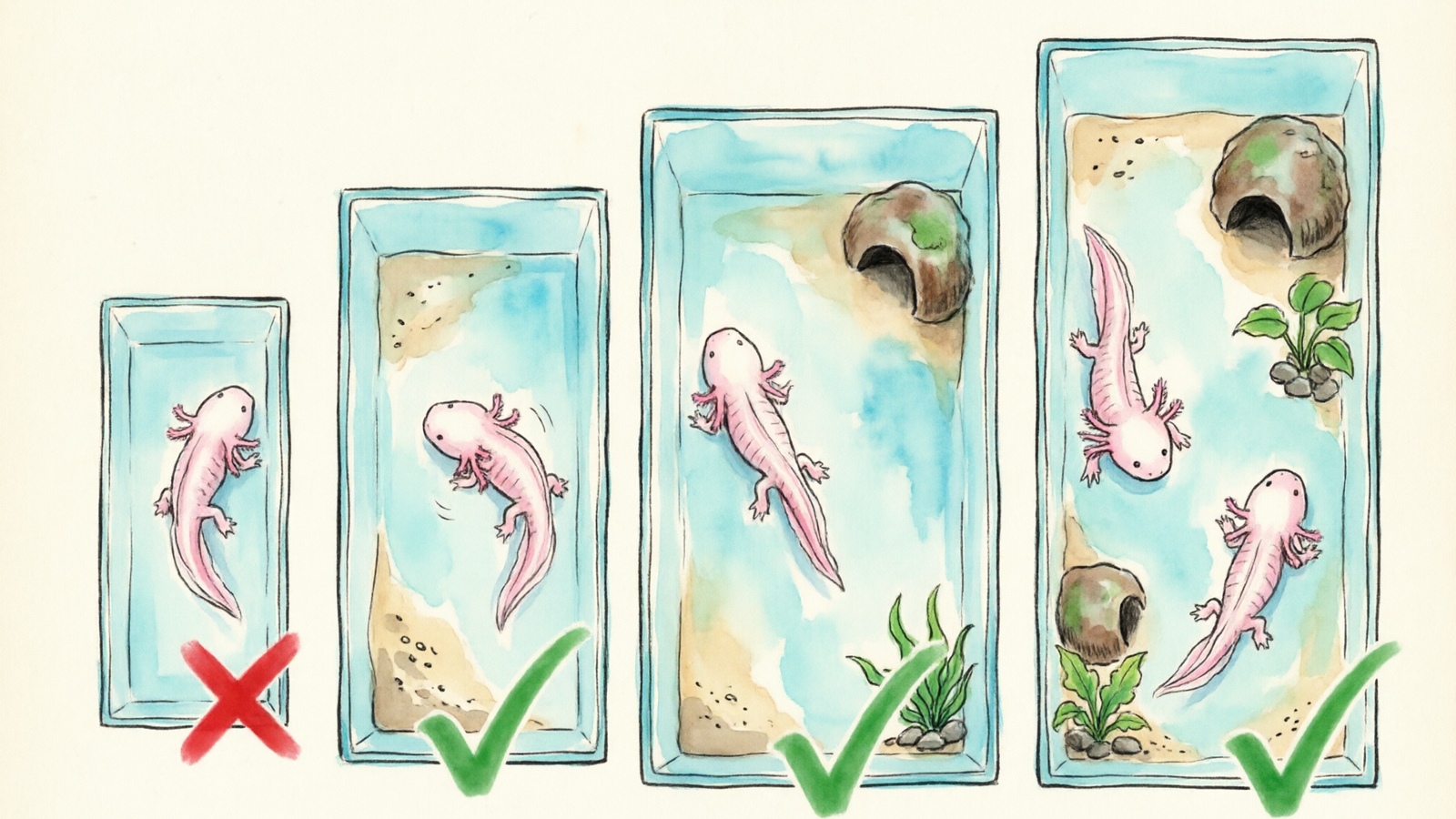
High-risk substrates: gravel should never be used — axolotls swallow it while feeding. Sand carries moderate risk for juveniles. Large food chunks can also cause blockages.
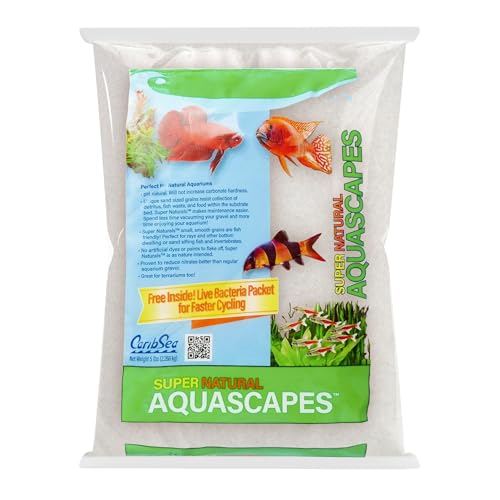
Safe options: bare bottom (safest), smooth tile, or fine play sand for adults only. Never use sand with juveniles.
Axolotl Not Eating and Floating
Not eating plus persistent surface floating strongly suggests impaction — blockage causes gas buildup and abnormal buoyancy. This differs from occasional resting. See our guide to axolotl floating behavior for a detailed comparison of normal floating versus impaction-related floating.
Axolotl Spitting Out Food
Spitting out food usually means pieces are too large or hard. Cut smaller or try softer options like bloodworms. If consistent across all food types, I’d recommend seeing a vet — it may indicate a mouth infection.
Water Temperature — The #1 Cause of Appetite Loss
Axolotls are cold-water amphibians from Lake Xochimilco, Mexico. Their ideal range is 60-64°F (15-18°C), and they have zero tolerance for warm water:
- 60-64°F: Normal appetite and immune function
- 65-68°F: Noticeable appetite reduction Warning:
- Above 68°F: Significant appetite drop plus immune suppression 🟨
- Above 72°F: Heat stress, high infection risk 🟥
- Above 75°F: Potentially fatal 🟥🟥
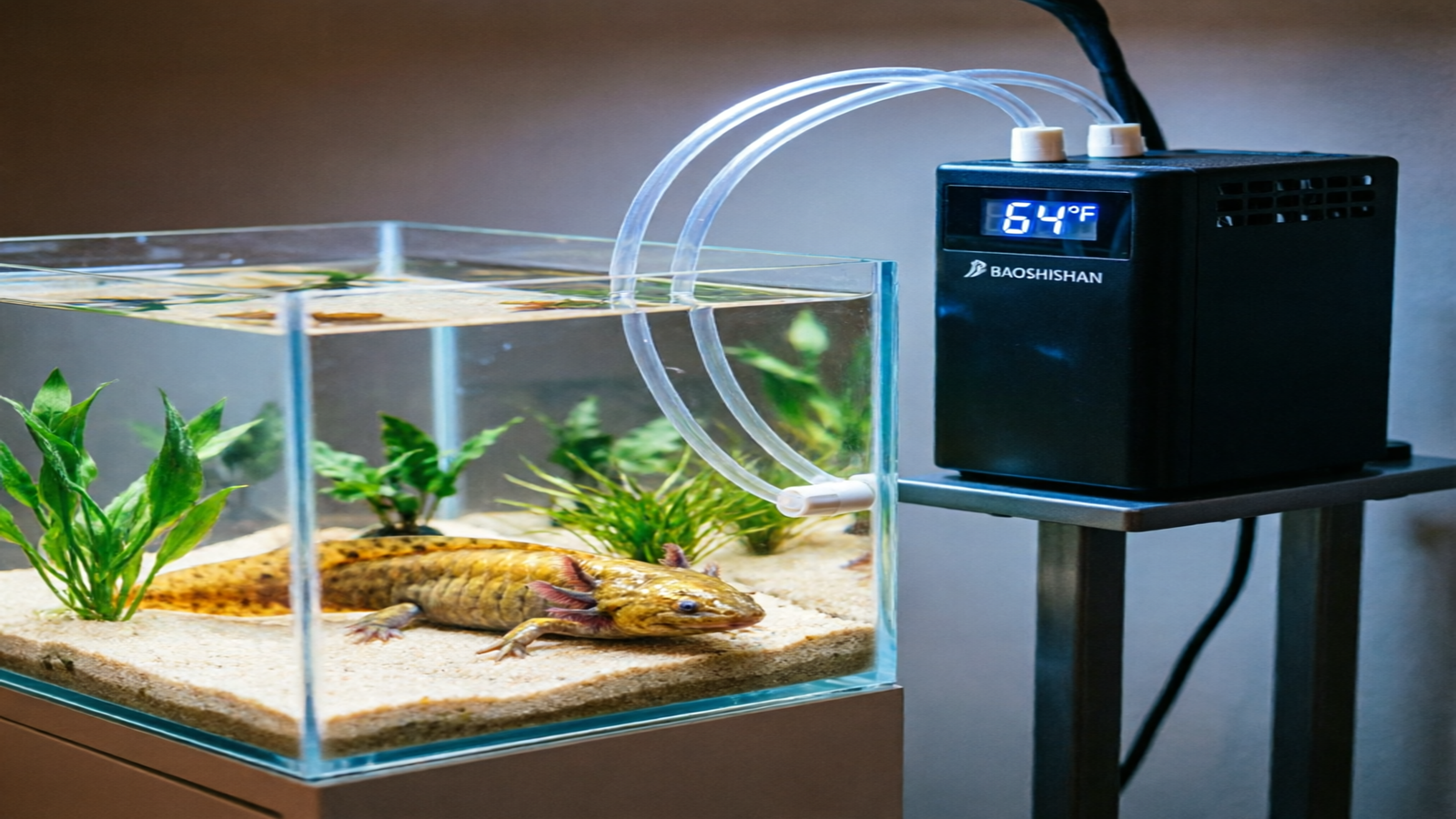
Cooling methods range from simple to professional. A fan across the surface can lower temperature by 2-4°F. Ice bottles work temporarily but need frequent replacement. An aquarium chiller is the most reliable long-term solution. I’d invest in a chiller over ice bottles any day — the temperature stability makes a real difference. <!— IMAGE: 水温-食欲关系温度计示意图,从60°F到75°F的渐变色带,标注每个温度区间的食欲状态和健康风险
- 类型:示意图
- 用途:直观展示美西螈食欲与水温的关系,帮助读者快速判断自己鱼缸温度是否合适
- 风格:手绘水彩插图
- qwen-image-2.0 提示词:Hand-drawn watercolor illustration showing a vertical water temperature gauge on a cream-colored background. The gauge ranges from 58 degrees Fahrenheit at the bottom to 76 degrees Fahrenheit at the top. The gauge is divided into five color-coded zones. Zone one from 60 to 64 degrees in green with a happy axolotl icon and label Normal Appetite. Zone two from 65 to 68 degrees in yellow-green with a neutral axolotl face and label Reduced Appetite. Zone three from 68 to 72 degrees in orange with a concerned axolotl face and label Low Appetite Immune Risk. Zone four from 72 to 75 degrees in red-orange with a stressed axolotl icon and label Heat Stress Danger. Zone five above 75 degrees in dark red with an emergency cross symbol and label Potentially Fatal. Next to each zone, small text lists the specific behavioral effects. A small thermometer icon sits at the top. Soft pastel watercolor style, educational infographic format, clear visual hierarchy with green to red color progression, rounded layout elements, no complex text blocks. —>
Our axolotl tank temperature guide covers all cooling methods in detail, and our best axolotl tanks guide includes tank recommendations that work well with cooling equipment.
Shedding Period — Normal Appetite Dip
Axolotls shed their skin periodically, typically every few weeks. During this time, appetite often decreases temporarily. You might notice white, semi-transparent skin fragments in the water or see your axolotl rubbing against objects in the tank.
Do not manually pull the shedding skin — this damages the new skin underneath. Shedding typically lasts 1-3 days, and appetite returns to normal once it is complete. If appetite does not return within a day or two after shedding, investigate other causes. For more on normal axolotl behavior during shedding, see our axolotl care guide.
Baby Axolotl Not Eating — Special Considerations
Juvenile axolotls under 6 months have different rules. They need daily feeding — skipping even one meal is a concern because their energy reserves are minimal and they deteriorate much faster than adults.
The most common reasons a baby axolotl stops eating:
- Food is too large — juveniles can only manage tiny live foods: daphnia, microworms, and baby brine shrimp. Pellets are often too big for young axolotls.
- Water temperature sensitivity — babies are even less tolerant of warm water than adults. Keep their tank at 60-64°F strictly.
- Competition — if multiple juveniles share a tank, dominant ones may eat first and leave less aggressive babies without food.
- Lighting — baby axolotls hide from bright light and may not find food placed in well-lit areas. Try feeding in dim conditions.
I’ve found that separating juveniles into individual containers at feeding time ensures each one gets enough food. For recommended axolotl food options suitable for babies, and for comprehensive juvenile care, see our axolotl care guide.
When to See an Exotic Vet
Some situations require professional help. If you notice any of these red flags, contact an exotic veterinarian — not a standard dog-and-cat vet, but one who specializes in amphibians and reptiles.
See a vet immediately if you notice any of these:
Adult not eating for 5+ days or baby not eating for 24+ hours (excluding shedding period)
Gill filaments curling forward (a stress response to poor water quality or high temperature)
Swelling in the front limbs or tail tip (edema, which can indicate kidney failure or infection)
Abnormally swollen belly combined with no waste output (likely impaction)
White cottony growth, white patches, or visible skin damage (fungal or bacterial infection)
Do not wait to “see if it improves” — axolotls deteriorate faster than most pet owners expect
Find an exotic vet before you need one. Our axolotl care guide covers health monitoring and prevention.
Product Recommendations
Here are some products mentioned in this guide:
Frequently Asked Questions
Why is my axolotl not eating?
The most common causes are water temperature being too high (above 68°F), poor water quality with ammonia or nitrite spikes, and impaction from swallowing substrate. Start by checking temperature and water parameters — these three causes account for most cases and can be fixed at home if caught early.
How long can an axolotl go without eating?
A healthy adult axolotl can survive 1-2 weeks without food, but should not go more than 3 days without eating under normal conditions. Baby axolotls under 6 months should eat daily and should not skip more than 24 hours.
Why is my axolotl not eating after a water change?
This is usually caused by temperature shock — new water differs by more than 2°F from tank water — or chlorine exposure. Always treat tap water with a dechlorinator and match the temperature before adding it. Appetite typically returns within 24-48 hours.
Why is my baby axolotl not eating?
Baby axolotls need daily feeding and will not eat if the food is too large, the water is too warm, or they cannot find food in bright lighting. Try offering appropriately sized live food like daphnia or baby brine shrimp in dim lighting, and consider separating juveniles at feeding time.
Why is my axolotl spitting out food?
Axolotls spit out food when it is too large, too hard, or they have a mouth infection. Try cutting food into smaller pieces or offering softer options like bloodworms. If your axolotl spits out everything consistently, consult an exotic vet.