Quick Answer
If your axolotl is floating at the top of the tank, the most likely causes are poor water quality (ammonia buildup), water temperature that is too high, or low oxygen levels. When you’re asking why does my axolotl float, the answer almost always points to something in the water. Axolotls float because they are trying to escape conditions that feel dangerous or uncomfortable. Check your water parameters first — that solves the problem in most cases.
Why Does My Axolotl Float?
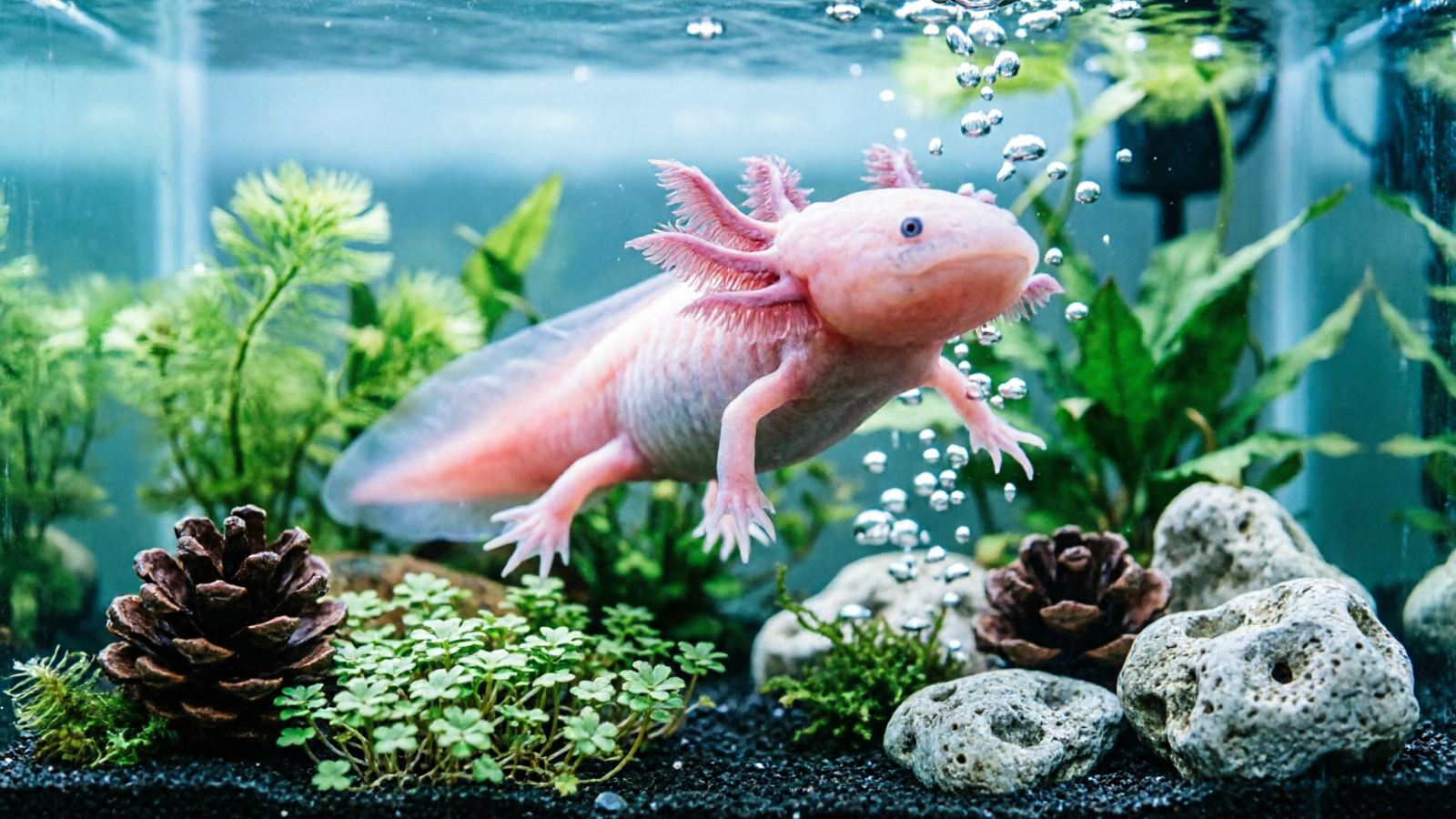
Axolotls are bottom-dwellers by nature. They spend nearly all their time walking along the substrate with their feet. So why does my axolotl float instead of resting on the bottom? When an axolotl starts floating at the surface — especially if it happens suddenly or lasts for more than a few seconds — something in the tank environment is off. If you’ve ever found yourself searching “why does my axolotl float” online, you’re not alone — it’s one of the most common questions axolotl owners ask. In my experience, floating is one of the first visible signs that your axolotl is stressed or in distress.
The good news is that most causes of floating are environmental and fixable with quick action. Understanding why does my axolotl float is the first step to fixing it.
Common Reasons Why Does My Axolotl Float
1. Ammonia or Nitrite Poisoning
This is the number one reason why does my axolotl float, and it is the most dangerous. If you’re researching why does my axolotl float, ammonia poisoning should be your first suspect. Ammonia and nitrite are toxic byproducts of waste breakdown. In a properly cycled tank, beneficial bacteria convert ammonia to nitrite and then to relatively harmless nitrate. But if your tank is not cycled, the filter bacteria have died off, or you are overfeeding, these compounds build up fast.
Signs ammonia is the problem:
- Body tilted to one side while floating
- Gills curl forward — a classic stress response
- Red, irritated gills
- Struggles to stay at the bottom
- Loss of appetite
Ammonia burns the gills, making it difficult for your axolotl to absorb oxygen. Floating at the surface gives them access to air with higher oxygen content. If your axolotl has also stopped eating, check our guide on loss of appetite for other potential causes. For more on safe water conditions, see our axolotl care guide.
2. Water Temperature Too High
If you’re wondering why does my axolotl float during hot weather, temperature is likely the culprit. Axolotls come from cold-water lakes in Mexico and are adapted to cool temperatures. Their ideal range is 60-68°F (16-20°C). When water temperature rises above 72°F (22°C), two things happen: the water holds less dissolved oxygen, and your axolotl’s metabolism speeds up, increasing its oxygen demand. This double hit is a common answer to why does my axolotl float.
Signs temperature is the problem:
- Floating happens more during hot afternoons or after the room heats up
- Axolotl is less active and hides more
- Gills may appear thinner or less fluffy than usual
Temperature is often an underestimated issue when you’re trying to understand why does my axolotl float. I’ve seen axolotls recover within hours of a cooler water change. For a full breakdown, read our guide to axolotl tank temperature.
3. Low Oxygen Levels
Another reason why does my axolotl float is low dissolved oxygen. Even at the right temperature, your tank can have low dissolved oxygen if the water surface is still or if the tank is overcrowded. Axolotls absorb oxygen through their gills, and if the water does not have enough dissolved oxygen, they will float to gulp air from the surface.
Signs low oxygen is the problem:
- Floating happens even when water temperature is fine (below 68°F)
- The water surface is completely still with no surface agitation
- Multiple axolotls in the tank are floating at the same time
4. Impaction from Swallowing Substrate
When asking why does my axolotl float with its tail raised, impaction is a likely cause. Axolotls are messy eaters. When they strike at food, they often suck in pieces of substrate along with it. If the substrate is gravel or small stones, these pieces can block the digestive tract. The blockage causes gas to build up in the gut, making the axolotl buoyant — like a balloon. In severe cases, why does my axolotl float upside down becomes the question, and impaction is often the answer.
Signs of impaction:
- Floating with the tail end raised higher than the head
- The axolotl may float upside down in severe cases
- No feces for several days
- Bloated or swollen belly
Impaction is serious. If you are using gravel, I’d recommend switching to sand or a bare-bottom tank. For substrate options, see our axolotl tank setup guide.
5. Swallowed Air from Feeding
Sometimes the answer to why does my axolotl float is simple: your axolotl gulped air while eating. This happens most often with floating foods like bloodworms or pellets that sit at the surface. The air bubble in the stomach makes the axolotl temporarily buoyant.
This is harmless and resolves on its own within an hour. To prevent it, use sinking pellets or hold food with tongs below the surface. For food recommendations, check our best axolotl food guide.
6. Stress from a New Environment
A newly purchased axolotl may float during the first few days in a new tank. If you just brought your axolotl home and are asking why does my axolotl float, stress from transport and a new environment is a common cause. This is most common in juvenile axolotls, which are more sensitive to changes. Give your axolotl 3-5 days to adjust with minimal disturbance — floating from stress typically stops on its own.
How to Fix the Problem
The first step in figuring out why does my axolotl float is identifying the root cause. Most of the time, it comes down to one of three things: water chemistry, temperature, or oxygen.
Test Your Water Parameters First
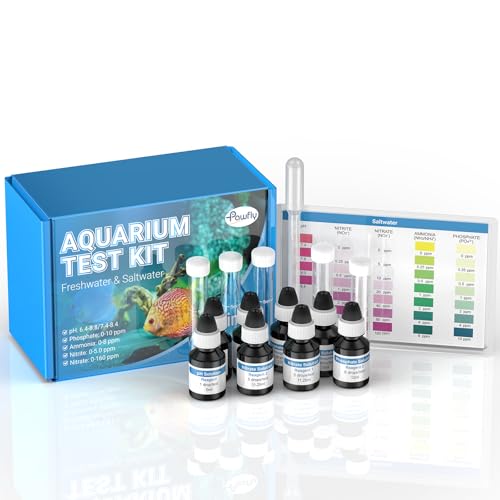
Before doing anything else, test your water. I keep a Pawfly 5-in-1 Aquarium Master Test Kit on hand at all times — it tests ammonia, nitrite, nitrate, pH, and high-range pH. When someone asks me why does my axolotl float, this is the first tool I tell them to grab.
Safe parameters for axolotls:
| Parameter | Safe Level |
|---|---|
| Ammonia | 0 ppm |
| Nitrite | 0 ppm |
| Nitrate | Below 40 ppm |
| pH | 6.5-8.0 |
| Temperature | 60-68°F |
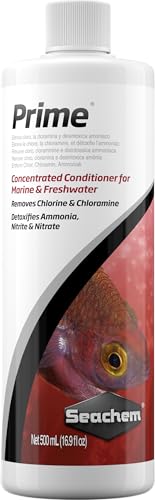
If ammonia or nitrite reads above 0, do an immediate 50% water change with dechlorinated water. Add Seachem Prime — it detoxifies ammonia and nitrite for 24-48 hours, giving beneficial bacteria time to catch up. Test again in 24 hours.
Lower the Water Temperature
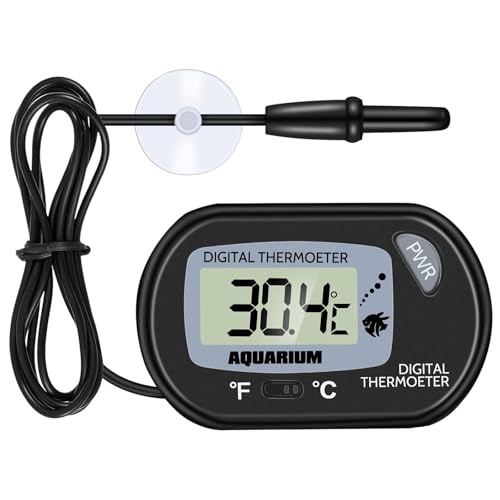
If water quality checks out and you’re still wondering why does my axolotl float, check your temperature with an LCD aquarium thermometer. Do not guess based on room temperature.
If the water is above 68°F, take these steps:
- Do a partial water change with cooler water — replace 20-30% with dechlorinated water that is 5-10°F cooler
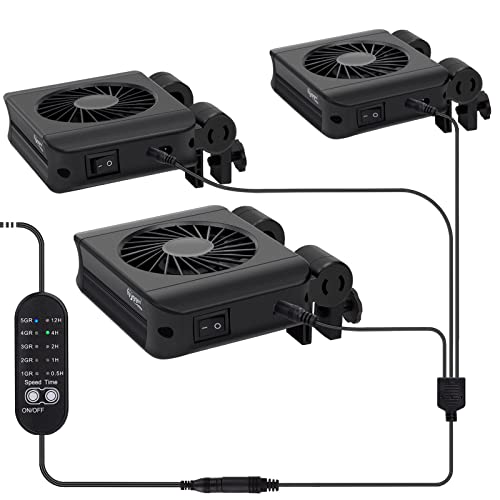
- Set up a cooling fan — a hygger 3-fan aquarium cooling fan clips onto the tank rim and lowers temperature by 3-5°F
- Turn off the aquarium light during the hottest hours
- Move the tank away from windows and heat sources
Avoid floating ice bottles as a long-term solution — the temperature swings stress your axolotl. Fans and cooler water changes are safer.
Increase Oxygen Levels
If parameters and temperature are both fine and you’re asking why does my axolotl float still, increase oxygenation:
- Add an air pump — an Uniclife dual outlet air pump with an air stone dissolves oxygen into the water
- Angle your filter output toward the surface for a gentle ripple
- Reduce stocking density — too many tank mates compete for oxygen
When to See a Vet
If you’ve fixed water quality, temperature, and oxygen but you’re still asking why does my axolotl float, these situations require veterinary care:
- Floating upside down for more than 15 minutes — severe impaction or neurological issue
- Floating combined with loss of appetite for 3+ days — advanced illness
- Swollen belly with no feces for 5+ days — likely impaction needing medical intervention
- White fuzzy patches on the skin — fungal or bacterial infection
Find an exotic veterinarian who has experience with amphibians — not all vets treat axolotls, so call ahead.
Frequently Asked Questions
Why does my axolotl float after eating? Gulping air while eating at the surface is the most common reason. This is harmless and passes within an hour. To prevent it, use sinking foods or hold food below the surface with feeding tongs.
Why does my axolotl float at night? Room temperature often rises at night if heating or air conditioning cycles off. Check your water temperature first thing in the morning — if it is above 68°F, a cooling fan running at night helps.
How long can an axolotl float before it is dangerous? Brief floating for a few seconds is fine. Floating for more than 15-30 minutes is a concern. Floating upside down is an emergency.
Can overfeeding cause an axolotl to float? Yes. Overeating creates gas in the digestive system, and swallowing air while feeding adds to it. Feed appropriately sized portions and avoid floating foods.
My axolotl’s gills are curled forward and it is floating — what do I do? Curled gills are a stress response. Combined with floating, they almost always point to water quality issues. Test your water immediately for ammonia and nitrite — do a 50% water change and add Seachem Prime if either is above 0.