Warning: Medical Disclaimer: This article is not a substitute for professional veterinary care. If your rabbit is showing signs of illness, consult a qualified exotic veterinarian.
What Makes Rabbit Teeth Special?
Rabbit teeth never stop growing. They grow 10–12 cm (4–5 inches) per year and must be constantly worn down by chewing. When they don’t wear properly, the results are painful — and dangerous.
Rabbit teeth are hypsodont (open-rooted, continuously growing) — unlike human teeth which stop growing after childhood, rabbit teeth grow throughout their entire life. According to the House Rabbit Society (HRS) and the Merck Veterinary Manual, rabbit incisors grow approximately 10–12 cm (4–5 inches) per year, while cheek teeth (molars and premolars) grow at roughly half that rate. This continuous growth is an evolutionary adaptation to a wild diet of tough, fibrous grasses that naturally wear teeth down. In captivity, without sufficient hay abrasion, teeth overgrow — the Merck Manual identifies dental disease as the most common reason for veterinary visits in pet rabbits.
This continuous growth is an evolutionary adaptation from their wild ancestors. Wild rabbits eat tough, fibrous grasses and rough bark that naturally wear teeth down throughout the day. Pet rabbits eating softer commercial diets often don’t get enough wear, leading to dental disease over time.
Without sufficient chewing, teeth elongate, curve, and develop sharp points called spurs. These spurs cut into the soft tissue of the tongue and inner cheeks. Over time, this causes pain, infection, and eventually makes it impossible for the rabbit to eat at all.
Key rabbit teeth facts:
- Rabbits have 28 teeth total (not just the 4 visible incisors)
- Teeth grow 10–12 cm (4–5 inches) per year
- 6 incisors: 4 upper (2 large + 2 tiny peg teeth) + 2 lower
- 22 premolars and molars for grinding food
- Teeth must be worn down by chewing hay — 80% of diet
Dental disease is the #2 reason for vet visits in rabbits, right after GI stasis. Understanding how your rabbit’s mouth works is essential for every single owner. For broader care guidance, see our rabbit care guide.
This guide covers anatomy, how to check teeth at home, common dental problems, prevention, and when to see a vet.
Rabbit Teeth Anatomy & Diagram
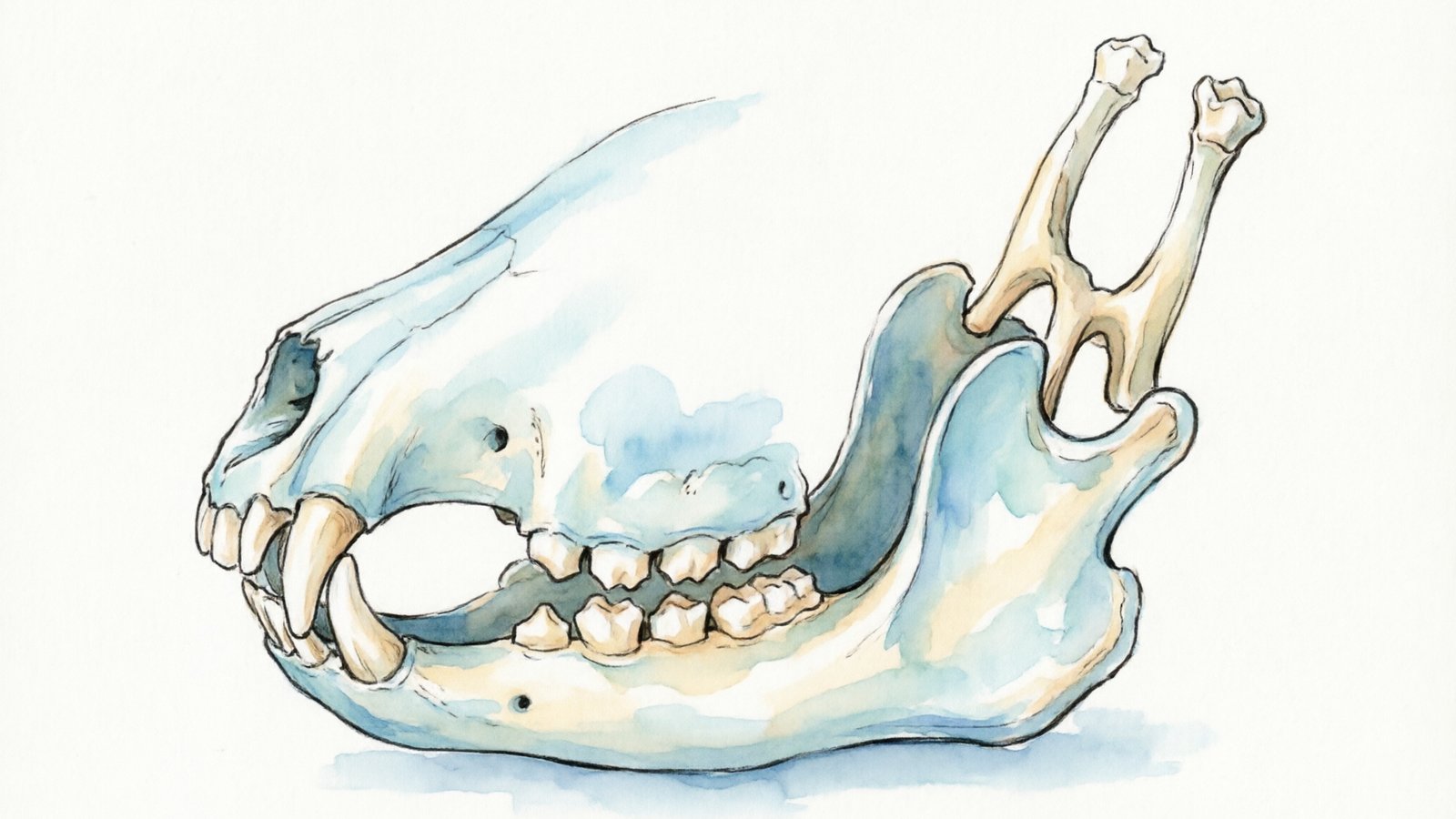
Understanding dental anatomy helps you spot problems early. The diagram below describes what you’d see looking into your rabbit’s mouth.
Incisors — The Cutters
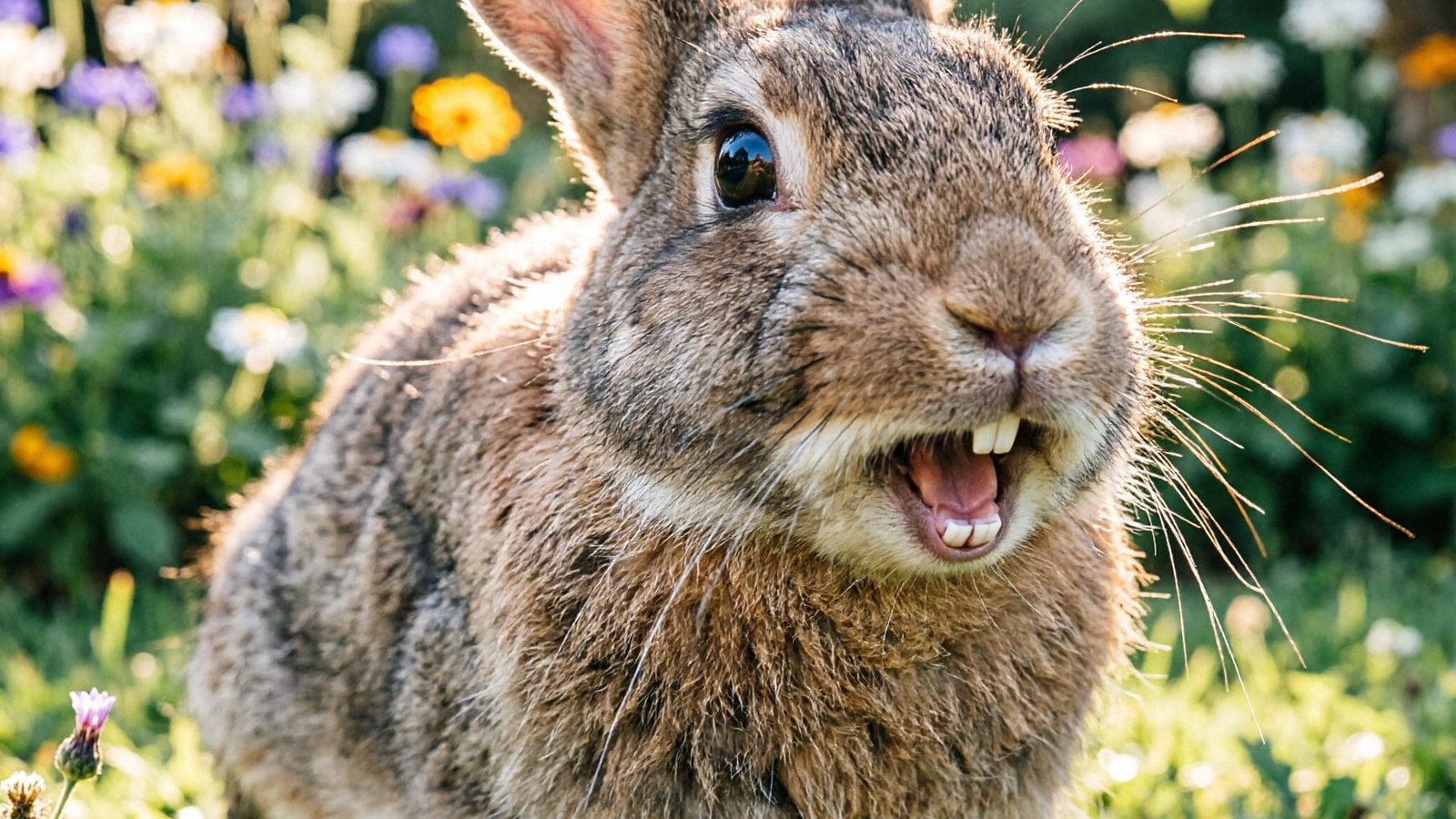
Rabbits have 6 incisors: 4 upper and 2 lower. The upper jaw has 2 large front incisors plus 2 tiny “peg teeth” sitting directly behind them.
These peg teeth are unique to lagomorphs (rabbits and hares) — rodents don’t have them. This anatomical difference is one reason rabbits are classified separately from rodents.
The lower jaw has 2 incisors that slide behind the upper incisors when the mouth closes. This overlapping arrangement creates a self-sharpening mechanism: enamel covers only the front surface, while softer dentine on the back wears faster, maintaining a sharp cutting edge.
Healthy incisors should appear smooth, creamy white, and slightly translucent at the tips. Any yellowing, brown spots, or rough edges suggest a problem brewing.
Premolars and Molars — The Grinders
Behind the incisors sits a toothless gap called the diastema. This gap allows rabbits to gnaw with their incisors while keeping their lips sealed behind the cutting teeth — an efficient design for stripping bark and cutting tough stems.
Further back are 22 cheek teeth: 12 premolars and 10 molars. These teeth grind food into digestible pieces through a side-to-side chewing motion. Unlike incisors, cheek teeth have a more complex surface with ridges that interlock during grinding.
Molars are not visible without a veterinarian’s oral speculum. This is why external symptoms (drooling, swelling) are often the first sign of molar problems — you can’t see them during a home check.
How Teeth Should Align
When properly aligned, top incisors slightly overlap bottom incisors with no gap. Any space between upper and lower incisors indicates malocclusion — a misalignment that prevents natural wear and leads to overgrown incisors.
Certain breeds are more prone to dental issues. Dwarf and lop-eared rabbits have shorter skulls that can cause teeth to crowd and misalign. These breeds benefit from more frequent vet dental checks — every 6 months rather than annually.
Diet is the primary driver of dental wear. For complete feeding guidance, see our rabbit food guide.
How to Check Your Rabbit’s Teeth at Home
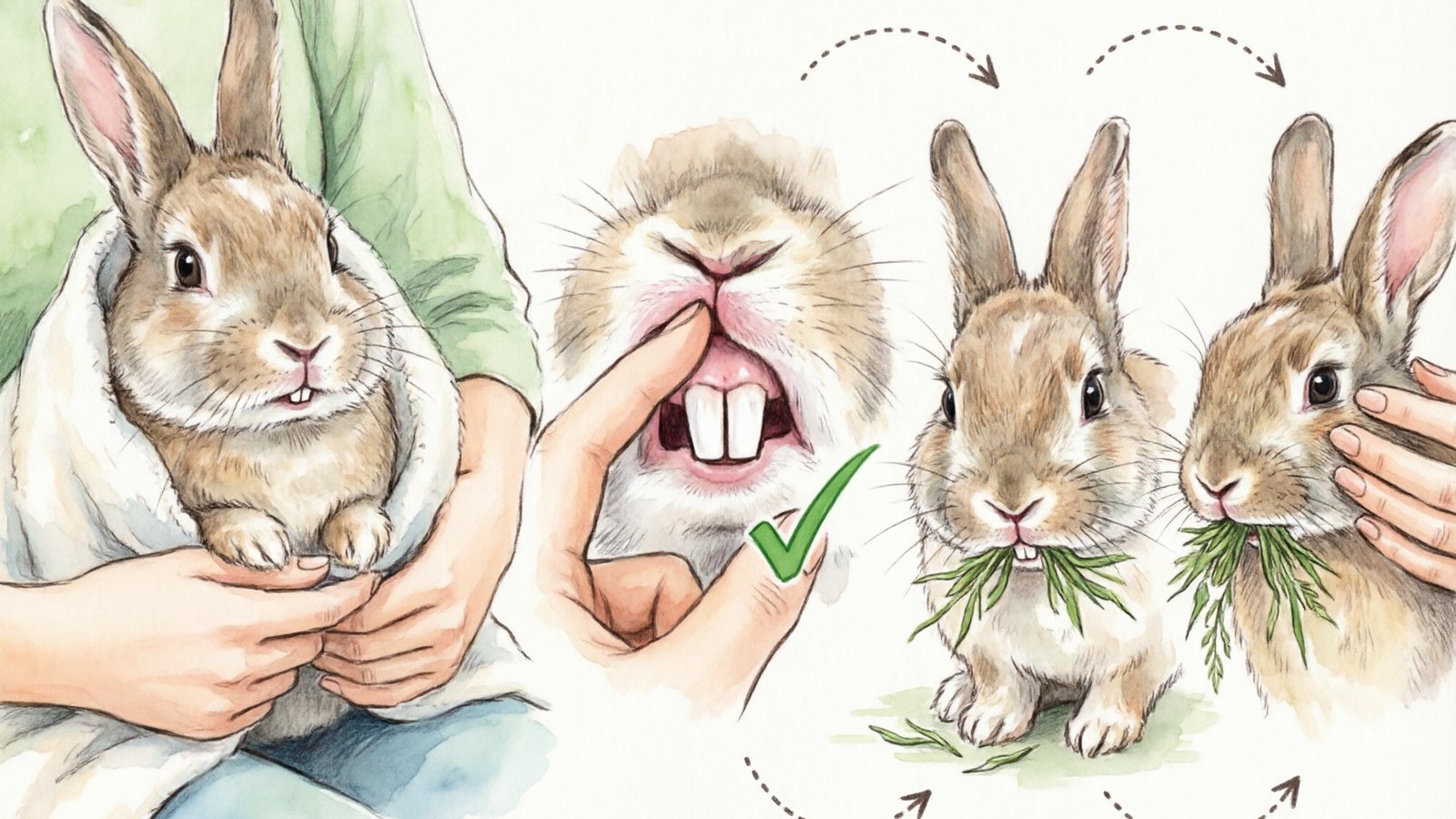
Regular home dental checks catch problems early, when they’re easiest to treat. A quick monthly exam takes just a few minutes and can save you hundreds in vet bills down the road. Here’s a 5-step process you can do monthly.
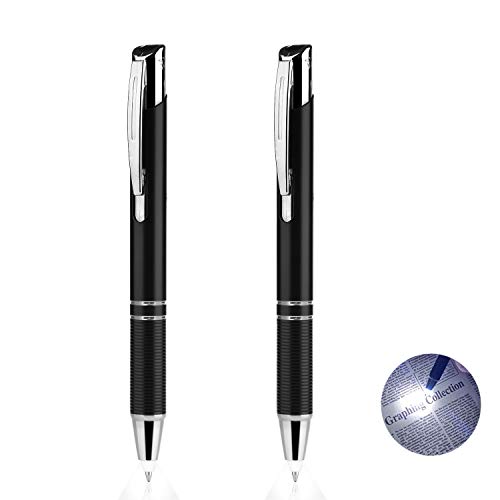
Step 1: Prepare your rabbit. Wrap your rabbit gently in a towel (a “bunny burrito”) to keep them calm and still. Place them on a non-slip surface at a comfortable height. Have good lighting ready — a small flashlight like the Jupo LED Pen Light works well for seeing inside the mouth.
Step 2: Check the incisors. Gently lift your rabbit’s upper lip with one hand while supporting the head with the other. Look at the 4 front teeth: they should be creamy white, aligned evenly, with the top slightly overlapping the bottom.
Edges should be smooth, not jagged or chipped. The two peg teeth behind the upper incisors should be visible but smaller.
Step 3: Look for warning signs. Check for uneven wear, discoloration (yellow or brown), curved or crossed teeth, gaps between top and bottom teeth, and excessive drooling around the mouth. Also check the chin area — wet fur under the chin (sometimes called “slobbers”) indicates drooling from dental pain. Any of these warrant a vet visit.
Step 4: Monitor eating behavior. Watch for dropping food while eating, preferring soft foods, eating slower than usual, or refusing hard foods like hay and pellets. These are early dental pain signs that many owners miss.
A rabbit with dental discomfort will often approach food enthusiastically but then drop it after a few bites. They may also chew on one side only. If appetite drops significantly, read our guide on why your rabbit may not eat.
Step 5: Check the cheeks. Run your fingers along the outside of your rabbit’s cheeks. Any lumps, swelling, or flinching could indicate molar spurs cutting into the cheek tissue. Your rabbit should remain calm during this — if they flinch or pull away, that reaction itself is a warning sign worth mentioning to your vet.
Important: You can only see incisors at home. Molars require a vet with an oral speculum. Regular dental checks every 6–12 months are essential even if incisors look fine.
Dental checks are also part of routine care — see our rabbit grooming guide for a complete grooming schedule.
Common Rabbit Teeth Problems
Rabbit teeth issues develop gradually but can become serious fast. This quick-reference table covers the most common dental problems and their solutions.
| Problem | Key Symptoms | Common Cause | Treatment |
|---|---|---|---|
| Malocclusion | Uneven or crossed incisors | Genetics, trauma | Regular vet trimming |
| Overgrown incisors | Long, curved front teeth | Insufficient hay chewing | Professional trimming |
| Molar spurs | Drooling, dropping food, cheek swelling | Uneven molar wear | Vet filing under anesthesia |
| Tooth root abscess | Facial swelling, eye discharge, pain | Bacterial infection | Antibiotics + possible extraction |
| Incisor fracture | Broken or chipped tooth | Trauma (fall, cage wire) | Vet evaluation, may self-heal |
| Elongated tooth roots | Watery eyes, facial swelling | Chronic malocclusion | X-ray diagnosis + surgical correction |
Overgrown Teeth
Without proper wear, incisors curve inward or outward and can grow into lips, gums, or the opposite jaw. Overgrown incisors look like “tusks” curling out of the mouth or curling inward into the palate.
Why it happens: The most common cause is insufficient hay consumption. Hay requires side-to-side grinding that wears molars naturally. Pellets and vegetables don’t create the same grinding action, so rabbits eating mostly pellets develop dental issues predictably.
Dwarf breeds like Holland Lops and Netherland Dwarfs are also genetically predisposed due to their shorter jaw structure. These compact skulls can crowd the teeth, causing natural misalignment even with a good diet.
Severity: Overgrown incisors are not immediately fatal but cause progressive pain and eventual inability to eat. There are documented cases where rabbits stopped eating entirely because their incisors had curled back into the palate — an extremely painful condition that requires urgent veterinary care.
The good news is that overgrown incisors are almost entirely preventable with proper diet. Rabbits eating unlimited grass hay rarely develop this condition. The problem arises when well-meaning owners overfeed pellets and underfeed hay, depriving their rabbit of the grinding motion needed for natural wear.
Rabbit Dental Trimming — Always Professional
NEVER trim your rabbit’s teeth at home with nail clippers, wire cutters, or scissors. DIY trimming causes fractures, infection, and misalignment that makes the problem worse.
Professional trimming options include:
- Vet trimming with a dental burr — precise, painless, corrects alignment. The vet uses a specialized rotating tool that files teeth to the proper length and angle.
Costs $30–80 per session and takes only a few minutes once your rabbit is properly restrained.
- Incisor extraction — permanent solution for chronically overgrown teeth. Rabbits adapt well to eating without incisors, using their lips and molars instead.
Costs $200–500 and eliminates the need for repeated trimming sessions entirely.
Frequency varies: every 4–8 weeks for chronic cases, one-time for acute issues caused by trauma or temporary diet changes. After trimming, your rabbit should resume eating normally within hours.
Proper diet prevents most cases from recurring — see our best rabbit food guide for feeding recommendations. For rabbits with genetic malocclusion, lifelong management with regular vet visits is typically the most practical approach.
Teeth Grinding — Pain or Contentment?
Rabbit teeth grinding has two completely opposite meanings depending on context and volume.
Soft teeth grinding (purring): A contentment signal. The sound is rhythmic, gentle, and barely audible — you’ll feel it more than hear it when petting your rabbit. Accompanied by relaxed posture, flat ears, and a stretched-out body position.
Loud teeth grinding: A pain signal. The sound is forceful, irregular, and audible from across the room. Accompanied by hunched posture, half-closed eyes, pressing the belly to the floor, and reduced appetite.
| Signal | Soft Grinding (Happy) | Loud Grinding (Pain) |
|---|---|---|
| Volume | Barely audible | Audible from distance |
| Rhythm | Steady, rhythmic | Irregular, forceful |
| Body language | Relaxed, flopped | Hunched, tense |
| When it happens | During petting, resting | While hiding, not eating |
| Action needed | None — your rabbit is happy | Vet visit ASAP |
Context is everything when interpreting teeth grinding. If your rabbit is grinding loudly while refusing food, treat it as a dental emergency and call your vet right away.
For more on rabbit vocalizations, see our rabbit sounds guide. For body language cues that accompany grinding, check our rabbit behavior guide.
Preventing Dental Problems Through Diet
The single most effective way to prevent dental disease is simple: unlimited grass hay.
Hay (timothy, orchard, or oat) requires the side-to-side chewing motion that wears molars naturally. A rabbit eating hay for several hours a day will grind its cheek teeth evenly, preventing the spur formation that causes so many dental problems.
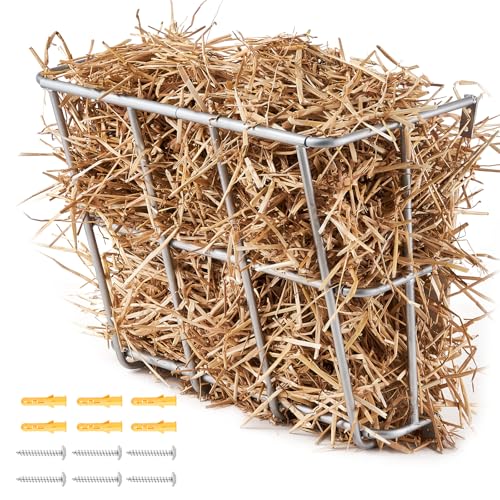
Effective rabbit dental care starts with keeping hay clean and accessible, which encourages your rabbit to eat more throughout the day. A wall-mounted feeder works well for this purpose.
Wall-mounted hay feeder → Amazon
Pellets and vegetables don’t require the same grinding action as hay. This is why hay must make up 80% of your rabbit’s diet — it’s not optional for dental health. Rabbits without constant access to hay develop molar spurs and overgrown incisors predictably.
How much hay does a rabbit need? A good rule of thumb: your rabbit’s body size in hay daily, refreshed morning and evening. The hay should always be available — an empty hay rack is a dental risk.
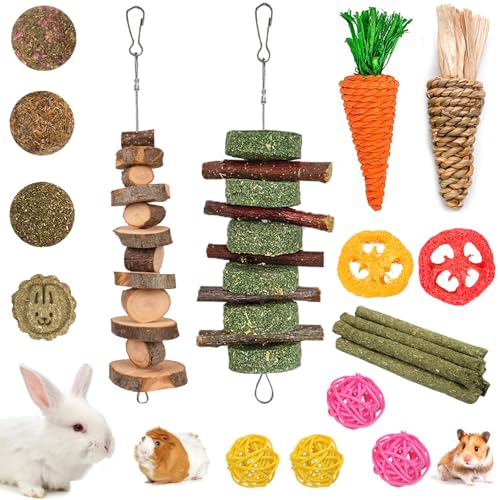
Safe chew items like untreated apple wood sticks, willow balls, and cardboard tubes provide supplemental wear.
A set of natural apple-wood chew toys gives your rabbit enrichment while supporting dental health.
But chew toys cannot replace hay. Only the sustained chewing motion of eating hay provides adequate molar wear. Think of chew toys as a supplement, not a solution.
Rabbit teeth care timeline by age:
| Age | Dental Priority |
|---|---|
| Baby (0–6 months) | Establish hay-based diet early; alfalfa hay is OK for growth |
| Young adult (6mo–1yr) | Transition to grass hay; schedule first vet dental check |
| Adult (1–5 years) | Annual vet dental checks; monitor incisor alignment monthly |
| Senior (5+ years) | Bi-annual dental checks; watch for molar spur development |
For complete diet guidance, see our rabbit food guide. For overall health monitoring beyond dental care, check our rabbit health guide.
Rabbit Teeth FAQ
How many teeth do rabbits have?
Rabbits have 28 teeth — 6 incisors (4 upper including 2 tiny peg teeth, plus 2 lower) and 22 premolars and molars. Most owners only see the 4 front incisors, but the hidden cheek teeth are equally important for dental health.
Can I trim my rabbit’s teeth at home?
No, never trim rabbit teeth at home. DIY trimming with clippers causes fractures, infection, and misalignment. Always have a veterinarian trim teeth using a dental burr — it’s precise, painless, and maintains proper tooth alignment.
What are the signs of rabbit teeth problems?
Common signs include drooling, dropping food while eating, preferring soft foods, reduced appetite, weight loss, facial swelling, watery eyes, and visible unevenness in the front teeth. Any combination of these symptoms warrants a vet visit.
Why are my rabbit’s teeth grinding loudly?
Loud teeth grinding is a pain signal in rabbits. It often indicates dental disease, GI stasis, or other internal pain. If your rabbit is also hunched, hiding, or not eating, contact your vet immediately — this is not normal behavior.
How fast do rabbit teeth grow?
Rabbit teeth grow approximately 10–12 cm (4–5 inches) per year — about 2–3 mm per week. This continuous growth is why constant chewing on hay is essential to keep teeth worn down naturally.
Do rabbit teeth fall out?
No. Rabbit teeth are permanent and grow continuously throughout their life. If a tooth is fractured or knocked out, it will typically regrow.
However, it may grow back misaligned and require veterinary monitoring to prevent further problems. Regular dental checks help catch regrowth issues early.
Rabbit dental health checklist:
- Unlimited timothy hay (80% of diet) — fiber wears teeth naturally (HRS recommendation)
- Hay varieties: orchard grass, oat hay, or meadow hay for variety in wear patterns
- Weekly at-home incisor check — look for alignment, color, and even wear
- Monthly cheek palpation — feel for lumps or swelling along jawline
- Annual veterinary dental exam — includes cheek teeth inspection under sedation
- Wooden chew toys and willow balls — supplemental enrichment wear
- Monitor eating speed and food preferences — slowing down signals dental pain
- Watch for “slobbers” (wet chin fur) — indicates drooling from dental issues
- Never feed muesli-style mixes — selective eating reduces fiber intake and dental wear
- Never trim teeth at home with clippers or scissors — causes fractures and infection
- Never ignore dropped food or reduced appetite — early dental pain signs
- Never assume teeth are fine just because incisors look normal — 60% of problems are in hidden cheek teeth (Merck Veterinary Manual)
Conclusion
Understanding rabbit teeth is one of the most important aspects of rabbit ownership. Dental disease develops silently — by the time you notice symptoms like drooling or reduced appetite, the problem may have been progressing for weeks or even months. The good news is that most dental issues are entirely preventable with the right daily approach and regular monitoring.
Healthy rabbit teeth require attention, but the basics are straightforward: 28 continuously growing teeth that need constant wear from hay chewing to stay healthy and properly aligned.
Prevention comes down to two things: unlimited grass hay (80% of diet) and annual vet dental checks. Learn to check incisors at home monthly — catching problems early makes treatment simpler, less invasive, and far less expensive.
Remember the two meanings of teeth grinding: soft means your rabbit is happy, loud means pain. Overgrown incisors or any dental problems always require a veterinarian — never attempt trimming at home.
For more on keeping your rabbit healthy, explore our rabbit food guide for proper diet setup, our rabbit health guide for overall wellness monitoring, and our guide on why your rabbit may stop eating if you notice any appetite changes.