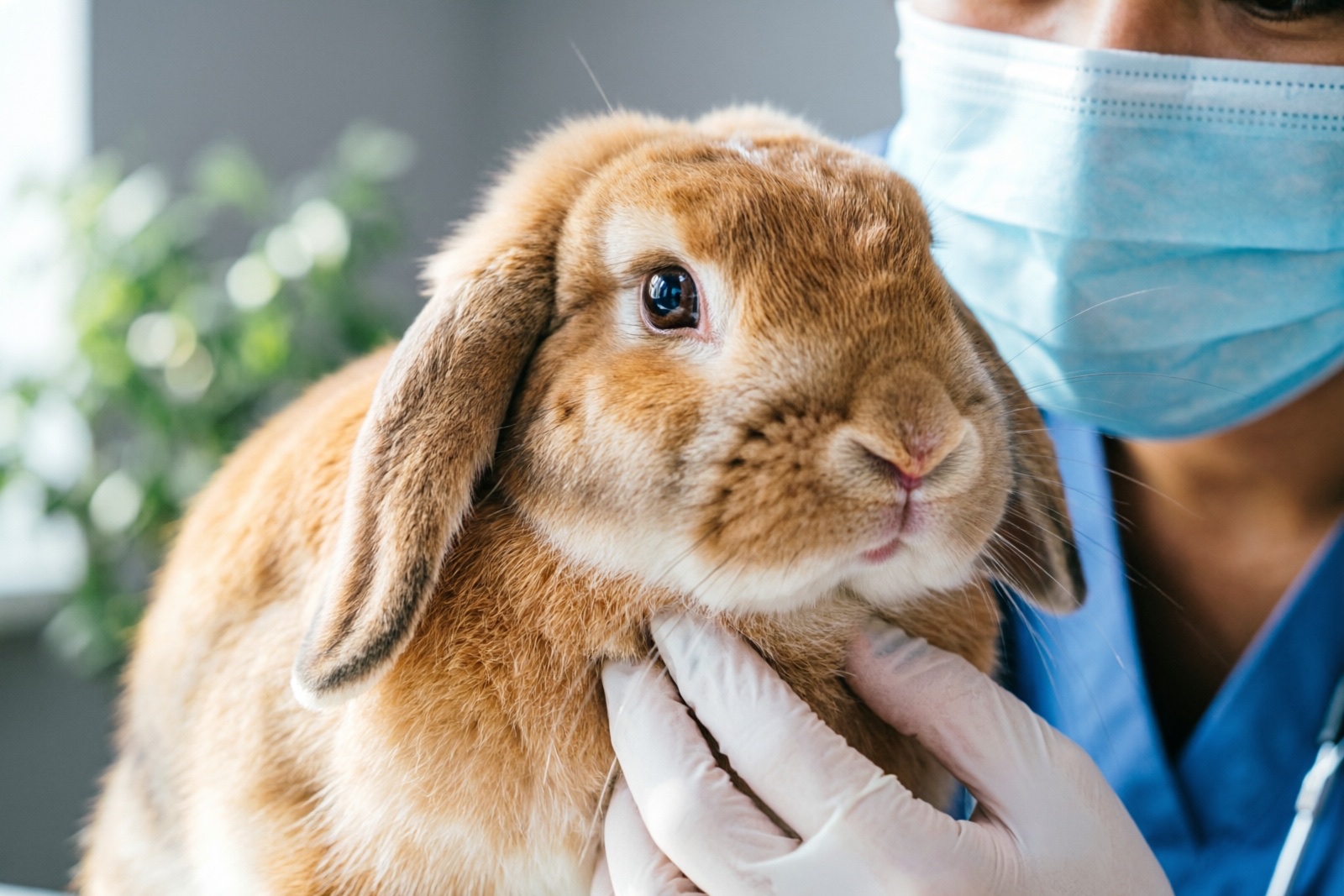
Rabbits are masters at hiding illness—a survival instinct from their wild ancestors. This makes it crucial for rabbit owners to understand their bunny’s normal behavior and recognize subtle signs of health problems. This comprehensive guide covers common rabbit health issues, prevention strategies, and when to seek veterinary care.
Understanding Rabbit Health Basics
Why Rabbits Hide Illness
In the wild, rabbits are prey animals. Showing weakness makes them targets for predators. This instinct remains strong in domestic rabbits, meaning:
- Symptoms often appear late in illness
- Subtle changes can indicate serious problems
- Regular observation is essential
- Preventive care is crucial
Normal Rabbit Vital Signs
| Sign | Normal Range |
|---|---|
| Temperature | 101-103°F (38.3-39.4°C) |
| Heart rate | 130-325 beats per minute |
| Respiration | 30-60 breaths per minute |
| Eating | Continuous (many small meals) |
| Drinking | 50-150ml/kg per day |
| Pooping | 200-300 poops per day |
Daily Health Checks
Perform these checks every day:
- Eating and drinking - Is appetite normal?
- Poop production - Size, shape, quantity normal?
- Activity level - Usual energy and curiosity?
- Behavior - Any unusual hiding or aggression?
- Eyes - Clear, bright, no discharge?
- Nose - Clean, no discharge?
- Ears - Clean inside, no odor?
- Teeth - No overgrowth or drooling?
- Body condition - Neither too thin nor overweight?
- Mobility - Moving normally, no limping?
GI Stasis: The #1 Emergency
What Is GI Stasis?
Gastrointestinal stasis is a potentially fatal condition where the digestive system slows or stops. It’s the most common rabbit emergency and requires immediate veterinary attention [Journal of Exotic Mammal Medicine].
Causes
- Low fiber diet - Not enough hay
- Dehydration
- Stress - Changes in environment, loud noises, new pets
- Pain - From any source
- Dental problems
- Lack of exercise
- Hair ingestion - During grooming or molting
Symptoms
Early Signs:
- ⚠️ Reduced appetite or anorexia
- ⚠️ Smaller or fewer poops
- ⚠️ Lethargy
- ⚠️ Hunched posture Advanced Signs:
- ⚠️ No poop for 12+ hours
- ⚠️ Bloated abdomen
- ⚠️ Teeth grinding (pain sign)
- ⚠️ Complete refusal to eat or drink
- ⚠️ Cold ears
Immediate Actions
- Call your vet immediately - This is an emergency
- Keep rabbit warm - Use heating pad on low (wrapped in towel)
- Encourage eating - Offer favorite greens, critical care
- Hydration - Offer water, use syringe if needed
- Gentle movement - Encourage light activity if possible
- Abdominal massage - Gentle circular motion (if rabbit tolerates)
Treatment (Veterinary)
- Fluid therapy - Subcutaneous or IV fluids
- Pain management - Critical for recovery
- Motility drugs - To restart gut movement
- Force feeding - Critical Care or similar
- Treating underlying cause
Prevention
- ✅ Unlimited hay - 80-90% of diet
- ✅ Fresh water always available
- ✅ Regular exercise - 3-4 hours/day minimum
- ✅ Minimize stress
- ✅ Regular brushing during molt
- ✅ Annual vet checkups
Dental Disease
Why It’s Common
Rabbit teeth never stop growing:
- Incisors grow 2-3mm per week
- Molars grow continuously
- Require constant wear from fibrous food
Types of Dental Problems
Malocclusion (Misaligned Teeth)
Causes:
- Genetics (congenital)
- Trauma
- Infection
- Poor diet (lack of fiber) Symptoms:
- ⚠️ Overgrown incisors (visible)
- ⚠️ Difficulty eating
- ⚠️ Dropping food
- ⚠️ Weight loss
- ⚠️ Drooling
- ⚠️ Watery eyes (tooth roots press on tear ducts) Treatment:
- Regular trimming by veterinarian
- Extraction in severe cases
- Dietary modification
Molar Spurs (Sharp Points)
Molars develop sharp edges that cut tongue and cheeks. Symptoms:
- ⚠️ Selective eating (avoiding hard foods)
- ⚠️ Dropping food
- ⚠️ Excessive salivation
- ⚠️ Bad breath
- ⚠️ Weight loss
- ⚠️ Reduced grooming Treatment:
- Veterinary burring under anesthesia
- Regular checkups (every 6-12 months)
Prevention
- ✅ Unlimited grass hay - Essential for tooth wear
- ✅ Variety of grasses - Different textures
- ✅ Limited pellets - Don’t fill up on soft food
- ✅ Chew toys - Apple wood, willow
- Grddaef Bunny Chew Toys ($9.99, 4.6⭐, 🔥)
- ✅ Regular vet checks
Respiratory Infections (Snuffles)
What Is “Snuffles”?
Upper respiratory infection, often caused by Pasteurella multocida bacteria. Highly contagious among rabbits.
Symptoms
- ⚠️ Nasal discharge (white or yellow)
- ⚠️ Sneezing
- ⚠️ Watery eyes or discharge
- ⚠️ Matting of fur on front paws (from wiping nose)
- ⚠️ Labored breathing (severe cases)
- ⚠️ Head tilt (if infection spreads to inner ear)
Causes
- Bacteria (Pasteurella, Bordetella, etc.)
- Stress - Weakens immune system
- Poor ventilation
- Ammonia buildup from dirty litter
- Dental disease (tooth roots affect sinuses)
Treatment
- Antibiotics - Long course (4-6 weeks minimum)
- Nebulization - In severe cases
- Supportive care - Fluids, nutrition
- Environmental changes - Better ventilation, cleaner habitat
Note: Snuffles often becomes chronic. Antibiotics control symptoms but may not cure completely.
Prevention
- ✅ Good ventilation
- ✅ Clean litter regularly (daily spot clean, weekly full clean)
- ✅ Minimize stress
- ✅ Quarantine new rabbits
- ✅ Regular vet checkups
Ear Infections
Types
Outer Ear (Otitis Externa)
Causes: Mites, bacteria, foreign objects Symptoms:
- ⚠️ Head shaking
- ⚠️ Scratching ears
- ⚠️ Brown, crusty discharge (mites)
- ⚠️ Red, inflamed ears
- ⚠️ Odor Treatment:
- Mite treatment (ivermectin, selamectin)
- Antibiotics (bacterial infections)
- Ear cleaning by veterinarian
Inner/Middle Ear (Otitis Media/Interna)
Serious condition - Can cause head tilt, loss of balance Symptoms:
- ⚠️ Head tilt (torticollis)
- ⚠️ Loss of balance
- ⚠️ Circling or rolling
- ⚠️ Nystagmus (eye twitching)
- ⚠️ Facial paralysis Treatment:
- Long-term antibiotics (6-8 weeks)
- Anti-inflammatories
- Supportive care
- May require hospitalization
Prevention
- ✅ Regular ear checks
- ✅ Treat mites promptly
- ✅ Keep ears dry
- ✅ Maintain good overall health
Urinary Problems
Bladder Sludge and Stones
What It Is: Calcium buildup in bladder forming sludge or stones Why Rabbits Are Prone:
- Rabbits absorb all dietary calcium
- Excess calcium excreted through urine
- Can form crystals, sludge, or stones Symptoms:
- ⚠️ Thick, white urine (normal rabbit urine varies in color)
- ⚠️ Gritty urine (sand-like)
- ⚠️ Straining to urinate
- ⚠️ Blood in urine
- ⚠️ Frequent urination (small amounts)
- ⚠️ Urinary incontinence
- ⚠️ Lethargy, decreased appetite Treatment:
- Increased fluids - IV or subcutaneous
- Pain management
- Surgery (for large stones)
- Dietary modification - Reduce calcium
Prevention
- ✅ Encourage water intake - Multiple bowls/bottles, fresh greens
- ✅ Balanced diet - Don’t over-supplement calcium
- ✅ Avoid alfalfa in adults (high calcium)
- ✅ Regular exercise
- ✅ Timothy-based pellets for adults
Parasites
Ear Mites
Symptoms:
- ⚠️ Brown, crusty discharge in ears
- ⚠️ Head shaking
- ⚠️ Scratching ears
- ⚠️ Painful ears Treatment: Ivermectin or selamectin (veterinary prescription)
Fur Mites (Cheyletiella)
Symptoms:
- ⚠️ Dandruff-like flakes
- ⚠️ “Walking dandruff” (visible movement)
- ⚠️ Hair loss
- ⚠️ Itching Treatment: Ivermectin, selamectin, or lime sulfur dips
Intestinal Parasites
Types: Coccidia, roundworms, tapeworms Symptoms:
- ⚠️ Diarrhea
- ⚠️ Weight loss
- ⚠️ Poor coat condition
- ⚠️ Potbelly (in severe cases) Treatment: Anti-parasitic medication (specific to parasite type) Prevention:
- ✅ Clean living environment
- ✅ Fecal tests at annual vet visits
- ✅ Avoid contact with wild rabbit feces
Other Common Issues
Sore Hocks (Pododermatitis)
What It Is: Ulcerated sores on bottom of feet Causes:
- Wire flooring
- Obesity
- Rough surfaces
- Moisture
- Poor hygiene Prevention:
- ✅ Solid flooring or resting mats
- ✅ Maintain healthy weight
- ✅ Clean, dry bedding
- ✅ Regular foot checks
Flystrike
What It Is: Flies lay eggs on rabbit, maggots hatch and eat tissue Risk Factors:
- Dirty bottom (urine/fecal scalding)
- Obesity (can’t clean properly)
- Wounds
- Elderly or disabled rabbits Prevention:
- ✅ Daily bottom checks (especially in summer)
- ✅ Keep clean and dry
- ✅ Maintain healthy weight
- ✅ Fly screens on windows
Emergency: Flystrike is life-threatening. Seek immediate veterinary care.
Hairballs (Trichobezoars)
Myth: Hairballs cause GI stasis Reality: GI stasis causes hair to accumulate Prevention:
- ✅ High-fiber diet (hay keeps gut moving)
- ✅ Regular brushing during molt
- ✅ Adequate hydration
Preventive Care
Diet (Foundation of Health)
Ideal Rabbit Diet:
- 80-90% Grass hay (unlimited)
- 8-10% Fresh vegetables (2-3 cups/day)
- 2-5% Pellets (1/4 cup per 5 lbs body weight)
- <2% Treats (fruit, carrot)
Exercise
Requirements:
- Minimum 3-4 hours out of cage daily
- Space to run, hop, binky
- Mental stimulation - Toys, tunnels, foraging
Spaying/Neutering
Benefits:
- Prevents reproductive cancer (80% of unspayed females develop uterine cancer) [Veterinary Cancer Society]
- Reduces aggression
- Eliminates marking (spraying)
- Easier litter training
- Calmer behavior Recommended Age: 4-6 months
Annual Veterinary Exams
What to Include:
- Physical examination
- Dental check
- Weight check
- Fecal test (parasites)
- Discussion of diet and behavior
- Vaccinations (if required in your area)
When to See a Vet
Emergency Situations (Go Immediately)
- 🚨 No poop for 12+ hours
- 🚨 Complete refusal to eat for 24 hours
- 🚨 Severe lethargy/unresponsiveness
- 🚨 Difficulty breathing
- 🚨 Bloated abdomen
- 🚨 Head tilt with loss of balance
- 🚨 Flystrike
- 🚨 Suspected fracture
- 🚨 Uncontrolled bleeding
Urgent Situations (See Vet Within 24 Hours)
- ⚠️ Reduced appetite
- ⚠️ Smaller/fewer poops
- ⚠️ Diarrhea
- ⚠️ Nasal discharge
- 🚨 Eye discharge or swelling
- ⚠️ Drooling
- ⚠️ Excessive drinking or urination
- ⚠️ Lameness
Schedule Routine Visit
- Annual checkup
- Dental concerns (if eating but seems uncomfortable)
- Minor skin issues
- Weight management
- Behavioral changes (non-urgent)
First Aid Kit Essentials
Keep these items on hand:
- Critical Care (Oxbow) - For force feeding
- Syringes (1ml, 10ml, 60ml) - For feeding and medication
- Digital thermometer - Rectal temperature
- Styptic powder - For nail bleeding
- Gauze pads - Wound care
- Towels - For wrapping/transport
- Heating pad - For keeping warm
- Carrier - For vet visits
- Electrolyte solution - For dehydration
- Vet contact information - Regular and emergency Pet First Aid Kit for Dog, Cat, Rabbit ($29.99, 4.2⭐, 🔥)
Product Recommendations
Health Monitoring
- Digital Pet Scale ($20) - Daily weight tracking
- Digital Pet Scale LCD Electronic ($22.99, 4.3⭐, 🔥)
- Oxbow Natural Science Multi-Vitamin ($7.74) - Digestive support
- Oxbow Natural Science Multi-Vitamin ($7.74, 4.8⭐, 🔥)
- Rectal Thermometer ($10) - Temperature monitoring
- iProven Pet Thermometer ($9.99, 4.5⭐, 🔥)
FAQ
Q: How can I tell if my rabbit is in pain?
A: Signs include: teeth grinding, hunched posture, reluctance to move, decreased appetite, aggression, hiding, and rapid breathing. Rabbits are very good at hiding pain, so any behavior change warrants attention.
Q: Why is my rabbit’s urine red/orange?
A: Rabbit urine color varies widely (yellow to red to orange) and is often normal. However, bright red urine or blood-tinged urine indicates a problem. If concerned, collect a sample for your vet.
Q: How often should my rabbit poop?
A: Rabbits produce 200-300 poops per day. A healthy rabbit should be pooping regularly throughout the day. Significant reduction or cessation is an emergency.
Q: Can I give my rabbit human medications?
A: Never give human medications without veterinary guidance. Many are toxic to rabbits. Always consult your vet first.
Q: Do rabbits need vaccinations?
A: Depends on your location. In the UK and Europe, rabbits need myxomatosis and RHD vaccinations. In the US, no routine vaccinations are required (but ask your vet about RHDV2).
Q: How long do rabbits live?
A: With proper care: 8-12 years (some live 14+ years). Indoor rabbits typically live longer than outdoor rabbits.
Q: Should I spay/neuter my rabbit?
A: Yes, highly recommended. Spaying prevents uterine cancer (80% risk in unspayed females), and neutering reduces aggression and marking. Both improve behavior and lifespan.
Conclusion
Rabbit health requires:
- Proper diet - Unlimited hay is essential
- Regular observation - Know what’s normal for your bunny
- Preventive care - Annual vet visits, spay/neuter
- Quick action - Rabbits hide illness; don’t delay seeking care
- Safe environment - Clean, spacious, stress-free The most important things to remember:
- GI stasis is an emergency - Know the signs
- Dental health depends on hay - Fiber is non-negotiable
- Subtle changes matter - Monitor daily
- Find a rabbit-savvy vet - Before you need one With proper care and attention, rabbits can live long, healthy, happy lives. Invest time in understanding your rabbit’s normal behavior—they’re counting on you to notice when something’s wrong.