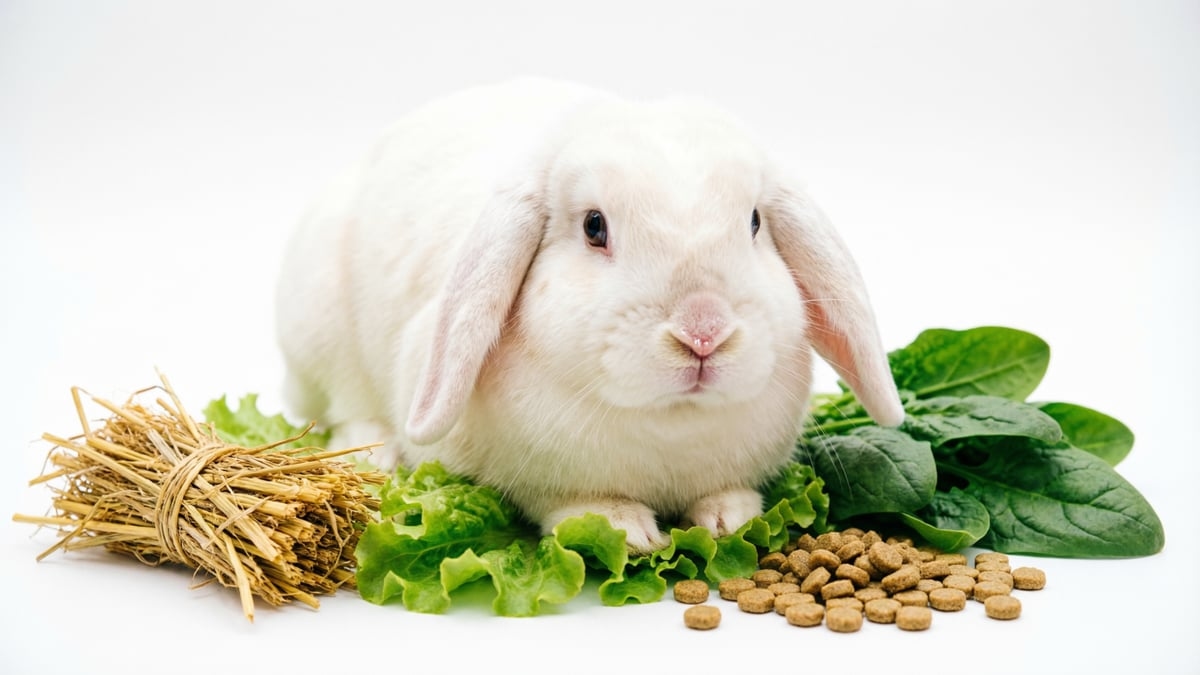
Rabbits have one of the most specialized dietary requirements of any pet. Their digestive system is designed for a high-fiber, low-energy diet consisting primarily of grass and hay. Understanding and meeting these needs is crucial for preventing GI stasis, dental disease, and obesity - the three most common health problems in pet rabbits. This comprehensive guide covers everything you need to know about feeding your rabbit for optimal health.
Understanding Rabbit Digestive Physiology
Why Rabbit Diet Is So Important
Rabbits are hindgut fermenters with a unique digestive system:
- Continuously growing teeth - Require constant wear from fibrous food
- Sensitive GI tract - Prone to stasis if diet is inadequate
- Cecotropes production - Must eat special droppings for nutrients
- Low energy needs - Easily become obese if overfed
Essential Nutrients
Fiber (Critical)
- Requirement: 18-25% minimum
- Function: Digestive health, dental wear, prevents GI stasis
- Source: Grass hay (unlimited)
Protein
- Adults: 12-14%
- Growing rabbits: 16-18%
- Source: Quality pellets, some vegetables
Fat
- Requirement: 2-4% maximum
- Note: Rabbits easily become obese
Calcium/Phosphorus
- Ratio: 1.5:1 to 2:1
- Important: Prevents bladder sludge/stones
- Avoid over-supplementation
The Rabbit Diet Pyramid
Level 1: Hay (80-90% of Diet) - MOST CRITICAL
Why Hay Is Essential:
- Provides fiber for digestive motility
- Wears down continuously growing teeth
- Prevents GI stasis (life-threatening condition)
- Encourages natural foraging behavior
- Provides mental stimulation
Types of Hay:
Timothy Hay (Gold Standard for Adults)
- Cuttings:
- 1st cutting: High fiber, coarse, good for dental wear
- 2nd cutting: Balanced fiber/leaf, best overall (recommended)
- 3rd cutting: Soft, leafy, high protein (treat only)
- Fiber: High
- Protein: Moderate (8-12%)
- Calcium: Low
- Best For: Adult rabbits (7+ months)
Oxbow Orchard Grass Hay ($25.49, 4.6⭐, 🔥)
Alfalfa Hay (For Young Rabbits ONLY)
- Calcium: Very high
- Protein: High (16-20%)
- Energy: High
- Best For: Growing rabbits (under 7 months), pregnant/nursing does
- Avoid For: Adults (causes bladder stones, obesity)
Warning: Never feed alfalfa as main hay to adult rabbits
Other Grass Hays
- Orchard grass - Softer, sweeter, good variety
- Meadow hay - Natural variety
- Oat hay - Good treat, lower nutrition
- Botanical hay - Herbs added for variety
- Brome grass - Good alternative
Hay Feeding Guidelines:
- Amount: Unlimited (always available)
- Freshness: 24/7 access, replace when soiled
- Quality: Sweet-smelling, green/gray-green, not dusty or moldy
- Storage: Cool, dry place, breathable container
- Variety: Offer different hays for enrichment
Critical: A rabbit without hay is like a car without fuel - they will develop serious health problems quickly.
Level 2: Fresh Vegetables (5-10% of Diet)
Daily Amount: 2-4 cups of mixed vegetables (depending on rabbit size)
Safe Vegetables (Rotate Daily)
Leafy Greens (Feed Daily):
-
✅ Romaine Lettuce
-
Amount: 1-2 leaves
-
Frequency: Daily
-
Note: Avoid iceberg lettuce
-
✅ Bok Choy
-
Amount: Small bunch
-
Frequency: Daily
-
Benefits: Calcium, vitamins
-
✅ Kale
-
Amount: Small handful
-
Frequency: 2-3x per week
-
Caution: High in calcium
-
✅ Parsley
-
Amount: Small handful
-
Frequency: 2-3x per week
-
Caution: Very high in calcium
-
✅ Cilantro (Coriander)
-
Amount: Small handful
-
Frequency: Daily
-
Benefits: Most rabbits love it
-
✅ Watercress
-
Amount: Small bunch
-
Frequency: Daily
-
Benefits: Vitamin C
-
✅ Swiss Chard
-
Amount: Small bunch
-
Frequency: 2-3x per week
-
Caution: Moderate calcium
-
✅ Endive/Escarole
-
Amount: Small amount
-
Frequency: Daily
-
Benefits: Low calorie
-
✅ Radicchio
-
Amount: Small amount
-
Frequency: Daily
-
Benefits: Variety
Other Vegetables (Feed 2-3x Weekly):
-
✅ Bell Peppers (any color)
-
Amount: 1-2 slices
-
Frequency: 2-3x per week
-
Benefits: Vitamin C
-
✅ Carrots
-
Amount: Small slice
-
Frequency: 1-2x per week
-
Caution: High sugar
-
✅ Broccoli
-
Amount: Small floret
-
Frequency: 1-2x per week
-
Caution: Can cause gas
-
✅ Celery
-
Amount: Small piece (cut to avoid strings)
-
Frequency: 2-3x per week
-
Benefits: Low calorie, hydrating
-
✅ Cucumber
-
Amount: Small slice
-
Frequency: 2-3x per week
-
Benefits: Hydrating
-
✅ Zucchini
-
Amount: Small slice
-
Frequency: 2-3x per week
-
Benefits: Low calorie
-
✅ Tomato
-
Amount: Small piece (no leaves/stems)
-
Frequency: 1-2x per week
-
Caution: High sugar
Root Vegetables (Limit - High Sugar):
- ✅ Carrots - High sugar, small amounts only
- ✅ Parsnips - High sugar, occasional only
- ✅ Sweet Potato - High sugar, rare treat only
Herbs (Fresh, Feed Occasionally):
- ✅ Basil
- ✅ Mint
- ✅ Dill
- ✅ Oregano
- ✅ Thyme
Level 3: Pellets (2-5% of Diet)
Why Pellets Are Important:
- Provide concentrated nutrition
- Ensure balanced vitamins/minerals
- Easy to feed and measure
Why Amount Is Limited:
- Rabbits fill up on pellets instead of hay
- Leads to obesity and GI problems
- Must prioritize hay over pellets
Recommended Pellet Types
Timothy-Based Pellets (For Adults):
- Fiber: 18-22% minimum
- Protein: 12-14%
- Fat: < 3%
- Calcium: 0.4-0.6%
Alfalfa-Based Pellets (For Young Rabbits):
- Protein: 16-18%
- Calcium: Higher
- Best For: Rabbits under 7 months
- Transition: Switch to timothy at 7 months
Daily Pellet Amount
| Rabbit Size | Daily Amount |
|---|---|
| Small (2-4 lbs) | 1/8 - 1/4 cup |
| Medium (4-7 lbs) | 1/4 - 1/3 cup |
| Large (7-10 lbs) | 1/3 - 1/2 cup |
| Giant (10+ lbs) | 1/2 - 3/4 cup |
Note: Base on lean body weight, adjust for activity level
Pellet Quality
Good Pellets Have:
- ✅ Timothy hay as first ingredient (for adults)
- ✅ High fiber (18%+)
- ✅ No seeds, nuts, or colored bits
- ✅ No added sugars
- ✅ Uniform pellets (no mix-ins)
Avoid:
- ❌ Seed/nut mixes
- ❌ Colorful bits
- ❌ Corn/soy as main ingredients
- ❌ Low fiber (<16%)
Level 4: Treats (<5% of Diet)
Safe Treats (Small Amounts, Occasional):
-
✅ Fruits (High Sugar - Limit!)
-
Apple (no seeds) - Small slice, 1-2x per week
-
Banana - Small piece, 1x per week
-
Blueberries - 1-2 berries, 2x per week
-
Strawberry - Small piece, 1-2x per week
-
Raspberry - 1-2 berries, 2x per week
-
Papaya - Small piece, 1x per week
-
Mango - Small piece, 1x per week
-
Pineapple - Small piece, 1x per week
-
✅ Other Treats:
-
Dried herbs (no additives)
-
Rose petals (pesticide-free)
-
Dandelion flowers (from safe areas)
-
Blackberry leaves
-
Raspberry leaves
Treat Guidelines:
- Maximum 1-2 tablespoons per day
- Limit to 1-2 times per week for most fruits
- Avoid all processed treats
- No seeds, nuts, grains as treats
Cecotropes: Essential Nutrition
What Are Cecotropes?
Cecotropes (also called “cecotrophy” or “night feces”) are special nutrient-rich droppings that rabbits produce and eat directly from their anus. This is normal and essential behavior.
Why Rabbits Eat Cecotropes
- Rich in vitamins: B vitamins, vitamin K
- Protein source: 28-30% protein
- Beneficial bacteria: Probiotics for gut health
- Water content: Hydration
What They Look Like
- Appearance: Soft, shiny, clustered like grapes
- Color: Dark greenish-brown to black
- Texture: Moist, shiny coating
- Smell: Slightly fermented odor
When to Be Concerned
Normal: Finding some in the morning (rabbit didn’t eat all)
Not Normal:
- Large amounts of uneaten cecotropes
- Soft, pudding-like consistency
- Stuck to rabbit’s bottom
- Strong foul odor
Causes of Problems:
- Diet too high in sugar/starch
- Obesity (can’t reach anus)
- Dental problems
- Illness
Water: Essential for Health
Water Requirements
- Amount: 50-150ml per kg body weight daily
- Factors: Diet, temperature, activity level affect intake
- Source: Fresh, clean water always available
Water Bottle vs. Bowl
Water Bottle (Common):
- ✅ Keeps water clean
- ✅ Easy to monitor intake
- ✅ Prevents spills
- ❌ Can clog, leak, or malfunction
- ❌ Must check daily
Water Bowl (Recommended by Many Experts):
- ✅ Natural drinking position
- ✅ Easy access
- ✅ Can see water quality
- ❌ Gets dirty, can tip
Best Practice: Provide both, especially large bowl for larger breeds
Water Quality
- Change daily regardless of amount left
- Clean container weekly with hot water and vinegar
- Use filtered water if tap has chlorine
- Avoid distilled water (lacks minerals)
Age-Specific Feeding Guidelines
Baby Rabbits (0-7 Months)
Hay: Alfalfa hay (unlimited) Pellets: Alfalfa-based pellets (unlimited) Vegetables: Introduce at 12 weeks, one at a time Treats: None until 6 months
Special Considerations:
- Higher protein needs for growth
- Alfalfa provides calcium for bone development
- Introduce vegetables slowly
- Monitor for digestive upset
Adult Rabbits (7+ Months)
Hay: Timothy hay (unlimited) Pellets: Timothy-based pellets (limited amount) Vegetables: 2-4 cups daily Treats: Occasional, small amounts
Special Considerations:
- Transition from alfalfa to timothy at 7 months
- Monitor weight closely
- Adjust pellets based on body condition
- Maintain high fiber intake
Senior Rabbits (5+ Years)
Hay: Timothy hay (softer if dental issues) Pellets: May need to increase if losing weight Vegetables: Continue regular amounts Treats: Limit strictly
Special Considerations:
- May lose weight - adjust diet accordingly
- Softer hay if dental problems
- Monitor for kidney issues (reduce calcium if needed)
- Regular vet checkups
Overweight Rabbits
Hay: Unlimited (essential for weight loss) Pellets: Reduce or eliminate Vegetables: Continue (low-calorie choices) Treats: Eliminate completely
Weight Loss Strategy:
- Increase exercise
- Unlimited hay is key
- Reduce/eliminate pellets
- Choose low-calorie vegetables
Top 10 Rabbit Food Recommendations
Oxbow Western Timothy Hay
Rating: ⭐⭐⭐⭐⭐ Price: $11-12 for 40 oz Quality: Premium
Why It’s #1: Consistent quality, perfect for adult rabbits, fresh and fragrant
Small Pet Select Timothy Hay
Rating: ⭐⭐⭐⭐⭐ Price: $35-40 for 12 lbs Quality: Premium, very fresh
Why It’s Excellent: Hand-packed, incredibly fresh, excellent quality
Oxbow Essentials Adult Rabbit Food
Rating: ⭐⭐⭐⭐⭐ Price: $20-22 for 10 lbs Type: Timothy-based pellets
Why It’s Great: Complete nutrition, uniform pellets, high fiber
Oxbow Alfalfa Hay (For Young Rabbits)
Rating: ⭐⭐⭐⭐⭐ Price: $28-32 for 9 lbs Quality: Premium
Why It’s Essential: Perfect for growing rabbits, high protein and calcium
Sherwood Pet Health Adult Rabbit Food
Rating: ⭐⭐⭐⭐ Price: $25-27 for 4.5 lbs Type: Timothy-based, soy-free
Why It’s Great: High quality, no soy, excellent ingredients
Oxbow Organic Meadow Hay
Rating: ⭐⭐⭐⭐ Price: $12-13 for 40 oz Type: Mixed grasses
Why It’s Good: Adds variety, aromatic, encourages eating
Kaytee Timothy Hay Plus
Rating: ⭐⭐⭐ Price: $8-10 for 24 oz Quality: Good, affordable
Why It’s Good: Budget-friendly, decent quality
Science Selective Adult Rabbit Food
Rating: ⭐⭐⭐⭐ Price: $23-25 for 1.5 kg Type: Timothy-based pellets
Why It’s Good: High fiber, no added sugar, quality ingredients
Oxbow Orchard Grass Hay
Rating: ⭐⭐⭐⭐ Price: $25-27 for 9 lbs Quality: Premium
Why It’s Good: Soft texture, sweet aroma, alternative to timothy
Rating: ⭐⭐⭐⭐ Price: $15-20 for 15 oz Type: Grass hay
Why It’s Good: Softer texture, sweeter taste, good variety
Kaytee Forti Diet Pro Rabbit Food ($10.93, 4.2⭐, 🔥)
Blue Seal Show Hutch Deluxe
Rating: ⭐⭐⭐ Price: $20-25 for 10 lbs Type: Pellet
Why It’s Good: Affordable, decent nutrition
Blue Seal Show Hutch Deluxe Rabbit Food ($36.99, 4.7⭐, 🔥)
Dangerous Foods: What NOT to Feed
❌ Toxic Foods (Never Feed)
- 🚫 Chocolate - Theobromine is toxic
- 🚫 Alliums (onions, garlic, chives, leeks) - Cause anemia
- 🚫 Potatoes/potato skins - Toxic
- 🚫 Rhubarb - Toxic
- 🚫 Avocado - Toxic to rabbits
- 🚫 Iceberg lettuce - Low nutrition, causes diarrhea
- 🚫 Mushrooms - Some are toxic
- 🚫 Seeds/nuts - Choking hazard, high fat
- 🚫 Dairy products - Rabbits are lactose intolerant
- 🚫 Grains/bread/pasta - High starch, digestive issues
- 🚫 Beans (raw) - Toxic
- 🚫 Fruit seeds/pits - Contain cyanide
❌ Unhealthy Foods (Avoid)
- 🚫 Sugary foods - Obesity, dental problems, GI upset
- 🚫 Salty foods - Health problems
- 🚫 Processed foods - Unhealthy ingredients
- 🚫 Yogurt drops - High sugar, dairy
- 🚫 Seed/nut treat sticks - Choking hazard, unhealthy
- 🚫 Crackers/cookies - High starch/sugar
- 🚫 Cereal - High sugar/starch
⚠️ Foods to Limit Strictly
- ⚠️ Carrots - High sugar (small piece, 1-2x per week)
- ⚠️ Fruits - High sugar (1-2x per week maximum)
- ⚠️ Grains - High starch (avoid completely)
- ⚠️ Store-bought treats - Usually unhealthy
Feeding Schedule and Routine
Daily Feeding Schedule
Morning:
- Fresh hay (top up)
- Fresh water
- Small portion of vegetables
Evening:
- Fresh hay (top up)
- Measured pellets
- Main vegetable meal
- Fresh water
Note: Hay should be available 24/7, only pellets and vegetables are scheduled
Weekly Feeding Example
Monday:
- AM: Timothy hay, water, romaine lettuce
- PM: Timothy hay, pellets, romaine, bok choy, cilantro
Tuesday:
- AM: Timothy hay, water, watercress
- PM: Timothy hay, pellets, romaine, kale (small), parsley
Wednesday:
- AM: Timothy hay, water, endive
- PM: Timothy hay, pellets, romaine, swiss chard, cilantro
Thursday:
- AM: Timothy hay, water, radicchio
- PM: Timothy hay, pellets, romaine, bok choy, watercress
Friday:
- AM: Timothy hay, water, romaine
- PM: Timothy hay, pellets, romaine, kale (small), cilantro
Saturday:
- AM: Timothy hay, water, endive
- PM: Timothy hay, pellets, romaine, parsley, blueberry (treat)
Sunday:
- AM: Timothy hay, water, watercress
- PM: Timothy hay, pellets, romaine, bok choy, cilantro
Common Feeding Mistakes
1. Not Enough Hay
Problem: GI stasis, dental disease, digestive problems Solution: Unlimited hay, always available
2. Too Many Pellets
Problem: Obesity, reduced hay intake, GI issues Solution: Measure pellets, adjust based on weight
3. Too Many Treats
Problem: Obesity, digestive upset, selective eating Solution: Treats <5% of diet, limit fruits
4. Sudden Diet Changes
Problem: GI upset, stasis Solution: Introduce new foods slowly, one at a time
5. Not Providing Variety
Problem: Nutritional deficiencies, boredom Solution: Rotate vegetables, offer different hays
6. Feeding Seed Mixes
Problem: Selective feeding, unhealthy ingredients Solution: Use uniform pellets only
7. Ignoring Water Quality
Problem: Dehydration, illness Solution: Fresh water daily, clean containers weekly
8. Not Adjusting for Life Stage
Problem: Malnutrition or obesity Solution: Adjust diet for age, weight, activity level
Signs of Poor Nutrition
Obesity
- Difficulty grooming
- Fat deposits
- Reduced activity
- Can’t feel ribs easily
Malnutrition
- Weight loss
- Poor coat condition
- Lethargy
- Weakness
GI Stasis
- No fecal output
- Lethargy
- Not eating
- Bloated abdomen
Emergency: GI stasis is life-threatening. Seek vet care immediately!
Dental Problems
- Dropping food
- Difficulty eating
- Weight loss
- Excessive salivation
Conclusion
A healthy rabbit diet consists of:
- 80-90% Grass hay (unlimited, always available)
- 5-10% Fresh vegetables (2-4 cups daily)
- 2-5% Quality pellets (measured amount based on weight)
- <5% Treats (occasional, small amounts)
Key Takeaways:
- Hay is non-negotiable - Unlimited timothy hay for adults
- Limit pellets - Measure based on body weight
- Variety in vegetables - Rotate daily for balanced nutrition
- Avoid dangerous foods - No seeds, nuts, grains, sugary treats
- Fresh water always - Change daily, clean weekly
- Monitor weight and health - Adjust diet as needed
With proper nutrition, your rabbit can live a healthy, happy life for 10-12 years (or even longer!). Diet affects health — learn more from our rabbit health guide.
Q: How much should I feed my rabbit daily?
A: Unlimited hay, measured pellets (1/4-1/2 cup depending on size), and 2-4 cups of mixed vegetables. Base pellet amount on lean body weight.
Q: Can rabbits eat carrots every day?
A: No. Carrots are high in sugar and should be limited to a small piece 1-2 times per week maximum.
Q: Do rabbits need pellets if they eat hay and vegetables?
A: Not strictly, but quality pellets ensure balanced nutrition. If feeding pellets, limit to small measured amount. Hay should always be the main food.
Q: Why is my rabbit not eating hay?
A: Common reasons: eating too many pellets/treats, hay is poor quality, dental problems, illness. Reduce pellets, offer quality hay, see vet if problem persists.
Q: Can rabbits eat lettuce?
A: Yes, but choose romaine, red leaf, green leaf, or other dark lettuces. Avoid iceberg lettuce - it’s mostly water with little nutrition and can cause diarrhea.
Q: How do I switch my rabbit from alfalfa to timothy hay?
A: At 7 months, gradually transition over 2-4 weeks by mixing hays, increasing timothy and decreasing alfalfa. Also switch to timothy-based pellets.
Q: Why does my rabbit eat its poop?
A: This is normal and essential! Rabbits produce special nutrient-rich droppings called cecotropes that they eat directly from their anus. This provides essential vitamins and nutrients.
Q: Can rabbits eat fruit?
A: Yes, in very small amounts as occasional treats (1-2 times per week). Fruits are high in sugar and should be strictly limited.
Q: How do I know if my rabbit is overweight?
A: Signs include: difficulty grooming (especially bottom), fat deposits, reduced activity, and you can’t easily feel ribs. Consult your vet for weight management.
Q: Should I give my rabbit vitamin supplements?
A: Generally no, if feeding a proper diet. Quality hay and pellets provide necessary nutrients. Excess vitamins can be harmful. Consult your vet before supplementing.