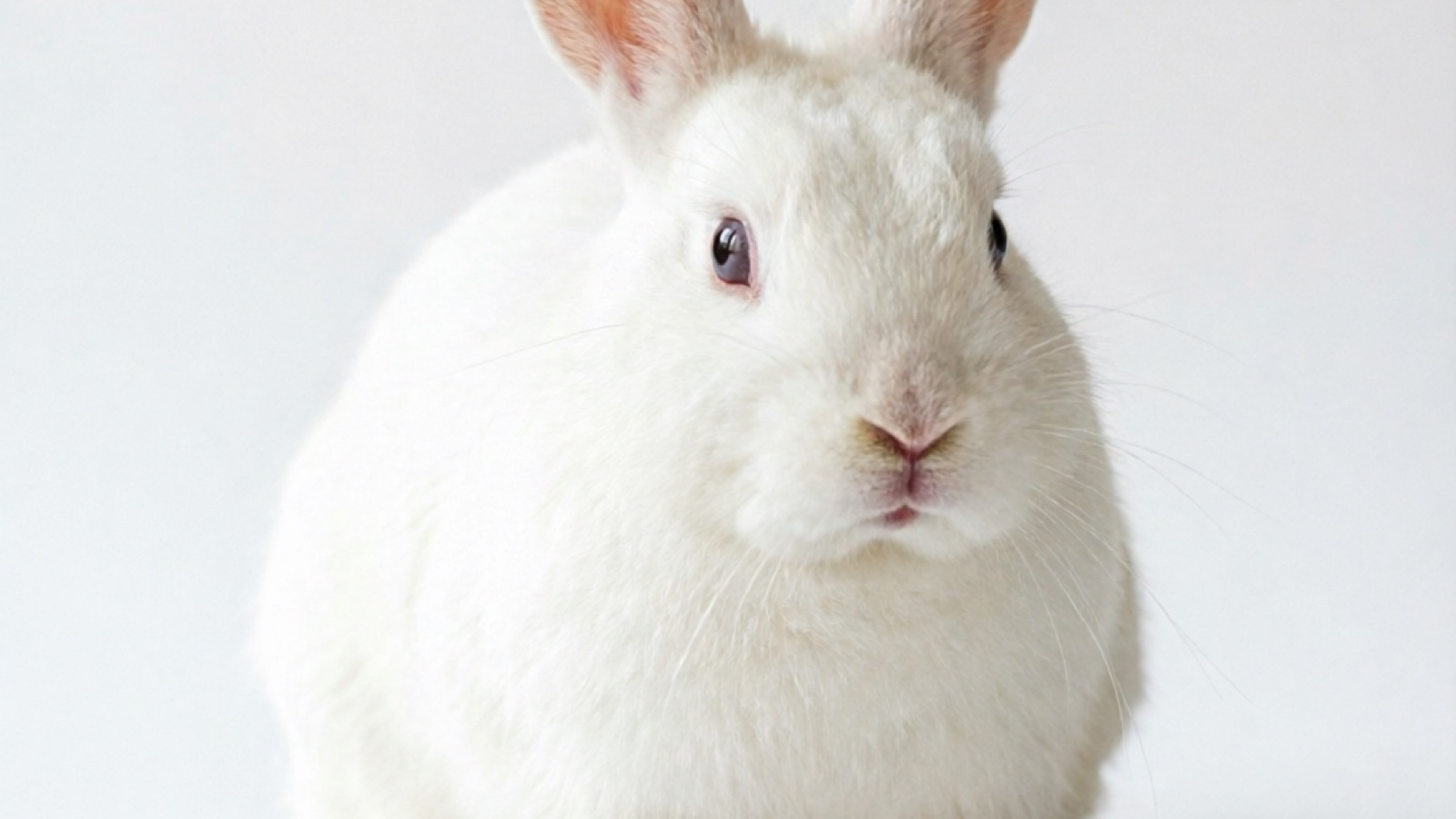
What Is a Polish Rabbit?
Polish rabbit: A small ARBA-recognized rabbit breed weighing 2.5-3.5 lbs (1.1-1.6 kg) with a compact, rounded body and short upright ears. Despite the name, the breed originated in England in the 19th century, not Poland. The name likely refers to the breed’s small, refined appearance rather than any geographic connection.
This breed has a fascinating history as one of the oldest small rabbit breeds. Originally developed in 19th century England from German stock rabbits, they were first bred as a meat rabbit — their compact body made them efficient producers. Over time, breeders refined them into a fancy and show breed, emphasizing the rounded head, compact body type, and short upright ears that define the breed today. The ARBA officially recognized the breed in the early 20th century, and it has remained a popular show and pet breed ever since.
At a Glance
- ✅ Weight: 2.5-3.5 lbs (1.1-1.6 kg)
- ✅ Body length: 8-10 inches (20-25 cm)
- ✅ Ear type: Short, upright (2-3 inches), well-furred
- ✅ Lifespan: 5-8 years (average 6-7 years)
- ✅ Coat: Short, fine, flyback
- ✅ ARBA recognized: Yes — one of the oldest recognized small breeds
Important clarification: The “mini” version is a misconception — this breed IS already a dwarf-type breed. There is no smaller variety. If you’re looking for something even smaller, you’re thinking of the Netherland Dwarf rabbit, which is the smallest recognized rabbit breed.
In my experience, this breed is one of the most underrated small breeds. They’re frequently overshadowed by the Holland Lop and Netherland Dwarf in popularity, but their calm temperament and easy care make them arguably the most practical choice for first-time rabbit owners. The most common confusion is with the Netherland Dwarf — we’ll cover that comparison in detail later in this guide.
Polish Rabbit Size & Weight
They occupy a specific niche in the small breed category: bigger than a Netherland Dwarf, similar in size to a Lionhead, and smaller than a Mini Lop.
| Measurement | Range | Notes |
|---|---|---|
| Adult weight | 2.5-3.5 lbs (1.1-1.6 kg) | Ideal show weight: ~3 lbs |
| Body length | 8-10 inches (20-25 cm) | Compact, rounded body |
| Ear length | 2-3 inches (5-8 cm) | Short, upright, well-furred |
| Head | Round, full | Bold eyes, short neck |
| Lifespan | 5-8 years | Average: 6-7 years |
| Age to maturity | 4-6 months | Full bone development |
Size Comparison with Other Small Breeds
| Breed | Weight | Ear Type | Body Length |
|---|---|---|---|
| Netherland Dwarf | 1.1-2.5 lbs | Upright (very short) | 6-8 inches |
| Polish Rabbit | 2.5-3.5 lbs | Upright (short) | 8-10 inches |
| Holland Lop | 2-4 lbs | Floppy | 10-12 inches |
| Lionhead | 2.5-3.75 lbs | Upright (short) | 8-10 inches |
The Polish sits squarely in the “small but not smallest” category. Their slightly larger size compared to Netherland Dwarfs actually makes them easier to handle for children and less fragile overall. For rabbit cage size recommendations based on breed, see our cage size guide.
Polish Rabbit Colors & Varieties
The ARBA recognizes them in fewer color varieties than breeds like the Holland Lop or Netherland Dwarf, but the available colors are all striking.
| Color Group | Colors | Description |
|---|---|---|
| Self | Black, Blue, Chocolate, Lilac | Solid, uniform color throughout |
| White | Blue-Eyed White, Ruby-Eyed White | Pure white body |
| Broken | Any recognized color + white | White patches mixed with color |
| Pointed White | Black/Brown Pointed White | White body with dark points |
Black is the classic Polish color and the most commonly seen at shows. Blue (a dilute black) is also popular and gives the rabbit a distinctive slate-gray appearance. Broken pattern rabbits are visually unique — each one has a different pattern of color patches on white, making every broken-pattern Polish one of a kind.
Blue-Eyed White individuals are particularly striking as pets, with their pure white coat contrasting against vivid blue eyes. Ruby-Eyed White has pink/red eyes typical of albino coloring.
Color is purely cosmetic and has no effect on temperament, health, or lifespan. All Polish colors share the same care requirements.
Polish Rabbit Temperament & Personality
They are known for being calm, friendly, and intelligent — traits that make them one of the best small rabbit breeds for first-time owners and families.
Key Temperament Traits
- Calm and gentle — significantly less prone to nervousness and skittishness than Netherland Dwarfs
- Social — bond closely with owners, enjoy lap time and gentle interaction
- Intelligent — can be litter trained, learn routines, and recognize their owners
- Playful but not hyper — good balance of energy and calm compared to more active breeds
- Slightly shy at first — typically need 1-2 weeks to settle in, then become very affectionate
Males vs Females
- Bucks (males): Generally more outgoing, cuddly, and easier to handle. Tend to be more relaxed and enjoy lap time. Recommended for first-time owners.
- Does (females): More independent and can be slightly territorial. Still friendly but may be less openly affectionate than bucks.
With Children
They are one of the better rabbit breeds for children due to their calm demeanor and manageable size. However, children under 8 should always be supervised during handling. Their small size means they can be injured if dropped, so teaching proper handling technique — supporting the hindquarters at all times — is essential.
In my experience, They handle the chaos of family households better than most small breeds. They’re less likely to nip or panic compared to Netherland Dwarfs, and their calm nature means they tolerate being picked up more readily than many other breeds.
Polish Rabbit Lifespan
They live 5-8 years on average, with some individuals reaching 9-10 years with exceptional care. This is slightly shorter than the Holland Lop average (7-14 years) due to small breed genetics.
Factors Affecting Lifespan
| Factor | Impact | How to Optimize |
|---|---|---|
| Diet quality | High | Unlimited Timothy hay, measured pellets |
| Living conditions | High | Indoor housing adds 2+ years vs outdoor |
| Spay/neuter | High | Reduces reproductive cancer risk significantly |
| Dental health | Medium | Unlimited hay, regular vet dental checks |
| Veterinary care | Medium | Annual exotic vet exams |
| Weight management | Medium | Strict portion control, daily exercise |
Tips for Maximizing Lifespan
The single most impactful thing you can do for your rabbit’s longevity is provide unlimited Timothy hay 24/7. Hay wears down continuously growing teeth, provides essential fiber for gut health, and prevents both dental disease and GI stasis — the two leading causes of premature death in pet rabbits.
Spaying or neutering by 4-6 months of age is the second most important factor. Unspayed females have a dramatically elevated risk of uterine cancer (up to 80% by age 4 if unspayed). For detailed breed-by-breed lifespan data, see our rabbit lifespan page.
Polish Rabbit Diet & Nutrition
They follow the same 80/10/8/2 dietary ratio as all rabbit breeds, but portion control is more critical for this breed. Their small size means even slight overfeeding quickly leads to obesity.
| Food Type | Daily Amount | % of Diet | Notes |
|---|---|---|---|
| Timothy hay | Unlimited | ~80% | Available 24/7, no exceptions |
| Fresh greens | 1-1.5 cups | ~10% | Romaine, cilantro, parsley, bell peppers |
| Timothy pellets | 1/8 cup | ~8% | Uniform pellets only — strict portion |
| Treats | 1-2 small pieces | ~2% | 2-3x per week maximum |
| Fresh water | Unlimited | — | Water bottle preferred |
Polish-Specific Feeding Concerns
- Very small pellet portions: 1/8 cup is approximately 2 tablespoons — easy to accidentally overfeed
- No free-feeding pellets: Measured portions only, same time each day
- Introduce vegetables gradually: One new vegetable at a time, wait 3 days between introductions
- Avoid dangerous foods: Iceberg lettuce, chocolate, bread, seeds, nuts, muesli mixes, potatoes, rhubarb
Their small size means they have less margin for dietary error than larger breeds. An extra tablespoon of pellets per day might not affect a Flemish Giant, but it can cause noticeable weight gain in a 3-lb rabbit over just a few weeks. See our rabbit food and best rabbit food guides for specific brand recommendations.
Polish Rabbit Housing Requirements
Enclosure Size
| Requirement | Specification |
|---|---|
| Minimum enclosure | 24 × 24 inches (single), 30 × 24 inches (pair) |
| Recommended exercise pen | 4 × 4 ft x-pen for daily roaming |
| Floor type | Solid (wire floors cause sore hocks) |
| Temperature range | 50-77°F (10-25°C) |
| Daily exercise | 2+ hours outside enclosure |
| Ventilation | Good airflow, no drafts |
Housing Essentials
- ✅ Solid floor — small breed feet are especially vulnerable to sore hocks
- ✅ Hide house or tunnel — they like enclosed retreats for security
- ✅ Litter box with paper-based litter
- ✅ Heavy ceramic food bowl (prevents tipping)
- ✅ Water bottle or heavy bowl
- ✅ Enrichment toys (cardboard tubes, untreated wood blocks, puzzle feeders)
- ❌ No wire-bottom cages
- ❌ No glass aquariums (poor ventilation)
- ❌ No outdoor-only housing
Indoor housing is strongly recommended for them. They are social animals that need daily interaction, and their small size makes them vulnerable to predators and temperature extremes outdoors. See our best rabbit cages, cage size, and complete setup guide for detailed housing recommendations.
Polish Rabbit Grooming
KEY BREED ADVANTAGE: They have very low grooming needs thanks to their short, fine flyback coat. This is one of the easiest rabbit coats to maintain.
Grooming Schedule
| Task | Frequency | Why |
|---|---|---|
| Brush coat | 1x per week (daily during molting) | Controls loose fur, prevents GI block |
| Trim nails | Every 4-6 weeks | Overgrown nails alter gait, cause soreness |
| Check ears | Weekly | Upright ears = good airflow, lower infection risk than lop breeds |
| Check teeth | Weekly | Dental overgrowth common in small breeds |
| Spot-clean fur | As needed | Soiled areas attract flies |
Nail Trimming Step-by-Step
- Wrap rabbit in a towel (burrito wrap) — keeps them calm and prevents kicking
- Locate the quick — the pink area inside the nail (visible on light-colored nails; use a flashlight for dark nails)
- Cut below the quick at a 45-degree angle — when in doubt, cut less
- If you nick the quick, apply styptic powder immediately to stop bleeding
- Trim all 4 paws — don’t forget to check for dewclaws on the front feet
Shedding
They have moderate shedding year-round with 1-2 heavy molts per year lasting about 2 weeks each. During molts, brush daily to prevent fur ingestion, which can cause GI stasis — a potentially fatal condition in rabbits. They shed less than long-haired breeds like Lionheads and Angoras but more than very short-haired breeds.
For a complete grooming guide covering all rabbit breeds, see our rabbit grooming page.
Polish Rabbit Health Problems
They share the general health profile of all rabbits but have some elevated risks due to their small size and compact, rounded head shape.
Breed-Specific Health Risks
| Condition | Risk Level | Cause | Prevention |
|---|---|---|---|
| Dental malocclusion | High | Rounded skull = jaw misalignment risk | Unlimited hay, vet dental checks |
| GI stasis | Critical | Low fiber, stress, dehydration | 80% hay diet, daily exercise |
| Sore hocks | Medium | Wire floors, obesity | Solid floor, weight control |
| Ear infections | Low | Upright ears = good airflow | Weekly checks (lower risk than lops) |
| Obesity | Medium | Overfeeding small breed | Strict portion control |
| Respiratory infections | Medium | Drafts, poor ventilation | Clean housing, temperature control |
| Wool block | Low-Medium | Ingested fur during molting | Regular brushing, hydration |
Dental Issues — The #1 Concern
Small breeds with compact, rounded heads share a vulnerability to dental malocclusion — a condition where the upper and lower teeth don’t align properly. Rabbit teeth grow approximately 2mm per week, and misalignment causes sharp spikes to form on the teeth, cutting into the gums and tongue. This makes eating painful and can lead to weight loss, drooling, and eventually starvation if untreated.
Signs of dental problems: drooling, wet chin, decreased appetite, selective eating (dropping certain foods), weight loss, grinding teeth audibly.
Prevention: Unlimited Timothy hay is the single most effective prevention. The constant grinding action of chewing hay naturally wears teeth down to the correct length. Chew toys and untreated wood blocks provide additional dental wear.
Treatment: If malocclusion occurs, an exotic veterinarian can file the teeth down under sedation. This may need to be repeated every 4-8 weeks depending on severity.
When to See a Vet Immediately
- No stool for 12+ hours (sign of GI stasis — can be fatal within 24 hours)
- Head tilt (may indicate inner ear infection or Encephalitozoon cuniculi)
- Excessive drooling or wet chin (dental problem)
- Bloated or hard belly (GI stasis)
- Loud teeth grinding (pain indicator)
- Lethargy or refusal to eat (always an emergency in rabbits)
For comprehensive health information, see our rabbit health page.
How Much Does a Polish Rabbit Cost?
| Source | Price Range | What’s Included |
|---|---|---|
| Rescue / Shelter | $25-75 | Often spayed/neutered, vet-checked |
| Breeder (pet quality) | $30-100 | Health guarantee, 8+ weeks old |
| Breeder (show quality) | $100-250 | Pedigree, show potential, health guarantee |
| Pet store | $20-60 | Rabbit only — may be underage, unvetted |
Rescue adoption is strongly recommended. Rabbits from rescues are typically already spayed or neutered, which saves $200-400 in veterinary costs. They’re also health-checked and often litter-trained. They are moderately priced compared to other small breeds — less expensive than trendy Holland Lops but similarly priced to Netherland Dwarfs.
Monthly Care Costs
| Expense | Monthly Cost |
|---|---|
| Timothy hay | $8-15 |
| Pellets | $4-6 (small bag lasts 2+ months at 1/8 cup/day) |
| Fresh vegetables | $8-12 |
| Litter | $5-8 |
| Vet checkup (amortized) | ~$8/month |
| Total | $30-60/month |
They have lower monthly costs than large breeds due to their smaller food and litter consumption. Lifetime cost estimate over a 7-8 year lifespan: approximately $3,000-7,000.
Finding Your Rabbit
- Rescue (recommended): House Rabbit Society, Petfinder.com, local animal shelters
- Reputable breeder: ARBA-registered, allows facility visits, provides written health guarantee (30+ days), kits are 8+ weeks old
- Pet store (avoid if possible): Often mass-bred, may sell underage or unvetted rabbits, limited health screening
Tips for evaluating a breeder:
- Ask for ARBA membership or breeder registration
- Visit the facility — look for clean, spacious enclosures
- Ask to see both parents of the litter
- Request a written health guarantee
- Red flags: refuses visits, overcrowded cages, no health documentation, kits under 8 weeks old
Polish Rabbit vs Other Popular Breeds
This comparison is the most important section of this guide, because this breed is most commonly confused with two other breeds: the Netherland Dwarf and the Holland Lop.
| Feature | Polish | Netherland Dwarf | Holland Lop | Lionhead |
|---|---|---|---|---|
| Weight | 2.5-3.5 lbs | 1.1-2.5 lbs | 2-4 lbs | 2.5-3.75 lbs |
| Ear Type | Upright (short) | Upright (very short) | Floppy | Upright (short) |
| Head Shape | Round, full | Extreme brachycephalic | Round, crowned | Round, with mane |
| Coat | Short, flyback | Short, rollback | Short, rollback | Long mane + skirt |
| Temperament | Calm, friendly | Nervous, energetic | Friendly, cuddly | Social, active |
| Grooming | Low (weekly) | Low (weekly) | Medium (ears) | High (mane) |
| Lifespan | 5-8 years | 7-12 years | 7-14 years | 7-10 years |
| Difficulty | Easy | Medium (shy) | Easy-Medium | Medium (grooming) |
| Price | $30-250 | $30-150 | $40-400 | $30-100 |
| Best For | Beginners, calm households | Experienced owners | Families, first-timers | Fluffy appearance lovers |
Polish vs Netherland Dwarf — The #1 Confusion Point
These two breeds are constantly confused by owners, breeders, and even some pet store staff. Here’s how to tell them apart:
Size: They are noticeably larger — 2.5-3.5 lbs vs 1.1-2.5 lbs for Netherland Dwarfs. A fully grown Polish weighs about 50% more than a fully grown ND.
Head shape: This is the most reliable visual distinction. They have a fuller, rounder head. Netherland Dwarf rabbits have an extreme brachycephalic (flat-faced) head with disproportionately large, bold eyes that give them a “baby doll” appearance.
Temperament: They are significantly calmer and less nervous than Netherland Dwarfs. NDs are notoriously skittish and can be difficult to bond with, while they typically warm up within 1-2 weeks.
Ears: Both have upright ears, but the Polish has slightly longer ears (2-3 inches vs approximately 2 inches).
Lifespan: Netherland Dwarfs tend to live longer (7-12 years vs 5-8 years for Polish).
Choose the Polish if: You want a calm, friendly small rabbit that’s easier to handle and bond with. Choose the Netherland Dwarf if: You want the absolute smallest rabbit breed and are experienced with handling nervous animals.
Polish vs Holland Lop
This breed has upright ears while the Holland Lop rabbit has distinctive floppy ears that hang alongside the face. This ear difference affects care — Holland Lops require regular ear cleaning because their folded ears trap moisture and debris, while the Polish’s upright ears have natural airflow and rarely need cleaning.
Holland Lops are generally considered slightly more cuddly and affectionate, while they are slightly more independent. Holland Lops also come in more color varieties.
Choose the Polish if: You want lower-maintenance ears and a calmer temperament. Choose the Holland Lop if: You want floppy ears and maximum cuddliness.
Polish vs Lionhead
This breed has a short coat while the Lionhead rabbit has a distinctive mane of long fur around the head and a skirt of longer fur on the flanks. This creates a massive grooming difference: they need weekly brushing (5 minutes), while Lionheads need daily mane maintenance (15-20 minutes).
Both breeds are similar in size and weight range, making them direct competitors for owners looking for a small, visually appealing rabbit.
Choose the Polish if: You want low grooming and easy maintenance. Choose the Lionhead if: You want the dramatic fluffy appearance and don’t mind daily grooming.
Conclusion
This compact breed is, calm, and easy-care small breed that deserves more attention than it typically receives. Sitting between the Netherland Dwarf and the Holland Lop in size, this breed offers the best practical combination: small enough for apartment living, calm enough for families, and low-maintenance enough for busy owners.
Key takeaways:
- Size: 2.5-3.5 lbs — compact but not the smallest
- Temperament: Calmer and less nervous than Netherland Dwarfs
- Grooming: Very low — short flyback coat, weekly brushing
- Not the same as Netherland Dwarf: Larger, calmer, different head shape
- Health priority: Dental health is the #1 concern — unlimited hay is essential
If you’re a first-time rabbit owner looking for a small, friendly breed that won’t overwhelm you with grooming demands or nervous behavior, this breed is an excellent choice. For a complete rabbit setup guide, see our rabbit setup page.
For prospective owners deciding between small breeds, this breed stands out as the ideal middle ground — larger and easier to handle than the Netherland Dwarf, yet more compact than Holland Lops and Mini Lops. Their calm disposition makes them particularly well-suited for households with older children, and their short flyback coat means grooming takes just minutes per week rather than the daily commitment required by long-haired breeds like Lionheads. If you are looking for a small rabbit that combines manageability with personality, this breed deserves serious consideration.