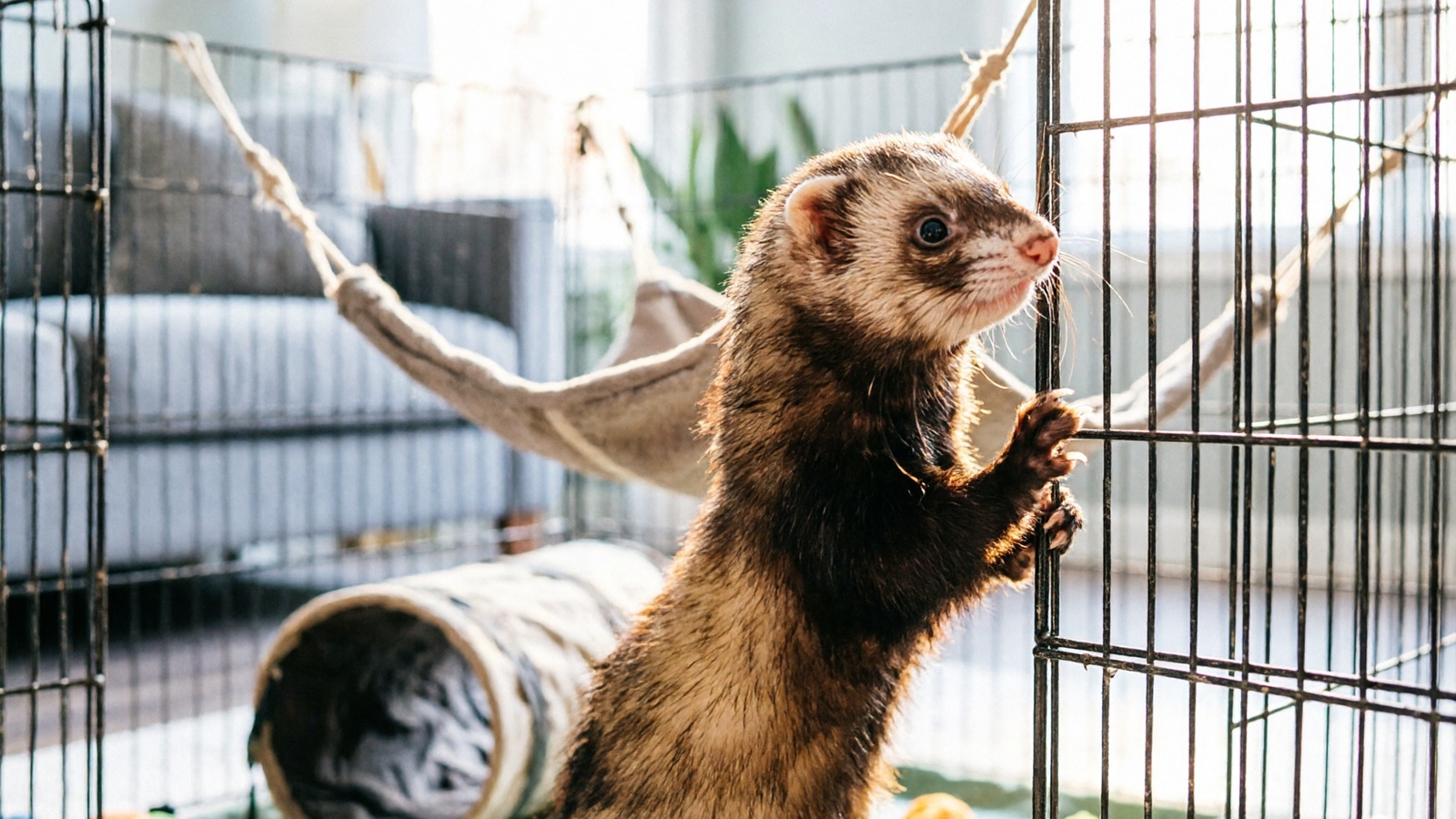
Ferrets spend 14 to 18 hours per day sleeping. That means the material they sleep on, burrow into, and breathe around for the majority of their lives has a direct impact on their health. The wrong ferret bedding causes respiratory problems, skin irritation, and in severe cases, organ damage. The right ferret bedding provides a comfortable burrowing environment, controls odor, and keeps your ferret safe from harmful dust and chemicals.
Bedding also serves practical functions beyond comfort. It absorbs urine and prevents ammonia buildup, which at high concentrations burns ferret eyes and damages respiratory tissue. It provides a surface for natural digging behavior — ferrets are burrowers by nature and need substrate to dig in for mental stimulation. It cushions the cage floor against pressure sores from wire or plastic grating. And it helps contain odor, which matters because ferrets produce a strong musk scent even with regular cleaning.
Key terms: Ammonia is a toxic gas produced when ferret urine breaks down — it burns eyes and damages lungs at concentrations above 25 ppm. Phenols are aromatic oil compounds found in pine and cedar wood that cause respiratory inflammation and liver disease in ferrets when inhaled. Impaction is a life-threatening intestinal blockage that occurs when a ferret swallows non-digestible material like clumping cat litter or large wood chunks.
This guide covers the three safe ferret bedding types — paper bedding, aspen wood shavings, and fleece liners — with product recommendations, a comparison table, and a detailed safety section covering what never to use. Whether you are a first-time ferret owner or switching ferret bedding types, this guide will help you understand how to choose ferret bedding that keeps your pet healthy and comfortable.
Types of Ferret Bedding — Complete Comparison
Ferret bedding falls into three safe categories, each with distinct advantages. Learning how to choose ferret bedding depends on your ferret’s habits, your budget, and how much maintenance effort you are willing to invest.
| Feature | Paper Bedding | Fleece Liners | Aspen Shavings |
|---|---|---|---|
| Dust Level | Very low (99.9% dust-free) | Zero | Low |
| Absorbency | High (absorbs up to 6x weight) | Medium (waterproof backing helps) | Medium |
| Odor Control | Good to Excellent | Medium — requires daily washing | Good |
| Reusability | No — disposable | Yes — machine washable | No — disposable |
| Upfront Cost | Low | Higher initial investment | Low |
| Long-Term Cost | Ongoing replacement needed | Just laundry costs | Ongoing replacement needed |
| Ferret Comfort | Excellent — soft and burrowable | Good — soft fabric surface | Good — natural wood texture |
| Safety | Very safe | Very safe | Safe (no aromatic oils) |
| Respiratory Risk | Very low | None | Low |
| Cleaning Effort | Spot clean daily, full change weekly | Spot clean daily, wash every 3–4 days | Spot clean daily, full change weekly |
| Eco Impact | Made from recycled paper | Reusable, reduces waste | Biodegradable and compostable |
| Best For | First-time owners, most situations | Respiratory-sensitive ferrets | Natural-preference owners |
These same three bedding types — paper, fleece, and aspen — are used across many small pet species. For a broader comparison that covers hamsters and guinea pigs too, see our best hamster bedding and best guinea pig bedding guides. The sections below cover each type in depth for ferrets specifically, with product recommendations.
Paper Bedding — Best Overall for Most Ferret Owners
Paper bedding is the most popular choice for ferret owners, and for good reason. It is highly absorbent, very low in dust, soft enough for ferrets to burrow in, and safe if small amounts are accidentally ingested. The reclaimed paper pulp construction means no aromatic oils, no chemicals, and no risk of the respiratory problems associated with wood-based beddings.
Paper bedding absorbs up to 6 times its weight in liquid, which matters because ferret urine is concentrated and produces strong ammonia odor quickly. A proper 2–3 inch layer of paper bedding in the cage bottom absorbs urine before it pools on the surface and controls odor for 3–4 days between full changes for a single ferret.
Paper bedding is also the safest option if your ferret decides to taste it. Ferrets explore everything with their mouths, and ingesting small amounts of paper bedding is far less dangerous than swallowing wood shavings, which can cause impaction. Paper breaks down in the digestive tract and passes through without causing blockages in most cases.
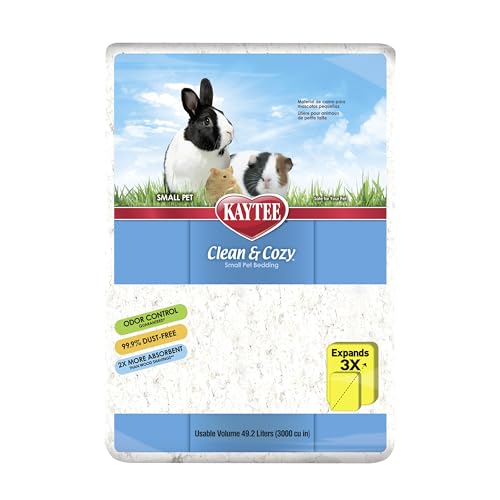
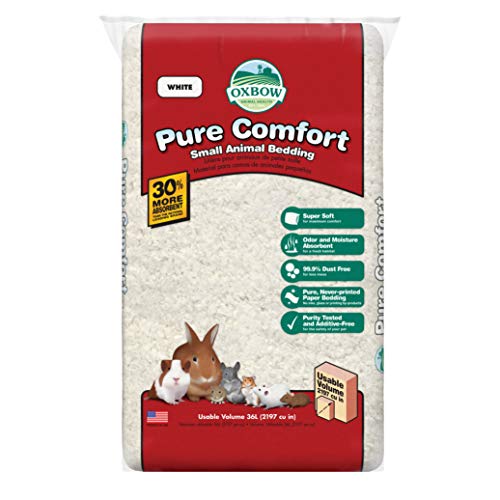
The environmental aspect also favors paper. The Kaytee Clean & Cozy and Oxbow Pure Comfort are both made from reclaimed paper pulp, giving waste paper a second life. When soiled, paper bedding is compostable in most municipal composting systems that accept pet waste.
For a detailed product-by-product comparison with ratings, see our best ferret bedding review.
Kaytee Clean & Cozy — Best Overall
| # | Product | Key Feature | Best For |
|---|---|---|---|
| 1 | Kaytee Clean & Cozy | 99.9% dust-free, 49.2L volume | First-time owners, most situations |
| 2 | Vitakraft Fresh World | Ultra strength odor control | Multi-ferret households |
| 3 | Oxbow Pure Comfort | Vet-recommended, unbleached | Budget-conscious owners |
| 4 | Kaytee Aspen | Natural wood, kiln-dried | Natural-preference owners |
| 5 | Bienbee Ferret Cage Liner | 7-piece set, waterproof backing | Respiratory-sensitive ferrets |
The Kaytee Clean & Cozy White Paper Bedding is the most widely used paper bedding for small pets. The 49.2-liter expansion volume provides substantial coverage for a standard ferret cage, and the soft, fluffy texture is something ferrets genuinely enjoy digging into. It is 99.9% dust-free, which is essential for ferret respiratory health, and the fragrance-free formula means no added chemicals near your ferret’s nose for 16 hours a day.
The main tradeoff with paper bedding generally, and Kaytee in particular, is that lightweight paper fibers can cling to fleece liners if you use both types together. If your ferret tracks paper bedding into a fleece sleeping area, you will find yourself picking fibers out of the fleece during laundry. Some ferrets also enjoy flinging bedding through cage bars — if your ferret is a digger and tosser, expect some cleanup around the cage exterior. One verified buyer notes: “Lightweight and great for odor control, but my ferret kicks it everywhere outside the cage.”
Vitakraft Fresh World — Best for Multi-Ferret Odor Control
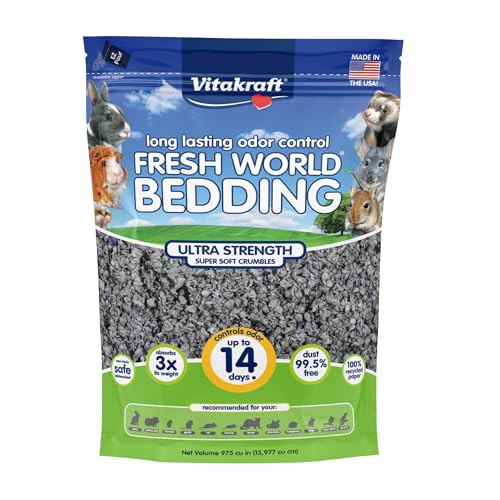
The Vitakraft Fresh World Ultra Strength Bedding is designed specifically for stronger odor control. The ultra-strength formula handles the concentrated ammonia that multiple ferrets produce better than standard paper bedding. It is heat-treated to kill bacteria and mold spores before packaging, and the compressed format expands to 3 times its packaged volume.
The practical consideration here is volume. The 16-liter package is significantly smaller than Kaytee’s 49.2 liters at a similar price point. For a single ferret, the smaller volume is not an issue. For two or more ferrets in a large cage, you may go through a package faster. The gray-brown color also shows soiling less visibly than white paper, which some owners prefer for cage aesthetics. A multi-ferret owner reports: “Controls odor better than anything else I’ve tried, but the bags are smaller than expected for the cost.”
Oxbow Pure Comfort — Best Budget Vet-Recommended
The Oxbow Pure Comfort Small Animal Bedding is a veterinarian-recommended option from a brand known for quality small animal nutrition and supplies. It is made from unbleached paper fibers, which appeals to owners who want to avoid any chemical processing. At 36 liters per package, it falls between Kaytee and Vitakraft in volume and represents good value.
The Oxbow bedding is slightly lighter and fluffier than Kaytee, which means ferrets can scatter it more easily during digging. If your ferret is an enthusiastic digger, you may find more bedding outside the cage than expected. Absorbency is good but slightly below Kaytee’s 6x rating — you may need to change the bedding a day sooner with heavy wetters. A reviewer mentions: “Great quality and vet-recommended, but it’s so fluffy that my ferret sends it flying.”
Aspen Wood Shavings — Best Natural Option
Aspen bedding is the only wood shaving type that is safe for ferrets. The same rule applies to most small animals — aspen is a popular substrate for rabbits, hedgehogs, and hamsters as well. If you keep multiple small pet species, the Kaytee Aspen works across all of them, which simplifies your shopping. For species-specific bedding guidance, see our best rabbit bedding and best hedgehog bedding guides. Pine and cedar are dangerous — covered in detail in the safety section below — but kiln-dried aspen contains no aromatic oils and has been used safely with ferrets for decades.
Ferrets that have been raised on aspen often show a clear preference for it over paper. The natural wood texture provides a more varied surface for digging and burrowing, and the slightly coarser particles do not cling to fur or fleece the way fine paper fibers can. Aspen bedding also has a natural, earthy scent that helps mask ferret musk odor without added fragrances.
Kaytee Aspen — Best Natural Wood Bedding
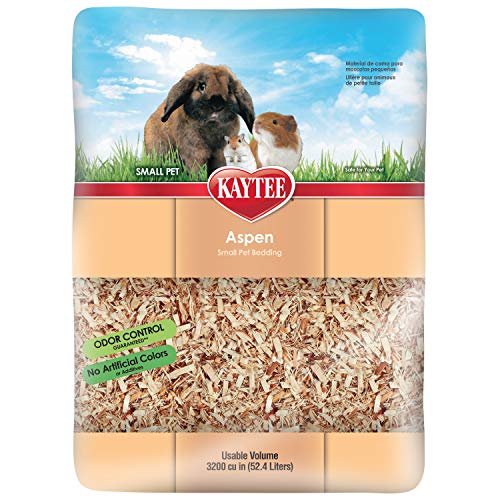
The Kaytee Aspen Pet Bedding is the highest-rated aspen bedding available. The kiln-drying process eliminates aromatic oils and moisture, producing a consistently dry, low-dust product. It is biodegradable and compostable, which appeals to environmentally conscious owners.
There are practical differences between aspen and paper to consider. Aspen is heavier — the 8-pound package is noticeably denser than an equivalent volume of paper bedding, which means more effort during cage cleaning and disposal. Aspen can also develop mold if it stays damp for too long. In humid environments or if your ferret has a preferred wetting spot, you need to change the aspen more frequently in that area to prevent mold growth. Aspen pieces can also work their way into fleece liners and nesting pouches, creating small debris that needs to be picked out during laundry.
For ferrets that enjoy a more natural substrate and owners who do not mind slightly more cleaning effort, aspen provides a safe, traditional bedding experience that many ferrets clearly prefer over paper alternatives. An experienced ferret owner notes: “My ferrets love digging in this — much more than paper. The only downside is you need to change it more often to prevent any musty smell.”
Fleece Cage Liners — Best Reusable Option

Fleece liners take a completely different approach to ferret bedding. Instead of disposable material that absorbs and is thrown away, fleece liners are washable fabric panels that provide a soft, dust-free surface for your ferret’s cage. The waterproof backing layer prevents urine from soaking through to the cage floor, and the fleece top layer wicks moisture away from your ferret’s skin.
The biggest advantage of fleece is zero dust. For ferrets with respiratory sensitivity — a concern for older ferrets or those with a history of respiratory infections — fleece eliminates airborne particles entirely. The second advantage is long-term cost. After the initial purchase, your ongoing cost is just laundry detergent, which is significantly less than buying disposable bedding every 1–2 weeks.
The tradeoffs are upfront cost and daily maintenance. Fleece requires daily spot cleaning — wiping or shaking out debris and any urine spots — and full machine washing every 3–4 days to prevent odor and bacteria buildup. If you fall behind on the washing schedule, fleece develops odor faster than disposable bedding because there is no absorbent material to lock moisture away.
Fleece also does not satisfy a ferret’s natural digging instinct the way paper or aspen does. Ferrets that love to burrow and tunnel will often push fleece liners around rather than dig into them. For these diggers, fleece works best as a sleeping area combined with a paper or aspen digging zone elsewhere in the cage. The Kaytee Clean & Cozy or Kaytee Aspen on the cage floor provides the digging substrate, while the Bienbee Fleece Liner Set covers the sleeping shelf or designated sleeping corner.
Bienbee Ferret Cage Liner Set — Best Reusable Fleece
The Bienbee Ferret Cage Liner Set is a 7-piece coordinated set with waterproof backing. The multi-panel design provides full cage coverage including shelves and ramps in multi-level enclosures. The waterproof bottom layer is the key feature — without it, fleece alone would let urine soak through to the cage floor, creating the exact problem bedding is supposed to prevent.
This is a newer product with a smaller review count compared to the established paper bedding brands, but the concept is well-proven in the ferret community. The main consideration is sizing — check your cage dimensions against the liner dimensions before purchasing. Fleece liners that are too large bunch up and create tripping hazards; liners that are too small leave exposed cage floor areas. One buyer comments: “Great quality fleece and the waterproof backing works, but measure your cage carefully — the sizing runs a bit small for larger enclosures.”
What NEVER to Use as Ferret Bedding
This section is the most important part of this guide because the consequences of wrong bedding are severe and irreversible. Ferrets have sensitive respiratory systems and fast metabolisms — exposure to harmful bedding can cause permanent lung damage, liver failure, or intestinal blockages within weeks.
Pine and Cedar Shavings — Toxic and Dangerous

Pine and cedar shavings contain aromatic oils called phenols and abietic acid. These compounds are released into the air as volatile organic compounds that your ferret breathes with every inhalation. In ferrets, these oils cause:
- Respiratory damage — chronic inflammation of the lungs and airways, leading to coughing, wheezing, and increased susceptibility to respiratory infections. Ferrets already have relatively small lung capacity, and any reduction in lung function significantly affects their overall health and energy levels.
- Liver damage — the liver processes inhaled phenols, and prolonged exposure causes elevated liver enzymes and eventually liver dysfunction. Liver damage in ferrets is progressive and often not detected until it has reached an advanced stage, because ferrets mask symptoms well.
- Skin irritation — direct contact with aromatic oils causes dryness, flaking, and dermatitis. Ferrets have sensitive skin that is easily irritated by chemical compounds, and prolonged skin contact with phenols can lead to open sores and secondary infections.
Kiln-drying reduces but does not eliminate these oils. Even kiln-dried pine retains enough phenols to pose a risk to ferrets. There is no safe amount of pine or cedar bedding for ferret cages. This is not a debate — exotic veterinarians are unanimous on this point. ### Quick Safety Reference
- Paper bedding (reclaimed pulp, fragrance-free)
- Kiln-dried aspen shavings (no aromatic oils)
- Fleece liners (with waterproof backing)
- Cotton-based bedding (unbleached, no dyes)
- Pine shavings (contains phenols — even kiln-dried)
- Cedar shavings (highest phenol content)
- Clumping cat litter (causes intestinal blockage)
- Scented or dyed bedding (irritates respiratory tract)
- Corn cob bedding (molds when wet, causes respiratory issues)
- Sawdust (fine particles damage lungs)
- Newspaper (ink toxicity — use only purpose-made paper bedding)
According to the Association of Exotic Mammal Veterinarians (AEMV), pine and cedar bedding should never be used in ferret enclosures due to the documented link between phenol exposure and hepatic disease in mustelids.
For more on health issues caused by environmental factors, see our ferret health problems guide.
Clumping Cat Litter — Intestinal Blockage Risk
Clumping cat litter is made from sodium bentonite clay, which forms solid masses when wet. If a ferret ingests even a small amount — and ferrets explore everything with their mouths — the clumping material forms a solid mass in the intestinal tract. This causes partial or complete intestinal blockages, which require emergency surgery and can be fatal if not treated quickly. Even non-clumping clay litter creates excessive dust that irritates ferret lungs. The fine clay dust particles coat the lungs and reduce oxygen absorption over time.
Ferret-safe litters exist — see our best ferret litter guide for specific recommendations. Paper-based and wood-pellet litters designed for ferrets do not clump and are safe if small amounts are ingested.
Scented Bedding and Air Fresheners
Any bedding with added fragrance — scented paper bedding, aromatic herbal bedding, or any product that claims to “freshen” the cage with perfume — should be avoided. Ferrets have sensitive respiratory systems and the added chemicals in scented products irritate airways, causing sneezing, coughing, and in severe cases, allergic reactions. If the cage smells bad enough that you are tempted to add fragrance, the solution is more frequent cleaning, not masking agents. Air fresheners, candles, and incense near the ferret cage should also be avoided for the same reason.
Corn Cob Bedding
Corn cob bedding may seem natural and safe, but it has a high risk of mold growth when exposed to moisture. Ferret urine creates exactly the kind of warm, damp environment where mold and fungus grow rapidly on corn cob material. Inhaling mold spores causes respiratory infections, and ingesting moldy corn cob can cause digestive illness. The coarse texture is also uncomfortable for ferrets to walk on and does not provide any burrowing satisfaction.
Newspaper and Printed Paper
While plain white paper towels or unscented toilet paper can be used as emergency bedding in a pinch, newspaper with ink is not safe. Modern newspaper ink contains chemicals and heavy metals that are toxic when ingested or inhaled. The paper itself is also poor at absorption and odor control, making it a poor choice even if toxicity were not a concern. Stick to purpose-made ferret bedding from a reputable brand — the cost difference is minimal and the safety improvement is significant.
How to Set Up and Maintain Ferret Bedding
Proper setup and maintenance matter as much as bedding choice. The best bedding in the world becomes a health hazard if it is not changed frequently enough or is layered incorrectly.
Bedding Depth and Placement
- Clean the cage floor completely before adding fresh bedding. Remove all old substrate, wipe down surfaces with a pet-safe disinfectant, and let dry.
- Apply a 2–3 inch layer of paper or aspen across the cage floor. This depth provides enough material for absorption while giving your ferret enough to burrow.
- Add extra depth in elimination corners. Ferrets tend to use specific corners — add an extra inch there to compensate for faster saturation. This depth provides enough material for absorption while giving your ferret enough to burrow. Thinner layers saturate too quickly and do not control odor effectively. Thicker layers waste material and make it harder to spot soiled areas for cleaning. In corners where your ferret tends to eliminate, consider adding an extra inch of depth to compensate for faster saturation in those areas.
For fleece liners, lay the panels flat across the cage floor and shelves with no gaps between them. The waterproof backing should face down, against the cage floor, with the fleece side up. Secure the edges with clips or by tucking them under the cage walls to prevent your ferret from digging under the liners and eliminating the waterproof barrier.
Daily Maintenance Routine
Morning spot check: Remove any visible feces and heavily soiled bedding patches. Check all corners and favorite sleeping spots. For fleece liners, wipe up any urine spots with a damp cloth or pet-safe wipe and shake out any food debris. Check water bottles and food bowls — bedding particles can contaminate water if the water bottle is mounted low.
Evening check: Ferrets are most active at dawn and dusk. A second spot check in the evening catches waste that accumulated during their active period. This is also a good time to top off food and water while you are at the cage. Pay attention to the sleeping area — if your ferret has kicked bedding out of their preferred corner, redistribute it.
Full Bedding Change Schedule
- Paper bedding: Full change every 5–7 days for a single ferret, every 3–5 days for two or more ferrets. Remove all old bedding, wipe down the cage floor with a pet-safe disinfectant, let it dry completely, and add fresh bedding. Do not layer new bedding over old — this traps moisture and bacteria underneath.
- Aspen bedding: Full change every 5–7 days. Check for mold spots — if you see any dark discoloration or smell a musty odor, change the bedding immediately regardless of the schedule. Aspen holds moisture differently than paper, and hidden mold can develop in damp patches that are not visible on the surface.
- Fleece liners: Machine wash every 3–4 days. Use fragrance-free detergent and avoid fabric softener — softener reduces the fleece’s moisture-wicking ability. Air dry or tumble dry on low heat. Have at least two sets of fleece liners so you can swap a clean set in immediately while washing the soiled set.
Mixing Bedding Types
Many experienced ferret owners combine bedding types for optimal results. A common and effective ferret bedding setup is paper or aspen on the cage floor with a fleece-lined sleeping pouch in the preferred sleeping corner. This gives the ferret a clean, soft sleeping area and a separate zone for digging and elimination. For litter training, place the litter box in the corner your ferret naturally uses most, and keep bedding away from that corner to avoid confusion between the litter box and the bedding area.
The mixing approach also helps with odor management. Paper bedding absorbs urine but does not provide a scent barrier. Fleece sleeping areas stay dry and clean as long as the ferret uses the litter box consistently. Aspen adds a natural earthy scent that complements the paper’s odor absorption. By using the right material in the right zone, you extend the life of each bedding change and reduce your overall maintenance effort.
Some owners also add a third layer — a shallow tray of aspen shavings inside a covered sleeping hideout. Ferrets naturally seek enclosed spaces for sleep, and having a dedicated sleeping container with a different ferret bedding substrate from the main cage floor satisfies both the burrowing instinct and the den-seeking behavior. This three-zone approach (floor bedding, sleeping fleece, hideout aspen) is popular among experienced ferret owners with large multi-level cages, and it demonstrates how to choose ferret bedding for different functional areas within the same enclosure.
The Kaytee Clean & Cozy works well as the floor bedding in a mixed setup, with the Bienbee Fleece Liner Set providing the sleeping area. If your ferret has strong odor issues, layering the Vitakraft Fresh World in high-traffic corners adds extra odor control where it is needed most.
Seasonal Adjustments
Ferret bedding needs change with the seasons. In summer, reduce fleece layers and switch to lighter paper ferret bedding to prevent overheating — ferrets are sensitive to temperatures above 80°F and heavy fleece holds heat. Adequate ventilation becomes more important in warm months, so avoid packing paper bedding too densely. The Oxbow Pure Comfort works well year-round because the unbleached paper does not retain heat the way denser materials can.
In winter, add an extra fleece layer or a thicker sleeping pouch. Ferrets tolerate cold better than heat, but a warm sleeping area supports healthy sleep cycles and immune function. The Bienbee Fleece Liner Set provides an insulated sleeping surface that helps maintain body temperature during cold nights. If you prefer a natural ferret bedding year-round, the Kaytee Aspen provides good insulation in winter while remaining breathable in warmer months.
For cage setup details including ferret bedding placement relative to shelves, ramps, and litter boxes, see our best ferret cage guide.
Frequently Asked Questions
What bedding is safest for ferrets?
Paper bedding, kiln-dried aspen shavings, and fleece liners are all safe choices for ferrets. The dangerous options are pine and cedar shavings, which contain aromatic oils that cause respiratory damage and liver disease, and clumping cat litter, which causes intestinal blockages if ingested. Among safe options, paper bedding is the most popular because it combines high absorbency with very low dust.
How often should I change ferret bedding?
Spot clean daily by removing feces and soiled patches. Do a full change every 5–7 days for paper or aspen with one ferret, or every 3–5 days for multiple ferrets. Fleece liners need machine washing every 3–4 days.
Can ferrets use cat litter as bedding?
No. Clumping cat litter forms solid masses when ingested, causing intestinal blockages that require emergency surgery. Non-clumping clay litter creates excessive dust that irritates a ferret’s sensitive respiratory system.
Why is pine bedding bad for ferrets?
Pine and cedar shavings contain phenols that evaporate into cage air, causing chronic respiratory inflammation and liver damage over time. Even kiln-dried pine retains enough oils to be dangerous — no amount is safe for ferrets.
Do ferrets need bedding in their cage?
Yes. Ferrets sleep 14–18 hours daily and have a strong natural burrowing instinct. Bedding provides comfort, absorbs urine to control ammonia, and prevents skin sores from bare wire or plastic cage floors.
Can I mix different bedding types?
Yes. Use paper or aspen on the cage floor for absorption and digging, with a fleece liner or sleeping pouch in the sleeping corner. Avoid mixing pine or cedar shavings with anything — those are never safe.