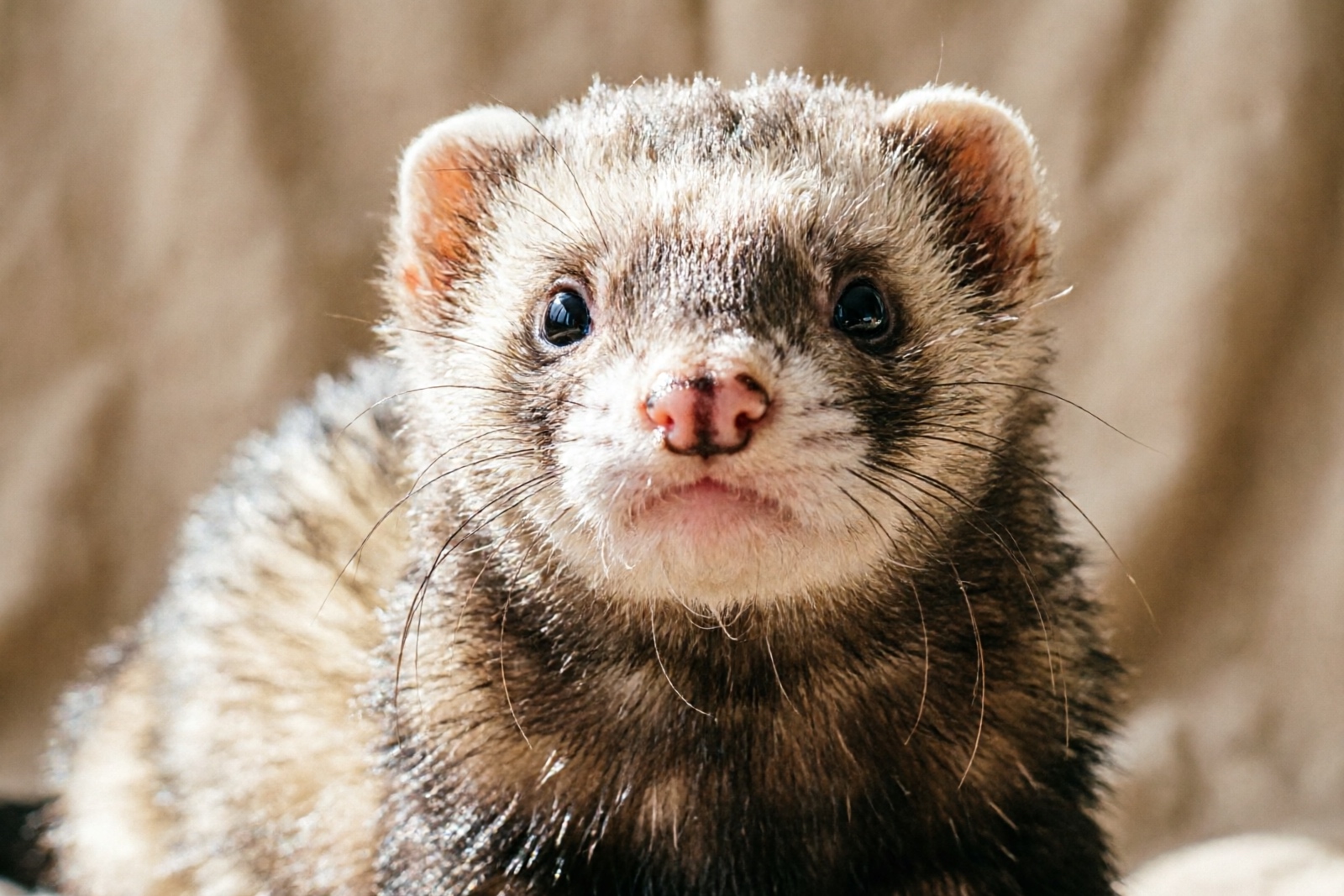
Ferrets are wonderful, playful companions — but they’re also prone to a range of health problems that every owner needs to understand. By age 3, disease risk increases significantly, and approximately 75% of pet ferrets will develop some form of tumor by age 5.
The good news: early detection and preventive care can dramatically improve outcomes. This guide covers the most common ferret health issues, their symptoms, treatment options, and what you can do to keep your ferret healthy for as long as possible. Understanding these conditions is essential for maximizing your ferret lifespan. For general daily care tips, see our ferret care guide.
Most Common Ferret Health Problems Overview
Why Ferrets Are Prone to Health Issues
Most pet ferrets in the United States are descended from Marshall Farms stock, where they are spayed or neutered at 6-8 weeks of age. While early neutering prevents unwanted breeding, it alters hormone balance and is believed to contribute to the high rates of adrenal disease and insulinoma seen in domestic ferrets.
The average ferret lifespan is 6-10 years, with disease risk rising sharply after age 3. Proactive health monitoring becomes critical during this period.
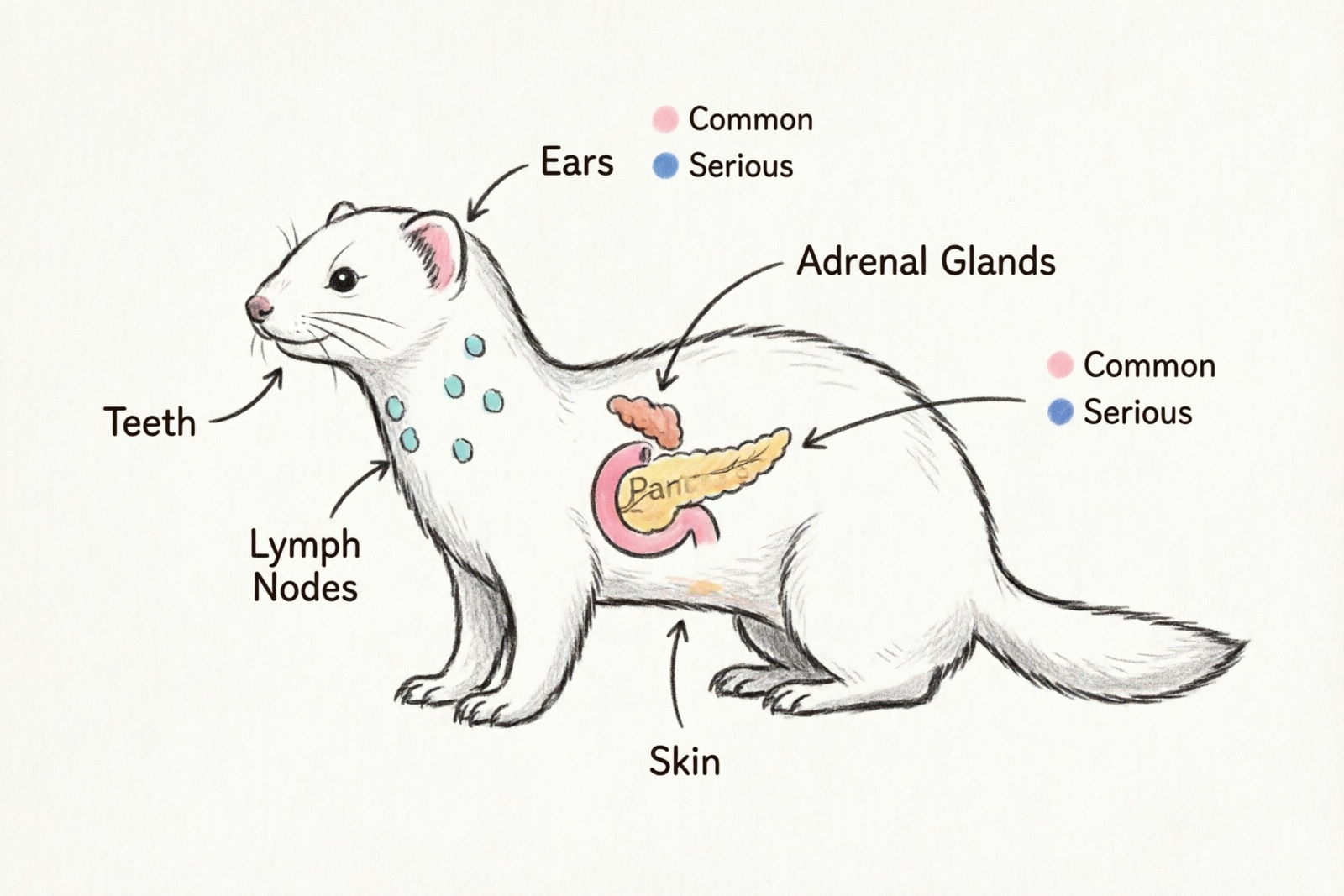
Top 7 Health Problems at a Glance
| Rank | Condition | Prevalence | Fatal if Untreated | Preventable |
|---|---|---|---|---|
| 1 | Adrenal disease | ~70% | ⚠️ Moderate | ⚠️ Partially |
| 2 | Insulinoma | ~50% | ❌ High | ⚠️ Partially |
| 3 | Lymphoma | ~30% | ❌ High | ❌ Rarely |
| 4 | Gastrointestinal blockage | Common | ❌ High | ✅ Yes |
| 5 | Dental disease | Common | ⚠️ Low | ✅ Yes |
| 6 | Skin problems (mites) | Common | ⚠️ Low | ✅ Yes |
| 7 | Respiratory infections | Common | ⚠️ Low | ✅ Yes |
Signs Your Ferret Is Sick — Early Warning Symptoms
Recognizing ferret health symptoms early is critical. Ferrets are masters at hiding illness — a survival instinct from their wild ancestors. By the time symptoms become obvious, the condition may already be advanced. Regular observation is your best tool for catching problems early.
10 Warning Signs to Watch For
- Loss of appetite — Not eating for more than 24 hours is always concerning
- Sudden weight loss — More than 10% body weight loss in one week
- Lethargy — Sleeping more than usual, especially during normally active hours
- Hair loss — Particularly symmetric hair loss starting at the tail base (adrenal disease signal)
- Tail root baldness — One of the most recognizable signs of adrenal disease
- Diarrhea or vomiting — Persistent beyond 24 hours indicates a problem
- Excessive drooling or teeth grinding — Often indicates gastrointestinal blockage or dental pain
- Hind leg weakness or wobbling — A classic early sign of insulinoma (low blood sugar)
- Rapid breathing or sneezing — May indicate respiratory infection
- Changes in waste — Different frequency, color, or consistency of stool or urine
Emergency Red Flags — See a Vet Immediately
Some symptoms require urgent veterinary care. Don’t wait:
- Seizures or unresponsiveness — Likely a hypoglycemic episode from insulinoma
- Complete refusal of food and water for over 24 hours
- Blood in vomit or stool
- Difficulty breathing or blue-tinged gums
- Distended, hard abdomen — Possible gastrointestinal blockage
- Complete hind leg paralysis
Having a reliable pet thermometer on hand helps you quickly assess whether your ferret has a fever or dangerously low body temperature. I’d recommend keeping one in your ferret health kit — normal ferret temperature is 100-104°F (38-40°C), and readings below 98°F or above 105°F require veterinary attention.
Adrenal Disease — The Most Common Ferret Illness
What Is Adrenal Disease?
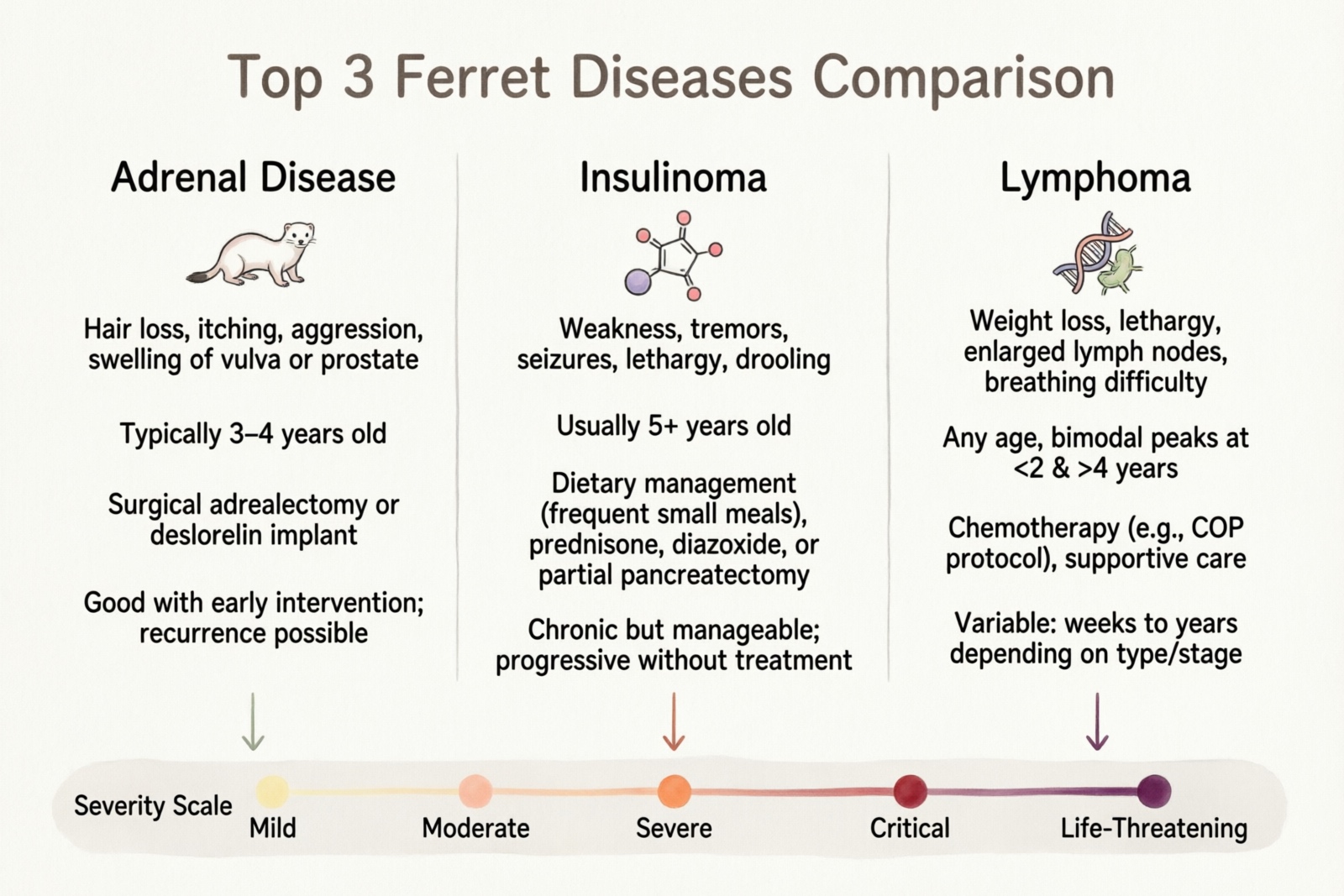
Adrenal disease is a tumor (benign or malignant) of the adrenal glands that causes excessive hormone production. It affects approximately 70% of ferrets over age 3, making it the single most common ferret health problem.
In the United States, most pet ferrets are spayed or neutered at 6-8 weeks of age. This early removal of reproductive organs disrupts normal hormone feedback loops, leading to adrenal hyperplasia and eventually tumor formation. Female ferrets are affected more frequently than males.
Typical onset: 3-5 years of age.
I want to emphasize that this doesn’t mean you should panic once your ferret turns 3. It means you should increase vigilance — start watching for symptoms more carefully, increase vet visit frequency, and know the emergency signs. Many ferrets live healthy lives well past age 5 with proper monitoring and early intervention. The ferrets I’ve seen do best are the ones whose owners caught symptoms early because they knew what to look for.
Symptoms — What to Look For
- Symmetric hair loss — Starting at the tail base and progressing up the back and onto the sides. This is the hallmark symptom.
- Swollen vulva in females — May be mistaken for being in heat
- Prostate enlargement in males — Causes difficulty urinating, which is a medical emergency
- Increased aggression or behavioral changes — Restlessness, irritability
- Muscle wasting — Loss of muscle mass, especially over the back and hips
- Thin, itchy skin — The skin may appear thin and fragile
Treatment Options
| Method | Type | Effectiveness | Cost | Recovery |
|---|---|---|---|---|
| Surgical removal | Curative | ✅ Best option | $800–2,000 | 2-4 weeks |
| Lupron injections | Medical control | ⚠️ Long-term management | $30-60/month | Ongoing |
| Melatonin implant | Adjunct therapy | ⚠️ Moderate | $50-100/treatment | 3-4 months |
| Deslorelin implant | Newer medication | ✅ Good results | $100-200 | 6-12 months |
How Long Do Ferrets Live With Adrenal Disease?
With surgical removal, ferrets can be completely cured and live a normal remaining lifespan. Medical management with Lupron or Deslorelin typically controls symptoms for 2-4 years. Without treatment, symptoms progressively worsen until complications lead to death.
Diet plays a supporting role in hormone balance. A proper ferret diet with appropriate protein and fat levels supports overall endocrine health.
Insulinoma — Ferret Cancer of the Pancreas
What Is Insulinoma?
Insulinoma is a tumor of the pancreatic beta cells that causes excessive insulin production, leading to dangerously low blood sugar (hypoglycemia). It affects approximately 50% of ferrets and is the second most common ferret health problem.
When blood sugar drops too low, the brain is deprived of energy. This causes weakness, disorientation, seizures, and potentially death. Insulinoma cannot be fully prevented, but dietary management can slow its progression.
Typical onset: 3-5 years of age.
Symptoms of Low Blood Sugar
- Hind leg weakness or wobbling — The earliest and most common sign, often mistaken for the ferret being “tired”
- Staring blankly — Unresponsive to normal stimuli
- Excessive drooling — Especially when paired with weakness
- Severe episodes: Seizures, coma, and death
Important: “Hind leg weakness” is frequently dismissed as normal tiredness. In ferrets over age 3, I’d always have it investigated as possible insulinoma.
Emergency: What to Do During a Hypoglycemic Episode
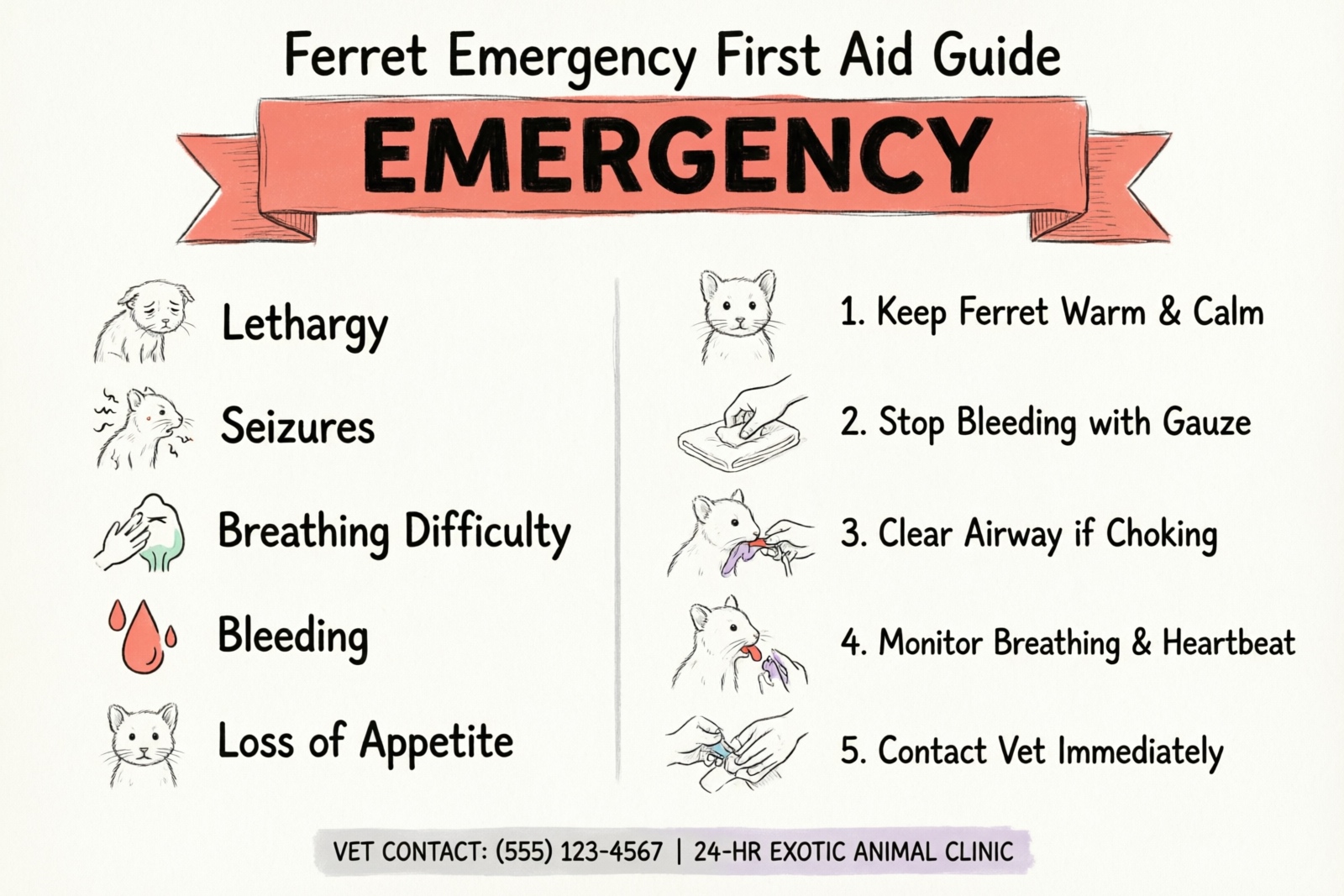
- Immediately apply honey or corn syrup to the gums — This raises blood sugar rapidly through absorption through the oral mucosa
- Wait 1-2 minutes and observe for improvement
- Do not force-feed by mouth — Your ferret may choke
- Once stabilized, go to the vet immediately — This is a medical emergency, not a cure
- Never wait — Hypoglycemic coma can be fatal within hours
Keep honey or corn syrup in your ferret’s first aid kit at all times if your ferret has been diagnosed with insulinoma.
Treatment & Long-Term Management
- Surgery — Partial pancreatectomy ($500-1,500) slows disease progression but doesn’t cure it
- Medication — Prednisone (a steroid) raises blood sugar; diazoxide reduces insulin production
- Diet — High-protein, low-sugar, frequent small meals every 3-4 hours to maintain stable blood sugar
- Monitoring — Regular blood glucose checks are essential for tracking disease progression
Lymphoma — The Most Common Ferret Cancer
Two Types of Ferret Lymphoma
Lymphoma is cancer of the lymphatic system and affects approximately 30% of ferrets. It presents in two distinct forms:
- Juvenile lymphoma (under 2 years) — Highly aggressive, progresses rapidly, poor prognosis
- Adult lymphoma (over 4 years) — Slower progression, more responsive to treatment
Symptoms
- Enlarged lymph nodes — Palpable lumps in the neck, armpits, or groin area
- Enlarged spleen — A firm mass may be felt in the abdomen
- Weight loss and decreased appetite — Progressive and unexplained
- Chronic diarrhea — That doesn’t respond to standard treatment
- Skin lumps or masses — Visible or palpable under the skin
- Difficulty breathing — If lymphoma affects the chest cavity
Diagnosis & Treatment
Diagnosis requires fine needle aspiration biopsy, blood work, and X-rays. Treatment options include:
- Chemotherapy — The most common approach using vincristine and prednisolone; can extend life by 6-12 months
- Surgery — To remove accessible masses
- Supportive care — Nutritional support and pain management
Juvenile lymphoma carries a poor prognosis (weeks to months). Adult lymphoma treated with chemotherapy has a median survival time of 12-18 months.
For more on how health affects longevity, see our ferret lifespan guide.
Dental & Digestive Problems
Gastrointestinal Blockages — A Medical Emergency
Ferrets explore the world with their mouths and will swallow almost anything. Rubber, foam, fabric, plastic, and small toys are all common foreign bodies. Once ingested, these objects can completely block the digestive tract.
Symptoms: Vomiting, diarrhea, excessive drooling, refusal to eat, abdominal pain (hunched posture), and straining to defecate.
Untreated blockages cause intestinal necrosis and death within 24-48 hours. Surgery to remove the obstruction costs $500-2,000.
Prevention: Remove all small objects from your ferret’s environment. Use only ferret-safe toys — see our ferret toys guide for safe options. Ensure your ferret cage doesn’t contain chewable hazards. I’ve seen ferrets swallow everything from rubber bands to foam earplugs to pieces of flip-flops. If an object is small enough to fit in your ferret’s mouth, assume they will try to eat it and remove it from their environment.
Dental Disease
Tartar buildup leads to gingivitis, tooth decay, and eventually tooth loss. Symptoms include bad breath, drooling, difficulty eating, and weight loss.
Prevention: Brush your ferret’s teeth 1-2 times per week using a small finger brush. Annual professional dental cleanings under anesthesia are recommended. A pet dental kit with enzymatic toothpaste and a finger brush designed for small mouths is the most practical option — I’ve found the poultry-flavored toothpaste is well-tolerated by ferrets.
Hairballs
Unlike cats, ferrets cannot vomit up hairballs. Ingested fur accumulates in the stomach and can contribute to blockages. This is especially problematic during shedding seasons (spring and fall).
Prevention: Administer hairball remedy gel regularly — once weekly during normal periods, 2-3 times per week during shedding. A malt-based natural gel helps prevent and reduce hairballs by coating swallowed fur and allowing it to pass through the digestive tract. Most ferrets will lick it directly from your finger.
Skin & Respiratory Problems
Ear Mites — The Most Common Skin Issue
Ear mites (Otodectes cynotis) are extremely common in ferrets. Nearly all kits arrive from breeders with ear mites. Symptoms include frequent ear scratching, head shaking, and dark, coffee-ground-like discharge in the ear canal.
Treatment: Ivermectin drops (prescription) or selamectin (Revolution) applied monthly. Regular cleaning with a vet-recommended ear cleanser prevents reinfection. I’d clean ferret ears weekly as part of routine health maintenance — it takes less than a minute per ferret and prevents the dark, waxy buildup that ear mites cause.
Fleas & Parasites
Fleas cause itching, hair loss, and can transmit diseases. Never use flea products containing pyrethrins or permethrin — these are toxic to ferrets. Only use ferret-safe products like Revolution (selamectin).
For internal parasites, a broad-spectrum dewormer containing fenbendazole is the most widely recommended option by exotic veterinarians. It treats multiple parasite types including roundworms, hookworms, and giardia. Dosage must be calculated by your ferret’s weight — always consult your veterinarian.
Respiratory Infections (Influenza)
Ferrets are among the few animals that can catch the human influenza virus. Symptoms mirror human flu: sneezing, runny nose, lethargy, loss of appetite, and fever. Treatment is supportive care — keep your ferret warm, hydrated, and offer soft food.
Prevention: If you have the flu, avoid handling your ferret until you’ve recovered. Good cage ventilation helps prevent respiratory issues — see our ferret cage setup and large ferret cage guides for enclosure recommendations.
Other Common Respiratory Issues
Beyond influenza, ferrets can develop bacterial pneumonia and upper respiratory infections. Symptoms include wheezing, nasal discharge, and open-mouth breathing. These conditions are more common in ferrets housed in dirty, poorly ventilated environments. A clean cage with good airflow goes a long way toward preventing respiratory problems. If your ferret develops persistent respiratory symptoms, a vet visit is warranted — untreated respiratory infections can progress to pneumonia, which is serious in small animals.
When to Take Your Ferret to the Vet
Routine Vet Visit Schedule
| Age | Visit Frequency | Focus Areas |
|---|---|---|
| 0-1 year | Every 6 months | Vaccinations, neuter check |
| 1-3 years | Annually | Full exam, blood work |
| 3+ years | Every 6 months | Senior screening (glucose, adrenal panels) |
| 5+ years | Every 3-4 months | Close monitoring |
Emergency Vet Visit Triggers
- Seizures or coma — Insulinoma emergency
- Complete food/water refusal for over 24 hours
- Blood in vomit or stool
- Difficulty breathing or blue gums
- Hard, distended abdomen — Possible blockage
- Complete hind leg paralysis
How Much Does Ferret Vet Care Cost?
- Routine exam: $50-100
- Blood work: $100-200
- X-rays: $100-250
- Surgery (adrenal/blockage): $800-2,000
- Chemotherapy (lymphoma): $500-1,500 per course
I’d recommend setting aside $1,000-2,000 as an emergency veterinary fund. Ferret health emergencies are common and can be expensive. I’ve seen too many owners face the difficult choice between their ferret’s life and their bank account — having a fund in place removes that stress. For more on daily care that prevents problems, see our ferret care guide.
Prevention & Routine Health Care
6 Prevention Strategies
- Vaccinations — Canine distemper (annual, 100% fatal if contracted) and rabies (per state law)
- Regular vet exams — Every 6 months after age 3
- Proper diet — High protein, moderate fat, low sugar. A quality ferret diet is foundational
- Safe environment — Remove small swallowable objects, use ferret-safe toys and bedding
- Clean living space — Full cage cleaning weekly, spot cleaning daily, regular ear cleaning
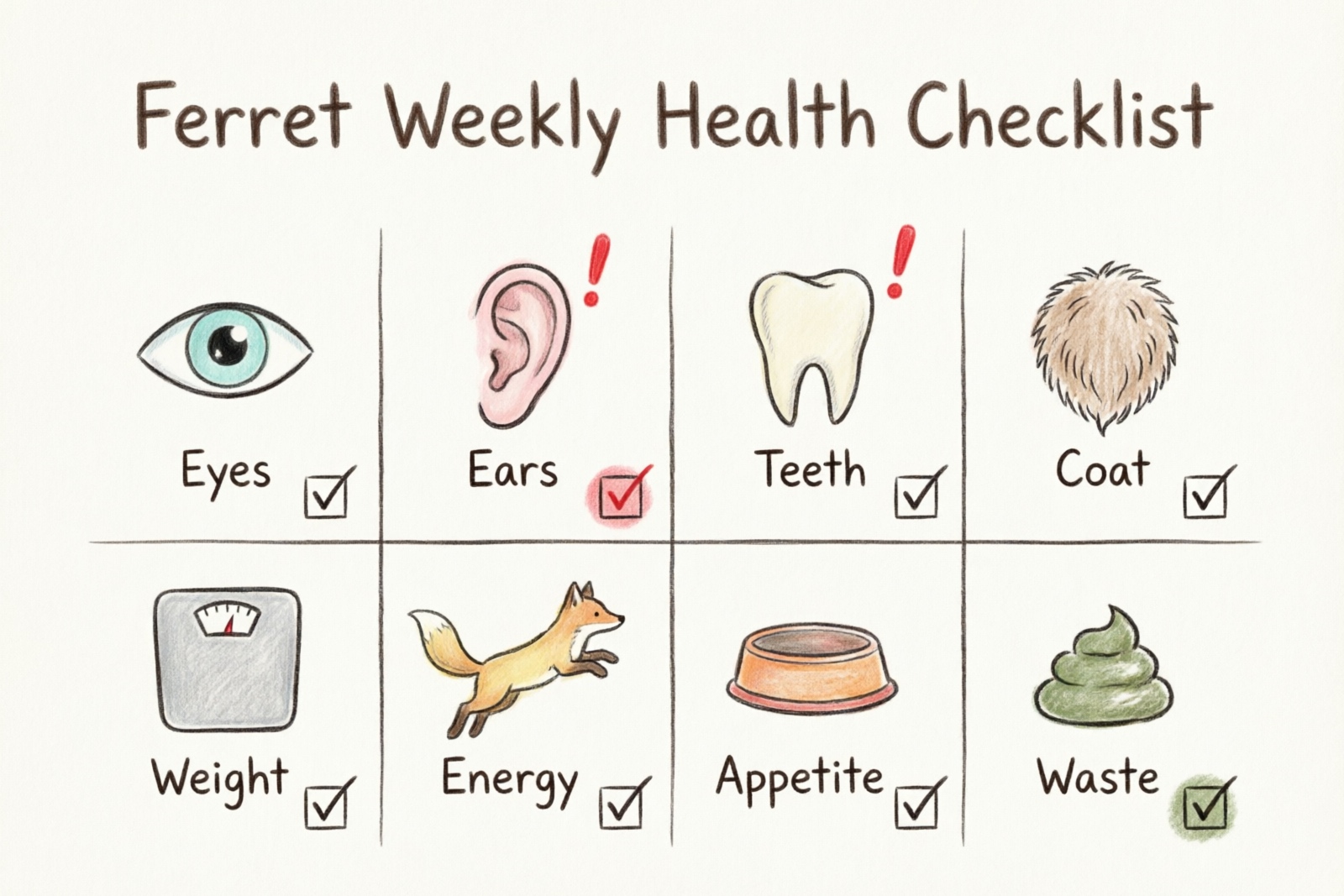
- Weight monitoring — Weigh your ferret monthly and track trends
Health Supplies Checklist
Every ferret owner should keep these essential health supplies on hand:
| Supply | Purpose | Priority |
|---|---|---|
| Digital thermometer | Temperature monitoring | ⭐⭐⭐⭐⭐ |
| Hairball remedy gel | Prevent hairball blockages | ⭐⭐⭐⭐⭐ |
| Ear cleaning solution | Prevent and treat ear mites | ⭐⭐⭐⭐ |
| Dewormer (Panacur) | Treat intestinal parasites | ⭐⭐⭐⭐ |
| Omega-3 supplement | Immune and coat support | ⭐⭐⭐ |
| Dental care kit | Prevent dental disease | ⭐⭐⭐ |
| First aid kit | Emergency preparedness | ⭐⭐⭐⭐⭐ |
For immune and coat support, omega-3 fatty acids from a food-grade salmon oil added to food 2-3 times per week can make a noticeable difference in coat quality within 2 weeks. A vet-approved first aid kit with wound care supplies, bandaging materials, and emergency tools is worth having — keep honey or corn syrup in it specifically for insulinoma-related hypoglycemic emergencies.
FAQ: Ferret Health Questions
What are the most common ferret health problems?
The three most common are adrenal disease (~70% of ferrets), insulinoma (~50%), and lymphoma (~30%). Dental disease, gastrointestinal blockages, ear mites, and respiratory infections are also frequently seen.
What are signs my ferret is sick?
Watch for appetite loss, weight loss, lethargy, hair loss (especially at the tail base), diarrhea, drooling, hind leg weakness, and changes in bathroom habits. See the full list of 10 warning signs above.
How long do ferrets live with adrenal disease?
With surgical removal, ferrets can be cured and live a normal remaining lifespan. With medical management (Lupron or Deslorelin), symptoms are typically controlled for 2-4 years.
What diseases are fatal to ferrets?
Untreated lymphoma can be fatal within months. Untreated insulinoma leads to fatal hypoglycemic coma. Untreated gastrointestinal blockages cause death within 24-48 hours. Early detection and treatment are critical for all three.
Do ferrets need vaccinations?
Yes. Canine distemper vaccination is essential — distemper is 100% fatal in ferrets. Initial series at 8, 12, and 16 weeks, then annual boosters. Rabies vaccination may be required by your state. Only use ferret-specific purified vaccines — cat or dog vaccines can be dangerous for ferrets.
How do I find a ferret veterinarian?
Not all veterinarians treat ferrets. I’d recommend finding an exotic animal vet before you need one — you don’t want to be searching during an emergency. Resources include the Association of Reptilian and Amphibian Veterinarians (ARAV) directory, local reptile and exotic animal clubs, and recommendations from other ferret owners in your area. A good exotic vet will perform thorough wellness exams and understand ferret-specific conditions like adrenal disease and insulinoma.
Can ferrets catch human flu?
Yes. Ferrets are one of the few animals susceptible to human influenza viruses. If you’re sick with the flu, avoid handling your ferret until you’ve recovered to prevent transmission.
This article is for informational purposes only and is not a substitute for professional veterinary advice. If your ferret shows any signs of illness, contact your exotic animal veterinarian immediately.