The ferret litter market has refined its offerings in 2026, with major brands like Marshall and Kaytee introducing improved dust-control formulations that are noticeably gentler on ferrets’ sensitive respiratory systems. Alongside these updates, smaller manufacturers have entered the space with plant-based pellet options that rival traditional paper in odor control. If you haven’t evaluated your ferret’s litter setup since last year, now is an excellent time to revisit the options — especially as the latest products deliver cleaner cages with less effort.
Why the Right Ferret Litter Matters
Choosing the best ferret litter is one of the most important decisions you will make for your pet’s health and your own sanity.
Ferret litter is not the same as cat litter. Ferrets have extremely sensitive respiratory systems and a habit of exploring everything with their noses and mouths. The wrong litter can cause breathing problems, intestinal blockages, or worse.
Ferrets are high-metabolism animals that stay active with the right ferret toys — and with a digestive tract just 3–4 hours long, causing them to defecate 3–10 times daily according to veterinary sources. Litter is a consumable you will buy constantly — choosing the right best ferret litter from the start saves money and protects your pet’s health. Understanding why ferrets smell starts with recognizing that high-protein diet waste and active scent glands make odor control a top priority for every ferret owner. Feeding the best ferret food reduces waste odor at the source.
Litter types that are never safe for ferrets:
- Clumping clay litter — expands when wet, can cause fatal intestinal blockages if ingested
- Silica gel crystals — toxic if swallowed, respiratory irritant
- Scented or fragranced litter — artificial scents trigger respiratory distress
- Non-kiln-dried pine or cedar — natural essential oils are toxic to ferrets
- Corn-based litter — mold risk in humid environments
Clay and clumping products are linked to respiratory health problems in ferrets. Always choose dust-free, non-toxic, non-clumping options specifically formulated for small animals.
Quick Comparison of Top Ferret Litter Picks
| Product | Material | Best For | Price | Size |
|---|---|---|---|---|
| So Phresh Paper Pellets | Paper Pellet | Best Overall | $24.99 | 20 lbs |
| Fresh News | Recycled Paper | Best Value | $24.98 | 40L |
| Kaytee Wood Pellets | Wood Pellet | Best Wood Option | $20.99 | 8 lb |
| Kaytee Critter Litter | Paper Pellet | Best for Training | $15.45 | 8 lb |
| Nature’s Logic Pine | Pine Pellet | Best Budget | $11.99 | 12 lb |
| Blue Mountain Hay Wheat Straw | Wheat Straw | Premium Choice | $34.99 | 20 lb |
| Carefresh White | Paper Bedding | Best Dust-Free | $28.99 | 50L |
| Vitakraft Fresh World | Paper Crumble | Best Odor Control | $20.99 | 16L |
Best Ferret Litter Reviews
Based on safety, odor control, dust level, value, and real user feedback, here are the 8 best ferret litter options available. Whether you need the best ferret litter for odor control or the safest option for a new kit, this section covers each product in detail. Note that litter and bedding serve different purposes — see our guide to ferret bedding options for sleeping area recommendations.
Every product below has been evaluated against ferret-specific safety criteria. We prioritize non-toxic, low-dust, non-clumping options that protect your ferret’s respiratory and digestive health.
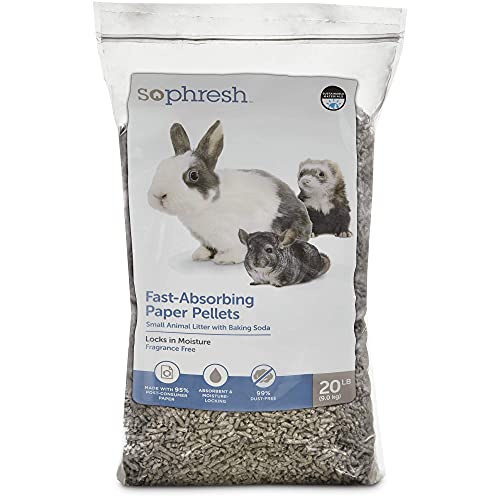
1. So Phresh Paper Pellet Litter — Best Overall
So Phresh Paper Pellets deliver the two things ferret owners need most from a litter — non-clumping paper pellets and a low price per pound. Paper pellets are the top recommended material for ferrets: they are low dust, gentle on paws, and safe if a small amount gets ingested.
The 20 lb bag is one of the best per-pound values among paper pellet litters, which matters because ferrets need frequent full-litter changes to keep ammonia in check.
At $24.99 for a 20 lb bag, it undercuts most dedicated small-animal paper litters while giving you more litter per purchase.
On the downside, paper pellets soften and break down when saturated, so daily spot cleaning keeps the pellets from dissolving into dust. The bag is not resealable, which makes storage less convenient between uses.
Check So Phresh Paper Pellet Litter price on Amazon →
2. Fresh News Recycled Paper Litter — Best Value
Fresh News is a dedicated small animal paper pellet litter made from 100% recycled paper with baking soda for odor control. The 40-liter bag delivers strong value at $24.98 — roughly 62 cents per liter, undercutting most small-bag competitors.
The baking soda additive provides extra odor fighting power. However, some ferret owners prefer to avoid added ingredients. If your ferret has known sensitivities, consider the Marshall option instead.
A long-term user shared: “Outstanding bedding — soft paper pellets, low dust, and noticeably better odor control.” Another confirmed: “Environmentally friendly, absorbs moisture well, helps keep the cage smelling fresh.”
A common complaint: “Pellets break down into mush when wet, making spot cleaning difficult.” The inconsistent pellet quality between batches was also mentioned by multiple reviewers.
Check Fresh News Recycled Paper Litter price on Amazon →
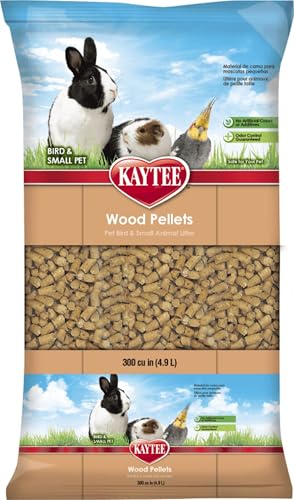
3. Kaytee Wood Pellets — Best Wood Pellet Option
Kaytee Wood Pellets are the most reviewed wood pellet litter for small animals on Amazon. Natural kiln-dried pine provides excellent odor absorption without chemical additives. Wood pellet litter for ferrets works by turning to sawdust when wet, making soiled areas easy to identify.
At $20.99 for an 8 lb bag, Kaytee costs more per pound than farm-store alternatives. But the consistent kiln-drying process ensures no harmful pine oils remain.
This is a safety guarantee you do not get from bulk agricultural pellets. Wood pellet litter for ferrets is popular among experienced owners who prioritize odor control above all else.
One ferret owner raved: “The absolute BEST litter for our ferret — doesn’t stink and turns to dust as she pees in it.” Another noted: “Works much better than hemp or paper bedding for odor control, even better than paper with baking soda.”
The main drawback: “Takes about half a bag to fill a litter pan with 1–2 inches — goes through it fast.” Wet sawdust can also stick to long-haired ferret fur, creating mess outside the litter box.
Check Kaytee Wood Pellets price on Amazon →
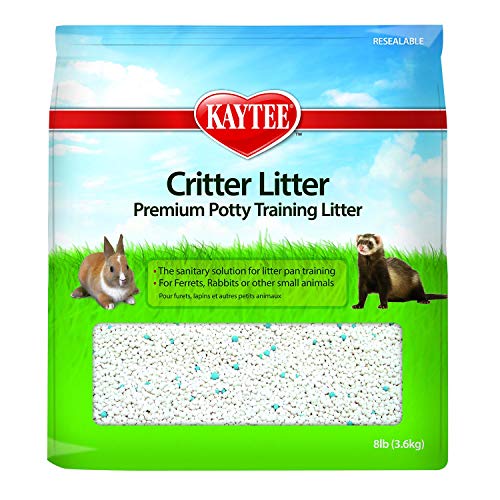
4. Kaytee Critter Litter — Best for Litter Training
Kaytee Critter Litter holds the record with 13,125 Amazon reviews — the most reviewed small animal litter on the platform. It is specifically designed for potty training small animals, making it the go-to choice for new ferret owners working on litter box habits.
At $15.45 for 8 lbs, it is reasonably priced. The non-toxic bentonite clay formula never sticks to fur — a major advantage for long-haired ferrets.
Safety caveat: This product contains bentonite clay. While marketed as safe for small animals, it is not the same as paper pellet litter. One reviewer warned: “Wet pellets turn into a clay material that hardens and is hard to clean from the box.” Another concern: “Some animals try to eat the pellets which is concerning.”
Use this product specifically for the litter training phase, then transition to paper or wood pellets for long-term use.
Check Kaytee Critter Litter price on Amazon →
5. Nature’s Logic Pine Pellet Litter — Best Budget Pick
At $11.99 for a 12 lb bag, Nature’s Logic is the cheapest per-pound option in this lineup.
The 100% natural ponderosa pine contains no chemicals or additives. Pellets break down into sawdust when wet for easy sifting.
The pine scent naturally neutralizes urine odor effectively. One user confirmed: “Horrible urine smell is completely GONE since switching to this natural pine litter.” Another praised the value: “Best value pine pellet litter — $12 for a bag that lasts a month.”
However, pine scent may irritate sensitive ferrets. One reviewer noted: “Some cats developed respiratory issues from the pine — may be a concern for ferrets too.” The sawdust at the bottom of the bag can also be dusty, with one owner reporting: “One of my rabbits started sneezing.”
This product is marketed for cats rather than small animals, so safety information specific to ferrets is limited.
Check Nature’s Logic Pine Pellet price on Amazon →
6. Blue Mountain Hay Organic Wheat Straw Pellets — Best Premium
Blue Mountain Hay’s organic wheat straw pellets fill the same premium wheat-straw slot. At $34.99 for 20 lbs, it is still the expensive option — but wheat straw absorption is why this category exists for serious ferret owners.
Wheat straw pellets wick moisture to the bottom while keeping the surface layer dry. This means your ferret’s feet stay clean even between cleanings. The material is safe if ingested and produces very low dust.
One owner compared: “Superior to Yesterday’s News — better absorption and you can scoop out only the soiled bits.” Another noted: “My rabbit’s litter box never has standing urine — the wheat straw absorbs it all.”
Drawbacks include the price and pellet size. “At $35 for 20 lbs it’s significantly more expensive than alternatives.” The larger pellets may not fit well in corner litter boxes common in ferret cages.
Check Blue Mountain Hay wheat straw price on Amazon →
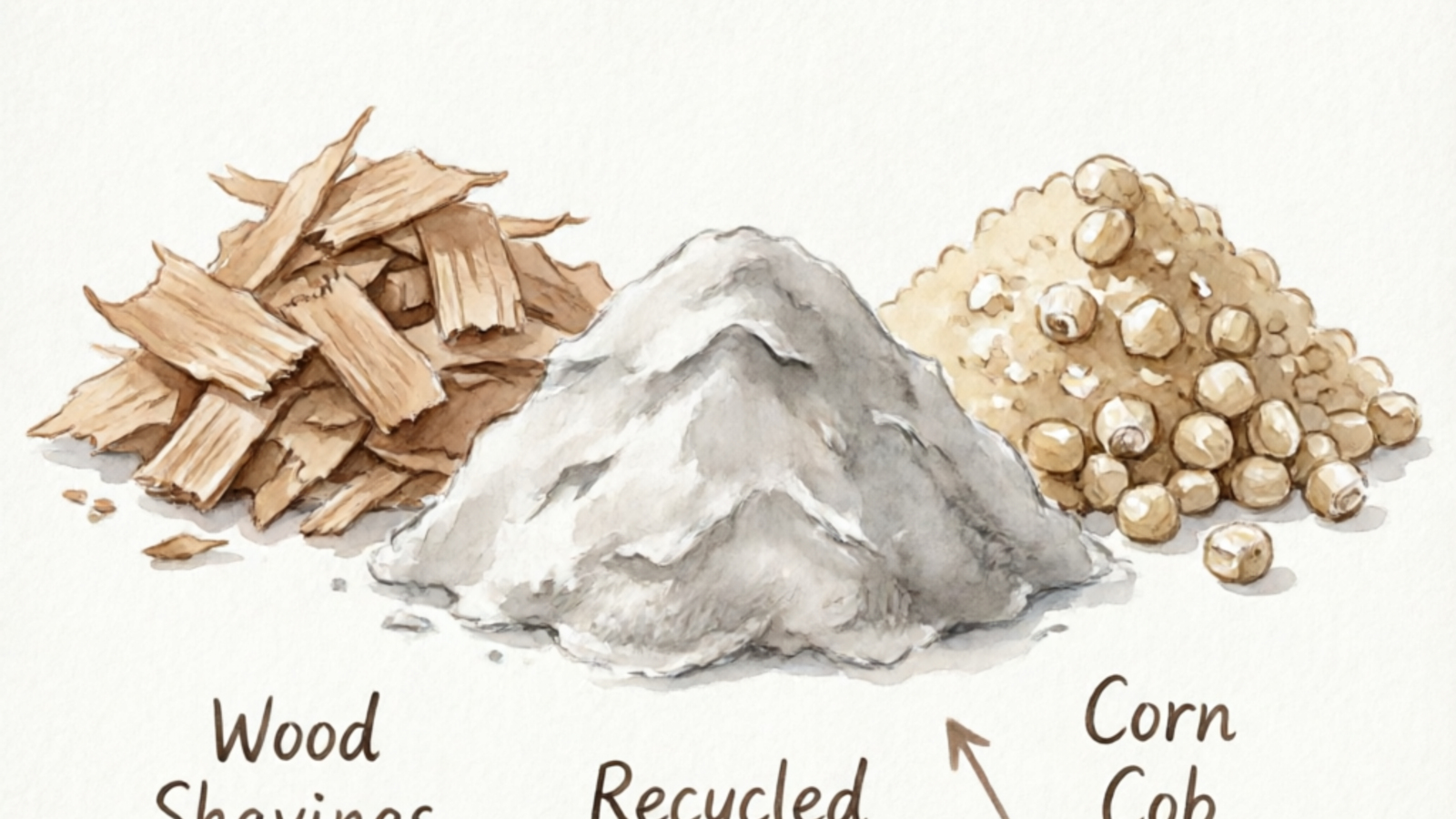
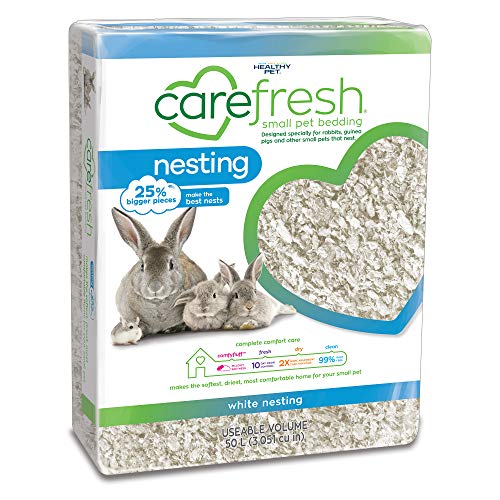
7. Carefresh 99% Dust-Free White Paper Bedding — Best Dust-Free Option
Carefresh holds the Amazon record for most reviewed small animal bedding across their product line. Their 99% dust-free formula is the best choice for ferrets with respiratory sensitivities or for owners concerned about dust free ferret litter performance.
At $28.99 for 50 liters, the volume-to-price ratio is still strong. The paper bedding format wicks moisture to the bottom while keeping the surface dry for up to 10 days of odor control.
One owner confirmed: “99% dust-free is no joke — significant decrease in dust compared to other brands.” Another said: “Odor control is amazing — no smell between cleanings for a full week.”
The key limitation is the format. Paper bedding (fluffy crumbles) gets tracked outside the cage more easily than pellets.
One reviewer noted: “Fluffy bedding format gets tracked everywhere by active ferrets.” This makes Carefresh better suited as bedding rather than a dedicated litter box filler.
Check Carefresh Paper Bedding price on Amazon →
8. Vitakraft Fresh World Ultra Strength — Best Odor Control
For multi-ferret households battling intense odor, Vitakraft Fresh World Ultra Strength is the best ferret litter for odor control. The Ultra Strength formula delivers the strongest odor fighting performance in the lineup at $20.99 for 16 liters.
The resealable bag is a practical feature that other brands lack. It keeps the litter fresh between uses and prevents moisture from degrading unused product.
One reviewer stated: “THE ONLY bedding that keeps small animal cage smells at bay for more than 3 days.” Another confirmed: “Truly odor free — lasts well over a week between full changes.”
Be aware of the scent. One owner cautioned: “Has a slight perfume-y scent that isn’t ideal for sensitive animals like rats.”
The paper crumble format also tracks easily outside the cage. The 16-liter bag goes fast with multiple ferrets, requiring frequent repurchasing.
Check Vitakraft Fresh World price on Amazon →
Ferret Litter Types Compared — Paper vs Wood vs Wheat
The ferret litter pellets vs paper debate comes down to your priorities. Here is how the three main materials compare across eight factors.
| Feature | Paper Pellets | Wood Pellets | Wheat Straw |
|---|---|---|---|
| Odor Control | Good | Excellent | Good |
| Dust Level | Very Low | Low | Low |
| Safety if Ingested | Safe | Safe (if kiln-dried) | Safe |
| Absorption | Good | Excellent | Very Good |
| Flushable | Yes | No | Yes |
| Cost per lb | $$ | $ | $$$ |
| Tracking | Low | Medium (sawdust when wet) | Low |
| Ferret-Specific | Marshall is only option | No | No |
Paper pellets offer the best all-around safety profile. They produce minimal dust, will not harm your ferret if nibbled, and are flushable for easy cleanup. Marshall Pet Products is the only brand formulated specifically for ferrets. Rabbit owners also use paper pellets — see our best rabbit litter guide for cross-species recommendations.
Wood pellets provide the strongest odor control. Kiln-dried pine naturally neutralizes ammonia from urine. The trade-off is mess — wet sawdust sticks to fur and tracks outside the box. For proper cage placement tips, see our ferret cage setup guide. Hamster owners face similar decisions — our aspen vs pine bedding comparison covers the same safety considerations for small animals.
Wheat straw is the premium material with excellent absorption and low tracking. Blue Mountain Hay wheat straw pellets are the standout product here. The higher price per pound is the main barrier for most owners.
Is Clumping Litter Safe for Ferrets?
No. Clumping litter is not safe for ferrets. This is the most important safety rule in ferret care. It includes both clay-based and plant-based clumping formulas.
The question is clumping litter safe for ferrets comes up frequently. Many new ferret owners assume cat litter works fine.
Clumping litter works by expanding when it contacts moisture. If a ferret ingests even a small amount during grooming or exploration, the material expands in the digestive tract. This can cause life-threatening intestinal blockages that require emergency surgery.
Ferrets are particularly vulnerable to litter-related illness because they explore with their mouths, dig in their litter, and groom themselves frequently. A curious ferret nibbling on a clumping pellet can create a medical emergency within hours.
5 Things Never to Use as Ferret Litter:
- ** Clumping clay litter** — Bentonite clay can expand up to 15–20 times its original volume when wet (Journal of Veterinary Emergency and Critical Care). Ingestion causes intestinal blockages.
- ** Silica gel crystal litter** — Toxic if swallowed. Sharp crystals can cut delicate mouth and digestive tissue.
- ** Scented or fragranced litter** — Artificial fragrances irritate ferret respiratory systems, which are far more sensitive than cats.
- ** Non-kiln-dried pine or cedar** — Natural essential oils (phenols) in untreated wood are toxic and cause liver damage over time.
- ** Corn-based clumping litter** — High mold risk in humid environments. Ferrets dig and burrow, increasing contact risk.
The American Ferret Association (ferret.org) recommends recycled paper pellet litter as the safest option for ferret enclosures. According to West Davis Veterinary Clinic, intestinal obstruction from inappropriate litter materials is the number one cause of premature death in ferrets. For detailed information on respiratory conditions caused by inappropriate litter, see our guide to ferret respiratory issues.
How to Set Up Your Ferret Litter Box
Proper ferret litter box setup makes the difference between a clean cage and a constant mess. Follow these five steps.
Step 1: Choose the right box. Ferrets prefer corner litter boxes that attach to the cage wall. The box should be large enough for your ferret to stand in comfortably with all four feet. Avoid low-sided boxes — ferrets will back up and poop over the edge.
Step 2: Add the right amount. Fill the box 1–2 inches deep. Too little litter reduces absorption. Too much encourages digging and waste. Ferrets naturally dig in deep substrate.
Step 3: Placement matters. Position litter boxes away from sleeping areas and food dishes. Ferrets typically eliminate in corners, so place boxes in the corners they already favor. Most ferret cages need at least two boxes — one on each level of a multi-level ferret cage setup.
Step 4: Daily cleaning routine. Remove soiled litter daily. Leave a small amount of used litter behind — the scent guides your ferret back to the correct spot. This is especially important during training. See our complete litter training guide for detailed training methods.
Step 5: Full replacement schedule. Empty the entire box, wash with mild soap and water, and refill with fresh litter once per week. Avoid harsh chemicals like bleach or ammonia — residual fumes can irritate your ferret’s sensitive respiratory system. Rinse thoroughly and dry before refilling.
Monthly cost estimate: For a 2-ferret household, expect to spend $15–35 per month on litter depending on the material you choose. Paper pellets run about $25/month, wood pellets around $20/month, and wheat straw about $30/month. Buying in bulk when available reduces per-month costs significantly.
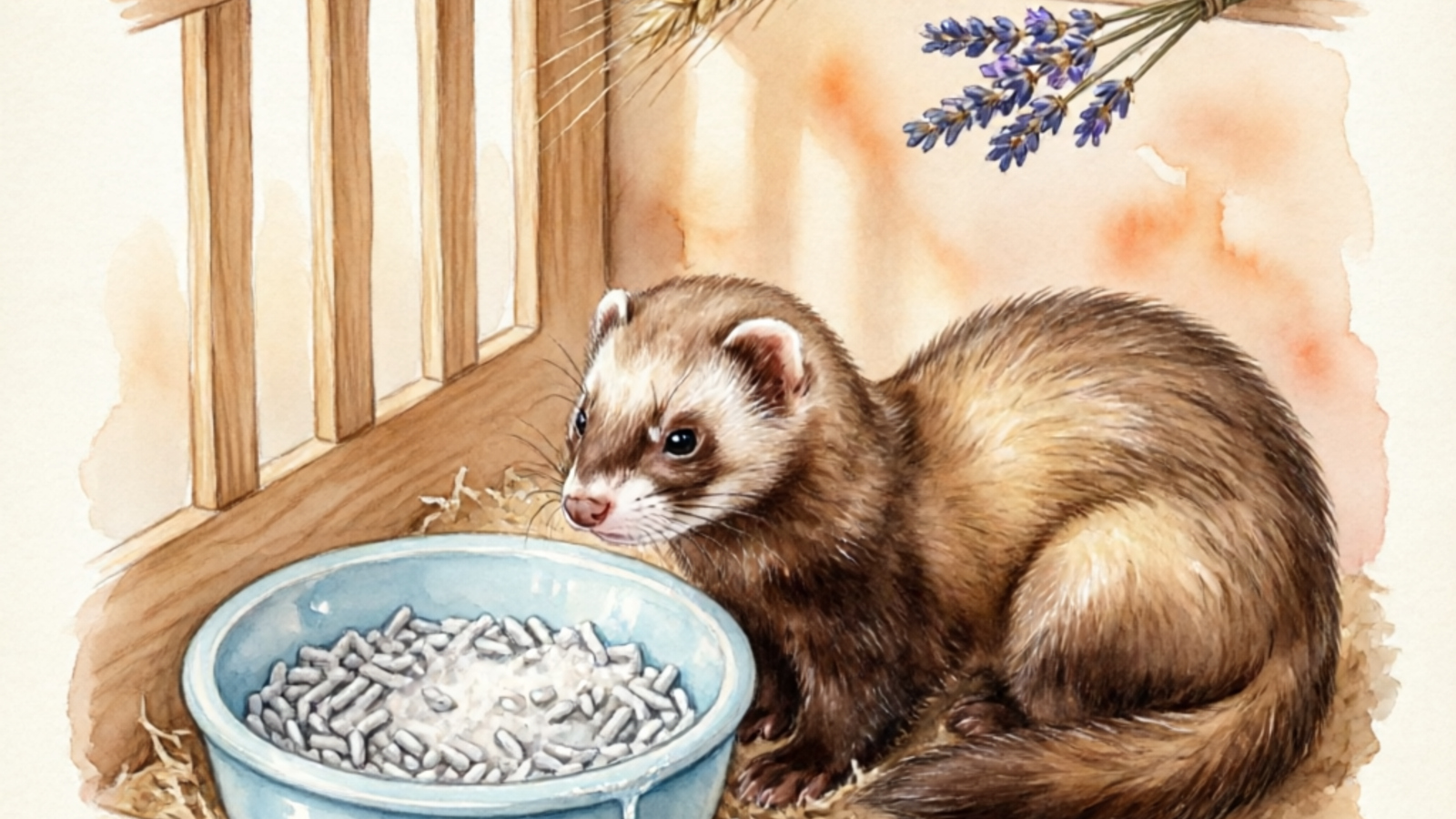
The best ferret litter is only effective when paired with proper box maintenance and consistent training. Even the highest-rated product will underperform if the box is too small, poorly placed, or cleaned infrequently. Ferrets are fastidious about their bathroom habits when given the right setup — they genuinely prefer a clean, well-placed litter box over going outside the box.
Ferret Litter FAQ
What is the best litter to use for ferrets?
Recycled paper pellet litter is the safest and most effective choice for ferrets. Marshall Pet Products Ferret Litter is the only ferret-specific option available and offers the best overall balance of safety, odor control, and ease of daily cleanup.
How much litter should I put in a ferret litter box?
Fill your ferret’s litter box 1 to 2 inches deep. This provides enough absorption without wasting material or encouraging your ferret to dig it all out of the box.
How often should I change ferret litter?
Spot clean daily by removing soiled areas and add fresh litter as needed. Do a full litter change and wash the box with mild soap once per week to prevent bacteria buildup and lingering odors.
Can I use cat litter for my ferret?
Most cat litter is not safe for ferrets. Avoid clumping clay, silica gel crystals, and scented varieties entirely. These can cause intestinal blockages, toxicity, or respiratory irritation in ferrets.
Is paper pellet litter safe if my ferret eats it?
Yes, paper pellet litter is non-toxic and safe if accidentally ingested in small amounts. This is one of the main reasons paper pellets are the top recommended material for ferrets over clay or clumping alternatives.