Quick Answer
If you are wondering why is my chinchilla not eating, the most urgent possibility is GI stasis — a slowdown or stoppage of the digestive tract. Chinchillas need constant food movement through their gut, so not eating for even 12-24 hours is dangerous. Other common reasons why is my chinchilla not eating include overgrown teeth, stress, respiratory infection, and dental disease.
Why Is My Chinchilla Not Eating?
Chinchillas have delicate digestive systems that require constant motion. When a chinchilla stops eating, the situation escalates quickly. If you are asking why is my chinchilla not eating, understanding the cause is the first step. The question why is my chinchilla not eating is one of the most urgent concerns a chinchilla owner can face.
Common Reasons
1. Gastrointestinal Stasis
GI stasis is the most dangerous answer to why is my chinchilla not eating. It occurs when the digestive tract slows down or stops moving food through. This creates a vicious cycle: the gut slows down, the chinchilla feels too uncomfortable to eat, and the lack of food makes the gut slow down even more.
Signs of GI stasis:
- Small, dry, or no droppings at all
- Bloated or firm belly
- Hunched posture with the face tucked toward the belly
- Teeth grinding — a sign of abdominal pain
- Lethargy and hiding
When GI stasis explains why is my chinchilla not eating, you need to act fast. Syringe-feed Oxbow Critical Care, which is a vet-recommended herbivore recovery formula. Mix it with warm water to a pudding consistency and offer small amounts every 2-3 hours. Gut motility supplements and critical care feeding can reverse early GI stasis, but advanced cases require veterinary treatment. I have seen chinchillas recover fully when GI stasis is caught within the first 12 hours. For more on feeding, see our chinchilla food guide.
2. Dental Problems
Chinchillas have teeth that grow continuously throughout their lives. They wear them down by chewing hay and gnawing on safe wood. If teeth become overgrown, develop sharp points (malocclusion), or develop tooth root abscesses, eating becomes painful or physically impossible. Dental problems are one of the most overlooked answers to why is my chinchilla not eating.
Signs of dental problems:
- Dropping food from the mouth while trying to eat
- Chewing on one side only
- Wet chin from excessive drooling
- Weight loss despite appearing interested in food
- Pawing at the mouth or swelling around the jaw
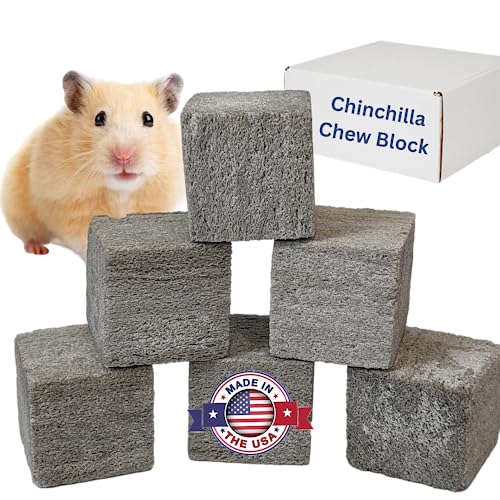
If dental problems are the reason why is my chinchilla not eating, a vet needs to examine and trim the teeth, usually under anesthesia. At home, provide plenty of Timothy hay and Billy Buckskin lava blocks for natural teeth wear. For chinchilla-safe chew options, see our best chinchilla toys guide.
3. Stress
Stress can cause a chinchilla to stop eating, and it is one of the more common reasons why is my chinchilla not eating that owners underestimate. Chinchillas are prey animals that startle easily. A new cage, a move to a new home, loud noises, or the presence of predatory pets like cats can all trigger stress-related appetite loss.
Signs stress is the cause:
- The chinchilla eats normally when alone but stops when you are nearby
- Fur chewing or excessive barbering
- Hiding more than usual
- Barking or alarm calls at night
- The appetite loss started after a change in the environment
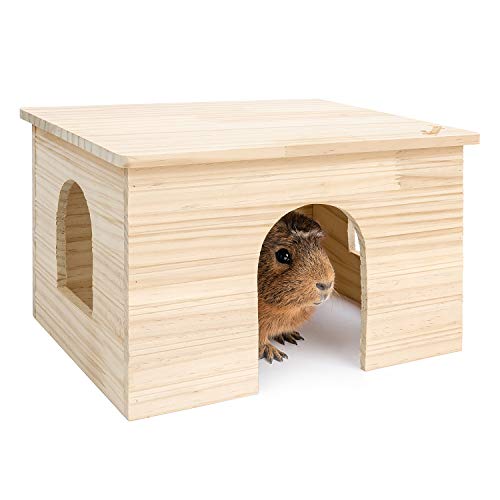
If stress explains why is my chinchilla not eating, the fix is environmental. Provide a secure hiding spot like a Niteangel wood house so your chinchilla has a safe retreat. Keep the cage in a quiet room away from TVs and busy foot traffic. Limit handling to short sessions until your chinchilla settles in. Most stress-related appetite loss resolves within 3-5 days once the chinchilla feels safe. A properly sized chinchilla cage with multiple levels and hiding spots makes a big difference.
4. Respiratory Infection
Respiratory infections can make it difficult for a chinchilla to breathe, and a chinchilla that cannot breathe comfortably will not eat. If your chinchilla has a respiratory infection, that could be the reason why is my chinchilla not eating.
Signs of respiratory infection:
- Wheezing, clicking, or crackling sounds when breathing
- Nasal discharge or crusting around the nose
- Eyes that are half-closed or watery
- Labored breathing — the chest moves visibly with each breath
- The chinchilla holds its head tilted upward to breathe more easily
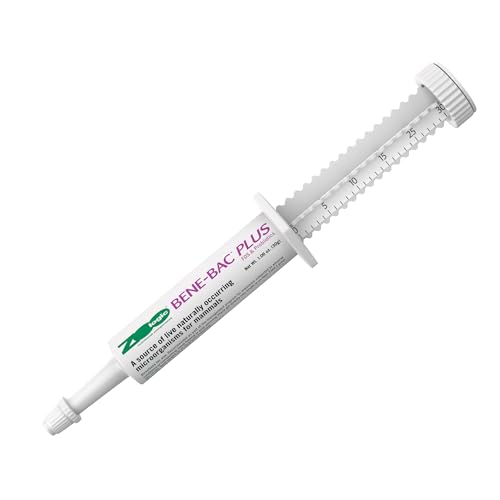
What to do: Respiratory infections require antibiotics from a vet. If illness is the answer to why is my chinchilla not eating, do not wait. Chinchillas can deteriorate quickly. Keep your chinchilla warm and offer Oxbow Critical Care by syringe while waiting for the vet appointment. After antibiotic treatment, Bene-Bac Plus probiotic gel helps restore the gut bacteria that antibiotics can destroy. For more on chinchilla health, read our chinchilla care guide.
5. Diet Change or Food Quality Issues
Chinchillas are creatures of habit with food. If you recently switched pellet brands, changed the type of hay, or introduced a new treat, that could explain why is my chinchilla not eating. Chinchillas may also reject pellets that have gone stale or hay that has lost its freshness.
Signs food is the problem:
- The appetite loss started right after a diet change
- The chinchilla sniffs the food and walks away
- The chinchilla eats hay but refuses pellets, or vice versa
- No other symptoms of illness
What to do: If a diet change is the reason why is my chinchilla not eating, transition back to the previous food gradually over 5-7 days. Mix the old food with the new food in increasing proportions. If your chinchilla has simply lost interest in plain pellets, offering a small amount of Kaytee Fiesta Chinchilla Food as a topper can stimulate appetite — the variety of ingredients often gets reluctant eaters started again. For our food recommendations, see the best chinchilla food guide.
When to See a Vet
When why is my chinchilla not eating lasts more than 12 hours, it is time to consider professional help.
| Symptom | Urgency | Timeline |
|---|---|---|
| Not eating + no droppings | Critical | Vet immediately |
| Not eating + bloated belly | Critical | Vet immediately |
| Not eating + teeth grinding | Critical | Vet immediately |
| Not eating + labored breathing | High | Vet within 12 hours |
| Not eating + drooling | High | Vet within 24 hours |
| Not eating but active and passing droppings | Medium | Vet within 48 hours |
| Not eating after diet change | Low | Monitor for 24 hours |
When investigating why is my chinchilla not eating, always check the droppings first. Small, dry, or absent droppings point to GI stasis. Normal droppings with no eating suggest a different cause. The droppings tell you more than almost any other sign. For more on chinchilla health conditions, see our chinchilla lifespan and health guide.
Recommended Products
Oxbow Critical Care Herbivore Vet-recommended recovery formula for chinchillas that have stopped eating. Syringe-feed every 2-3 hours. Every chinchilla owner should keep a package in their emergency kit.
Kaytee Fiesta Chinchilla Food The variety in this mixed food stimulates appetite when a chinchilla refuses plain pellets. Use as a topper, not a sole diet.
Niteangel Wood House with Window A secure hideout reduces stress — a common cause of appetite loss. The window lets you check on your chinchilla without disturbing them.
Billy Buckskin Lava Blocks 6-Pack Lava blocks provide safe gnawing surface for natural teeth wear. Place several around the cage to prevent overgrown teeth.
Bene-Bac Plus Probiotic Gel Restores gut bacteria after antibiotic treatment or GI stasis. I have covered it after every course of antibiotics with good results.
Frequently Asked Questions
Why is my chinchilla not eating but still drinking water? When why is my chinchilla not eating is the problem but your chinchilla is still drinking water, GI stasis or dental problems are the most likely causes. The chinchilla may want to eat but finds it too painful. Check droppings — if they are small or absent, GI stasis is likely. If the chinchilla drools or drops food, dental issues are probable.
Why is my chinchilla not eating after a dust bath? Some chinchillas get stressed by bath time and may temporarily lose their appetite. This should resolve within a few hours. If why is my chinchilla not eating started right after a bath and persists beyond 12 hours, check for other symptoms.
Why is my chinchilla not eating and hiding? The combination of not eating and hiding almost always points to stress or illness. If the behavior started after a change — new cage, new home, new pet — stress is likely. If there is no obvious change, illness such as GI stasis or respiratory infection should be ruled out by a vet.
Can I force-feed my chinchilla? Do not force solid food. You can syringe-feed a recovery formula like Oxbow Critical Care, which is designed for this purpose. Force-feeding solid food can cause choking or aspiration. Syringe small amounts slowly, letting the chinchilla swallow between each dose.
Why is my chinchilla not eating its pellets but eating treats? When why is my chinchilla not eating only applies to pellets Chinchillas will hold out for treats if they know treats are available. Stop offering treats until your chinchilla is eating pellets consistently again. If the refusal persists, the pellets may be stale — try a fresh bag.
Why is my chinchilla not eating and losing weight? If why is my chinchilla not eating is accompanied by weight loss, the situation is serious. The most common causes are dental disease and GI stasis, both requiring veterinary attention. If your chinchilla has lost noticeable weight — you can feel the spine or hip bones more prominently — schedule a vet visit immediately.