Why Glass Water Bottles Are Essential for Chinchillas
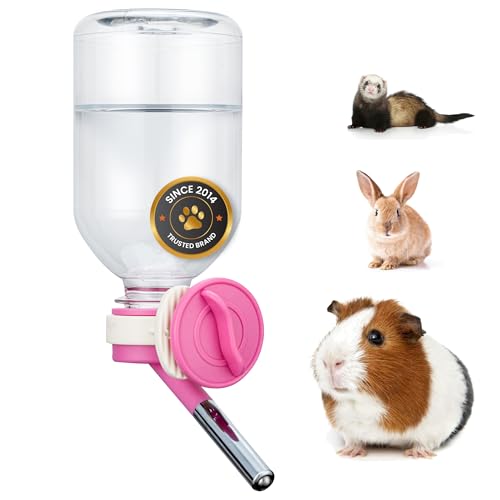
A quality chinchilla water bottle is a cage-mounted water dispenser designed to prevent spills and keep drinking water clean and fresh at all times. For chinchillas, the critical requirement is a glass body with a chew-proof stainless steel spout.
Chinchillas are among the heaviest chewers in the small pet world. They chew through plastic bottles, nozzles, and even mounting hardware if given access. Ingested chinchilla water bottle plastic causes intestinal blockages — a veterinary emergency that can be fatal within hours.
The right chinchilla water bottle keeps your pet hydrated safely. The wrong chinchilla water bottle risks both choking hazards and dehydration if the nozzle stops dispensing. This is part of your daily chinchilla care routine that cannot be skipped — fresh water must be available twenty-four hours a day.
The distinction between glass and plastic bottles is the single most important factor in chinchilla water bottle selection. Owners who switch from plastic to glass notice fewer cage-maintenance issues — no chewed-up bottles, no plastic shavings in the bedding.
Every chinchilla water bottle must be checked daily — glass bottles cannot be chewed, are dishwasher-safe, odor-free, and last for years. (Veterinary Partner (VIN): “Glass bottles are generally better for chinchillas.”)
A BPA-free chinchilla water bottle is acceptable only if the bottle body hangs completely outside the cage, out of chewing reach. Regular plastic should never be used with chinchillas.
Your water bottle attaches directly to your chinchilla cage wire bars. The mounting position matters — place it at your chinchilla’s shoulder height for comfortable drinking access.
If the bottle is too high, your chinchilla will struggle to reach the spout. Too low and bedding debris can clog the nozzle.
How to Set Up a Chinchilla Water Bottle
Proper chinchilla water bottle setup prevents the most common problems: leaking, nozzle clogging, and dehydration from a stuck ball-bearing. (PubMed 14511138 (Wolf 2003, 42 citations): Chinchillas’ daily water intake is 30-40 ml, meaning even one missed day without water is clinically significant.)
Step 1: Choose Glass Over Plastic
Select a glass bottle with a stainless steel spout. Verify the spout is metal — some “glass” bottles still have plastic nozzle attachments that chinchillas can destroy.
Step 2: Mount at Shoulder Height
Position the chinchilla water bottle on the cage wall at your chinchilla’s shoulder height. The spout should be easily reachable without stretching or straining. If the bottle is too high, your chinchilla won’t drink enough; too low and bedding debris will clog the nozzle.
Step 3: Fill, Burp, and Check Flow
Fill the bottle with fresh, filtered water. After attaching it to the cage, gently squeeze the bottle to force a few drops through the spout — this creates the vacuum seal needed for drip-free operation. Tap the ball-bearing and watch for water flow. — VCA Animal Hospitals: 30-90 ml per kg of body weight.)
Step 4: Train Your Chinchilla to Use It
New chinchillas may take 48 hours to discover the bottle. Tap the ball-bearing while your chinchilla watches. Rub a small treat on the nozzle. Keep the bottle in the same location as the old water source to help your chinchilla form a location habit.
Step 5: Establish a Weekly Cleaning Schedule
Soak the nozzle in white vinegar weekly to dissolve mineral deposits that cause dripping. (ChinchillaCareSA (Facebook community): “Glass bottles are also more sanitary — plastic bottles can leech chemicals into the water over time and harbor bacteria more easily than glass.”) Rinse thoroughly before refilling. Use filtered or distilled water to reduce mineral buildup.
Best Chinchilla Water Bottle — Quick Comparison
The chinchilla water bottle hub-spoke cluster now spans four species: best hamster water bottle, best guinea pig water bottle, best rabbit water bottle, and this chinchilla guide. Many products appear across multiple guides because they serve several small animal species.
Choosing the best chinchilla water bottle matters because the wrong one can leak, chip teeth, or even crack under chewing pressure. Based on community feedback, here are eight chinchilla water bottle options ranked by safety, leak resistance, and chew-proof design.
| Product | Price | Type | Key Feature | Best For |
|---|---|---|---|---|
| HardcorePet Chew-Proof Glass 350ml | $22.99 | Glass | Chew-proof glass + stainless nozzle | Most owners (top pick) |
| Lixit Heavy Duty Glass 32oz | $13.99 | Glass | Thick glass, 17-year lifespan | Maximum capacity |
| HardcorePet Chew-Proof Glass 20.2oz | $24.98 | Glass | 20.2oz chew-proof glass + stainless nozzle | Large capacity |
| Choco Nose No-Drip 10.2oz | $12.49 | BPA-Free | Patented no-drip nozzle | Leak prevention |
| Lixit Wide Mouth 16oz | $12.49 | BPA-Free | Wide mouth for easy cleaning | Easy filling |
| Kaytee Clear View 32oz | $17.58 | BPA-Free | Huge 32oz, floating duck | Large cages |
| Lixit Flat Sided 6oz | $7.99 | Glass | Budget glass, floating turtle | Single chinchillas |
| Vannon Top Fill 23oz | $15.99 | BPA-Free | Top-fill, no removal needed | Convenient refilling |
Top Pick: HardcorePet Chew-Proof Glass 350ml — the best overall combination of chew-proof safety, manageable capacity, and community trust at $22.99.
Budget: Lixit Flat Sided 6oz — the cheapest glass option for single chinchillas at $7.99. Just be prepared for frequent refills given the small capacity.
8 Best Chinchilla Water Bottles Reviewed
1. HardcorePet Chew-Proof Glass Water Bottle 350ml — Top Pick
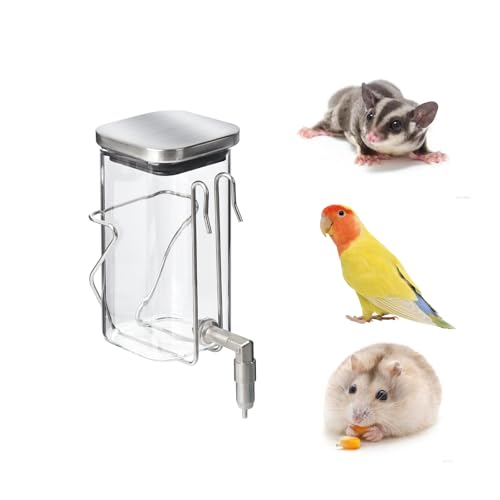
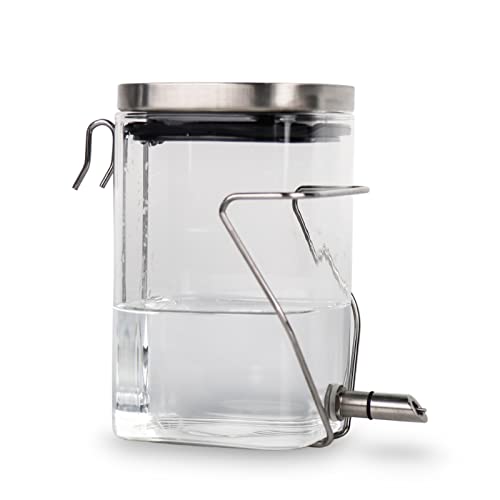
The HardcorePet Chew-Proof Glass Water Bottle combines a glass body with a chew-resistant stainless nozzle for wire cages, making it a reliable chinchilla water bottle option for most setups. At 350ml (~12 ounces), this chinchilla water bottle covers a single chinchilla for a few days between refills.
A floating duck indicator shows the water level at a glance. The spring attachment fits most standard wire cage bars and keeps the bottle secure.
What we like: The chew-proof glass body holds up against persistent chewers. A floating duck indicator shows the water level at a glance, and the clear glass makes refills easy to time — a single adult chinchilla goes a couple of days between refills.
What could be better: Leaking is the most common complaint after months of use. The ball-bearing tip can develop mineral buildup that causes dripping. The cap is difficult to unscrew during refills.
2. Lixit Heavy Duty Deluxe Glass Water Bottle 32oz — Premium Pick
The Lixit Heavy Duty Deluxe is built with thick durable glass and offers the largest capacity in this lineup at 32 ounces. The heavy-duty construction is designed to withstand years of daily use.
This chinchilla glass water bottle is ideal for owners who want maximum capacity with proven glass durability.
What we like: A reviewer reported using the same Lixit glass bottle for 17 years. The thick glass feels substantially more durable than standard bottles.
What could be better: Ball-bearing leaking is a recurring problem. Multiple owners reported constant dripping from the spout tip. A reviewer noted a chemical smell from the rubber stopper after water sits for a day.
“I’ve had one I’ve been using for 17 years and it’s still great.”
3. HardcorePet Chew-Proof Glass Water Bottle 20.2oz — Large Capacity
The HardcorePet 20.2oz (600ml) glass bottle is the larger sibling of the 350ml top pick. Same chew-proof glass body and 304 stainless nozzle, with enough capacity for a pair or a thirsty adult.
The 20.2-ounce size covers two to three days between refills for a single adult. A stainless holder hangs on the cage so you don’t need a separate bracket.
What we like: Glass body plus bite-resistant stainless nozzle. 600ml capacity matches the old 20oz CLASSIC slot without dropping to a smaller European SKU.
What could be better: Glass is heavier than plastic, and the first-time spring mount takes a minute to seat. Check the gasket before first use.
4. Choco Nose No-Drip Water Bottle 10.2oz — Best No-Drip Design
The Choco Nose H528 features a patented no-drip nozzle designed to eliminate the leaking problem that plagues ball-bearing bottles. It is the best-selling bottle in this lineup.
However, this BPA-free plastic chinchilla water bottle is not glass. It is only safe for chinchillas if mounted completely outside the cage where the bottle body cannot be reached.
What we like: The pop-off refill design makes refilling fast without removing the entire bottle. An owner called it “the best no-drip water bottle we have found.”
What could be better: The plastic body is a chewing risk if accessible to your chinchilla. The 10.2-ounce capacity requires daily refills for adult chinchillas. A reviewer reported the plastic screw broke after a few weeks of use.
“Finally found something that doesn’t leak. Easy to pop off and refill — worth every penny!”
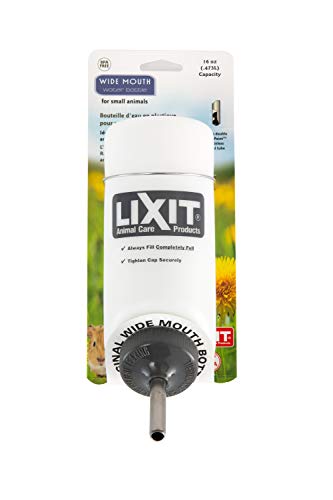
5. Lixit Wide Mouth BPA-Free Water Bottle 16oz — Easy Fill
The Lixit Wide Mouth features an angled nozzle and a wider bottle opening that makes filling and cleaning easier than standard narrow-mouth bottles. The 16-ounce capacity provides adequate water for a single chinchilla.
Like the Choco Nose, this BPA-free plastic chinchilla water bottle The body must hang outside the cage, away from your chinchilla’s teeth.
What we like: The wide mouth design genuinely makes cleaning easier — no special bottle brushes needed. An owner noted the angled nozzle is “genius” for filling in small sinks.
What could be better: Chronic leaking is the dominant complaint across thousands of reviews. The clip attachment does not hold securely on all cage types. The plastic body is vulnerable to chewing if mounted inside the cage.
“Works great — after burping it, no leaks.”
6. Kaytee Clear View Water Bottle 32oz — Extra Large Capacity
The Kaytee Clear View chinchilla water bottle offers the largest capacity at 32 ounces. A floating duck indicator tracks the water level, and the clear plastic body provides full visibility.
This is a BPA-free plastic bottle. It must be mounted outside the cage with only the spout accessible to your chinchilla.
What we like: The enormous capacity means fewer refills. A reviewer called it “the ONLY bottle that has not leaked” — though this is not the universal experience. The floating duck makes water level monitoring effortless.
What could be better: The most serious concern is reports of the nozzle stopping water dispensing entirely. An owner reported both bottles they purchased “nearly killed our gerbils” because the water stopped flowing. For chinchillas, this is a critical safety risk — monitor daily.
“Huge capacity — been 4 days and still more than halfway full.”
7. Lixit Flat Sided Glass Water Bottle 6oz — Budget Pick
The Lixit Flat Sided is the most affordable glass option in this lineup at $7.99. The flat-sided chinchilla water bottle design sits flush against cage bars, and the chew-proof construction includes a glass body with metal spout components.
A floating turtle indicator shows when water is running low. The compact size works well for small cages.
What we like: Glass construction at a budget price point — an owner noted these are “far cheaper than glass water bottles at pet stores.” The chew-proof design holds up against persistent chewers.
What could be better: The 6-ounce capacity is very small. Adult chinchillas need 12 to 16 ounces minimum, so this bottle requires daily or twice-daily refills. The cap is tight and difficult to unscrew. A reviewer criticized the thin plastic retaining cap as a quality concern.
“Perfect for chewers — needed something they can’t chew up.”
8. Vannon Top Fill Water Dispenser 23oz — Top-Fill Innovation
The Vannon Top Fill chinchilla water bottle offers a unique top-fill design that lets you refill water without removing the bottle from the cage. The 23-ounce capacity is adequate for single chinchillas or small pairs.
This is a BPA-free plastic bottle that attaches outside the cage.
What we like: The top-fill mechanism is genuinely convenient for daily refilling. A reviewer gave it “6 stars” and called it the end of leaking bottle problems. Another praised how easy it is for children to refill.
What could be better: Leaking reports are concerning. One chinchilla owner specifically warned “LEAKS — NOT FOR CHINCHILLA” because getting wet is dangerous for chinchillas. The nipple may be too large for some smaller chinchillas. With only 187 reviews, the long-term reliability is less proven than established brands.
“Fills so easily from the top and especially does not ever leak into the pets bedding area.”
The material choice for your chinchilla water bottle directly affects your pet’s safety. Choosing any chinchilla water bottle is not a preference — it is a health requirement.
| Factor | Glass | BPA-Free Plastic | Regular Plastic |
|---|---|---|---|
| Chew resistance | Unchewable | Vulnerable if reachable | Easily destroyed |
| Odor retention | None | Minimal over time | Retains smells |
| Cleaning | Dishwasher-safe | Hand wash recommended | Scratches harbor bacteria |
| Weight | Heavier | Lighter | Lightest |
| Durability | Breakable if dropped | Crack-resistant | Chewed through quickly |
| Chinchilla safety | Best | Acceptable outside cage only | Never use |
A chinchilla glass water bottle with a stainless steel spout is the safest combination. The glass body cannot be chewed, and the metal spout withstands gnawing that would destroy plastic alternatives.
BPA-free plastic bottles are acceptable only when the bottle body hangs completely outside the cage. If your chinchilla can reach the plastic, it will eventually chew through it. Ingested plastic causes intestinal blockages that require emergency veterinary surgery.
Regular plastic should never be used for a chinchilla water bottle under any circumstances. The risk is simply too high for an animal that chews as aggressively as a chinchilla.
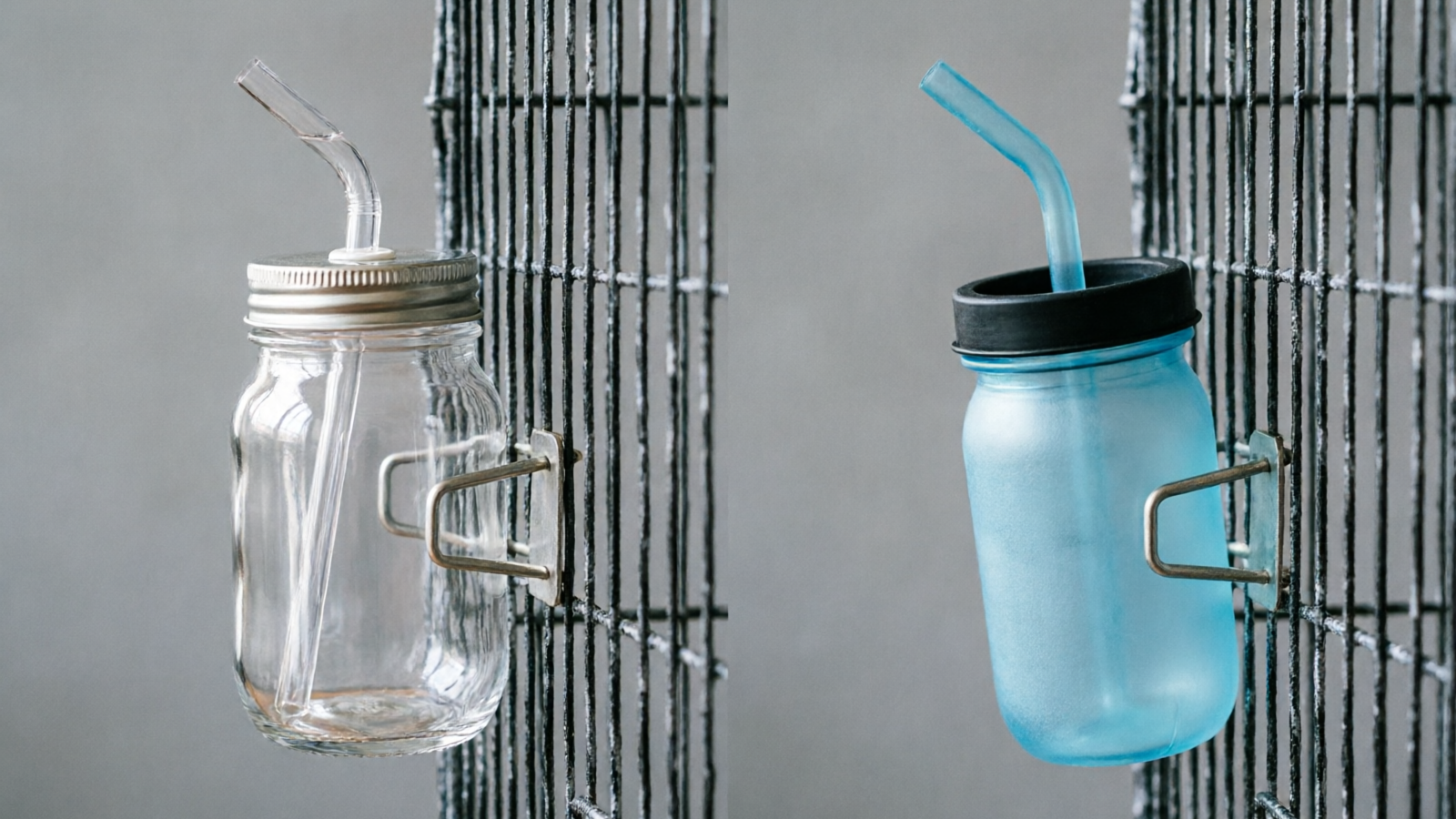
Size Guide: How Big Should a Chinchilla Water Bottle Be?
Choosing the right chinchilla water bottle size prevents the most common safety problem: running out of water overnight. Chinchillas are most active at dawn and dusk, and they drink more than many new owners expect.
Single adult chinchilla: 12 to 16 ounces minimum. This provides a two to three day supply under normal conditions. The HardcorePet 20.2oz or Kaytee Chew-Proof 26oz both work well.
Pair of chinchillas: 26 to 32 ounces recommended. Two chinchillas drink roughly twice as much as one. A bottle that empties overnight is a dehydration risk. The Kaytee Chew-Proof 26oz or Lixit Heavy Duty 32oz are the best options for pairs.
Kit or juvenile chinchilla: 8 to 12 ounces with a standard nozzle size. Young chinchillas drink less but still need constant access to fresh water. The Lixit Flat Sided 6oz works but requires attentive daily refilling.
Multi-chinchilla cage (three or more): 32 ounces or two separate bottles. Multiple water sources prevent dehydration if one nozzle sticks or one bottle empties. This redundancy matters because chinchillas can dehydrate quickly — a stuck nozzle can go unnoticed for hours.
Water intake is part of your chinchilla’s daily diet and nutrition routine. Fresh water must be available at all times alongside unlimited hay and measured pellets.
Water Bottle vs Water Bowl: Which Is Better?
Water bottles are strongly preferred over water bowls for chinchillas. This water bottle vs bowl chinchilla comparison comes down to hygiene, safety, and natural behavior.
Water bottles keep drinking water clean by suspending it above the cage floor. They prevent contamination from bedding, droppings, and fur. The cage-mounted design also stops chinchillas from tipping over their water supply.
Water bowls sit on the cage floor where they collect bedding, dust, and waste. A chinchilla water bowl is risky because standing water breeds bacteria within hours. Chinchillas also tend to knock bowls over, creating wet bedding that promotes fungal growth.
Some chinchilla owners on forums report success with heavy ceramic bowls changed daily. However, this is the exception rather than the rule. A reliable chinchilla water bottle should be the primary water source for every chinchilla owner.
Use a bowl only as a temporary backup during bottle transitions or cage cleanings. Never rely on a bowl as the sole water source for your chinchilla.
Chinchilla Water Bottle Do’s and Don’ts
** Safe Practices**
- Use glass for your chinchilla water bottle with stainless steel spouts — Glass is chew-proof, dishwasher-safe, and more sanitary than plastic. (Veterinary Partner (VIN): “Glass bottles are generally better for chinchillas.”)
- Mount at shoulder height — Ensures comfortable drinking without stretching or strain.
- Fill with filtered water — Reduces mineral buildup on the ball-bearing tip that causes dripping.
- Burp the bottle after refilling — Squeeze gently to create vacuum seal for drip-free operation.
- Check water flow daily — Tap the ball-bearing to confirm water dispenses freely. A stuck nozzle means dehydration risk.
- Keep a backup bottle ready — Swap in seconds if primary bottle fails or starts leaking.
- Clean the nozzle weekly — Soak in white vinegar to dissolve mineral deposits.
- Choose 16oz+ for single chinchillas — Provides 2-3 day supply. Chinchillas drink 15-40 ml/day. (Google AI Overview; VCA)
** Dangerous Mistakes**
- Using regular plastic for your chinchilla water bottle — Chinchillas chew through plastic, ingesting fragments that cause fatal intestinal blockages.
- Mounting BPA-free bottles inside the cage — If your chinchilla can reach the plastic body, it will chew through it. Only the spout should be accessible.
- Ignoring a leaking nozzle — Constant dripping wets bedding, creating conditions for fungal growth and respiratory problems. Chinchillas cannot tolerate getting wet.
- Trusting that your chinchilla water bottle nozzle always works — Ball-bearing tips can stick from mineral deposits, stopping water flow entirely. Check daily. (Reddit r/chinchilla: Owners report nozzle failures going unnoticed for hours.)
- Using water bowls instead of a chinchilla water bottle as primary source — Bowls collect bedding, fur, and waste. Standing water breeds bacteria within hours. Chinchillas tip bowls over, creating dangerous wet bedding.
- Placing bottles too high or too low — Too high = difficult to reach; too low = bedding clogs nozzle.
- Skipping weekly cleaning of your chinchilla water bottle — Mineral buildup causes dripping; bacteria growth in uncleaned bottles poses health risks. (ChinchillaCareSA)
- Relying on a single bottle for multiple chinchillas — Provide dual water sources. One failure means multiple pets at dehydration risk simultaneously.
Common Questions
Can chinchillas use a water bottle?
Yes — water bottles are the recommended way to provide water to chinchillas. A cage-mounted bottle with a chew-proof stainless steel spout keeps water clean and prevents contamination from bedding, fur, and droppings.
Choose glass over plastic to prevent chewing hazards. Mount the bottle at shoulder height on the cage wall so your chinchilla can drink comfortably without stretching or straining.
How big should a chinchilla water bottle be?
A single adult chinchilla needs a minimum of 12 to 16 ounces. A pair needs 26 to 32 ounces to prevent running empty overnight.
Always choose slightly larger than the minimum requirement. Chinchillas can dehydrate quickly if a nozzle sticks or a bottle empties unnoticed during the day.
Why Does My Chinchilla Bottle Leak?
The most common cause is hard water buildup on the ball-bearing tip. Mineral deposits cause the ball to stick and create a continuous drip.
Soak the nozzle in white vinegar weekly to dissolve mineral deposits. Use filtered or distilled water to reduce buildup. After filling, squeeze the bottle gently to “burp” it — this creates the vacuum seal needed for drip-free operation.
Can chinchillas drink from a water bowl?
Yes, but bottles are strongly preferred over bowls. Chinchillas soil bowl water with bedding, fur, and droppings very quickly.
Standing water breeds bacteria within hours. Chinchillas may also tip bowls over, creating wet bedding that can cause skin and respiratory problems. If you must use a bowl during a transition, use a heavy ceramic bowl and change the water at least once daily.
How do I get my chinchilla to use a new water bottle?
New chinchillas may take 48 hours or longer to discover a bottle on their own. Tap the ball-bearing gently while your chinchilla watches so it learns water comes from the spout.
Rub a small treat on the nozzle to attract attention by scent. Place the new bottle in the same location as the old one — chinchillas develop location habits. As a last resort, hand-water using the bottle cap until your chinchilla connects the bottle with drinking.
Key Takeaways
Glass bottles with chew-proof stainless steel spouts are the safest chinchilla water bottle choice for chinchillas. The HardcorePet Chew-Proof Glass 350ml remains the best all-around option at $22.99.
For budget-conscious owners, the Lixit Flat Sided 6oz provides glass safety at just $7.99, though it is best suited as a best chinchilla water bottle for single pets only. Remember that the best chinchilla water bottle size matters — single adults need at least 12 to 16 ounces, and pairs need 26 to 32 ounces.
Always check your chinchilla water bottle nozzle daily for proper water flow. Clean glass bottles weekly to prevent mineral buildup on the ball-bearing tip.
Keep a backup bottle ready — nozzle failure means dehydration risk for your chinchilla. A spare bottle takes seconds to swap in and can prevent a costly emergency vet visit.