Why Chinchillas Should Never Get Wet
The short answer is no — a chinchilla bath using water is dangerous and potentially fatal. Unlike most rodents, chinchillas have one of the densest fur coats in the animal kingdom, with roughly 60 to 80 hairs growing from each single follicle. For comparison, humans have just one hair per follicle. This extraordinary density serves them well in the dry, rocky Andes mountains of South America, where they evolved, but it makes water extremely dangerous.
When water penetrates a chinchilla’s coat, it gets trapped deep against the skin. Because the fur is so thick, air cannot circulate to dry it naturally. A wet chinchilla can remain damp for hours or even days, creating the perfect environment for fungal infections — especially ringworm — and bacterial growth. In serious cases, the prolonged dampness can lead to hypothermia, respiratory infections, and even fatal shock.
What Dust Baths Are and Why They Work
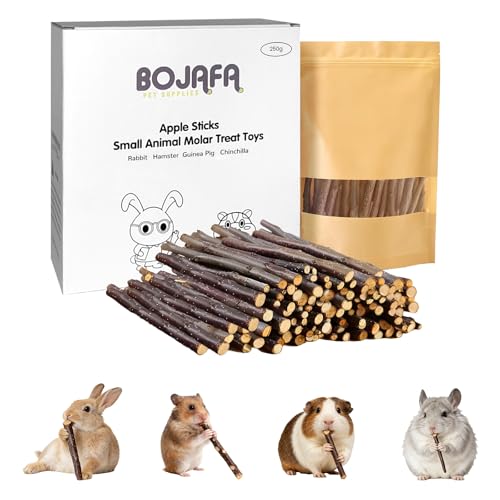
Bojafa Apple Sticks is a quality option worth considering for your setup.
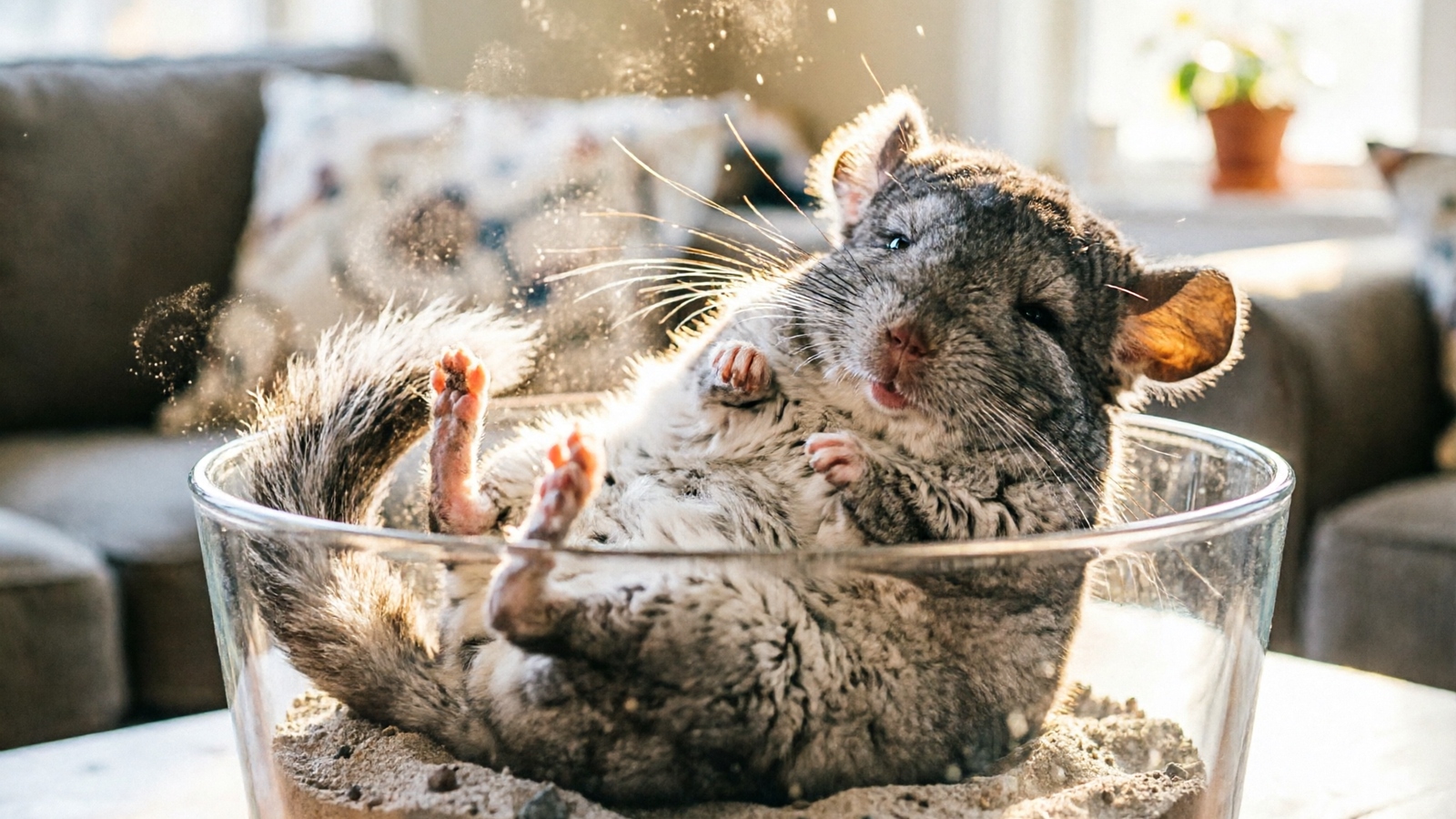
In the wild, a chinchilla bath means rolling in fine volcanic ash and pumice dust to keep their coats clean. This dust absorbs excess oils, dirt, and moisture from the fur without penetrating to the skin. Domestic chinchillas need the same thing — a container filled with chinchilla dust bath powder made from processed volcanic ash.
A proper dust bath session lasts about 10 to 15 minutes. You will need a dust bath house or a sturdy container that is large enough for your chinchilla to roll around in without spilling dust everywhere. Place about one to two inches of dust in the bottom, put it in the cage or a safe enclosed space, and let your chinchilla roll and flip to their heart’s content.
Most chinchillas instinctively know what to do — they will roll, spin, and shake in the dust just as they would in the wild. After the session, remove the dust bath house to prevent your chinchilla from using it as a litter box or over-bathing, which can dry out their skin.
How Often Should You Give Dust Baths?
Many owners find that Kaytee Timothy Wafer-Cut works well for their pet’s needs.
Two to three times per week is the right frequency for most chinchillas. This keeps their coat clean and oil-free without over-drying the skin. If you live in a particularly humid environment, you might need to bump it up to four times, but watch for signs of dry, flaky skin as an indicator that you are bathing too often.
Avoid scheduling dust baths right before bedtime, as the activity can be stimulating. Evening or late afternoon sessions tend to work best since chinchillas are naturally more active during those hours.
Emergency Situations: What If Your Chinchilla Gets Wet
For this purpose, Kaytee Wild Meadow Hay Blend 24oz (2-Pack) is a popular choice among pet owners.
Accidents happen — a water bottle leaks, or your chinchilla falls into a sink or toilet. If your chinchilla gets wet, act quickly:
- Towel dry immediately — Wrap your chinchilla in a dry towel and gently pat the fur. Do not rub vigorously, as this can tangle the dense coat.
- Use a hairdryer on the lowest, coolest setting — Hold the dryer at least 12 inches away and keep it moving. Never use heat, as chinchillas are extremely sensitive to high temperatures and can overheat rapidly.
- Check for signs of stress — A wet chinchilla may shiver, hide, or show signs of shock (lethargy, rapid breathing). Keep them in a warm, quiet room.
- Monitor for the next 48 hours — Watch for red patches, flaky skin, hair loss, or excessive scratching, which could indicate a developing fungal infection.
Spot Cleaning Without a Full Chinchilla Bath
For small messes — a bit of food stuck in the fur, or a slightly soiled area — you have a few safe options:
- Cornstarch powder: Dust a small amount of cornstarch into the soiled area, work it through the fur gently with your fingers, then brush it out with a soft-bristled brush.
- Barely damp cloth: For emergencies only. Use a cloth that is almost completely dry — just barely damp to the touch — and wipe the affected area. Dry immediately afterward.
- Unscented baby powder (cornstarch-based): Similar to plain cornstarch, this can help absorb light oils and dirt from small patches of fur.
Never use soap, shampoo, wet wipes, or any commercial pet cleaning products on a chinchilla. These all leave residue in the dense fur and can cause skin irritation or be ingested during grooming.
Signs Your Chinchilla Needs a Bath
A healthy chinchilla with a regular dust bath schedule should have soft, fluffy, and clean-looking fur. You might need an extra dust bath session if you notice:
- Oily or clumpy fur — Usually around the rump or belly
- A musky or unusual odor — Chinchillas are generally odorless when healthy
- Dull, flat-looking coat — Loss of the characteristic silky sheen
If you notice these signs despite regular dust baths, check your dust bath quality first — old or low-quality dust loses its effectiveness and needs replacement every few weeks.
Common Mistakes to Avoid
- Using sand instead of dust — Playground sand, craft sand, and even some pet sands are too coarse and can cause eye injuries, respiratory problems, and skin irritation. Only use dedicated chinchilla volcanic ash dust.
- Leaving the dust bath in the cage permanently — Your chinchilla will use it as a toilet, and over-bathing will dry out their skin.
- Bathing in a cold room — Keep the room at chinchilla-safe temperatures (60-70°F) during bath time.
- Using scented or additive dust — Plain volcanic ash is all your chinchilla needs. Added scents or minerals can cause allergic reactions.
Why Chinchilla Fur Is Unique
Understanding why chinchillas cannot get wet comes down to their fur structure. That 60-80 hairs per follicle creates a coat so dense that fleas and other parasites actually cannot survive in it — there is simply no room at the skin level. But this same density that protects them from pests becomes a serious liability when water is involved. The fur acts like a sponge that cannot wring out, holding moisture against the skin for extended periods.
This is why dust bathing is not just a preference for chinchillas — it is a biological necessity. Their entire grooming system evolved around dry, arid environments where rolling in volcanic ash was the only effective way to stay clean.