Introduction — What Are Axolotl Types?
Most people think all axolotls are the same pink creature, but there are over 15 recognized color morphs. These variations make axolotls one of the most visually diverse amphibians in the pet trade.
Color morphs are genetic variations in pigmentation caused by the presence or absence of three pigment cell types: melanophores (dark), xanthophores (yellow/red), and iridophores (reflective). Every axolotl type is determined by which combination of these cells is active.
All axolotl types are the same species — Ambystoma mexicanum, listed as Critically Endangered on the IUCN Red List. They are not different breeds, subspecies, or varieties.
A leucistic axolotl and a melanoid axolotl can produce offspring together without any issues. The differences are purely cosmetic, like hair color in humans.
Understanding axolotl types and colors helps you choose the right morph for your setup and recognize what you’re buying from breeders. If you’re new to axolotl ownership, start with our complete axolotl care guide.
In my experience, choosing a morph that matches your tank setup is more important than picking the “prettiest” one — light-sensitive morphs need dimmer tanks, while darker morphs blend into dark substrate and become hard to spot.
Understanding Axolotl Color Genetics (How Types Work)
Axolotl color is determined by three types of pigment cells called chromatophores. Each type produces a different color, and the combination of active versus inactive cells creates every morph we see.
Pigment cell types:
| Cell Type | Pigment Produced | Color Effect | Absent In |
|---|---|---|---|
| Melanophores | Melanin | Dark brown/black | Albinos, leucistics |
| Xanthophores | Carotenoids | Yellow, orange, red | Axanthics |
| Iridophores | Guanine crystals | Reflective/shiny/gold | Melanoids |
When all three cell types are active, you get a wild type axolotl.
Remove melanophores and you get a leucistic or albino. Remove iridophores and you get a melanoid. Remove xanthophores and you get an axanthic.
Key facts about axolotl color genetics:
All morphs are the same species — Ambystoma mexicanum
Color does not affect health or lifespan
Morphs can be combined to create new variations
Some morphs are more sensitive to bright light
Color can change slightly as the axolotl ages
The genetics are simpler than they appear. Most morphs are controlled by single or double recessive genes, which is why rare combinations like copper or mosaic are uncommon but not impossible to produce.
The 5 Most Common Axolotl Types

Common morph comparison:
| Morph | Body Color | Eye Color | Eye Ring | Rarity | Beginner Friendly |
|---|---|---|---|---|---|
| Wild Type | Brown/olive/gray speckled | Black | Gold/shiny | Common | Yes |
| Leucistic | White/pink | Dark | None | Common | Yes |
| Golden Albino | Yellow/gold | Red/pink | Gold | Common | Yes |
| White Albino | Pure white | Red | None | Uncommon | Warning: Moderate |
| Melanoid | Solid black/dark | Dark | None | Common | Yes |
Wild Type Axolotl
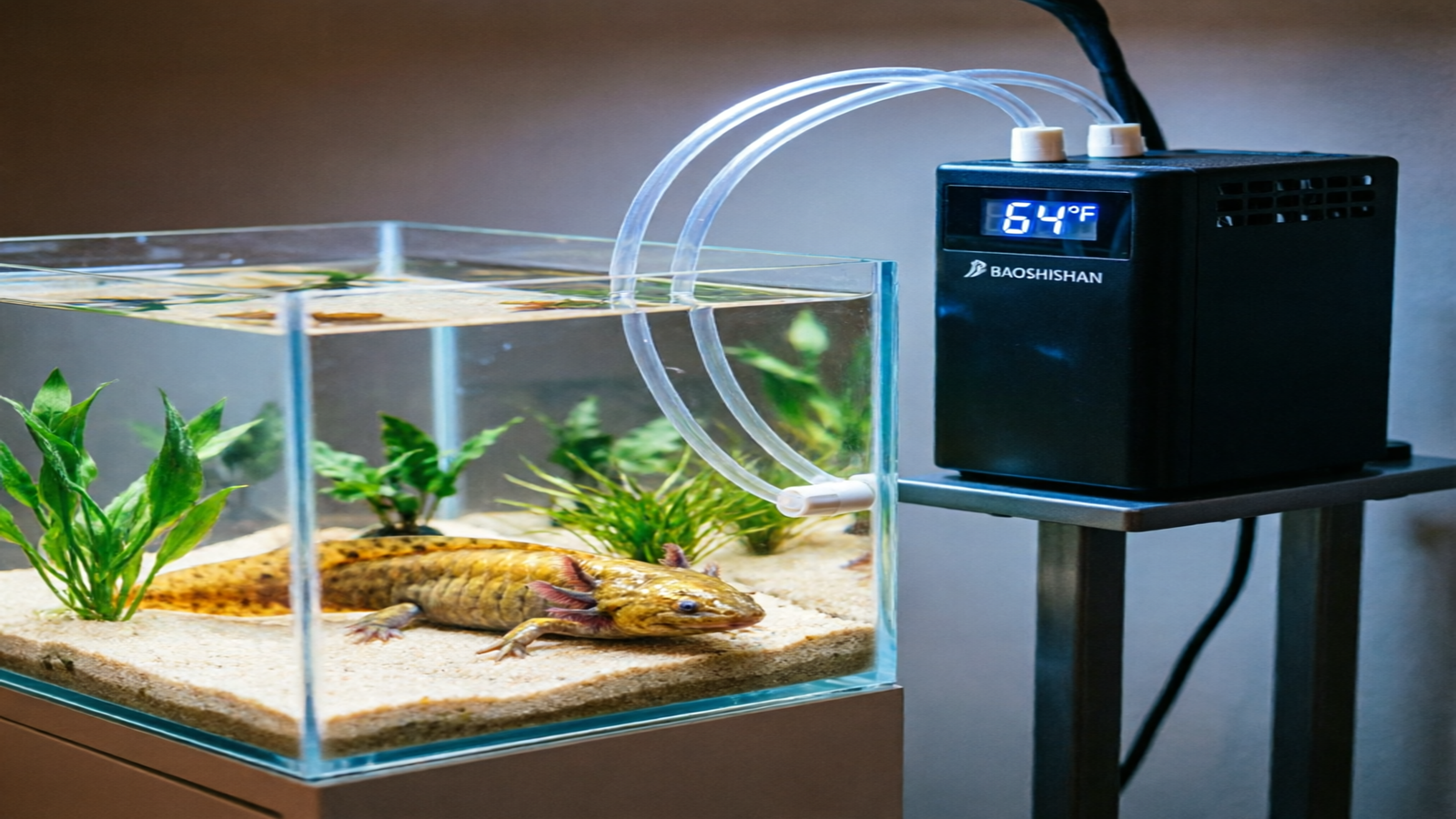
The wild type axolotl is the most common morph and the closest to what you’d find in the wild. Their body is dark brown, olive, or gray with a speckled pattern of darker spots across the back and tail.
Their most distinctive feature is the shiny gold or bronze eye ring — a band of reflective iridophores around each dark pupil. This eye ring is absent in melanoid and albino morphs.
Wild type axolotls can range from greenish-olive to nearly black depending on their genetics and environment. They tend to darken as they mature, and their speckled pattern provides excellent camouflage against natural substrates.
I’d recommend wild type axolotls to anyone starting out — they are the hardiest morph, the most affordable, and they photograph beautifully against natural tank setups.
Leucistic Axolotl (White/Pink)
The leucistic axolotl is the most popular morph among pet owners. They have a pale white or pinkish body, dark eyes (unlike albinos), and light pink feathery gills that make them look almost cartoonish.
Leucistics come in several variations. Clean leucistics have pure white bodies, while “dirty” leucistics develop freckles or speckles on their head and back as they age. Dark-gilled leucistics have deep pink gills, and blue-gilled leucistics have been observed in rare cases.
The key difference from albino morphs is the dark eyes. Leucistics have fully functional melanophores in their eyes but not in their skin, which is why their eyes are dark while their body is white.
Leucistics show best in darker substrates — see our best axolotl tanks for setup recommendations that make their colors pop.
Golden Albino Axolotl
Golden albino axolotls are striking — their body ranges from pale yellow to bright gold, their skin is translucent enough to see internal organs, and their eyes are red or pink with a shiny gold eye ring.
The golden color comes from xanthophores producing yellow/orange pigments without melanophores to darken the appearance. This gives them a warm, glowing look that stands out in any tank.
Red eyes mean light sensitivity. Golden albinos prefer dimmer tanks and may become stressed under bright aquarium lighting. If you keep your tank in a sunny room, consider positioning it where direct sunlight doesn’t hit the water.
Temperature also affects golden albinos more noticeably — warm water above 70°F can cause them to appear washed out. Our tank temperature guide covers optimal ranges for all morphs.
White Albino Axolotl
White albino axolotls look similar to leucistics at first glance — both have white bodies. The critical difference is the red eyes. White albinos lack all melanin, including in their eyes, which gives them the characteristic red/pink eye color.
They also lack the golden tint that distinguishes golden albinos. A true white albino is pure white with no yellow or gold undertones, red eyes, and no shiny eye ring.
White albinos are the most light-sensitive of all common morphs. They do best in dimly lit tanks with plenty of hiding spots. Avoid placing their tank near windows or under intense LED lighting.
Melanoid Axolotl
Melanoid axolotls are completely dark — appearing solid black or very dark gray with no shiny eye ring, no reflective spots, and no lighter patches. This is because they lack iridophores entirely, so no light reflects off their skin.
The all-dark appearance makes them stunning in person but notoriously difficult to photograph. Without iridophores catching light, melanoids tend to look like dark silhouettes in photos regardless of camera settings.
In my experience, melanoid axolotls have the most personality of any morph. I’ve kept several over the years, and they tend to be more active at feeding time and more curious about their surroundings compared to other types.
Rare and Uncommon Axolotl Types
These morphs are less common in the pet trade but increasingly available from specialized breeders. They tend to command higher prices and are often sought by experienced keepers building a collection.
Rare morph comparison:
| Morph | Body Color | Key Feature | Rarity | Price Range |
|---|---|---|---|---|
| Copper | Light brown/copper | Red pupils | Uncommon | Moderate |
| Piebald | White with dark patches | Spotted/marbled | Uncommon | Moderate-High |
| Axanthic | Gray/washed-out | UV fluorescence | Rare | High |
Copper Axolotl
Copper axolotls have light brown or copper-toned bodies with the most distinctive identifying feature: red pupils. Under direct light, their pupils appear red or copper-colored instead of the standard black.
This red pupil is the diagnostic feature that separates copper from wild type. Both can appear brownish, but only coppers have red pupils. If you’re unsure what you’re looking at, check the eyes under a flashlight.
Copper morphs are becoming more available from breeders as the genetics become better understood. They are still less common in pet stores, so you’ll likely need to find a specialist breeder.
Piebald Axolotl
Piebald axolotls have a white or light-colored base with dark patches on their back, head, and sometimes their legs. The pattern is unpredictable — no two piebalds look exactly alike.
The dark patches can range from small speckles to large splotches covering most of the body. Some piebalds develop more dark patches as they age, while others remain mostly white with just a few spots.
Because the pattern is determined by how pigment cells migrate during embryonic development, piebald coloring cannot be reliably predicted or bred for. This unpredictability is part of their appeal.
Axanthic Axolotl
Axanthic axolotls lack xanthophores, which means they have no yellow or red pigment. This gives them a grayish or washed-out appearance — they look like a desaturated version of a wild type.
The most unique trait of axanthics is face fluorescence under black light. Their face and gills glow a faint blue-green under UV light, a trait not found in other morphs without GFP genes.
Pure axanthics are rare in the hobby. They are more often encountered as part of double or triple recessive combinations, such as axanthic-copper or melanoid-axanthic.
Special and Genetic Variant Types
GFP (Green Fluorescent Protein) Axolotl
GFP axolotls glow bright green under UV or black light. This is not a morph — it’s a genetic modification originally developed for laboratory research. The green fluorescent protein gene from jellyfish was inserted into axolotl embryos to track cell development.
GFP can be combined with any morph. A GFP leucistic looks white normally but glows green under UV light. A GFP wild type looks normal in daylight but shows green fluorescent patterns in the dark.
GFP axolotls are fully healthy and the gene does not affect their wellbeing or lifespan. They can breed and pass the GFP trait to their offspring, making them a stable line in the hobby.
Mosaic Axolotl
Mosaic axolotls have two different morph colors on one body, creating a dramatic split appearance. Half the body might be leucistic while the other half is wild type, or a golden albino body with melanoid patches.
Mosaics are not a breedable morph. They occur when two fertilized eggs fuse during early embryonic development, creating a single animal with two distinct sets of DNA. This means the mosaic trait cannot be passed to offspring.
Mosaic axolotls are exceptionally rare and almost all documented specimens are male. They are prized by collectors but virtually impossible to find for sale — most are discovered accidentally by breeders.
Axolotl Type Quick Reference Chart
This chart covers all major axolotl types for quick comparison. Use it as a reference when shopping or identifying a morph.

| Type | Body | Eyes | Eye Ring | GFP Possible | Rarity | Best For |
|---|---|---|---|---|---|---|
| Wild Type | Brown/olive speckled | Black | Gold | Yes | Common | Beginners |
| Leucistic | White/pink | Dark | None | Yes | Common | Beginners |
| Golden Albino | Yellow/gold | Red | Gold | Yes | Common | Display tanks |
| White Albino | Pure white | Red | None | Yes | Uncommon | Dim tanks |
| Melanoid | Solid black | Dark | None | Yes | Common | Natural setups |
| Copper | Light brown | Red pupil | Varies | Yes | Uncommon | Collectors |
| Piebald | White + dark patches | Dark | None | Yes | Uncommon | Collectors |
| Axanthic | Gray/washed-out | Dark | Varies | Yes | Rare | Breeders |
| GFP | Any base color | Varies | Varies | Built-in | Varies | UV display |
| Mosaic | Split two-color | Varies | Varies | Yes | Very rare | Collectors |
Choosing the Right Axolotl Type for You

Choosing an axolotl type comes down to three practical factors: your tank setup, your lighting conditions, and your experience level.
Step 1: Consider your tank setup. Dark substrates make lighter morphs (leucistic, albino) stand out, while natural substrates complement wild types and melanoids. If you already have a cycled tank, match the morph to your setup.
Step 2: Match morph to your lighting. Albinos and golden albinos need dimmer tanks.
If your tank is in a bright room, choose a wild type or melanoid instead. Light-sensitive morphs become stressed and may refuse food under intense lighting.
Step 3: Think about long-term care. All morphs require the same water parameters, diet, and maintenance. The difference is in observation — lighter morphs make it easier to spot health issues like fungal infections or injuries, while dark morphs can hide problems in their coloration.
For beginners, I recommend wild type or leucistic axolotls. They are the most hardy, the most affordable, and the easiest to find from reputable sources.
For experienced keepers, copper, axanthic, or mosaic morphs offer unique visual interest for a collection.
Whatever morph you choose, proper nutrition is essential — check our best axolotl food guide for diet recommendations. All morphs need clean, cold water — see our best axolotl filter recommendations.
Essential Supplies for Any Axolotl Type
Regardless of which morph you bring home, these five essentials will keep your axolotl healthy:
Food. All axolotls are obligate carnivores that need high-protein sinking pellets.
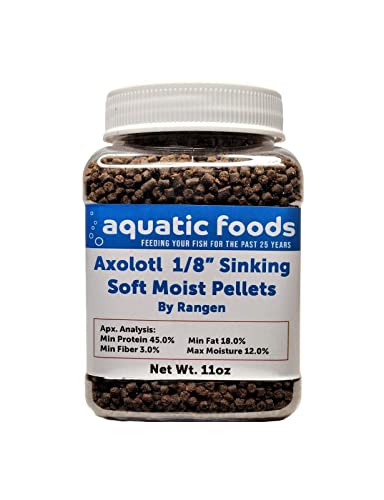
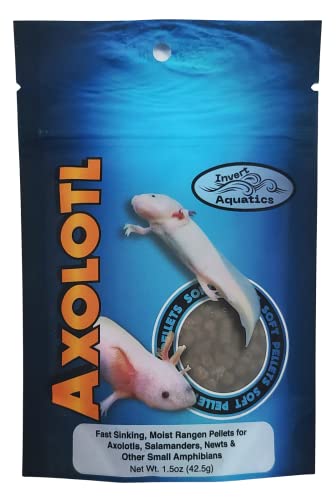
Aquatic Foods Axolotl Pellets is formulated specifically for axolotls as soft moist 1/8-inch sinking pellets. For juveniles of any morph, Invert Aquatics Soft Pellets is the most popular choice among keepers with thousands of positive reviews.
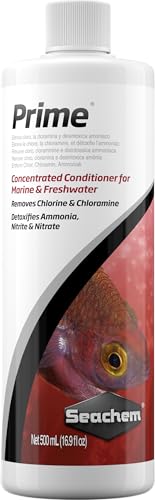
Water conditioner. Tap water contains chlorine and chloramine that will harm your axolotl. Seachem Prime is the industry standard — it detoxifies ammonia, nitrite, and nitrate in addition to removing chlorine.
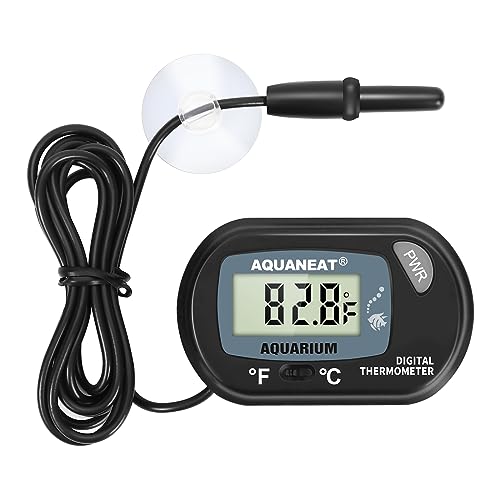
Temperature monitoring. Axolotls need water between 60-68°F. The AQUANEAT Digital Thermometer provides easy readings for under a few dollars and catches dangerous temperature spikes before they become lethal.
Hiding spot. All morphs benefit from a secure hide, especially light-sensitive albinos. The Niuohoy Ceramic Shell Hide is designed specifically for axolotls with smooth surfaces that won’t damage delicate gills.
Common Questions (FAQ)
How many types of axolotl are there?
There are 15+ recognized color morphs, but most fall into 5 common types: wild type, leucistic, golden albino, white albino, and melanoid. The remaining morphs are rare variations produced by combining recessive genes or through unique genetic events.
What is the best type of axolotl for beginners?
Wild type and leucistic axolotls are the best for beginners — they’re hardy, widely available, and affordable. Both tolerate a wider range of tank conditions compared to albino morphs, making them more forgiving of beginner mistakes.
Are different axolotl types different species?
No, all axolotl color morphs are the same species (Ambystoma mexicanum). Color differences are purely genetic variations in pigmentation. Any two morphs can breed together and produce viable offspring.
Can different axolotl types live together?
Yes, different morphs can share a tank as long as they’re similar in size. Axolotls will eat anything that fits in their mouth, including smaller tank mates. Size-match all cohabiting axolotls to prevent cannibalism.
Why do some axolotls glow?
GFP axolotls glow green under UV light because they carry the green fluorescent protein gene, originally introduced in laboratory research. The gene is harmless and can be combined with any color morph — the axolotl looks normal in regular light and glows under black light.