Overview
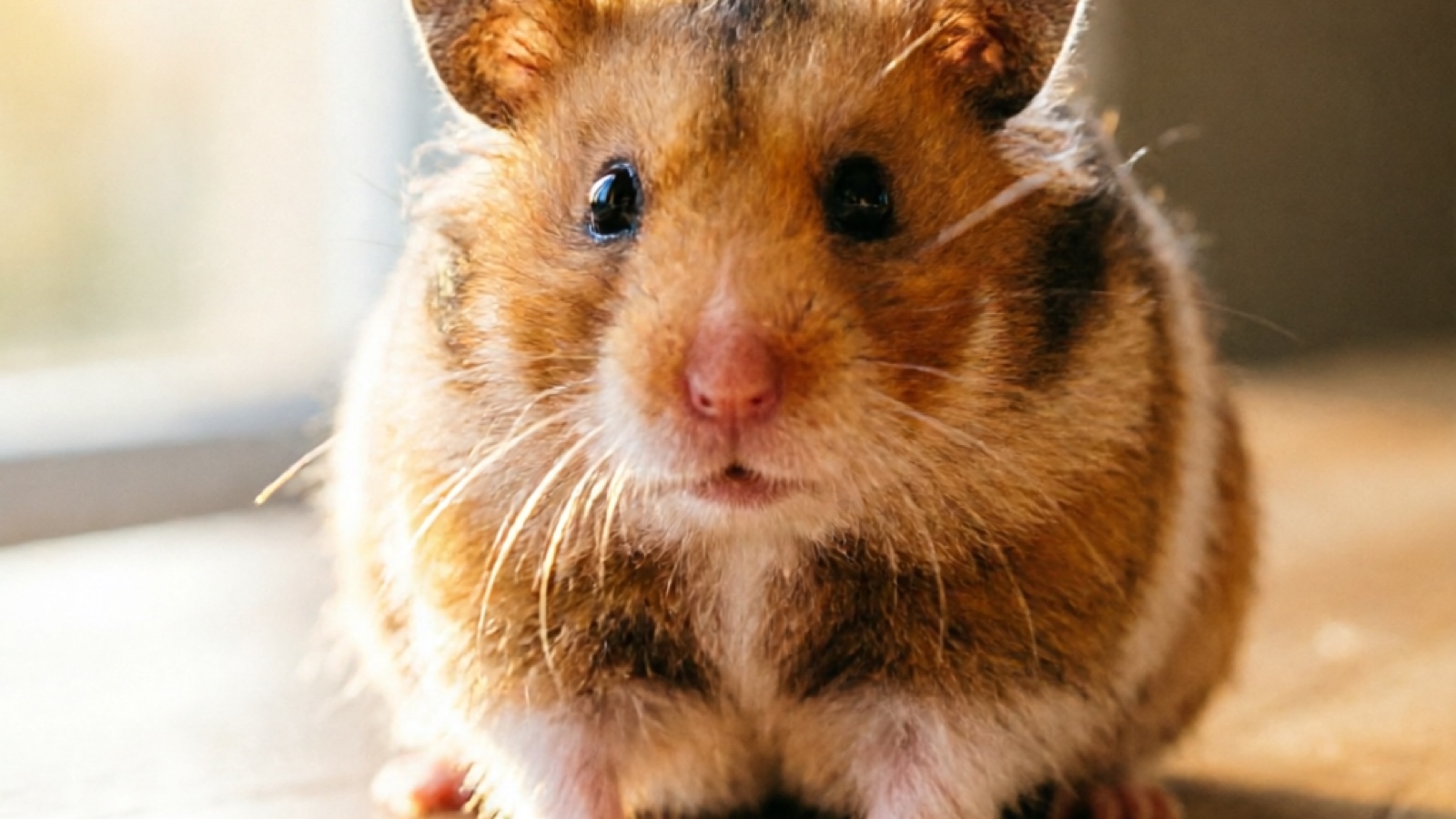
The Syrian hamster (Mesocricetus auratus), also known as the golden hamster or teddy bear hamster, is the most popular hamster breed kept as pets worldwide. Originally discovered in the wild in Syria in 1939 by Israel Aharoni, a zoologist at the Hebrew University of Jerusalem, the entire captive Syrian hamster population is descended from a single litter of pups captured on that expedition. This remarkably small genetic bottleneck means all pet Syrians today share a common ancestry.
I’ve kept Syrian hamsters for years, and they remain my top recommendation for first-time owners. They’re the largest pet hamster species, the most consistently friendly, and the easiest to tame. While every hamster has individual personality, Syrians are the most predictable in terms of temperament — the vast majority will become comfortable with handling within a couple of weeks.
Quick Facts
| Attribute | Details |
|---|---|
| Scientific Name | Mesocricetus auratus |
| Other Names | Golden hamster, teddy bear hamster, fancy hamster |
| Adult Size | 5-7 inches (13-17 cm) |
| Weight | 4-8 oz (110-225 g) |
| Lifespan | 2-3 years |
| Activity Cycle | Nocturnal (most active after dark) |
| Temperament | Friendly, docile, curious |
| Social | Strictly solitary — must live alone |
| Origin | Syria, southeastern Turkey |
Appearance
Syrian hamsters are the largest of the pet hamster species, with a robust, rounded body, short tail, and relatively large eyes. Their most recognizable feature is their expandable cheek pouches — they can stuff an astonishing amount of food into these pouches, which extend all the way back to their shoulders. It’s completely normal (and entertaining) to see a Syrian with cheeks so full that its head looks twice the normal size.
Coat Types
One of the things that makes Syrian hamsters so popular is the incredible variety of coat types and colors:
- Short-haired (fancy): The most common coat type. Smooth, short fur that’s easy to maintain. Available in dozens of colors including golden, cream, cinnamon, black, gray, and various patterns (banded, tortoiseshell, roan).
- Long-haired (teddy bear): Fluffy, flowing fur that gives them the “teddy bear” appearance. Males tend to develop longer, more impressive coats than females. Requires regular grooming — a soft brush 2-3 times per week prevents matting.
- Satin: Has a glossy, almost wet-looking sheen to the fur due to hollow hair shafts. The satin gene can appear on any color or coat length.
- Rex: Curly or wavy fur with curled whiskers. Relatively uncommon in the pet trade.
Common Colors
- Golden (wild type): The original color — warm golden-brown with a lighter belly and dark cheek pouches. Still one of the most common.
- Cream: Pale cream to white, sometimes with darker ears
- Cinnamon: Warm reddish-brown, lighter than golden
- Black: Solid black or black with some white on the chest and paws
- Silver gray: Blue-gray coloring
- Banded: A white band around the middle of the body with color on both ends
The Syrian hamster’s diversity of coat types and colors is a direct result of decades of selective breeding in the pet trade — in the wild, they’re almost exclusively the golden/agouti coloration.
Temperament & Behavior
Syrian hamsters have the best temperament of all hamster species for handling. They’re naturally curious, relatively slow-moving compared to dwarfs, and most will tolerate (and many seem to enjoy) being held once they trust you.
Taming
Taming a Syrian is generally straightforward, even for beginners:
- Days 1-3: Leave them alone to settle in. Don’t attempt handling.
- Days 4-7: Offer treats from your fingers. Let the hamster come to you.
- Week 2: Gently scoop them up with both hands. Keep sessions to 5 minutes.
- Week 3+: Extend handling to 10-15 minutes. Most Syrians will be comfortable by this point.
I’ve found that Syrians respond best to a calm, consistent approach. They learn to recognize their owner’s scent and voice, and many will come to the cage door when you approach — especially if you’re bringing food.
Territoriality
This is the most critical thing to understand about Syrian hamsters: they are strictly solitary and highly territorial. In the wild, Syrian hamsters live alone and defend large territories. They will fight any other hamster that enters their space — and these fights can be fatal.
This means:
- Never house two Syrians together — no exceptions
- Separate from littermates by 4-5 weeks of age (when sexual maturity begins)
- They may bite your hand if you reach into their cage suddenly (territorial response, not aggression toward you specifically)
- Wash your hands before handling if you’ve touched another hamster (scent triggers territorial behavior)
The “hamsters need friends” myth applies to some dwarf species (and even then it’s debatable) — it absolutely does not apply to Syrians. A solitary Syrian is a happy Syrian.
Activity Patterns
Syrians are nocturnal, meaning they’re most active during the night. They typically wake up around 8-10 PM and will be active for several hours, running on their wheel, foraging, rearranging their cage, and exploring. They may have brief periods of activity during the day, but this is less common.
This nocturnal schedule is one of the most common complaints from new owners — you won’t see much of your Syrian during the day. Placing their cage in a room where you spend evening time is the best compromise.
Natural Behaviors
- Burrowing: Syrians create elaborate tunnel systems. Deep bedding (6+ inches) is essential for this natural behavior.
- Food hoarding: They stuff their cheek pouches with food and create hidden caches around their cage. This is normal and healthy.
- Grooming: They spend significant time cleaning themselves, especially after handling.
- Scent marking: They rub their scent glands (located on their flanks) along surfaces to mark territory.
Diet & Nutrition
Syrian hamsters are omnivores. In the wild, their diet consists of seeds, grains, insects, and occasional small amounts of vegetation. In captivity, a balanced diet is straightforward but important.
Staple Diet
A high-quality fortified pellet should form the bulk of the diet. I recommend Oxbow Essentials Hamster & Gerbil Food — uniform pellets prevent selective eating, where hamsters pick out the tasty seeds and leave the nutritious pellets.
- Daily portion: 15-20g of pellets
- Protein content: Look for 15-20% protein, 4-6% fat
- Avoid seed-heavy mixes as the staple — they’re fine as supplements but lead to nutritional imbalance as the primary food
Fresh Foods
- Vegetables (1-2x per week): carrots, broccoli, cucumber, bell peppers, celery (leaves are better than stalks)
- Fruits (1-2x per month as treat): strawberries, blueberries, grapes (remove seeds)
- Protein (1x per week): mealworms, boiled egg white, small piece of plain cooked chicken
Foods to Avoid
Citrus fruits, onions, garlic, raw potatoes, chocolate, almonds (contain amygdalin), apple seeds, and any processed human food. Syrians have a lower diabetes risk than dwarf species, but sugar should still be limited.
For a complete dietary guide, see our hamster diet and best hamster food pages.
Housing Requirements
Cage Size
| Minimum | Recommended | |
|---|---|---|
| Single Syrian | 600 sq in (24x30 in) | 800+ sq in |
| Glass tank | 20-gallon long | 40-gallon breeder |
Floor space is what matters. Syrians don’t climb — they need horizontal space to run, burrow, and explore. Tall cages with multiple levels don’t compensate for insufficient floor area, and levels can actually be dangerous (hamsters fall and can injure themselves).
Good options include glass tanks, DIY bin cages, and purpose-built hamster enclosures. For detailed recommendations, see our best hamster cage, cage setup guide, bin cage tutorial, and proper hamster enclosure guides.
Bedding
6+ inches of safe bedding for burrowing. Syrian hamsters are enthusiastic diggers and will create complex tunnel systems if given enough depth.
- Safe: paper-based bedding, aspen shavings
- Dangerous: pine and cedar (phenol oils cause respiratory and liver damage), cotton wool (impaction and circulation risk)
- Small Pet Select Premium Paper Bedding is a reliable dust-free option. See our best hamster bedding guide for alternatives.
Essential Accessories
- Exercise wheel: 8+ inches diameter, solid running surface, silent bearing. See our hamster wheel size guide and best hamster wheel recommendations.
- Hideouts: At least 2 — one for sleeping, one for food hoarding.
- Water bottle: 8oz, mounted on cage wall.
- Food bowl: Small, heavy ceramic.
- Chew toys: Essential for dental health — teeth never stop growing. See our Syrian hamster chew toys and cage enrichment guides.
Health & Common Issues
Wet Tail (Proliferative Ileitis)
This is the most serious health concern for Syrian hamsters — and it’s largely unique to the species. Wet tail is a bacterial infection of the intestines that causes severe, watery diarrhea, lethargy, a hunched posture, and a wet, soiled area around the tail. It primarily affects young Syrians (under 12 weeks) and is often triggered by stress (transport, new environment, overcrowding).
This is a medical emergency. Wet tail can be fatal within 24-48 hours. If you notice symptoms, get to an exotic vet immediately. Treatment involves antibiotics, subcutaneous fluids, and supportive care. See our wet tail guide for detailed information.
Dental Problems
Syrian hamsters’ teeth grow continuously throughout their lives. Without adequate chewing material, teeth can overgrow to the point of causing pain, difficulty eating, and even jaw damage. Provide wooden chew toys, safe branches (apple, hazelnut), and hard vegetables regularly.
Respiratory Infections
Sneezing, clicking sounds, or nasal discharge can indicate a respiratory infection. Common causes include dusty bedding (switch to paper-based), pine/cedar exposure, and drafts. See a vet if symptoms persist beyond 48 hours.
Abscesses
Syrians can develop abscesses from minor cuts or scrapes, often from sharp cage edges or fighting (if improperly housed with another hamster). These appear as swollen lumps under the skin and usually require veterinary treatment — lancing and antibiotics.
Other Health Considerations
- Diabetes: Syrians have a lower risk than dwarf species, but it’s still possible
- Mites: Intense scratching and hair loss — treatable by a vet
- Impaction: Blockage of the digestive tract, often from unsafe bedding ingestion
- Colds: Mild sneezing and lethargy — keep warm and monitor
For comprehensive health information, see our hamster health guide and hamster lifespan page.
Syrian vs Dwarf Hamsters
| Feature | Syrian | Dwarf (WW/Campbell) | Roborovski |
|---|---|---|---|
| Size | 5-7 in (120-200g) | 3-4 in (30-45g) | 2 in (20-30g) |
| Lifespan | 2-3 years | 1.5-2 years | 3-3.5 years |
| Handling | Easy | Moderate | Difficult |
| Social | Strictly solitary | Pairs possible | Pairs preferred |
| Taming | 1-2 weeks | 2-4 weeks | Often not handleable |
| Cage size | 600+ sq in | 450+ sq in | 450+ sq in |
| Wheel size | 8+ inch | 6.5+ inch | 6.5+ inch |
| Biting risk | Low | Moderate | Low (rarely handled) |
| Best for | First-time owners | Experienced owners | Observation |
For a detailed comparison, see our Syrian vs Dwarf Hamster guide and hamster breeds overview.
Cost of Ownership
| Category | Cost |
|---|---|
| Syrian hamster | $15-25 |
| Cage setup (initial) | $80-200 |
| Monthly maintenance | $15-30 |
| Annual vet check | $40-70 |
| 2-year total | ~$500-1,000 |
For a complete beginner checklist, see our first-time hamster owner guide.
Frequently Asked Questions
Are Syrian hamsters good pets?
Yes — Syrian hamsters are widely considered the best hamster breed for first-time owners. They’re docile, easy to handle, and adapt well to human interaction. Their larger size (5-7 inches) makes them easier to hold and less likely to escape compared to dwarf breeds. With consistent, patient taming, most Syrians become genuinely comfortable being handled and will even come to their cage door to greet you.
Can Syrian hamsters live together?
No — absolutely not. Syrian hamsters are strictly solitary and must be housed alone. This is one of the most important things to know about the species. They will fight any other hamster that enters their territory, and these fights are often severe and sometimes fatal. Even siblings from the same litter must be separated by 4-5 weeks of age. A solitary Syrian is a healthy, happy Syrian.
How long do Syrian hamsters live?
Syrian hamsters live 2-3 years on average with proper care. Some exceptional individuals reach 3.5 years, but 2 years is more typical. Their lifespan is longer than most dwarf hamster species (1.5-2 years) but shorter than Roborovskis (3-3.5 years). Factors that affect lifespan include genetics (breeder vs pet store), diet quality, housing conditions, and stress levels. See our hamster lifespan guide for more detail.
What size wheel does a Syrian hamster need?
Syrian hamsters need a wheel with at least 8 inches in diameter, and I’d recommend 10-12 inches for optimal comfort. A wheel that’s too small forces the hamster to arch its back while running, which can cause spinal problems over time. The running surface must be solid — wire or mesh wheels can catch toes and cause injury. Syrians run 5-8 miles per night, so a quality, quiet wheel is one of the most important purchases you’ll make. See our hamster wheel size guide and best hamster wheel for specific recommendations.
How big should a Syrian hamster cage be?
Minimum 600 square inches of floor space for a single Syrian hamster, but I recommend 800+ square inches. Floor space is far more important than height — Syrians are ground-dwelling animals. Avoid the small cages sold in most pet stores (typically 200-300 sq in — far too small). A 20-gallon long glass tank is the absolute minimum; a 40-gallon breeder tank or large bin cage is much better. For specific recommendations, see our best hamster cage and proper enclosure guides.