Overview
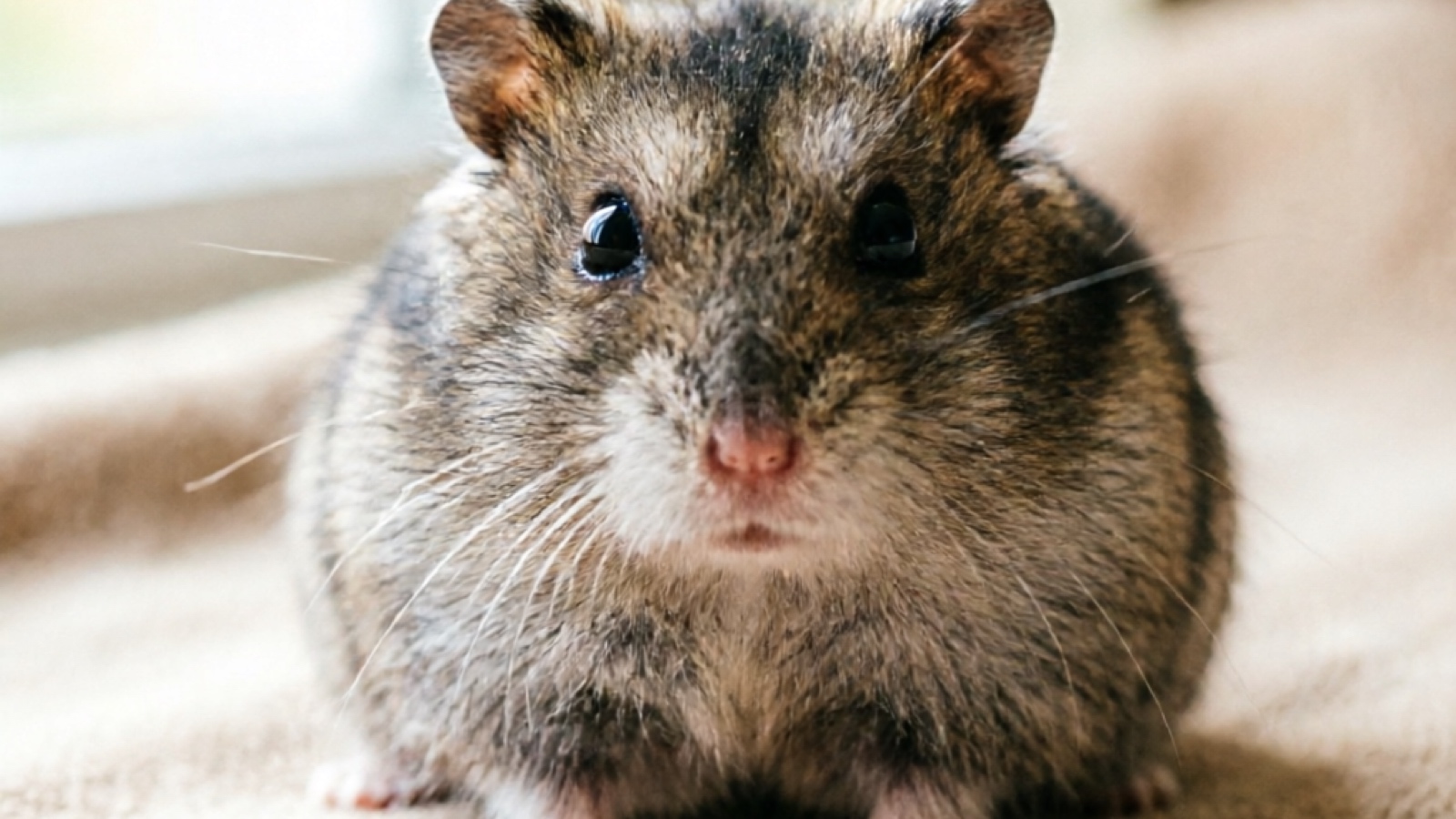
The Campbell’s dwarf hamster (Phodopus campbelli) is a small, energetic hamster species native to the steppes of Central Asia, including parts of Russia, Mongolia, and northern China. First described scientifically by Oldfield Thomas in 1905 (named after W.C. Campbell, who collected the type specimen), they’re one of the most commonly available dwarf hamsters in the pet trade — though many of the “Campbell’s” sold in pet stores are actually hybrids with Winter White hamsters.
I’ll be honest: Campbell’s are not my first recommendation for beginners. They’re more challenging than Syrian hamsters and Winter Whites in almost every way — faster, more prone to nipping, more territorial, and significantly more susceptible to diabetes. That said, they’re also incredibly entertaining, full of personality, and come in a wider variety of coat colors than any other hamster species. For an owner willing to invest time in taming and careful diet management, they can be wonderful pets.
Quick Facts
| Attribute | Details |
|---|---|
| Scientific Name | Phodopus campbelli |
| Other Names | Campbell’s dwarf, Russian dwarf hamster |
| Adult Size | 3-4 inches (8-10 cm) |
| Weight | 1.5-2 oz (40-60 g) |
| Lifespan | 1.5-2 years |
| Activity Cycle | Crepuscular (most active at dawn and dusk) |
| Temperament | Active, curious, fast, can be nippy |
| Social | Can live in pairs (with caution) |
| Origin | Central Asia (Mongolia, Russia, northern China) |
Appearance
Campbell’s dwarf hamsters are compact, round-bodied little animals with short legs, a barely visible tail, and the characteristic Phodopus dorsal stripe — a dark line running down the center of their back from head to tail. They’re similar in size and general appearance to Winter White dwarves, but experienced keepers can distinguish them by facial structure: Campbell’s have a slightly more elongated, pointed face compared to the rounder Winter White face.
Coat Colors
This is where Campbell’s really stand out. They have the widest variety of coat colors and patterns of any hamster species, which is part of what’s made them so popular in the pet trade:
- Agouti (wild type): Grayish-brown with black dorsal stripe and white belly
- Argente: Cinnamon-golden coat with red eyes and gray undercoat
- Black: Solid black or near-black
- Albino: White with pink/red eyes
- Opal: Blue-gray with a fawn undercoat
- Mottled: Irregular white patches over any base color
- Platinum: White mixed with the base color, creating a diluted appearance
- Red-eyed cinnamon: Warm brown with red eyes
- Blue fawn: Light bluish-fawn coloring
- Dilute platinums, lilacs, and many more
The sheer number of color and pattern combinations is remarkable — Campbell’s have more recognized color mutations than any other hamster species. This variety comes from decades of selective breeding in the pet trade and in laboratory settings (Campbell’s dwarves are commonly used in biomedical research, particularly in diabetes studies).
Hybrid Warning
This is important: a significant percentage of dwarf hamsters sold in pet stores as “Campbell’s” or “Winter White” are actually hybrids of the two species. Hybridization can produce animals with unpredictable temperaments (sometimes more aggressive than either pure species), fertility issues, and health complications. If you specifically want a pure Campbell’s or Winter White, seek out a reputable breeder rather than a pet store.
Temperament & Behavior
Energy Level
Campbell’s are the most active and fast-moving of the commonly kept hamster species. They’re busy, inquisitive little animals that rarely sit still. This makes them incredibly entertaining to watch — they zoom around their enclosures, stuff their cheeks to bursting, and rearrange their cage furnishings on a near-nightly basis. But it also means they’re challenging to handle.
Handling and Taming
Taming a Campbell’s requires more patience than taming a Syrian or even a Winter White. In my experience, here’s what to expect:
- Some Campbell’s tame within a week or two — these are the exceptions
- Most take 3-4 weeks of consistent, daily handling sessions to become comfortable
- A significant minority remain skittish or nippy despite best efforts — this isn’t unusual for the species
- They’re very fast and can easily escape from loose hands
Biting: Campbell’s are the most prone to nipping of all hamster species commonly kept as pets. This isn’t usually aggression — it’s more often fear, food-smell confusion (they have poor eyesight and rely on smell), or territorial response. Wash your hands before handling, approach from the side, and never grab from above.
Social Behavior
Campbell’s can live in same-sex pairs or small groups, but I’d emphasize the word can — not will, not should. The reality is:
- Pairs introduced as young littermates have the best chance of coexisting peacefully
- Even bonded pairs can start fighting at any time — sometimes after months of peaceful cohabitation
- Males generally have a slightly higher success rate in pairs than females
- You absolutely need a backup cage ready at all times if you house them together
- Many experienced keepers (myself included) recommend solo housing as the safer, less stressful option for both hamsters and owner
Diet & Nutrition
The Diabetes Factor
This is the single most important consideration for Campbell’s dwarf hamster care. Campbell’s have a well-documented, genetic predisposition to diabetes — they’re the most diabetes-prone of all hamster species. This isn’t speculation; it’s been extensively studied in laboratory settings, and Campbell’s are actually used as a model organism for diabetes research.
Prevention is critical because there’s no cure once diabetes develops. Management involves strict blood sugar control through diet.
Safe Foods (Diabetes-Friendly)
- Staple: High-quality, low-sugar fortified pellets. Uniform pellets are best to prevent selective eating.
- Daily vegetables (low sugar): broccoli, cucumber, celery, zucchini, spinach (limit — oxalates), lettuce (romaine only), bell peppers (green has lowest sugar)
- Protein (2-3x/week): mealworms, boiled egg white, plain cooked chicken, tofu
- Herbs: parsley, cilantro, basil (small amounts)
Foods to Limit or Avoid (High Sugar)
- Fruits: Avoid or extremely limit. Even strawberries (4.9g sugar/100g) and blueberries (10g sugar/100g) should be rare treats at most. Grapes (16.3g sugar/100g) are best avoided entirely.
- Carrots: High in sugar compared to other vegetables — feed sparingly
- Peas and corn: High sugar — avoid
- Bananas and apples: Too high in sugar for Campbell’s
- Commercial treats: Yogurt drops, honey sticks, and any treat with added sugar — absolutely not
- Seed-heavy mixes: Many commercial seed mixes contain sugary pieces — stick to pellet-based food
Diabetes Symptoms
Monitor your Campbell’s for these warning signs:
- Excessive drinking (emptying water bottle unusually fast)
- Excessive urination (wet bedding more than usual)
- Sudden weight loss despite normal eating
- Cataracts (cloudy eyes)
- Lethargy
If you notice these symptoms, see an exotic vet immediately. For more on diabetes in dwarf hamsters, see our hamster diabetes guide.
Housing Requirements
Cage Size
Despite their tiny size, Campbell’s need substantial floor space:
| Minimum | Recommended | |
|---|---|---|
| Single Campbell’s | 450 sq in | 600+ sq in |
| Pair | 800+ sq in | 1000+ sq in |
The 800+ sq in requirement for pairs is non-negotiable in my view. Pairs in smaller cages are far more likely to fight. For detailed guidance, see our hamster cage setup, best hamster cage, and proper enclosure guides.
Bar Spacing
Maximum 0.4 inches (1 cm) between bars. Campbell’s can squeeze through surprisingly small gaps. If there’s any doubt, a glass tank or bin cage is safer than a wire cage.
Bedding
6+ inches of paper-based or aspen bedding. Like all hamsters, Campbell’s are enthusiastic burrowers. Pine and cedar shavings are dangerous (phenol oils). Cotton wool can cause impaction and circulation problems.
Essential Accessories
- Wheel: Minimum 6.5 inches, solid surface, no mesh. A 7-8 inch wheel is ideal.
- Hideouts: At least 2 — more if housing a pair (each hamster needs its own safe space).
- Chew toys: Dental health is essential. Wooden toys, apple wood sticks, and cardboard tubes all work.
- Enrichment: Tunnels, bridges, and foraging opportunities. Campbell’s are intelligent and need mental stimulation. See our cage enrichment and best hamster toys guides.
Health & Common Issues
Diabetes (Primary Concern)
As discussed extensively above, this is the number one health risk for Campbell’s dwarf hamsters. Prevention through strict diet is far more effective than treatment after onset. For detailed information, see our hamster diabetes page.
Wet Tail
While less common in Campbell’s than in Syrian hamsters, wet tail (proliferative ileitis) can still occur. Symptoms: severe diarrhea, lethargy, wet soiled tail area. This is a medical emergency requiring immediate veterinary treatment. See our wet tail guide.
Respiratory Infections
Campbell’s are sensitive to dusty environments. Respiratory symptoms (sneezing, clicking, discharge) often resolve by switching to dust-free paper bedding and improving ventilation.
Dental Problems
As with all hamsters, teeth grow continuously. Overgrown teeth cause difficulty eating, drooling, and weight loss. Provide chew toys and hard foods regularly.
Mites and Skin Issues
Hair loss and excessive scratching can indicate mites. Treatment is straightforward with veterinary medication (usually ivermectin). Regular cage cleaning is the best prevention.
Fighting Injuries
If housed in pairs, monitor closely for signs of fighting: visible wounds, one hamster losing weight (being denied food access), one hamster always hiding, or aggressive chasing. Any of these signs require immediate separation.
For comprehensive health guidance, see our hamster health and hamster lifespan pages.
Campbell’s vs Winter White vs Syrian
| Feature | Campbell’s | Winter White | Syrian |
|---|---|---|---|
| Size | 3-4 in (40-60g) | 3-4 in (40-60g) | 5-7 in (120-200g) |
| Face shape | More pointed | Rounder | Longer snout |
| Lifespan | 1.5-2 years | 1.5-2 years | 2-3 years |
| Temperament | Active, can be nippy | Calmer, friendlier | Docile, easy to handle |
| Taming | 3-4 weeks typical | 1-3 weeks typical | 1-2 weeks typical |
| Diabetes risk | Highest | Moderate | Low |
| Winter coat change | No | Yes | N/A |
| Pair housing | Possible (risky) | Possible (risky) | Never |
| Best for | Experienced owners | Patient beginners | First-time owners |
For more breed comparisons, see our hamster breeds overview and Syrian vs Dwarf comparison.
Frequently Asked Questions
Are Campbell’s dwarf hamsters good pets?
They can be, but they’re best suited for experienced hamster owners or very patient beginners. Campbell’s are more active, faster, and more prone to nipping than Syrians. Their small size makes them more fragile to handle. Their biggest advantage is their entertaining personality and incredible variety of coat colors. Their biggest challenge is the diabetes risk, which requires strict dietary management throughout their life. If you’re willing to put in the taming effort and maintain a careful diet, they’re rewarding pets.
Can Campbell’s dwarf hamsters live together?
Technically yes — they can live in same-sex pairs if introduced as young littermates. But I’d emphasize that it’s risky and not guaranteed to work. Even pairs that have been peaceful for months can suddenly start fighting, sometimes severely. If you choose to house a pair, you need a large cage (800+ sq in), multiple hides, and a second cage ready for immediate separation. Many experienced keepers, myself included, recommend solo housing as the safer default.
Do Campbell’s dwarf hamsters get diabetes?
Yes — Campbell’s have the highest diabetes risk of any hamster species. This is a well-documented genetic predisposition. The best prevention is a strict low-sugar diet: avoid fruits almost entirely, limit sugary vegetables, never feed commercial treats with added sugar, and stick to a pellet-based staple food. Monitor for symptoms including excessive drinking and urination, weight loss, and cataracts. Once diabetes develops, it can be managed but not cured.
How long do Campbell’s dwarf hamsters live?
Campbell’s dwarf hamsters live 1.5-2 years on average. This is shorter than Syrian hamsters (2-3 years) and Roborovski hamsters (3-3.5 years). Their lifespan can be affected by diet quality (diabetes management is crucial), housing conditions, stress levels, and genetics. A well-cared-for Campbell’s on a proper low-sugar diet in a spacious enclosure can reach the upper end of their lifespan.
What’s the difference between a Campbell’s and a Winter White hamster?
They’re separate species with several differences. Campbell’s (Phodopus campbelli) have a more pointed face, are generally more active and prone to nipping, have a higher diabetes risk, and cannot change their coat color in winter. Winter Whites (Phodopus sungorus) have rounder faces, are calmer and easier to tame, have lower diabetes risk, and can turn white under short-day lighting conditions. However, many pet store hamsters are hybrids of both species, which can have unpredictable traits from each parent species.