How Long Do Tortoises Live?
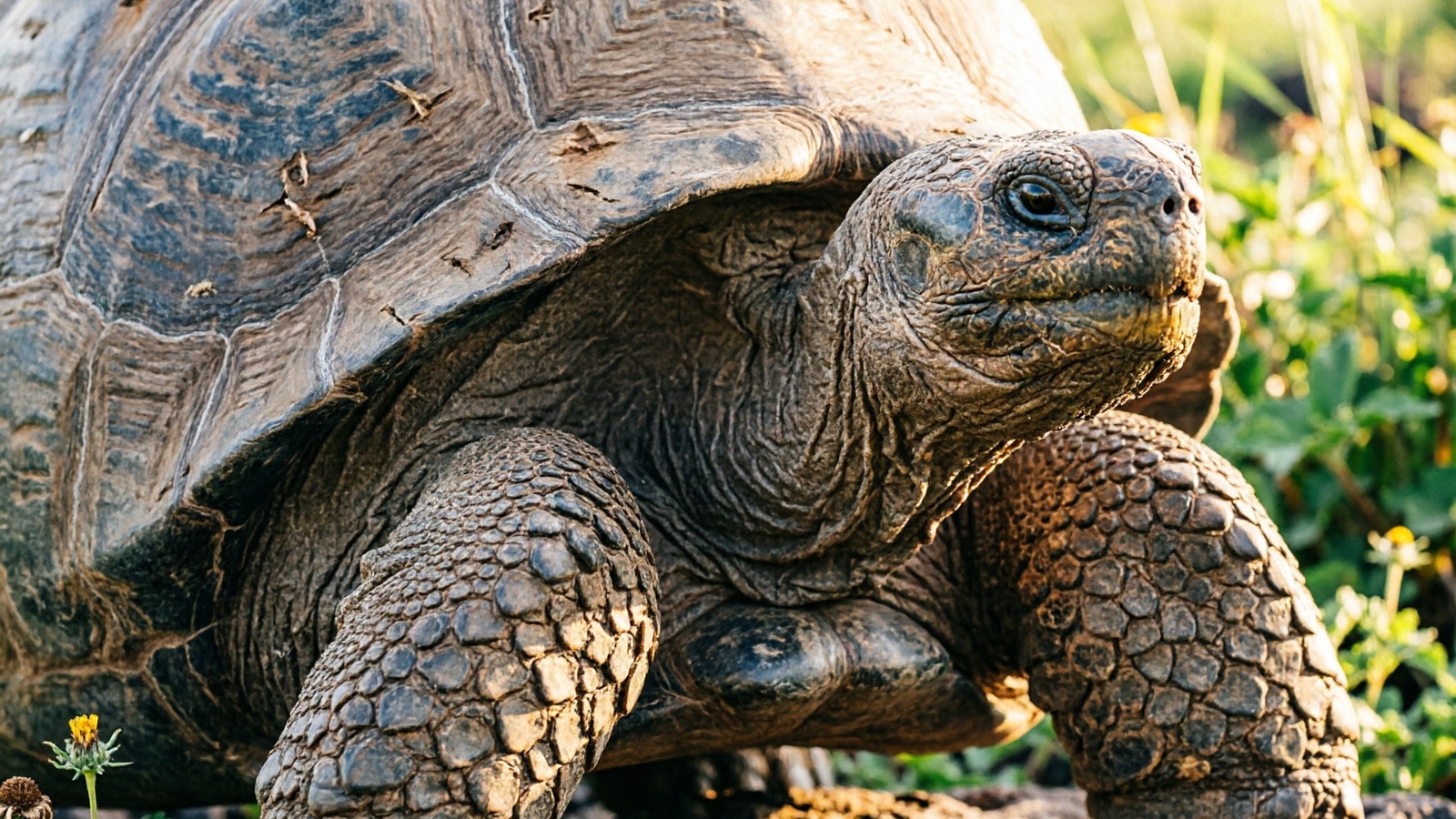
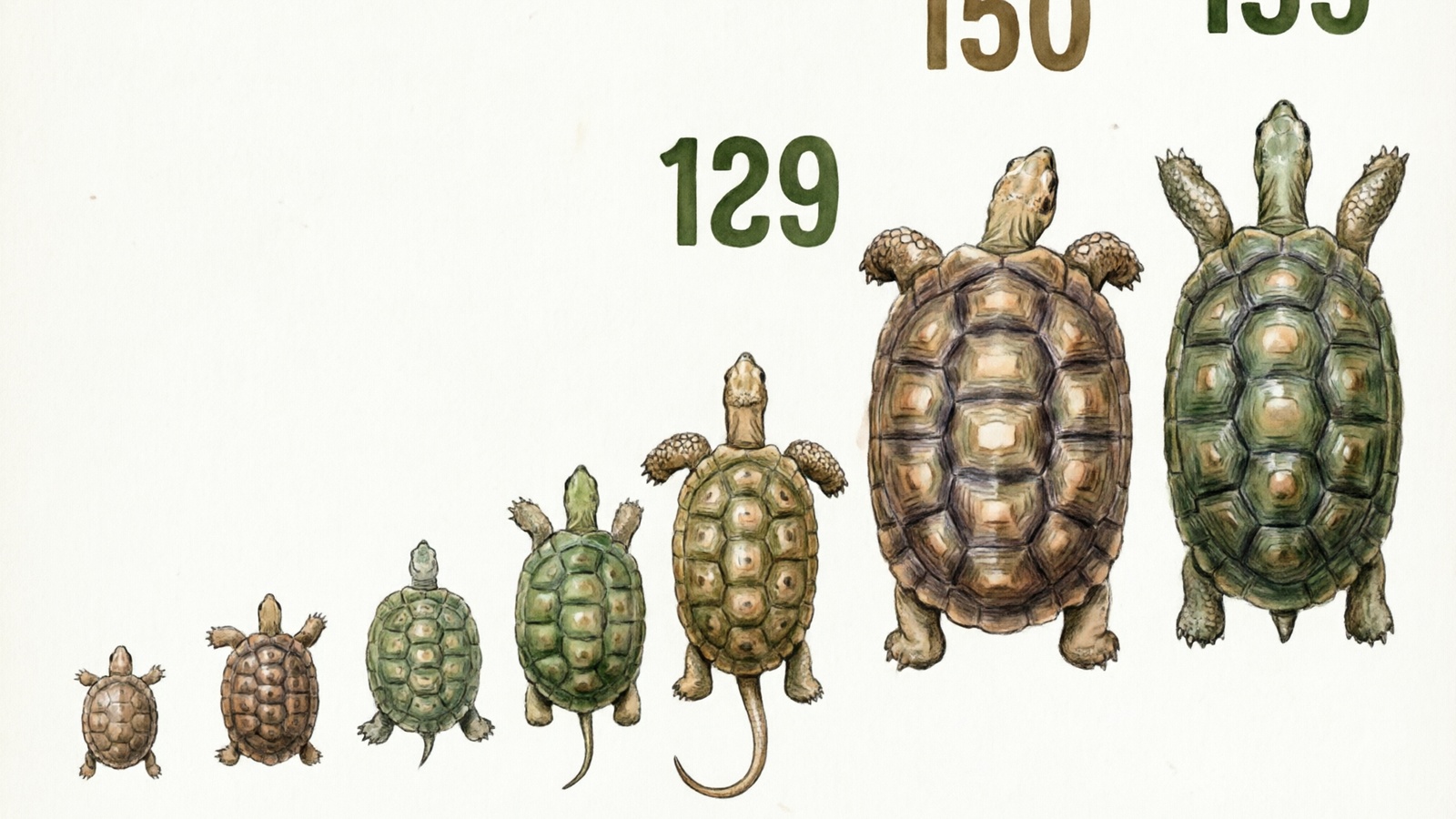
Tortoises are among the longest-living land animals on Earth. The average tortoise lifespan varies enormously by species, ranging from 20 years for the smallest species to over 150 years for giant tortoises.
Understanding tortoise lifespan helps keepers set realistic expectations. Most popular pet tortoise species live between 50 and 150 years. Small Mediterranean species like Russian and Hermann’s tortoises average 50-100 years. Giant species like Galápagos and Aldabra tortoises can exceed 150 years in managed reserves.
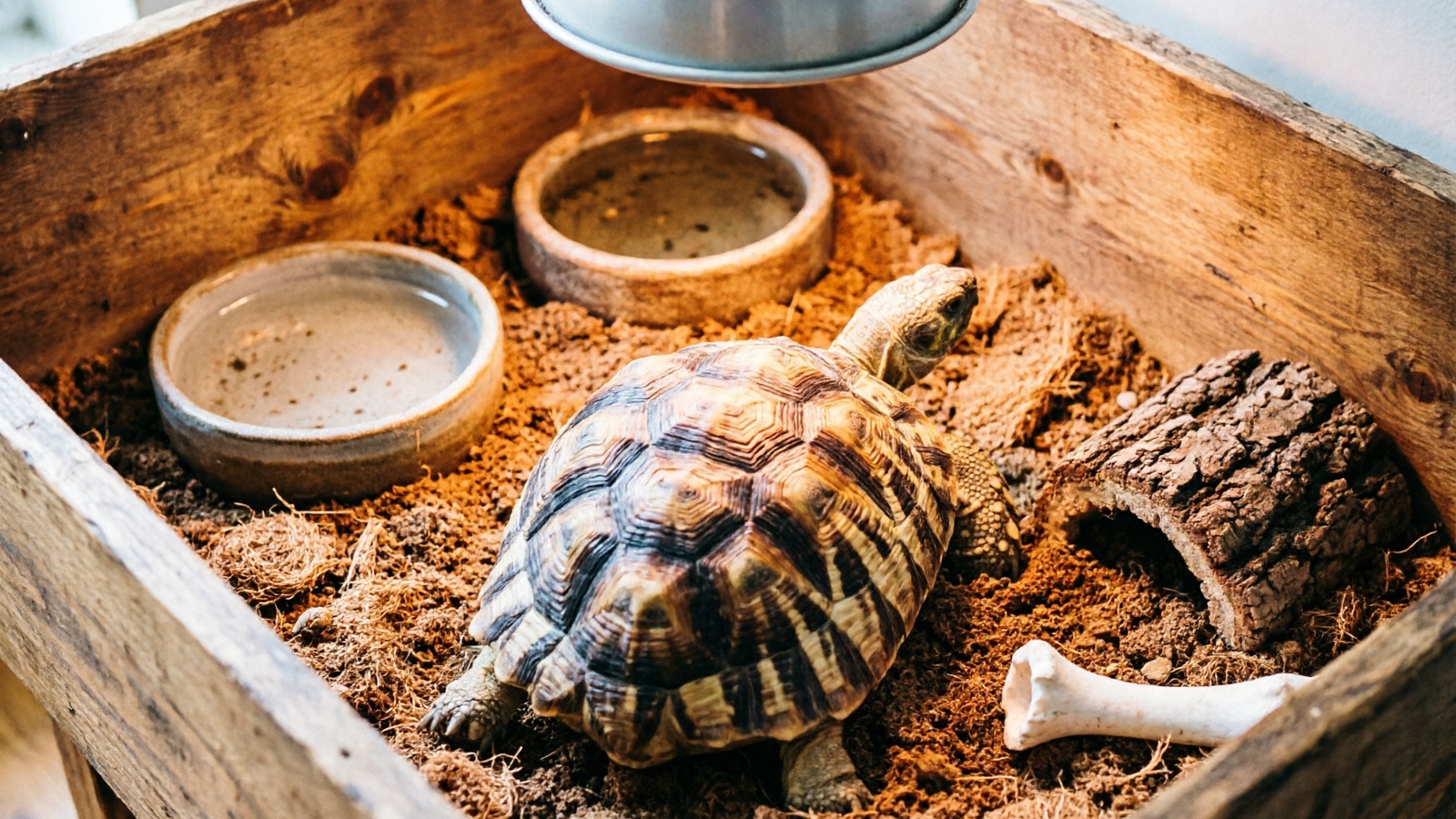
The pet tortoise lifespan you can realistically expect depends on four controllable factors: diet quality, UVB exposure, enclosure type, and veterinary care. A Russian tortoise in a proper open-top enclosure with correct UVB and diet can reach 80-100 years. The same species in a glass tank with poor diet rarely survives past 30.
Proper housing is one of the biggest factors in tortoise longevity. See our enclosure guide for species-specific recommendations.
Tortoise Lifespan by Species
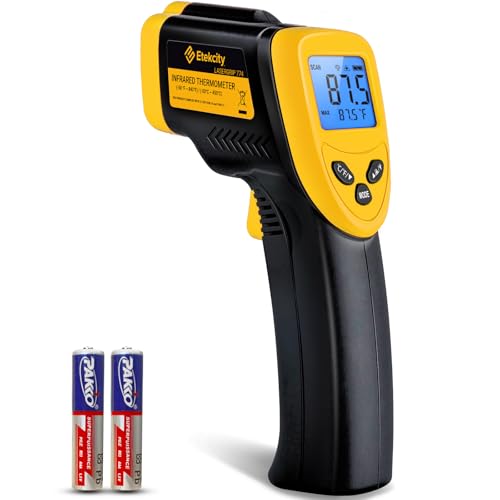
infrared thermometer gun is a quality option worth considering for your setup.
Tortoise lifespan data comes from zoo records, veterinary studies, and long-term keeper observations. The table below covers the eight most commonly discussed species.
| Species | Average Lifespan | Maximum Recorded | Adult Size | Origin |
|---|---|---|---|---|
| Russian Tortoise | 40-80 years | 100+ years | 5-10 inches | Central Asia |
| Hermann’s Tortoise | 50-90 years | 120+ years | 5-8 inches | Southern Europe |
| Leopard Tortoise | 50-100 years | 100+ years | 10-18 inches | Africa |
| Sulcata Tortoise | 70-100+ years | 150+ years | 24-30+ inches | Africa |
| Red-footed Tortoise | 40-60 years | 80+ years | 10-14 inches | South America |
| Greek Tortoise | 50-100 years | 100+ years | 6-10 inches | Mediterranean |
| Indian Star Tortoise | 35-80 years | 100+ years | 5-8 inches | India/Sri Lanka |
| Galápagos Tortoise | 100-150+ years | 175+ years | 48-60 inches | Galápagos Islands |
Leopard tortoise lifespan falls in the mid-range at 50-100 years, with individuals requiring large outdoor spaces as adults. The lifespan range within a single species is enormous. Individual care quality can mean the difference between 40 years and 100 years for the same species.
Russian tortoise lifespan is often cited as 40-80 years, but well-kept individuals regularly exceed this range. Sulcata tortoise lifespan is frequently underestimated because many die young from improper diets. Red-footed tortoise lifespan of 40-60 years reflects their smaller size and tropical requirements.
Diet is the single biggest controllable factor in tortoise lifespan outcomes. Improper nutrition causes shell deformity, organ failure, and premature death. See our tortoise food guide for species-specific dietary recommendations.
Wild vs Captive Tortoise Lifespan
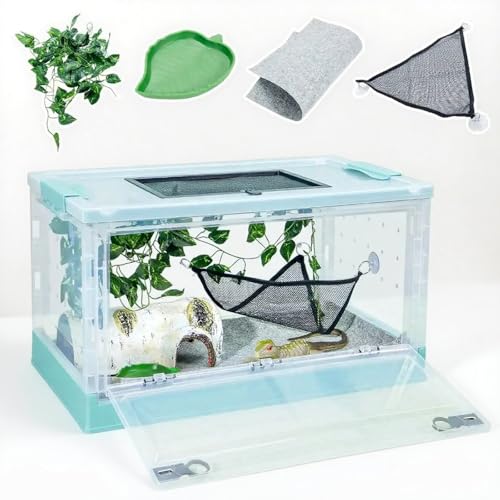
Many owners find that Binano 22-Inch Foldable Mesh Reptile Terrarium works well for their pet’s needs.
The question of whether wild or captive tortoises live longer has a nuanced answer that depends heavily on species and care quality.
Wild tortoises face predation, drought, habitat destruction, and disease. Fewer than 5% of hatchlings survive to adulthood for some species. Adult wild tortoises in stable habitats can live extremely long lives — giant tortoises on protected islands like Galápagos and Aldabra approach their maximum lifespans.
Captive tortoises with proper care consistently outlive wild counterparts of the same species.
However, captivity can also shorten lifespan dramatically when conditions are wrong. Glass tanks, incorrect diets, and missing UVB lighting are the three most common causes of premature death in pet tortoises. A Mediterranean tortoise in a glass terrarium without UVB may only survive 10-20 years despite having a natural lifespan potential of 80-100 years.
The key takeaway: tortoise lifespan depends heavily on care quality. Captive tortoises outlive wild ones when conditions are correct, but die far younger when care is poor. There is no middle ground — the difference is stark.
What Affects a Tortoise’s Lifespan?
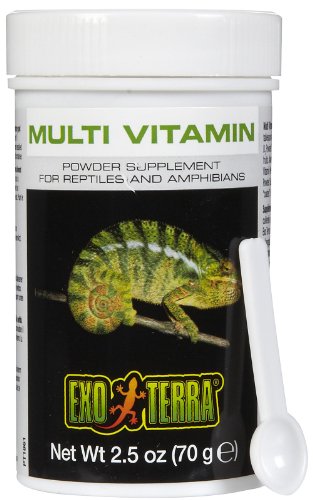
For this purpose, Exo Terra Multi Vitamin 2.5 oz → is a popular choice among pet owners.
Seven primary factors determine tortoise lifespan outcomes. Each one matters independently, and deficiencies in any single factor can shorten lifespan significantly.
Diet — Species-appropriate nutrition is the number one longevity factor. Mediterranean tortoises need high-fiber weed-based diets with roughly 80% weeds and grass plus 20% leafy greens. Sulcata tortoises require 90% or more grass and hay. Red-footed tortoises need more fruit and occasional protein.
High-protein diets cause metabolic bone disease and shell pyramiding — two conditions that drastically reduce tortoise lifespan. Sulcata tortoises fed commercial pellets or high-protein vegetables instead of their natural grass-based diet often die decades before their potential lifespan.
UVB exposure — Without adequate UVB, tortoises cannot synthesize vitamin D3, leading to calcium deficiency and metabolic bone disease. I’ve found that open-top enclosures with quality UVB bulbs or natural sunlight are non-negotiable for long-term health.
Enclosure type — Open-top wooden tables provide proper ventilation and UVB penetration. Glass tanks trap humidity, block UVB, and cause respiratory infections. See our glass tank comparison for why glass works for some reptiles but not tortoises.
Temperature — Proper basking gradients support digestion and immune function. Mediterranean species need 95-100°F at the basking spot and 70-75°F on the cool side. Temperature regulation is critical for tortoise health. A reliable thermostat prevents dangerous overheating or chilling.
Substrate — Proper substrate depth allows natural burrowing behavior for thermoregulation and humidity regulation. See our substrate guide for tortoise-safe options.
Veterinary care — Annual check-ups with a reptile-experienced veterinarian catch problems early. Many fatal conditions are treatable when caught in early stages.
Low stress — Tortoises handle chronic stress poorly. Improper handling, overcrowding, and inappropriate enclosure mates all contribute to elevated stress hormones that suppress immune function over time.
How to Help Your Tortoise Live Longer
These six steps represent the most impactful actions tortoise owners can take to maximize tortoise lifespan. Each step addresses one of the primary longevity factors.
1. Feed the right diet for your species
I’d recommend researching your specific tortoise’s natural diet and replicating it as closely as possible. This produces the best results by far. Russian and Hermann’s tortoises thrive on dandelion, clover, hibiscus, and mulberry leaves.
Sulcata tortoises need Bermuda grass and orchard grass hay as their primary food. Red-footed tortoises require more variety, including occasional fruit and protein sources like snails.
2. Provide proper UVB lighting
Use 10-12% T5 HO UVB tubes over open-top tables for indoor housing.
Replace bulbs every 6-12 months because UVB output degrades over time even though visible light continues. Outdoor time in natural sunlight is ideal when weather permits.
See our UVB light guide for bulb recommendations.
3. Use open-top enclosures only
Never house tortoises in glass tanks. Open-top wooden tables with four to six inches of substrate are the community standard for indoor tortoise housing. The open top allows full UVB penetration and proper air circulation.
4. Maintain proper temperature gradients
Basking spot at 95-100°F, cool side at 70-75°F, and nighttime temperatures at 65-70°F for Mediterranean species. Use a thermostat for heat lamp control to prevent fluctuations.
5. Keep humidity species-appropriate
Mediterranean species prefer 30-50% ambient humidity. Tropical species like Red-footed tortoises need 60-80%. Provide humid hides for all species to support proper shedding and hydration.
6. Schedule annual veterinary visits
Find a reptile-experienced exotic veterinarian. Annual fecal exams, weight monitoring, and shell checks catch problems before they become life-threatening. Most fatal tortoise conditions are treatable in early stages.
Quick tortoise lifespan checklist:
- Species-appropriate diet (high-fiber for Mediterranean, grass-based for Sulcata)
- 10-12% UVB tube over open-top enclosure, replaced every 6-12 months
- Basking spot 95-100°F, cool side 70-75°F
- Open-top wooden table (never glass tank)
- 4-6 inches of substrate for burrowing
- No commercial pellets as staple food
- No glass terrarium housing
- No hibernation without species-specific temperature protocol
The Oldest Tortoises Ever Recorded
The verified longevity records for tortoises are remarkable, and studying them provides valuable insight into tortoise lifespan potential. Shell analysis and documented ownership records provide the most reliable estimates.
| Tortoise | Species | Estimated Age | Location | Notes |
|---|---|---|---|---|
| Jonathan | Seychelles Giant | ~192 years | St. Helena | Oldest known land animal. Died 2026 |
| Adwaita | Aldabra Giant | ~250+ years | Alipore Zoo, India | Unverified — claimed hatch year 1750 |
| Harriet | Galápagos Giant | ~175 years | Australia Zoo | Reportedly collected by Darwin in 1835 |
| Timothy | Mediterranean Spur-thigh | ~160+ years | Britain | Survived torpedo attack on HMS Thunderer |
| Esmeralda | Aldabra Giant | ~170+ years | Bird Island, Seychelles | Largest free-roaming tortoise |
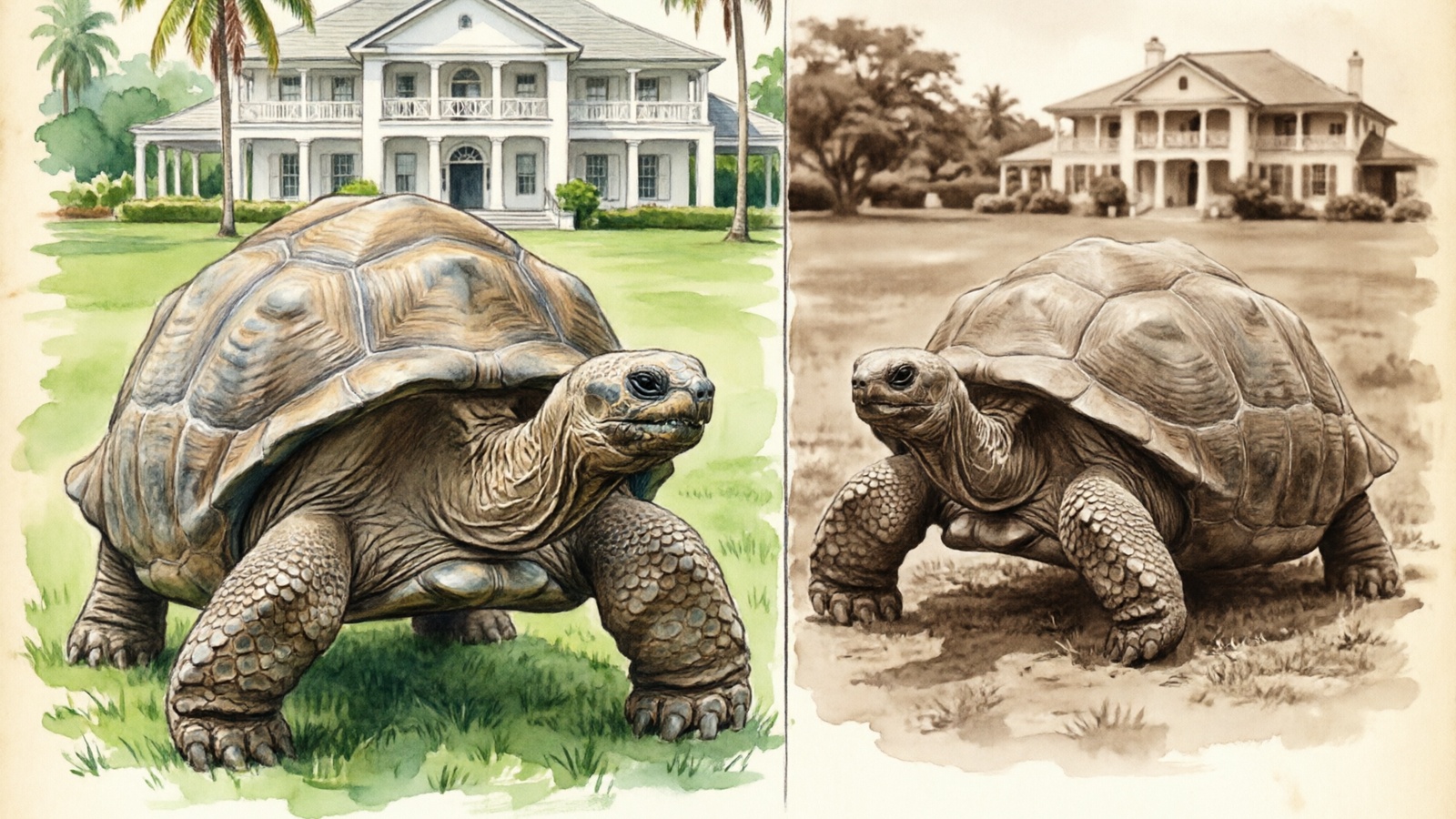
I find it remarkable that Jonathan holds the title of the oldest reliably documented tortoise in modern history. A Seychelles giant tortoise living on St. Helena, he was estimated to have hatched around 1832.
Jonathan died on April 1, 2026, at an estimated age of 192. His death announcement on Instagram received over 1.7 million likes, making him one of the most recognized animals in internet history.
In his final years, Jonathan was blind and had lost his sense of smell, but maintained a healthy appetite until the end.
He had lived on St. Helena since the 1880s as a property of the island’s government. Jonathan’s life spanned nearly two centuries — from before the invention of the telephone to the age of social media.
It is worth noting that “oldest tortoise” records are estimates based on shell analysis and historical documentation. Exact ages are impossible to verify for wild-caught tortoises with no known hatch date, which makes tortoise lifespan research inherently imprecise.
Tortoise Lifespan Myths
Several persistent misconceptions about tortoise lifespan circulate in pet communities and general knowledge. Understanding the truth behind these myths helps keepers make better decisions.
“The size of the enclosure determines how long your tortoise will live”
Partially true. Too-small enclosures cause stress, lack of exercise, and inability to thermoregulate properly.
However, a large enclosure with wrong diet or missing UVB is still harmful. Enclosure size matters, but it is only one piece of the longevity puzzle.
“Tortoises always outlive their owners”
Not necessarily. Small Mediterranean species average 50-80 years with good care, which falls within a typical human lifetime. The idea that all tortoises outlive all humans is an exaggeration based on extreme cases like Jonathan and Adwaita.
“Wild tortoises live longer than captive ones”
False for popular pet species. Properly cared for captive Russian and Hermann’s tortoises consistently outlive wild counterparts. The key word is “properly” — neglected captive tortoises die far younger than wild ones.
“A tortoise stops growing when its enclosure is too small”
False and dangerous. Tortoises continue growing regardless of enclosure size. A Sulcata kept in too-small housing will develop shell deformities, organ compression, and die prematurely from preventable health problems.
“Tortoises hibernate naturally, so you should let them”
Only true for Mediterranean species in appropriate climates. Improper hibernation kills more pet tortoises than almost anything else. Temperature must stay between 37-50°F — too warm burns fat reserves and too cold causes freezing death.
Box turtles have similar care requirements and lifespan expectations to tortoises. See our box turtle guide for a detailed comparison of these related species.
Tortoise Lifespan FAQ
How long do tortoises live as pets?
Pet tortoise lifespan depends entirely on species and care quality. Russian and Hermann’s tortoises typically live 40-80 years with proper care, often reaching 100+ years.
Sulcata tortoises can live 70-100+ years but many die young from improper diet. The minimum realistic expectation for any well-cared-for pet tortoise is 40-50 years — this is a lifelong commitment that requires planning.
Can a tortoise outlive a human?
Yes, especially giant species kept in excellent conditions. The longest reliably documented tortoise, Jonathan, lived approximately 192 years.
However, most popular pet species average 50-80 years, which falls within a typical human lifespan. It is important to have a long-term care plan that accounts for your tortoise potentially outliving you.
What is the shortest living tortoise species?
The pancake tortoise has the shortest documented lifespan among pet tortoises, averaging 20-30 years in captivity. Among more commonly kept species, Red-footed tortoises average 40-60 years.
No commonly kept tortoise species has a lifespan shorter than 20 years with even basic care. The question of how long do tortoises live has a wide answer range because of this species variation.
Do male or female tortoises live longer?
There is no consistent evidence that one sex outlives the other across tortoise species. Some studies suggest female Russian tortoises may have slightly longer lifespans, while male Galápagos tortoises tend to be larger and potentially longer-lived.
Individual care quality matters far more than sex for tortoise longevity.
Why do captive tortoises die young?
The most common causes of premature death in pet tortoises are metabolic bone disease from insufficient UVB and calcium, shell pyramiding from high-protein diets especially in Sulcata, respiratory infections from glass tank housing, and hibernation accidents from incorrect temperatures.
Most premature tortoise deaths are preventable with proper species-specific care. Maximizing tortoise lifespan requires addressing these common husbandry mistakes early.