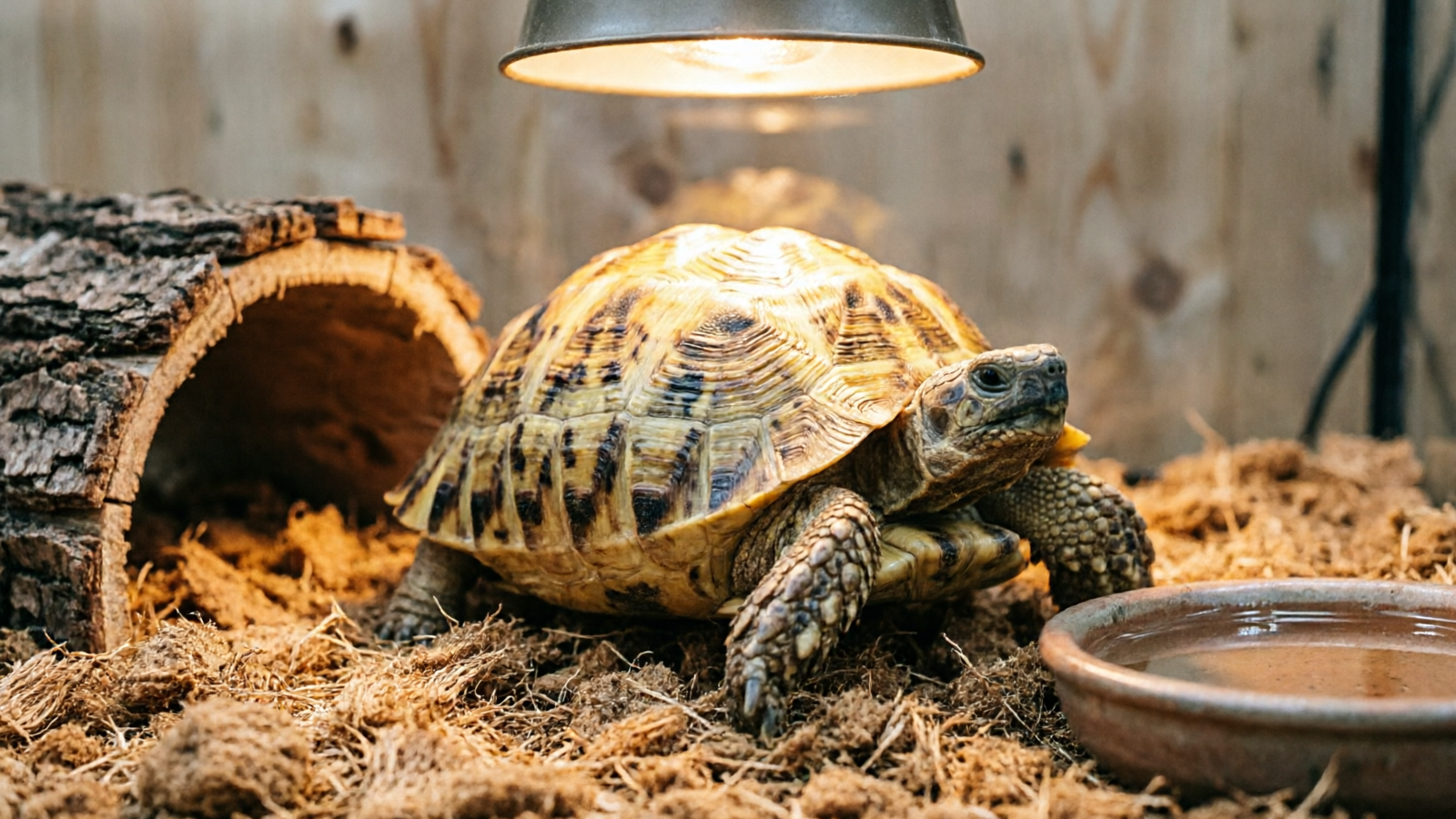
Choosing the right tortoise bedding is more complicated than most beginners expect. A Russian tortoise needs bone-dry coco coir. A Red-foot needs damp cypress mulch.
A Sulcata hatchling starts on coir in a table but eventually outgrows every indoor option and ends up in your backyard. There is no single best tortoise substrate — only the best option for your species, your setup, and your experience level.
This guide compares 8 products across 6 substrate types, with species-specific recommendations for the most popular pet tortoises — from tiny indoor tables to full backyard enclosures.
Best Tortoise Substrate — Top Picks at a Glance
| # | Product | Type | Price | Best For |
|---|---|---|---|---|
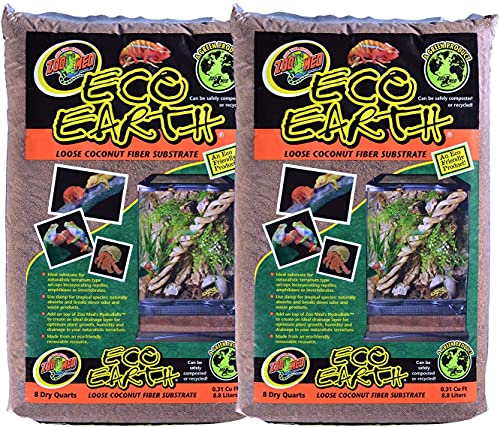
| Zoo Med Eco Earth | Coco Coir (Loose) | $29.99 | Best Overall | |
| Zoo Med Forest Floor | Cypress Mulch | $12.99 | Best for Humidity | |
| Zoo Med Tropical Bioactive Substrate | Pre-Mixed Soil | $21.72 | Best Pre-Mixed | |
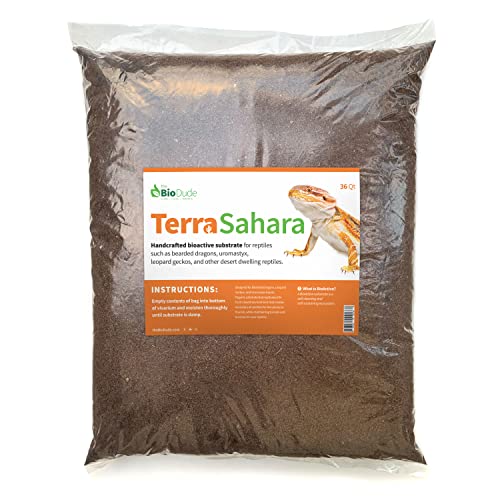
| 4 | Bio Dude Terra Sahara | Bioactive | $24.95 | Best Bioactive |
| 5 | Exo Terra Plantation Soil | Coco Coir (Brick) | $6.69 | Best Budget |
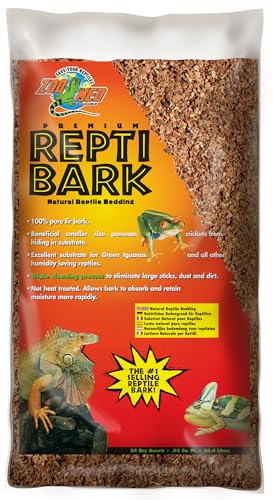
| 6 | Zoo Med Reptile Bark | Bark | $10.99 | Best for Large Setups |
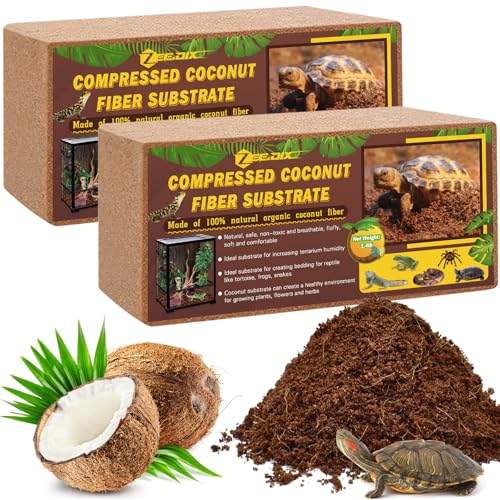
| 7 | ZeeDix Coco Coir Brick | Coco Coir (Brick) | $22.79 | Best Value Multi-Pack |
| 8 | REPTI ZOO Coco Chips | Coco Chips | $23.99 | Best for Burrowing |
The right substrate also depends on housing. Pairing the best tortoise substrate with the right enclosure creates a healthy habitat — wrong substrate in the wrong enclosure is one of the most common beginner mistakes.
Coco Coir vs Topsoil vs Cypress Mulch — Substrate Types Compared
Before picking a product, you need to understand the six main substrate types available for tortoises. Each has different moisture retention, safety profiles, and setup requirements.
| Substrate Type | Best For | Humidity | Cost | Safety | Setup Effort |
|---|---|---|---|---|---|
| Coco Coir (loose) | Most species (versatile) | Moderate-High | Medium | Low risk | Easy |
| Coco Coir (brick) | Budget keepers | Moderate | Low | Low risk | Medium (needs expansion) |
| Cypress Mulch | Humidity-loving species | High | Low | Warning: Mite risk | Easy |
| Pre-Mixed Soil | Beginners, convenience | Moderate | Medium | Warning: Gnat risk | Easiest |
| Bioactive | Experienced keepers | Varies | High | Low (if done right) | Complex |
| Coco Chips | Burrowing species | Low-Medium | Medium | Low risk | Easy |
Coco coir is the most versatile tortoise bedding on the market. It works dry for arid species like Russian and Hermann’s tortoises, and damp for tropical species like Red-foot. The AI Overview on Google recommends a 50/50 mix of topsoil and coco coir as the best tortoise substrate for general use.
Tortoise topsoil is the other half of the DIY equation. The community-favorite recipe is 70% organic topsoil mixed with 30% children’s play sand. This mix is cheap, natural, and works well for most species.
However, bagged topsoil lacks the consistency testing of commercial products, and you must verify it is free from fertilizers and pesticides before use.
Tortoise cypress mulch holds moisture exceptionally well, making it the go-to choice for humidity-loving species. The AI Overview specifically recommends “undyed cypress mulch” for tortoises. However, natural wood products carry a mite risk — more on that in the safety section.
Aquatic turtles need very different substrate (river pebbles, no sand for most species). See the turtle substrate guide for comparison. For snake substrate comparison, the ball python substrate guide covers similar product types in a different context.
Sulcata Tortoise Substrate — Indoor and Outdoor
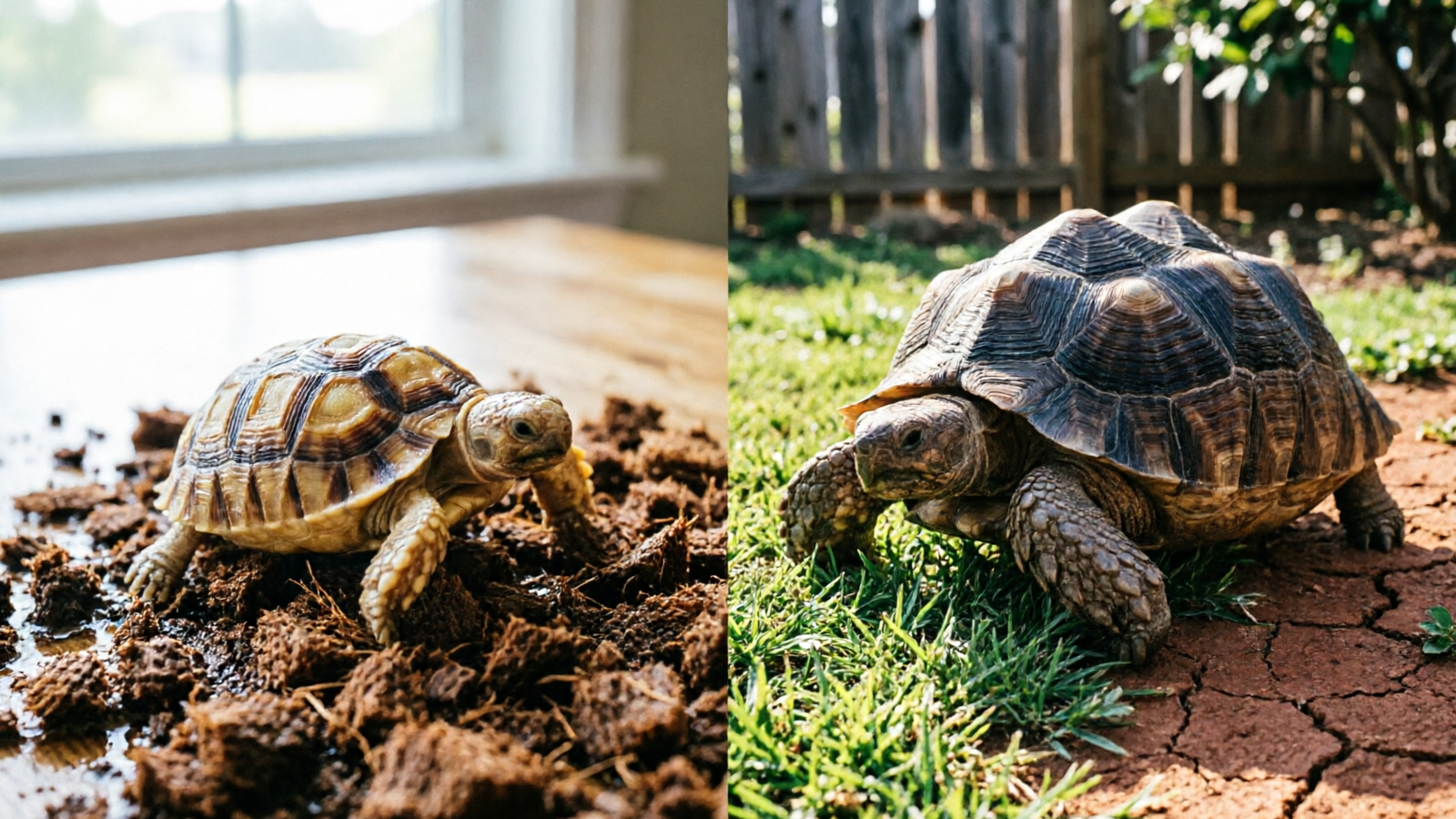
Sulcata tortoises are the third most popular pet tortoise, and they grow massive — 100 to 200 pounds as adults. Their substrate needs change dramatically as they grow, and no single commercial product can handle every life stage.
| Life Stage | Size | Indoor Substrate | Depth | Outdoor Substrate |
|---|---|---|---|---|
| Hatchling (0-6 months) | 2-3 inches | Coco coir + sand mix | 3” | N/A (keep indoors) |
| Juvenile (6-24 months) | 4-10 inches | Bioactive or coco coir | 4-6” | Topsoil + grass area |
| Sub-adult (2-5 years) | 10-16 inches | Too large for most tables | N/A | Native soil + clover/grass |
| Adult (5+ years) | 18-30+ inches | Not feasible indoors | N/A | Entire yard, native soil |
Hatchlings do well on Zoo Med Eco Earth mixed with a small amount of play sand. Keep the coir slightly damp — not wet — and provide a dry basking area. At this stage, a standard tortoise table with 3 inches of substrate is sufficient.
Hatchlings are small enough that loose coir poses no impaction risk, and the moisture helps prevent dehydration during the critical first months of growth.
Juveniles need more depth and more space. A bioactive setup like the Bio Dude Terra Sahara works well if you are experienced with live ecosystems, and many keepers consider it the best tortoise substrate for Sulcata juveniles because the self-cleaning microfauna reduce maintenance.
If bioactive feels overwhelming, plain coco coir at 4-6 inches depth works fine. At this stage, you can also introduce a small outdoor area with natural topsoil and grass for supervised grazing sessions.
Sub-adults and adults outgrow every commercial substrate product. At this stage, the tortoise substrate outdoor solution is simply your native yard soil. Sulcatas thrive on grass and weeds, and their outdoor enclosure should provide direct access to soil, clover, and drought-tolerant plants.
An adult Sulcata will dig, burrow, and graze across your entire yard — the soil IS the substrate at this point. No bagged product can replicate what nature provides for a 100-pound tortoise.
Feeding the wrong food on the wrong substrate causes shell pyramiding — a permanent deformity that affects Sulcatas more than almost any other species. High-fiber diets paired with outdoor soil and grass are the gold standard.
Russian Tortoise Substrate — The Most Popular Pet Species
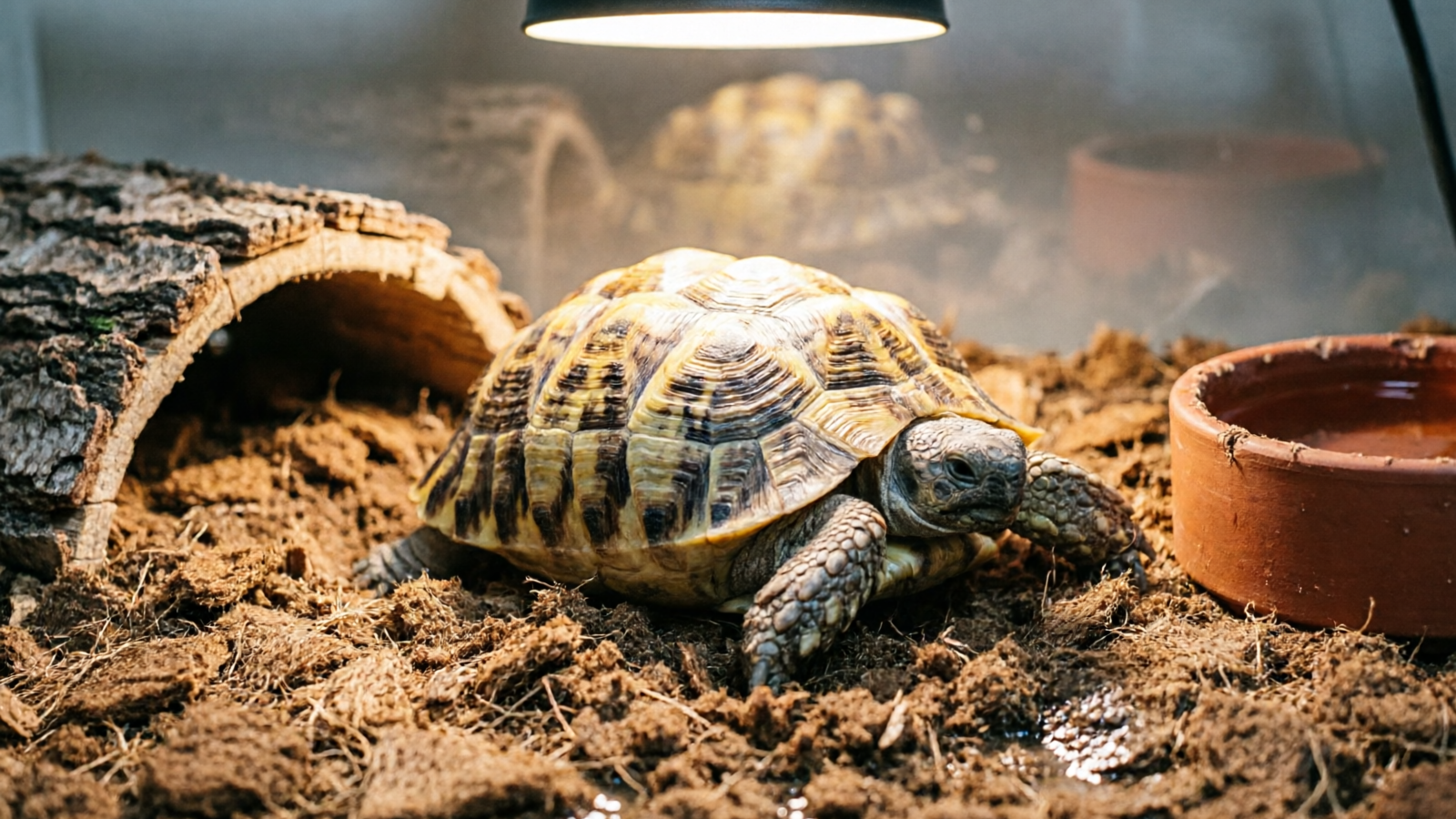
Russian tortoises (also called Horsfield’s tortoises) are the most popular pet tortoise in the United States. They come from the arid steppes of Central Asia and need dry substrate that allows natural burrowing behavior.
Russian tortoise substrate setup (6 steps):
- Choose your base: Coco coir or pre-mixed soil. Zoo Med Eco Earth works well as a base layer.
- Keep it dry: For arid setups, use the coir dry or very lightly misted. Russian tortoises need low humidity.
- Add play sand: Mix in 20-30% play sand for drainage and texture variety. This mimics their natural steppe environment.
- Set the depth: 4-6 inches minimum for adult Russians. They are enthusiastic burrowers and need enough depth to dig in completely.
- Create a humidity gradient: Place slightly moist coir under the cool hide for healthy shedding. Keep the basking area bone-dry.
- Top dress: Sprinkle clean topsoil or a thin layer of cypress mulch on top for a natural look.
The tortoise coco coir option is the most versatile for Russian tortoises because you can control moisture precisely. Use it completely dry across most of the enclosure, with a small moist area under one hide.
Bearded dragons and Russian tortoises both need arid substrates, but dragons prefer calcium sand alternatives while tortoises need coco coir or soil. See the bearded dragon substrate guide for the full comparison.
Humidity hide tip: Even though Russian tortoises need dry substrate overall, they still benefit from a humidity hide during shedding periods. Place a small closed hide with slightly moist coco coir inside — this prevents retained eye caps and helps with smooth shedding, which is why most keepers consider Zoo Med Eco Earth the best tortoise substrate for Russian tortoises. The rest of the enclosure should remain bone-dry.
Products for Russian tortoises: Zoo Med Eco Earth (best overall — works dry, no expansion issues), Exo Terra Plantation Soil (budget pick at $6.69), ZeeDix Coco Coir Brick (value multi-pack for keepers who go through substrate quickly).
Avoid for Russian tortoises: Cypress mulch (retains too much moisture), Forest Floor bark (same issue), and any substrate that stays damp across the entire enclosure. Respiratory infections are the most common health problem in Russian tortoises kept on overly moist substrate.
If you notice your tortoise wheezing or having nasal discharge, check your substrate moisture levels immediately — this is often the first sign of a respiratory infection caused by overly damp conditions.
Hermann’s and Desert Tortoise Substrate
Hermann’s tortoises and Desert tortoises share similar substrate needs with Russian tortoises — they all come from dry, arid environments. The key difference is that Hermann’s are Mediterranean (slightly more humidity variation) while Desert tortoises need the driest conditions possible.
| Species | Origin | Humidity Need | Recommended Substrate | Depth | Notes |
|---|---|---|---|---|---|
| Hermann’s | Mediterranean | Low-Moderate | Coco coir + sand, lightly misted | 4-6” | Similar to Russian |
| Desert (Gopherus) | SW United States | Very Low | Coco coir DRY, play sand mix | 3-4” | Driest of all |
| Horsefield | Central Asia | Low | Coco coir, minimal moisture | 4-6” | Same as Russian |
| Marginated | Mediterranean | Low-Moderate | Coco coir, outdoor soil | 4-6” | Largest European species |
Over-humidifying is the number one beginner mistake for Mediterranean species. Unlike tropical Red-foots, Hermann’s and Desert tortoises should never have damp substrate across the entire enclosure. A dry base with a slightly moist hide area is the correct approach when choosing the best tortoise substrate for these species.
For a tortoise substrate hermann setup, REPTI ZOO Coco Chips at 72 quarts provide excellent value. The larger chip size creates better drainage and encourages natural burrowing behavior.
The low-dust formula is gentler on respiratory systems compared to fine coconut fiber, making it suitable for tortoise species prone to respiratory sensitivity.
For experienced keepers interested in a self-maintaining ecosystem, the Bio Dude Terra Sahara is a solid bioactive option — the 36-quart volume covers most Hermann’s tortoise tables, and the included drainage layer prevents waterlogging. However, bioactive setups require knowledge of springtail and isopod care, so start with plain coco coir first if you are new to bioactive.
Desert tortoises (Gopherus species) are native to the Mojave and Sonoran deserts. They need the driest substrate of any pet tortoise species. A mix of coco coir and 30-40% play sand at 3-4 inches depth mimics their natural desert wash habitat.
Keep the substrate completely dry — any moisture retention can lead to respiratory problems in these extremely arid-adapted animals.
If you keep corn snake or other semi-arid reptiles, you will notice similar substrate requirements — dry coir or soil with sand mixed in. The key difference is that tortoises need more depth for burrowing behavior.
Humidity-Loving Tortoise Substrate — Red-Foot and Yellow-Foot
Red-footed and Yellow-footed tortoises are the exception to the “keep it dry” rule. They come from South American tropical forests and need substrate that holds moisture and maintains 60-80% humidity.
Humidity substrate checklist:
- Cypress mulch — holds moisture naturally, mimics forest floor
- Zoo Med Forest Floor — the top-rated cypress mulch product for humidity-loving species
- Zoo Med Reptile Bark — 24 quarts of natural bark for large tropical setups
- Sphagnum moss in the hide — boosts local humidity to 80% or higher
- Coco coir kept moist (not dripping wet)
- Dry sand or dry coco coir — too arid for tropical species
- Reptile carpet or paper towels — no humidity retention at all
- Cedar or pine — toxic oils that cause respiratory damage in ALL tortoise species
Zoo Med Forest Floor is the standout choice for Red-foot and Yellow-foot tortoises. The cypress mulch holds moisture beautifully and creates the damp forest floor environment these species need. The natural appearance also makes for an attractive enclosure.
For large tropical setups, Zoo Med Reptile Bark at 24 quarts provides the most coverage per dollar. The bark pieces are larger than Forest Floor mulch, which creates a more varied texture that tropical tortoises seem to enjoy.
The bark also holds moisture well when misted, maintaining humidity between waterings.
Bioactive tropical option: The Bio Dude Terra Firma is designed for tropical species and includes the drainage layer, soil, and leaf litter needed for a complete rainforest floor ecosystem. It is more expensive than plain cypress mulch, but for keepers who want a planted Red-foot enclosure with minimal maintenance, the investment pays off over time.
Maintenance tip: Tropical substrate needs more frequent attention than arid substrate. Spot clean daily, and do a full substrate change every 4-6 weeks. Cypress mulch that stays too wet for too long can develop mold and attract fungus gnats.
If you notice small flies around the enclosure, your substrate is too wet — let it dry out slightly between mistings to prevent gnat infestations.
Tortoise Substrate Safety — What to Avoid
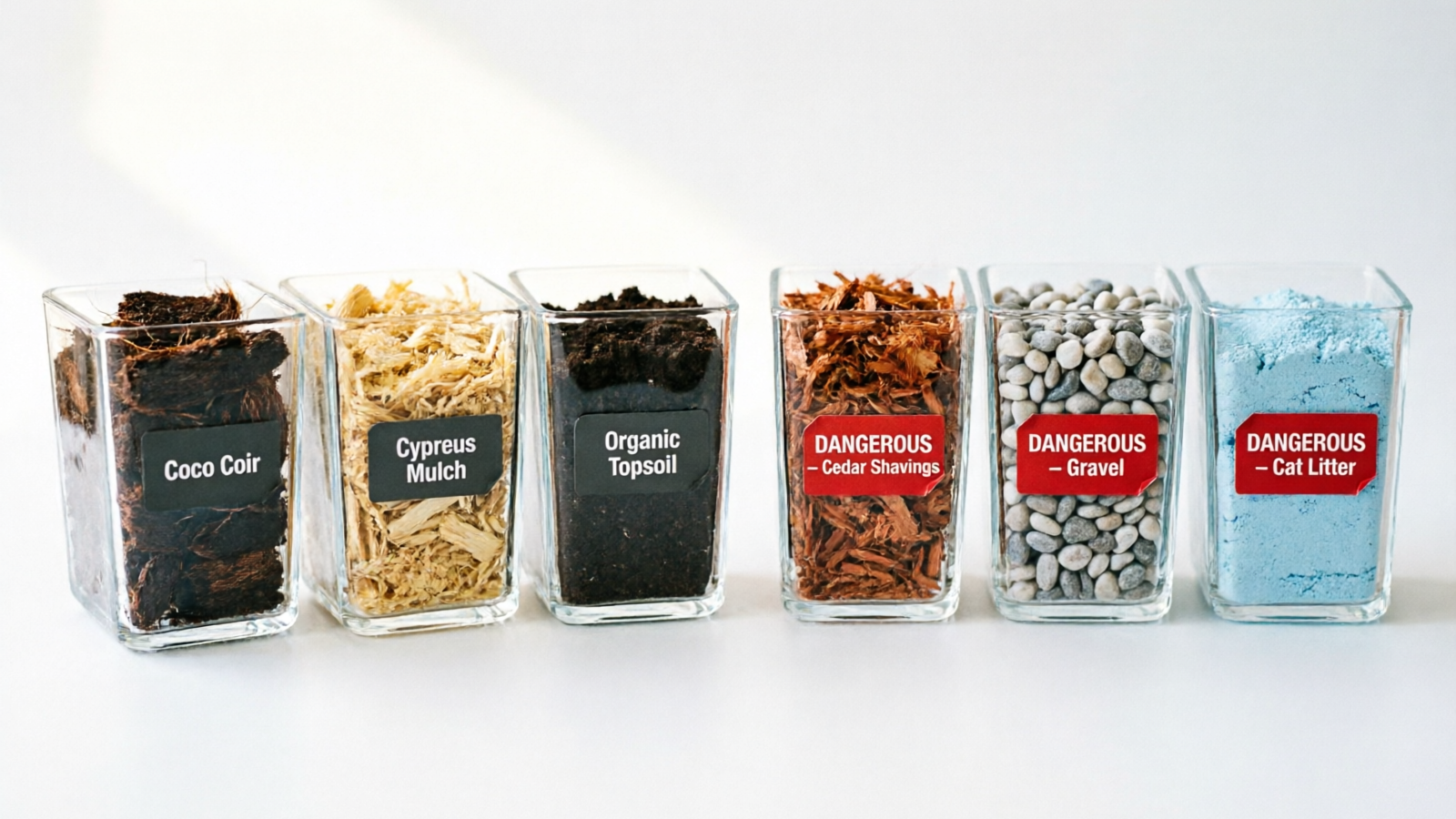
Choosing the wrong substrate can seriously harm your tortoise. Safety should be your first priority when selecting the best tortoise substrate, ahead of price or appearance.
Dangerous substrates:
- Cedar and pine shavings — Aromatic oils (phenols) cause respiratory distress, neurological damage, and liver failure in reptiles. This applies to every tortoise species regardless of humidity needs. Cedar is the most dangerous — even brief exposure can be fatal.
- Gravel or aquarium gravel — Impaction risk if ingested. Tortoises accidentally eat substrate while grazing, and small stones block intestines.
- Walnut shells — Sharp edges cause internal damage if ingested.
- Reptile carpet — Prevents burrowing, traps bacteria, damages nails. Tortoises are natural burrowers and carpet blocks this instinct.
- Cat litter (clay) — Clumping when wet causes intestinal blockages. Dust irritates eyes and respiratory tract.
- Pure sand (for juveniles) — Juvenile tortoises eat sand accidentally while feeding. Use sand only as 20-30% of a mixed substrate, never as the sole material.
Freeze-before-use safety protocol:
Warning: Any natural wood or coir product carries a mite and pest risk. The reptile community standard is to freeze substrates for 48 hours or microwave small batches before introducing them to the enclosure. This kills eggs and larvae that may be hiding in organic material.
This applies to Zoo Med Eco Earth, Forest Floor, Reptile Bark, Exo Terra Plantation Soil, and all coconut fiber products. Even premium brands are not immune — mite infestations have been reported across every major reptile substrate brand. The freeze protocol is cheap insurance against a problem that can devastate your tortoise’s health.
How to freeze: Place the unopened bag in a freezer at 0°F (-18°C) for 48 hours. After freezing, let the substrate reach room temperature before opening. For large bags that do not fit in your freezer, divide into smaller portions or use the microwave method: heat damp substrate on high for 2 minutes, stir, repeat until completely dry.
Exo Terra coco coir bricks have a known quality control issue — multiple reviews report bricks that refuse to expand even after overnight soaking. Zoo Med Eco Earth has better expansion consistency. If you choose a brick-format coir, be prepared to manually break it apart with a fork or hammer.
Substrate depth affects temperature gradient accuracy. A reptile thermostat prevents heat lamp overheating and is essential for any enclosure setup regardless of substrate type.
Frequently Asked Questions
What’s the best substrate for tortoises?
The best tortoise substrate depends on your species. For Russian and Hermann’s tortoises — the most popular pets — coco coir mixed with 20-30% play sand at 4-6 inches depth is the community standard.
For humidity-loving species like Red-footed tortoises, cypress mulch or moist coconut fiber works better. Sulcata hatchlings can use coco coir indoors, but adults need outdoor native soil.
Zoo Med Eco Earth is the most versatile single product because it works dry for desert species and damp for tropical species.
What is the cleanest substrate for tortoises?
Pre-mixed soil substrates like Zoo Med Tropical Bioactive Substrate holds shape well and are easy to spot clean. Loose coco coir also scoops cleanly.
Bioactive substrates are the cleanest long-term option — springtails and isopods break down waste automatically, reducing cleaning frequency from daily to weekly. However, bioactive setups require more initial knowledge.
Cypress mulch tends to track outside the enclosure on the tortoise’s shell and legs.
What to put at the bottom of a tortoise enclosure?
For indoor tortoise tables, use 4-6 inches of coco coir or a topsoil and sand mix directly on the table bottom. Many keepers add a layer of landscaping fabric underneath to prevent substrate from falling through gaps.
For outdoor enclosures, native topsoil directly on the ground is the standard tortoise substrate outdoor approach. Glass tanks are not recommended for tortoises — open-top tables and outdoor pens are the preferred housing styles.
What is the least smelly substrate for tortoises?
Bioactive substrates with springtails and isopods are the least smelly because microfauna actively break down waste. Among non-bioactive options, loose coco coir controls odor best with daily spot cleaning.
Cypress mulch can develop a sour smell if kept too wet, and damp mulch attracts gnats and fruit flies. Pre-mixed soil substrates sometimes arrive with a strong earthy odor that dissipates after a few days.
Can I use topsoil from my yard for tortoise substrate?
Yes, with precautions. Yard topsoil is the community favorite for outdoor enclosures and is what most Sulcata keepers use for adult tortoises.
However, you must ensure the soil is free from pesticides, herbicides, fertilizer, and chemical runoff. Never use soil from near treated lawns or agricultural fields. Mix with play sand at a 70/30 ratio for better drainage.
For indoor use, bagged organic topsoil from garden centers is safer because it is screened and sterilized.
Conclusion
The best tortoise substrate is the one that matches your tortoise’s natural environment. Russian and Hermann’s tortoises need dry coco coir with sand. Red-foot and Yellow-foot tortoises need moist cypress mulch.
Sulcatas start on coir and end up in your yard.
For most keepers, Zoo Med Eco Earth is the safest starting point. It works across the widest range of species, comes in loose form (no expansion issues), and has the most reviews of any tortoise substrate product on the market. Just remember to freeze it for 48 hours before use to eliminate any potential mite or pest concerns.
Budget-conscious keepers should look at Exo Terra Plantation Soil at $6.69 — it is the cheapest option and works well when you do not need the convenience of loose-form coir. For large enclosures, the REPTI ZOO Coco Chips at 72 quarts provide the most volume per dollar and are ideal for species that love to burrow.
Whatever you choose, prioritize safety over aesthetics. Freeze natural products, avoid cedar and pine at all costs, and match the substrate moisture to your species’ native climate. Your tortoise’s health depends on getting this right.
For more tortoise care information, explore the tortoise enclosure setup and tortoise nutrition guides to build a complete care plan for your shelled companion.