Setting Up Your Guinea Pig Cage
A proper guinea pig cage setup directly affects your pets’ health, behavior, and lifespan. Guinea pigs spend most of their lives inside their enclosure, so getting the setup right from the start matters more than most new owners realize.
Think of this as your complete guinea pig habitat setup reference — covering everything from cage dimensions to daily cleaning.
The cage size is the single most important decision you will make. A cage that is too small leads to depression, aggression between cage mates, and obesity from lack of movement. Most pet store cages marketed for guinea pigs are only 2-4 square feet — far below what they actually need (VCA Hospitals — Guinea Pig Care).
| Guinea Pigs | Minimum Cage Size | Recommended Size | C&C Grid Panels |
|---|---|---|---|
| 1 pig (not recommended) | 7.5 sq ft | 10.5 sq ft | 2×3 grids |
| 2 pigs (minimum) | 7.5 sq ft | 10.5 sq ft | 2×3 grids |
| 2 pigs (comfortable) | — | 10.5 sq ft | 2×4 grids |
| 3 pigs | 10.5 sq ft | 13 sq ft | 2×5 grids |
| 4 pigs | 13 sq ft | 16 sq ft | 2×6 grids |
Single guinea pigs should not be kept alone. They are herd animals that become depressed without companionship (RSPCA — Guinea Pig Welfare). The minimum group size is two, and cage size must scale with group size — never shrink it.
Never use cages with wire flooring. Wire grids cause bumblefoot (pododermatitis), broken nails, and toe injuries. Every cage must have a solid bottom, whether plastic, wood, or coroplast.
Warning: Bumblefoot (Pododermatitis) — A painful bacterial infection of the foot pads caused by pressure from wire flooring, damp bedding, or obesity. Bumblefoot progresses from redness and swelling to open ulcers and bone infection if untreated (Merck Veterinary Manual). It is the most preventable foot disease in guinea pigs — solid flooring and dry bedding eliminate virtually all cases.
Four main cage types work for guinea pigs. C&C cages (Coroplast and Cube grids) are the gold standard — modular, expandable, and affordable. A C and c cage setup uses storage cube grids and a coroplast base that you assemble yourself.
Warning: C&C Cage (Coroplast and Cube) — A modular enclosure system made from wire storage cube grids zip-tied together as walls and 4mm corrugated plastic (coroplast) folded into a waterproof base tray. C&C cages are the gold standard recommended by guinea pig rescue organizations because they provide the largest floor area per dollar spent. The open-grid design also provides superior ventilation compared to enclosed plastic tanks (GuineaLynx, RSPCA).
Pre-built plastic cages are convenient but often dangerously small. Check dimensions carefully before buying — most pet store cages fail the 7.5 square foot minimum. For specific cage recommendations, see our guinea pig cage review.
Wooden DIY cages are customizable and attractive. Use only safe, untreated wood — cedar and pine contain toxic aromatic oils (Oxbow Animal Health — Guinea Pig Nutrition). Line the interior with coroplast or linoleum as a waterproof barrier.
Multi-level cages are not recommended. Guinea pigs are poor climbers and cannot jump safely. Ramps cause falls and injuries, and upper levels usually go unused. More floor space on a single level is always better.
C&C cage setups are the most popular choice among experienced owners. A proper C and c cage setup is affordable, expandable, and fully customizable. For detailed dimension requirements, see our cage size guide.
Cage Layout and Zoning
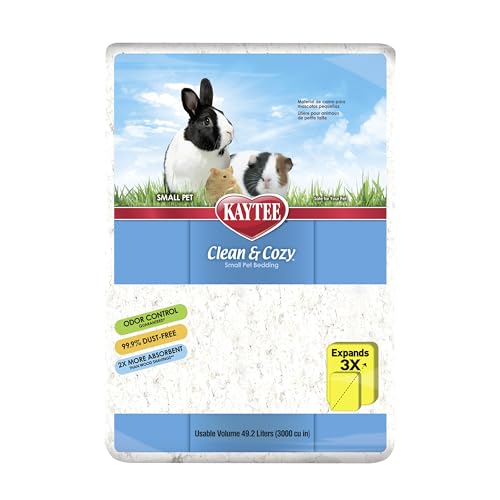
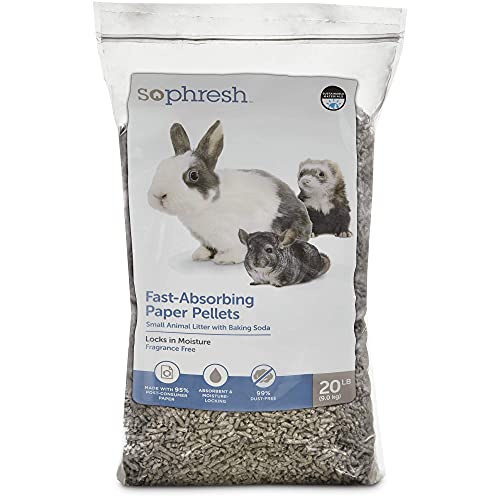
Kaytee Clean & Cozy White Paper Bedding is a quality option worth considering for your setup.
Your guinea pig cage layout matters as much as the cage size itself. A well-zoned arrangement reduces stress, encourages natural behaviors, and makes daily maintenance faster.
The 4-zone layout system organizes the cage into four functional areas based on how guinea pigs actually use their space.
Zone 1 — Sleeping area (quiet corner). Place at least two hideouts here, one per pig minimum. Fleece bedding provides the most comfortable sleeping surface. This zone should be the darkest and most sheltered part of the cage, positioned away from the door.
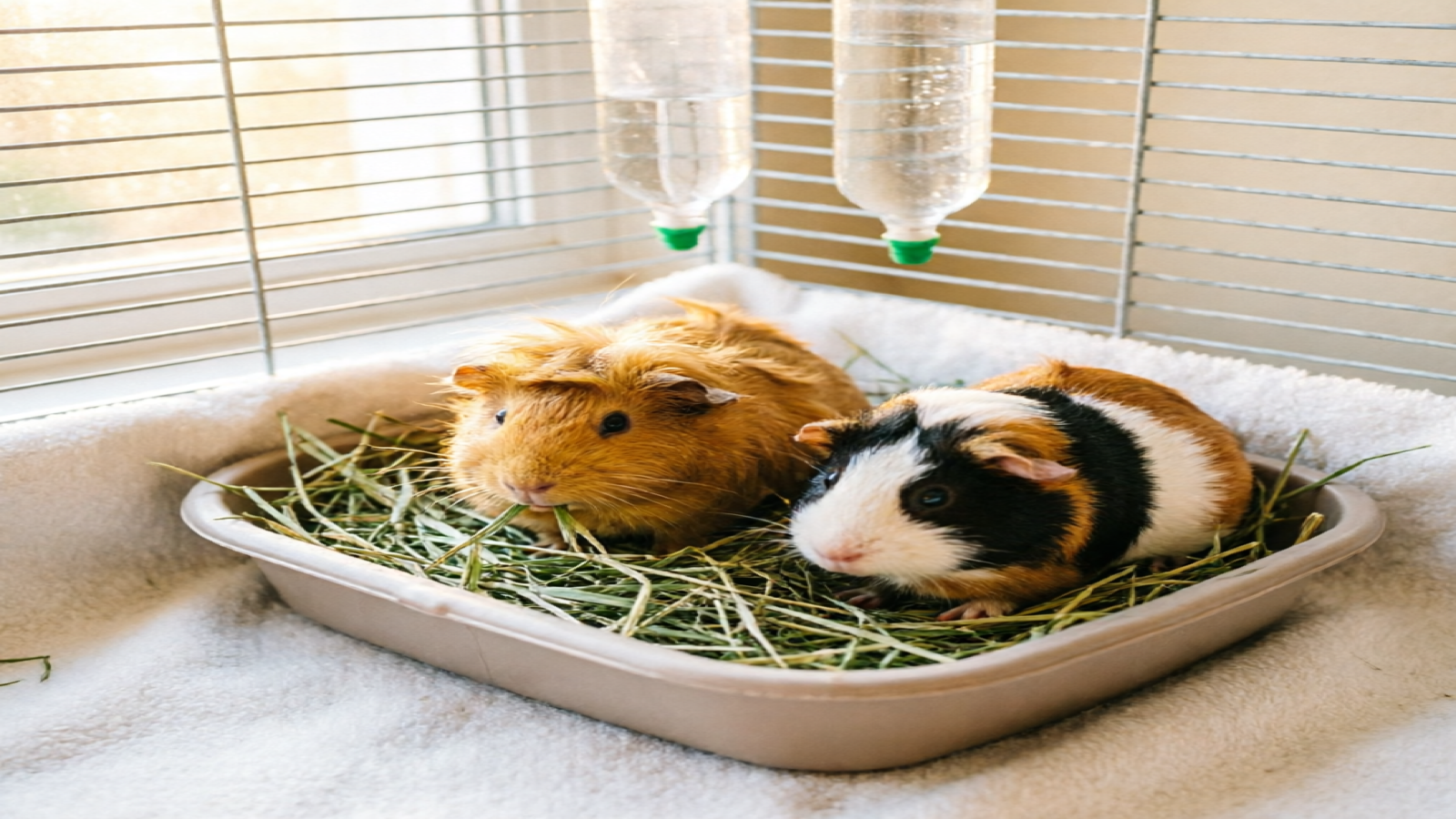
Zone 2 — Eating area (adjacent to sleeping). Group the hay rack, food bowl, and water source together. Guinea pigs eat 70 to 80 times per day, so this zone gets the most traffic (VCA Hospitals — Guinea Pig Care). Keep hay racks at ground level to encourage natural foraging posture.
Zone 3 — Exercise zone (center, largest area). This open floor space is for popcorning, zooming, and social interaction. Keep it free of obstacles — at least 50 percent of the cage floor should be open exercise space.
Zone 4 — Elimination area (corners). Guinea pigs predictably urinate and defecate in specific corners. Place a litter box in the most-used corner and line it with paper bedding or a fleece pad. Training takes one to two weeks of relocating soiled bedding into the box.
Optimizing your guinea pig cage layout means placing the hay rack accessible from the sleeping zone since guinea pigs eat immediately upon waking. Water bottles should sit near food but not directly under the hay rack to prevent contamination.
Hideouts must have at least two exits. A single-entrance hideout allows a dominant pig to trap the other inside, creating serious stress and conflict (RSPCA — Guinea Pig Housing).
Avoid placing hideouts or food bowls in the center of the cage. Guinea pigs run in predictable paths, and obstacles in the middle disrupt their exercise patterns. The cage layout approach keeps their running routes clear.
Bedding Options for Your Cage Setup
Many owners find that Blue Mountain Hay Wheat Straw Pellets works well for their pet’s needs.
Bedding choice affects odor control, cleaning frequency, and respiratory health. The right bedding makes daily maintenance manageable and keeps your pigs comfortable.
| Bedding Type | Pros | Cons | Best For |
|---|---|---|---|
| Fleece liners | Washable, soft, cost-effective long-term | Requires daily spot sweeping, needs waterproof underlayer | Owners wanting low-odor comfort |
| Paper bedding | Absorbent, dust-free, easy to spot clean | Expensive long-term, frequent full changes | Sensitive pigs with respiratory issues |
| Aspen shavings | Absorbent, natural, affordable | Can be dusty, needs weekly full changes | Budget-conscious owners |
| Kiln-dried pine | Affordable, decent absorption | Must be kiln-dried, controversial among owners | Budget with caution |
| Cedar shavings | — | TOXIC — phenolic oils cause liver and respiratory damage | NEVER use |
| Sawdust | — | Respiratory irritant, eye damage | NEVER use |
| Straw | — | Hard, sharp, causes eye injuries | NEVER use |
Fleece liners are the most popular option among experienced owners. They cost more upfront but save money over time since they are reusable. Pair fleece with a waterproof underlayer to prevent urine from soaking through to the cage base.
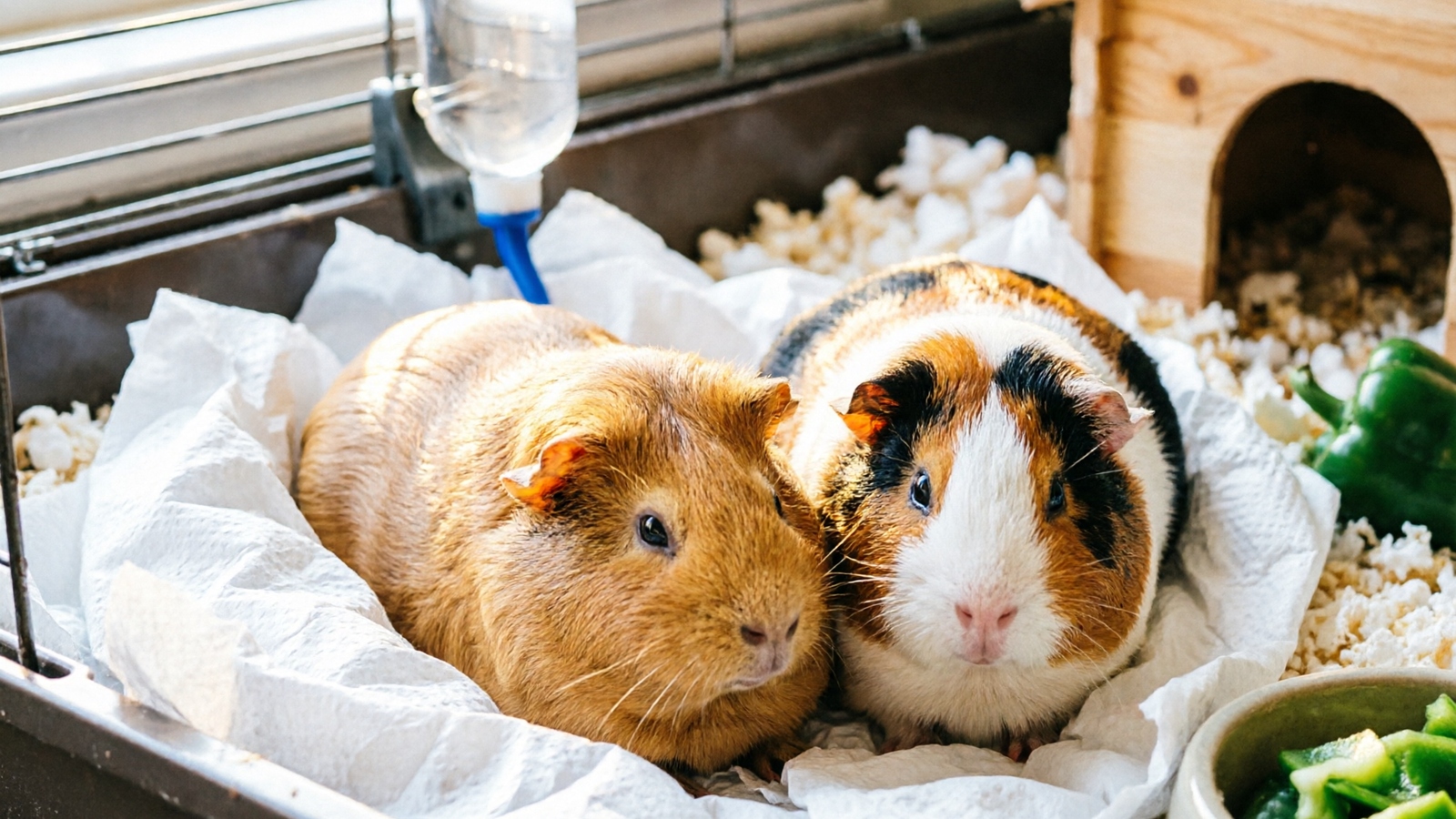
Paper bedding is the safest disposable choice. It absorbs well, produces minimal dust, and is easy to spot clean. The main drawback is ongoing cost — a single guinea pig goes through bedding quickly.
Wood bedding works when chosen carefully. Aspen is the safest option. Kiln-dried pine is acceptable, but never use aromatic cedar or raw pine.
The oils and dust from cedar and raw pine cause serious respiratory problems in guinea pigs (Merck Veterinary Manual).
For a complete bedding comparison with cost analysis, see our bedding guide. For specific product recommendations, see our best guinea pig bedding review.
Fleece liners with a proper underlayer outperform every disposable option for long-term odor control (GuineaLynx — Cage Cleaning Guide). The initial investment pays for itself within a few months.
The same bedding principles apply to other small pets. Rabbit owners face similar choices between fleece and disposable options — see our rabbit bedding guide for a cross-species comparison.
Essential Accessories and Enrichment
For this purpose, Check Price is a popular choice among pet owners.
Choosing the right guinea pig cage accessories makes the difference between a bare enclosure and a stimulating home. Each accessory serves a specific purpose for health, comfort, or stimulation — the right guinea pig cage accessories transform a basic enclosure into an enriching habitat.
Hideouts are non-negotiable. Provide at least two — one per guinea pig. Ceramic or wooden hideouts work best since pigs chew plastic and may ingest it. Every hideout must have two or more entrances to prevent dominance trapping.
Hay racks keep food clean and accessible. A wall-mounted or ground-level rack holds at least one day’s worth of hay. Unlimited hay access is essential — it makes up 70 to 80 percent of a guinea pig’s diet and maintains dental health through constant chewing (VCA Hospitals — Guinea Pig Nutrition). See our hay guide for hay variety recommendations.
Water bottles or bowls provide hydration. A 16-ounce bottle is the minimum size. Bottles prevent spills and contamination. If using bowls — which many pigs prefer — choose heavy ceramic to prevent tipping and change water twice daily. See our water bottle guide for setup details.
Food bowls should be heavy ceramic, six to eight inches across. Shallow enough for easy access, heavy enough to prevent tipping. One bowl per pig prevents food guarding behavior.
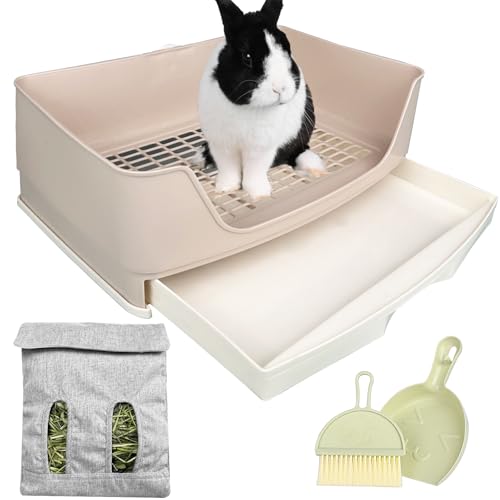
Litter boxes speed up cleaning. A corner-style plastic box with paper bedding goes in the predictable elimination corner. See our litter box guide for training tips and product options.
Tunnels and chew toys provide enrichment. Fleece-lined tunnels are the safest option — PVC pipes work but must be at least four inches in diameter. Apple wood sticks, willow branches, and cardboard tubes satisfy the constant need to chew. Guinea pig teeth grow continuously and require daily wear (Merck Veterinary Manual).
Foraging toys stimulate natural behavior. Stuff cardboard toilet paper rolls with hay or scatter vegetables around the cage. This mimics wild foraging and keeps pigs mentally active.
Exercise wheels and balls are dangerous. Guinea pig spines cannot arch backward. Running in a wheel or ball causes severe spinal injuries, paralysis, and death (Merck Veterinary Manual).
Remove these products immediately if they came with a starter kit — they are designed for hamsters, not guinea pigs.
For hideout recommendations, see our hideout guide. For more enrichment ideas, see our guinea pig care guide.

Temperature, Humidity, and Cage Placement
Guinea pig cage temperature and humidity levels directly affect their health. These animals are sensitive to environmental extremes and cannot regulate their body temperature effectively.
Temperature must stay between 65 and 75 degrees Fahrenheit. Above 80 degrees causes heatstroke, which can be fatal within hours. Below 60 degrees triggers cold stress and respiratory infections (VCA Hospitals — Guinea Pig Housing). Guinea pigs cannot sweat or pant effectively to cool themselves.
Humidity should remain between 40 and 60 percent. Above 70 percent promotes fungal and bacterial respiratory infections. Below 30 percent causes dry skin and respiratory irritation.
Placement matters more than most owners realize. Keep the cage away from windows (temperature swings), air vents and AC units (drafts), kitchens (cooking fumes), and direct sunlight. Guinea pigs have sensitive hearing and startle easily — choose a quiet room away from TVs and high-traffic zones (RSPCA — Guinea Pig Welfare).
Raise the cage off cold floors. Tile, concrete, and unfinished basement floors radiate cold upward even when room temperature seems adequate. Place the cage on a carpet, rug, or foam pad underneath.
Summer cooling tips. Use fans to circulate air — never aim them directly at the cage. Wrap frozen water bottles in fleece towels for cooling pads that pigs can lean against. Close blinds during the hottest hours and consider air conditioning for the room.
Winter warmth tips. Add extra fleece liners for insulation. Provide an additional hideout for warmth. Ensure the room stays above 60 degrees and move the cage away from exterior walls that radiate cold.
A simple room thermometer placed at cage height catches guinea pig cage temperature problems before they become dangerous. Digital thermometers with humidity readings cost very little and provide peace of mind.
Heatstroke is a medical emergency. Signs include lethargy, drooling, panting — guinea pigs do NOT normally pant — splayed legs, and seizures. Cool immediately with damp towels on the ears and belly and contact a veterinarian right away. Heatstroke can kill within two hours.
Warning: Heatstroke (Hyperthermia) — A life-threatening condition where body temperature exceeds 104°F. Guinea pigs cannot sweat or pant effectively to cool themselves, making them extremely vulnerable. Heatstroke causes organ failure, brain damage, and death within 1-2 hours without intervention (VCA Hospitals). At-risk guinea pigs include those in rooms above 80°F, enclosed carriers, or direct sunlight. Seniors and overweight pigs are at highest risk.
For recognizing and responding to emergencies, see our guinea pig health guide.
Cleaning and Maintenance Schedule
A consistent guinea pig cage cleaning routine prevents odor, infection, and respiratory problems. Guinea pigs produce a surprising amount of waste for their size — a single pair generates significant daily soiling.
| Frequency | Task | Details |
|---|---|---|
| Daily | Spot clean litter box | Remove soiled bedding, add fresh |
| Daily | Refresh water | Clean bottle or bowl, refill |
| Daily | Remove spoiled food | Uneaten veggies and pellets after 4 hours |
| Daily | Sweep fleece surfaces | Handheld vacuum or small broom for debris |
| Every 2-3 days | Check hideouts | Remove soiled fleece, wipe ceramic hideouts |
| Weekly | Full bedding change | For paper or wood bedding — remove all, clean base, add fresh |
| Weekly | Wash fleece liners | Machine wash with unscented detergent, line dry |
| Weekly | Clean food and water dishes | Hot soapy water, rinse thoroughly |
| Monthly | Full deep clean | Remove all items, wash base, disinfect with pet-safe solution, dry completely |
Never use bleach, ammonia, or strong chemical cleaners inside the cage. Guinea pigs have extremely sensitive respiratory systems that cannot tolerate harsh fumes (Merck Veterinary Manual).
Use white vinegar diluted with water at a 1-to-1 ratio for disinfecting (GuineaLynx — Cage Cleaning Guide). Pet-safe enzyme cleaners also work well and leave no residue.
Rinse everything thoroughly after cleaning and ensure the cage is completely dry before adding fresh bedding. Damp environments promote fungal growth and bacterial infections that cause respiratory illness.
Establishing a consistent guinea pig cage cleaning routine takes the guesswork out of maintenance. Many owners find that a set schedule — spot cleaning every morning and a full bedding change on the same day each week — prevents odor buildup entirely.

Common Guinea Pig Cage Setup Mistakes
- Provide at least 7.5 sq ft for 2 pigs — pet store cages are typically only 2-4 sq ft. Measure floor dimensions before purchasing
- Use solid-bottom flooring only — wire grids cause bumblefoot, broken nails, and leg injuries. Line with coroplast, acrylic, or cardboard
- Keep guinea pigs in pairs or groups — they are herd animals that become depressed when solitary. Same-sex pairs or neutered male + female work best (PDSA — Guinea Pig Companionship)
- Remove exercise wheels and balls immediately — designed for hamsters only. Guinea pig spines cannot arch backward; wheels cause severe spinal injury and death (Merck Veterinary Manual)
- Never place cages in kitchens, garages, or near windows — cooking fumes, carbon monoxide, cold, and temperature swings cause illness and stress (VCA Hospitals)
Cage Setup Essentials Checklist
Use this checklist before introducing your guinea pigs to their new cage. Every item contributes to health, safety, or comfort — skipping any creates preventable risks.
Housing requirements :
- Floor space meets minimum — at least 7.5 sq ft for 2 pigs (10.5 sq ft recommended)
- Solid-bottom flooring — no wire grids, no bare metal
- Cage height is 12+ inches — prevents escape, accommodates hideouts
- Cage raised off cold floors — carpet, rug, or foam pad underneath
Layout requirements :
- 4-zone arrangement — sleeping area, eating area, exercise space, elimination corner
- Two+ hideouts with dual exits — one per guinea pig minimum
- Hay rack at ground level — encourages natural foraging posture
- 50%+ open floor space — unobstructed room for running and popcorning
- Water source near food — but not directly under hay rack
Health and safety :
- Temperature 65-75°F, humidity 40-60% — thermometer placed at cage height
- Bedding is safe — fleece with underlayer, paper, or aspen. No cedar, no sawdust, no straw
- No exercise wheels or balls — remove immediately if present
- Cleaning supplies ready — white vinegar solution, spot-cleaning tools, laundry schedule for fleece
- Room is quiet and calm — away from kitchens, garages, windows, and loud electronics
Cage Setup and Maintenance FAQ
What size cage do guinea pigs need?
The minimum cage size for 2 guinea pigs is 7.5 square feet of floor space, but 10.5 square feet is recommended for comfort. Add 3 to 4 square feet per additional pig. C&C cages made from storage cube grids and coroplast are the most cost-effective way to achieve proper sizing.
What bedding is best for guinea pig cages?
Fleece liners are the most popular choice among experienced owners — soft, washable, and cost-effective over time when paired with a waterproof underlayer. Paper bedding is the best disposable option, being highly absorbent and virtually dust-free. Avoid cedar shavings entirely due to toxic phenolic oils.
How often should I clean a guinea pig cage?
Daily spot cleaning is non-negotiable — remove soiled bedding, uneaten food, and refresh water every day. For paper or wood bedding, do a full change weekly. Fleece liners should be washed weekly, with a full monthly deep clean using a pet-safe disinfectant.
Can guinea pigs use multi-level cages?
Multi-level cages are not recommended for guinea pigs. They are poor climbers and cannot jump safely between levels. A single-level cage with more floor area is always the safer and more practical choice.
Where should I place my guinea pig cage?
Place the cage in a quiet room with stable temperature between 65 and 75 degrees Fahrenheit, away from windows, vents, and direct sunlight. Avoid kitchens, garages, and areas near loud electronics. Raise the cage off cold tile or concrete floors with a rug or foam pad underneath.