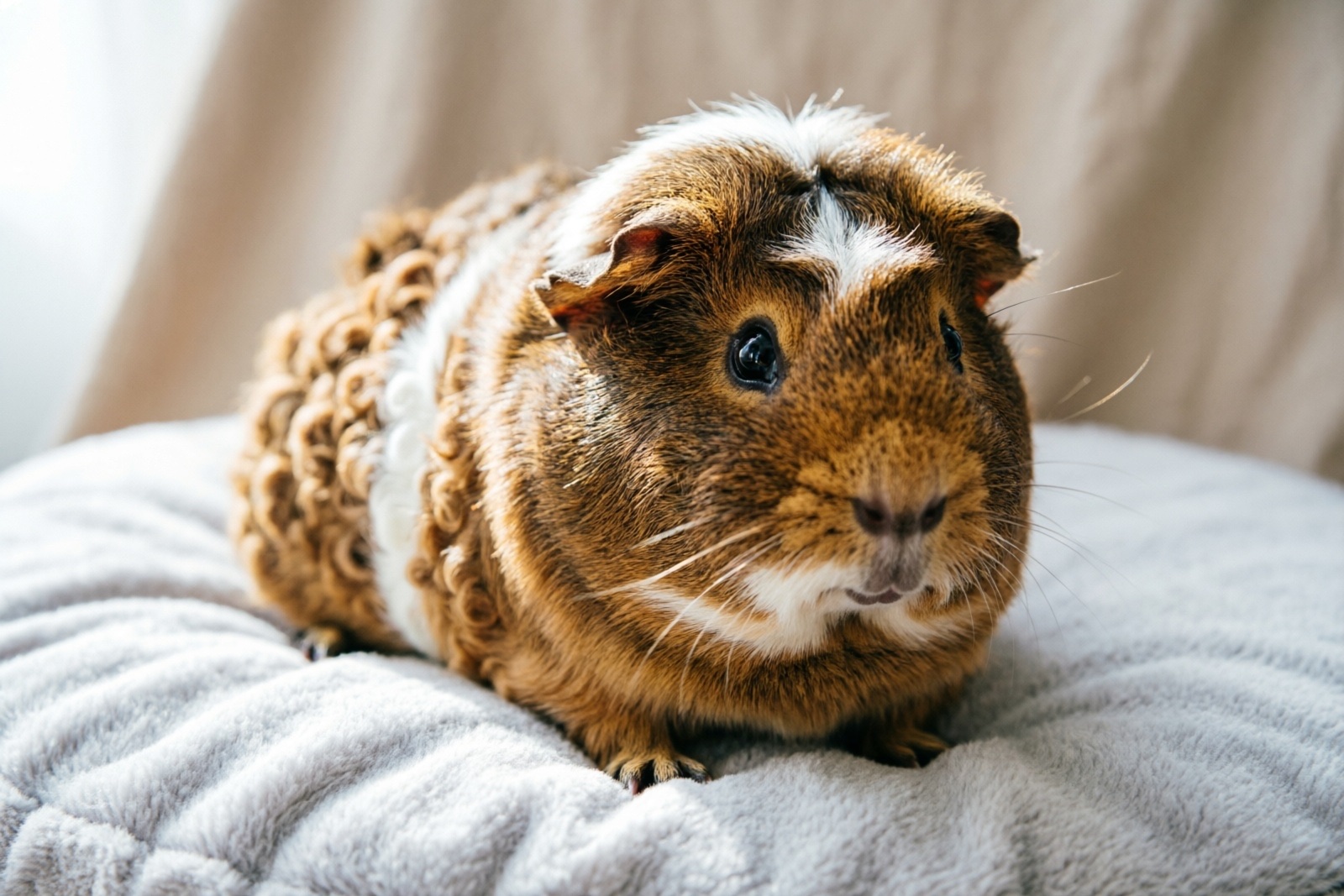
Choosing the right bedding for your guinea pig is crucial for their health, comfort, and your maintenance routine. With so many options available, it can be overwhelming to know which is best. This comprehensive guide covers all bedding types, safety considerations, costs, and recommendations.
Why Bedding Choice Matters
Guinea pigs spend their entire lives on bedding, making it one of the most important decisions for their care. The right bedding:
- Protects respiratory health - Guinea pigs have sensitive respiratory systems
- Controls odor - Poor bedding leads to ammonia buildup
- Maintains hygiene - Absorbent bedding prevents bacterial growth
- Provides comfort - Soft bedding protects sensitive feet
- Impacts behavior - Good bedding encourages natural behaviors
Important: Poor bedding choices can lead to respiratory infections, bumblefoot (pododermatitis), and skin irritations [Journal of Exotic Pet Medicine].
Bedding Requirements
Essential Criteria
All guinea pig bedding should be:
- ✅ Non-toxic - Safe if ingested (guinea pigs may nibble)
- ✅ Dust-free - Dust causes respiratory issues
- ✅ Absorbent - Controls moisture and odor
- ✅ Soft - Protects delicate feet
- ✅ Odor-controlling - Neutralizes ammonia
Avoid These Features
- ❌ Scented bedding (artificial fragrances are harmful)
- ❌ Sharp or rough materials (causes injuries)
- ❌ Cedar or pine shavings (phenols are toxic)
- ❌ Clumping litters (impaction risk if ingested)
Types of Bedding: Complete Comparison
1. Paper-Based Bedding (Recommended)
Overview: Made from recycled paper, this is one of the most popular and safest options. Pros:
- Excellent absorbency
- Very low dust
- Soft and comfortable
- Good odor control
- Safe if ingested
- Eco-friendly (recycled materials) Cons:
- More expensive than wood shavings
- Can be tracked out of cage
- Some brands are dusty Best Brands:
- Carefresh - Industry standard, multiple varieties
- Kaytee Clean & Cozy - Soft, absorbent, affordable
- Oxbow Pure Comfort - High quality, low dust
- Small Pet Select - Premium, ultra-soft Cost: $15-25 for 60-85L (lasts 1-2 weeks for 2x4 C&C cage) Carefresh Paper Bedding ($18.99, 4.6⭐, 🔥) Our Rating: ⭐⭐⭐⭐⭐ (Best overall choice)
2. Fleece Liners (Popular Alternative)
Overview: Fabric liners with absorbent layers underneath. Reusable and increasingly popular. Pros:
- Reusable (eco-friendly, saves money long-term)
- Very soft and comfortable
- No dust
- Attractive appearance
- Easy to spot clean Cons:
- Requires frequent washing (every 3-4 days)
- Higher upfront cost
- Must use absorbent layer underneath
- Can develop odor if not washed properly
- Not ideal for heavy chewers Setup:
- Fleece layer on top (wicks moisture)
- Absorbent layer (U-Haul pads, puppy pads, or towels)
- Waterproof layer (optional) Best Brands:
- GuineaDad - Premium fleece liners
- Benekeek - Affordable options
- Custom/DIY - Make your own Cost: $30-60 for liner set (reusable for years) GuineaDad Fleece Liner ($29.99, 4.6⭐, 🔥) Our Rating: ⭐⭐⭐⭐ (Great for experienced owners)
3. Aspen Shavings (Budget-Friendly)
Overview: Hardwood shavings that are safer than cedar or pine. Pros:
- Affordable
- Natural appearance
- Good absorbency
- Widely available
- Safe (no toxic phenols) Cons:
- Can be dusty (quality varies)
- Less absorbent than paper
- May have slight odor
- Not as soft as paper or fleece
- Can be tracked out of cage Best Brands:
- Small Pet Select Aspen - Low dust, high quality
- Kaytee Aspen - Good quality, affordable Cost: $8-15 for 4-5 cu ft (lasts 1-2 weeks) Our Rating: ⭐⭐⭐ (Good budget option)
4. Wood Pellets (Economical)
Overview: Compressed wood pellets that expand when wet, typically used for horse bedding. Pros:
- Very affordable
- Excellent absorbency
- Good odor control
- Low dust (when using horse pellets)
- Long-lasting Cons:
- Can be hard on feet (use with soft bedding layer)
- Not as attractive
- Heavy when wet
- Need to purchase from feed stores Best Options:
- Equine Pine - Horse bedding pellets
- Tractor Supply Pine Pellets - Very affordable Cost: $6-8 for 40lb bag (lasts 3-4 weeks) Our Rating: ⭐⭐⭐ (Economical but less comfortable)
5. Hemp Bedding (Premium Natural)
Overview: Made from hemp stalks, a sustainable and highly absorbent option. Pros:
- Extremely absorbent
- Excellent odor control
- Very low dust
- Sustainable and eco-friendly
- Long-lasting
- Naturally antibacterial Cons:
- Expensive
- Less available
- Coarse texture
- May need time to adjust Best Brands:
- Aubiose - Premium hemp bedding
- Small Pet Select Hemp Cost: $30-40 for 33lb bag (lasts 4-6 weeks) Kaytee Clean & Cozy Paper Bedding ($19.95, 4.6⭐, 🔥) Our Rating: ⭐⭐⭐⭐ (Excellent but pricey)
6. Straw (Not Recommended)
Overview: Dried grass stalks, sometimes used in outdoor hutches. Pros:
- Very affordable
- Natural
- Provides warmth Cons:
- Poor absorbency
- Can be sharp (eye injuries)
- Molds easily when wet
- Low comfort
- Not ideal for indoor cages Our Rating: ⭐ (Not recommended for indoor use)
Comparison Chart
| Bedding Type | Absorbency | Odor Control | Comfort | Cost | Dust | Rating |
|---|---|---|---|---|---|---|
| Paper-based | ⭐⭐⭐⭐⭐ | ⭐⭐⭐⭐ | ⭐⭐⭐⭐⭐ | $$$ | Low | ⭐⭐⭐⭐⭐ |
| Fleece | ⭐⭐⭐⭐ | ⭐⭐⭐ | ⭐⭐⭐⭐⭐ | $$ (long-term) | None | ⭐⭐⭐⭐ |
| Aspen | ⭐⭐⭐ | ⭐⭐⭐ | ⭐⭐⭐ | $ | Medium | ⭐⭐⭐ |
| Wood Pellets | ⭐⭐⭐⭐⭐ | ⭐⭐⭐⭐ | ⭐⭐ | $ | Low | ⭐⭐⭐ |
| Hemp | ⭐⭐⭐⭐⭐ | ⭐⭐⭐⭐⭐ | ⭐⭐⭐⭐ | $$$$ | Very Low | ⭐⭐⭐⭐ |
| Straw | ⭐⭐ | ⭐⭐ | ⭐⭐ | $ | Medium | ⭐ |
Bedding Depth and Amount
Recommended Depth
- Minimum: 1-2 inches
- Recommended: 2-3 inches
- Ideal: 3-4 inches (especially in toilet areas)
Amount Needed by Cage Size
| Cage Size | Bedding Needed | Frequency of Change |
|---|---|---|
| 2x3 C&C (28” x 42”) | 20-30L | Every 5-7 days |
| 2x4 C&C (28” x 56”) | 30-40L | Every 5-7 days |
| 2x5 C&C (28” x 70”) | 40-50L | Every 5-7 days |
| Standard Store Cage (24” x 48”) | 25-35L | Every 5-7 days |
Cleaning Schedule
Daily Tasks
- Spot clean - Remove soiled bedding and droppings
- Check wet spots - Replace saturated areas
- Refresh hay - Add fresh hay daily
Weekly Tasks
- Full bedding change - Replace all bedding
- Wipe down cage - Clean with pet-safe disinfectant or vinegar solution
- Wash accessories - Clean food dishes, hideys, toys
Fleece Liner Schedule
- Daily: Spot clean poops, brush off hay
- Every 3-4 days: Wash liners
- Weekly: Deep clean cage
Pro Tip: Guinea pigs often choose one area as their bathroom. Place extra bedding in this spot and change it more frequently.
Bedding Safety: What to Avoid
Cedar and Pine Shavings
Why Avoid:
- Contain phenols (natural oils)
- Phenols cause liver damage
- Irritate respiratory system
- Can cause skin allergies Safe Alternative: Aspen shavings (no phenols) [Source: Journal of Veterinary Medicine]
Clumping Cat Litter
Why Avoid:
- Clumps when wet
- If ingested, can cause intestinal blockage
- Dangerous dust levels
- Not designed for guinea pigs
Corn Cob Bedding
Why Avoid:
- Can mold when wet
- Risk of bacterial growth
- Sharp edges can cause injury
- Not absorbent enough
Sawdust
Why Avoid:
- Extremely dusty
- Causes respiratory infections
- Gets into eyes and nose
- No absorbency
Cost Analysis
Monthly Bedding Costs (2x4 C&C Cage)
| Bedding Type | Monthly Cost | Annual Cost |
|---|---|---|
| Paper-based | $40-60 | $480-720 |
| Fleece (after initial purchase) | $10-15 (laundry) | $120-180 |
| Aspen | $20-30 | $240-360 |
| Wood Pellets | $12-20 | $144-240 |
| Hemp | $25-35 | $300-420 |
| Most Economical: Wood pellets or fleece (long-term) | ||
| Best Value: Paper-based bedding (balance of quality and cost) |
Bedding for Special Situations
Post-Surgery or Injured Guinea Pigs
Recommendations:
- Fleece - Softest option, no particles in wounds
- Paper towels - For very short-term recovery
- Avoid: Wood products (particles can contaminate wounds)
Baby Guinea Pigs (Pups)
Recommendations:
- Fleece - Safest, no small particles
- Paper-based - If using bedding, choose low-dust
- Avoid: Shavings (can cause respiratory issues in young pups)
Guinea Pigs with Respiratory Issues
Recommendations:
- Fleece - No dust at all
- High-quality paper - Ultra-low dust brands only
- Avoid: All wood products, dusty bedding
Sensitive Feet / Bumblefoot Risk
Recommendations:
- Fleece - Softest surface
- Paper-based - Soft and cushioning
- Avoid: Wood pellets, rough materials
Product Recommendations
Best Overall: Paper-Based Bedding
Carefresh Natural Paper Bedding - $22-24/50L
- Excellent absorbency
- Low dust
- Safe and comfortable
- Buy on Amazon - $22.99
Best Budget: Aspen Shavings
Small Pet Select Aspen Bedding - $34-36/141L
- Safe, no toxic phenols
- Good absorbency
- Long-lasting bulk size
- Buy on Amazon - $34.99
Best Long-Term Value: Fleece Liners
GuineaDad Fleece Liner - $28-32/2x4 C&C
- Reusable for years
- Very comfortable
- Eco-friendly
- Buy on Amazon - $29.99
Best for Odor Control: Hemp Bedding
All Walks Hemp Bedding - $24-26/18.5L
- Superior odor control
- Very absorbent
- Low dust
- Buy on Amazon - $24.99
FAQ
Q: Can I mix different types of bedding?
A: Yes, many owners mix paper bedding with wood pellets for better absorbency and cost savings. Just ensure all components are safe.
Q: How often should I change the bedding?
A: With proper spot cleaning, every 5-7 days for disposable bedding. Fleece liners should be washed every 3-4 days.
Q: Why does my guinea pig eat the bedding?
A: Some nibbling is normal as they explore. However, excessive eating may indicate boredom or nutritional deficiency. Provide plenty of hay and enrichment.
Q: Is scented bedding safe?
A: No. Avoid artificially scented bedding as fragrances can cause respiratory irritation and allergic reactions.
Q: Can I use newspaper as bedding?
A: Newspaper alone is not absorbent enough and the ink may be harmful if ingested. However, it can be used under other bedding as a liner.
Q: What’s the best bedding for odor control?
A: Hemp bedding has the best natural odor control, followed by paper-based bedding. Fleece requires frequent washing to control odors.
Q: How deep should the bedding be?
A: Minimum 1-2 inches, but 2-3 inches is better. Guinea pigs like to burrow and nest.
Q: Can I use puppy pads under fleece?
A: Yes, puppy pads make excellent absorbent layers under fleece. However, ensure guinea pigs cannot chew them.
Conclusion
Choosing the right bedding depends on your:
- Budget - Paper-based is mid-range, fleece saves money long-term
- Time - Fleece requires more frequent maintenance
- Guinea pig’s needs - Sensitive pigs benefit from fleece
- Personal preference - Appearance, odor control, convenience Our top recommendation: Paper-based bedding for most owners, or fleece liners if you’re willing to do more frequent laundry.
Avoid cedar, pine, clumping litters, and other unsafe options. With proper bedding and regular cleaning, your guinea pig will stay healthy, comfortable, and happy.
See our Best Guinea Pig Bedding 2026 for product recommendations, or read our Fleece Bedding Guide for detailed setup instructions. Compare all types in our Guinea Pig Bedding Options Guide, or see our Top 7 Guinea Pig Bedding Options.