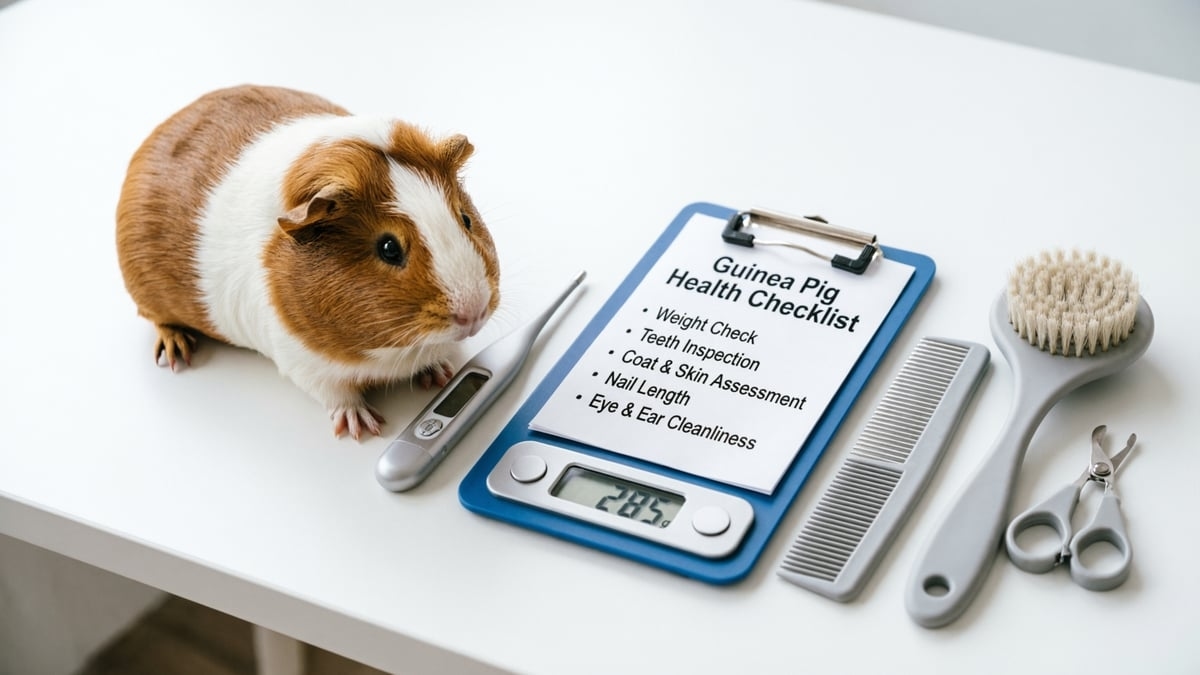
guinea pigs are prone to several health problems, many of which can be prevented with proper care. this guide covers the most common health issues, symptoms to watch for, and when to seek veterinary care.
why guinea pigs need special care
guinea pigs have unique health requirements:
- cannot’t manufacture vitamin c (must get from diet)
- prone to respiratory infections
- susceptible to temperature extremes
- require regular dental wear (teeth grow continuously)
- sensitive to stress
- hide illness well (instinct from prey animals)
vitamin c deficiency (scurvy)
what is scurvy?
vitamin c deficiency disease that can be fatal if untreated. guinea pigs cannot synthesize vitamin c and must it from their diet.
Vitamin C is crucial - see our Vitamin C Guide for detailed requirements and food sources.
symptoms
early signs:
- lethargy
- rough coat
- reduced appetite
- reluctance to move
advanced signs:
- swollen joints
- bleeding gums
- difficulty moving
- wounds not healing
- diarrhea
- weight loss
- internal bleeding (severe)
- death (if untreated)
causes
- insufficient vitamin c in diet
- poor quality vegetables
- no fresh vegetables
- outdated vitamin c supplements
- illness (incre requirements)
prevention
- feed vitamin c-rich vegetables daily (bell peppers, kale, parsley)
- use quality pellets with vitamin c
- provide vitamin c supplements if recommended by vet
- ensure fresh vegetables daily
- provide enrichment and hiding spots — a multi-chamber hideout reduces stress, which impacts immune health
- avoid stress (incre requirements)
treatment
- veterinary care immediately
- vitamin c supplementation (injection or oral)
- supportive care
- dietary modification
- monitor for improvement (can take weeks to months)
critical: scurvy can be fatal if untreated. prevention is key.
respiratory infections
symptoms
- sneezing
- nasal discharge (clear, white, or yellow)
- watery eyes
- coughing
- difficulty breathing (severe)
- lethargy
- loss of appetite
- weight loss
- hunched posture
causes
- bacteria (pasteurella, bordetella)
- viruses
- poor ventilation
- dusty bedding
- ammonia from dirty cage
- temperature fluctuations
- stress
- dental disease (tooth roots affect sinuses)
prevention
- keep cage clean and well-ventilated
- change bedding weekly (spot clean daily)
- use low-dust bedding (paper-based, fleece)
- avoid cedar and pine shavings
- maintain consistent temperature (65-75°f)
- quarantine new guinea pigs for 2-3 weeks
- regular vet checks
treatment
- veterinary care (antibiotics)
- nebulization (severe cases)
- supportive care (fluids, nutrition)
- keep environment clean and warm
- monitor for improvement
skin problems
Bumblefoot is a common issue — see our treatment guide for symptoms and care.
mites
symptoms:
- excessive scratching
- hair loss (patchy)
- red, scaly skin
- visible mites (tiny moving dots - “walking dandruff”)
- thickened, crusty skin
- sores from scratching treatment: ivermectin (from vet), thorough cage cleaning, replace all bedding, treat all guinea pigs in household prevention:
- keep cage clean
- quarantine new guinea pigs
- avoid contact with wild animals
- regular vet checks
- use clean bedding (paper-based, fleece)
fungal infections
symptoms:
- hair loss
- red, irritated skin
- greasy or oily appearance
- odor
- itching treatment: antifungal medication (from vet), environmental cleaning prevention:
- keep cage dry and clean
- avoid damp bedding
- good ventilation
- regular cage cleaning
lumps and bumps
warning: any lump should be checked by vet possible causes:
- abscesses (infection)
- cysts (fluid-filled sacs)
- tumors (benign or malignant)
- lipomas (fatty tumors)
- lymph nodes (swollen) action: see vet for diagnosis (may include biopsy, aspiration)
dental problems
symptoms
- difficulty eating
- dropping food
- weight loss
- drooling (if severe)
- bad breath
- pawing at mouth
- visible overgrowth
causes
- genetics (malocclusion)
- insufficient hay (teeth don wear down continuously)
- too many soft foods
- injury
- infection
prevention
- unlimited hay (80% of diet) - critical for dental wear
- limit pellets and vegetables
- provide chew toys (apple wood, willow)
- regular vet checks (every 6-12 months)
- avoid breeding guinea pigs with dental problems
treatment
- veterinary dental care (trimming under anesthesia)
- dietary modification (more hay)
- pain management if needed
- regular dental checks
gastrointestinal problems
diarrhea
symptoms:
- soft or watery stools
- foul odor
- lethargy
- loss of appetite
- soiled bottom
- dehydration
- weight loss (if prolonged) causes:
- sudden diet changes
- too much fresh food (especially fruits)
- poor quality food
- bacterial infection
- parasites
- antibiotics
- stress treatment:
- remove fresh foods temporarily
- feed quality hay and limited pellets
- ensure hydration
- see vet if persists more than 24 hours prevention:
- introduce new foods gradually
- limit fresh foods (1 cup daily)
- remove uneaten fresh food after 4 hours
- keep food fresh
- maintain clean environment
gi stasis (emergency)
symptoms:
- no poop for 12+ hours
- severe lethargy
- loss of appetite
- bloated abdomen
- hunched posture
- teeth grinding (pain)
- cold ears (sign of poor circulation) causes:
- insufficient fiber (not enough hay)
- dehydration
- stress
- illness
- dental problems
- sudden diet change immediate actions:
- call exotic vet immediately - this is life-threatening
- offer water (pedialyte or electrolyte solution)
- keep warm
- gentle abdominal massage (if tolerated)
- offer favorite vegetables treatment: veterinary care (fluids, pain management, motility drugs), supportive care prevention:
- unlimited hay (always available) - most important
- fresh water always
- regular exercise
- minimize stress
- gradual diet changes
- regular vet checks
emergency: gi stasis can be fatal within 24-48 hours if untreated. immediate veterinary care is essential.
urinary problems
bladder sludge/stones
symptoms:
- difficulty urinating
- blood in urine
- straining
- frequent urination (small amounts)
- lethargy
- white sediment in urine (gritty) causes:
- too much calcium in diet (alfalfa for adults)
- dehydration
- genetics
- obesity
- lack of exercise prevention:
- feed timothy hay (not alfalfa) for adults
- provide fresh water always
- encourage exercise
- avoid over-supplementation with calcium
- monitor urine for grittiness treatment: veterinary care (diet modification, fluids, possible surgery for stones)
urinary tract infection (uti)
symptoms:
- difficulty urinating
- frequent urination
- blood in urine
- strong odor
- lethargy
- loss of appetite causes: bacteria, poor hygiene, stress treatment: veterinary care (antibiotics) prevention:
- keep cage clean
- fresh water always
- avoid stress
- regular cage cleaning
eye problems
symptoms
- red, swollen eyes
- discharge (yellow/green)
- squinting
- crusty eyes
- eyes stuck shut
- rubbing eyes
- cloudiness (cataracts)
- bulging (proptosis - emergency!) causes:
- infection (bacterial)
- injury
- foreign object (bedding, hay)
- genetics
- age (cataracts) prevention:
- use low-dust bedding
- keep hay clean
- gentle handling
- regular vet checks
- avoid sharp objects in cage
when to see a vet immediately
don’t wait if you see:
- no poop for 12+ hours (gi stasis - emergency!)
- complete refusal to eat or drink for 24 hours
- severe lethargy or unresponsiveness
- difficulty breathing
- bloated abdomen
- bleeding (any source)
- suspected fracture
- severe diarrhea for more than 24 hours
- swollen joints (suspected scurvy)
- bulging eye (proptosis)
- suspected poisoning
- seizures
finding an exotic vet
not all vets treat guinea pigs. find a veterinarian who:
- specializes in exotic pets
- has experience with guinea pigs
- is available for emergencies
- is willing to answer questions
questions to ask:
- do you treat guinea pigs?
- what are your emergency hours?
- do you have payment plans?
- are you familiar with common guinea pig health issues?
prevention checklist
daily:
- observe behavior and activity
- check eating/drinking
- examine droppings
- look at eyes, nose, ears
- check weight (weekly)
weekly:
- weigh your guinea pig
- check coat condition
- examine teeth
- clean cage thoroughly
- spot clean daily
monthly:
- full health check
- check nails (trim if needed)
- review diet
- inspect cage for safety hazards
yearly:
- comprehensive vet checkup
- dental examination
- blood work (especially for older pigs)
- parasite check
first aid kit
keep these on hand:
- critical care (oxbow) - for force feeding
- syringes (1ml, 10ml) - for feeding and medication
- digital scale - for weighing — a digital gram scale
- styptic powder - for nail bleeding
- nail clippers - for regular nail trims
- gauze pads - for wound care
- towels - for wrapping/transport
- heating pad - for keeping warm
- carrier - for vet visits
- electrolyte solution - for dehydration
- vitamin c supplement - if recommended by vet
- vet contact information - regular and emergency
conclusion
Understand your pig’s communication with our guinea pig sounds guide — vocalizations often signal health issues early.