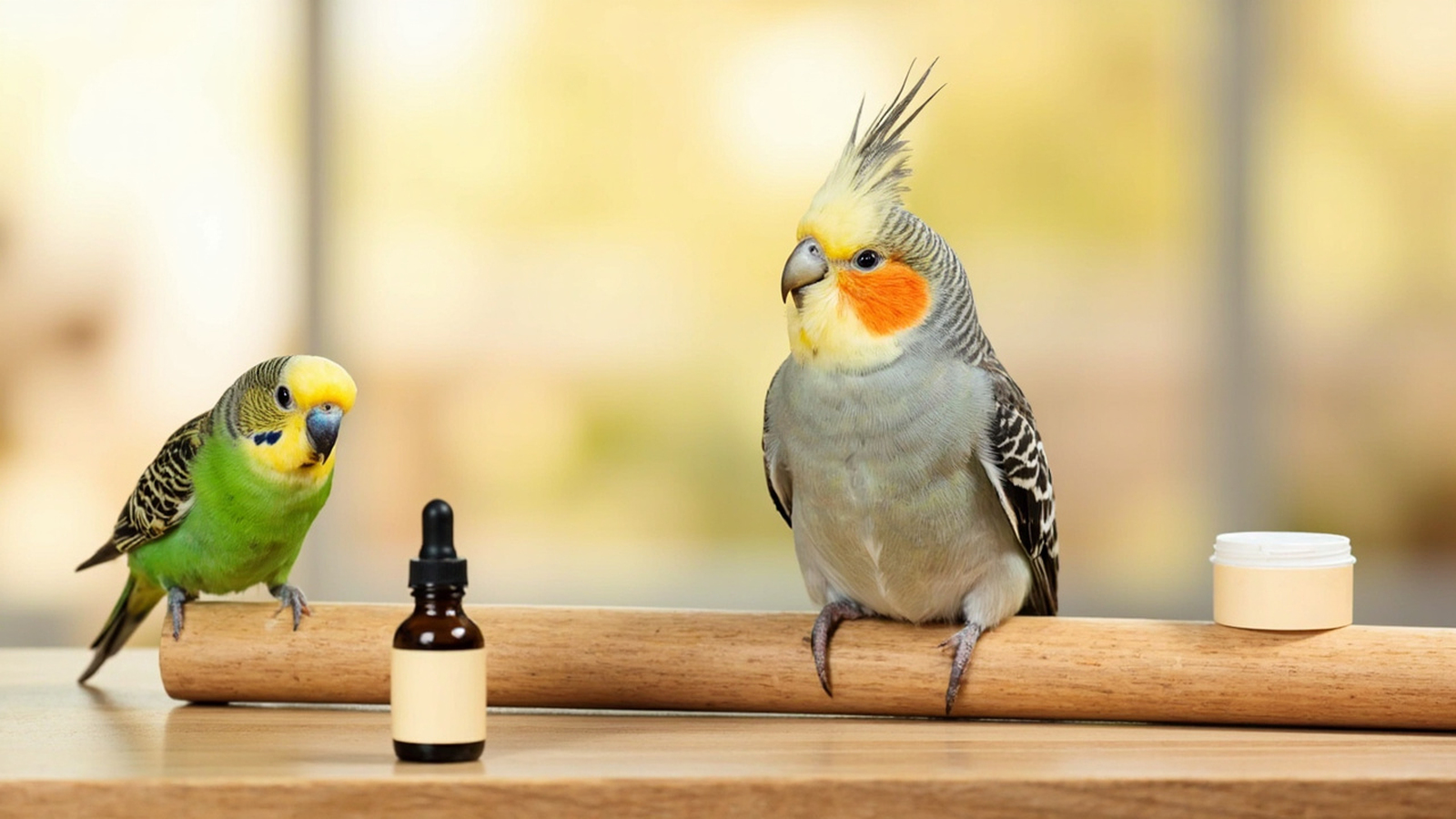
The best bird supplements for most cage birds are unglamorous: a calcium source, a probiotic, and a daily multivitamin — everything else targets specific situations like breeding, molting, or a seed-heavy diet. Below are the eight picks worth buying, grouped by the problem each one solves.
Quick Answer
The best bird supplements for cage birds are a calcium source with vitamin D3 (Morning Bird Calcium Plus Liquid, $12.99), a probiotic such as HealthyGut Avian for diet changes and stress, and a daily multivitamin like Nekton-S for seed-fed budgies and cockatiels. Everything else, molt or liver support, targets a specific situation.
What a Supplement Can and Cannot Do for a Cage Bird
Skip the marketing first. A bird supplement does one of three jobs: it replaces a mineral or vitamin missing from the base diet (calcium, vitamin A, D3), it supports digestion through live microbes (probiotics), or it throws extra nutrition at a high-demand period — laying hens, molting birds, or a liver stressed by years of fatty seed.
What it cannot do is rescue a bad diet. A budgie eating millet all day will not be fixed by a vitamin drop; the fix is transitioning to pellets, a process we cover in the best budgie food guide. Even the best bird supplements only patch gaps after the diet is reasonable — not instead of one.
The best bird supplements below sort into five scenarios: calcium (two products), probiotics (two), multivitamins (two), feather and molt support (one), and liver support (one). All are aimed at small pet birds — budgies, cockatiels, conures, finches, lovebirds, canaries — not poultry or large parrots.
The 8 Best Bird Supplements at a Glance
Prices were live-checked on 2026-10-17 — supplements sell out and reprice often, so treat the numbers as a snapshot. Every product on this best bird supplements list was in stock from a major US retailer on that date.
| Product | Type | Price | Best For |
|---|---|---|---|
| Morning Bird Calcium Plus Liquid | Liquid calcium + D3 + magnesium | $12.99 | Laying hens and fast calcium dosing |
| Zoo Med Avian Calcium | Pure calcium powder | $6.56 | Everyday budget calcium for all species |
| Equa Holistics HealthyGut Avian | Probiotic + prebiotic powder | $26.79 | Diet changes, stress, feather plucking risk |
| Nekton-Biotic-Bird | German probiotic formula | $26.99 | Recovery after antibiotics, daily gut care |
| Nekton-S Multi-Vitamin | 13 vitamins + 18 amino acids | $16.69 | Seed-eaters needing a full nutritional floor |
| Quiko Multivitamin Daily Balance | Water-soluble vitamin powder | $12.98 | Finches, canaries, first-time supplement users |
| UnRuffledRx FeatherUp | Biotin + amino acid blend | $23.99 | Molting birds and dull, brittle feathers |
| Morning Bird Milk Thistle & Dandelion | Herbal liver support extract | $19.99 | Long-term seed diets stressing the liver |
Best Calcium Supplement for Breeding, Bones, and Laying Hens
A bird calcium supplement is the one product almost every cage bird owner eventually needs. Hens drain calcium into every eggshell, young birds build bone, and a calcium-deficient hen can become egg bound — a genuinely life-threatening emergency where the egg lodges in the reproductive tract. Indoor birds add a second problem: without unfiltered sunlight or a UVB lamp, they cannot synthesize vitamin D3, and without D3 they cannot absorb the calcium you provide.
For laying hens and fast dosing
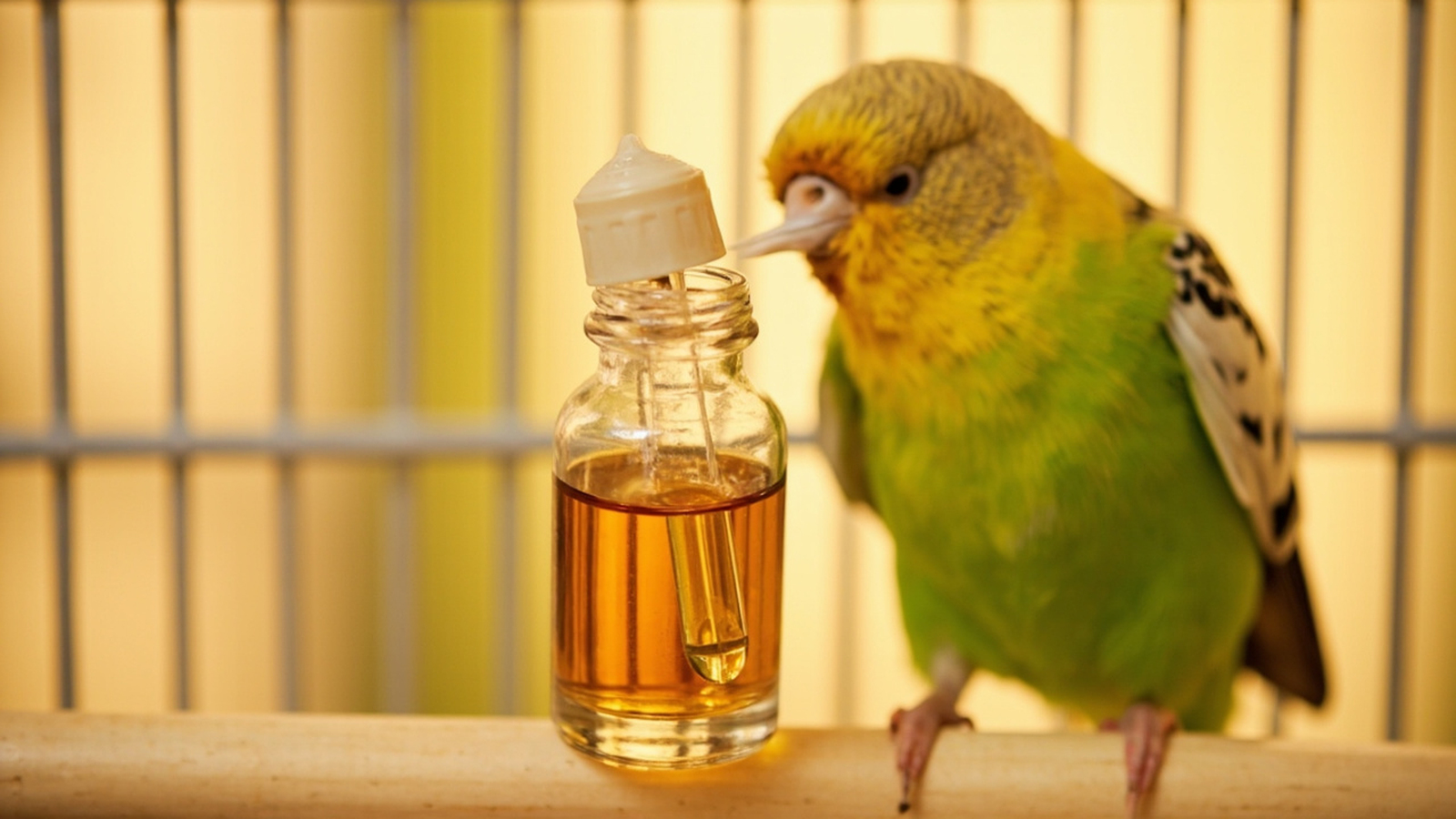
Morning Bird Calcium Plus Liquid is the pick for breeding pairs and any bird that needs calcium fast. It is a liquid — calcium with vitamin D3 and magnesium already balanced — so it can go into water, onto food, or be given drop by drop straight into the beak, which matters when a hen is down and you cannot wait for a powder to work through digestion. The brand formulates it for parakeets, cockatiels, lovebirds, finches, and canaries, which covers the full small-bird range.
- Pros: liquid form absorbs fastest and allows direct beak dosing; D3 and magnesium included, so no second product needed indoors; works for breeding support, growing chicks, and older birds with brittle bones.
- Cons: the dropper has no dose markings, so you are estimating drops per bird; the 2 fl oz bottle runs out quickly with a breeding pair on daily dosing; it contains D3, so if your bird also gets UVB lighting you should account for the total.
One owner of a 9-year-old pair of peach-faced lovebirds put it plainly: “Excellent product, and keeps my lovebirds healthy!” — the kind of longevity report you want from a calcium product, since birds use calcium their entire lives.
Check Morning Bird Calcium Plus on Amazon →
For everyday budget supplementation
Zoo Med Avian Calcium is the no-frills counterpart: a pure calcium carbonate powder marketed for all bird species, with high bioavailability and nothing else in the jar. That purity is the point — for a non-breeding cockatiel or finch flock that just needs a baseline calcium top-up a few times a week, dusting seed or soft food with this costs pennies per serving.
- Pros: cheapest per dose of the calcium picks by a wide margin; single-ingredient formula suits birds already getting D3 from pellets or lighting; one 8 oz jar lasts a small flock most of a year.
- Cons: it contains no vitamin D3, so in a dim apartment the calcium is only partly absorbed — pair it with a UVB lamp or a D3-containing food; fine powder sifts to the bottom of a seed dish instead of sticking; the wide-mouth jar clumps if it sits in a humid bird room.
Check Zoo Med Avian Calcium on Amazon →
Best Bird Probiotics for Digestion and Stress
Bird probiotics earn their place in three moments: a diet transition (new foods upend gut balance), any stressful stretch — a move, a new cage mate, a vet visit — and after a course of antibiotics, which wipe out good gut bacteria along with the bad. Both picks below are powder dosed over food, which is far more reliable than water dosing.
For diet changes and stress-prone birds
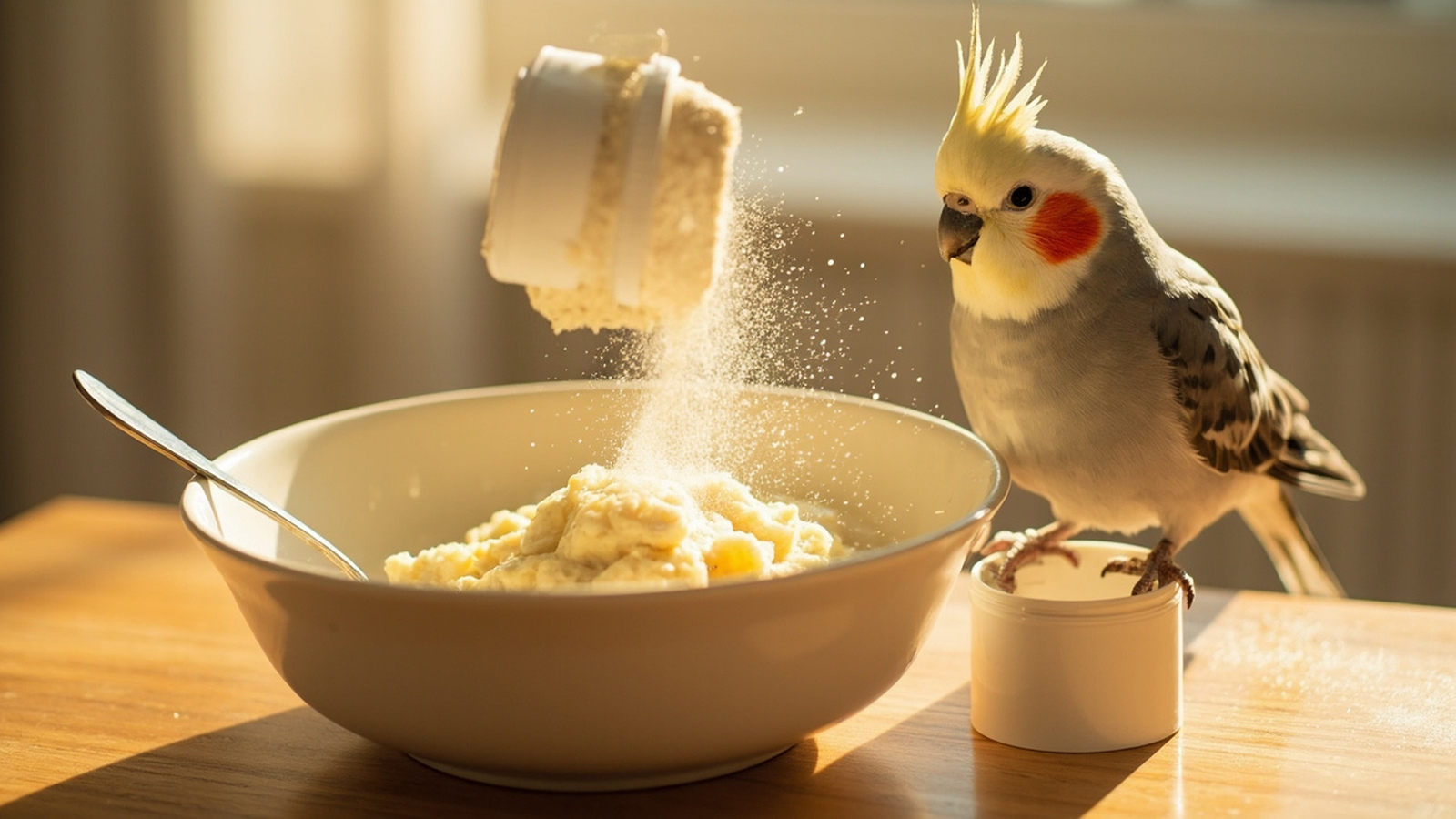
Equa Holistics HealthyGut Avian is the broadest-use probiotic of the group. It combines eight freeze-dried probiotic strains with prebiotics and is marketed to regulate gut pH and help defend against feather picking that follows stress. It is sold as a parrot supplement but dosed for all sizes — a budgie gets a fraction of a scoop, a conure more — and one jar provides 120 servings.
- Pros: eight strains plus prebiotic fiber, not a single-strain formula; the feather-plucking and stress angle makes it the pick for birds that pluck when life changes; 120 servings per jar keeps the per-day cost low for multi-bird homes.
- Cons: freeze-dried cultures slowly lose potency once that big jar is open, and a single-bird household will not finish it fresh; scaling the scoop down to a budgie’s share takes a steady hand; the powder must go on slightly moist food or it blows off the dish.
One reviewer with an aging parakeet wrote: “This stuff is amazing. I have a senior bird (15+ year old parakeet).” — and senior birds are exactly the demographic whose digestion benefits most from daily probiotic support.
Check HealthyGut Avian on Amazon →
After antibiotics or for delicate birds
Nekton-Biotic-Bird is the specialist option from Nekton, the German avian nutrition house. It is positioned as a premium bird probiotic for daily gut maintenance and especially for recovery after antibiotic treatment, when a bird’s gut flora needs deliberate rebuilding. Nekton’s avian line is widely used by breeders, and this is the product to reach for when the situation is medical rather than routine.
- Pros: formulated specifically for post-antibiotic recovery and sensitive birds; comes from a specialist avian nutrition brand with a long breeding-community track record; fine powder mixes cleanly into hand-feeding formula for chicks.
- Cons: it is one of the most expensive options here per gram — nearly the price of HealthyGut in a much smaller tub; the label is terse, and you will do some homework translating serving sizes for tiny birds; overkill for a healthy bird that just eats pellets.
Check Nekton-Biotic-Bird on Amazon →
Best Multivitamins for Seed-Based Diets
Seed is a terrible complete diet — it is fatty and missing vitamin A, D3, and most amino acids. Most searches for bird vitamins end in this category, because a bird multivitamin is the bridge product: not a license to keep feeding seed forever, but a nutritional floor while you work on the transition. Both picks below are powders; drops exist, but no vitamin survives long in a water dish.
The full-spectrum workhorse
Nekton-S Multi-Vitamin is the reference product in this category — a German formula combining 13 vitamins, 18 L-form amino acids, and minerals, marketed as an everyday supplement for all cage birds. For a bird that lives on seed, this is the closest thing to a nutritional insurance policy in a jar, and it is equally useful for birds recovering from illness who are not eating a full range of foods.
- Pros: the most complete formula of the eight picks — vitamins, amino acids, and minerals in one; suits every species from budgies to conures; a tiny dose per bird means even the small jar lasts months for one bird.
- Cons: it turns drinking water bright yellow and carries a vitamin smell that some birds refuse — food dosing is almost mandatory; the vitamin A content means more is not better, and chronic overdosing harms birds; there is no measuring scoop precise enough for a single budgie’s fraction of a dose.
One owner summed up the loyalty it generates: “My cockatiel just turned 23, and is going through an intense molt.” — that was the reason they bought it again, years later. A 23-year-old cockatiel is not proof of a supplement, but it is the company this product keeps.
The water-soluble starter for small birds
Quiko Multivitamin Daily Balance is the simplest entry point, and it is pitched exactly at the smallest birds: 14 vitamins and 6 minerals in a water-soluble powder that the brand recommends for finches, canaries, and other small pet birds. Stir it into the water dish, done — no weighing, no mixing into feed. For a canary keeper who has never supplemented anything, this is the least intimidating product on the list.
- Pros: dissolves clear in water with no residue, unlike most powders; formulated and marketed for the smallest species, where dose precision matters most; inexpensive enough to try without commitment.
- Cons: vitamins in water start degrading within hours — faster in summer and under bright light — so an owner who tops up the dish instead of changing it is serving mostly flavored water; the 1 oz tub is small even for finches; water dosing is inherently imprecise because sick birds drink less.
Check Quiko Multivitamin on Amazon →
Best Feather Support for Molting Season
Bird vitamins for feathers target the weeks when a bird replaces its plumage — or when feathers grow in dull, brittle, and stressed. Of all the categories here, feather support is the most patience-testing, which is why only one product makes this list. Molting is protein- and nutrient-intensive: each new feather is built from amino acids, and biotin deficiency shows up directly in feather quality.
UnRuffledRx FeatherUp is a dedicated molt and plucking-support blend: biotin, amino acids, vitamins, and minerals in a powder dosed over food, with about 240 servings per tub. It is built for two birds in particular — the one going through a heavy, visibly uncomfortable molt, and the one whose feathers grow back poor after stress or plucking episodes.
- Pros: combines biotin with a full amino acid profile, which is the actual raw material of feather growth; roughly 240 servings make a full molt season cost pennies a day; works for parrots and small birds alike, including the conures and cockatiels most prone to plucking.
- Cons: feathers take weeks to months to show improvement, so this is a patience product, not a quick fix — an acutely plucking bird needs a vet first; palatability splits birds, and some refuse food that carries the powder (one verified owner advised others not to be put off by “people who can’t get their bird to eat it,” confirming the acceptance issue is real); a tub sized for 240 servings will outlive its peak freshness in a single-bird home.
The results, when they come, are the reason this product has a following. One owner wrote simply: “This stuff really works, my bird is getting her feathers back.”
Best Liver Support for Long-Term Seed Diets
A seed-heavy diet eventually writes a bill, and the liver pays it — fatty liver disease is one of the most common quiet killers of budgies and cockatiels fed all-seed diets for years. This is the most situational entry on the best bird supplements list, and the easiest one to make unnecessary with a better diet. Herbal liver support does not cure disease, but milk thistle (silymarin) has a long track record in aviculture as a supportive extract for birds whose livers are under metabolic strain.
Morning Bird Milk Thistle & Dandelion Extract is an organic, alcohol-free liquid combining milk thistle with dandelion root, marketed for liver support and natural detox across all bird species. The liquid form lets you dose onto food or directly, and the alcohol-free extraction matters because birds are small and ethanol is not a joke at their scale.
- Pros: combines two of the most-studied liver-support herbs in one extract; alcohol-free formulation appropriate for small birds; liquid dosing can target food or beak directly for birds already feeling unwell.
- Cons: evidence for milk thistle in birds is largely extrapolated from other animals and breeder experience, not controlled trials — treat this as supportive care, not treatment; the dropper struggle stresses some birds, which defeats the purpose; the 1 fl oz bottle is the smallest of the liquid formats here.
If your bird has been on seeds for years, this is a reasonable support product — but the honest first step is switching the diet, and an avian vet should see any bird showing actual liver symptoms. The same diet-first logic runs through every species we cover; it is why our best hedgehog food guide starts with base diet before any supplement talk.
Check Milk Thistle Extract on Amazon →
Choosing the Right Supplements by Species
The five-scenario framework above covers every bird on this list, but the practical answer changes with the species in your cage — which is why searches for cockatiel supplements and budgie supplements return slightly different advice under the same five headings.
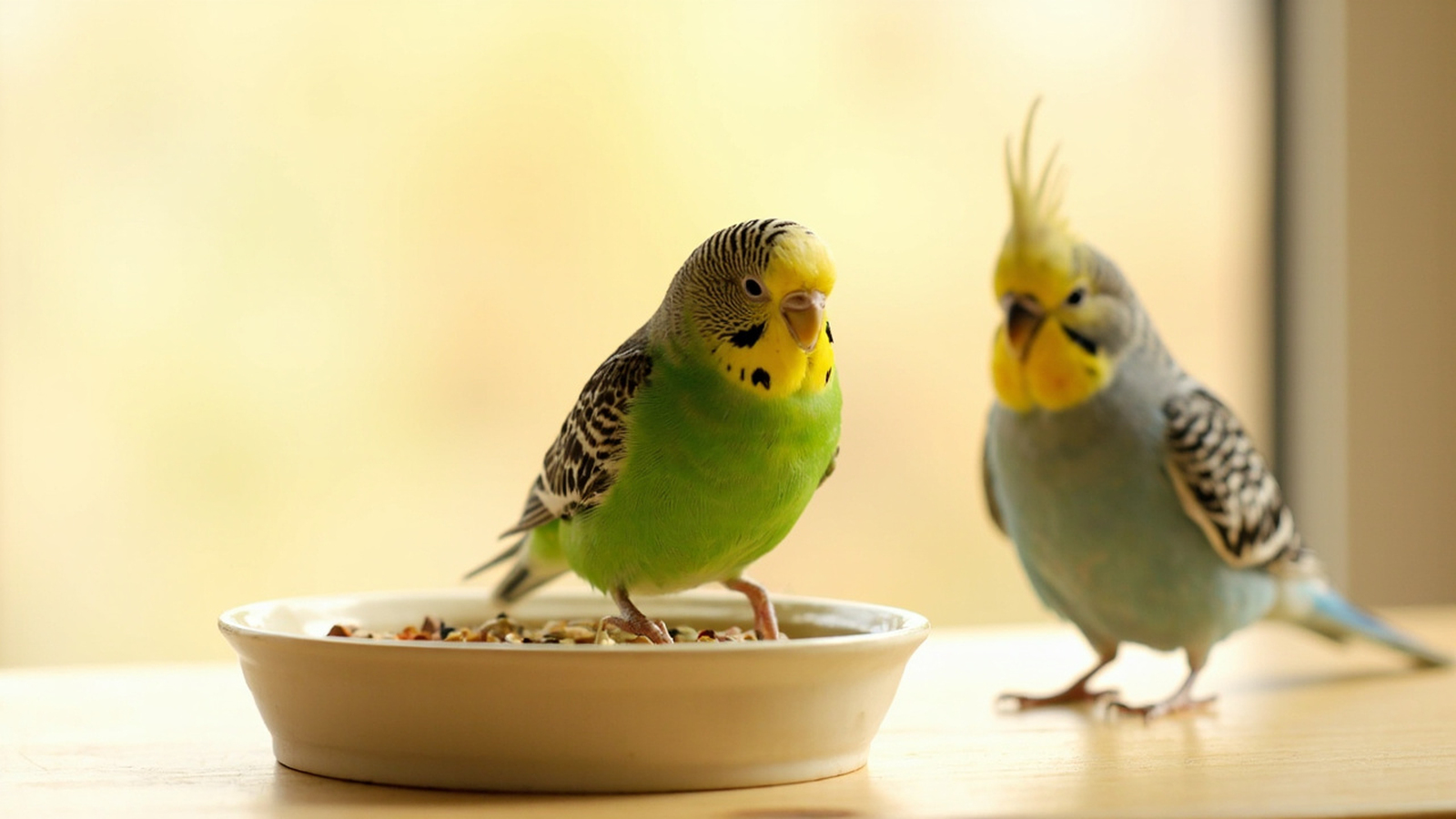
Cockatiels
Cockatiels are the classic case for cockatiel supplements, and two risks drive the advice: fatty liver from seed addiction and chronic egg laying in hens. A cockatiel on seeds needs the multivitamin floor; a laying hen needs the liquid calcium; and a plucking-prone tiel is the textbook HealthyGut candidate. Get the base diet right first — our best cockatiel food guide ranks the pellets that make supplements almost unnecessary — and keep boredom at bay with foraging options from the best cockatiel toys list, since a busy tiel plucks less.
Budgies
Budgie supplements follow the same map with one addition: budgies are prolific and sometimes surprise-layers, so the “budgies supplement for egg production” question is really a calcium question — liquid calcium with D3, started before the first egg, not after the hen is on the cage floor. Otherwise a young budgie on pellets needs little beyond a calcium source; an older seed-addicted budgie earns a multivitamin and, during any diet transition, a probiotic. The full diet transition is covered in the best budgie food guide.
Conures, finches, and lovebirds
Conures sit between budgies and cockatiels — bigger appetites, same fatty-liver risk, and a real talent for plucking feathers under stress, which makes the probiotic + feather-support pair worth knowing. Finches and canaries are the natural audience for the water-soluble Quiko approach, since dosing a 12-gram bird over food is fiddly and water dosing, with all its caveats, is at least practical at aviary scale. Lovebird keepers mostly need the calcium plan — pairs breed readily, and hens lay whether you plan for it or not. For all three groups, the best bird supplements shortlist stays the same core trio — calcium, probiotic, multivitamin — only the dose changes.
Also Consider
These four did not make the main eight. Each was live-checked on Amazon Creators API on 2026-10-17 (price present, detail page HTTP 200) and is a real alternative if a main pick is out of stock. They are backups, not upgrades.
| Product | Type | Price | Why it is here |
|---|---|---|---|
| UnRuffledRx Bird Calcium Plus | Liquid calcium + D3 + magnesium | $23.99 | Clear, tasteless water dose if the Morning Bird dropper is sold out |
| Nekton-Bio | Feathering vitamin powder | $19.99 | Nekton feather formula if FeatherUp is unavailable |
| OASIS Alive and Well | Probiotic tablet | $14.95 | Tablet probiotic for a bird that will not eat dosed soft food |
| Vital Planet Flora Bird | 7-strain probiotic powder | $29.99 | Higher-potency powder if HealthyGut is out of stock |
Quick Checklist: Using Bird Supplements Safely
Run any purchase past this list before it enters the cage:
- ✅ Match the product to a real gap — laying hen = calcium, seed diet = multivitamin, antibiotics = probiotic
- ✅ Dose over moist food, not water, whenever the bird accepts it
- ✅ Start one supplement at a time so you can see what actually changes
- ✅ Confirm the formula is labeled for your species and size range
- ✅ Keep the tub sealed and dry — freeze-dried probiotics and powdered vitamins lose potency fast once opened
- ❌ Do not stack a D3 supplement on top of a UVB-lit, pellet-fed bird without reducing something else
- ❌ Do not use supplements to delay an avian vet visit for a fluffed, grounded, or not-eating bird
- ❌ Do not dose “a pinch” — use the scoop, halve it for budgies, and write the schedule on the jar
Starting any new supplement in four steps
- Pick the one gap that matters most. A laying hen needs calcium; a seed-based diet needs a multivitamin; recent antibiotics, a move, or a new cage mate calls for a probiotic. Start one product at a time.
- Dose onto moist food, not into water. Stir the powder into mashed egg, apple, or soaked pellets so a finished dish equals a full dose.
- Scale the scoop down for small species. A budgie or canary needs only a fraction of the serving printed on labels aimed at parrots.
- Watch the dish and the bird. Confirm the portion is actually finished, and pause the product and call an avian vet if appetite, droppings, or energy change.
Frequently Asked Questions
Do birds need vitamin supplements?
Birds on a seed-only diet almost always benefit from a bird multivitamin, because seed is missing vitamin A, D3, and key amino acids. Birds on a complete pellet diet usually do not need daily vitamins. Calcium and probiotics are the two worth keeping on hand regardless of diet quality.
What supplement do budgies need for egg production?
Calcium with vitamin D3, started before laying begins. Each shell pulls calcium from the hen, and a depleted hen risks egg binding, which can kill within hours. Liquid calcium is the fastest form to dose when a hen is in laying condition.
Can you give a bird too much calcium?
Yes — chronic oversupplementation stresses kidneys and blocks absorption of other minerals like zinc. Supplement during laying, molting, or on vet advice, and keep ordinary days in between. More is not safer with minerals.
How do I get my bird to take a supplement?
Put it on something moist and sticky — mashed egg, apple, soaked pellets — rather than in water. Water dosing is unreliable and vitamins degrade in the dish within hours. Watch the dish: a supplement the bird does not finish is a supplement the bird does not get.
Do supplements replace a good diet?
No. The best bird supplements patch specific gaps; they cannot rebuild a diet around seeds. Fix the base diet first, then supplement what is still missing.
The Bottom Line
The best bird supplements that earn a permanent spot come down to two products, not eight: a calcium source matched to your bird (liquid with D3 for hens and breeding pairs, cheap powder for everyone else) and a probiotic for transitions and stress. Add the Nekton-S multivitamin only if seed is still the base of the diet, and reach for the feather and liver products when those specific situations arrive. Diet first, supplements second, avian vet third when something looks wrong — that order keeps every product on this page doing the job it was made for.


