Quick Answer
Conures live 15–30 years depending on species and care. A veterinary reference gives a mean lifespan of 20–25 years and notes reports of 35–40 years. Lafeber lists green-cheeked conures up to 20 years; PetMD says sun conures may reach 30. Individual longevity varies substantially with health and overall husbandry quality.
Last fact-checked: 2026-07-16. Sources: LafeberVet conure information sheet, Lafeber green-cheeked conure care guide, and PetMD sun conure care sheet. This article has not been independently reviewed by a veterinarian.
Conure lifespan ranges from 15 to 30 years in captivity with proper care. This is one of the longest commitments in the pet bird world. The exact lifespan depends heavily on species — green-cheeked conures average 10-25 years while sun conures can reach 30 years.
In the wild, lifespans are shorter (10-15 years) due to predation, habitat loss, disease, and food scarcity. The Reddit parrot community widely reports that the “average” captive conure lives only 10 years due to poor diet and husbandry. Well-cared-for individuals routinely reach 20-30 years.
The gap between minimum and maximum conure life expectancy is enormous — more than any other common pet bird species. This conure life expectancy gap is almost entirely preventable through proper diet, social interaction, veterinary care, and safe housing.

Diet is the single biggest factor in a conure’s longevity. A seed-only diet can shorten a conure’s life by 10-15 years compared to a pellet-based diet with fresh vegetables and fruits (Lafeber Company — Nutritional Requirements of Companion Birds). See our conure food guide for species-specific nutrition recommendations.
Conure Lifespan by Species
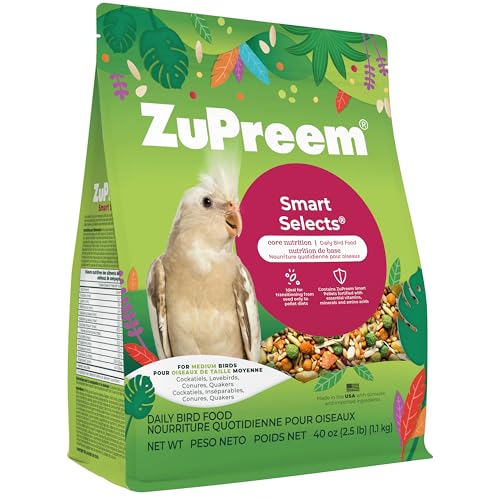
ZuPreem Smart Selects is a quality option worth considering for your setup.
Different conure species have significantly different lifespans. The table below compares eight popular conure species across lifespan, size, noise level, and care notes.
| Species | Scientific Name | Lifespan | Max Recorded | Size | Noise Level | Notes |
|---|---|---|---|---|---|---|
| Green-Cheeked Conure | Pyrrhura molinae | 10-25 years | 30+ years | 10 inches | Moderate | The green cheek conure lifespan averages 10-25 years. Most popular pet conure, hardy and quieter than Aratinga genus |
| Sun Conure | Aratinga solstitialis | 15-30 years | 35+ years | 12 inches | Very High | Vibrant orange-yellow plumage. Extremely loud. As one of the longest-lived conures, the sun conure lifespan reaches 35+ years |
| Jenday Conure | Aratinga jandaya | 15-25 years | 30+ years | 12 inches | Very High | Similar to Sun Conure in care and noise level. Green and orange coloring |
| Nanday Conure | Aratinga nenday | 15-30 years | 35+ years | 12 inches | Very High | Distinctive black hood. Hardy and long-lived. The nanday conure lifespan is often underestimated |
| Dusky Conure | Aratinga weddellii | 20-30 years | 35+ years | 11 inches | High | One of the quietest Aratinga conures. Excellent lifespan potential |
| Blue-Crowned Conure | Thectocercus acuticaudatus | 20-30 years | 40+ years | 14 inches | High | Larger species known for exceptional talking ability and longevity |
| Patagonian Conure | Cyanoliseus patagonus | 20-35 years | 40+ years | 18 inches | Very High | Largest conure species. One of the longest-lived pet birds period |
| Maroon-Bellied Conure | Pyrrhura frontalis | 15-25 years | 30+ years | 10 inches | Low-Moderate | Quieter Pyrrhura conure. Similar to Green-Cheeked in care requirements |
Among the most popular species, the green cheek conure lifespan is the shortest range because this species is smaller and more prone to stress-related health issues. However, the sun conure lifespan and nanday conure lifespan both reach 35+ years in well-documented cases. Larger Aratinga species simply have more robust constitutions.
Aratinga genus conures (Sun, Jenday, Nanday, Dusky) tend to outlive Pyrrhura genus conures (Green-Cheeked, Maroon-Bellied).
Larger species generally have longer lifespans and more robust immune systems. The Patagonian Conure holds the record potential at 40+ years due to its robust 18-inch body size and hardy constitution. Blue-Crowned Conures are also noted for exceptional longevity, with multiple credible reports of birds reaching 35+ years in experienced avian households.
Pineapple conure lifespan is a common search query — pineapple is a Green-Cheeked Conure color morph (yellow and green), not a separate species, with an identical 10-25 year range. The same applies to Turquoise, Cinnamon, and Yellow-Sided morphs. Color does not affect the pineapple conure lifespan.
Captive vs. Wild Conure Lifespan
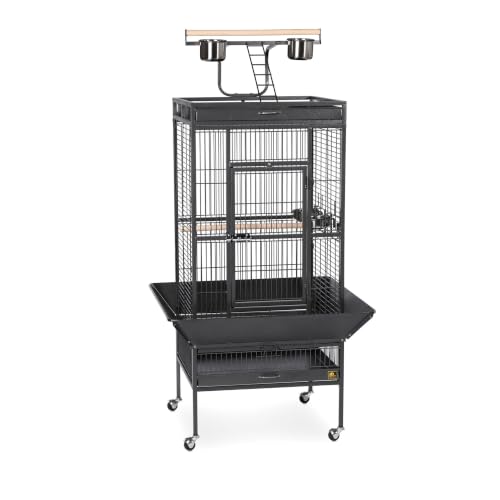
Many owners find that Prevue Stainless Steel Playtop works well for their pet’s needs.
The captive vs wild comparison reveals an important paradox. The conure lifespan in captivity can reach twice that of wild birds — but many live shorter lives due to preventable husbandry mistakes.
| Factor | Captivity | Wild |
|---|---|---|
| Average lifespan | 15-25 years | 10-15 years |
| Maximum recorded | 40+ years | ~20 years |
| Primary threats | Poor diet, loneliness, household hazards, disease | Predation, habitat destruction, parasites |
| Diet quality | Pellets plus fresh foods (varied) | Seasonal fruits, seeds, nuts (limited variety) |
| Veterinary care | Available (avian vet) | None |
| Social interaction | Owner (may be insufficient) | Flock (natural social structure) |
| Environmental hazards | Teflon fumes, ceiling fans, open windows, toxic foods | Natural predators, storms |
Conure lifespan in captivity should theoretically exceed wild birds significantly. Predator elimination, consistent food supply, and veterinary care give captive birds a clear advantage. Yet the Reddit r/parrots community reports that most conures live only about 10 years — roughly the same as wild birds.
Why the gap? The most common causes of premature captive death are seed-only diets, social isolation, and lack of veterinary care — the three factors that most often prevent a pet conure lifespan from reaching its full potential.
Conures are flock animals that need daily social interaction. A lonely, seed-fed conure in a small cage with no stimulation will not reach its full potential.
Warning: Polytetrafluoroethylene (PTFE/Teflon) Toxicity — A lethal acute respiratory syndrome in birds caused by inhalation of PTFE fumes released from overheated nonstick cookware, heat lamps, and other PTFE-coated products. At temperatures above 536°F (280°C), PTFE decomposes into ultrafine particles that cause severe edema and hemorrhage in the avian respiratory tract. Death can occur within minutes of exposure with no effective treatment. This is the single most preventable cause of sudden bird death in households (Lafeber Company — Teflon Toxicity in Birds).
Teflon warning: Nonstick cookware (Teflon, PTFE) emits fumes at 536 degrees Fahrenheit (280 degrees Celsius) that kill birds within minutes — the single most dangerous household item for all pet birds (Lafeber Company — Teflon Toxicity in Birds; Merck Veterinary Manual — Avian Respiratory Toxicology). Other deadly hazards include ceiling fans (fatal head trauma), open toilets (drowning), and electrical cords (electrocution). Use cast iron, stainless steel, or ceramic cookware instead.
What Affects How Long Your Conure Lives?
For this purpose, Prevue Hendryx Flight Cage XL is a popular choice among pet owners.
Six key factors determine whether a conure lives 10 years or 30 years. Each is controllable with proper husbandry.
Diet Quality
Diet is the number one controllable factor in how long your bird will live. Seed-only diets cause fatty liver disease, vitamin A deficiency, and shortened lifespan by 10 or more years. A balanced diet for conures includes 60-70% high-quality pellets (Harrison’s, Roudybush, or Lafeber), 20-30% fresh vegetables like leafy greens, carrots, broccoli, and peppers, and roughly 10% fruits including berries, mango, and papaya (Lafeber Company — Conure Species Diet Guidelines).
Avoid avocado, chocolate, caffeine, alcohol, human processed food, sugary snacks, and salty foods. These are toxic or harmful to birds. See our cockatiel food guide for a comparison of pellet brands that also work well for conures.
For general pellet-versus-seed principles, see our bird diet guide. Our budgie diet guide explains similar fundamentals, although budgies and conures have different nutritional needs.
Social Interaction
Conures are highly social flock animals. Daily out-of-cage interaction time is not optional — it is a health requirement equal to food and water. Socially isolated conures develop feather plucking, aggression, depression, and self-destructive behaviors that directly shorten their lifespan (Merck Veterinary Manual — Psittacine Behavior and Feather-Destructive Behavior).
Aim for at least two to three hours of supervised interaction daily. Conures that are nearly completely withdrawn often recover dramatically after consistent handling.
Consider getting a second bird if you work long hours. Conure pairs bond for life and provide mutual social stimulation that a single human cannot fully replicate. Keep your conure in a common living area rather than a spare room — ambient interaction throughout the day counts.
Veterinary Care
Annual avian vet exams catch early signs of disease that are invisible to untrained owners. Most health problems are treatable if caught early but fatal if ignored.
Look for a vet certified by the Association of Avian Veterinarians (AAV) — the leading organization for avian veterinary standards (AAV — Find an Avian Veterinarian). Many general veterinarians do not have adequate bird expertise.
Semi-annual exams are recommended for conures over 15 years old. Blood work at every visit catches problems months before visible symptoms appear. Blood work and weight tracking at each visit create a baseline that makes early disease detection possible.
Safe Environment
More pet birds die from household accidents than from infectious disease. Bird-proof your home before allowing out-of-cage time.
Remove ceiling fans or turn them off during out-of-cage time. Close all windows and doors firmly. Cover mirrors and glass surfaces.
Eliminate Teflon and PTFE cookware entirely. Keep toxic plants, scented candles, aerosol sprays, and cigarette smoke away from your bird at all times.
Proper cage size and setup supports both physical and mental health. See our conure cage guide for species-specific requirements and setup recommendations.
Mental Stimulation
Conures are intelligent birds comparable to a three to five year old human child in cognitive ability (Pepperberg, 1999 — The Alex Studies: Cognitive and Communicative Abilities of Grey Parrots). Boredom causes chronic stress, feather plucking, screaming, and behavioral problems that impact overall health and lifespan. Provide puzzle toys, foraging opportunities, regular toy rotation, training sessions, and new experiences.
See our bird toy guide for toy-rotation ideas. Choose durable, appropriately sized toys for a conure’s stronger beak and supervise play with any toy marketed for a smaller bird.
A bored conure is a stressed conure. Rotate toys weekly and teach simple tricks (step-up, wave, turn around) to provide cognitive engagement.
Foraging toys that require effort to extract food mimic natural feeding behavior and reduce stress.
Exercise and Flight
Conures are active flyers in the wild, traveling miles daily. Cage-bound conures develop muscle atrophy, obesity, and cardiovascular problems that shorten their lives. Daily flight time in a bird-safe room is essential for physical health.
For specific cage sizing, bar spacing, and setup recommendations, see our cage setup guide and best bird cages comparison.
Even clipped-wing conures need supervised out-of-cage exercise and climbing opportunities. Provide multiple perches at varying heights, rope ladders, and hanging toys to encourage movement within the cage. Flight is a natural behavior that conures are physically adapted for — denying flight entirely leads to muscle wasting and obesity.
Signs of Aging in Conures
Recognizing aging signs helps you adapt care as your conure gets older. There are two categories: normal aging changes and warning signs that require veterinary attention.
Normal Aging Signs (15+ Years)
Slightly reduced activity level and longer sleep duration are expected in older conures. You may notice graying or fading of feather color, slower molting cycles, and decreased vocalization volume. These changes are normal and not causes for concern.
Warning Signs (Any Age)
Sudden weight loss is the most critical warning sign.
Warning: Keel Bone (Sternum) — The large, central breastbone in birds that serves as the primary attachment point for flight muscles. In healthy birds, the keel bone is palpable but covered with a thin layer of pectoral muscle. A “sharp” keel indicates muscle wasting (cachexia), while a deeply buried keel indicates obesity. Regular keel bone assessment is the gold standard for monitoring body condition in companion birds (AAV — Physical Examination of the Avian Patient).
Feel your conure’s (the breastbone running down the center of the chest) — this is the standard body condition assessment used by avian veterinarians worldwide (AAV — Physical Examination of the Avian Patient). It should NOT be sharp like a razor blade — a healthy bird has a thin layer of muscle on each side of the keel (Lafeber Company — Body Condition Scoring in Companion Birds).
How to perform a keel bone assessment (weekly):
- Gently hold your conure on its back or in a towel restraint
- Locate the keel bone — the central ridge running from chest to abdomen
- Run your finger along both sides of the keel
- Ideal: You can feel the bone but there is muscle padding on each side
- Too thin (sharp): The bone feels like a razor blade with no muscle — veterinary check needed
- Too fat (buried): You cannot find the keel bone through excess fat — reduce high-fat foods
Lethargy, fluffed feathers for extended periods, changes in droppings (color, consistency, or frequency), decreased appetite, difficulty perching, labored breathing, feather plucking, and beak overgrowth all require immediate veterinary evaluation.

Weigh your conure weekly on a gram scale. Sudden weight loss of more than 10% body weight in two weeks is a veterinary emergency. Green-cheeked conures typically weigh 60-80 grams — a loss of just 6-8 grams is significant enough to warrant an urgent vet visit. Monthly weight tracking is the single most effective early-warning system for disease in companion birds (VCA Hospitals — Weight Monitoring in Pet Birds).
Senior Care Adaptations
Older conures benefit from softer food options if they have beak wear. Lower perches help birds with arthritis or reduced grip strength.
A warmer environment is important because older birds are more sensitive to cold drafts. Increase vet visits to semi-annual for birds over 15 years old.
Conure Longevity Checklist
Follow this checklist to maximize your conure’s lifespan:
Do’s — Evidence-Based Longevity Practices:
- Feed 60-70% pellets with fresh vegetables and fruits daily (Lafeber Company)
- Provide 2-3 hours of supervised out-of-cage interaction daily minimum
- Schedule annual avian vet exams with blood work (AAV guidelines)
- Eliminate all PTFE/Teflon cookware from the household entirely
- Weigh your conure weekly on a gram scale and track trends
- Assess keel bone condition monthly using the 6-step method above
- Rotate toys weekly and provide foraging opportunities
- Maintain 12-hour light/12-hour dark cycle to prevent chronic egg-laying
- Quarantine new birds for 30 days with vet screening before introduction
- Use HEPA air purifiers near the cage to reduce respiratory irritants
Don’ts — Common Mistakes That Shorten Lifespan:
- Do NOT feed a seed-only diet — causes hepatic lipidosis (VCA Hospitals)
- Do NOT house a conure alone in a spare room — social isolation causes feather plucking and depression
- Do NOT skip annual vet exams — most bird diseases show no visible symptoms until advanced
- Do NOT allow unsupervised out-of-cage time — ceiling fans, windows, and toxic plants are fatal hazards
- Do NOT use scented candles, aerosol sprays, or smoke near the bird — avian respiratory systems are hypersensitive
- Do NOT provide nesting sites to pet hens — triggers chronic egg-laying and calcium depletion
- Do NOT ignore sudden weight loss — >10% body weight loss in 2 weeks is a veterinary emergency
- Do NOT keep a single flightless conure without exercise opportunities — muscle atrophy and obesity follow
- Do NOT feed avocado, chocolate, caffeine, or alcohol — all are toxic to birds
- Do NOT use nonstick cookware of any kind — PTFE fumes kill birds within minutes
Common Health Issues That Shorten Conure Lifespan
Five preventable health problems account for the majority of premature conure deaths.
Warning: Hepatic Lipidosis (Fatty Liver Disease) — A progressive, potentially fatal condition where excessive fat accumulates in the liver cells, impairing liver function. In birds, it is almost exclusively caused by diets high in fat and low in protein and essential nutrients — seed-only diets are the primary culprit. Affected birds may show no symptoms until the disease is advanced. Diagnosis requires blood work (elevated liver enzymes) and sometimes liver biopsy (Merck Veterinary Manual — Hepatic Lipidosis in Psittacines).
Fatty Liver Disease (Hepatic Lipidosis)
This is the number one diet-related killer of captive conures. It is caused by seed-only diets that are high in fat and low in essential nutrients. Seeds contain 15-25% fat, while pellets typically contain 5-8%, making seed-heavy diets a direct path to hepatic lipidosis (VCA Hospitals — Fatty Liver Disease in Birds).
Symptoms include overweight body condition, a flaky or overgrown beak, and lethargy. Hepatic lipidosis can progress silently for months before visible signs appear (Merck Veterinary Manual — Hepatic Lipidosis in Psittacines). Prevention is straightforward: transition to a pellet-based diet with seeds as occasional treats only. The same nutritional principles that prevent liver disease apply across all small bird species — see our canary food guide and budgie food guide for diet comparisons.
Warning: Psittacosis (Chlamydiosis) — A zoonotic bacterial infection caused by Chlamydia psittaci that infects parrots, conures, and other psittacines. It can spread to humans through inhalation of aerosolized droppings, feather dust, or respiratory secretions. In birds, symptoms range from asymptomatic carrier state to acute respiratory distress and death. In humans, it causes flu-like illness (“parrot fever”) and can progress to pneumonia if untreated (CDC — Psittacosis Compendium).
Psittacosis (Chlamydiosis)
Psittacosis is a bacterial infection caused by Chlamydia psittaci that can spread to humans through inhalation of dried droppings or feather dust (CDC — Psittacosis Compendium). Symptoms include fluffed feathers, nasal discharge, and green diarrhea.
It is more common in birds from pet stores, bird fairs, and unknown sources. Prevention requires quarantining new birds for 30 days and scheduling regular vet screening with PCR or serology testing (AAV — Psittacosis Guidelines for Avian Veterinarians).
Respiratory Infections
Conures are extremely sensitive to air quality due to their unique avian respiratory anatomy — birds have air sacs throughout their body, making them far more vulnerable to airborne toxins than mammals (Lafeber Company — Household Hazards for Pet Birds).
Watch for tail bobbing (a sign of breathing difficulty), wheezing, and nasal discharge. Prevention means maintaining bird-safe air quality and using HEPA air purifiers near the cage.
Feather Plucking
Feather plucking is usually behavioral (boredom, loneliness, or stress) but can have medical causes including parasites, skin infections, and nutritional deficiency. Chronic plucking leads to skin damage, infection, and psychological decline.
Address the root cause through increased social interaction, mental stimulation, and veterinary diagnosis. Never punish a plucking bird — stress makes the behavior worse, not better.
Warning: Egg-Binding (Dystocia) — A life-threatening condition where a formed egg becomes lodged in the oviduct and cannot be passed. Common in pet conures due to inadequate calcium, obesity, or environmental triggers (excessive daylight hours, nesting stimuli). Symptoms include straining, tail bobbing, abdominal distension, and lethargy. Requires immediate veterinary intervention — calcium injections, warm compresses, or surgical removal. Mortality reaches 10-20% even with treatment (VCA Hospitals — Egg Binding in Birds).
Egg-Binding (Dystocia)
Female conures can lay eggs even without a male present. Egg-binding occurs when an egg becomes stuck in the reproductive tract — this is a life-threatening emergency requiring immediate veterinary care. Mortality rates reach 10-20% even with treatment (VCA Hospitals — Egg Binding in Birds). Chronic egg-laying depletes calcium and protein reserves, leading to osteoporosis and general decline.
Prevention includes not providing nesting sites for pet hens, maintaining a stable 12-hour light and 12-hour dark photoperiod, and ensuring adequate calcium intake through pellets and mineral blocks (Merck Veterinary Manual — Reproductive Disorders in Psittacines).
Conure Lifespan FAQ
How long do pet conures live?
Pet conures live 15 to 30 years depending on species and quality of care. Green-cheeked conures average 10-25 years while sun conures can reach 30 years.
With optimal pellet-based diet, daily social interaction, annual vet exams, and a bird-safe environment, 20-30 years is achievable for most conure species.
Do male or female conures live longer?
There is no scientifically proven lifespan difference between male and female conures. Breeding females face additional risks from egg production including egg-binding, but non-breeding hens have the same lifespan potential as males.
What is the wild conure lifespan?
Wild conures live approximately 10 to 15 years — about half the potential captive lifespan of well-cared-for birds.
However, many captive conures also live only 10-15 years due to poor diet, social isolation, and household accidents. Captivity alone does not guarantee longevity.
What is the oldest conure on record?
Reports of conures living 35-40 years exist in the parrot community, though most are unverified by official records.
Patagonian Conures and Blue-Crowned Conures are the most frequently cited as reaching 35-40 years due to their larger size and hardier constitution.
How long do pineapple conures live?
Pineapple conures are a color mutation of the Green-Cheeked Conure, not a separate species. Their lifespan is identical to standard Green-Cheeked Conures: 10-25 years, with well-cared-for individuals reaching 30 years.