Not veterinary advice: this guide covers toy selection and toy safety. It cannot rule out a problem with an individual bird. If your bird has swallowed part of a toy, is struggling to breathe, has a swollen crop, or seems lame or lethargic, contact an avian or exotics-savvy veterinarian immediately rather than waiting to see if it passes.
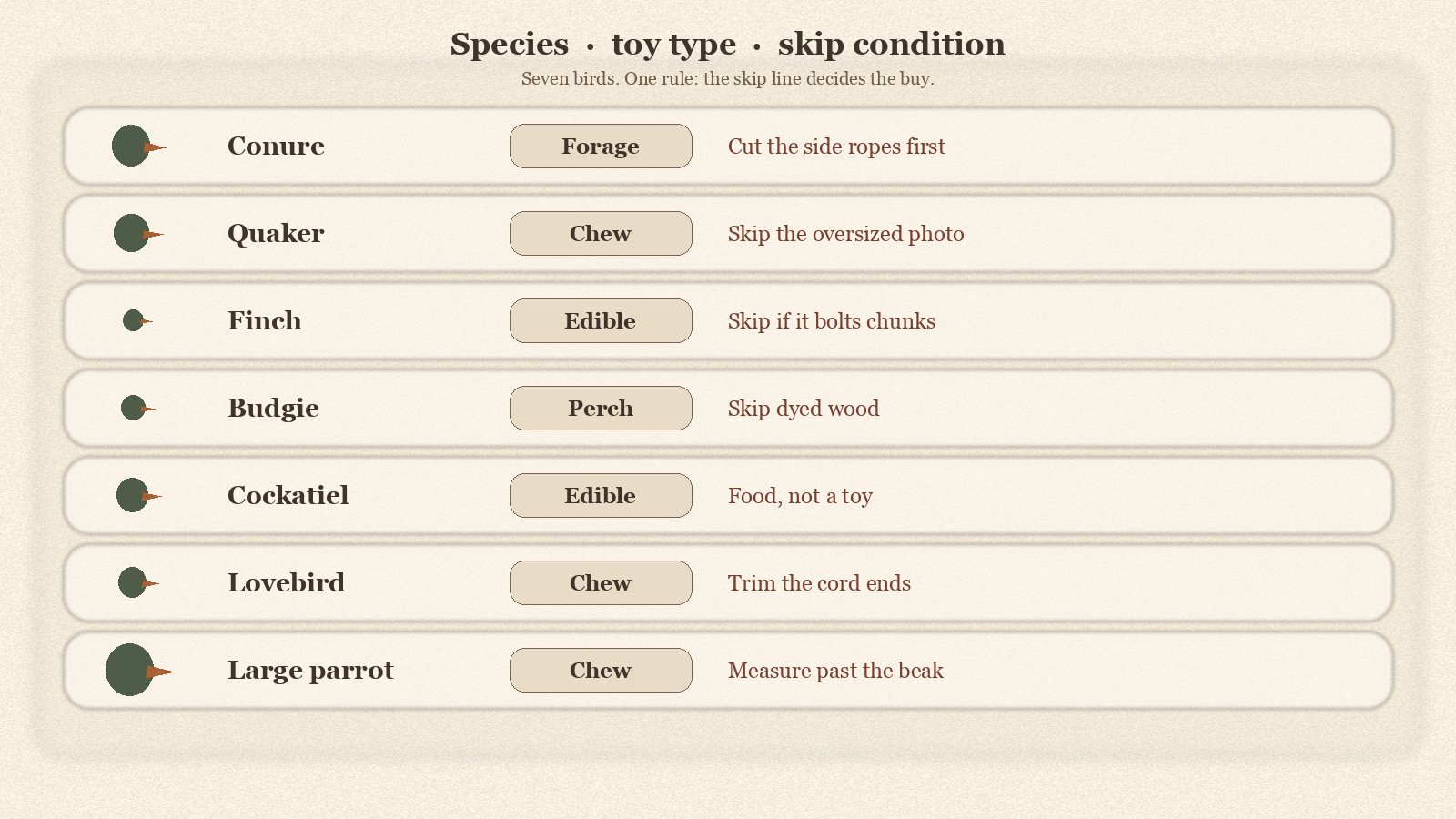
| Species | Top pick | Toy type | Skip because |
|---|---|---|---|
| Conure | Seagrass foraging wall | Forage | Skip until you cut the side ropes off: two owners report birds dying on the strings |
| Quaker parrot | Natural corn cob chew | Chew | Skip the “XL” listing — owners say the photo overstates the size |
| Finch / canary | Vitakraft crunch sticks | Edible — thinnest review base on this page | Skip if your bird bolts seed chunks whole instead of working at them |
| Budgie | Swing, hammock and ladder set | Perch | Skip if the bird shreds dyed wood — several owners had dye transfer onto the beak |
| Cockatiel | Vitakraft crunch sticks, apricot and peach | Edible | It is food, not a toy — skip if your bird is on a seed-restricted diet |
| Lovebird | Sola plant ball, two pack | Chew | Skip if your bird swallows cord ends; owners report trimming them |
| Large parrot | Extra large untreated wood blocks | Chew | Skip it for macaws: owners report blocks smaller than the “XL” photos suggest |
Skip the top-ranked toy set if your bird shreds everything in a week. A swing set lasts about a month; a foraging wall outlasts it. The best bird toys below are each listed with the condition that tells you when to skip them.
A bird pulls the bell off a swing in month two and swallows the clapper, and you are at the emergency vet instead of the toy aisle. The fix is not a bigger budget, it is five checks you can run in the shop with your own hands — and those checks matter more than which of the best bird toys you end up buying.
This page is organised by species because a toy that suits a quaker parrot can be a hazard for a canary. Every pick below carries at least one honest complaint from a verified Amazon review, quoted verbatim, and a condition under which you should skip it. We did not hands-on test any of these toys. If you only want the shortlist, the best bird toys for each species sit in the table below — the honest complaints are the reason each one holds the position it does.
A bird toy is any object a bird can move, chew, forage in, or hang from; a cage is not a bird toy. Foraging, chewing, and shredding are three behaviours with three selection rules. An edible stick is food shaped like enrichment, so it belongs in the diet conversation, not the toy budget. The Merck Veterinary Manual tells owners to give a caged bird perches and toys so it stays active, and to skip mirror toys that can confuse and stress a bird (Merck Veterinary Manual, Providing a Home for a Bird).
Quick Comparison: 10 Safe Picks by Species
Every product name below is a live link — open it for today’s price, stock and full review pool. Bird toys move weekly, so this table carries no price column. These are the best bird toys we would put in a cage today, ranked by species rather than by brand, and every one of these safe bird toys still carries a stated skip condition.
| # | Product | Key Feature | Best For |
|---|---|---|---|
| 1 | lovyoCoCo Swing, Hammock and Ladder Set | No metal; swings, ladder, hammocks | Budgies and lovebirds starting out · Check Price on Amazon → |
| 2 | ESRISE Cage Accessory Bundle | Wood, plastic and rope shredding set | Shredding budgies and cockatiels · Check Price on Amazon → |
| 3 | YIXUND Seagrass Foraging Wall | Weeks of digging, not chewing | Conures that need a job — modify first · Check Price on Amazon → |
| 4 | lovyoCoCo Natural Corn Cob | Untreated plant material, zero plastic | Quaker parrots and ringnecks · Check Price on Amazon → |
| 5 | BBjinronjy Sola Plant Balls | Soft dried plant, shreds easily | Lovebirds and small-beaked birds · Check Price on Amazon → |
| 6 | Vitakraft Crunch Sticks, Cockatiel | Edible fruit and seed sticks | Cockatiels that ignore plastic · Check Price on Amazon → |
| 7 | Vitakraft Crunch Sticks, Canary and Finch | Edible — weakest review base of the ten (627, Oct 2026) | Canaries and finches · Check Price on Amazon → |
| 8 | Vktech Five-Piece Hammock and Swing Set | Soft perches, entry-tier price | Budgies and finches on a budget · Check Price on Amazon → |
| 9 | YIXUND Rope Perch with Bell | Rope perch plus removable bell | Lovebirds — remove the bell first · Check Price on Amazon → |
| 10 | MEWTOGO Extra Large Natural Wood Blocks | Solid untreated wood on a chain | Large parrots, after a size check · Check Price on Amazon → |
Two products scored well and did not make the ten, so neither appears in the main run of best bird toys below; both get their own section under Also Considered further down.
What Makes a Bird Toy Safe: Five Checks Before You Buy
A safe bird toy is any toy where the smallest detachable part is wider than your bird’s head and no toe or beak can enter any gap. Every material in it also has to survive being chewed. That single definition splits into five checks you can run before you pay. Run all five against any of the best bird toys below, and against anything you build yourself.
- Measure the smallest part against the head. If the smallest detachable piece is narrower than your bird’s head, it is a swallow risk. Best Friends Animal Society puts it plainly: a cockatiel toy is always unsafe for a larger parrot like a macaw because of the danger of choking and injury.
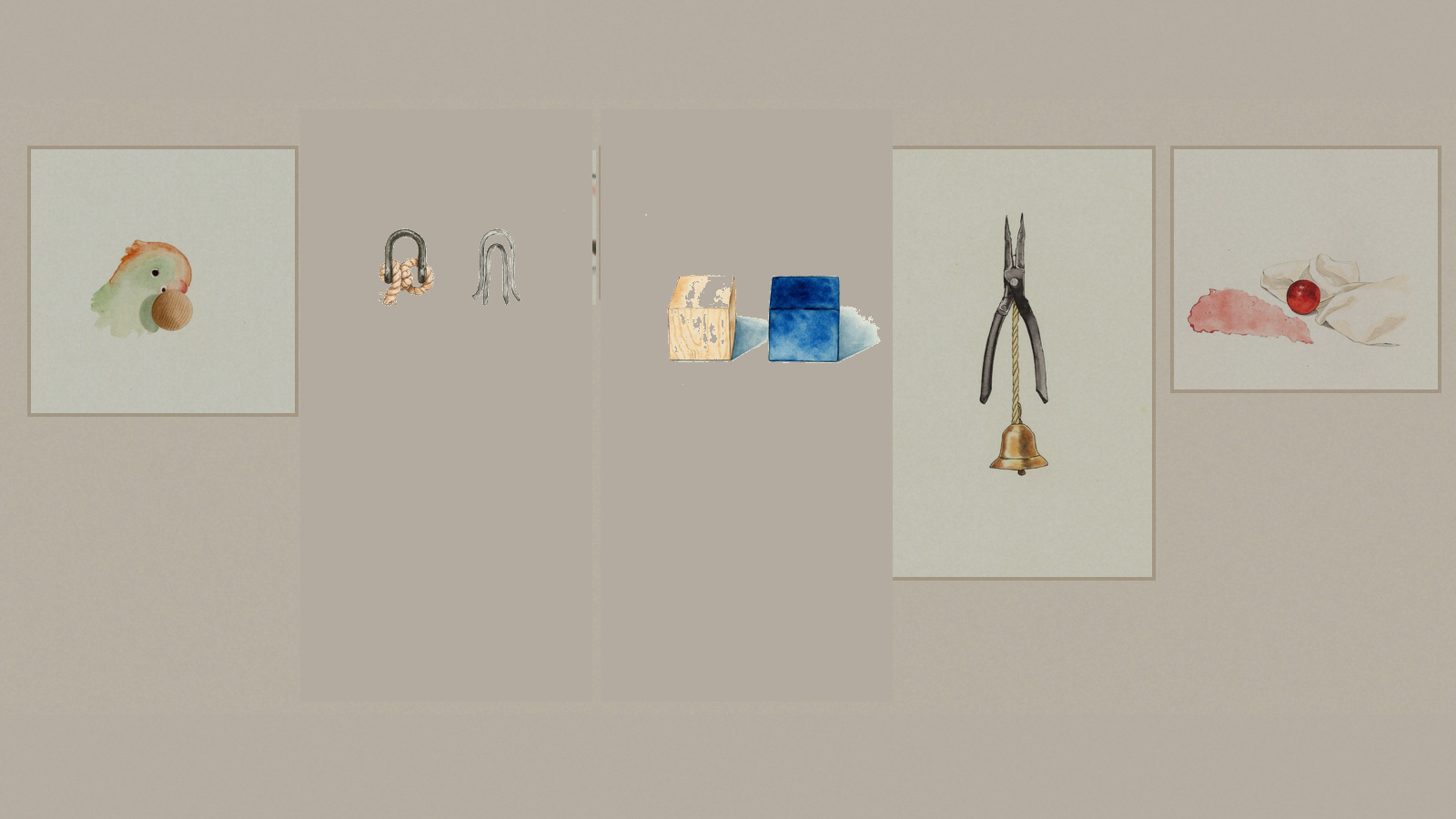
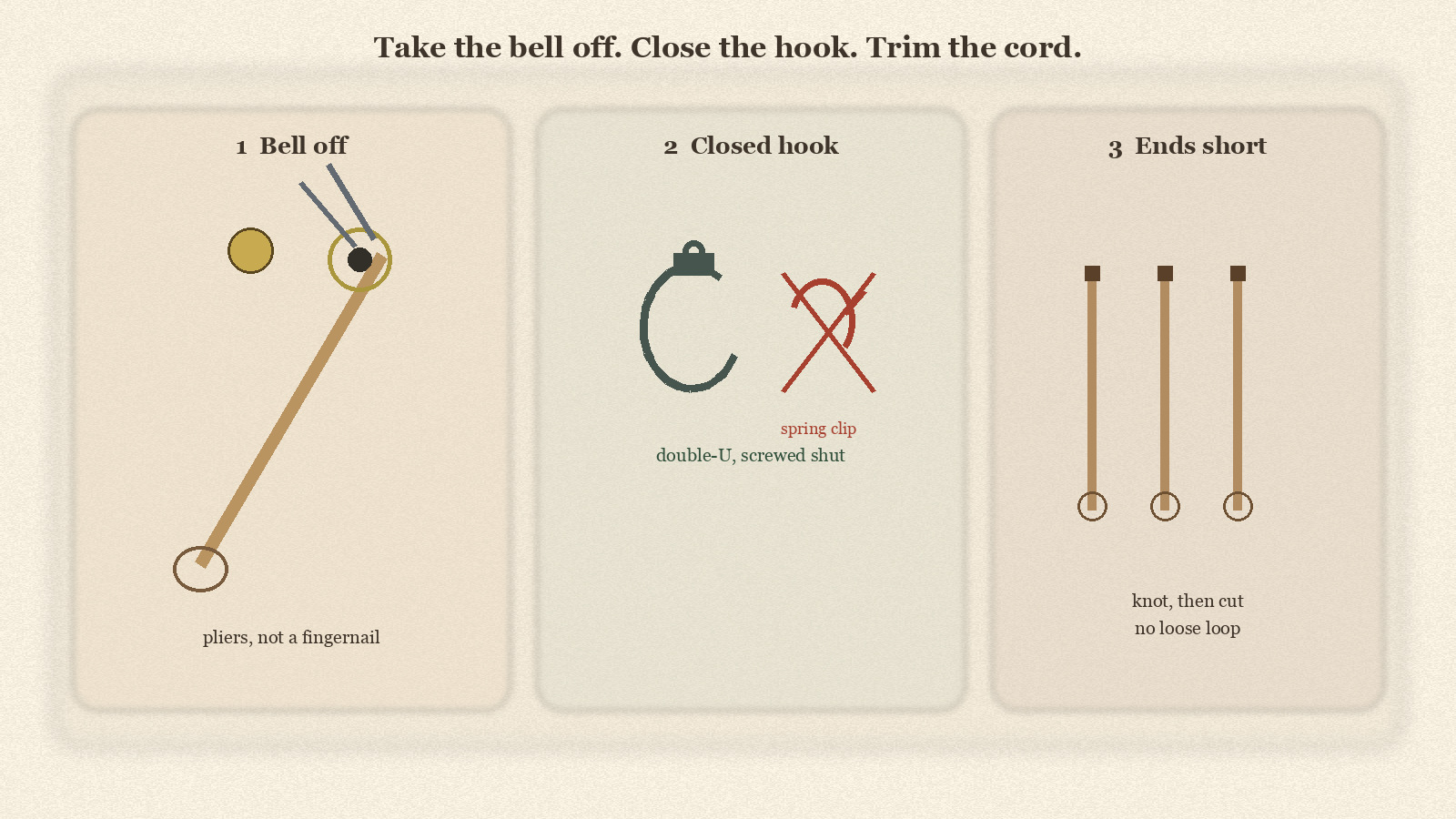
- Check the hang length. Free-hanging rope or chain should hang no more than 8 inches, or a bird can get a foot or its head into the loop. A double-U C-hook beats a split ring, a dog clip, or a spring clip. The C-hook is a short length of metal bent into a narrow U and screwed shut at the top, so the opening cannot spring open under a bird’s weight.
- Read the material list, not the photo. Avoid copper, zinc, iron, and lead, plus wax coatings and heavily dyed wood or plastic. Untreated wood, natural plant material, and plain acrylic hold up best.
- Treat the bell as the hazard it is. If the bell comes off with a fingernail, remove it with pliers or replace the toy.
- Run a fray and dye check weekly. Loose strands, colour that rubs onto a damp cloth, or crumbs your bird swallows mean the toy comes out that day.
A quick pass before you buy:
✅ Smallest loose part is wider than the head
✅ Hang drop is 8 inches or less from the hook
✅ Untreated wood, natural plant material, or plain acrylic
✅ No bell, or a bell you have physically removed
✅ No colour transfers to a damp cloth
✅ Every cord end is knotted and trimmed short
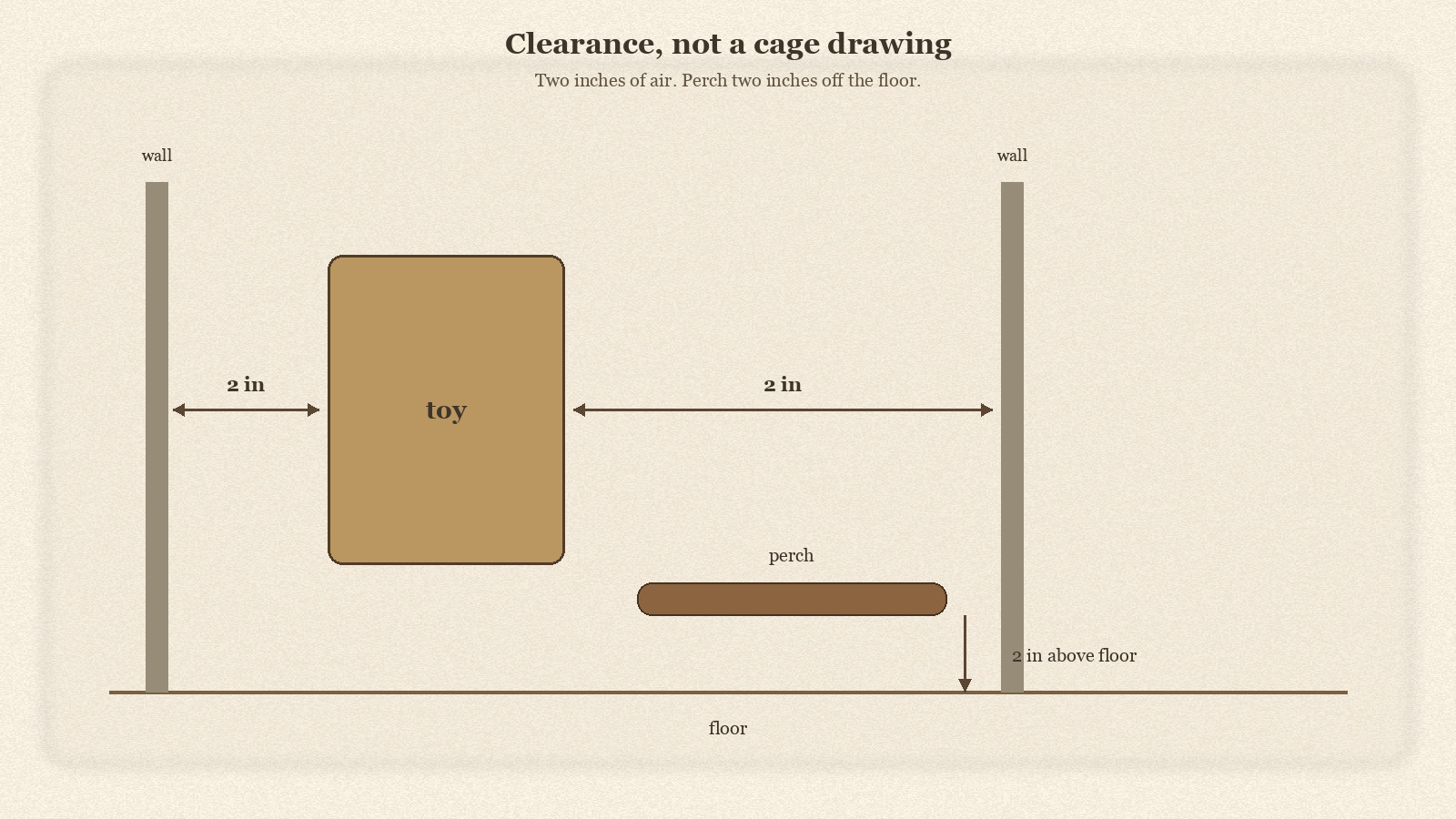
✅ Two inches of clear space around the toy for the bird to move
✅ The toy is washable, or you have a plan for the grime it collects
❌ Copper, zinc, iron, or plated metal anywhere in the build
❌ Wax, lacquer, or glue-sliced-dye finishes
❌ Spring clips, split rings, or a drop longer than 8 inches
❌ A toy sized for a smaller species than yours
Best Bird Toys for Conures and Quaker Parrots
Conures are power beaks with a habit of dismantling anything they can reach, so the goal shifts from durable to time-consuming. A foraging wall that holds a bird for weeks beats a solid chew that lasts an afternoon. Quaker parrots are the opposite problem: they chew through plastic in days and leave untouched plant material alone, so untreated vegetable material is the thing to buy. The best bird toys for quaker parrots on this page are consequently plant-based rather than plastic, and cheap enough to replace on a monthly cycle.
Cage dimensions change what you can hang, so set that first with our best conure cage guide, then come back to toys.
YIXUND Seagrass Foraging Wall — Conures That Need a Job
A seagrass mat loaded with shells, beads and wooden shapes gives a conure something to dig through rather than chew through, and owners report weeks of daily foraging on it. One cockatiel owner describes unfolding the folded mat under a heavy book for a day and then hanging it: “My cockatiel spends lots of time every day foraging on this.”
Modify it before it goes in the cage. This is not optional. A 1-star review from August 2026 reads: “My conure got his foot stuck in one of the sponge pieces on this toy and was hung to his death this morning after 3 weeks of normal interaction with this toy.” A separate 2-star reviewer from May 2024 wrote that “several birds have died getting caught in the strings that attach the toys to this mat.” Both reviewers describe the same fix that other owners used: cut the side ropes off. Replace the attachment strings with plastic rings or strips of felt, then flatten the mat before hanging it.
Two negatives sit beyond safety. It ships folded, so it arrives bent; several owners describe flattening it under weight. It also tears to threads within about two months of heavy conure work. Amazon’s own summary of the reviews says it falls apart quickly for some buyers and is “not safe for birds and can be scary for them” for others.
Skip it if your conure grabs at fine strands or hooks toes into mesh. Skip it if you are not willing to modify it first. Skip it too if your bird is a shredder who will have it in threads inside a fortnight. Buy the seagrass foraging wall only if you will do the string removal, and switch to the sola ball below for a shredder.
lovyoCoCo Natural Corn Cob — Best Fit for Quaker Parrots
Corn cob, loofah (the fibrous scrub gourd) and wood blocks in one toy give a quaker parrot or ringneck a long session of destructive chewing with zero plastic to crack. A quaker owner in February 2026: “Hands down best toy for a Quaker parrot, mine is a chewer.”
The catch is size, and owners are blunt about it. The 2-star review titled “Size deceiving” says: “Highly suggestive photo-making it LOOK big for larger parrots-it’s not.” Another reviewer simply wrote “This is small, not a good size for cockatoos.” Amazon’s own summary agrees that size feedback is split between good for medium birds and too small for the rest. Durable for about three days with a heavy chewer, in one owner’s words: “My bird dismantled this thing in three days.”
Skip it if you own a cockatoo, a macaw, or any bird that needs a large block, or if you want a toy that survives more than a week. It suits a medium parrot that chews. Check the natural corn cob toy against your bird’s head width before ordering.
BBjinronjy Sola Plant Balls — Lovebirds and Small Beaked Birds
Two dried sola plant balls on a cord: soft, shreddable, and free of dyed plastic, which makes them a good match for lovebirds and budgies with smaller beaks. One verified owner of African greys called them a favourite while flagging the hardware: “Change out the hooks as they are NOT safe.”
The cord is the weak point, and owners say so directly. A 2-star review from July 2026 reads: “Sides too long be careful with your pet they could get tangled up and choked. I had to cut and adjust mine.” Two separate 1-star reviews describe birds getting into distress after playing with the cord on this and similar sola toys. Amazon’s summary of the reviews flags choking hazards from the cords as a recurring theme, and says the balls do not last long once the bird starts tearing them apart.
Skip it if your bird swallows cord ends, and either cut and re-tie the cords shorter or replace the hook with a stainless C-hook before hanging it. Otherwise the sola plant balls are the safest chew option here for a small-beaked bird.
Best Bird Toys for Finches and Canaries
Smallest bird, smallest parts, highest ingestion risk. A component that is trivially safe on a cockatiel can vanish down a canary’s throat, so this section is mostly about restraint. Keep it to two or three pieces, check them twice a week rather than weekly, and expect to replace them sooner than you would for a parrot. That is why the best bird toys for finches and canaries here are a short, replaceable list instead of a long one.
Vitakraft Crunch Sticks for Canary and Finch — the Only Edible Pick Sized for Small Birds
If a canary or finch ignores every plastic thing you hang in the cage, an edible stick is the only enrichment that gets used. This is the one sized for birds that size. A canary owner in September 2025: “Larry, the Canary devours these things. They’re safe healthy and must be pretty darn tasty and they’re addicting.”
Two limitations stated plainly. First, the evidence base is thin. It carried 627 reviews at our October 2026 snapshot, the fewest of any pick here. It also has the lowest star average and the largest one-star share in this group. It is here as the sensible small-bird option, not a proven favourite. Second, it arrives broken more often than not, and the breakage is packaging, not taste. A 1-star review: “the seeds were all fallen off couldn’t even hang them for my birds.” A 2-star: “Most of the seed part of this was in the bottom of the package, with very little left on the popsicle-like stick.”
Skip it if your bird bolts seed chunks whole instead of working at them, or if seeds are restricted in your bird’s diet. Check the ingredients, supervise the first feed, and buy the canary and finch crunch sticks only if you are prepared for broken sticks in most boxes.
Vktech Five-Piece Hammock and Swing Set — Budget Resting Furniture
The cheapest way to add soft resting surfaces. One owner uses it as a feeding platform: “My six cage-free budgie parakeets likes to stand on these to eat spray millet from hanging foraging containers.” That same owner swapped the chain out for bird-safe rope, which is exactly the fix most owners land on.
The chain-to-wood joint is the failure point, and this is the only product here where one-star reviews cluster. Owners report the chains arriving mounted on the wrong side so the bird cannot get on the swing, and describe the hammock breaking where the chains meet the wood. Amazon’s summary confirms it: durability is split, with the hammock breaking “where the chains connect to the wood”, and the size is judged as made for very small birds.
Skip it if your bird is large enough to bend the joint, or if you are not willing to check that joint weekly. It is a budget pick with a known weak point, not a set to hang and forget — see the five-piece hammock and swing set and replace the chain before use.
Best Bird Toys for Budgies, Cockatiels and Lovebirds
These three already have dedicated buying guides, so this section compares them rather than replacing them. Budgies, cockatiels and lovebirds overlap heavily in size but not in behaviour: cockatiels forage well, budgies shred and swing, and lovebirds chew and rebuild. Because those three species split three different ways, the best bird toys for cockatiels and the best bird toys for budgies are rarely the same purchase, so the table below splits them by behaviour instead of lumping them together.
| Species | Main size risk | Toy type that works | Also read |
|---|---|---|---|
| Budgerigar | Tiny parts from multi-piece sets | Perch, swing, foraging | Best parakeet toys |
| Cockatiel | Bells and bead chains | Forage, edible enrichment | Best cockatiel toys |
| Lovebird | Cord ends and frayed string | Natural chew, shred | Best lovebird toys |
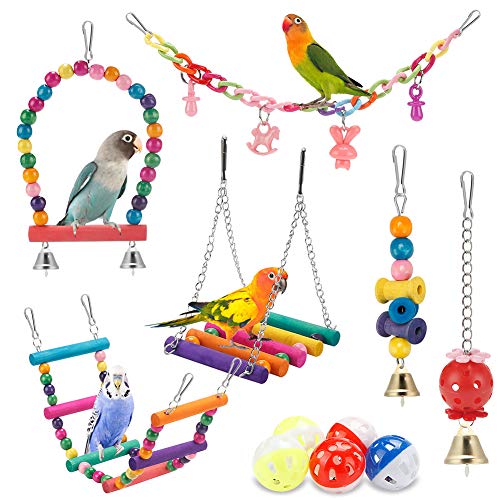
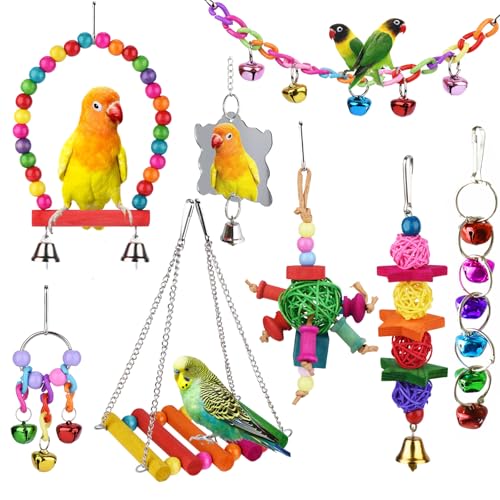
lovyoCoCo Swing, Hammock and Ladder Set — the Safest All-Round First Set
A single box of swings, ladders, hammocks, bells and foraging balls, with no metal in the build. That makes it the easiest first purchase for anyone keeping more than one of these three species. An owner adding them to a parakeet cage: “Really cute I just put it in my parakeets cage! And it seems to be good quality, there wasn’t anything to really assemble because it all came already built!”
The dye is the problem, and it is not a small one. A 2-star review from February 2026 on a set for a cherry-headed conure: “The dye leaches immediately. When I wiped the colored wood pieces with a wet paper towel, the dye transferred right away. That raises concerns about what a chewing parrot could be ingesting.” Another owner found dye on her bird’s beak and face after misting. Several three-star reviews say the same thing in shorter form, including “So much dye on these toys. We soaked in hot water for a few hours.”
Skip it if your bird is a heavy wood chewer, or if colour rubs off onto a damp cloth in the shop. For a budgie it is the easiest starter set — check the swing, hammock and ladder set before you commit to it as your only toy.
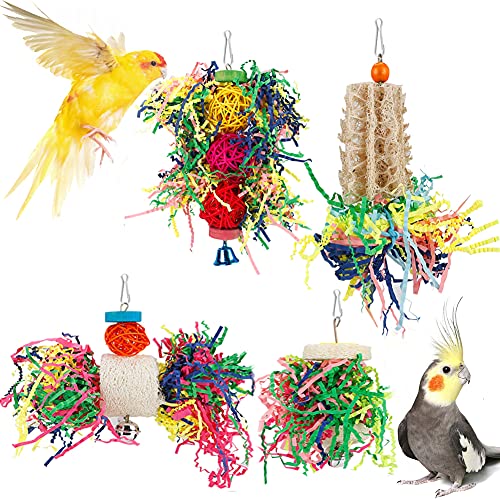
ESRISE Cage Accessory Bundle — Buy Two If Your Bird Shreds Fast
Wood, plastic and rope in one bundle that shredders work through quickly. Owners with budgie and cockatiel pairs buy two and rotate them. The ESRISE bundle sells as a single set, so a rotation pair is a second order. A verified owner with two cockatiels: “Description of what was in box was true to what came.”
This one carries the most serious set of one-star reviews of any pick here, and you should read them before buying. One 1-star review from March 2026 reports that “the wood was splitting & the swings weren’t even.” Another 1-star review from December 2025 states that both of the owner’s parakeets died within a day of the toys going into the cage. That second account is an unverified customer report. The review alone cannot establish a cause, and no incident has been confirmed independently. It is still why this one sits in a supervised-only tier. Amazon’s own summary adds that nearly all pieces broke for some buyers, and that one customer reported their bird’s toes getting caught in the round bells.
Skip it if you cannot supervise the cage, if your bird shreds hard toys within days, or if a single unsupervised failure would be unacceptable. Otherwise treat the cage accessory bundle as a consumable, keep a second set rotating so one is always in pieces, and pull any component that starts to separate. For a bird that tears soft toys apart in an afternoon, the swing and ladder set above outlasts this one.
Vitakraft Crunch Sticks for Cockatiel — for Birds That Ignore Plastic
The edible option for a cockatiel that will not touch a plastic toy, and one of the few best bird toys here that gets used by birds who ignore everything else. It pairs with the cockatiel toys guide for owners whose bird has learned to open everything else. Worth reading alongside that guide if your bird also needs shredding toys.
Be honest about the two issues: shipping damage is common, and one reviewer reported illness after eating one. A 1-star review: “Found item quite broken down inside rain soaked package.” A 3-star review from February 2026: “My bird became ill shortly after eating one of these. He has refused them since.” Amazon’s PDP histogram puts one-star at roughly six percent here, the largest one-star share of the parrot toys on this page. The upbeat counterweight is a verified buyer who keeps buying it and simply warns: “Amazon shouldn’t ship these with other heavy bulky items.”
Skip it if your bird is on a seed-restricted diet, or if a sudden change in droppings after a treat would not be caught quickly. Order the cockatiel crunch sticks separately from heavy items and supervise the first feed.
YIXUND Rope Perch with Bell — Buy It to Learn What Not to Leave On
This is the reference example for why bells get removed, not a set-and-forget purchase. The rope perch itself is well liked: an owner with cockatiels and a brown-throated conure wrote “The cockatiels love ALL toys! These were no exceptions,” and a lovebird owner praises the perch for holding and working over with the feet. Read the rope perch with bell listing and count the parts before you order, not after.
The bell is where it goes wrong, and the reviews say so. A 1-star review from July 2026: “it is made out of cheap and toxic materials and I was to late to realize that bc of the 5 star review I was nieve to think that it was ok my baby my conure she died.” Another 1-star review notes the metal is not stainless and therefore unsafe for birds. Amazon’s own summary of the review pool states plainly that multiple customers say the toys are not bird-safe. Size feedback splits between too small and too big for the cage.
Skip it if you will not remove the bell, or if your bird is a confirmed metal-chewer. With the bell off and a stainless hook swapped in, the rope perch is the best of the safe bird toys here for a lovebird. Read the rope perch with bell listing before you order, then take five minutes with pliers.
Best Bird Toys for Large Parrots: Macaws and African Greys
A macaw destroys anything soft in an afternoon, so what survives is solid untreated wood sized past the beak’s reach. Scaled-down bird toys for parrots are the classic mistake here, and the reviews are blunt about it. The best bird toys for large parrots are the ones whose smallest part is genuinely past the beak’s reach, checked against your bird’s head width rather than the listing photo.
MEWTOGO Extra Large Natural Wood Blocks — Solid Wood, Checked Size
Untreated wood blocks on a chain, and the only pick here built for a beak that can crush anything thin. Among the best bird toys for a macaw it is the only one whose smallest part genuinely clears the beak. A long-term owner who has bought every size over four years notes the sizing honestly: “the medium and the large sizes are often mixed by the sellers.”
Size is the recurring complaint. A 3-star review is three words: “Smaller than it appears.” Amazon’s summary says some buyers find it much smaller than advertised, and that while others consider it great for medium birds, “others warn it’s not suitable for macaws.” Durability is split between birds that shred it within days and birds that work it slowly for weeks.
There is also a hardware complaint worth reading. A 1-star review from 2019 describes the sisal rope as effectively wire once it is dyed. The same reviewer reports that a parrot of theirs became entangled in it.
Skip it if you own a macaw and cannot confirm the block dimensions against your bird’s head width, or if the rope section is dyed. Measure before you order the extra large natural wood blocks, and replace the rope with untreated sisal or cotton if you keep it.
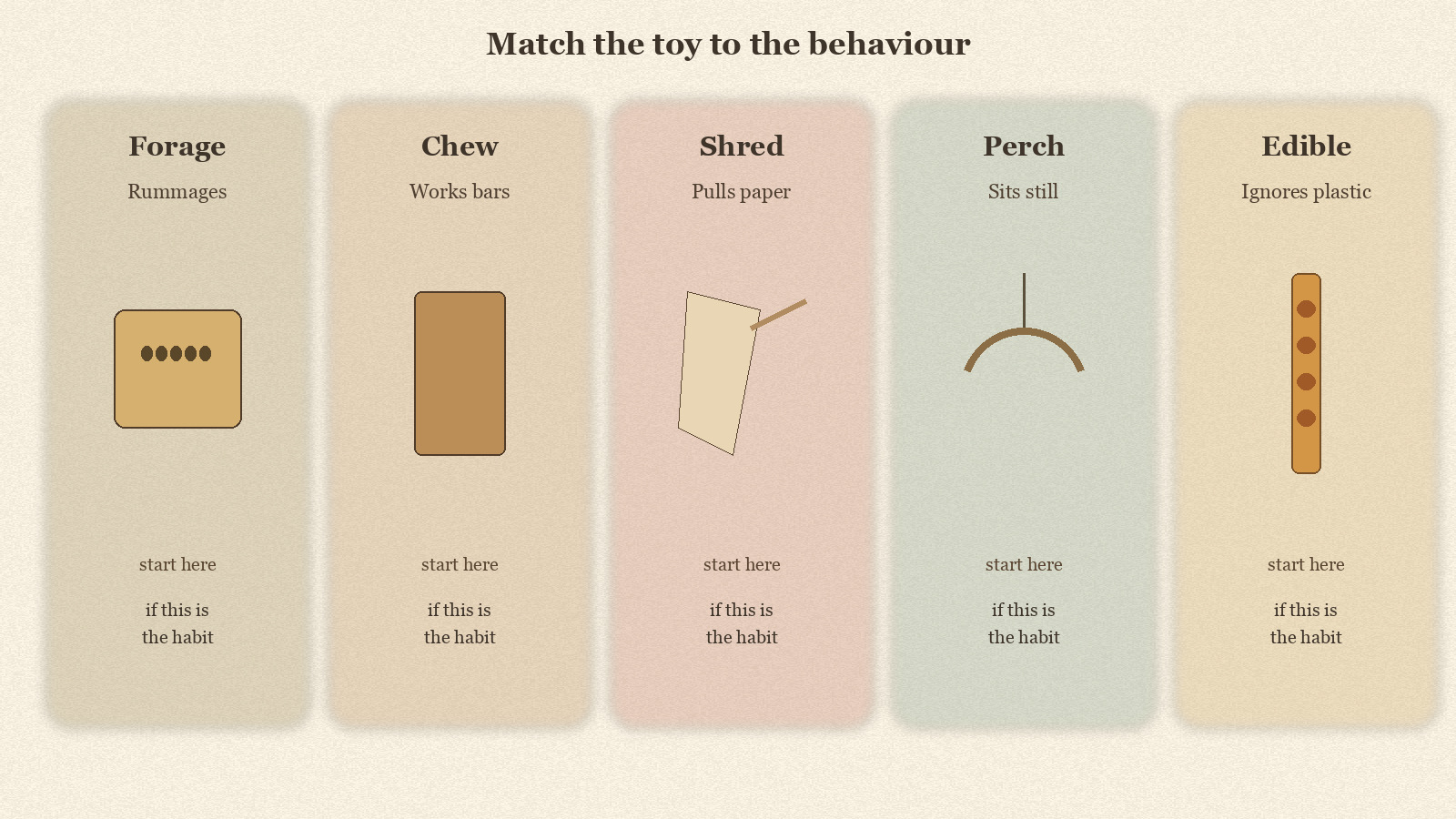
Foraging vs Chew vs Shred: Which Toy Type Your Bird Needs
Pick the behaviour before the product. The same bird can be bored by a chew and obsessed by a foraging box. Buy the wrong type twice and you end up with a drawer of ignored toys, which is the most common way a shortlist of best bird toys ends up sitting unused in a cage.
- Forage if the bird rummages and sorts. Empty the seed bowl, hide food in a shredder ball, or hang a foraging wall. This is the highest-value type in time spent, and the fastest to be ignored by a bird that has never been given one to hunt in.
- Chew if the bird works the cage bars and plastic fittings. Untreated wood, sola and corn cob give the beak something to grind without the cracking hazard of hard plastic.
- Shred if the bird pulls feathers, eats paper, or destroys bedding. Paper, soft wood and rope satisfy it, at the cost of the highest small-part risk on this page.
- Perch or swing if posture is fine but activity is low. Swings, ladders and rope perches cost the least and get used daily.
- Go edible if the bird ignores every plastic item. Seed and fruit sticks engage a bird that has already tuned out manufactured toys. Check ingredients first and count it as food.
| Type | Behaviour it serves | Typical lifespan | Main risk | Start with |
|---|---|---|---|---|
| Forage | Search and dig | 3 to 8 weeks | Small loose food and parts | Seagrass foraging wall |
| Chew | Beak wear and calm | 3 days to 4 weeks | Painted or dyed surfaces | Corn cob chew |
| Shred | Feather protection | Days to 3 weeks | Detached parts, frayed string | Sola plant balls |
| Perch / swing | Rest and exercise | Months | Hook failure, foot entrapment | Hammock and swing set |
| Edible | Interest in food-based play | One to three feeds | Reaction, broken pieces | Canary and finch sticks — thin review base |
Next step, whatever you chose: run the five checks again. They apply to the best bird toys in the table above and to anything you build yourself.
Also Considered: Two Picks With Known Problems
Two products scored well and still did not make the ten.
lovyoCoCo shredding and foraging set is a genuinely popular shredder. Owners of the shredding foraging set call it “my go-to set of parakeet toys” and treat it as a monthly replacement. It is excluded from small-bird recommendations on the strength of its own review summary, which states: “Safety concerns are significant, with customers warning it’s dangerous and not safe for budgies.” A 1-star review from June 2026 titles itself “Not safe for Budgies” and describes talons stuck in the loofah.
A parrot rescue volunteer writing in a 2-star review asks the manufacturer to remove loofah entirely. The reason given: “the fibers may remain in a parrot’s stomach or gizzard and cause serious health problems,” with the hooks flagged as a second hazard. Read the reviews before buying it for a budgie, and keep it away from any bird under cockatiel size. The shredding foraging set is workable only after every loofah piece is removed and replaced with plain paper strips. For a small bird, the sola balls in the conure section are the safer route.
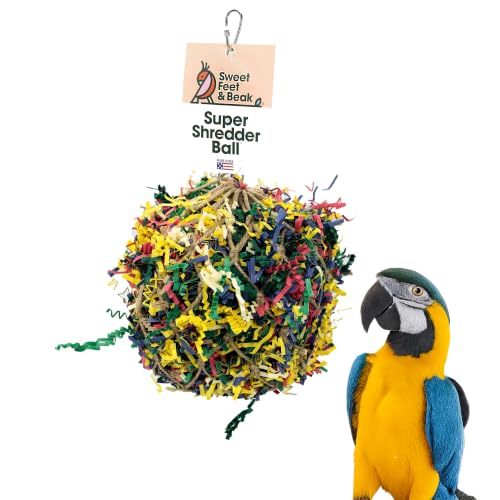
Sweet Feet and Beak small shredder ball carries two constraints before any of its merits. Stock was tight when we checked in October 2026. The product page showed “Only 5 left in stock - order soon”, and a re-check hours later had already dropped to “Only 4 left in stock - order soon.” Re-check availability before you order and do not assume it is in supply.
Four owners also describe choking concerns, and durability ranges from “holds up well to abuse” to “disintegrating in two days” in Amazon’s summary. Within those limits it is well liked. Owners of the small shredder ball describe birds that “love this shredding toy, which keeps them entertained for hours”. Owners who supervise every session call it the one foraging item that survives a finch’s attention span. If stock is thin when you check, the swing and hammock set above gives a small bird something to work on without the ingestion risk.
How Many Toys Fit in a Bird Cage, and Safe DIY Ones
Cage size sets the ceiling on everything else, so start with the cage rather than the toy. Our best bird cage guide covers bar spacing and minimum dimensions; the same part-size logic drives our best hamster cage and best guinea pig cage picks. The five builds below are the diy safe bird toys worth making first, because every one passes the checks above without a single metal part.
- Two to four toys in the cage at a time. More than that and the bird stops engaging with all of them.
- Total toy width under half the wingspan, so the bird can still fly the length of its cage.
- At least 2 inches of clear space between toys, and between a toy and the cage wall.
- Perches at least 2 inches above the cage floor, measured from the highest drop point of anything hanging.
- Rotate placement every 6 to 8 weeks instead of buying, and replace paper and plastic toys every 2 to 4 weeks.
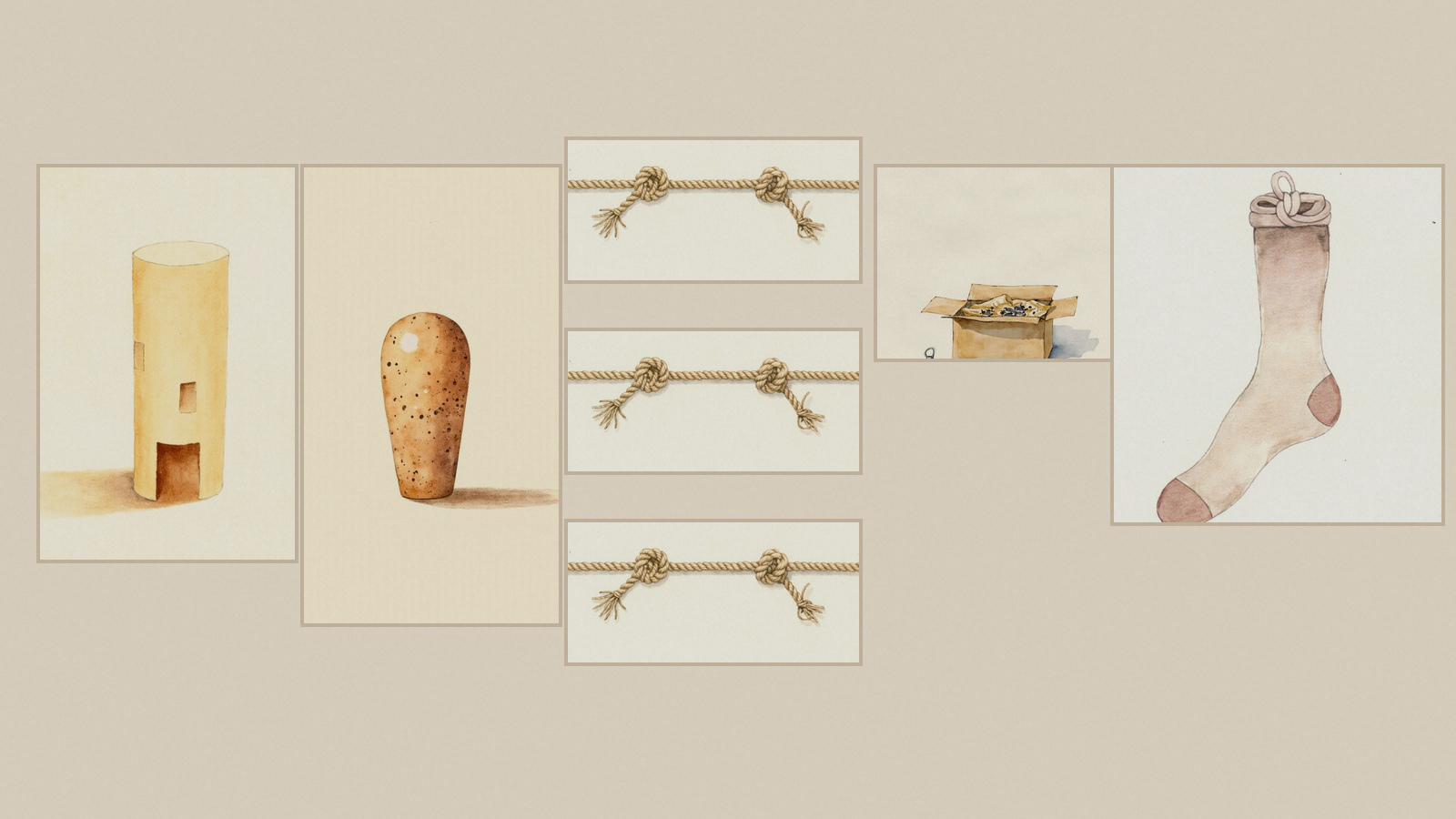
Five DIY toys that pass the same checks, all in about ten minutes:
- Paper-roll maze. Unbleached plain paper only, no glossy print. Cut doorways wider than your bird’s head. Retire it when the edges go fuzzy or a bird starts swallowing the strips.
- Cork stopper toss. A plain natural cork, no dye, no printed logo. Retire it once it cracks into pieces smaller than the head.
- Tear strips. Untreated cotton or sisal rope cut to 8 inches, knotted at both ends. Retire it at the first frayed fibre.
- Tissue-box foraging. Line a plain cardboard box with kraft paper, hide a few seeds under the lining, use a stainless C-hook to hang it. Retire it when the box is damp or torn.
- Sock foraging pouch. A plain cotton sock with seeds inside, knotted closed and hung with a double-U clip, never a spring clip. Retire it the moment the toe-hole frays.
Conclusion: Match the Toy to the Bird, Not the Photo
Three things survive every species. Run the five safety checks before you fall for a colour. Choose the toy type from the behaviour you want to add, not from the photograph. Keep up the weekly fray check — the only habit here that costs nothing and catches every other failure. That is the whole method behind the best bird toys above: buy for the behaviour, verify the smallest part, and retire the toy before the bird does it for you.
If you are starting from an empty cage, buy two pieces. One perch or swing for daily use, and one foraging item sized to the species table at the top of this page.
Prices, ratings and stock on this page were checked on Amazon in October 2026 and move weekly, so open any product name for today’s listing.