Overview
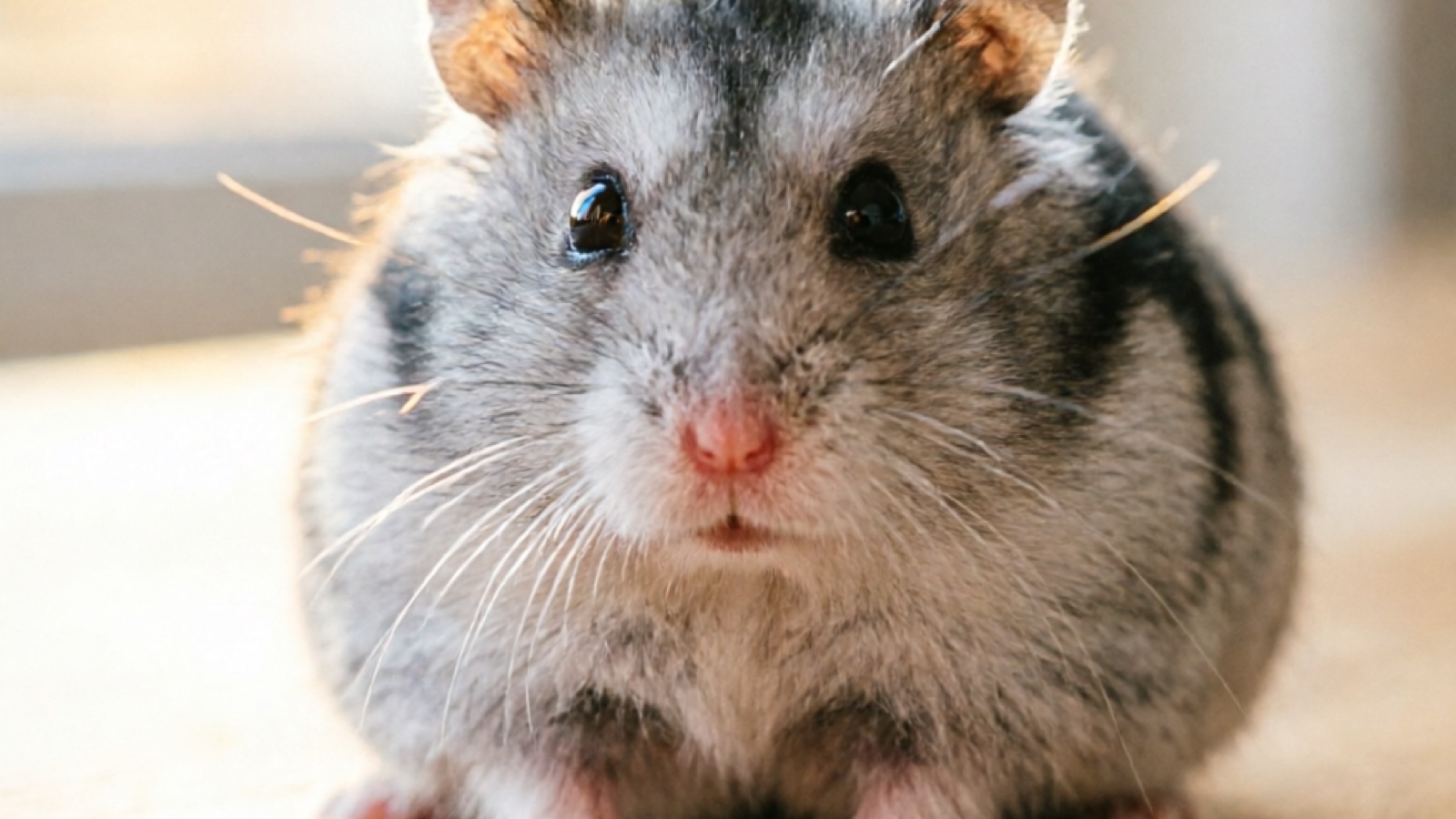
The Winter White dwarf hamster (Phodopus sungorus), also called the Siberian dwarf hamster or Djungarian hamster, is one of the most charming dwarf hamster species you can keep as a pet. I’ve always found them to be one of the easiest dwarf hamsters to work with — they’re generally more docile and slower-moving than Campbell’s dwarves, which makes them a better choice for first-time owners who want something smaller than a Syrian.
Originally from the steppes of Siberia, Kazakhstan, and Mongolia, these little hamsters earned their common name from a fascinating trait: in the wild, their fur turns almost completely white during the short winter days as camouflage against snow. While this color change is less common in captivity (it requires specific lighting conditions), it’s one of the most unique things about the species.
In my experience, Winter Whites strike a great balance — they’re small enough to be adorable, but large enough and calm enough to handle without the constant darting-away behavior you get with Roborovskis. They’re genuinely one of my favorite hamster breeds to recommend.
Quick Facts
| Attribute | Details |
|---|---|
| Scientific Name | Phodopus sungorus |
| Other Names | Siberian hamster, Djungarian hamster |
| Adult Size | 3-4 inches (8-10 cm) |
| Weight | 1.5-2 oz (40-60 g) |
| Lifespan | 1.5-2 years |
| Activity Cycle | Crepuscular (most active at dawn and dusk) |
| Temperament | Friendly, social, relatively easy to tame |
Appearance
Winter Whites are compact, round-bodied hamsters with short legs, a short tail, and — like all Phodopus species — a distinctive dorsal stripe running down their back. They have slightly more rounded faces compared to Campbell’s dwarves, and their fur is incredibly dense and plush, which I’ve always thought gives them a slightly “stuffed animal” quality.
Natural Coat Color
The wild-type (agouti) coloration is a dark grayish-brown on the back with a black dorsal stripe, fading to a whitish belly. It’s subtle and handsome — not flashy, but very natural-looking.
Color Variations
- Sapphire: A soft, silvery-blue gray coat with a dark dorsal stripe. One of the most popular colors in the pet trade, and honestly one of my favorites.
- Pearl: White with a sprinkling of dark guard hairs, giving a “frosted” appearance. The dorsal stripe may be faint or absent.
- Imperial Winter White: A combination mutation that produces an even lighter, more silvery appearance. Still relatively uncommon.
- Mandarin / Orange: A warm orange-brown coat, though this is rarer in pure Winter Whites and sometimes indicates hybridization with Campbell’s.
The Winter Coat Change
This is the signature feature of the species. In the wild, when daylight hours drop below about 8 hours per day (as they would naturally in a Siberian winter), a Winter White’s coat gradually turns white over the course of about 2-3 weeks. In captivity, this is triggered by keeping your hamster in a room with natural light cycles and no artificial light at night — something that’s hard to achieve in most modern homes. I’ve only seen it happen a handful of times with pet hamsters, but it’s magical when it does.
Important note: Many “Winter White” hamsters sold in pet stores are actually hybrids with Campbell’s dwarf hamsters. Pure Winter Whites are becoming harder to find. Hybrids can have unpredictable temperaments and health issues, so I always recommend seeking out a reputable breeder if you want a purebred Winter White.
Temperament & Behavior
This is where Winter Whites really shine. I’ve found them to be the most consistently friendly of all the dwarf hamster species. They’re curious, active explorers, but they’re also calm enough to sit in your hand for short periods once they trust you.
Handling
Winter Whites are generally receptive to handling and can be tamed with patience. Here’s what I’ve found works best:
- Start by offering treats from your fingers for the first few days
- Gradually scoop them up with both hands rather than grabbing from above
- Keep handling sessions short (5-10 minutes) at first
- They’re less likely to bite than Campbell’s dwarves, but any hamster will nip if startled
Social Behavior
In the wild, Winter Whites live in small family groups. In captivity, they can be kept in same-sex pairs or small groups, but I’d offer a few important caveats:
- Pairs should be introduced at a young age (ideally littermates)
- Even bonded pairs can sometimes fight — always provide a large enough cage with multiple hides so each hamster has their own space
- If fighting occurs, you must separate them immediately — dwarf hamster fights can be brutal
- Personally, I recommend keeping them solo unless you’re experienced and prepared to separate if needed
Activity Patterns
Like most hamsters, Winter Whites are crepuscular — most active in the early morning and evening hours. They do run on their wheels at night, but they’re also frequently active during twilight periods. I’ve always found them to be more visible during the day than Syrians, which is a nice bonus if you want to actually see your pet.
They’re avid burrowers and will appreciate deep bedding (6+ inches) to create tunnel systems. Providing a proper cage setup with deep substrate is one of the most important things you can do for their wellbeing.
Diet & Nutrition
Winter White dwarf hamsters are omnivores in the wild, feeding on seeds, insects, and vegetation. Like Campbell’s dwarves, they have a moderate risk of diabetes, so sugar management is important — though they’re generally considered slightly less prone than Campbell’s.
Staple Diet
- Commercial hamster mix — should form 70-80% of the daily diet
- I prefer pellet-based mixes over loose seed mixes because they prevent selective eating
- Look for 15-20% protein and 4-6% fat content
- Avoid mixes with sugary pieces like yogurt drops or honey-coated seeds
Safe Fresh Foods
- Vegetables (daily): broccoli, carrots (small amounts), cucumber, bell pepper, zucchini, spinach
- Fruits (1-2x per week — limit due to diabetes risk): strawberries, blueberries, grapes, raspberry
- Protein treats (2-3x per week): mealworms, cooked plain chicken, boiled egg white, tofu
Foods to Avoid
- High-sugar foods: bananas, apples, corn, and peas should be given very sparingly or avoided entirely
- Citrus fruits, onions, garlic, raw potatoes, rhubarb
- Chocolate, candy, processed human food
- Almonds, raw beans, apple seeds
- Any commercial treats with added sugar, honey, or yogurt coating
Feeding Tips
- Feed once daily in the evening when your hamster becomes active
- Daily portion: ~1 tablespoon of mix plus a thumbnail-sized piece of safe vegetable
- Remove uneaten fresh food after 24 hours
- Always provide fresh water in a sipper bottle
- Monitor weight regularly — you should be able to feel the ribs with gentle pressure, but they shouldn’t be visible
Housing Requirements
Despite their small size, Winter Whites need surprisingly spacious enclosures. A common mistake is assuming a tiny hamster needs a tiny cage — nothing could be further from the truth.
Minimum Cage Size
- 450+ sq inches of uninterrupted floor space (not including upper levels)
- I personally recommend going larger if possible — 600+ sq inches is ideal
- Avoid tall cages with small footprints; floor space matters more than height
Cage Setup
- Substrate: 6+ inches of paper-based or aspen bedding for burrowing. Never use pine or cedar — the oils are toxic. See our cage setup guide for detailed bedding recommendations
- Wheel: Minimum 6.5 inches diameter, solid surface (no mesh or wire — their tiny feet can get caught). A 7-8 inch wheel is ideal
- Hides: At least 2 hiding spots — one for sleeping and one for food hoarding
- Enrichment: Tunnels, bridges, cork logs, and cage enrichment items. Rotate toys regularly to prevent boredom
- Bar spacing: Maximum 0.4 inches — Winter Whites can squeeze through surprisingly small gaps
Temperature
- Ideal range: 65-75°F (18-24°C)
- Avoid temperatures below 50°F — this is when the winter coat change can be triggered
- Keep the cage away from direct sunlight, drafts, and air conditioning vents
Health & Common Issues
Winter Whites are generally hardy little hamsters, but they do have some health considerations to be aware of.
Diabetes
Like Campbell’s dwarves, Winter Whites are prone to diabetes, though typically at a lower rate. Signs include excessive drinking and urination, sudden weight changes, and lethargy. The best prevention is a low-sugar diet — stick to the dietary guidelines above and avoid sugary treats.
Wet Tail
This is a serious, often fatal bacterial infection (proliferative ileitis) that causes severe diarrhea. It’s more common in young hamsters and is often stress-induced. If you notice wetness around the tail area, lethargy, and loss of appetite, seek veterinary care immediately. Wet tail requires antibiotics and supportive care — it’s not something that resolves on its own.
Respiratory Infections
Sneezing, wheezing, or nasal discharge can indicate a respiratory infection, often caused by dusty bedding or poor ventilation. Switch to paper-based bedding if you’re using anything dusty, and ensure the cage has adequate airflow without drafts.
Dental Problems
Hamsters’ teeth grow continuously throughout their lives. Provide wooden chew toys, safe gnawing sticks, or hard vegetables to help wear them down naturally. Overgrown teeth can lead to difficulty eating and require veterinary trimming.
Skin Issues
Mites and fur mites can cause fur loss and itching. If you notice bald patches or excessive scratching, consult an exotic vet. Regular cage cleaning and proper bedding go a long way toward prevention.
Average Veterinary Costs
- Annual wellness exam: $40-70
- Emergency visit: $80-150+
- Common treatment (antibiotics, mite medication): $30-80
- Dental trimming (if needed): $50-100
Winter White vs. Campbell’s Dwarf Hamster
This is one of the most common questions I get. These two species look similar and are frequently confused — especially since many pet stores sell hybrids without telling you. Here’s a quick comparison:
| Feature | Winter White | Campbell’s |
|---|---|---|
| Face shape | Rounder, more “plump” | More pointed, elongated |
| Dorsal stripe | Present but softer | Darker, more defined |
| Temperament | Generally calmer, easier to tame | More active, more prone to nipping |
| Diabetes risk | Moderate | Higher |
| Winter coat change | Yes (with proper lighting) | No |
| Social | Can be kept in pairs | Can be kept in pairs |
Pros & Cons
Pros:
- One of the friendliest dwarf hamster species
- Easier to tame and handle than Campbell’s or Roborovskis
- Fascinating winter coat change ability
- Active and entertaining to watch
- Can potentially be kept in pairs
- Generally less prone to biting
Cons:
- Shorter lifespan (1.5-2 years)
- Moderate diabetes risk requires careful diet management
- Small size makes them more fragile to handle
- True purebreds are harder to find — many pet store animals are hybrids
- Require spacious cages despite their tiny size
- Can be difficult to sex accurately as juveniles
FAQ
Are Winter White hamsters good for beginners?
Yes, I’d argue they’re one of the best dwarf hamster breeds for beginners. They’re calmer and more handleable than Campbell’s dwarves, and while they’re smaller than Syrians, they’re still relatively easy to care for. The main things to watch out for are their diabetes risk and making sure you get a spacious enough cage.
Can Winter White hamsters live together?
They can live in same-sex pairs or small groups if introduced as littermates at a young age. However, I always caution that even bonded pairs may fight. You need a large cage with multiple hides and escape routes, and you should be prepared to separate them if aggression occurs. Many experienced keepers actually prefer to house them singly to avoid any risk.
Why isn’t my Winter White turning white?
The winter coat change requires a specific trigger: daylight hours dropping below approximately 8 hours per day for several consecutive weeks. In most homes with artificial lighting, this condition isn’t met. It’s completely normal for a pet Winter White to keep its regular coat color year-round.
What’s the difference between a Winter White and a Campbell’s hamster?
The main differences are temperament (Winter Whites are generally calmer), face shape (Winter Whites have rounder faces), and the winter coat change ability (unique to Winter Whites). Many pet stores sell hybrids, which can have traits of both species and may have more unpredictable temperaments.
How big of a cage does a Winter White need?
A minimum of 450 square inches of floor space, though I recommend 600+ if possible. Don’t let their small size fool you — they need plenty of room to run, burrow, and explore. A proper cage setup with deep bedding is essential for their physical and mental health.