Overview
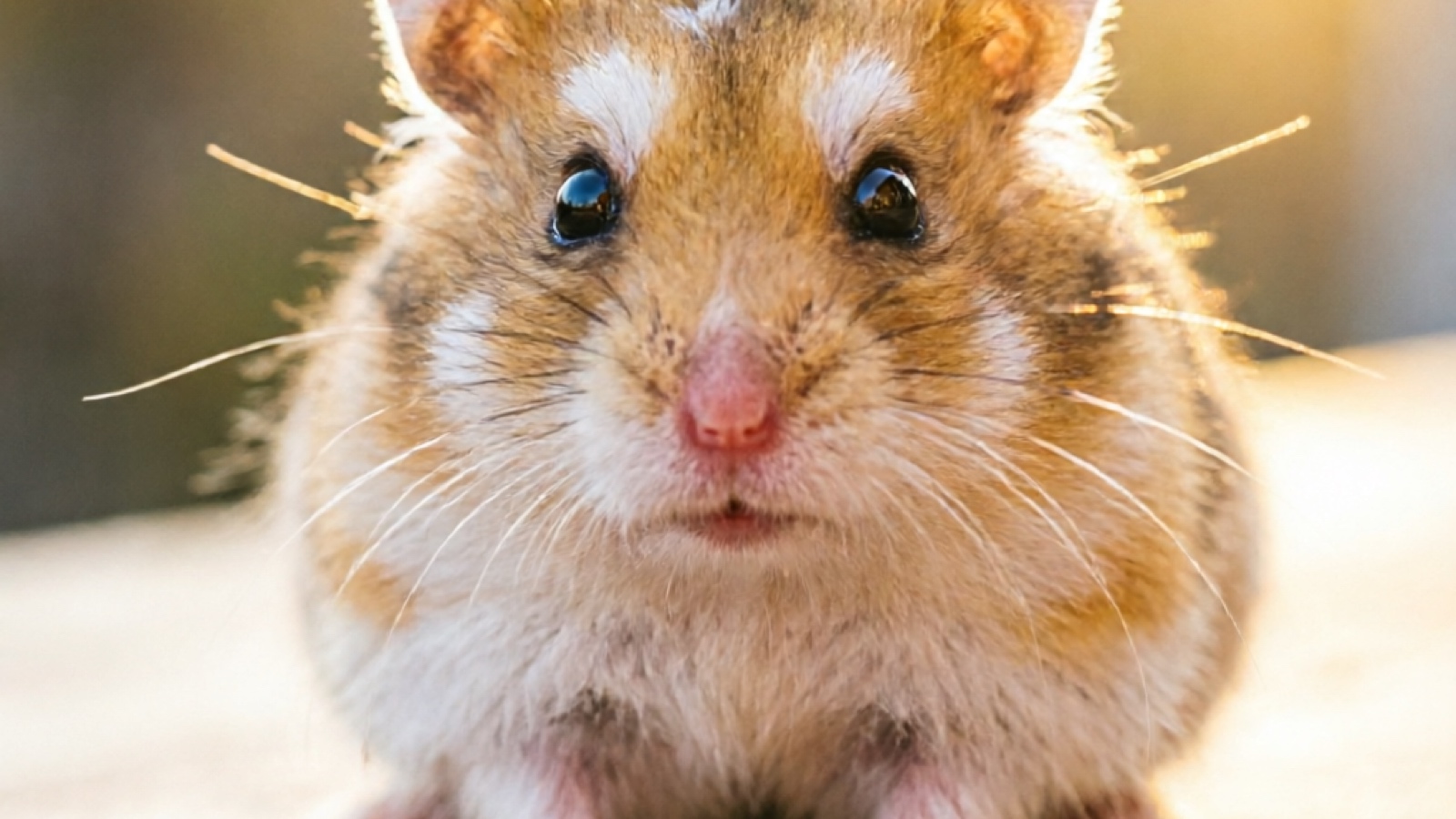
The Roborovski dwarf hamster (Phodopus roborovskii), often called the “Robo,” is the smallest and fastest of all hamster species kept as pets. Native to the deserts and semi-arid regions of Mongolia, northern China, and southern Russia, these tiny hamsters were first described by the Russian explorer Vsevolod Roborovski in the late 19th century — hence the name.
I’ll be completely honest: Robos are not the right choice for everyone. If you’re looking for a hamster you can cuddle and handle, a Syrian or Winter White will serve you much better. But if you want to set up a beautifully enriched enclosure and watch endlessly entertaining, hyperactive little creatures go about their lives — Robos are absolutely delightful. I’ve kept several over the years, and watching them tunnel, sprint on their wheels, and zip around at incredible speed never gets old.
One thing that makes Robos special is their lifespan. At 2-3 years (and occasionally up to 3.5 years with excellent care), they’re among the longest-lived pet hamsters. Combined with their tiny size, they’re a long-term commitment in a very small package.
Quick Facts
| Attribute | Details |
|---|---|
| Scientific Name | Phodopus roborovskii |
| Other Names | Robo, Roborovski, desert hamster |
| Adult Size | 1.5-2 inches (4-5 cm) |
| Weight | 0.7-1 oz (20-30 g) |
| Lifespan | 2-3 years (up to 3.5 years with excellent care) |
| Activity Cycle | Crepuscular / nocturnal |
| Temperament | Fast, skittish, not handleable |
Appearance
Roborovskis are unmistakable once you know what to look for. They’re incredibly small — roughly the size of a large bumblebee when fully grown — with a round, compact body, short legs, and a tail so tiny it’s barely visible.
Coat Color
The natural (wild-type) coloration is a sandy brown on top with a white belly, giving them excellent camouflage in their desert habitat. Unlike the other Phodopus species (Winter Whites and Campbell’s), Robos do not have a dorsal stripe — their back is a uniform sandy color, which is one of the easiest ways to identify them.
Color Variations
- Normal (Agouti): Sandy brown on the back, white on the belly. The most common and original color.
- White Face: Similar to the normal coloration but with a white face and cheek flashes. This is probably the second most common variation.
- Husky: Lighter overall coloration with a white face. Often described as a diluted version of the normal color.
- Mottled / Pied: Irregular white patches mixed with the normal coloration. Relatively uncommon.
Physical Features
- No dorsal stripe (unlike Winter Whites and Campbell’s)
- White “eyebrows” — prominent white markings above the eyes that give them a perpetually surprised expression. This is one of their most endearing features
- Very large eyes relative to their tiny head
- Incredibly long whiskers — proportionally longer than any other hamster species
Temperament & Behavior
If I had to describe Robos in one word, it would be “busy.” These hamsters are in constant motion. In my experience, they’re the most active hamster species by a wide margin, and their speed is genuinely surprising — they can run at speeds of up to 6 mph relative to their size.
Handling — Be Realistic
This is the most important thing to understand about Roborovskis: they are not handleable in the way other hamsters are. I want to be very clear about this because I see too many people buy Robos expecting to hold them, then get frustrated or even rehome them.
- They are extremely fast and will bolt the moment they feel insecure
- They rarely calm down in your hand — even tame Robos will try to escape
- They’re too small to handle safely — a fall from even a few feet can cause serious injury
- They’re fragile and can be easily injured by squeezing or rough handling
Taming a Robo is possible (usually through a patient process of hand-feeding and sitting still near the cage), but even a “tame” Robo will rarely sit still for more than a few seconds. I think of them as watch-only pets, similar to keeping fish in a well-planted aquarium. The joy comes from observing, not handling.
Social Behavior
Roborovskis are the most social of the Phodopus species. In the wild, they live in large family groups, and in captivity, they can be kept in same-sex pairs or small groups — more successfully than Winter Whites or Campbell’s in my experience.
- Introduce as littermates when possible
- Provide a very large enclosure (600+ sq inches minimum for a pair)
- Multiple hides, food stations, and wheels are essential
- Even well-bonded groups can sometimes have conflicts — monitor regularly
- Be prepared with a backup enclosure in case separation is needed
Activity Patterns
Robos are crepuscular, with peak activity in the early morning and late evening. However, in my experience, they’re also more active during the daytime than other hamster species — you’ll often see them pop out of their burrows during the day for quick explorations.
They are extraordinary burrowers. In the wild, their tunnel systems can extend several feet underground. In captivity, they need deep bedding (8+ inches if possible) to satisfy this instinct. Watching a Robo build an elaborate tunnel system is genuinely one of the most rewarding aspects of keeping them.
They’re also incredible runners. A single Robo can run up to 4-5 miles per night on their wheel. I’ve seen the odometer readings — it’s impressive.
Diet & Nutrition
Roborovskis have the lowest diabetes risk among the Phodopus species, which gives you a bit more flexibility with their diet compared to Campbell’s or Winter Whites. However, a balanced, low-sugar diet is still the healthiest approach.
Staple Diet
- Commercial hamster mix — 70-80% of daily intake
- Pellet-based mixes are ideal to prevent selective eating
- Target 15-20% protein and 4-6% fat content
- Some keepers use dwarf hamster-specific mixes, but a good quality Syrian mix works fine too
Safe Fresh Foods
- Vegetables (daily): broccoli, carrots (small pieces), cucumber, bell pepper, zucchini, dandelion greens
- Fruits (1-2x per week — lower risk than other dwarves but still moderate): strawberries, blueberries, grapes, raspberry
- Protein (2-3x per week): mealworms, cooked chicken, boiled egg white, small amounts of tofu
Foods to Avoid
- Citrus fruits, onions, garlic, raw potatoes
- Chocolate, candy, processed human food
- Almonds, raw beans
- Excessively sugary treats (yogurt drops, honey sticks)
- Any wild-caught insects (risk of parasites)
Feeding Tips
- Feed once daily in the evening
- Daily portion: ~1 teaspoon of mix (they’re tiny — less than other dwarves)
- Small pieces of fresh vegetables daily
- Scatter-feeding is excellent for Robos — hide food around the enclosure to encourage natural foraging behavior
- Always provide fresh water in a sipper bottle (a small bottle with a ball-bearing sipper is best for their tiny mouths)
Housing Requirements
Housing is where Roborovski care really matters. Because of their tiny size, speed, and burrowing instincts, their enclosure needs to be set up very thoughtfully.
Minimum Cage Size
- 450+ sq inches for a single Robo (minimum)
- 600+ sq inches for a pair
- I strongly recommend going larger — these are active animals that use every inch of space
- Avoid tall cages with small footprints — floor space is everything
Cage Security (Critical)
This is not optional — Robos are escape artists of the highest order:
- Bar spacing: Maximum 0.25 inches. Seriously. They can squeeze through gaps that seem impossibly small
- Solid-bottom cages are preferred over wire-bottom cages
- Aquariums, bin cages, and PVC-panel enclosures are excellent choices
- If using a wire cage, check every bar junction for gaps
- I’ve seen Robos escape through openings I didn’t think were possible
Cage Setup
- Substrate: 6-8+ inches of paper-based or aspen bedding. Robos are the most dedicated burrowers of all hamster species, and deep substrate is not a luxury — it’s a necessity. See our cage setup guide for details
- Wheel: Minimum 6.5 inches, solid surface only. Many Robo owners use 7-8 inch wheels. Their feet are tiny, so ensure the running surface is smooth — no mesh, no wire
- Hides: At least 2-3 hides, especially for pairs/groups
- Tunnels: Robos love tunnel systems. You can provide additional tube tunnels on top of the deep bedding burrows
- Sand bath: A small dish of chinchilla sand (not dust) for grooming. Robos love rolling in sand, and it helps keep their coat clean. Remove soiled sand regularly
Temperature
- Ideal range: 65-75°F (18-24°C)
- They’re desert animals and can tolerate slightly warmer temperatures than other hamster species, but should still be kept cool
- Avoid temperatures below 60°F
Health & Common Issues
Roborovskis are generally healthy, hardy hamsters with fewer genetic health issues than some other species. Their long lifespan (relative to other hamsters) speaks to their overall robustness.
Diabetes
While Robos have the lowest diabetes risk among dwarf hamsters, they’re not immune. Keep sugar intake moderate and maintain a healthy diet. Signs include excessive drinking, increased urination, and unexplained weight changes.
Respiratory Infections
As with all hamsters, dusty environments can cause respiratory issues. Use paper-based bedding rather than dusty substrates, and ensure proper ventilation.
Wet Tail
Robos are less susceptible to wet tail than Syrian hamsters, but it can still occur, especially in young or stressed individuals. Watch for wetness around the tail area, lethargy, and loss of appetite.
Injury from Falls
Because of their tiny size and incredible speed, falls are a real risk. Keep the enclosure on a stable surface, always hold them low to the ground if you need to transfer them, and never allow them on high surfaces like tables or beds.
Dental Problems
As with all hamsters, Robos’ teeth grow continuously. Provide safe wooden chew toys and occasional hard vegetables to help maintain dental health.
Average Veterinary Costs
- Annual wellness exam: $40-70
- Emergency visit: $80-150+
- Common treatments: $30-80
- Finding an exotic vet experienced with very small hamsters can be challenging — I recommend establishing a relationship with one before you need them
Roborovski vs. Other Dwarf Hamsters
| Feature | Roborovski | Winter White | Campbell’s |
|---|---|---|---|
| Size | 1.5-2 in (smallest) | 3-4 in | 3-4 in |
| Speed | Extremely fast | Moderate | Fast |
| Handleable | No — watch-only | Yes | Somewhat |
| Diabetes risk | Lowest | Moderate | Highest |
| Lifespan | 2-3 years (longest) | 1.5-2 years | 1.5-2 years |
| Social | Yes, pairs/groups | Pairs possible | Pairs possible |
| Dorsal stripe | No | Yes | Yes |
| Difficulty | Advanced | Beginner | Intermediate |
Pros & Cons
Pros:
- Longest lifespan of any pet hamster (2-3 years, up to 3.5)
- Fascinating to watch — endlessly entertaining behavior
- Most successful for pair/group housing among hamsters
- Lowest diabetes risk among dwarf species
- Hardy and relatively healthy
- Compact size means they need less food and smaller accessories
- Unique “eyebrow” markings are adorable
Cons:
- Not handleable — truly a watch-only pet
- Extremely fast and easily lost if they escape
- Tiny size makes them fragile
- Need very secure enclosures (tiny bar spacing)
- Can be difficult to observe — they spend a lot of time underground
- Finding veterinary care for such a small animal can be challenging
- Less personality interaction than Syrians or Winter Whites
FAQ
Can you hold a Roborovski hamster?
Not in any meaningful way. They’re far too fast, small, and skittish to be held like other hamsters. Even experienced keepers can’t “cuddle” a Robo. If you want a hamster you can handle, I’d strongly recommend a Syrian or Winter White instead. Think of Robos as pets you watch, similar to fish or ant farms.
Do Roborovski hamsters need a wheel?
Absolutely. They’re among the most active hamster species and will run up to 4-5 miles per night on their wheel. A solid-surface wheel of at least 6.5 inches (7-8 inches is better) is essential. Without a wheel, a Robo will become stressed and may develop behavioral problems.
How long do Roborovski hamsters live?
With proper care, Robos typically live 2-3 years, and some well-cared-for individuals reach 3.5 years. This makes them the longest-lived of all pet hamster species. Their lifespan is one of their biggest advantages over other dwarf species.
Can Roborovski hamsters live together?
Yes, and they’re generally the most successful hamster species for pair or group housing. Keep same-sex pairs or trios, ideally littermates. Provide a large cage (600+ sq inches), multiple hides, multiple food stations, and multiple wheels. Monitor for aggression and be ready to separate if needed.
Why is my Roborovski always hiding?
Robos are naturally burrowing animals that spend a significant portion of their time underground in their tunnel systems. This is completely normal behavior. If your Robo never comes out, check that the room isn’t too bright (they prefer dim conditions) and that the temperature is comfortable. Also, a new Robo may take 1-2 weeks to adjust to their new environment before becoming more active above ground.